Produkty
Exterior
Exterior Wood Oil

Exterior Wood Oil

Nr artykułu: 618425A EAN: 5708055042000 617931A EAN: 5708055014793 617938A EAN: 5708055014809 618125A EAN: 5708055041973 618225A EAN: 5708055041980 618325A EAN: 5708055041997 617951A EAN: 5708055014984 617950A EAN: 5708055015004 617955A EAN: 5708055015042 617956A EAN: 5708055015035 617958A EAN: 5708055014991 617961A EAN: 5708055015011 617962A EAN: 5708055015028 617963A EAN: 5708055015059 617965A EAN: 5708055015264

Wodny olej do drewna użytkowanego na zewnątrz

  • Zapewnia mocno odporną na wodę i zabrudzenia powierzchnię
  • Podkreśla naturalny kolor i usłojenie drewna
  • Zawiera filtr UV i chroni drewno przed degradacją
  • Gęsta konsystencja – nie kapie – łatwa w użyciu
  • Zapewnia powierzchnię o otwartych porach, oddychającą
  • Szybkoschnący

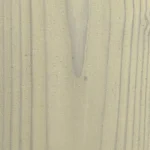
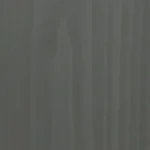
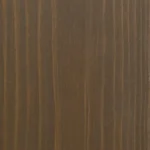
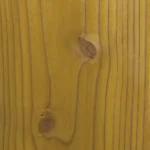
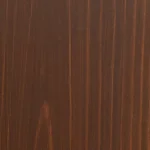
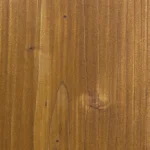
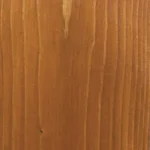
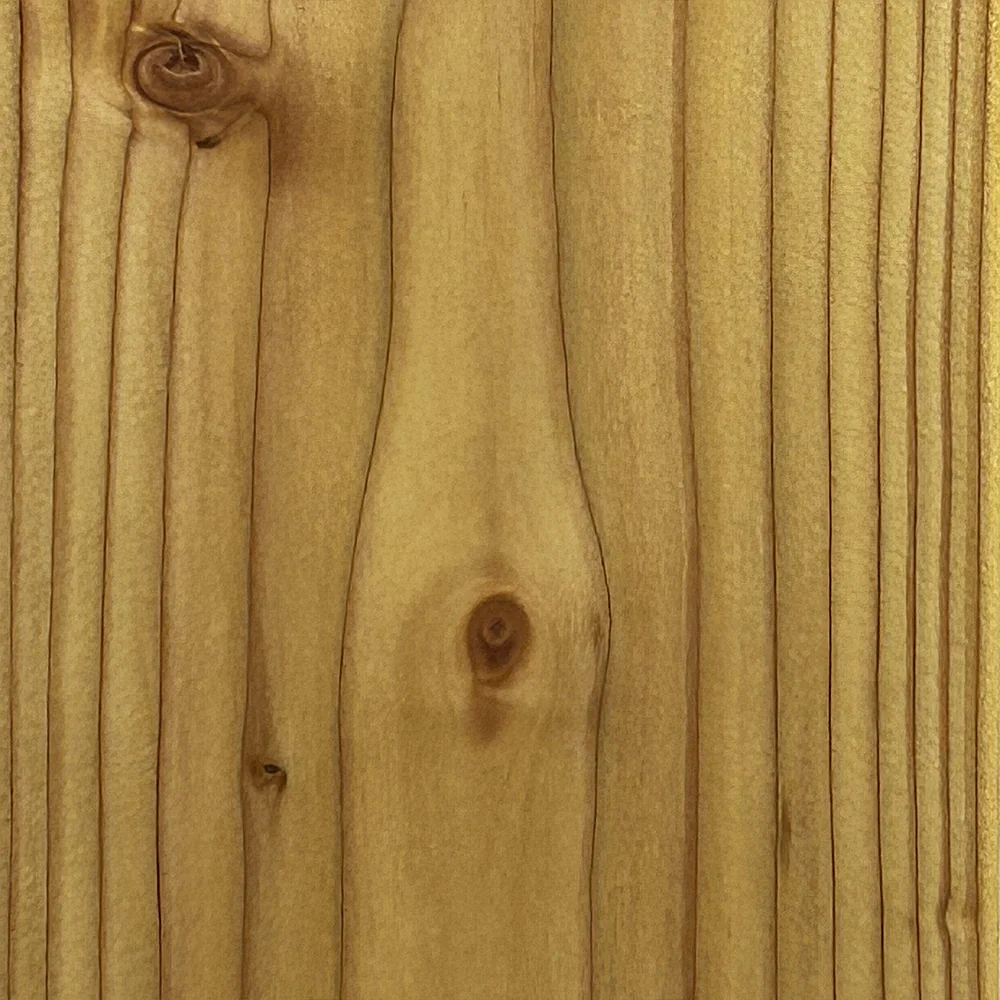
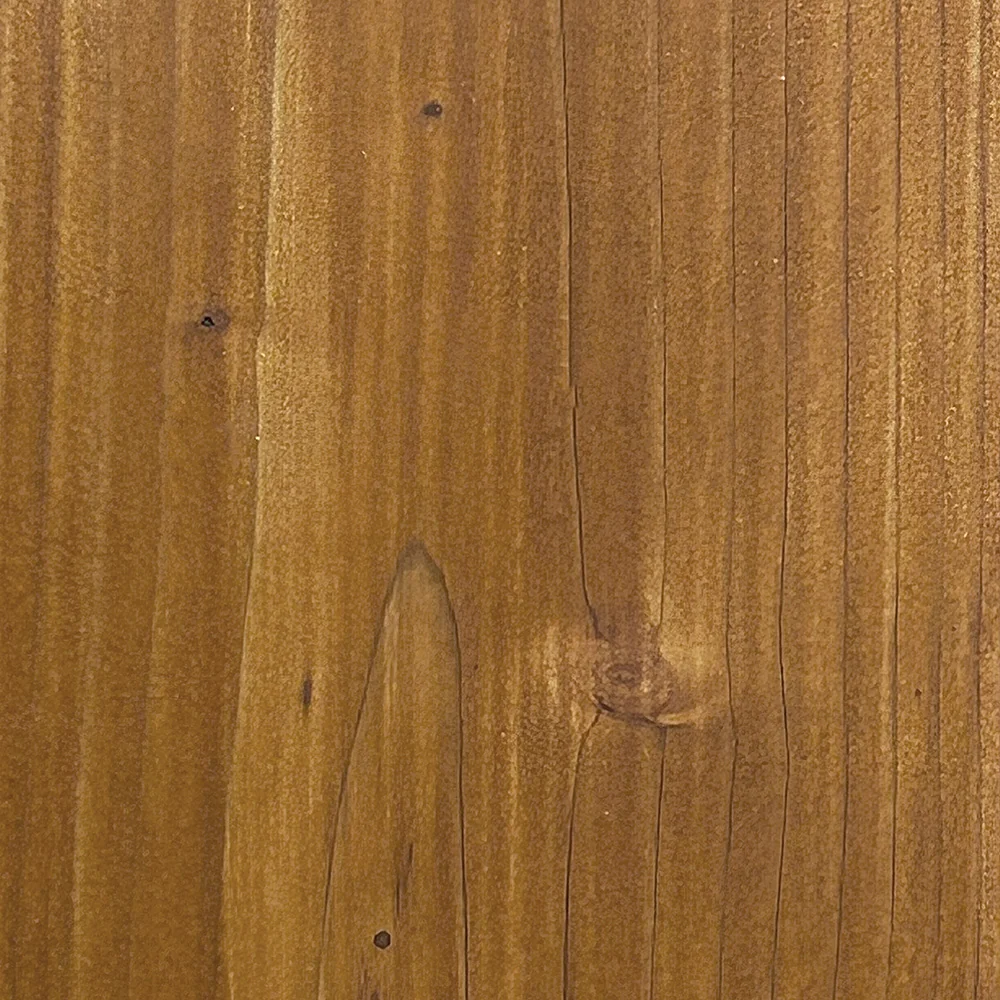
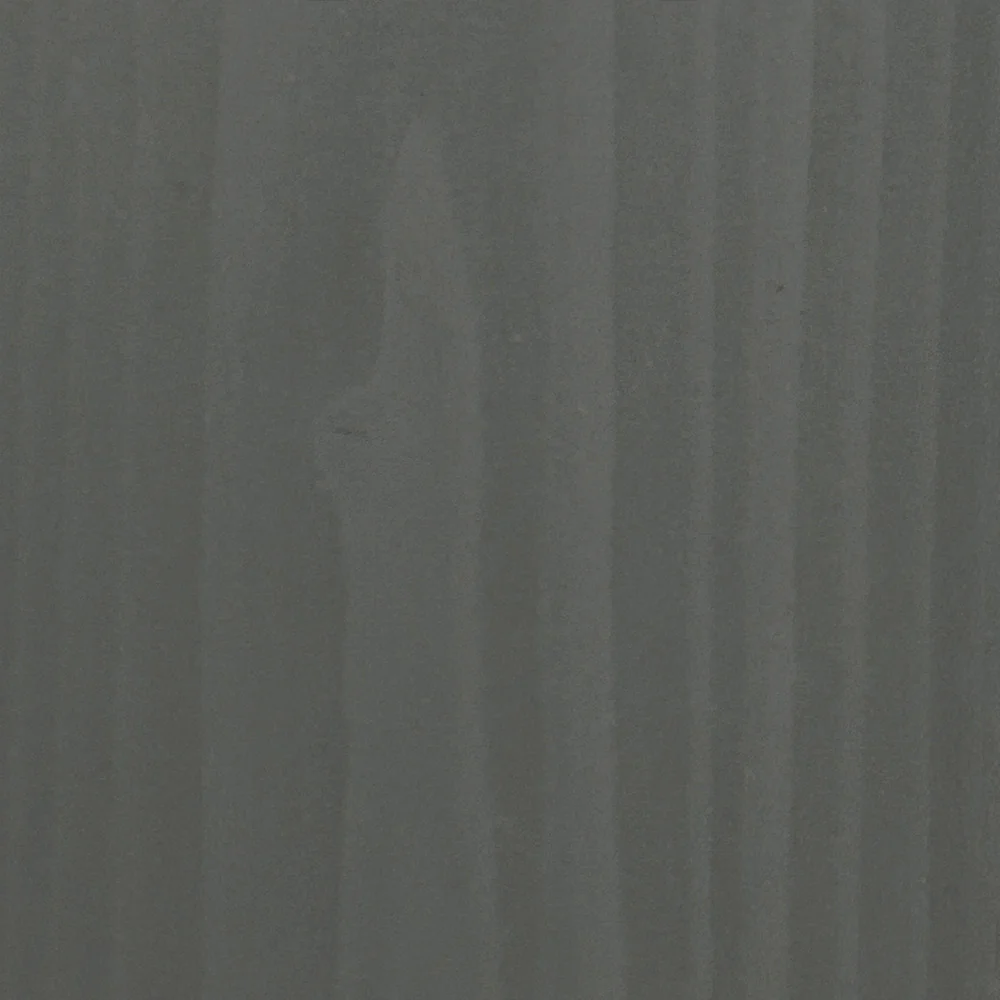
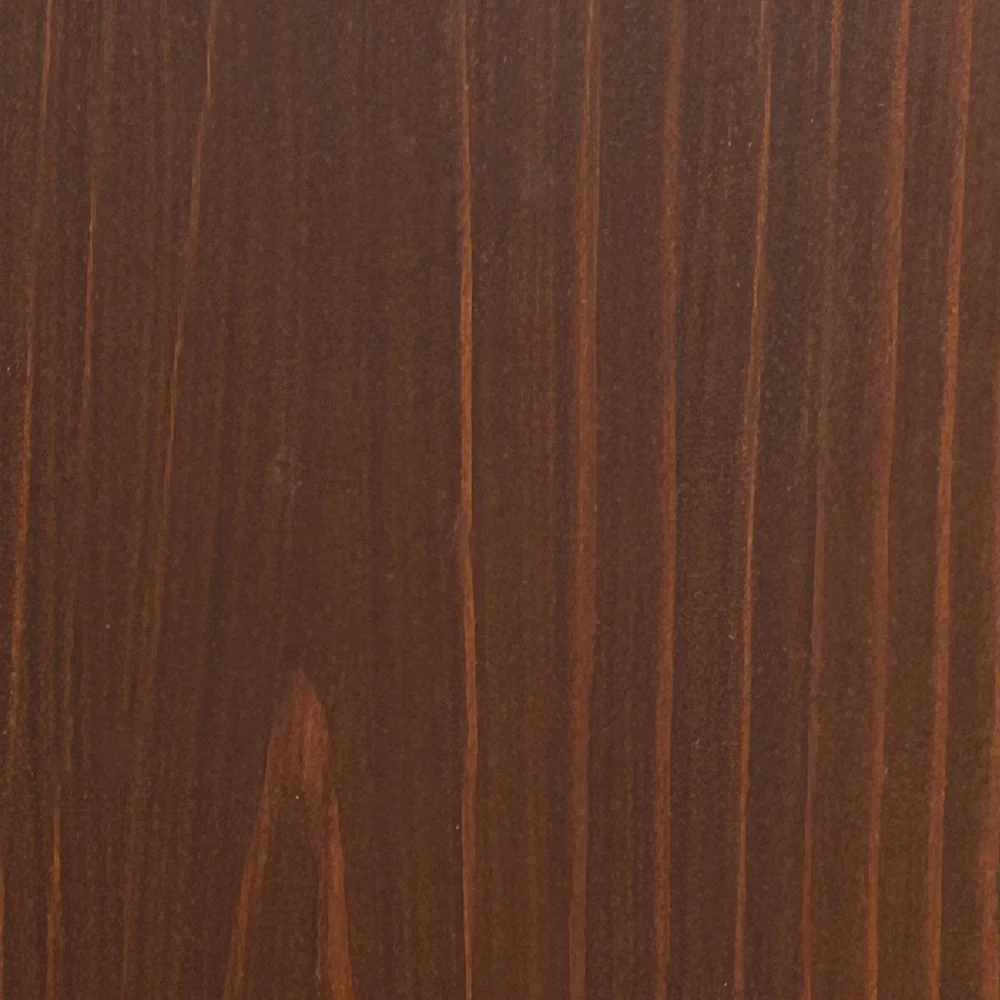
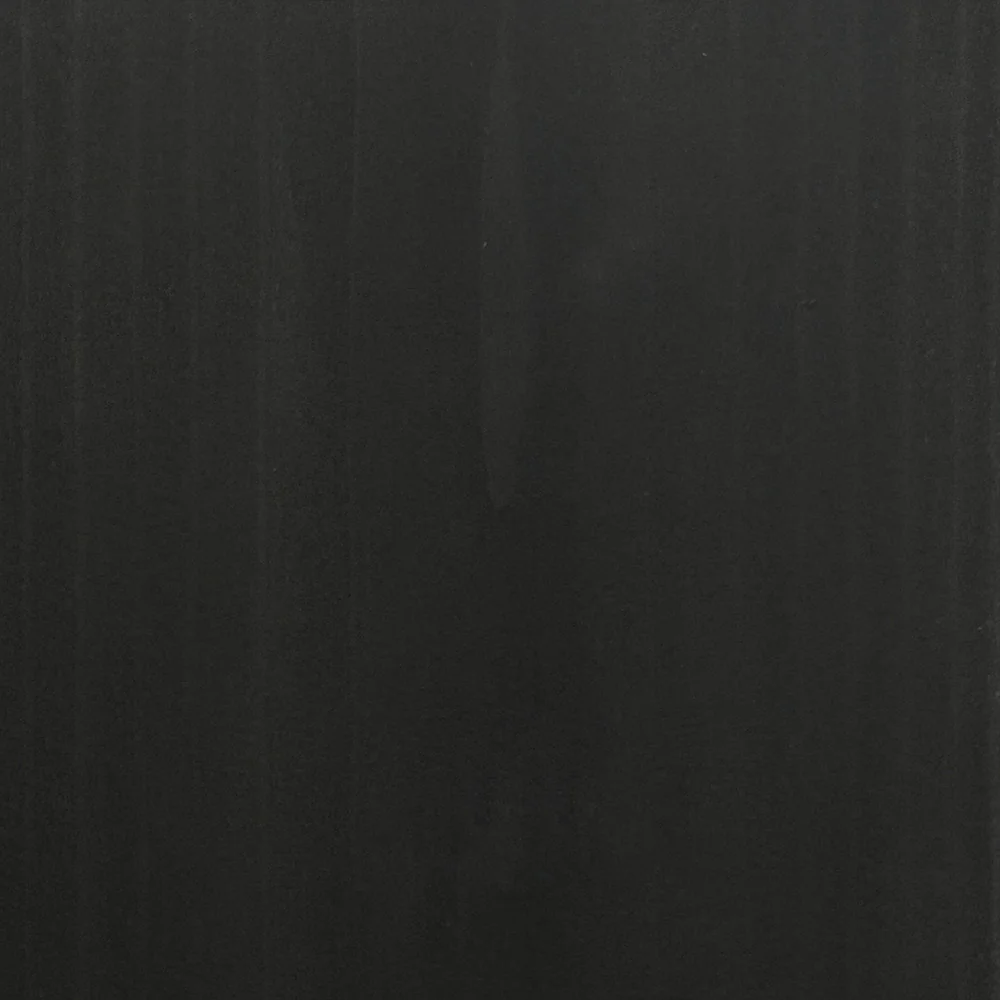
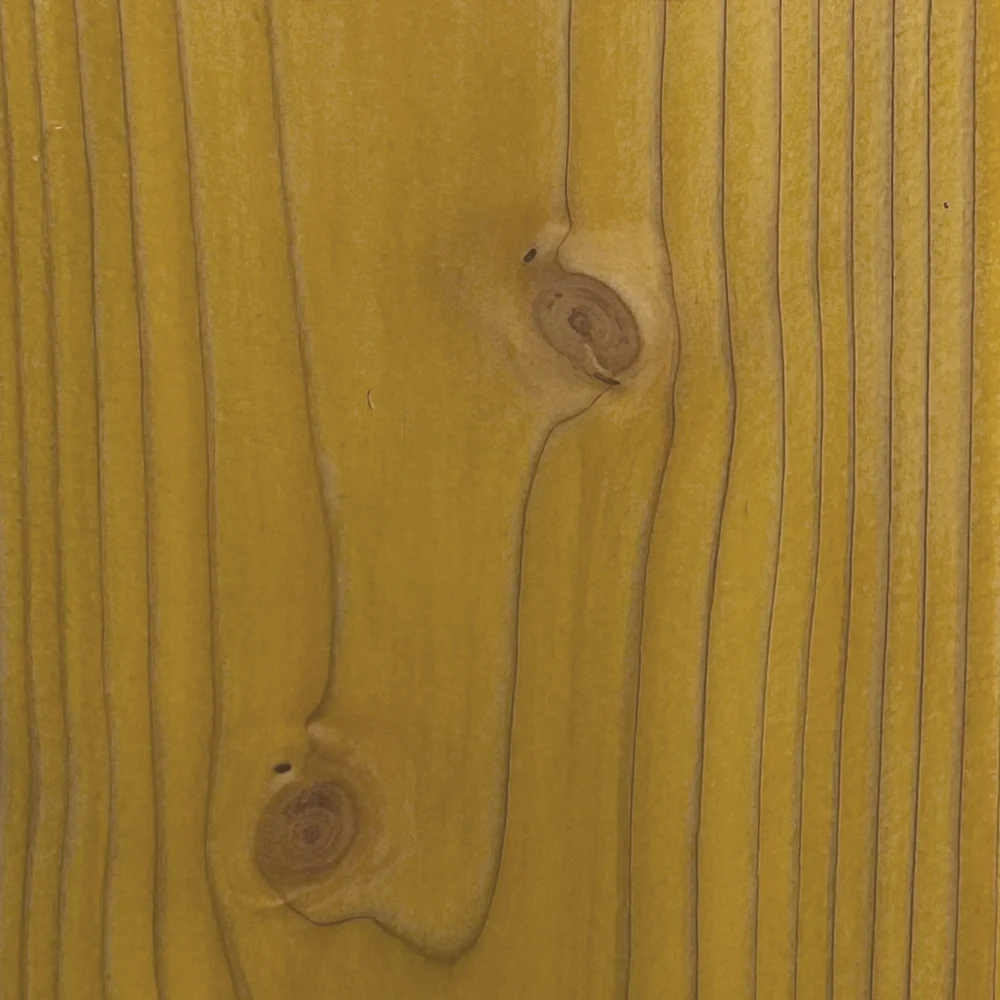
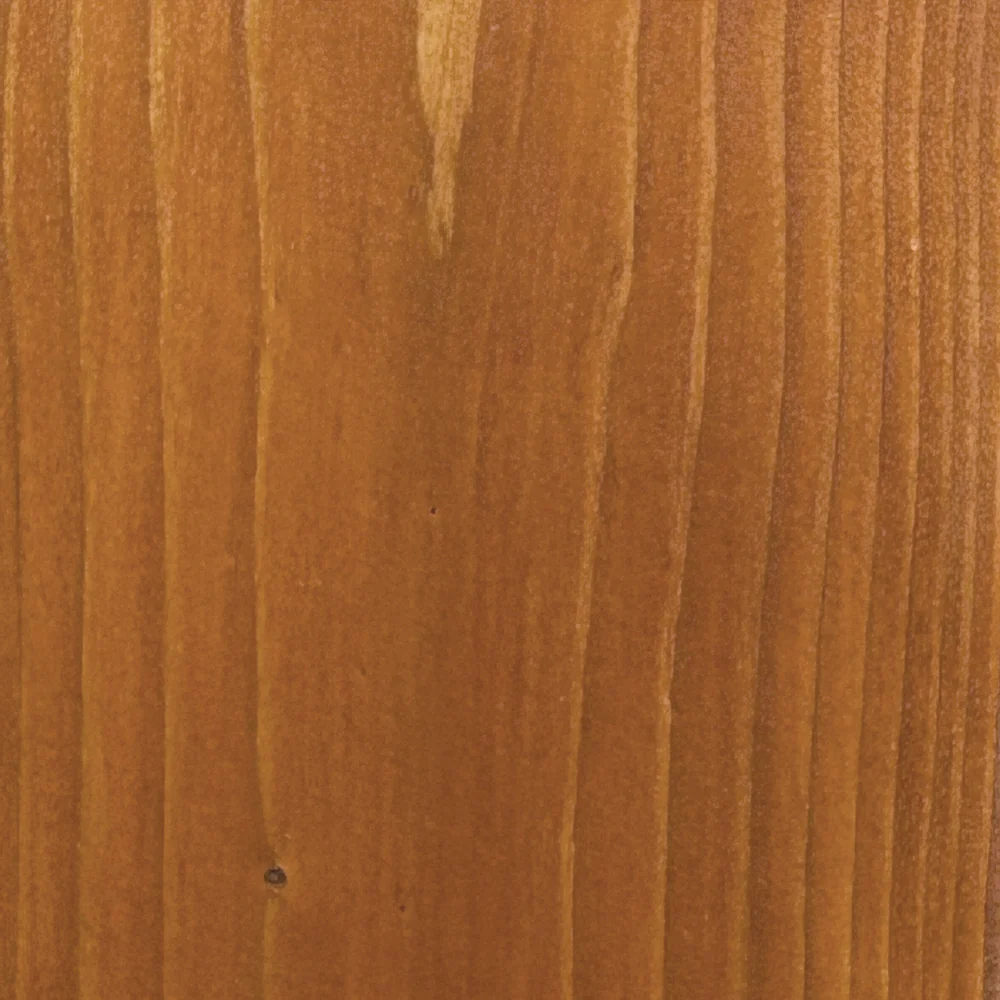
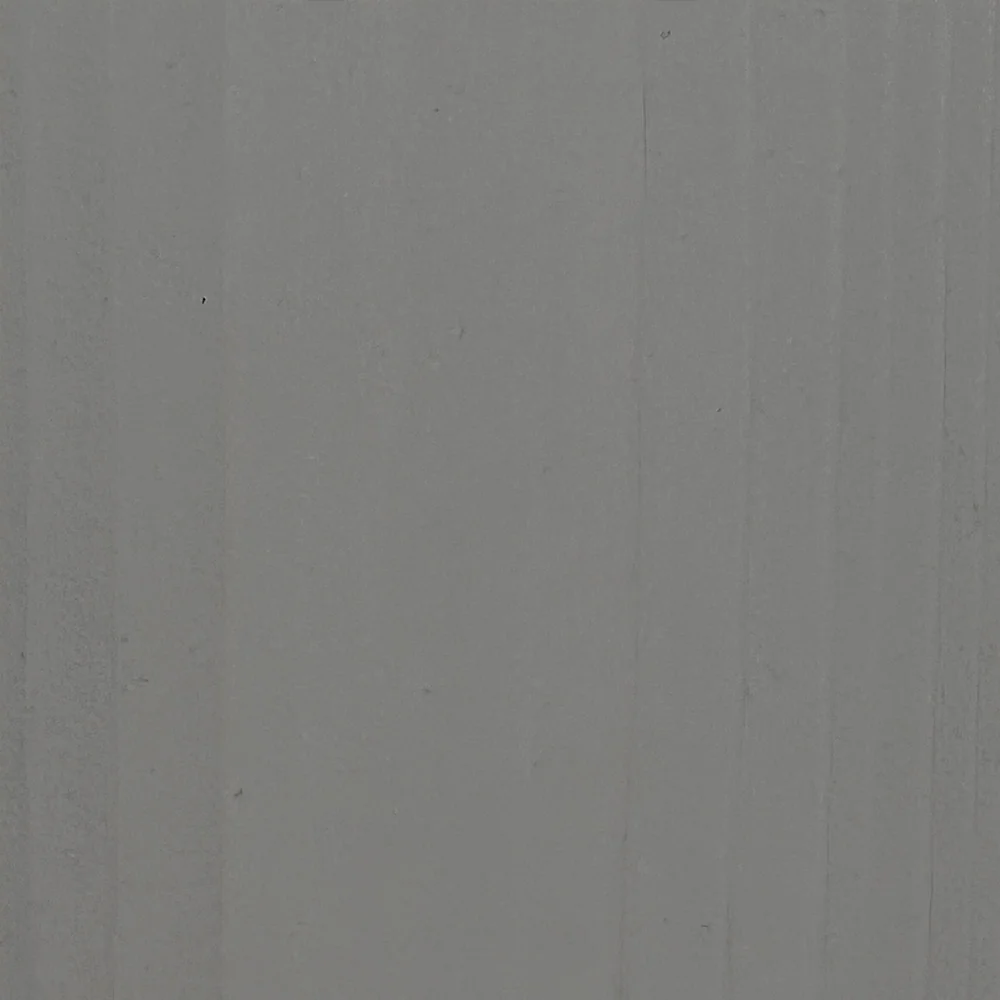
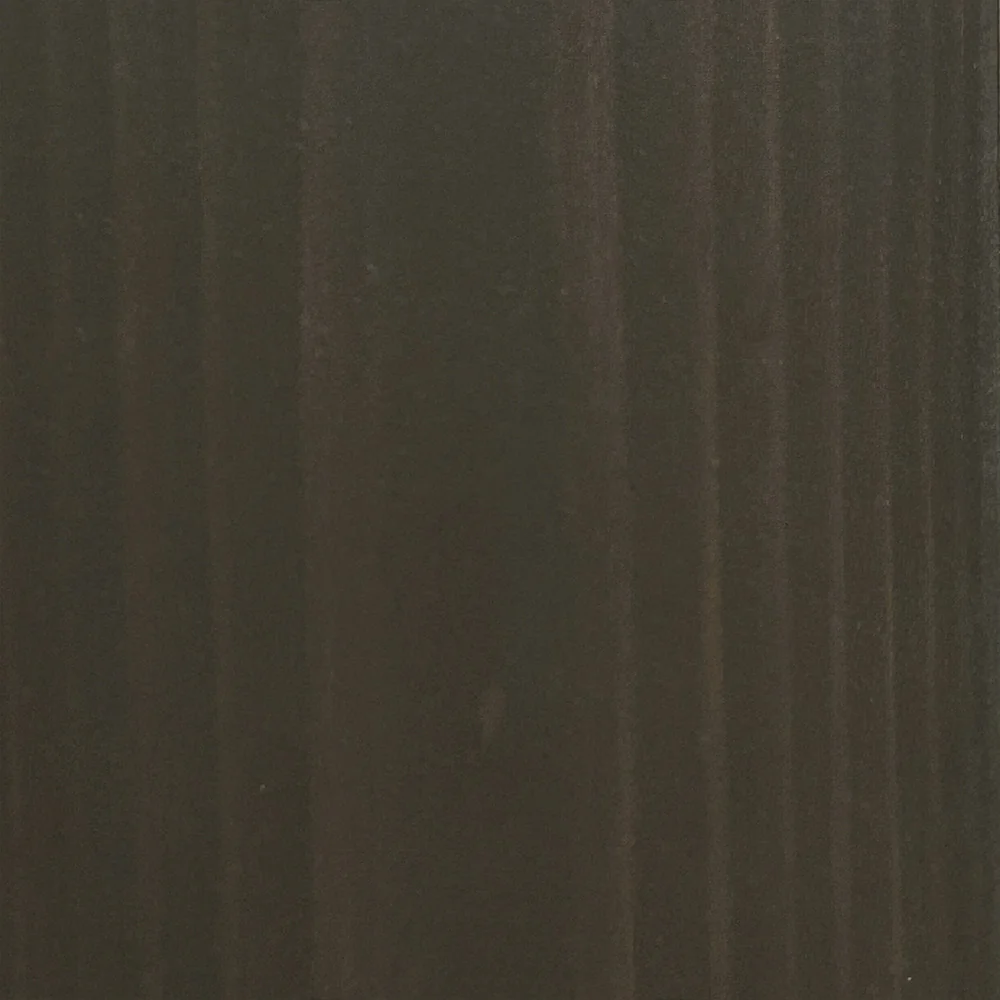
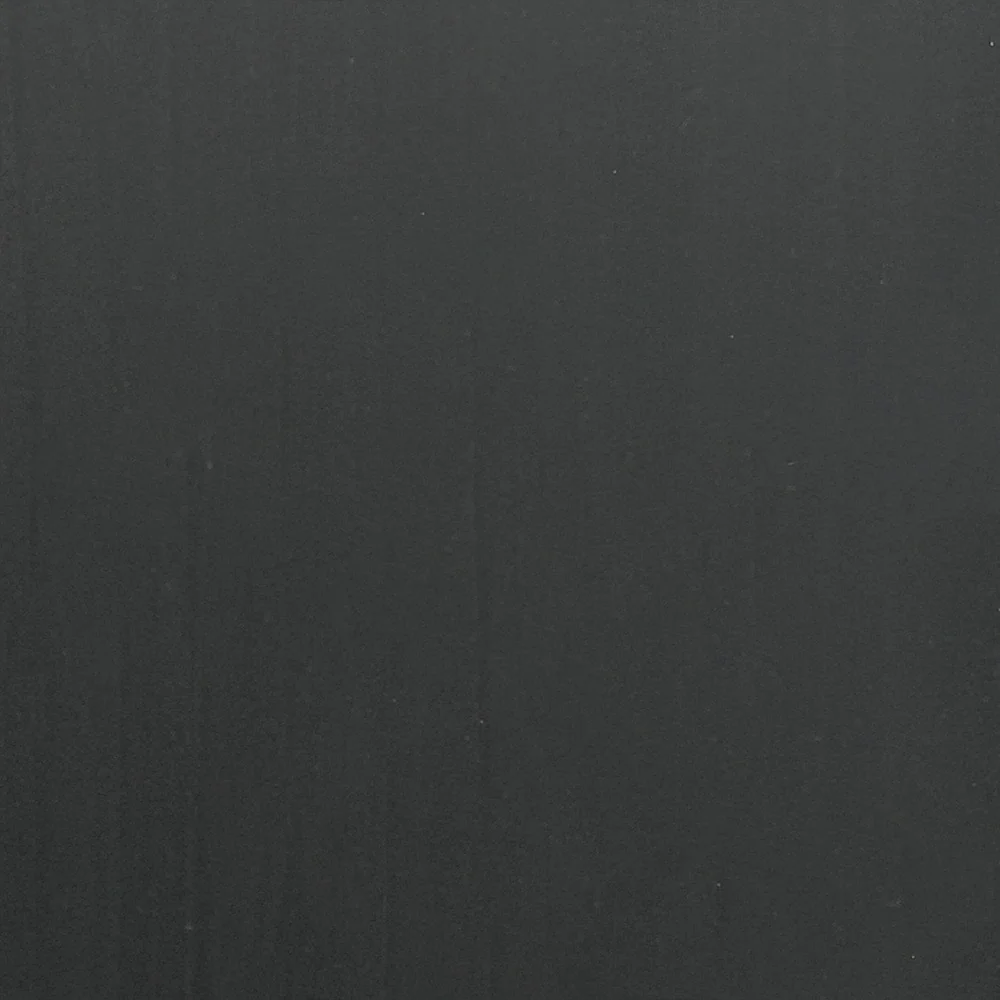
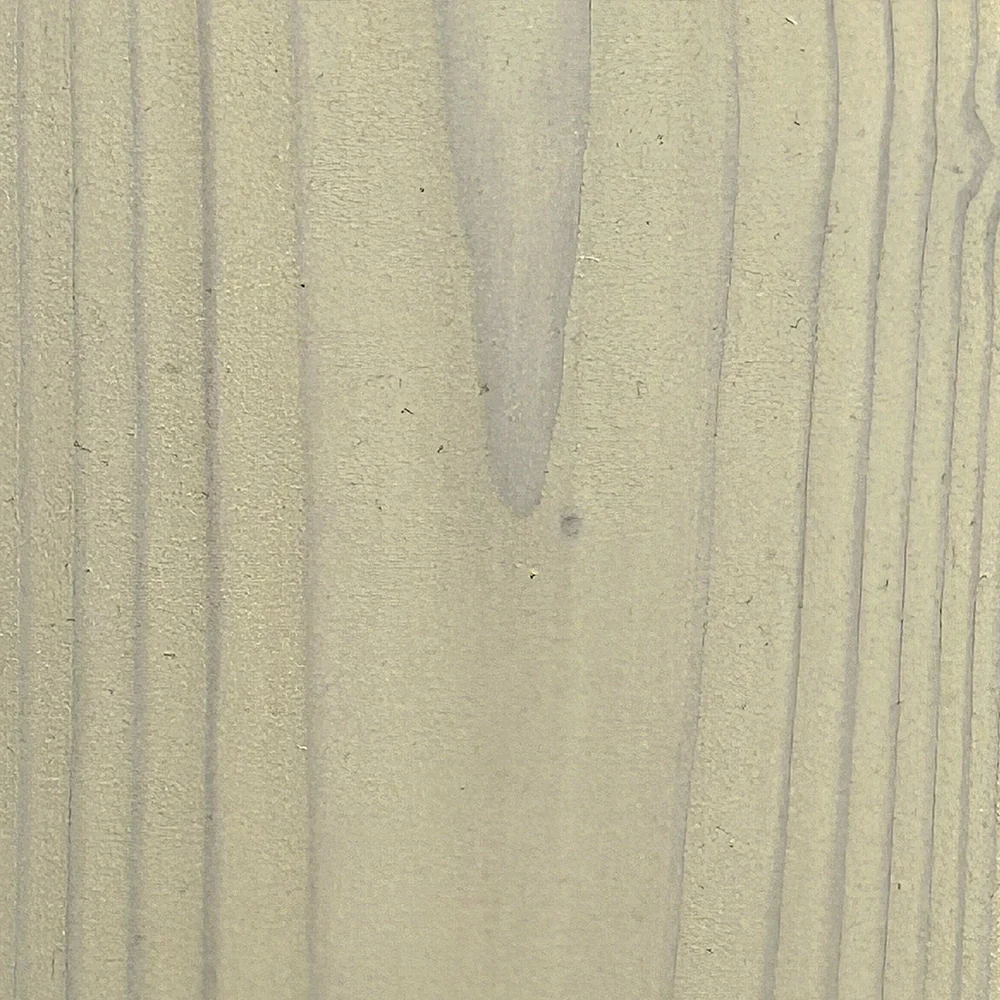
Kolory

*Próbka drewna jest pokazana na sosnie impregnowanej ciśnieniowo
Bezbarwny
Biały
Szary
Antracyt
Szary kamienny
Szary burzowy
Orzech laskowy
Modrzew
Merbau
Teak
Bangkirai
Orzech
Czarny

Opakowanie

Certyfikaty

Bio-Based ASTM 6866
Biobased Carbon Content ASTM D6866-22 is an international standard method utilized for product testing. The result is reported as % Biobased Carbon. This indicates the percentage carbon from 'natural’ (plant or animal by-product) sources.
DIN EN 16165 - Anti Slip R10
DIN EN 16165 is the European standard for determining slip resistance on floor surfaces with a classification from R9 to R13. The Anti Slip test is used to ensure safe traffic for all types of floors in public areas and workplaces etc.
Fire test
European standard specifying how building materials react in case of fire. Bfl-s1 classifies flooring with low combustibility and very low smoke development.
Szczegóły produktu

Exterior Wood Oil jest stosowany do podstawowego olejowania i pielęgnowania nowego oraz uprzednio olejowanego drewna używanego na zewnątrz, np. tarasów, ramy okienne, mebli ogrodowych, elewacji itp. Specjalny, oparty na wodzie skład oleju zapewnia, że produkt jest rozpuszczalny w wodzie i przyjazny dla środowiska. Olej podkreśla naturalny kolor i usłojenie drewna. Exterior Wood Oil Naturalny zalecany jest do wzmocnienia naturalnego koloru drewna. Jeżeli chcemy odnowić stary taras czy elewację lepszym wyborem będzie olej pigmentowany, który pozwoli odzyskać pierwotny kolor drewna. Całkowita zmiana koloru drewna jest również możliwa poprzez zastosowanie np. oleju szarego, antracytowego lub czarnego.
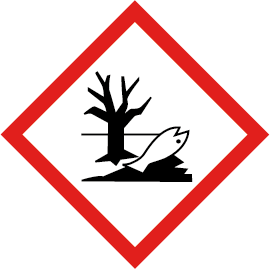

  • W przypadku wystąpienia podrażnienia skóry lub wysypki: Zasięgnąć porady lub zgłosić się pod opiekę lekarza.
  • Działa toksycznie na organizmy wodne, powodując długotrwałe skutki.
  • Może powodować reakcję alergiczną skóry.
  • Nosić rękawice ochronne i okulary ochronne.
  • Uwaga!
  • Umyć dużą ilością wody.
  • W PRZYPADKU KONTAKTU ZE SKÓRĄ:
  • Unikać uwolnienia do środowiska.
VOC:
15 g/l, maksymalnej zawartosci LZO (A/f (WB)): 130 g/l.
Gęstość:
1.00-1.10 g/ml.
Trwałość:
2 lata
Temperatura aplikacji:
+15-30°C i ok. 50% wilgotności powietrza.
Wydajność:
8-12 m²/L
Colour product:
Orzech laskowy
Rozmiary opakowań:
2,5 L
VOC:
15 g/l, maksymalnej zawartosci LZO (A/f (WB)): 130 g/l.
Gęstość:
1.00-1.10 g/ml.
Trwałość:
2 lata
Temperatura aplikacji:
+15-30°C i ok. 50% wilgotności powietrza.
Wydajność:
8-12 m²/L
Colour product:
Bezbarwny
Rozmiary opakowań:
750 ml – 2,5 L
VOC:
15 g/l, maksymalnej zawartosci LZO (A/f (WB)): 130 g/l.
Gęstość:
1.00-1.10 g/ml.
Trwałość:
2 lata
Temperatura aplikacji:
+15-30°C i ok. 50% wilgotności powietrza.
Wydajność:
8-12 m²/L
Colour product:
Teak
Rozmiary opakowań:
750 ml – 2,5 L
VOC:
15 g/l, maksymalnej zawartosci LZO (A/f (WB)): 130 g/l.
Gęstość:
1.00-1.10 g/ml.
Trwałość:
2 lata
Temperatura aplikacji:
+15-30°C i ok. 50% wilgotności powietrza.
Wydajność:
8-12 m²/L
Colour product:
Szary kamienny
Rozmiary opakowań:
2,5 L
VOC:
15 g/l, maksymalnej zawartosci LZO (A/f (WB)): 130 g/l.
Gęstość:
1.00-1.10 g/ml.
Trwałość:
2 lata
Temperatura aplikacji:
+15-30°C i ok. 50% wilgotności powietrza.
Wydajność:
8-12 m²/L
Colour product:
Szary burzowy
Rozmiary opakowań:
2,5 L
VOC:
15 g/l, maksymalnej zawartosci LZO (A/f (WB)): 130 g/l.
Gęstość:
1.00-1.10 g/ml.
Trwałość:
2 lata
Temperatura aplikacji:
+15-30°C i ok. 50% wilgotności powietrza.
Wydajność:
8-12 m²/L
Colour product:
Merbau
Rozmiary opakowań:
2,5 L
VOC:
15 g/l, maksymalnej zawartosci LZO (A/f (WB)): 130 g/l.
Gęstość:
1.00-1.10 g/ml.
Trwałość:
2 lata
Temperatura aplikacji:
+15-30°C i ok. 50% wilgotności powietrza.
Wydajność:
8-12 m²/L
Colour product:
Bezbarwny
Rozmiary opakowań:
750 ml – 2,5 L
VOC:
50 g/l, maksymalnej zawartosci LZO (A/f (WB)): 130 g/l.
Gęstość:
1.00-1.10 g/ml.
Trwałość:
2 lata
Temperatura aplikacji:
+15-30°C i ok. 50% wilgotności powietrza.
Wydajność:
8-12 m²/L
Colour product:
Czarny
Rozmiary opakowań:
2,5 L
VOC:
15 g/l, maksymalnej zawartosci LZO (A/f (WB)): 130 g/l.
Gęstość:
1.00-1.10 g/ml.
Trwałość:
2 lata
Temperatura aplikacji:
+15-30°C i ok. 50% wilgotności powietrza.
Wydajność:
8-12 m²/L
Colour product:
Modrzew
Rozmiary opakowań:
2,5 L
VOC:
15 g/l, maksymalnej zawartosci LZO (A/f (WB)): 130 g/l.
Gęstość:
1.00-1.10 g/ml.
Trwałość:
2 lata
Temperatura aplikacji:
+15-30°C i ok. 50% wilgotności powietrza.
Wydajność:
8-12 m²/L
Colour product:
Bangkirai
Rozmiary opakowań:
2,5 L
VOC:
15 g/l, maksymalnej zawartosci LZO (A/f (WB)): 130 g/l.
Gęstość:
1.00-1.10 g/ml.
Trwałość:
2 lata
Temperatura aplikacji:
+15-30°C i ok. 50% wilgotności powietrza.
Wydajność:
8-12 m²/L
Colour product:
Teak
Rozmiary opakowań:
750 ml – 2,5 L
VOC:
15 g/l, maksymalnej zawartosci LZO (A/f (WB)): 130 g/l.
Gęstość:
1.00-1.10 g/ml.
Trwałość:
2 lata
Temperatura aplikacji:
+15-30°C i ok. 50% wilgotności powietrza.
Wydajność:
8-12 m²/L
Colour product:
Szary
Rozmiary opakowań:
2,5 L
VOC:
15 g/l, maksymalnej zawartosci LZO (A/f (WB)): 130 g/l.
Gęstość:
1.00-1.10 g/ml.
Trwałość:
2 lata
Temperatura aplikacji:
+15-30°C i ok. 50% wilgotności powietrza.
Wydajność:
8-12 m²/L
Colour product:
Orzech
Rozmiary opakowań:
2,5 L
VOC:
35 g/l, maksymalnej zawartosci LZO (A/f (WB)): 130 g/l.
Gęstość:
1.00-1.10 g/ml.
Trwałość:
2 lata
Temperatura aplikacji:
+15-30°C i ok. 50% wilgotności powietrza.
Wydajność:
8-12 m²/L
Colour product:
Antracyt
Rozmiary opakowań:
2,5 L
VOC:
15 g/l, maksymalnej zawartosci LZO (A/f (WB)): 130 g/l.
Gęstość:
1.00-1.10 g/ml.
Trwałość:
2 lata
Temperatura aplikacji:
+15-30°C i ok. 50% wilgotności powietrza.
Wydajność:
8-12 m²/L
Colour product:
Biały
Rozmiary opakowań:
2,5 L
Oil treatment of wooden deck

Drewno iglaste, które nie było obrabiane pod ciśnieniem (z wyjątkiem czerwonego cedru) i modrzew należy zagruntować WOCA Exterior Wood Primer.

Przed obróbką należy zawsze wykonać próbę na niewielkiej powierzchni w mało widocznym miejscu, by sprawdzić, czy podłoże odpowiednio przyjmuje produkt.

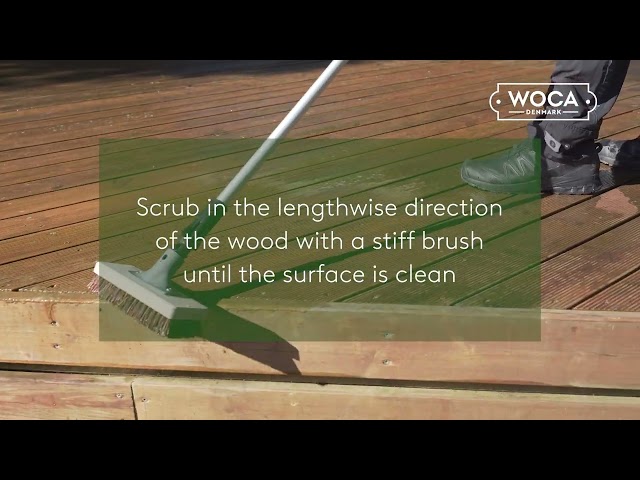
  • Oczyść nowe powierzchnie drewniane, jak również stare powierzchnie za pomocą Exterior Wood Cleaner przed rozpoczęciem olejowania.
  • Pozostawić powierzchnię do wyschnięcia na przynajmniej 24 godziny, wilgotność drewna nie może być wyższa niż 17%. Przed olejowaniem powierzchnię przeszlifować papierem ściernym 120-150.
  • Olejowanie przeprowadzać tylko przy dobrej pogodzie; minimalna temperatura to 13°C. Unikać bezpośredniego promieniowania słonecznego i wysokich temperatur.
  • Przed przystąpieniem do olejowania dokładnie wymieszać Olej.
  • Nakładać pędzlem równą, cienką warstwę zaczynając od czoła. Mokry olej może mieć białawy odcień ale po kilku minutach – gdy odparuje woda – powierzchnia odzyskuje swój pierwotny wygląd.
  • Nie później niż po 5 minuty zebrać z powierzchni nadmiar oleju czystą bawełnianą szmatą, zwłaszcza ze spoin i rowków.
  • Jeśli powierzchnia wygląda na nienasyconą olejem – powtórzyć czynności 5 i 6.
  • Po wyschnięciu wypolerować powierzchnię wkładką polerską lub polerką jednotarczową, polerowanie zwiększa odporność na ścieranie.
  • Powierzchnia utwardza się około 24-48 godziny w 20°C, zależnie od warunków atmosferycznych i temperatury na zewnątrz. W tym czasie drewno nie może być narażone na działanie wody.
  • Drewno iglaste, które nie było obrabiane pod ciśnieniem (z wyjątkiem czerwonego cedru) i modrzew należy zagruntować WOCA Exterior Wood Primer.Uwaga (do mebli): Powierzchnie olejowane Exterior Wood Oil w kolorze czarnym, antracytowym lub orzechowym zaleca się dodatkowo zaolejować Exterior Wood Oil naturalnym, zmniejsza to ryzyko przebarwień.