


Exterior Wood Oil
Exterior Wood Oil

Exterior Wood Oil

Nº de artículo: 618425A EAN: 5708055042000 617931A EAN: 5708055014793 617938A EAN: 5708055014809 618125A EAN: 5708055041973 618225A EAN: 5708055041980 618325A EAN: 5708055041997 617951A EAN: 5708055014984 617950A EAN: 5708055015004 617955A EAN: 5708055015042 617956A EAN: 5708055015035 617958A EAN: 5708055014991 617961A EAN: 5708055015011 617962A EAN: 5708055015028 617963A EAN: 5708055015059 617965A EAN: 5708055015264

Aceite de base acuosa para madera exterior

  • Proporciona una superficie resistente al agua y la suciedad
  • Realza el color y veteado natural de la madera
  • Contiene filtro UV y protege la madera del deterioro
  • Viscosidad: densa – sin goteo – fácil de usar
  • Proporciona una superficie transpirable, poro abierto.
  • Secado rápido

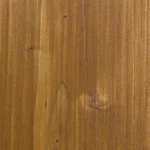
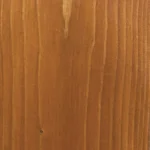
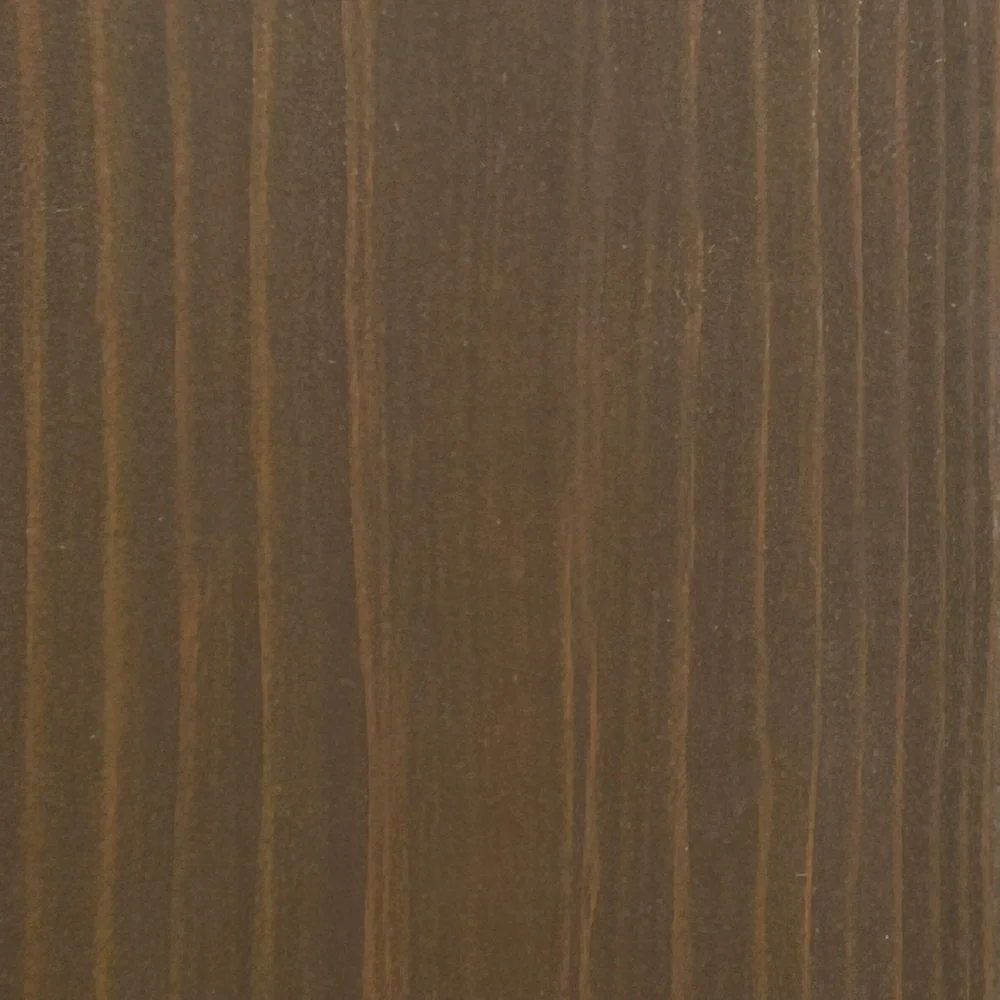
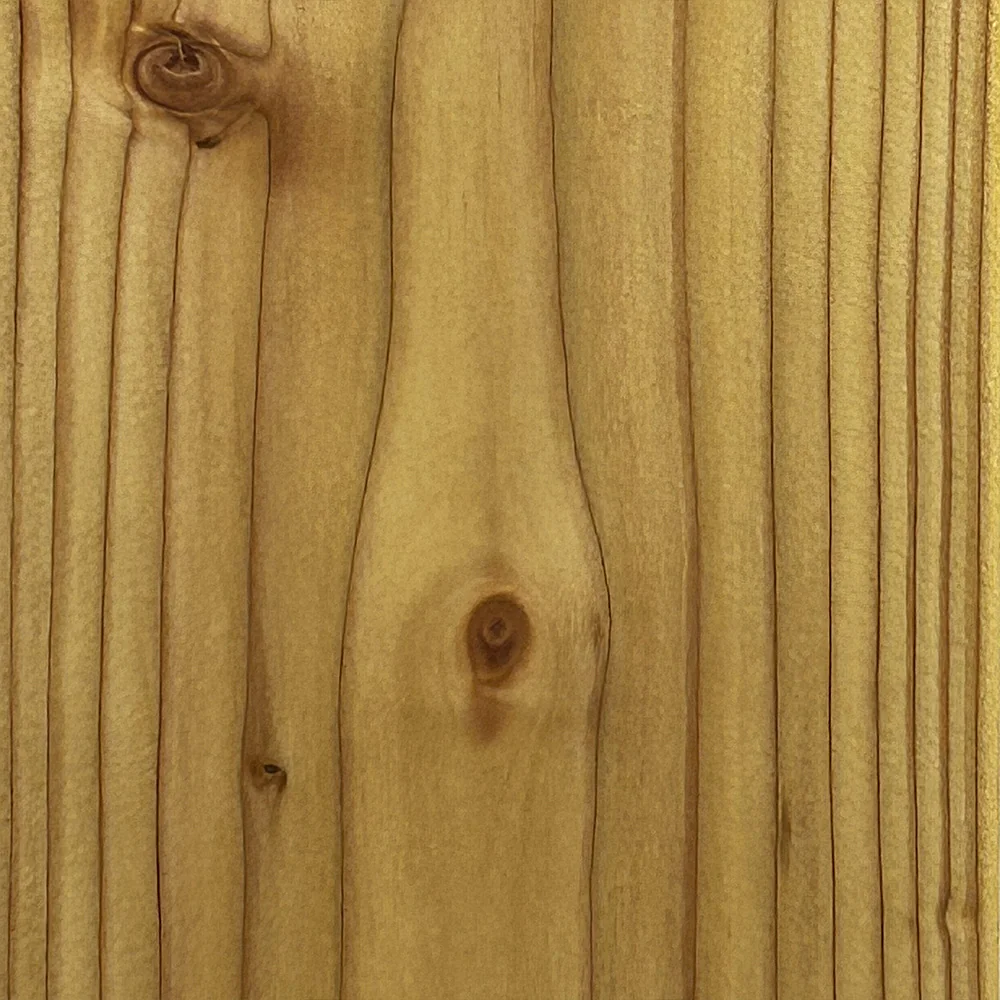
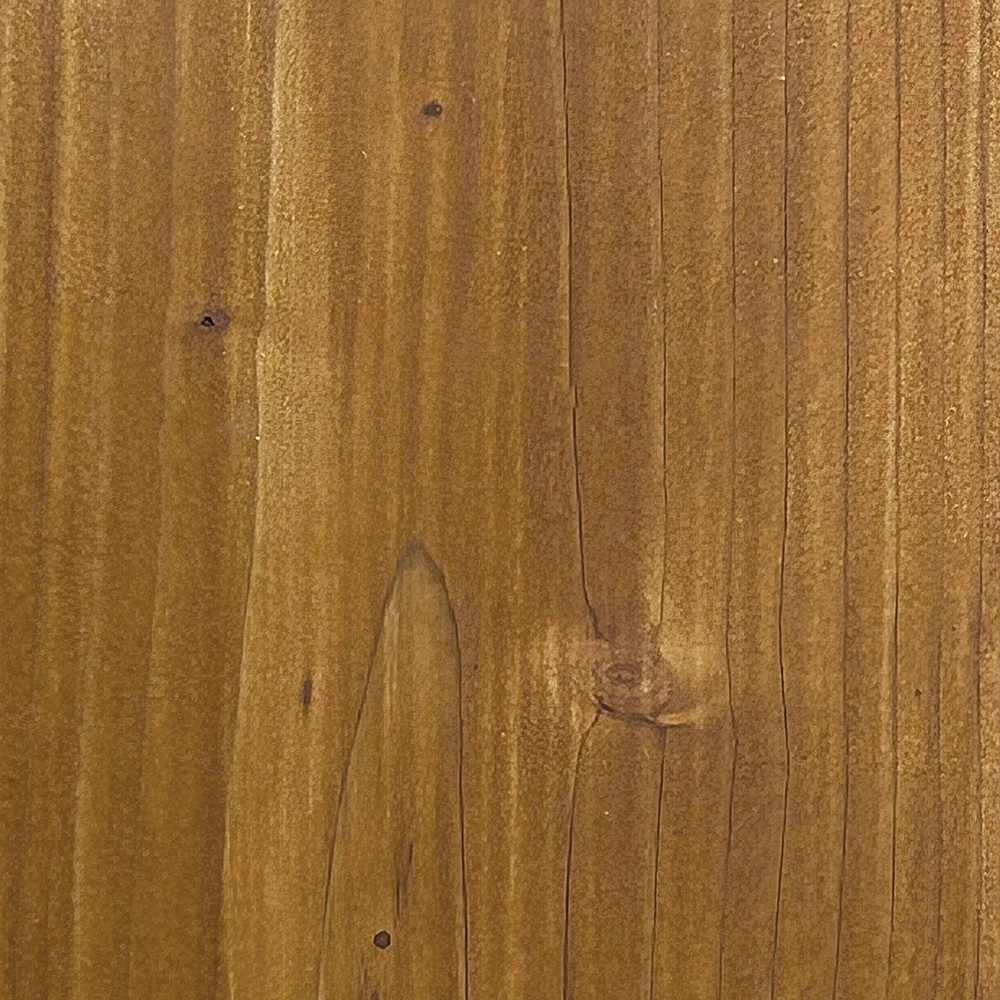
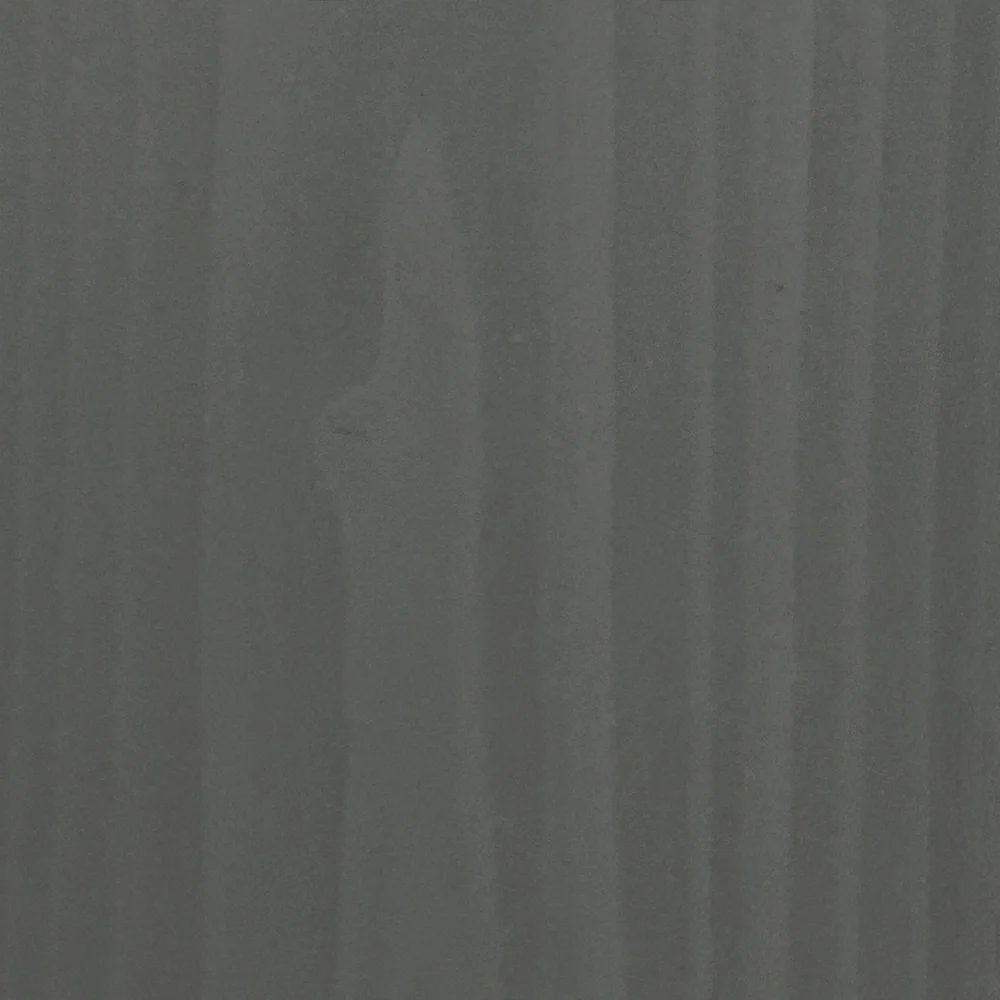
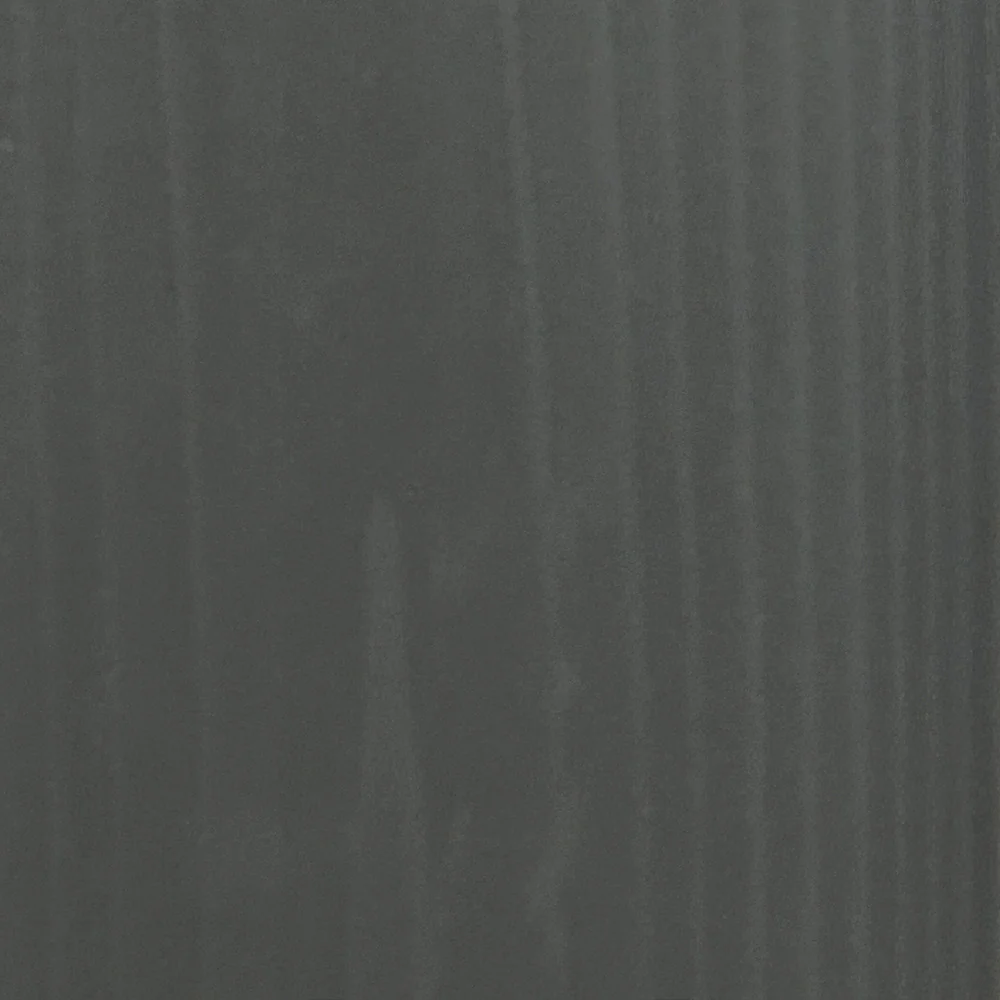
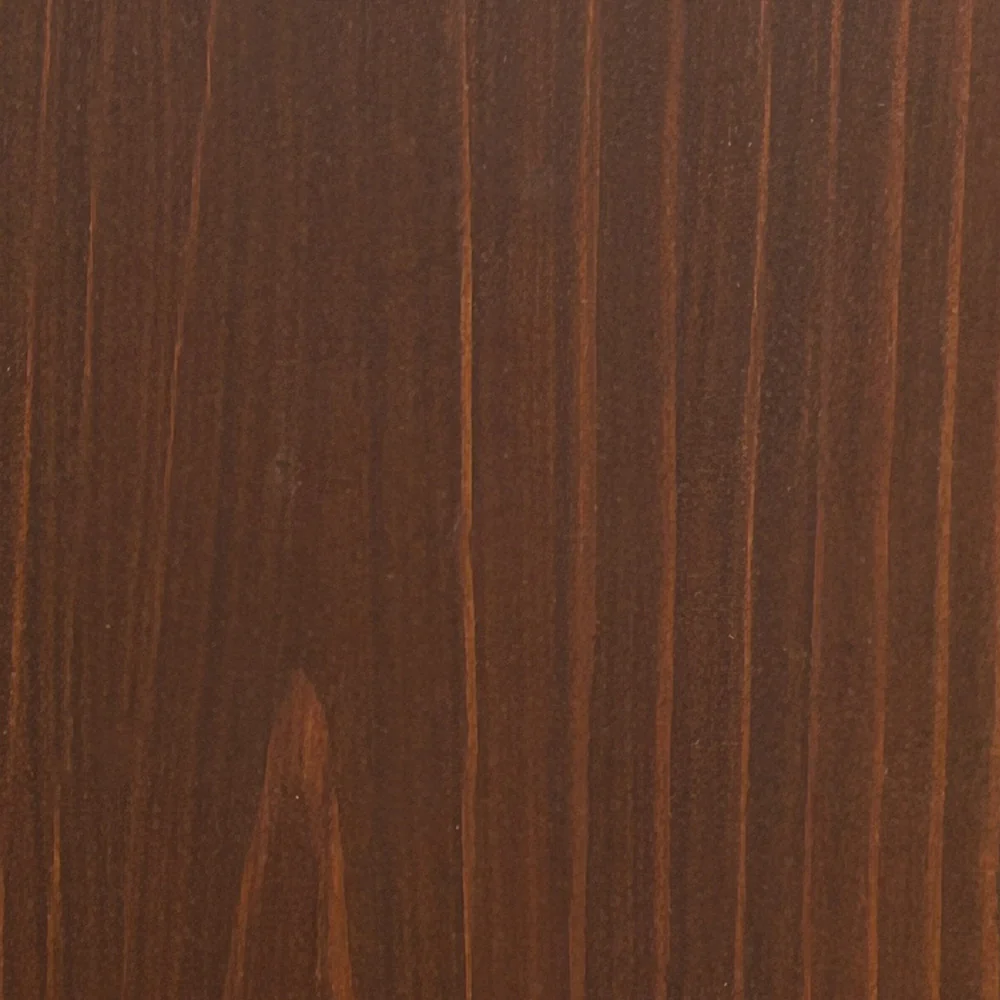
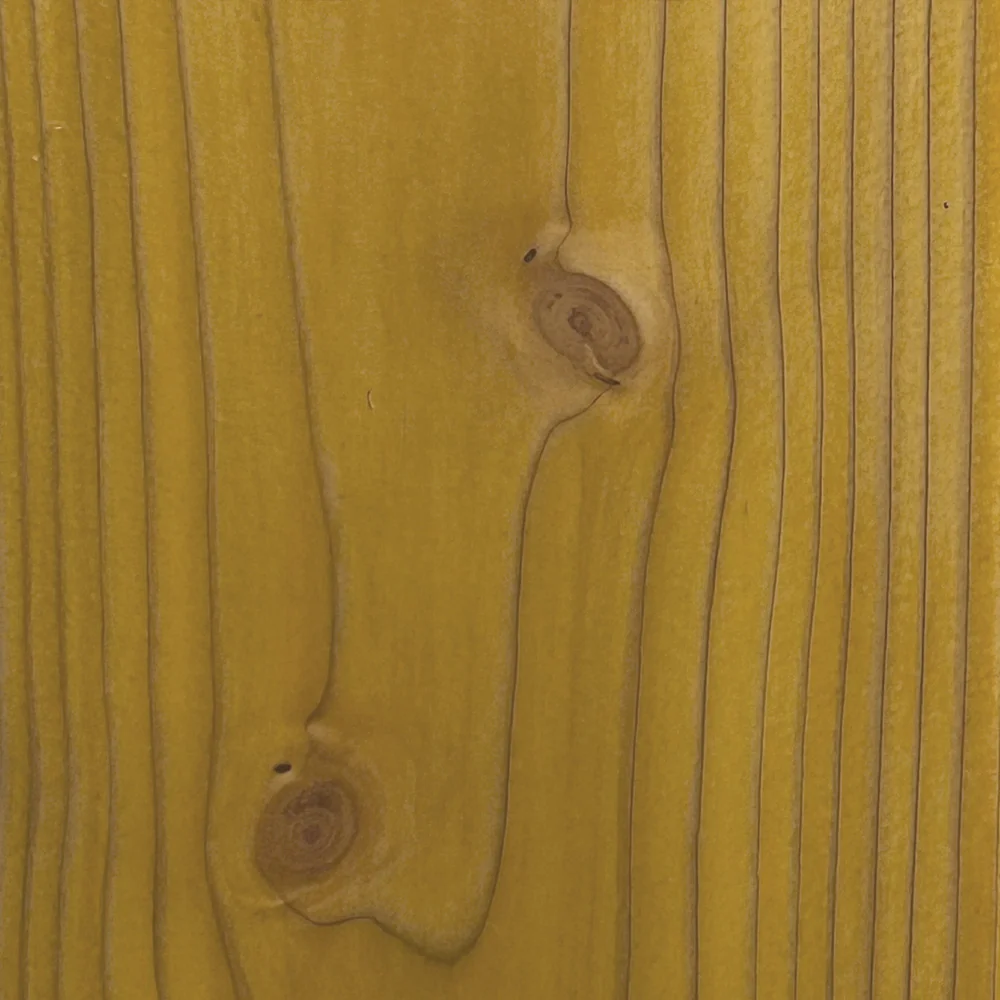
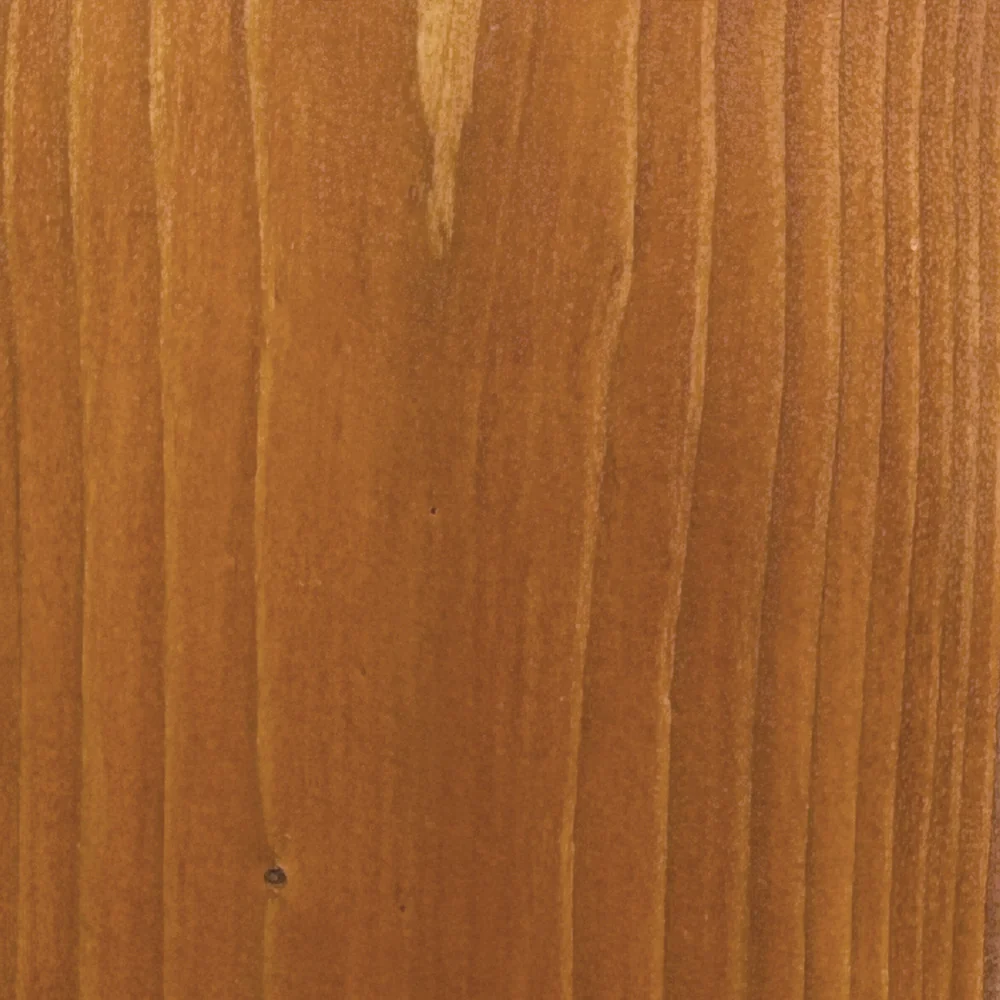
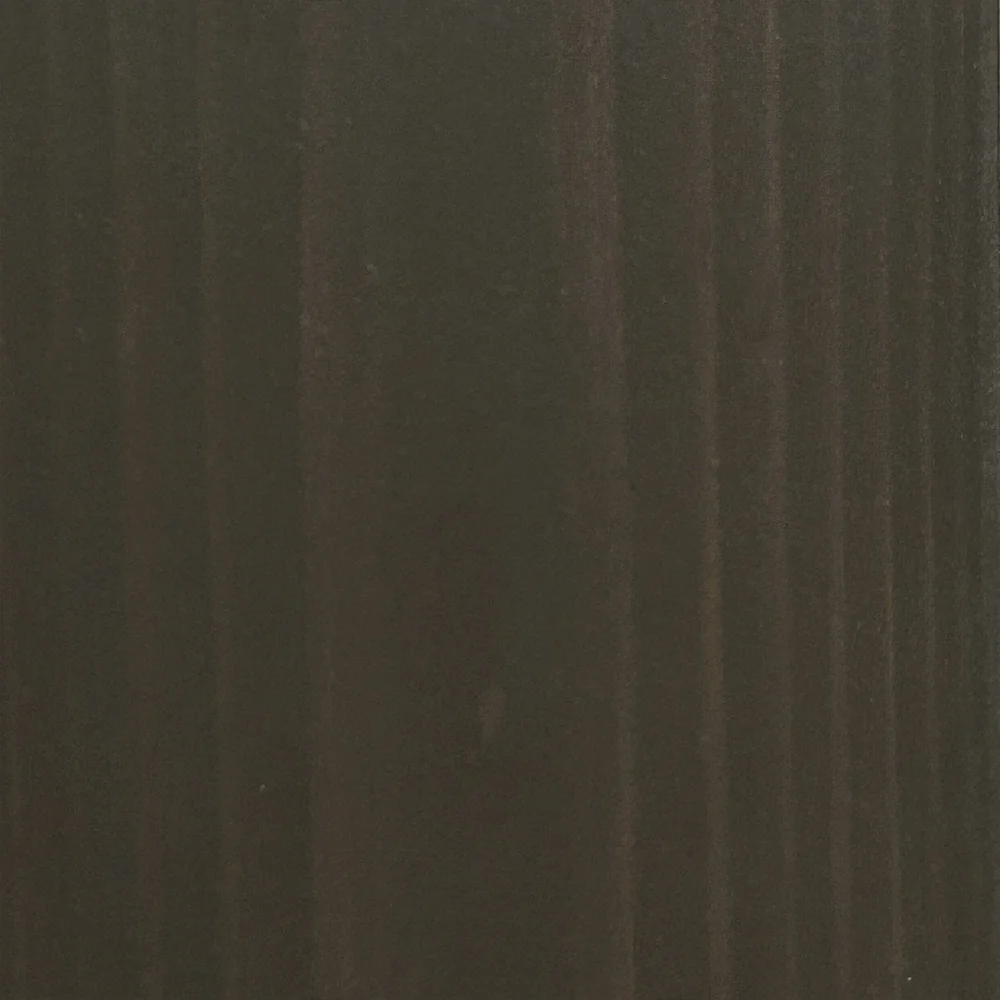
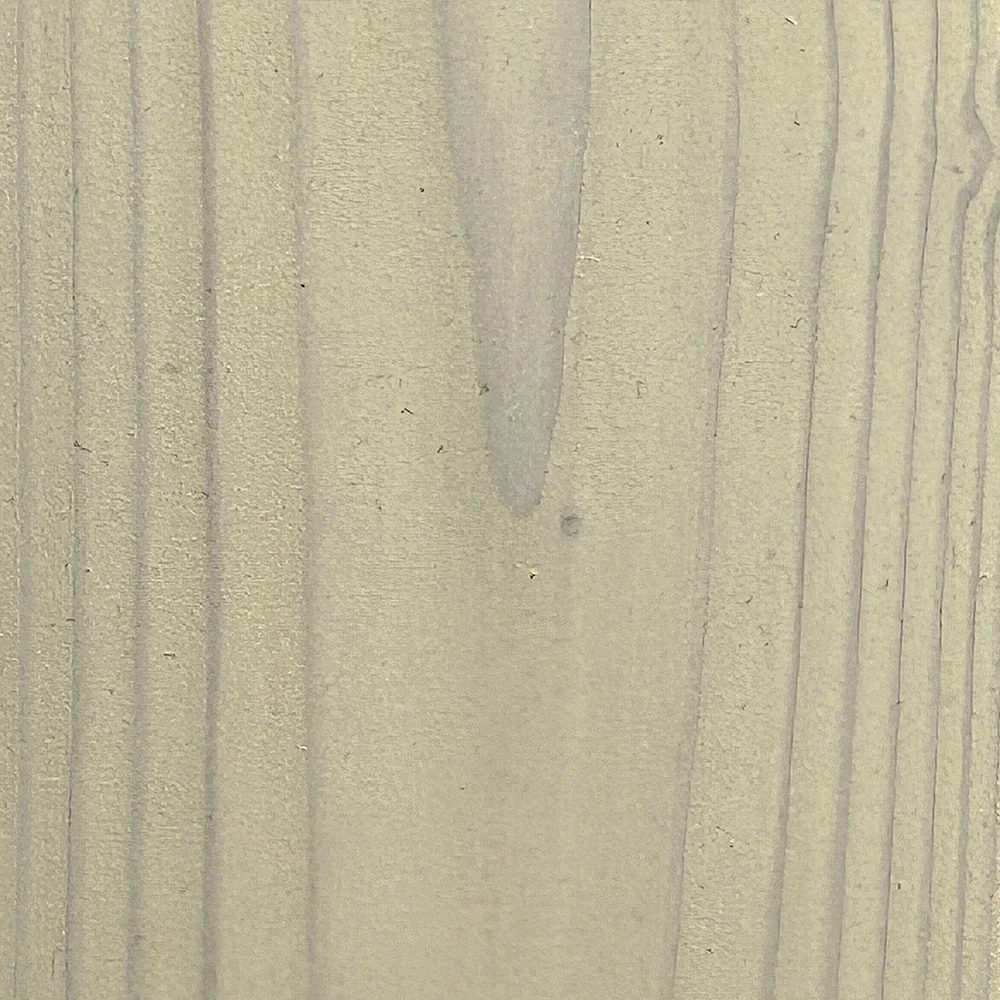
Colores

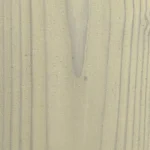
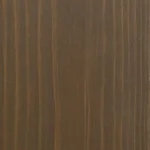
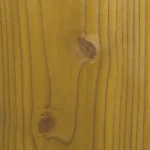
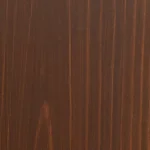
*La muestra de madera se muestra sobre pino impregnado a presión
Natural
Blanco
Gris
Antracita
Stone Grey
Thunder Grey
Avellana
Alerce
Merbau
Teca
Bangkirai
Nogal
Negro

Embalaje

Certificaciones

Bio-Based ASTM 6866
Biobased Carbon Content ASTM D6866-22 is an international standard method utilized for product testing. The result is reported as % Biobased Carbon. This indicates the percentage carbon from ‘natural’ (plant or animal by-product) sources.
DIN EN 16165 - Anti Slip R10
DIN EN 16165 is the European standard for determining slip resistance on floor surfaces with a classification from R9 to R13. The Anti Slip test is used to ensure safe traffic for all types of floors in public areas and workplaces etc.
Fire test
European standard specifying how building materials react in case of fire. Bfl-s1 classifies flooring with low combustibility and very low smoke development.
Detalles del producto

Exterior Wood Oil es un aceite de uso exterior para tratamiento y mantenimiento de superficies de madera, tanto sin tratar como ya aceitadas previamente, en tarimas, muebles de jardín, revestimientos, etc. La composición especial a base de agua de los componentes del aceite garantiza que el producto sea soluble en agua y respetuosa con el medio ambiente. El aceite realza el color natural y el veteado de la madera. Exterior Wood Oil Natural se recomienda para realzar el color natural y veteado de la madera. Para el rejuvenecimiento de superficies de madera antiguas, los aceites con pigmentos son ideales, ya que recrean el color original de la madera. También se puede obtener un cambio de color de la superficie aplicando, por ejemplo, el aceite gris, antracita o negro.


  • En caso de irritación o erupción cutánea: Consultar a un médico.
  • Tóxico para los organismos acuáticos, con efectos nocivos duraderos.
  • Puede provocar una reacción alérgica en la piel.
  • Usar guantes protectores y protección ocular.
  • Atención!
  • Lavar con abundante agua.
  • EN CASO DE CONTACTO CON LA PIEL:
  • Evitar su liberación al medio ambiente.
VOC:
15 g/l, contenido máximo de COV (A/f (BA)): 130 g/l.
Densidad:
1.00-1.10 g/ml.
Durabilidad:
2 años
Temperatura de aplicación:
+15-30°C y 50% de humedad del aire.
Rendimiento:
8-12 m²/L
Colour product:
Avellana
Tamaños del envase:
2,5 L
VOC:
15 g/l, contenido máximo de COV (A/f (BA)): 130 g/l.
Densidad:
1.00-1.10 g/ml.
Durabilidad:
2 años
Temperatura de aplicación:
+15-30°C y 50% de humedad del aire.
Rendimiento:
8-12 m²/L
Colour product:
Natural
Tamaños del envase:
750 ml – 2,5 L
VOC:
15 g/l, contenido máximo de COV (A/f (BA)): 130 g/l.
Densidad:
1.00-1.10 g/ml.
Durabilidad:
2 años
Temperatura de aplicación:
+15-30°C y 50% de humedad del aire.
Rendimiento:
8-12 m²/L
Colour product:
Teca
Tamaños del envase:
750 ml – 2,5 L
VOC:
15 g/l, contenido máximo de COV (A/f (BA)): 130 g/l.
Densidad:
1.00-1.10 g/ml.
Durabilidad:
2 años
Temperatura de aplicación:
+15-30°C y 50% de humedad del aire.
Rendimiento:
8-12 m²/L
Colour product:
Stone Grey
Tamaños del envase:
2,5 L
VOC:
15 g/l, contenido máximo de COV (A/f (BA)): 130 g/l.
Densidad:
1.00-1.10 g/ml.
Durabilidad:
2 años
Temperatura de aplicación:
+15-30°C y 50% de humedad del aire.
Rendimiento:
8-12 m²/L
Colour product:
Thunder Grey
Tamaños del envase:
2,5 L
VOC:
15 g/l, contenido máximo de COV (A/f (BA)): 130 g/l.
Densidad:
1.00-1.10 g/ml.
Durabilidad:
2 años
Temperatura de aplicación:
+15-30°C y 50% de humedad del aire.
Rendimiento:
8-12 m²/L
Colour product:
Merbau
Tamaños del envase:
2,5 L
VOC:
15 g/l, contenido máximo de COV (A/f (BA)): 130 g/l.
Densidad:
1.00-1.10 g/ml.
Durabilidad:
2 años
Temperatura de aplicación:
+15-30°C y 50% de humedad del aire.
Rendimiento:
8-12 m²/L
Colour product:
Natural
Tamaños del envase:
750 ml – 2,5 L
VOC:
50 g/l, contenido máximo de COV (A/f (BA)): 130 g/l.
Densidad:
1.00-1.10 g/ml.
Durabilidad:
2 años
Temperatura de aplicación:
+15-30°C y 50% de humedad del aire.
Rendimiento:
8-12 m²/L
Colour product:
Negro
Tamaños del envase:
2,5 L
VOC:
15 g/l, contenido máximo de COV (A/f (BA)): 130 g/l.
Densidad:
1.00-1.10 g/ml.
Durabilidad:
2 años
Temperatura de aplicación:
+15-30°C y 50% de humedad del aire.
Rendimiento:
8-12 m²/L
Colour product:
Alerce
Tamaños del envase:
2,5 L
VOC:
15 g/l, contenido máximo de COV (A/f (BA)): 130 g/l.
Densidad:
1.00-1.10 g/ml.
Durabilidad:
2 años
Temperatura de aplicación:
+15-30°C y 50% de humedad del aire.
Rendimiento:
8-12 m²/L
Colour product:
Bangkirai
Tamaños del envase:
2,5 L
VOC:
15 g/l, contenido máximo de COV (A/f (BA)): 130 g/l.
Densidad:
1.00-1.10 g/ml.
Durabilidad:
2 años
Temperatura de aplicación:
+15-30°C y 50% de humedad del aire.
Rendimiento:
8-12 m²/L
Colour product:
Teca
Tamaños del envase:
750 ml – 2,5 L
VOC:
15 g/l, contenido máximo de COV (A/f (BA)): 130 g/l.
Densidad:
1.00-1.10 g/ml.
Durabilidad:
2 años
Temperatura de aplicación:
+15-30°C y 50% de humedad del aire.
Rendimiento:
8-12 m²/L
Colour product:
Gris
Tamaños del envase:
2,5 L
VOC:
15 g/l, contenido máximo de COV (A/f (BA)): 130 g/l.
Densidad:
1.00-1.10 g/ml.
Durabilidad:
2 años
Temperatura de aplicación:
+15-30°C y 50% de humedad del aire.
Rendimiento:
8-12 m²/L
Colour product:
Nogal
Tamaños del envase:
2,5 L
VOC:
35 g/l, contenido máximo de COV (A/f (BA)): 130 g/l.
Densidad:
1.00-1.10 g/ml.
Durabilidad:
2 años
Temperatura de aplicación:
+15-30°C y 50% de humedad del aire.
Rendimiento:
8-12 m²/L
Colour product:
Antracita
Tamaños del envase:
2,5 L
VOC:
15 g/l, contenido máximo de COV (A/f (BA)): 130 g/l.
Densidad:
1.00-1.10 g/ml.
Durabilidad:
2 años
Temperatura de aplicación:
+15-30°C y 50% de humedad del aire.
Rendimiento:
8-12 m²/L
Colour product:
Blanco
Tamaños del envase:
2,5 L
Oil treatment of wooden deck

La madera de coníferas no tratada a presión (excepto el cedro rojo) debe imprimarse previamente con WOCA Exterior Wood Primer.

Recuerde siempre hacer una prueba en un lugar poco visible, a fin de verificar la compatibilidad de la superficie con el producto.

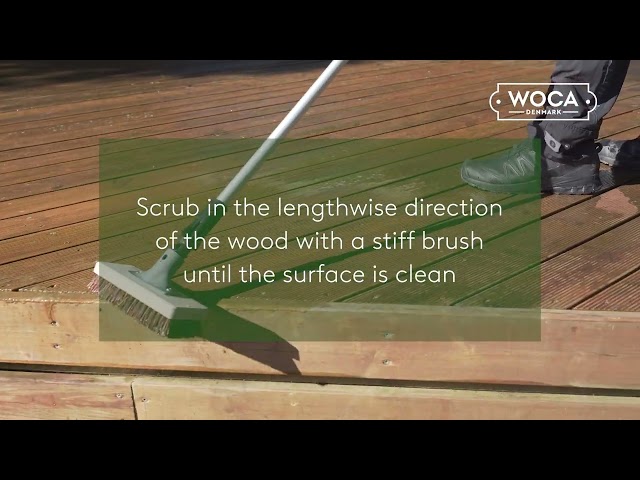
  • Limpie las superficies de madera nuevas y antiguas con Exterior Wood Cleaner antes de comenzar el tratamiento con aceite.
  • Dejar secar la madera al menos 24 horas de forma que la humedad no supere el 17%. Lije cualquier irregularidad con una lija de grano 120-150.
  • Aplique el producto sólo con clima seco, temperatura mínima 13°C. Evite la luz solar directa y las altas temperaturas.
  • Agitar vigorosamente Aceite antes de su uso.
  • Aplicar una capa uniforme y fina con una brocha. Trate primero la madera con corte radial. El aceite húmedo puede dar un tono blanco. Cuando el agua se haya evaporado después de unos minutos, la madera aparecerá aceitada.
  • Retirar el exceso de aceite con un trapo de algodón limpio después de no más de 5 minutos. Tener especial cuidado al retirar el exceso de aceite de las juntas y surcos.
  • Si la superficie no parece saturada con el aceite, repetir los pasos 5 y 6.
  • Cuando la madera esté seca, se puede pulir con trapo o máquina pulidora para asegurar una superficie extra resistente.
  • Tarda un tiempo de 24-48 horas 20°C un endurecimiento total del aceite, dependiendo de las condiciones medio ambientales y la temperatura exterior. La madera no debe estar expuesta al agua durante este periodo.
  • Las maderas claras que no están tratadas a presión se pueden imprimar ventajosamente con, por ejemplo, WOCA Exterior Wood Primer.