Produkty
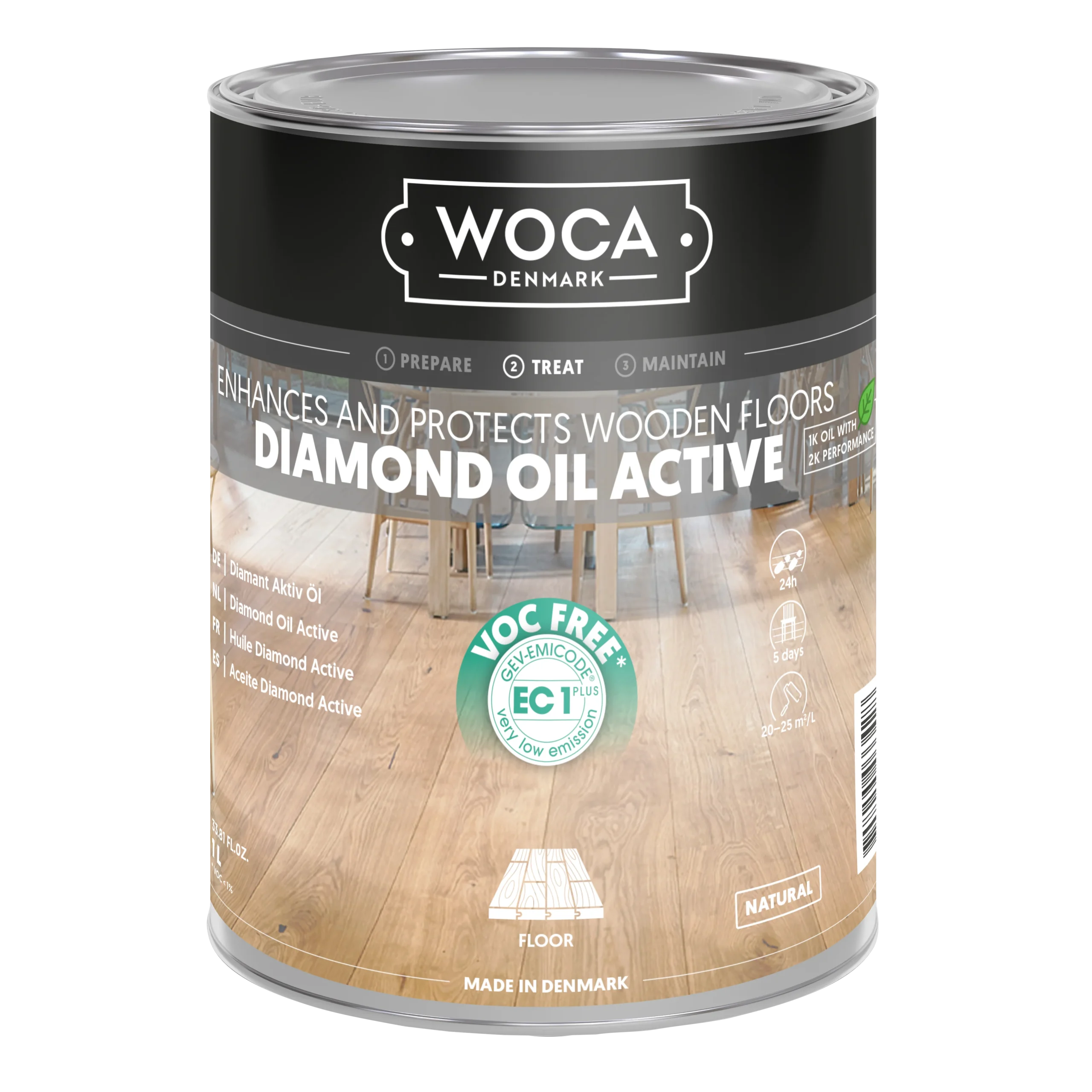
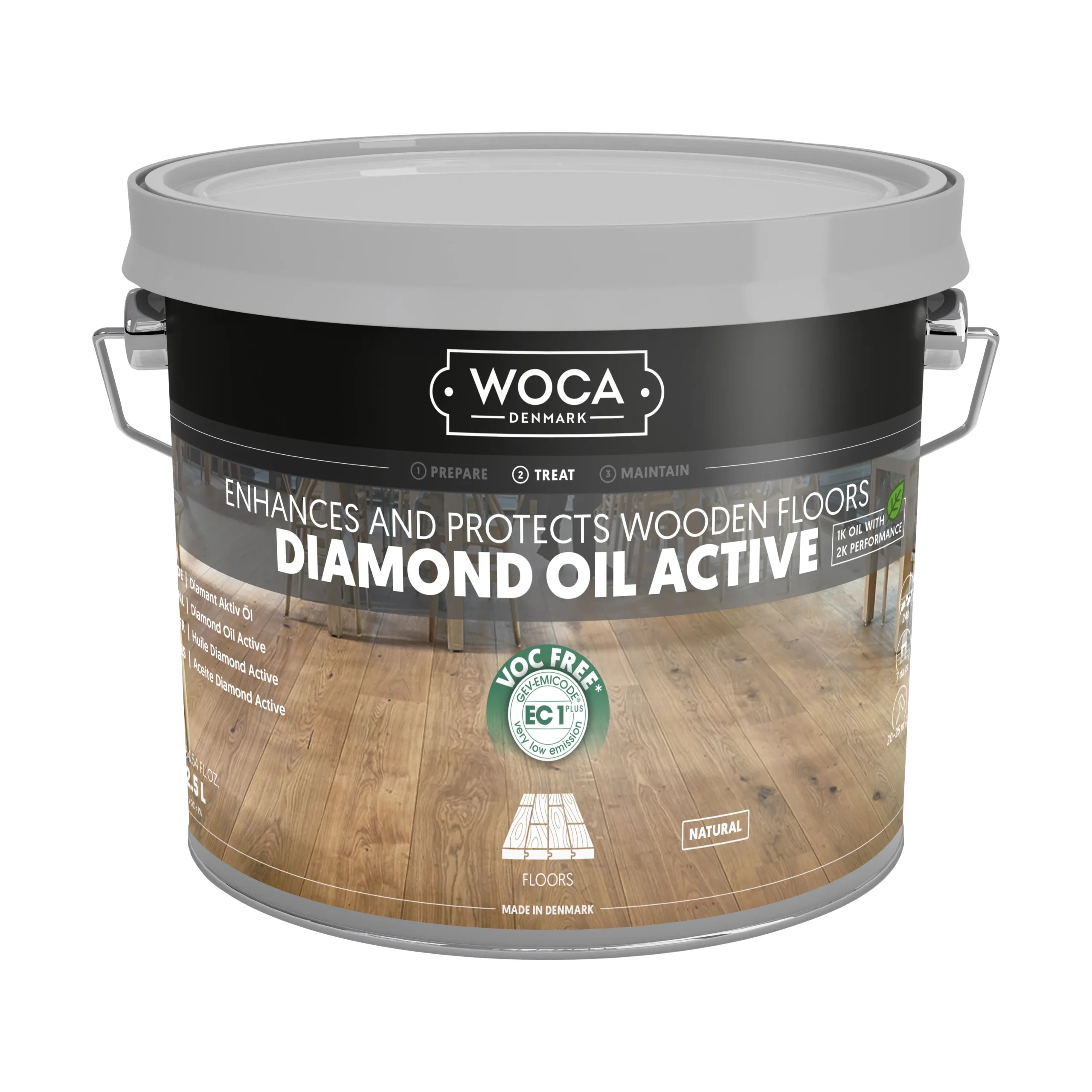
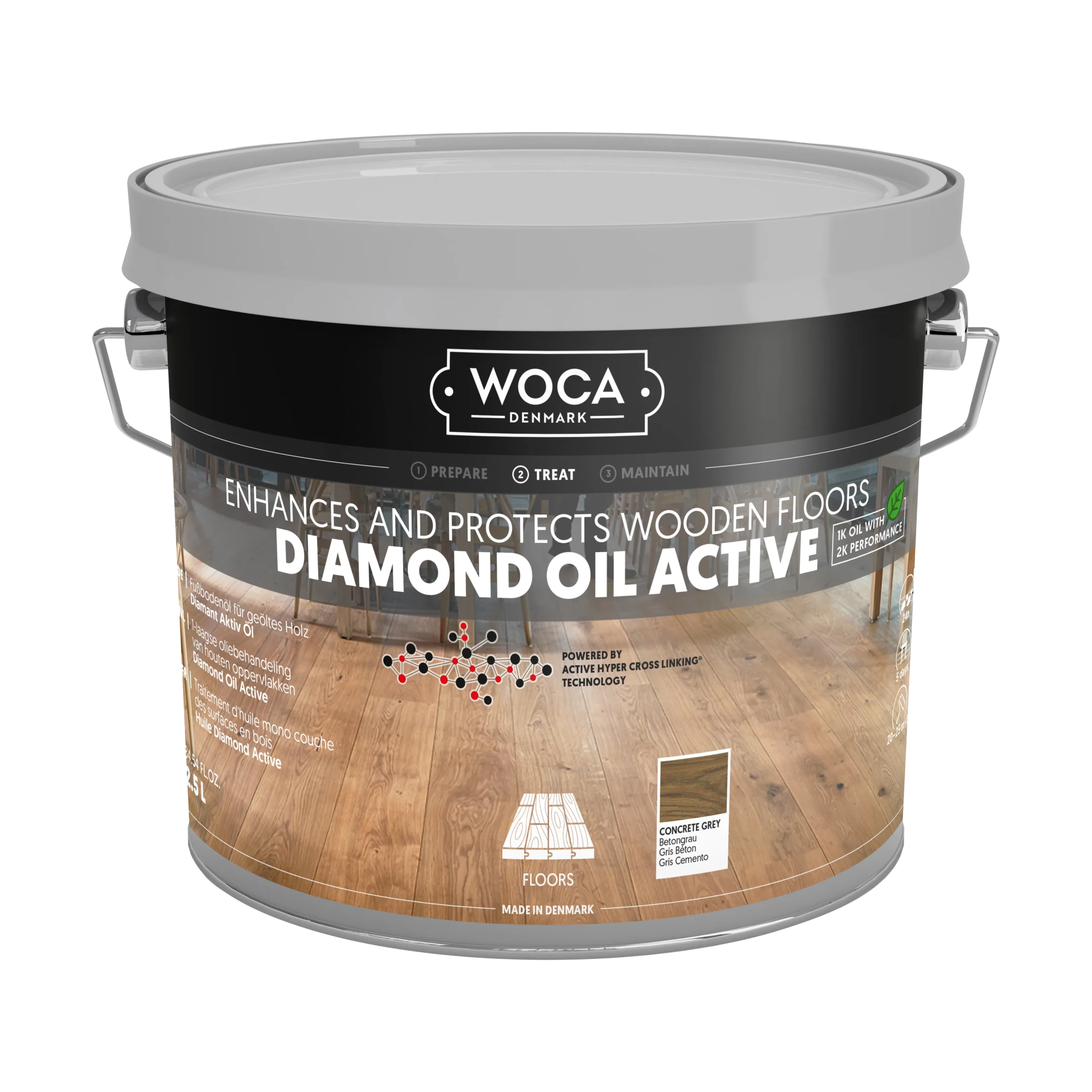
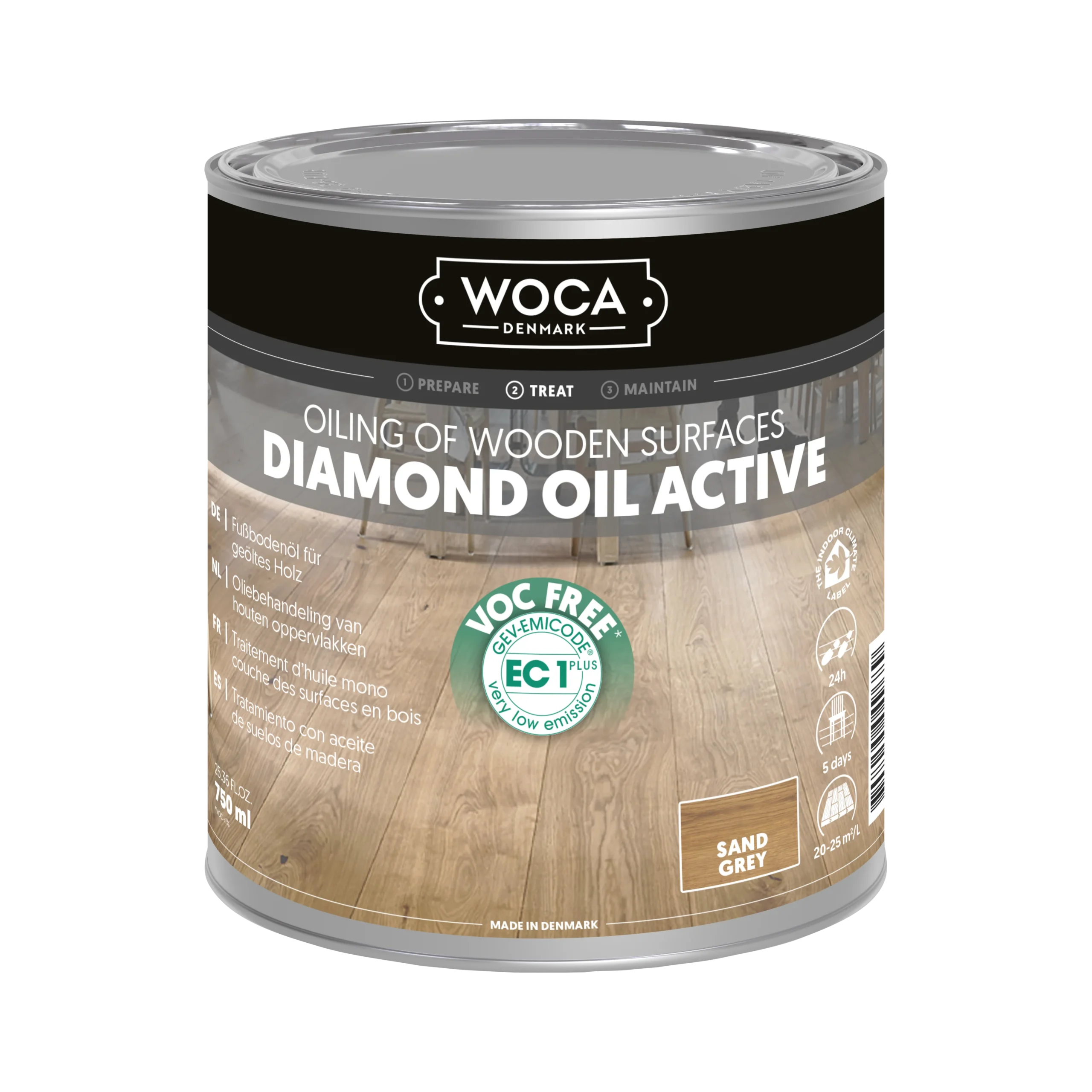
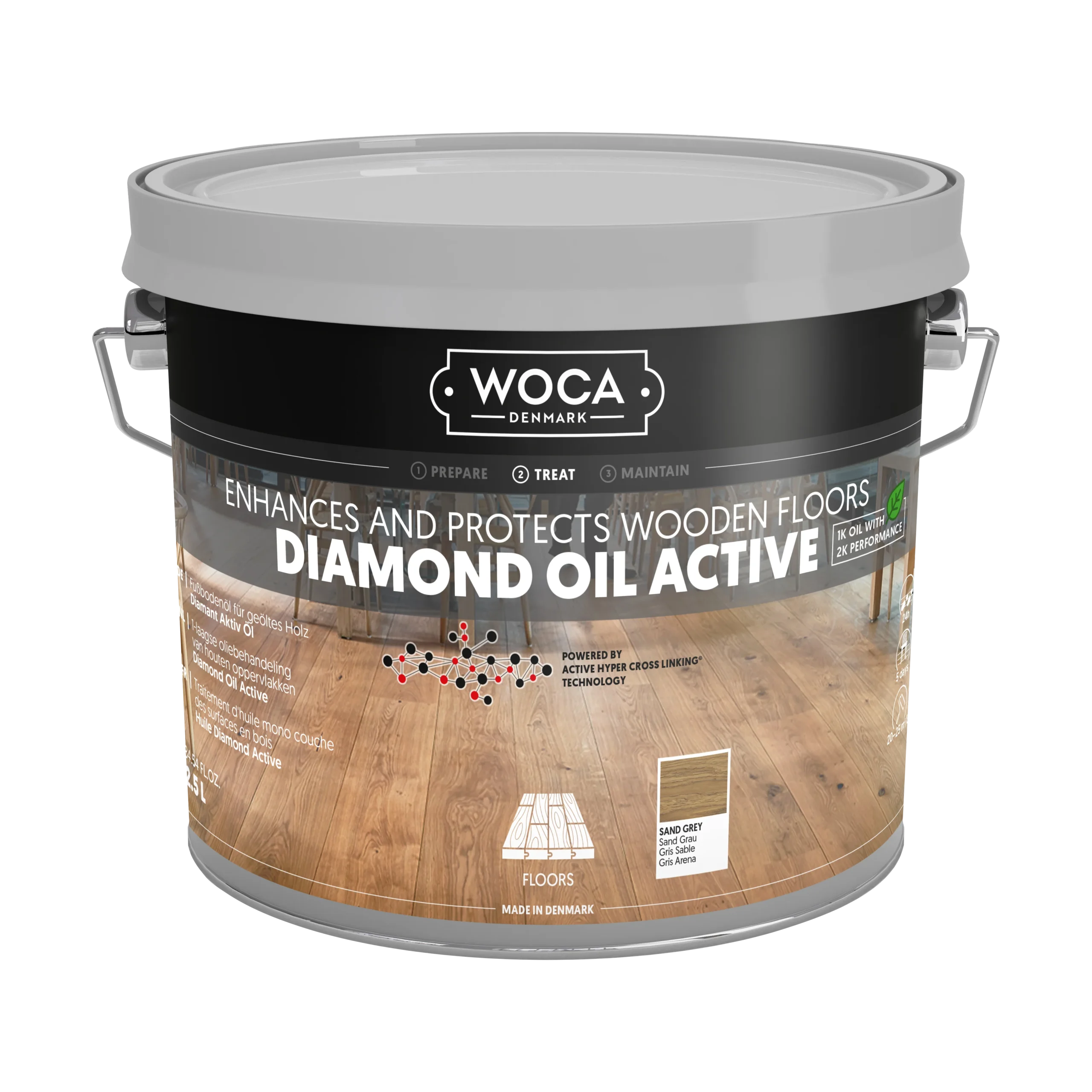
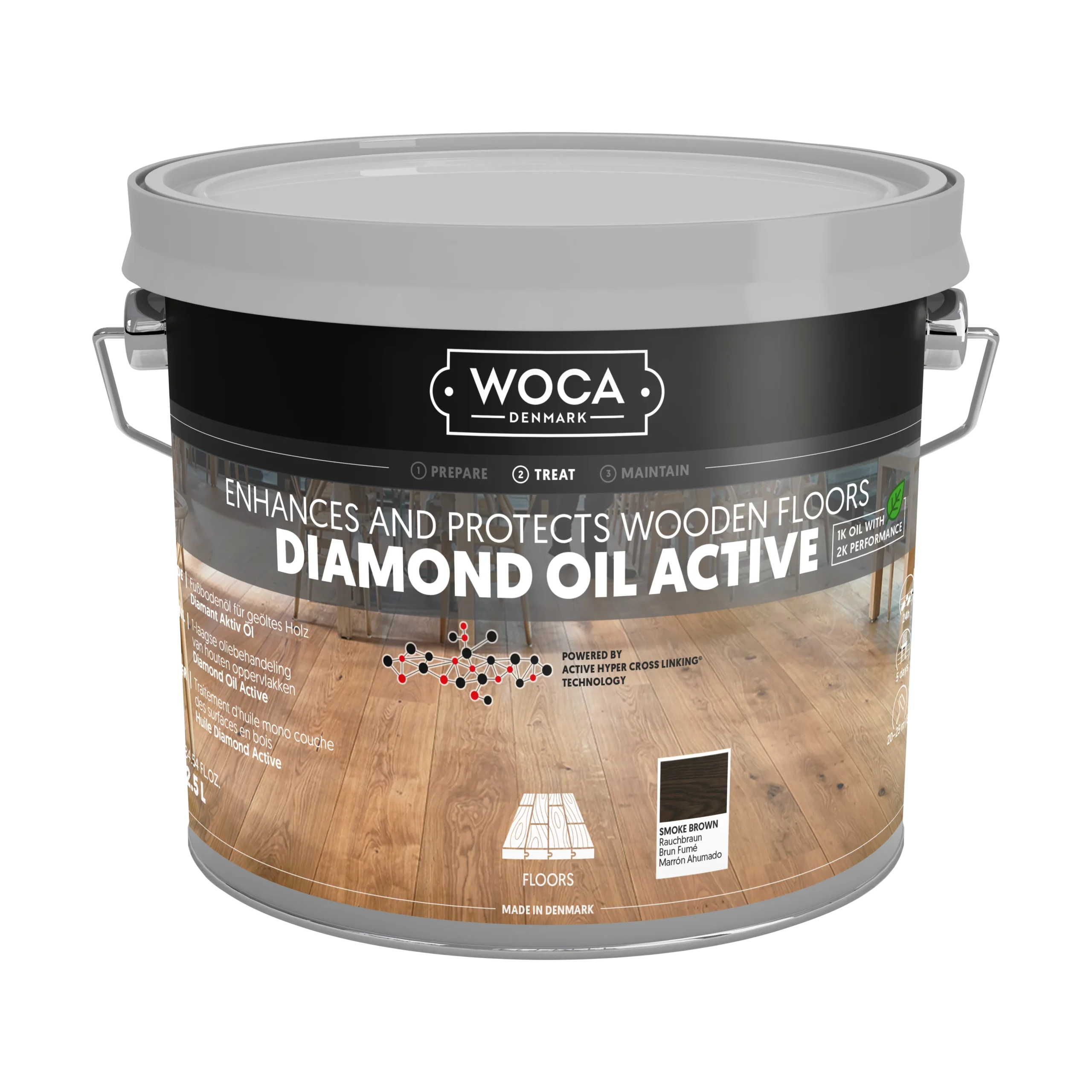
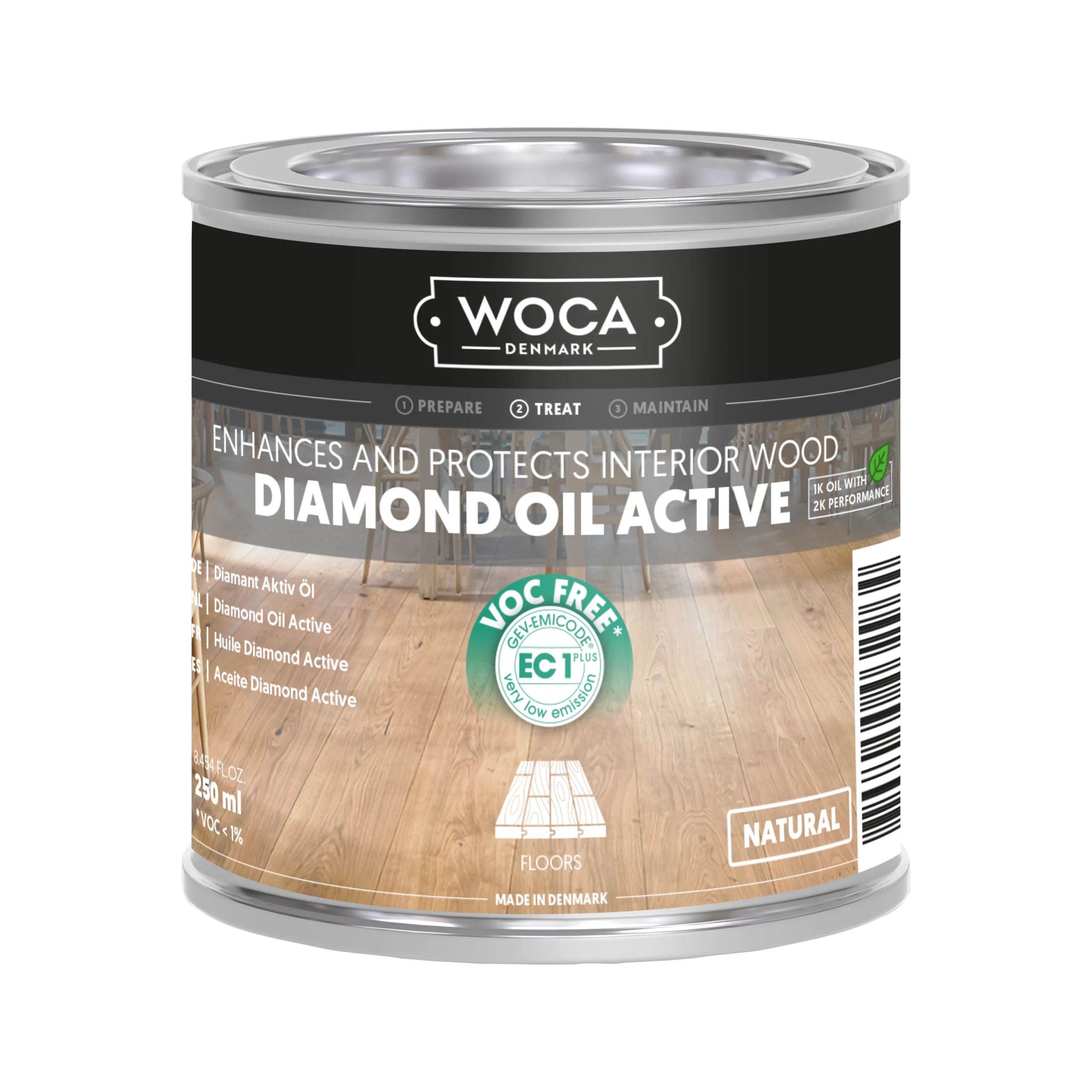
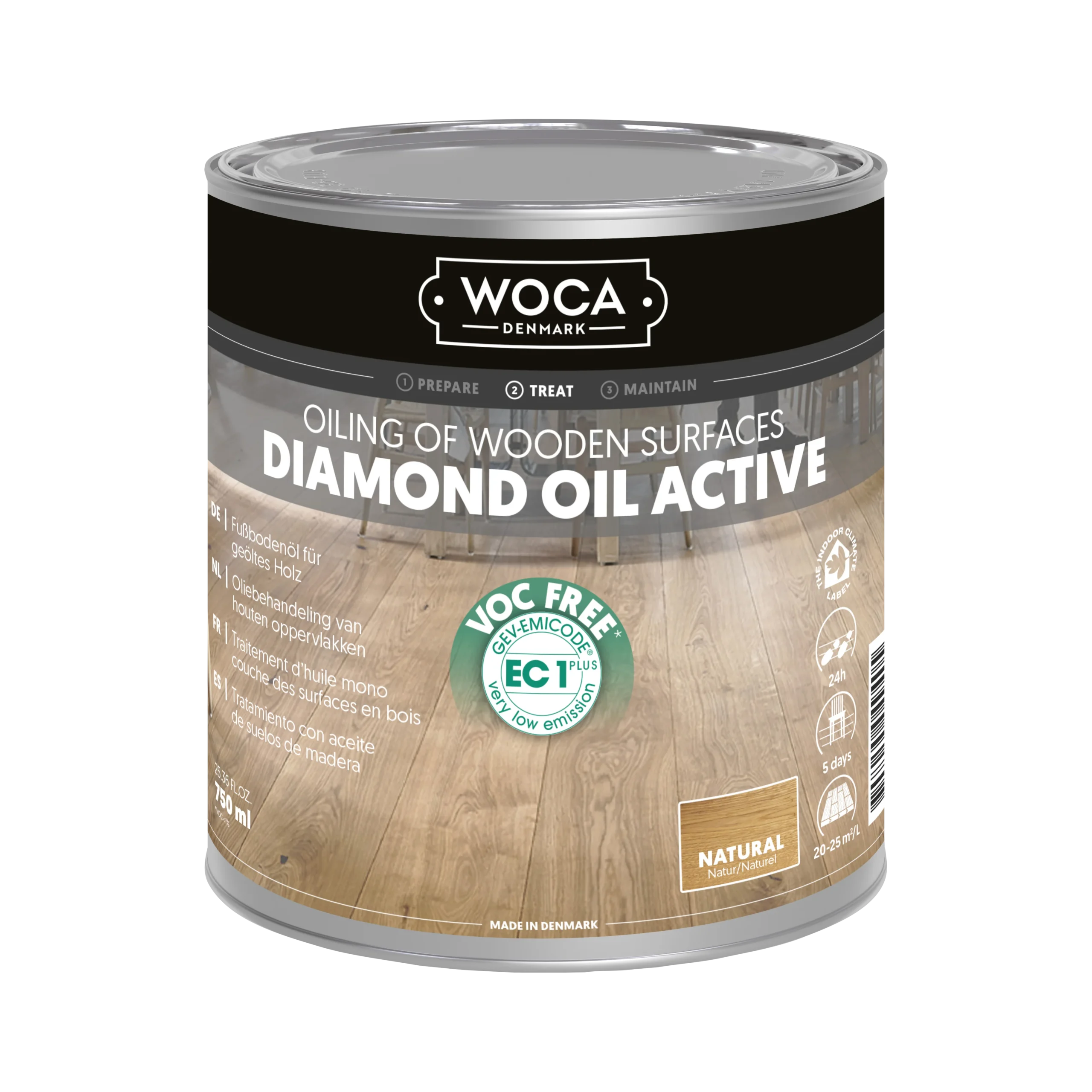
Diamond Oil Active

Diamond Oil Active

Nr artykułu: 566225A EAN: 5708055051491 566207A EAN: 5708055051484 565010A EAN: 5708055033428 565025A EAN: 5708055033015 565107A EAN: 5708055049665 565125A EAN: 5708055033039 565507A EAN: 5708055049672 565525A EAN: 5708055033510 565725A EAN: 5708055033534 565825A EAN: 5708055033541 566025A EAN: 5708055033565 566125A EAN: 5708055033572 565007A EAN: 5708055049405

Środek do olejowania podlóg drewnianych

  • Odporny na plyny takie jak: woda, kawa, herbata i czerwone wino
  • Odporny na zarysowania i uszkodzenia
  • Tworzy estetyczną oddychającą powłokę
  • Produkt certyfikowany, by zapewniać zdrowy klimat we wnętrzach w trakcie użytkowania

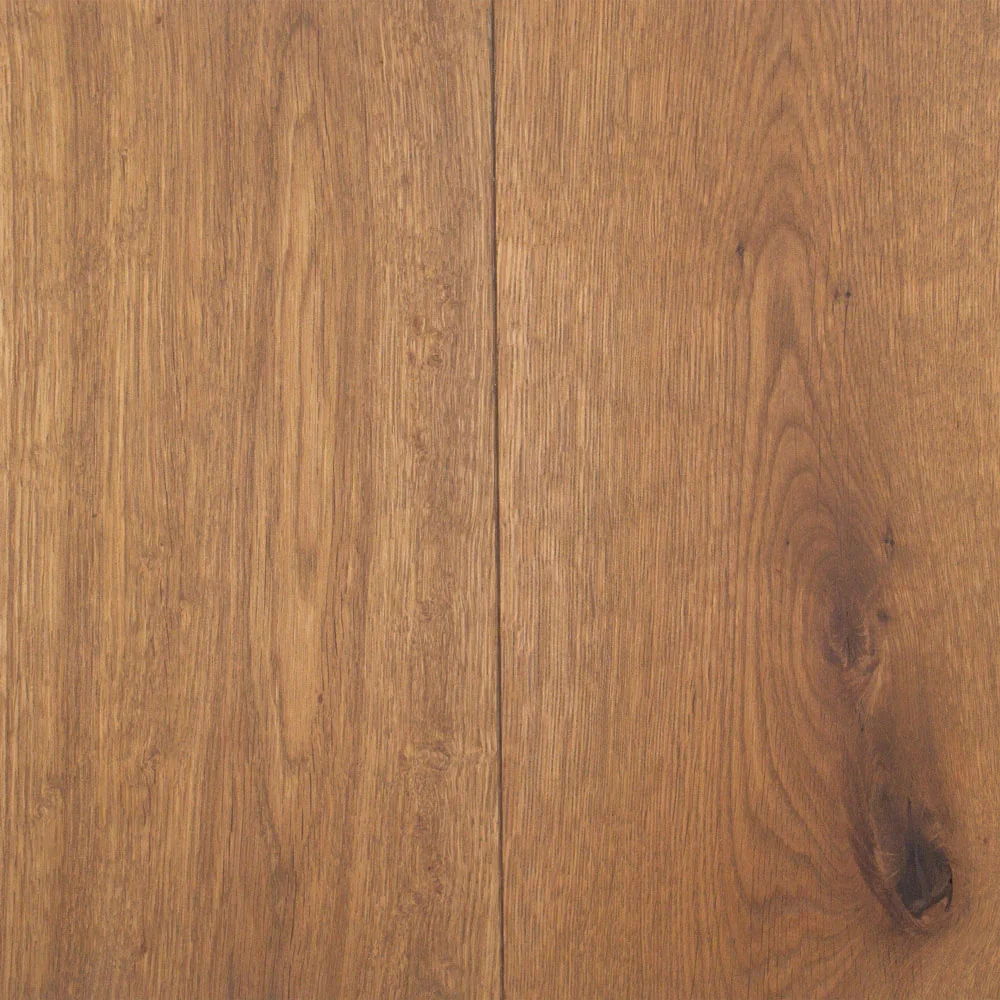
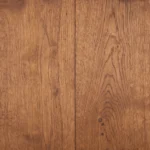
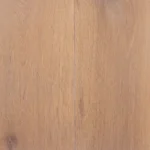
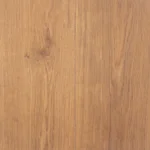
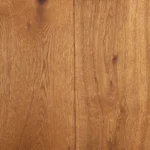
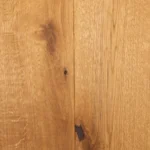
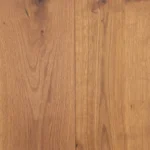
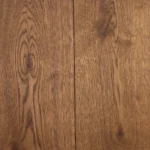
Kolory

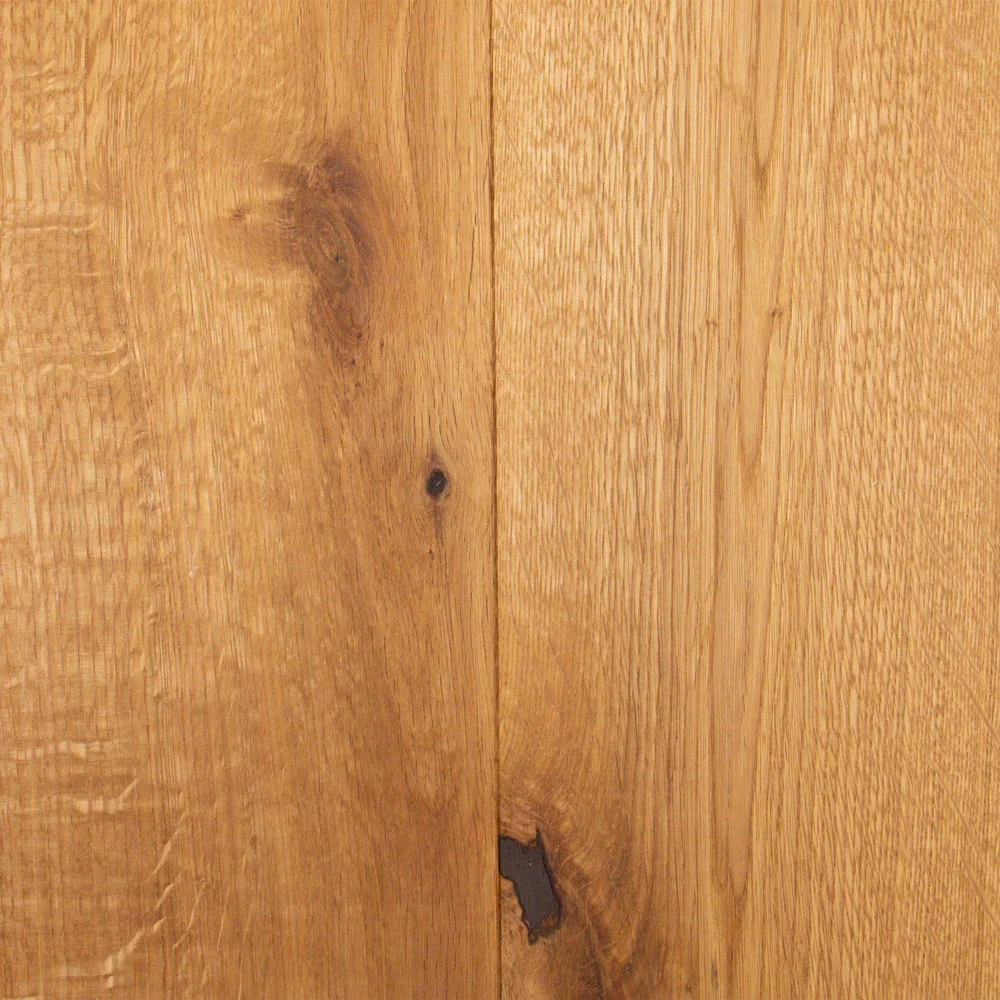
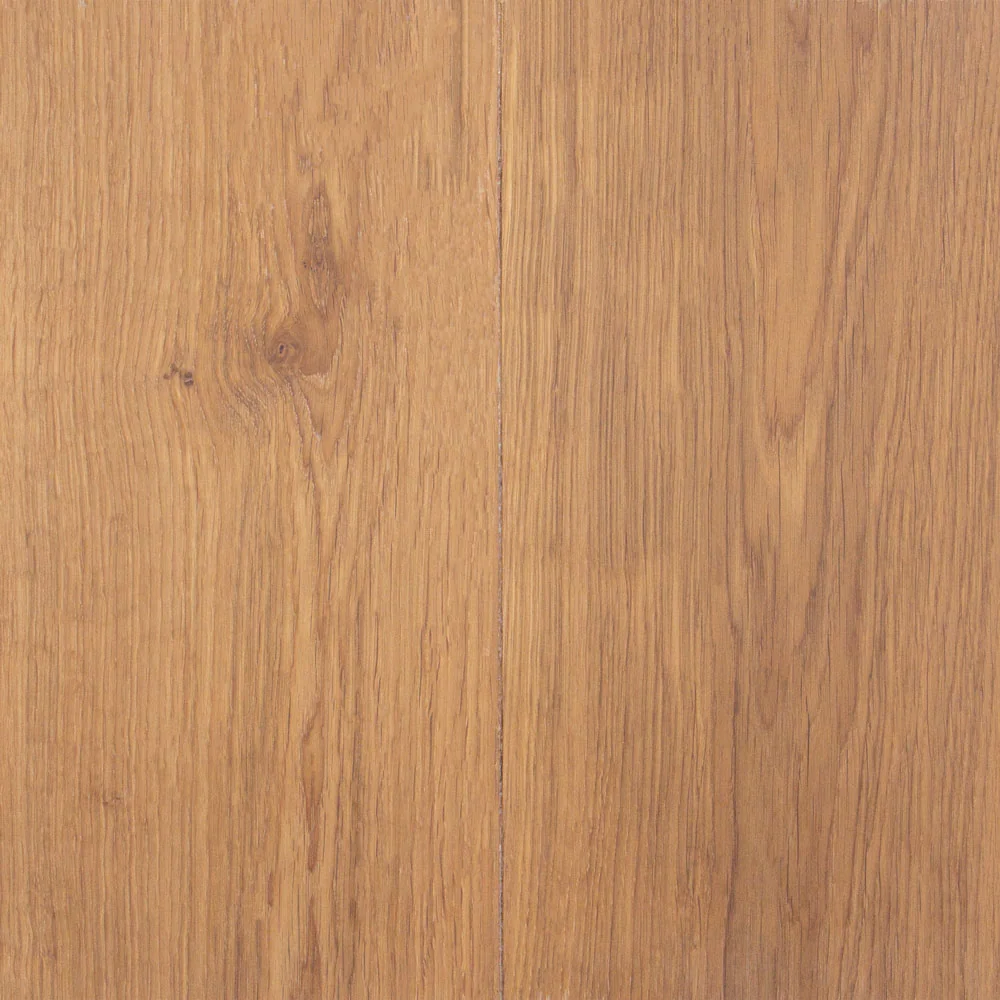
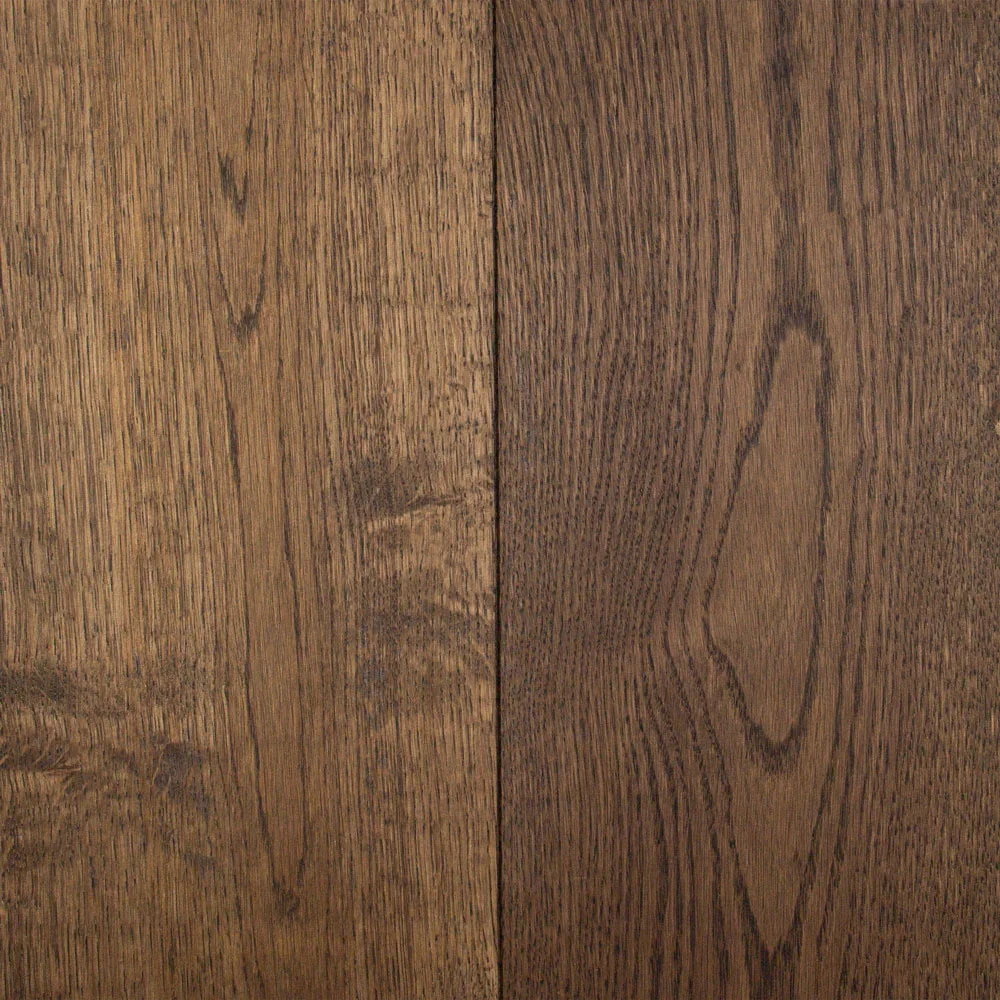
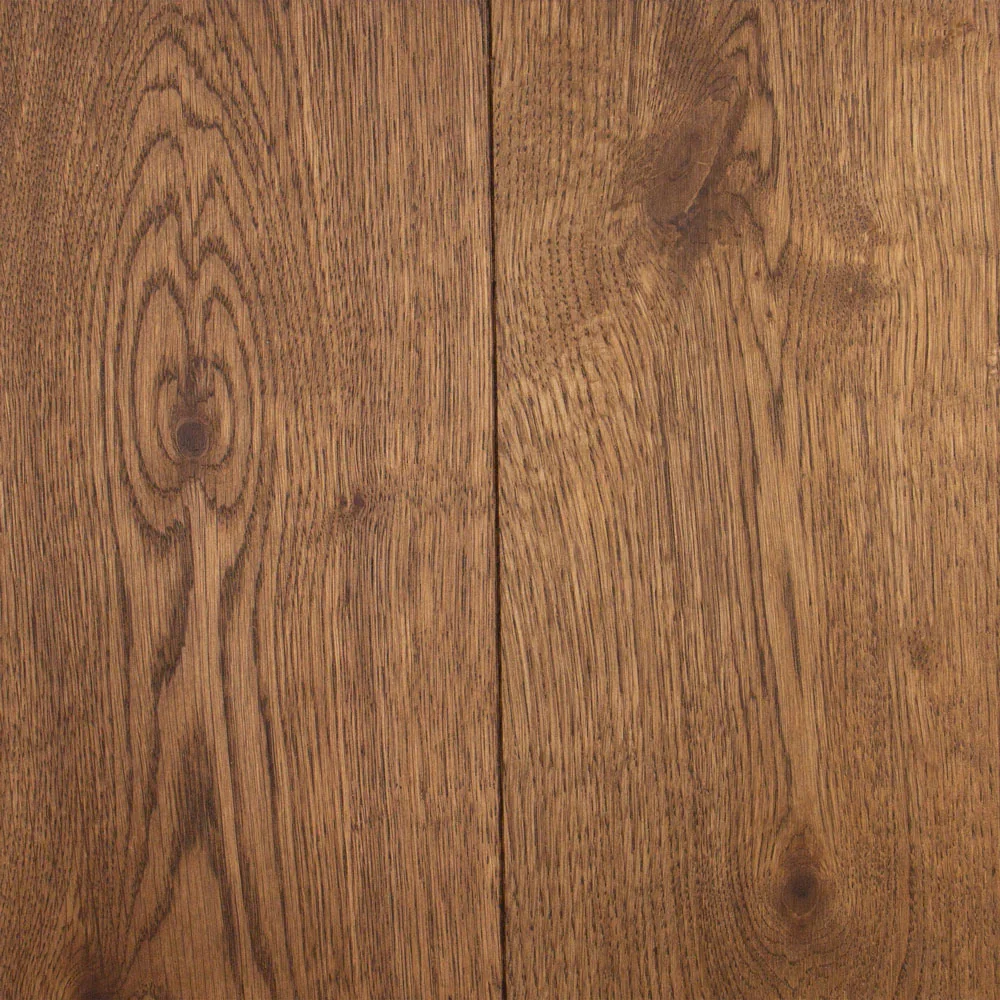
*Próbka drewna jest pokazana na dębie
Bezbarwny
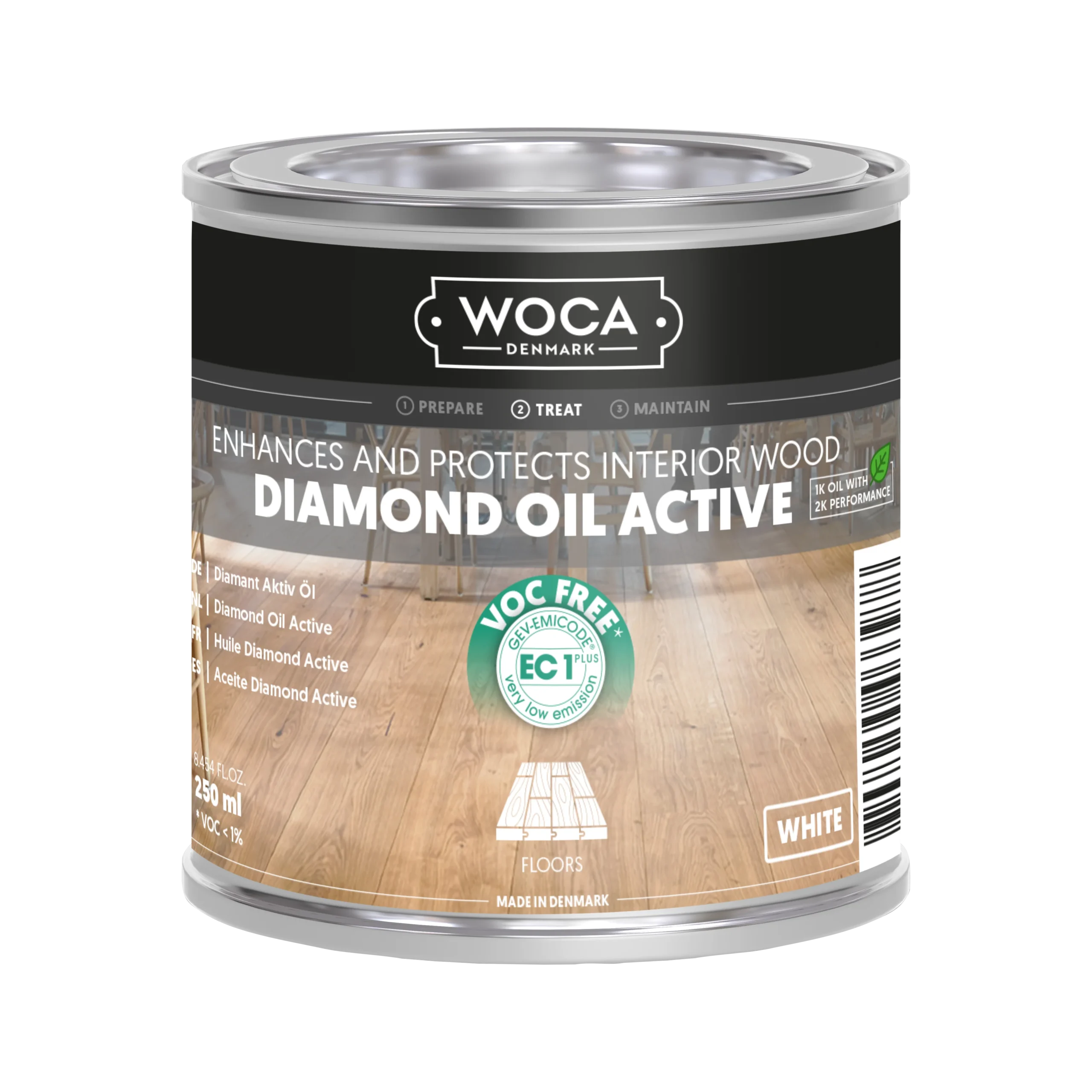
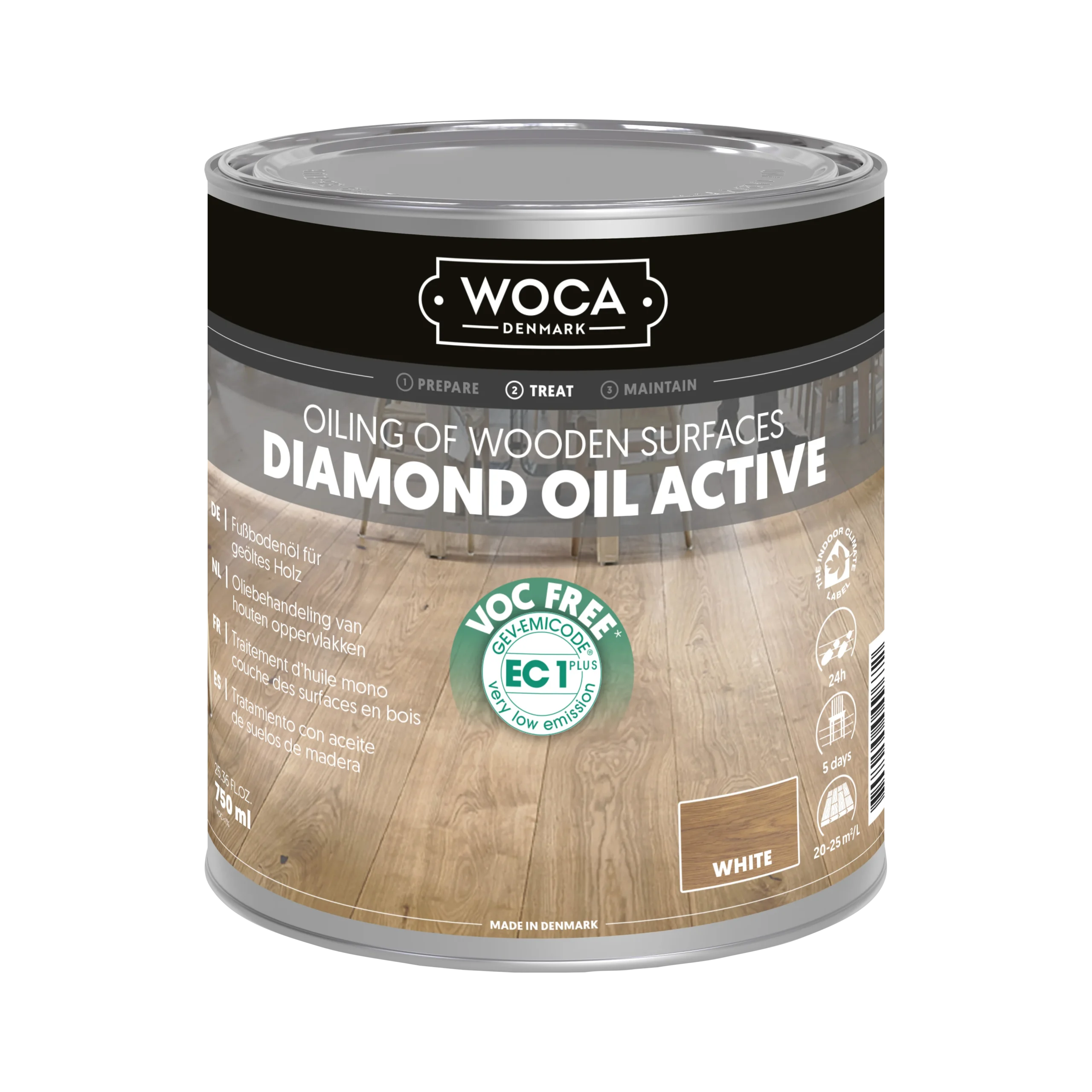
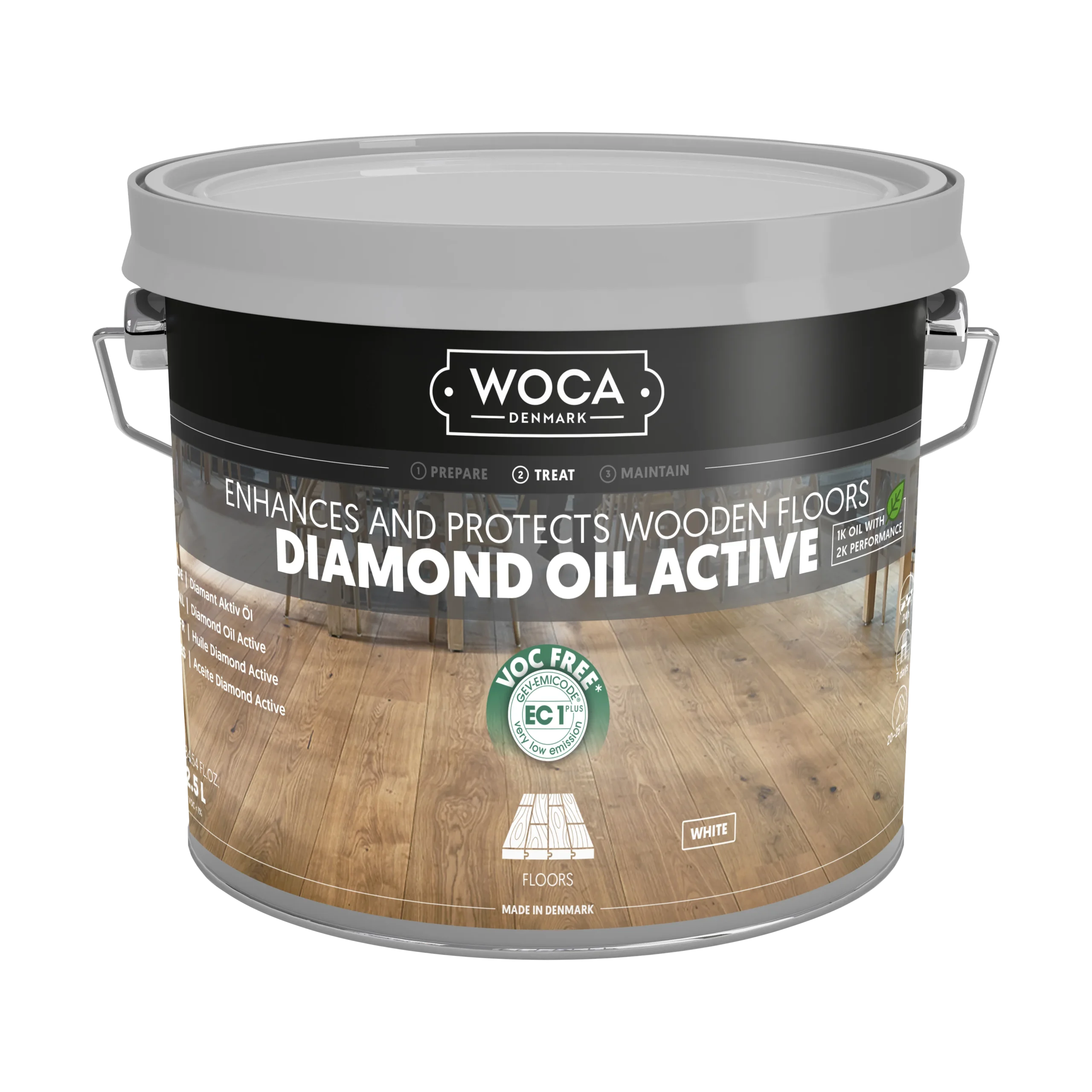
Biały
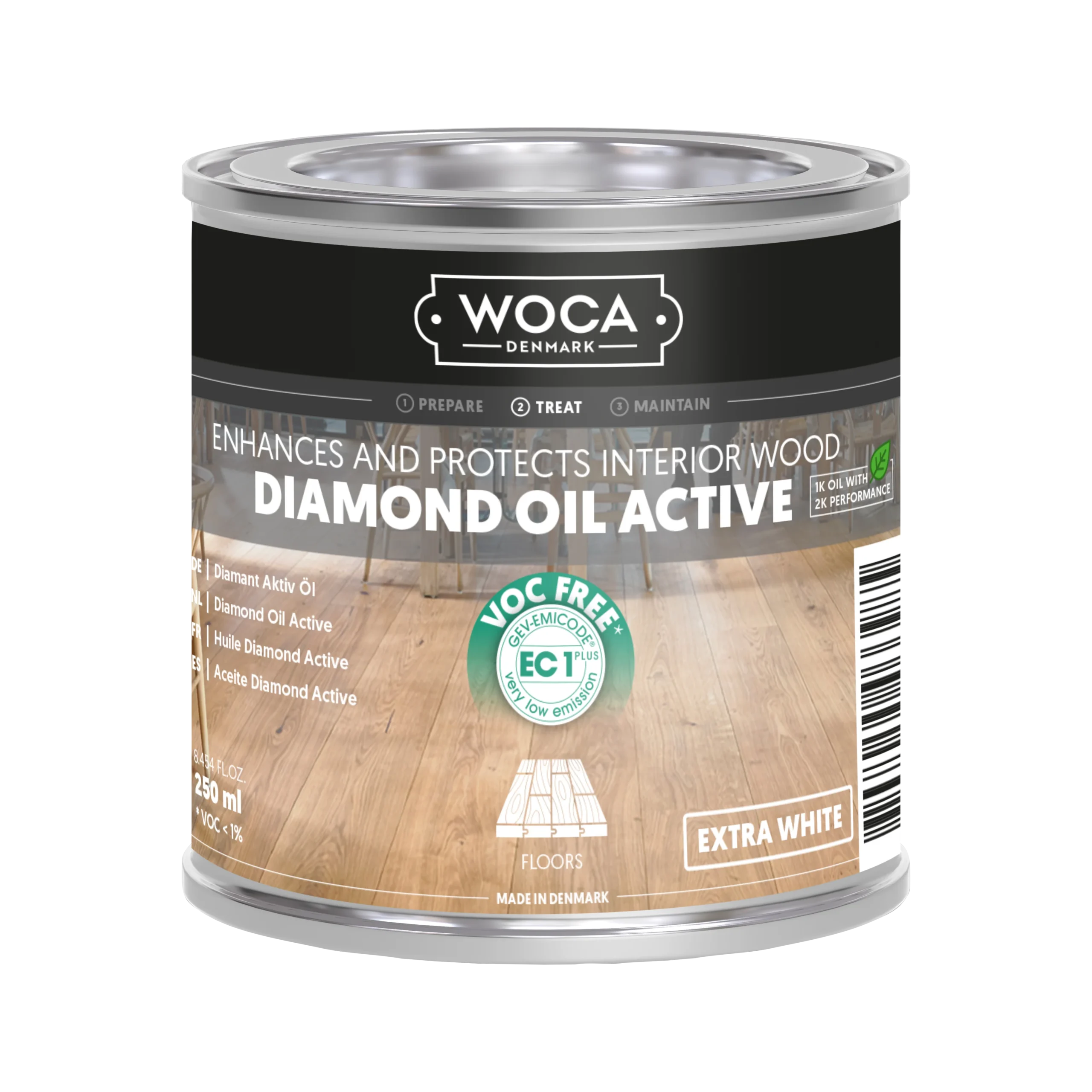
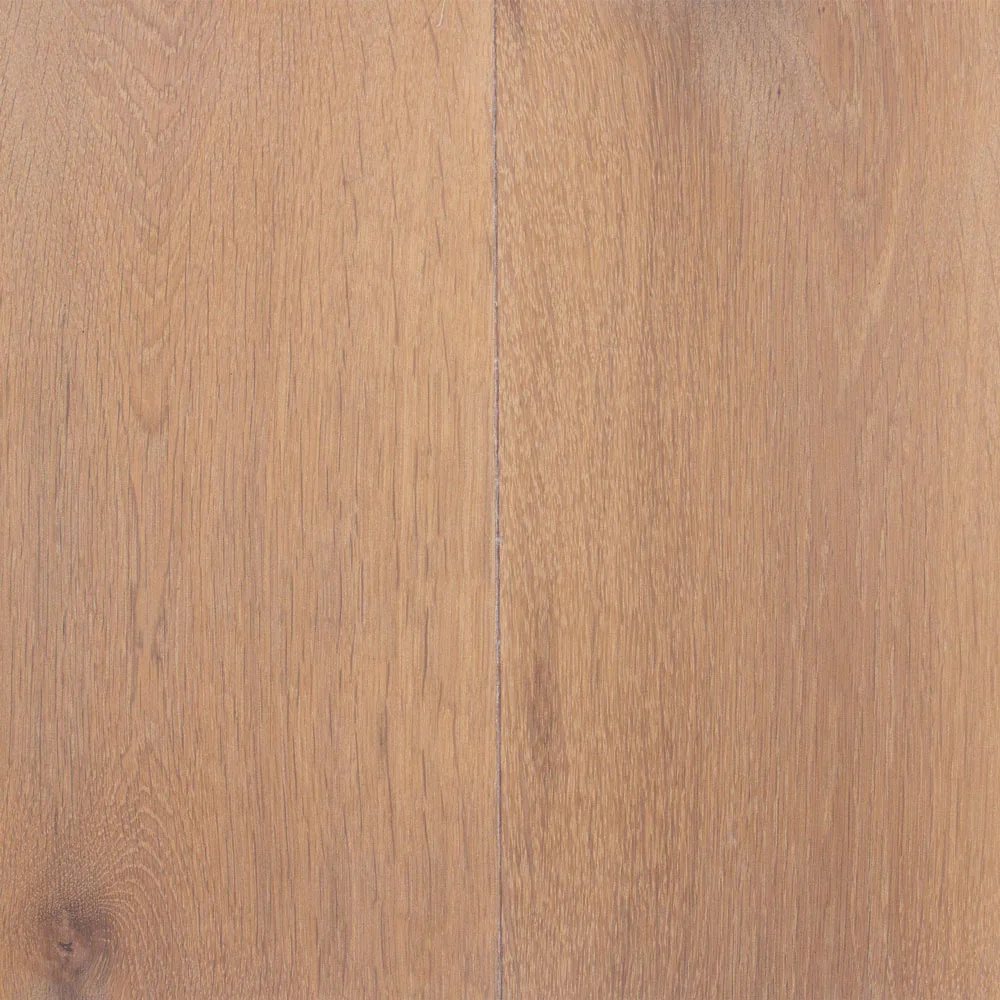
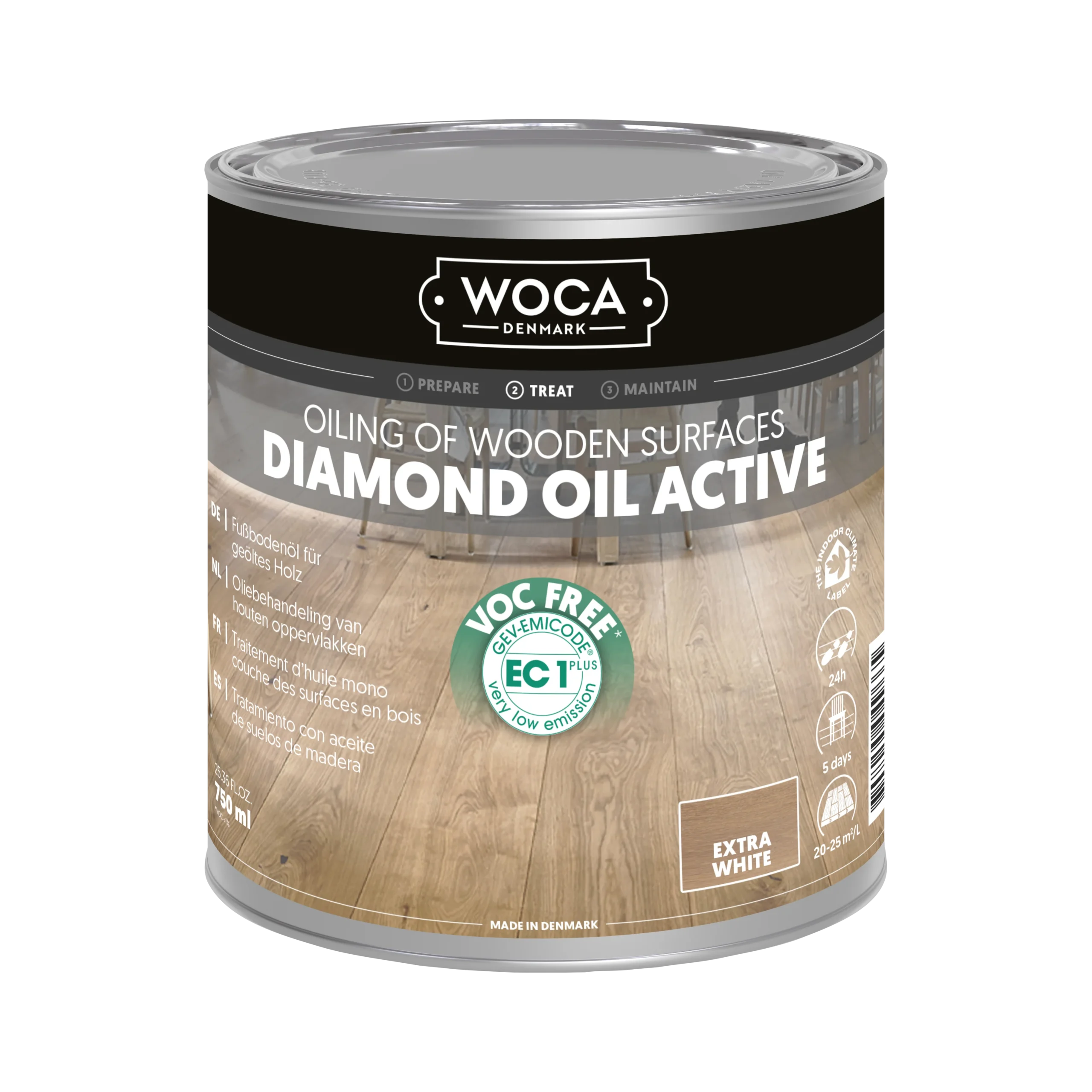
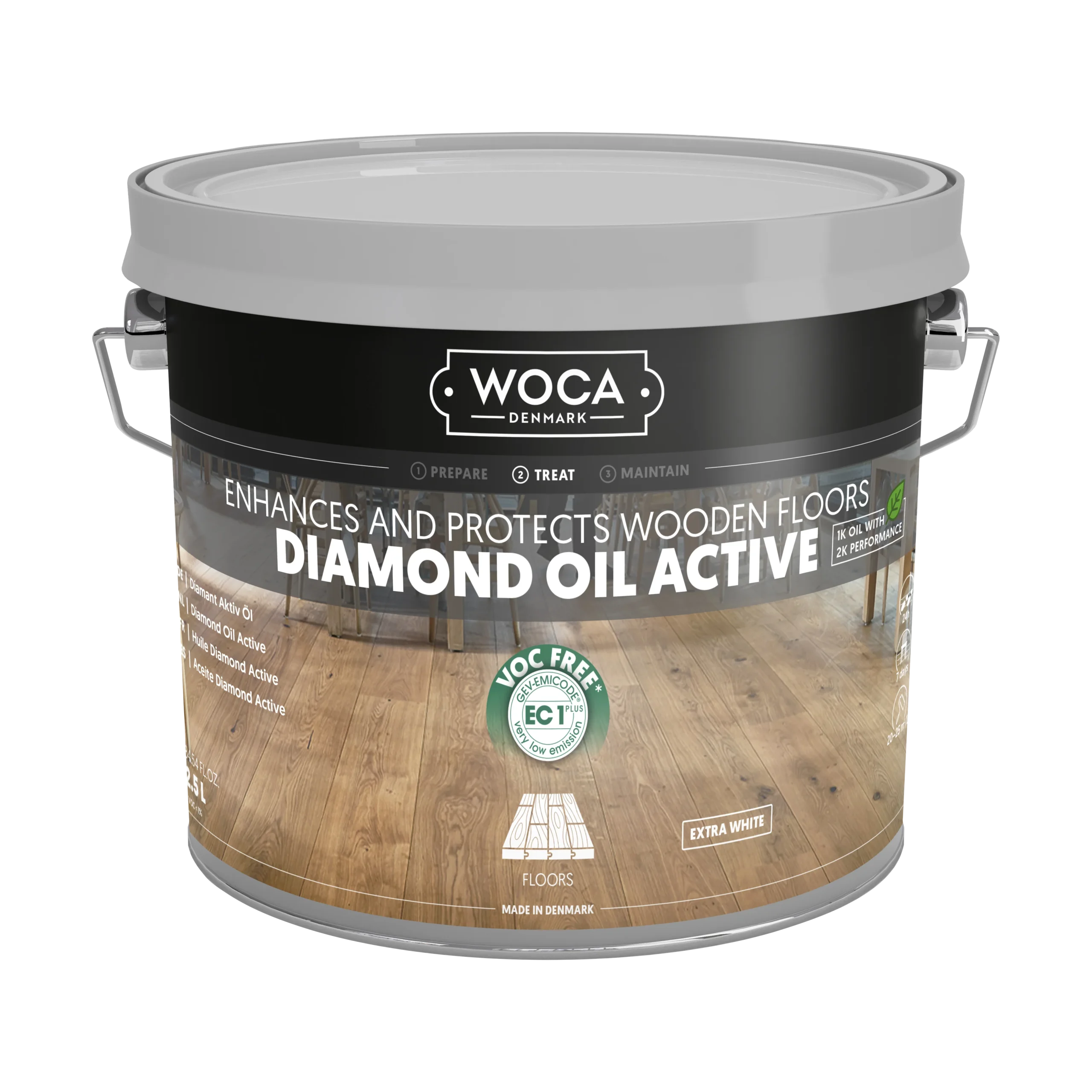
Extra biały
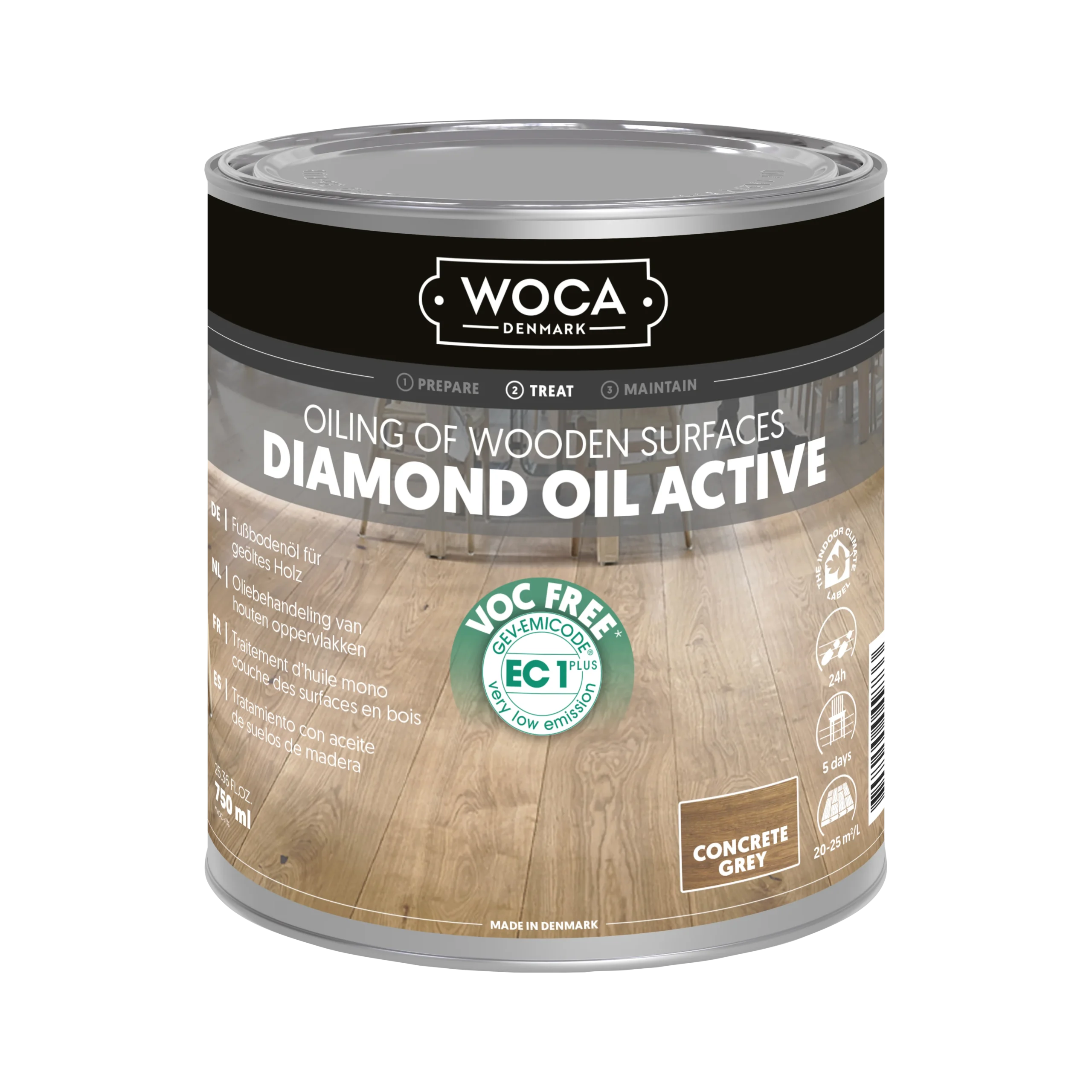
Szary Piaskowy
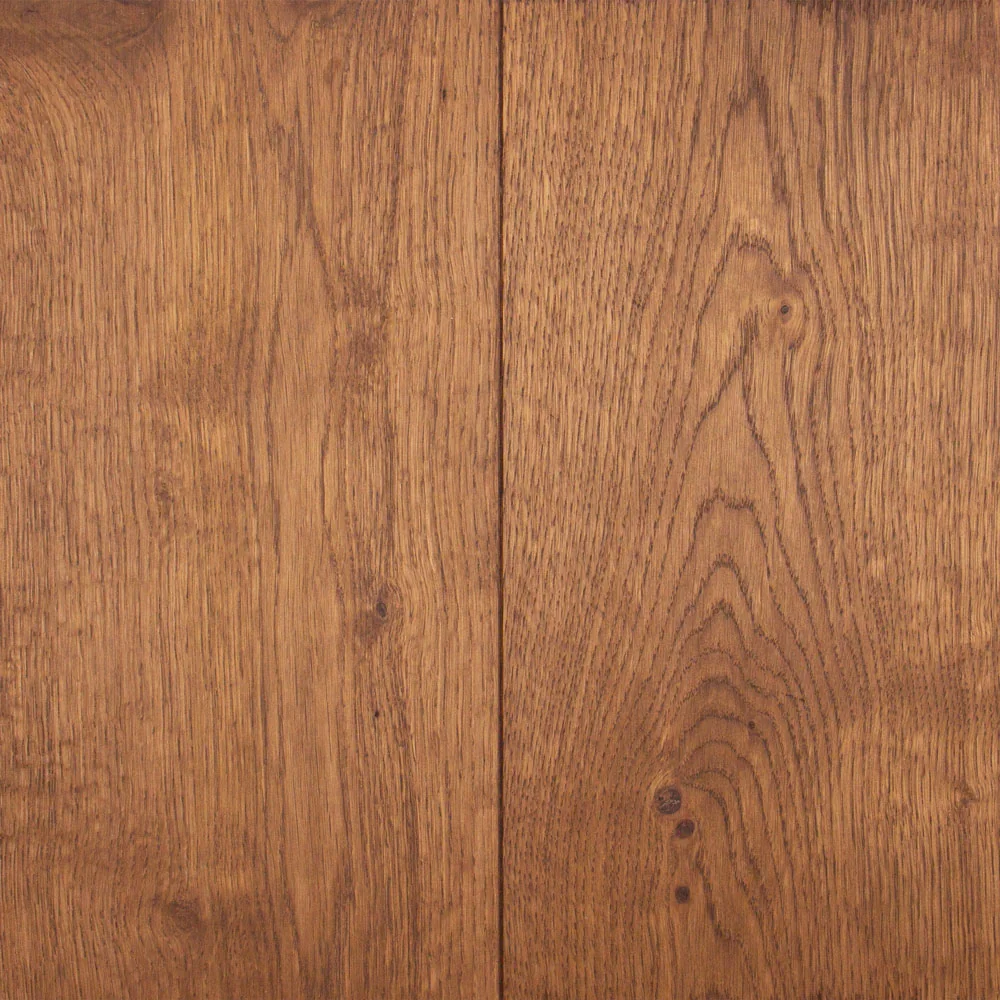
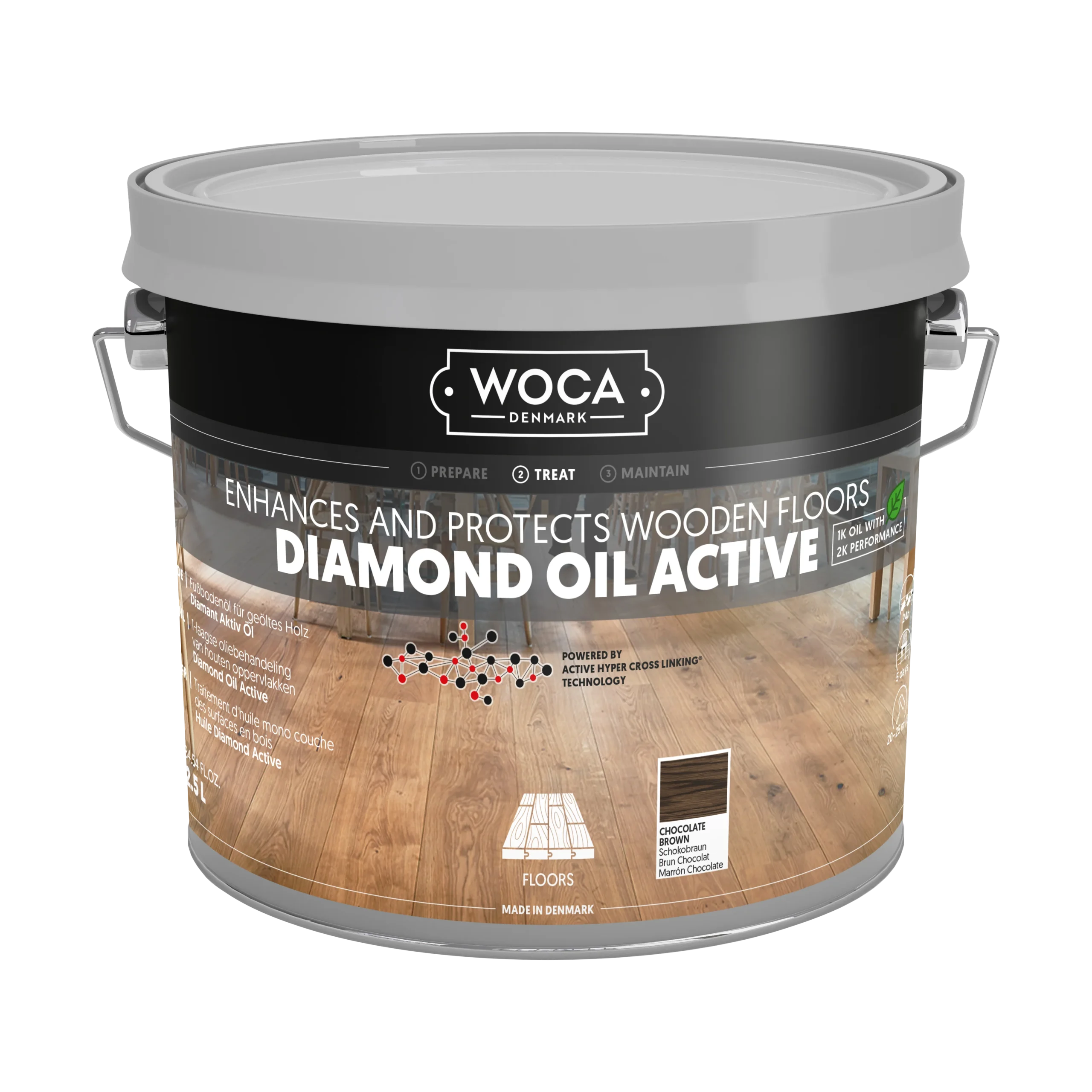
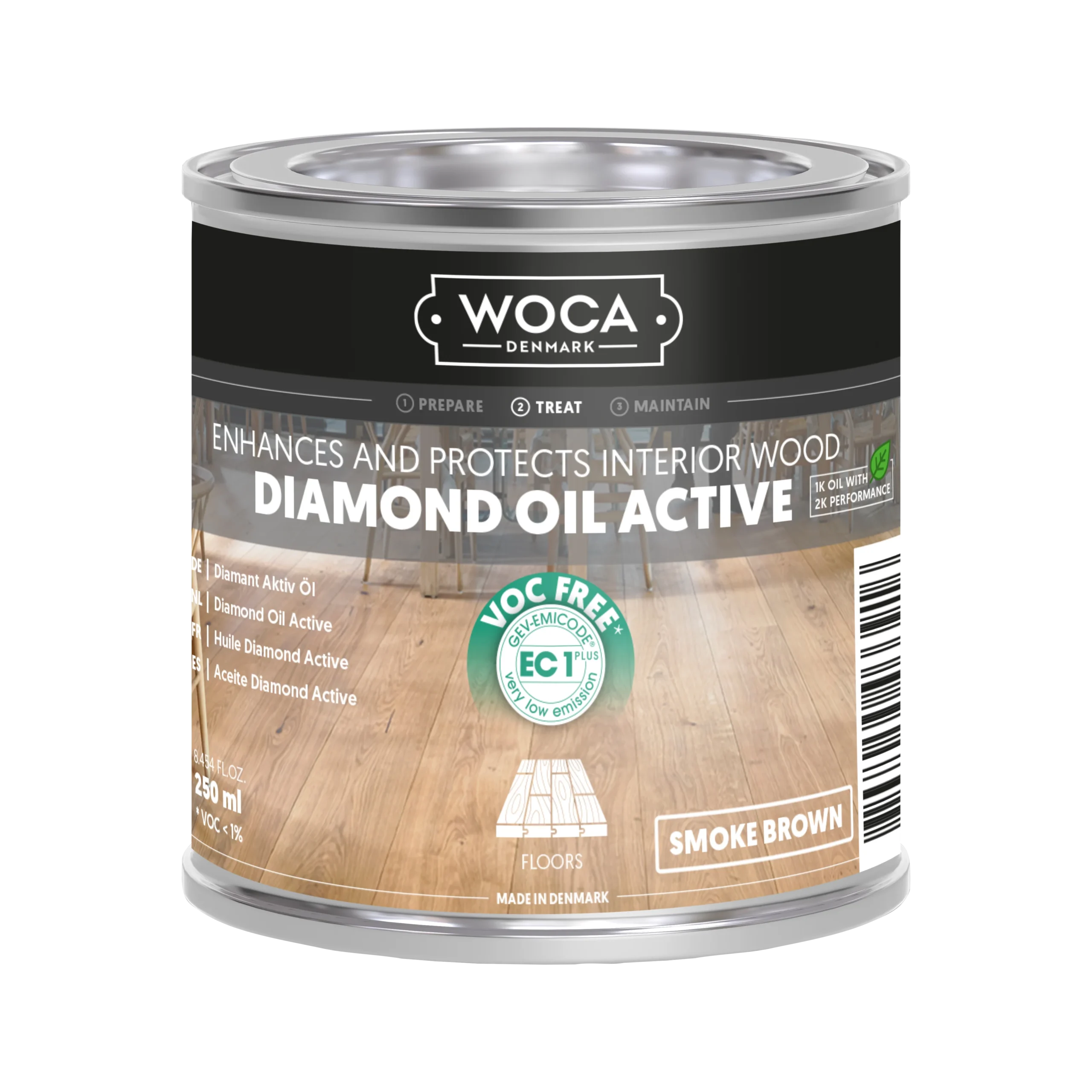
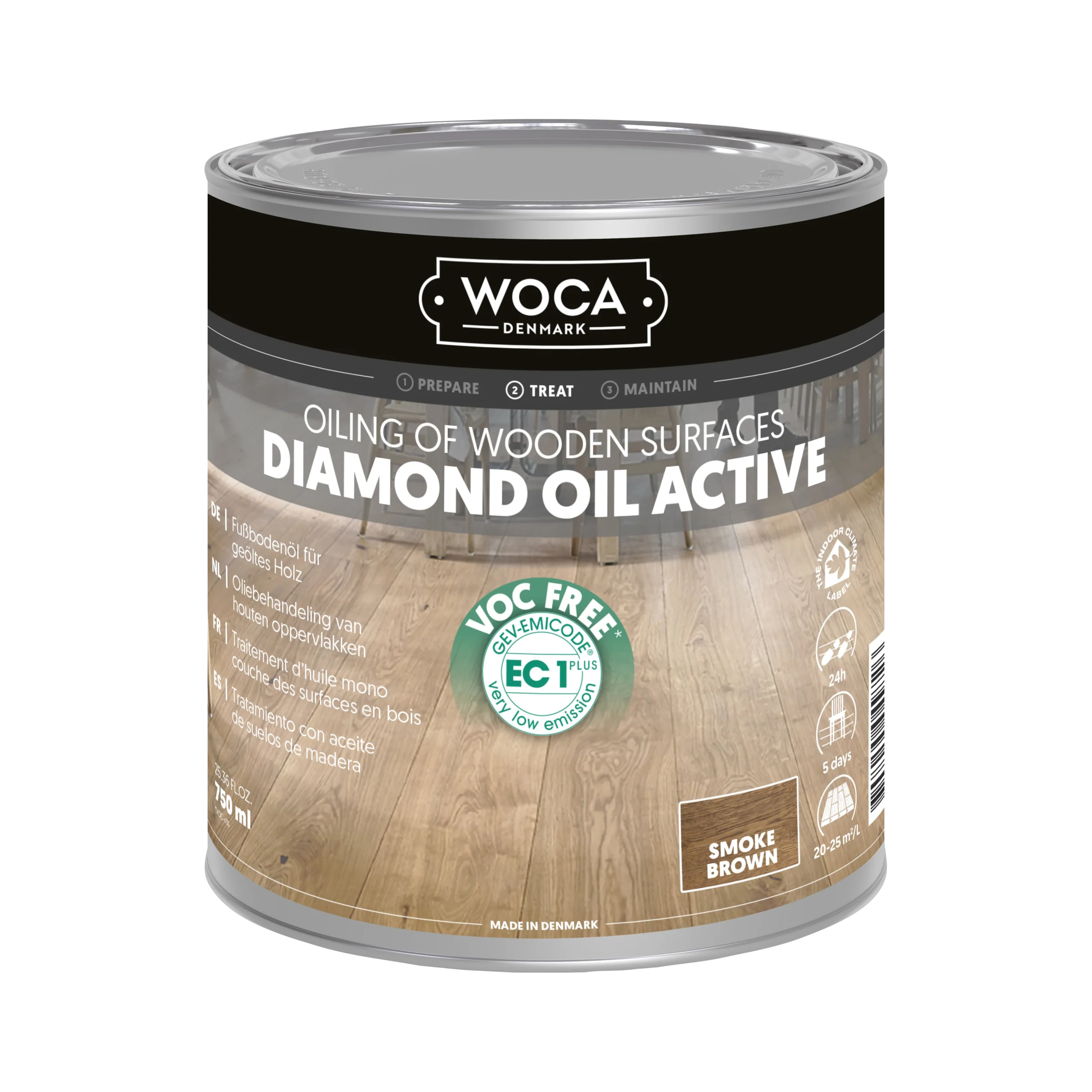
Brąz Dymiony
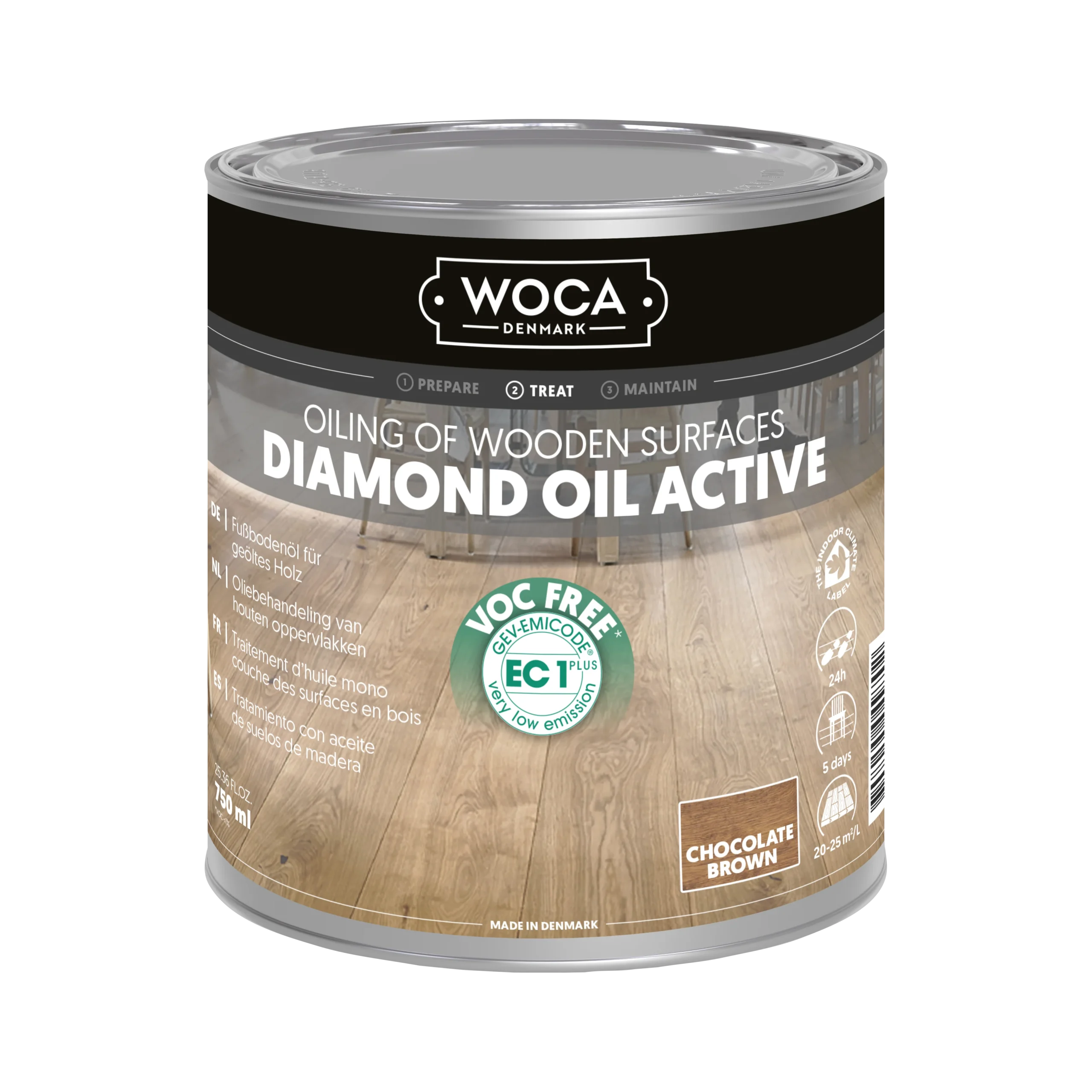
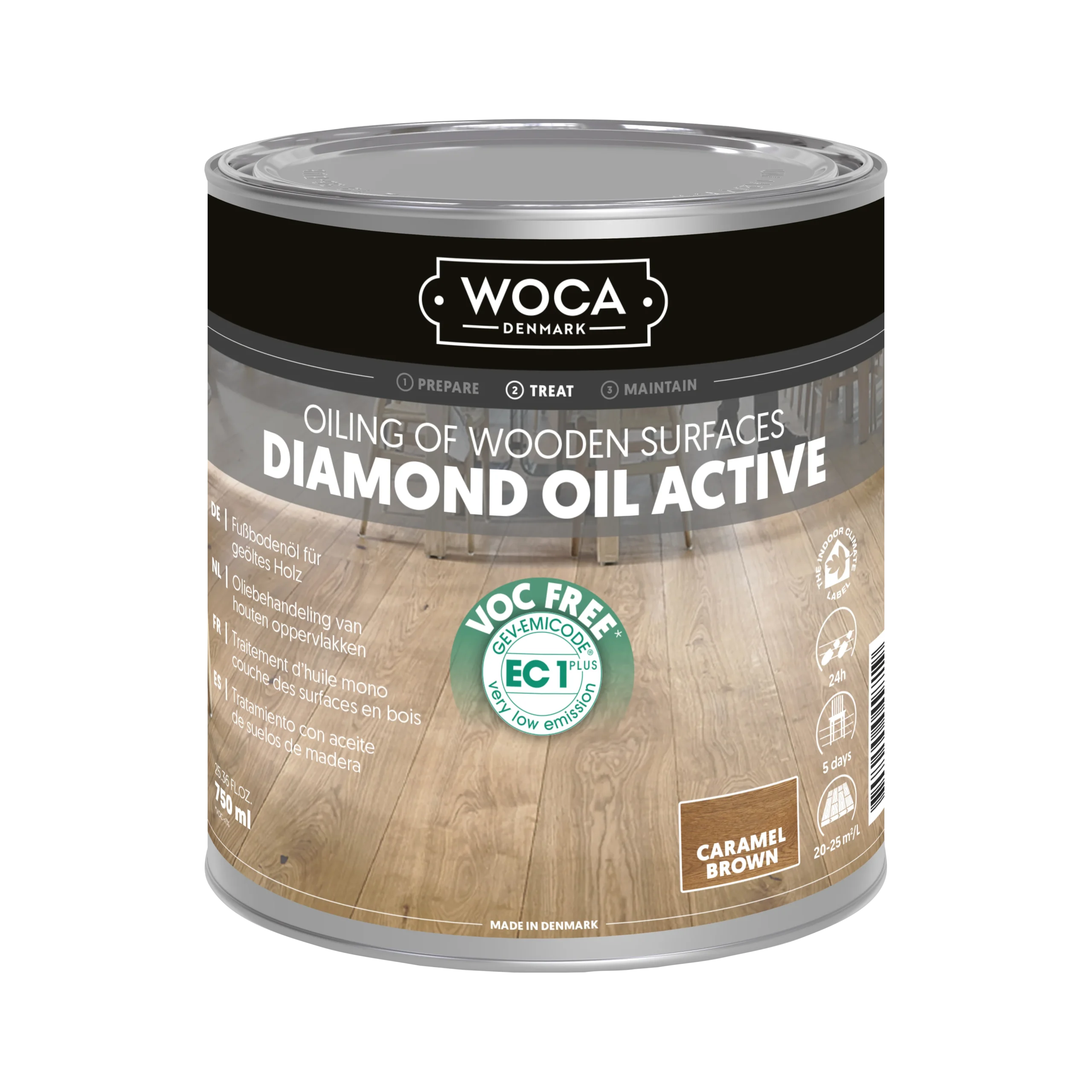
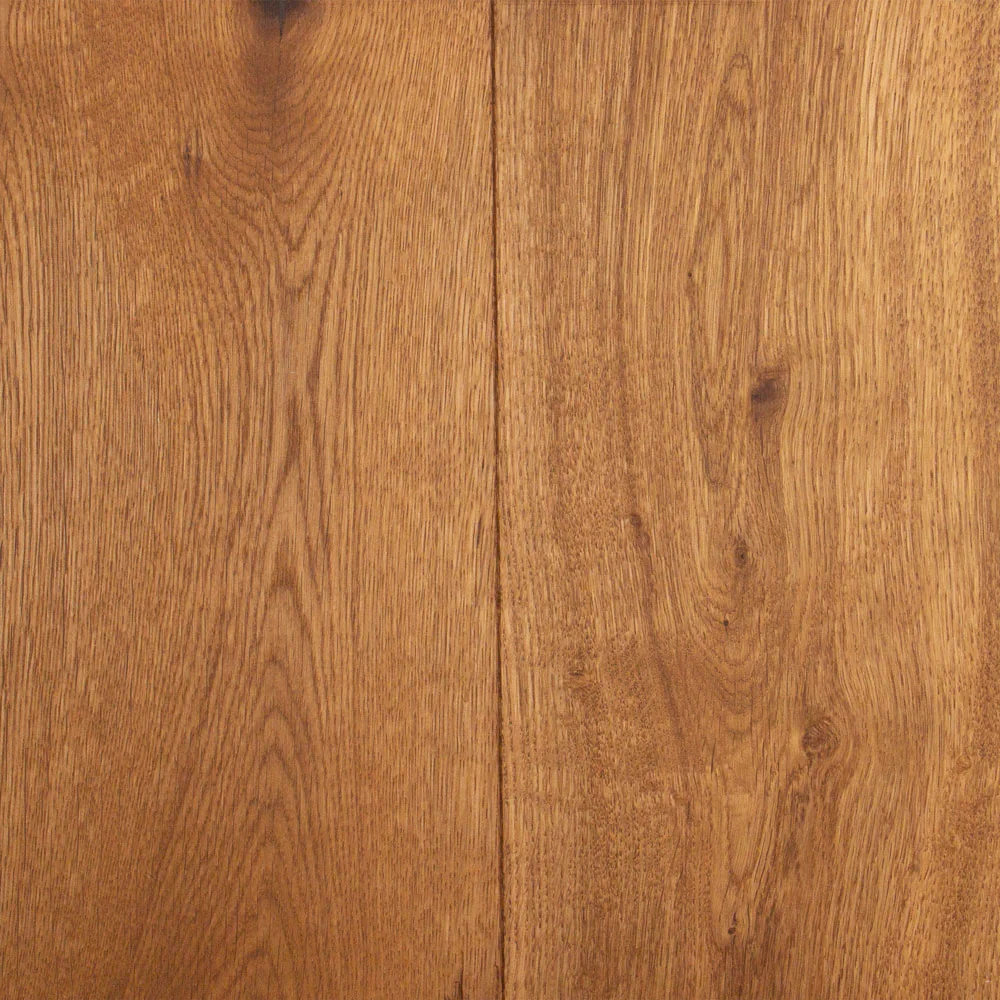
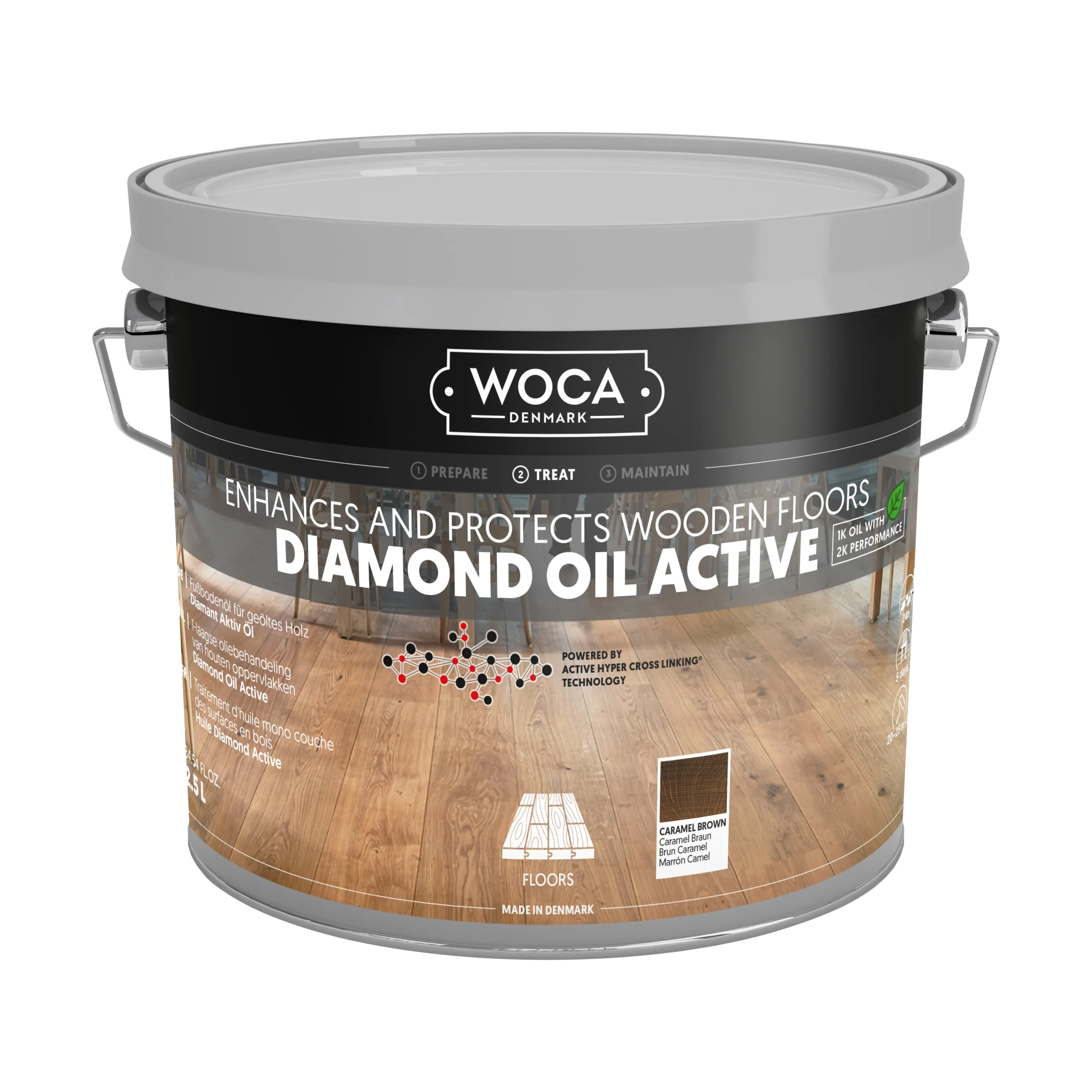
Brąz Karmelowy
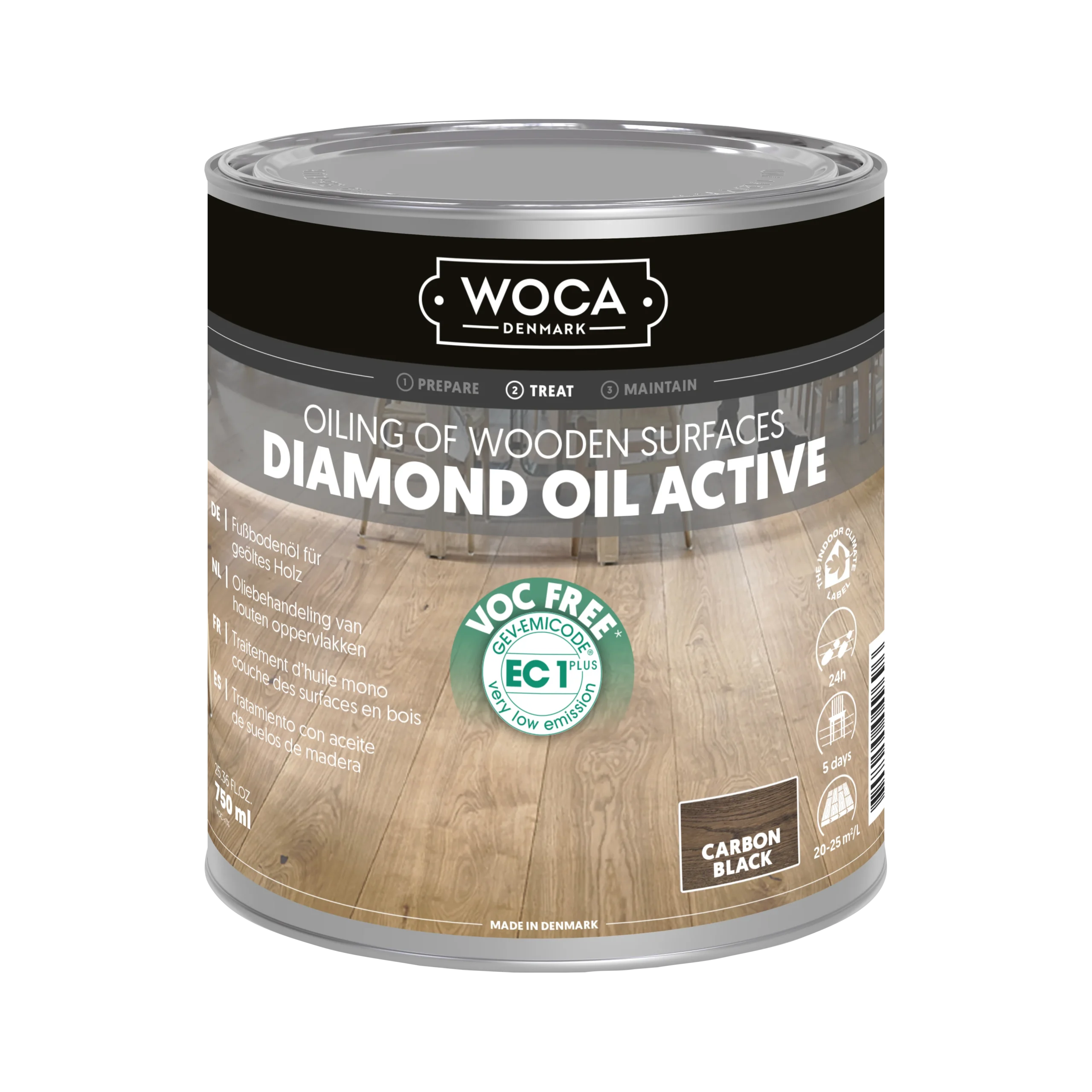
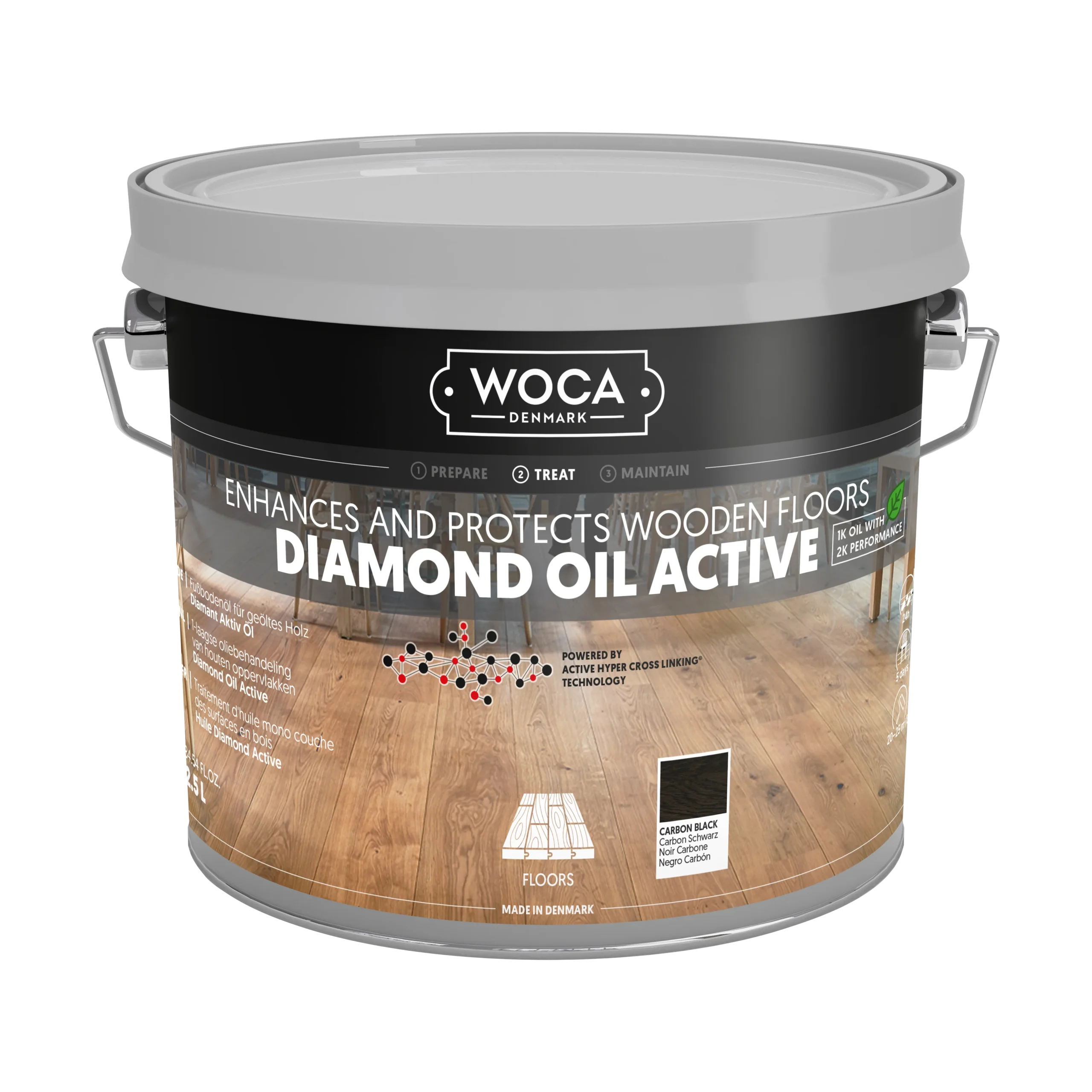
Czarny Karbon
Szampan

Opakowanie

Certyfikaty

Emission Class A+
The French labeling system is a mandatory classification of materials, such as floor treatment products, based on their VOC emissions to indoor air. A+ is the highest rating, indicating improved indoor air quality with very low emissions.
Bio-Based ASTM 6866
Biobased Carbon Content ASTM D6866-22 is an international standard method utilized for product testing. The result is reported as % Biobased Carbon. This indicates the percentage carbon from 'natural’ (plant or animal by-product) sources.
DiBt
DIBt is a German institute that tests and issues technical approvals for building materials.The aim is to improve the working climate for floor installers whilst ensuring a safe indoor air quality for the final consumer.
DIN EN 16165 - Anti Slip R10
DIN EN 16165 is the European standard for determining slip resistance on floor surfaces with a classification from R9 to R13. The Anti Slip test is used to ensure safe traffic for all types of floors in public areas and workplaces etc.
Danish Indoor Climate Labelling
Danish Interior Climate Labelling is a voluntary labelling system for products and materials which can document the effect of degassing. Indoor climate labelled materials are a natural component in sustainable construction, where a good indoor air quality contributes to social sustainability.
Fire test
European standard specifying how building materials react in case of fire. Bfl-s1 classifies flooring with low combustibility and very low smoke development.
EN 71-3
European standard ensuring that materials do not release toxic substances in amounts harmful to children. Particularly relevant for materials such as toys, kitchen utensils, worktops and furniture.
Environmental Product Declaration (EPD)
Environmental Product Declaration (EPD) supports greater transparency and documented sustainability. EPDs present verified data on a product’s environmental impact throughout its entire life cycle, based on recognized standards and third-party verification.
Emicode EC1 Plus
The international premium class Emicode® EC1PLUS defines even stricter limit values for very low emissions from indoor installation materials for walls and floors. Products awarded this quality seal help ensure a clean indoor air climate by limiting harmful emissions, often to levels that are barely measurable.
Emission Class A+
The French labeling system is a mandatory classification of materials, such as floor treatment products, based on their VOC emissions to indoor air. A+ is the highest rating, indicating improved indoor air quality with very low emissions.
Bio-Based ASTM 6866
Biobased Carbon Content ASTM D6866-22 is an international standard method utilized for product testing. The result is reported as % Biobased Carbon. This indicates the percentage carbon from 'natural’ (plant or animal by-product) sources.
DiBt
DIBt is a German institute that tests and issues technical approvals for building materials.The aim is to improve the working climate for floor installers whilst ensuring a safe indoor air quality for the final consumer.
DIN EN 16165 - Anti Slip R10
DIN EN 16165 is the European standard for determining slip resistance on floor surfaces with a classification from R9 to R13. The Anti Slip test is used to ensure safe traffic for all types of floors in public areas and workplaces etc.
Danish Indoor Climate Labelling
Danish Interior Climate Labelling is a voluntary labelling system for products and materials which can document the effect of degassing. Indoor climate labelled materials are a natural component in sustainable construction, where a good indoor air quality contributes to social sustainability.
Fire test
European standard specifying how building materials react in case of fire. Bfl-s1 classifies flooring with low combustibility and very low smoke development.
EN 71-3
European standard ensuring that materials do not release toxic substances in amounts harmful to children. Particularly relevant for materials such as toys, kitchen utensils, worktops and furniture.
Environmental Product Declaration (EPD)
Environmental Product Declaration (EPD) supports greater transparency and documented sustainability. EPDs present verified data on a product’s environmental impact throughout its entire life cycle, based on recognized standards and third-party verification.
Emicode EC1 Plus
The international premium class Emicode® EC1PLUS defines even stricter limit values for very low emissions from indoor installation materials for walls and floors. Products awarded this quality seal help ensure a clean indoor air climate by limiting harmful emissions, often to levels that are barely measurable.
Emission Class A+
The French labeling system is a mandatory classification of materials, such as floor treatment products, based on their VOC emissions to indoor air. A+ is the highest rating, indicating improved indoor air quality with very low emissions.
Bio-Based ASTM 6866
Biobased Carbon Content ASTM D6866-22 is an international standard method utilized for product testing. The result is reported as % Biobased Carbon. This indicates the percentage carbon from 'natural’ (plant or animal by-product) sources.
DiBt
DIBt is a German institute that tests and issues technical approvals for building materials.The aim is to improve the working climate for floor installers whilst ensuring a safe indoor air quality for the final consumer.
DIN EN 16165 - Anti Slip R10
DIN EN 16165 is the European standard for determining slip resistance on floor surfaces with a classification from R9 to R13. The Anti Slip test is used to ensure safe traffic for all types of floors in public areas and workplaces etc.
Danish Indoor Climate Labelling
Danish Interior Climate Labelling is a voluntary labelling system for products and materials which can document the effect of degassing. Indoor climate labelled materials are a natural component in sustainable construction, where a good indoor air quality contributes to social sustainability.
Fire test
European standard specifying how building materials react in case of fire. Bfl-s1 classifies flooring with low combustibility and very low smoke development.
EN 71-3
European standard ensuring that materials do not release toxic substances in amounts harmful to children. Particularly relevant for materials such as toys, kitchen utensils, worktops and furniture.
Environmental Product Declaration (EPD)
Environmental Product Declaration (EPD) supports greater transparency and documented sustainability. EPDs present verified data on a product’s environmental impact throughout its entire life cycle, based on recognized standards and third-party verification.
Emicode EC1 Plus
The international premium class Emicode® EC1PLUS defines even stricter limit values for very low emissions from indoor installation materials for walls and floors. Products awarded this quality seal help ensure a clean indoor air climate by limiting harmful emissions, often to levels that are barely measurable.
Szczegóły produktu

Diamond Oil Active to ekologiczny, wolny od LZO olej do drewnianych podłóg, blatów i mebli. Ten wysokiej jakości, jednoskładnikowy olej o niskim zapachu jest trwały, łatwy w aplikacji i minimalizuje odpady. Technologia hipersieciowania zapewnia powierzchnię wodoodporną, antypoślizgową, łatwą do czyszczenia i konserwacji. Dzięki zawartości ciał stałych wynoszącej około 99% jest idealny do aplikacji maszynowej na nieobrobione lub szlifowane drewno dowolnego rodzaju.

VOC:
8 g/l, maksymalnej zawartosci LZO (A/i (SB)): 500 g/l.
Gęstość:
0.95-1.00 g/ml.
Trwałość:
3 lata
Temperatura aplikacji:
+15-30°C i ok. 50% wilgotności powietrza.
Wydajność:
20-25 m²/L
Colour product:
Szampan
Rozmiary opakowań:
750 ml – 2,5 L
VOC:
8 g/l, maksymalnej zawartosci LZO (A/i (SB)): 500 g/l.
Gęstość:
0.95-1.00 g/ml.
Trwałość:
3 lata
Temperatura aplikacji:
+15-30°C i ok. 50% wilgotności powietrza.
Wydajność:
20-25 m²/L
Colour product:
Szampan
Rozmiary opakowań:
750 ml – 2,5 L
VOC:
20 g/l, maksymalnej zawartosci LZO (A/i (SB)): 500 g/l.
Gęstość:
0.95-1.00 g/ml.
Trwałość:
3 lata
Temperatura aplikacji:
+15-30°C i ok. 50% wilgotności powietrza.
Wydajność:
20-25 m²/L
Colour product:
Bezbarwny
Rozmiary opakowań:
750 ml – 1 L – 2,5 L
VOC:
20 g/l, maksymalnej zawartosci LZO (A/i (SB)): 500 g/l.
Gęstość:
0.95-1.00 g/ml.
Trwałość:
3 lata
Temperatura aplikacji:
+15-30°C i ok. 50% wilgotności powietrza.
Wydajność:
20-25 m²/L
Colour product:
Bezbarwny
Rozmiary opakowań:
750 ml – 1 L – 2,5 L
VOC:
10 g/l, maksymalnej zawartosci LZO (A/i (SB)): 500 g/l.
Gęstość:
0.95-1.00 g/ml.
Trwałość:
3 lata
Temperatura aplikacji:
+15-30°C i ok. 50% wilgotności powietrza.
Wydajność:
20-25 m²/L
Colour product:
Extra biały
Rozmiary opakowań:
750 ml – 2,5 L
VOC:
10 g/l, maksymalnej zawartosci LZO (A/i (SB)): 500 g/l.
Gęstość:
0.95-1.00 g/ml.
Trwałość:
3 lata
Temperatura aplikacji:
+15-30°C i ok. 50% wilgotności powietrza.
Wydajność:
20-25 m²/L
Colour product:
Extra biały
Rozmiary opakowań:
750 ml – 2,5 L
VOC:
8 g/l, maksymalnej zawartosci LZO (A/i (SB)): 500 g/l.
Gęstość:
0.95-1.00 g/ml.
Trwałość:
3 lata
Temperatura aplikacji:
+15-30°C i ok. 50% wilgotności powietrza.
Wydajność:
20-25 m²/L
Colour product:
Biały
Rozmiary opakowań:
750 ml – 2,5 L
VOC:
8 g/l, maksymalnej zawartosci LZO (A/i (SB)): 500 g/l.
Gęstość:
0.95-1.00 g/ml.
Trwałość:
3 lata
Temperatura aplikacji:
+15-30°C i ok. 50% wilgotności powietrza.
Wydajność:
20-25 m²/L
Colour product:
Biały
Rozmiary opakowań:
750 ml – 2,5 L
VOC:
8 g/l, maksymalnej zawartosci LZO (A/i (SB)): 500 g/l.
Gęstość:
0.95-1.00 g/ml.
Trwałość:
3 lata
Temperatura aplikacji:
+15-30°C i ok. 50% wilgotności powietrza.
Wydajność:
20-25 m²/L
Colour product:
Szary Piaskowy
Rozmiary opakowań:
2,5 L
VOC:
8 g/l, maksymalnej zawartosci LZO (A/i (SB)): 500 g/l.
Gęstość:
0.95-1.00 g/ml.
Trwałość:
3 lata
Temperatura aplikacji:
+15-30°C i ok. 50% wilgotności powietrza.
Wydajność:
20-25 m²/L
Colour product:
Czarny Karbon
Rozmiary opakowań:
2,5 L
VOC:
8 g/l, maksymalnej zawartosci LZO (A/i (SB)): 500 g/l.
Gęstość:
0.95-1.00 g/ml.
Trwałość:
3 lata
Temperatura aplikacji:
+15-30°C i ok. 50% wilgotności powietrza.
Wydajność:
20-25 m²/L
Colour product:
Brąz Karmelowy
Rozmiary opakowań:
2,5 L
VOC:
8 g/l, maksymalnej zawartosci LZO (A/i (SB)): 500 g/l.
Gęstość:
0.95-1.00 g/ml.
Trwałość:
3 lata
Temperatura aplikacji:
+15-30°C i ok. 50% wilgotności powietrza.
Wydajność:
20-25 m²/L
Colour product:
Brąz Dymiony
Rozmiary opakowań:
2,5 L
VOC:
20 g/l, maksymalnej zawartosci LZO (A/i (SB)): 500 g/l.
Gęstość:
0.95-1.00 g/ml.
Trwałość:
3 lata
Temperatura aplikacji:
+15-30°C i ok. 50% wilgotności powietrza.
Wydajność:
20-25 m²/L
Colour product:
Bezbarwny
Rozmiary opakowań:
750 ml – 1 L – 2,5 L

Drewno musi byc swiezo zeszlifowane, na koniec papierem sciernym o gradacji 100-120. Temperatura produktu, powietrza i podlogi powinna wynosic 15-30°C. W trakcie aplikacji i schniecia nalezy zadbac o odpowiednia wentylacje pomieszczenia.

Przed obróbką należy zawsze wykonać próbę na niewielkiej powierzchni w mało widocznym miejscu, by sprawdzić, czy podłoże odpowiednio przyjmuje produkt.

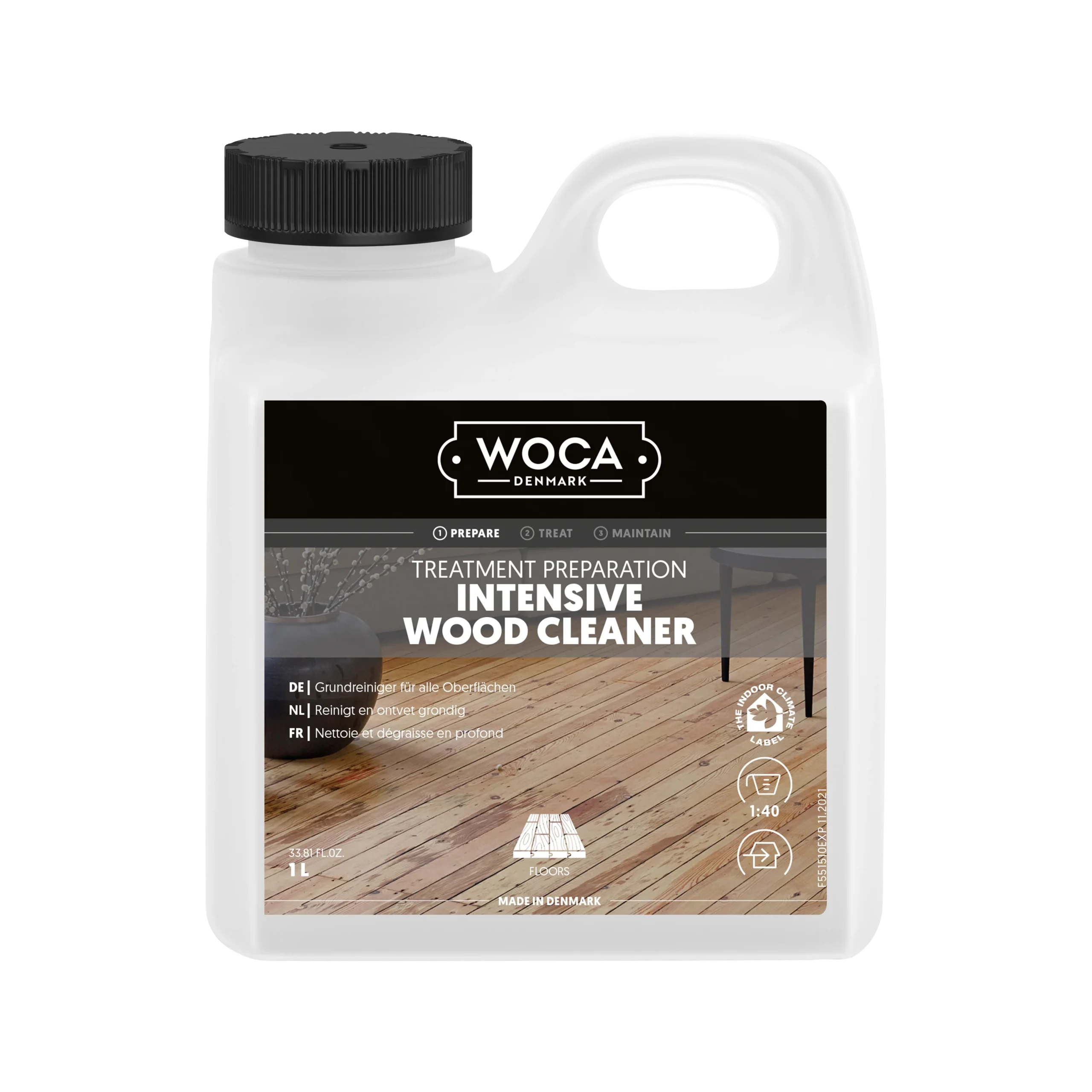
  • Podloge umyc Intensive Wood Cleaner. Pozostawic do wyschniecia na co najmniej 24 godziny w 20°C.
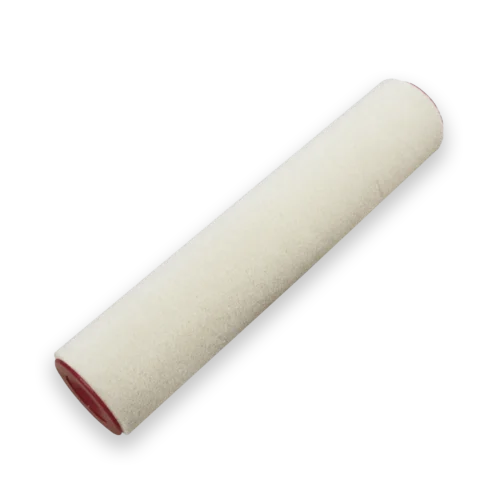
  • Dokładnie wstrząśnij pojemnikiem z Diamond Oil Active, zarówno przed użyciem, jak iw trakcie. Pojemniki o różnych numerach partii należy mieszać, aby uniknąć niedopasowania kolorów. Olej nanosić równomiernie wałkiem malarskim o krótkim włosiu.
  • Pozostawić na 10-15 minuty do wchłonięcia. Jeśli pojawią się miejscowo suche plamy nałożyć więcej oleju.
  • Polerować, aż powierzchnia będzie wydawać się nasycona. Na większych powierzchniach używać maszyny polerskiej z beżowym padem, mniejsze polerować ręcznie za pomocą pada lub ścierki polerskiej.
  • Nadmiar oleju usuwac za pomoca suchych bawelnianych sciereczek niepozostawiajacych wlókien lub pada, az powierzchnia nie bedzie wygladac na mokra.
  • Dla wyjatkowo efektownego wykonczenia i podwyzszonej wytrzymalosci, podloge mozna wypolerowac uzywajac 1 dl Diamond Oil Active na 10 m² w ciagu 8-10 godziny. od pierwszej aplikacji. Polerowac starannie jak opisano w punktach 4+5.
  • Podloge mozna zaczac ostroznie uzytkowac po 24 godziny.
  • Narzedzia czyscic Solvent WOCA lub terpentyna.
  • Wszelkie szmatki, pady itp. które zostały użyte przy olejowaniu należy namoczyć wodą, zamknąć w szczelnym opakowaniu i tak zutylizować z powodu ryzyka samozapłonu.