


Produits
Exterior
Exterior Wood Oil

Exterior Wood Oil

Numéro d’article: 618425A EAN: 5708055042000 617931A EAN: 5708055014793 617938A EAN: 5708055014809 618125A EAN: 5708055041973 618225A EAN: 5708055041980 618325A EAN: 5708055041997 617951A EAN: 5708055014984 617950A EAN: 5708055015004 617955A EAN: 5708055015042 617956A EAN: 5708055015035 617958A EAN: 5708055014991 617961A EAN: 5708055015011 617962A EAN: 5708055015028 617963A EAN: 5708055015059 617965A EAN: 5708055015264

Protection durable des boiseries extérieures

  • L’huile assure une robuste protection de surface 
  • Améliore la structure de couleur naturelle du bois
  • Contient un filtre UV et protège le bois de la détérioration.
  • Viscosité épaisse – pas de coulures – facile à utiliser
  • Offre une surface respirante à pores ouverts.
  • Séchage rapide

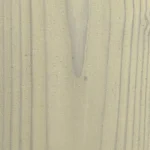
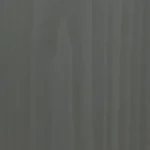
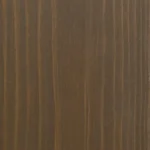
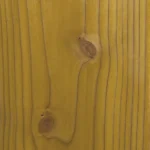
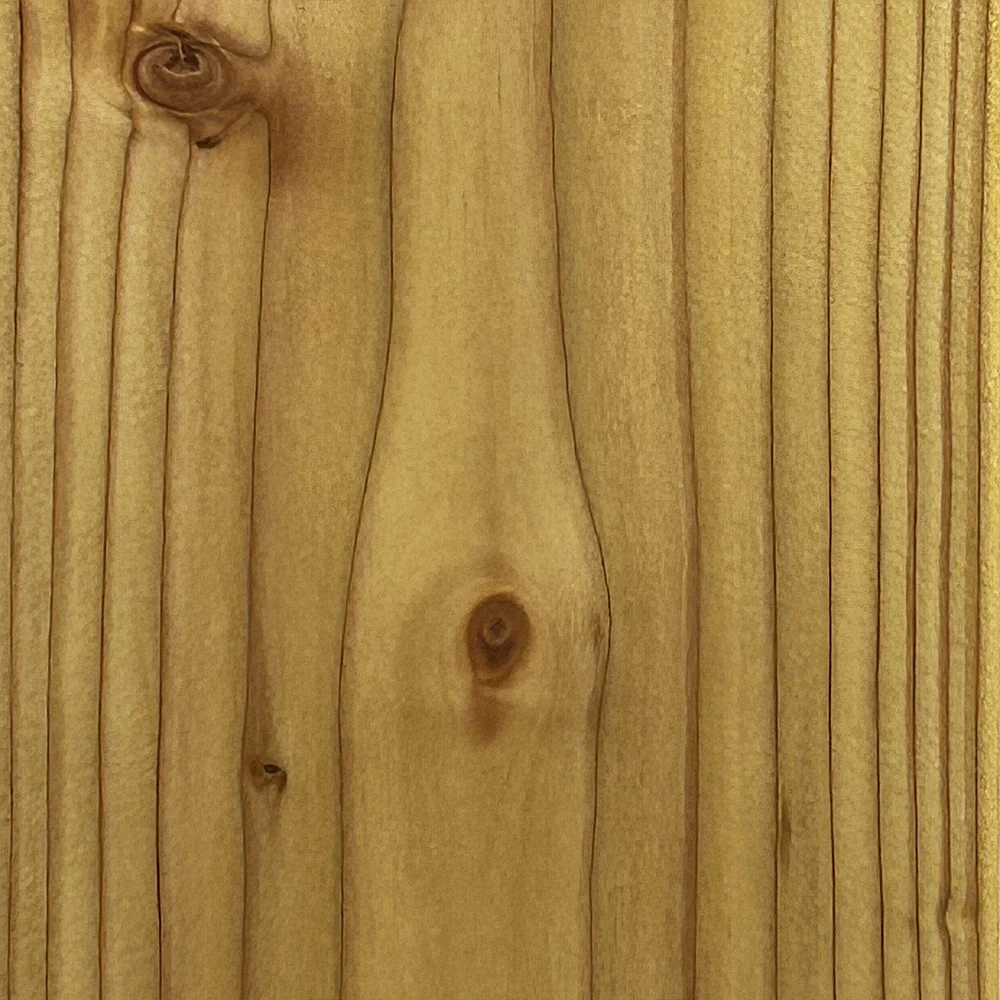
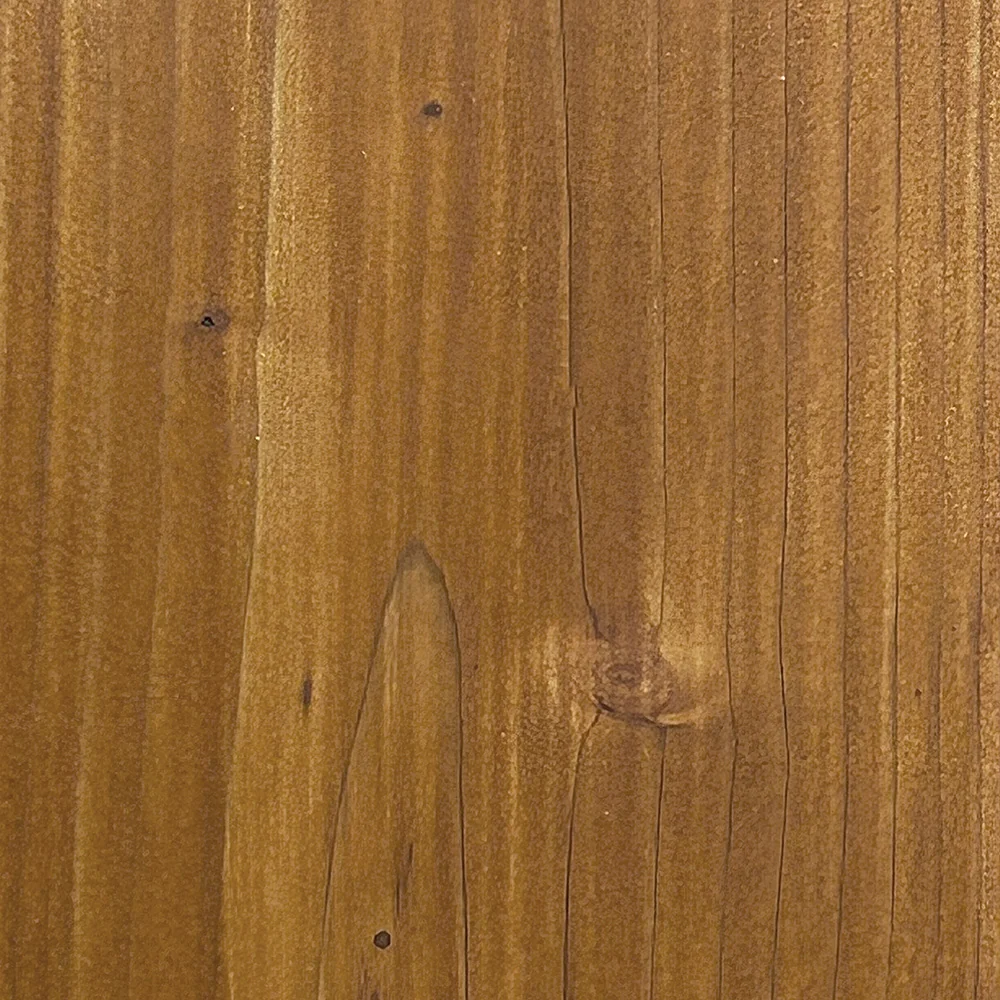
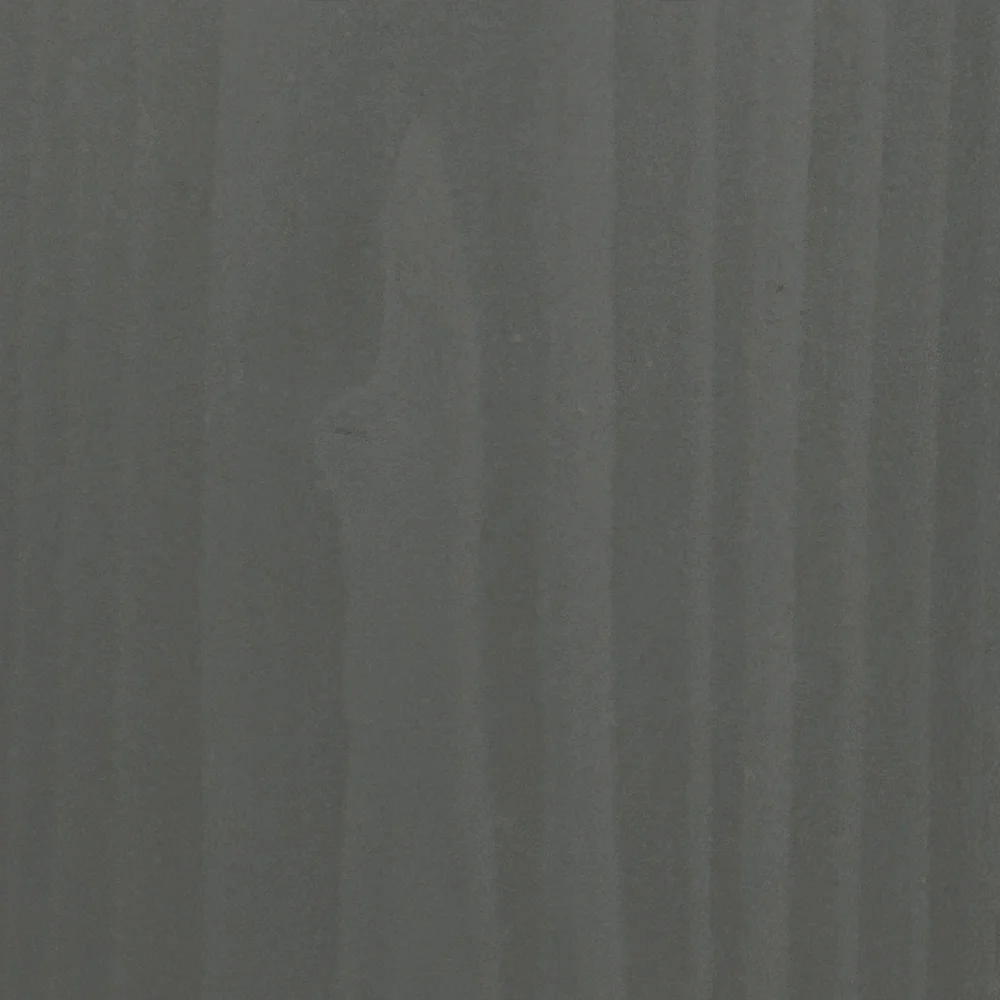
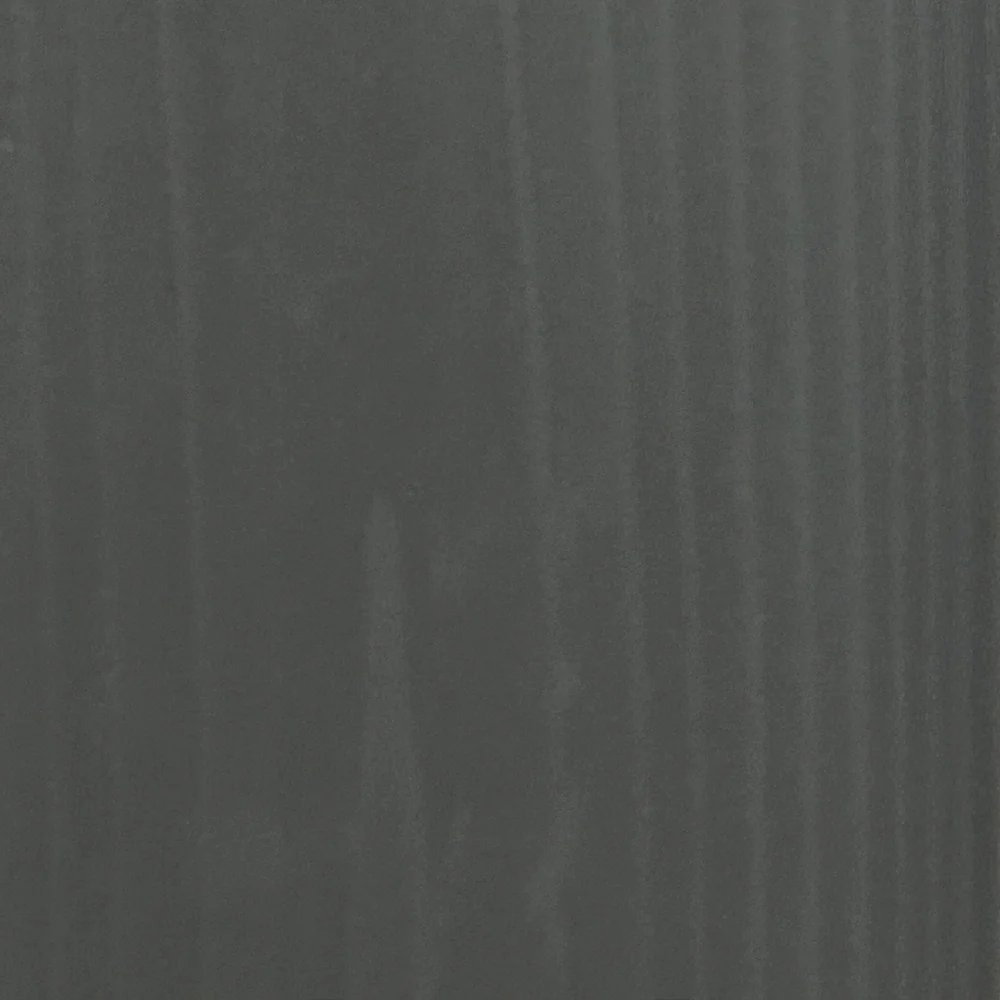
Couleurs

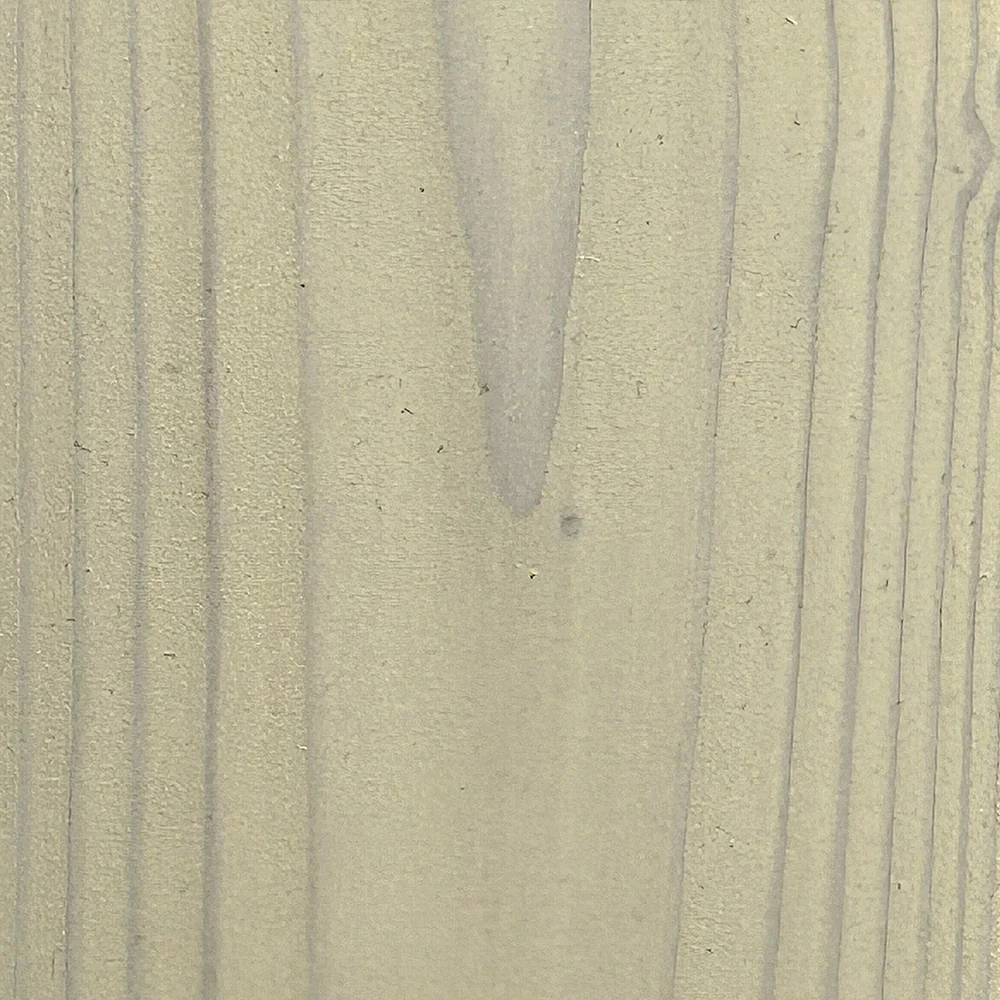
*L’échantillon de bois est présenté sur du pin imprégné sous pression
Naturel
Blanc
Gris
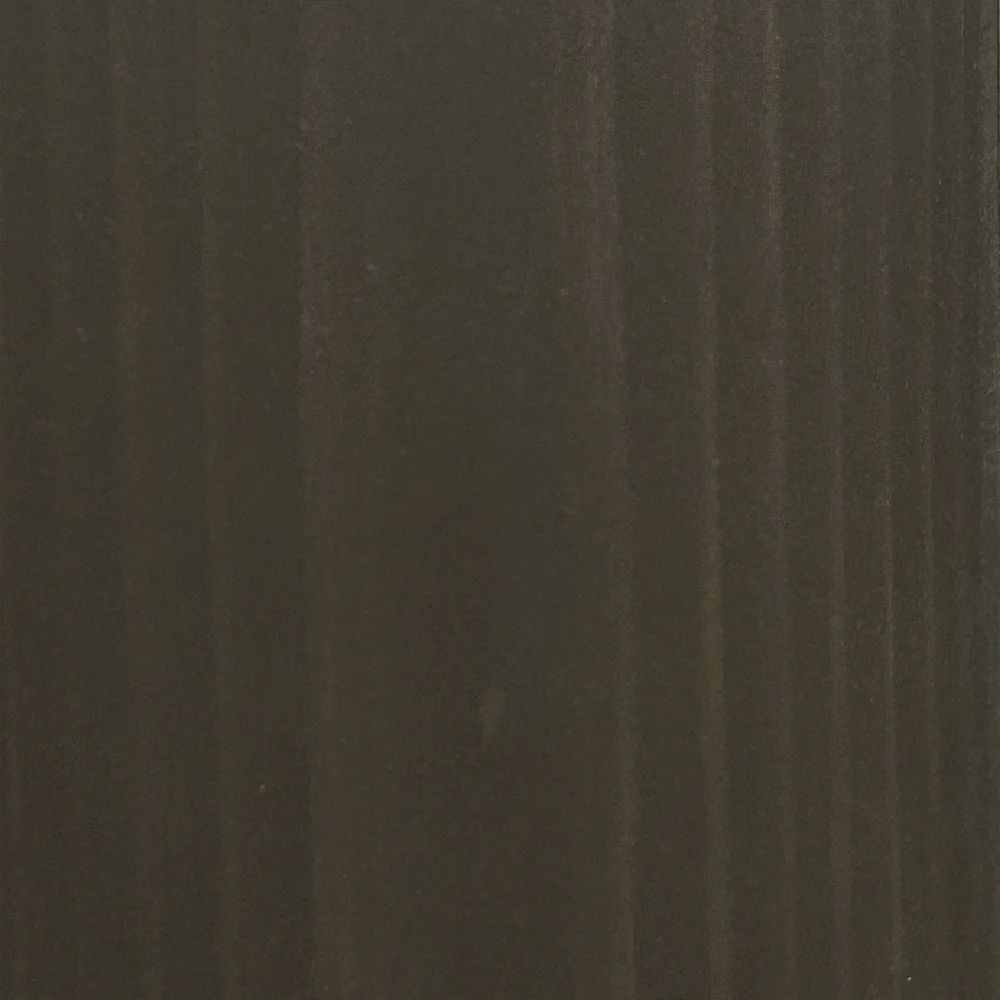
Anthracite
Gris de pierre
Gris Tonnerre
Noisette
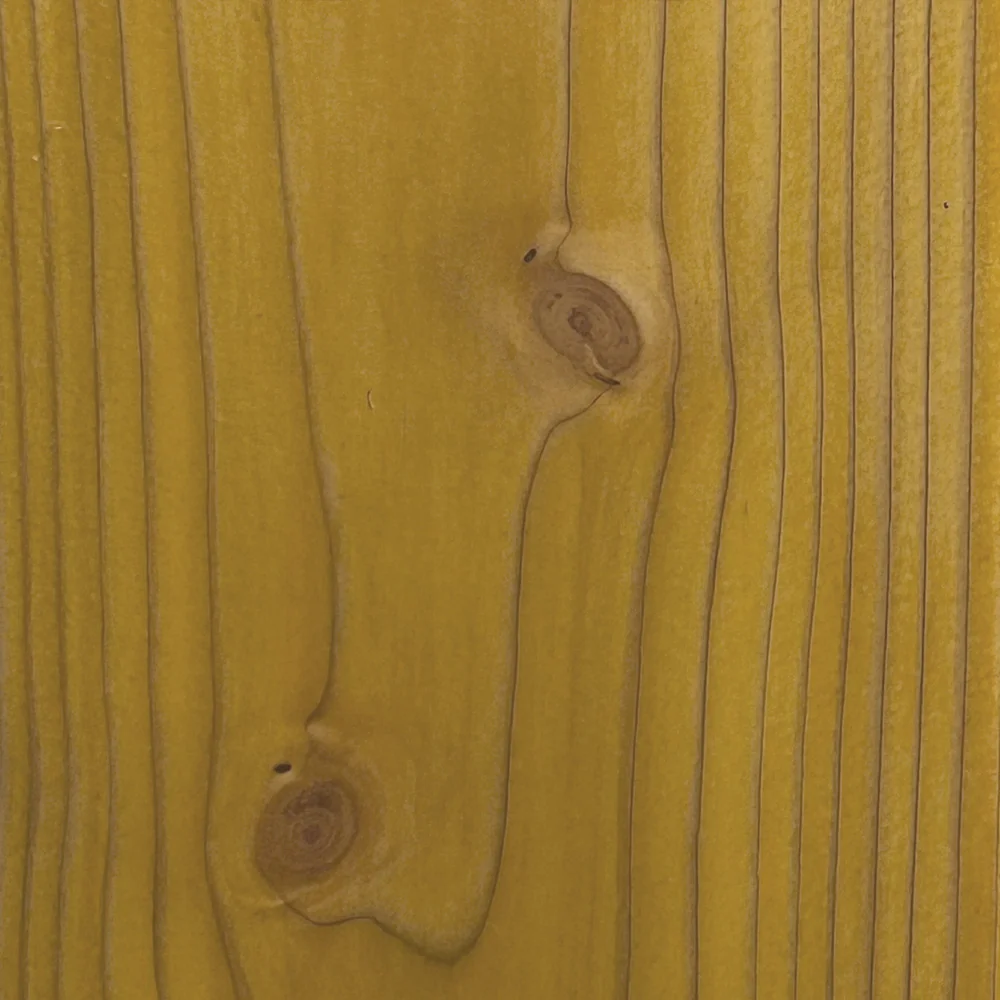
Mélèze
Merbau
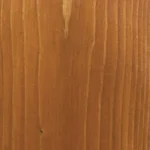
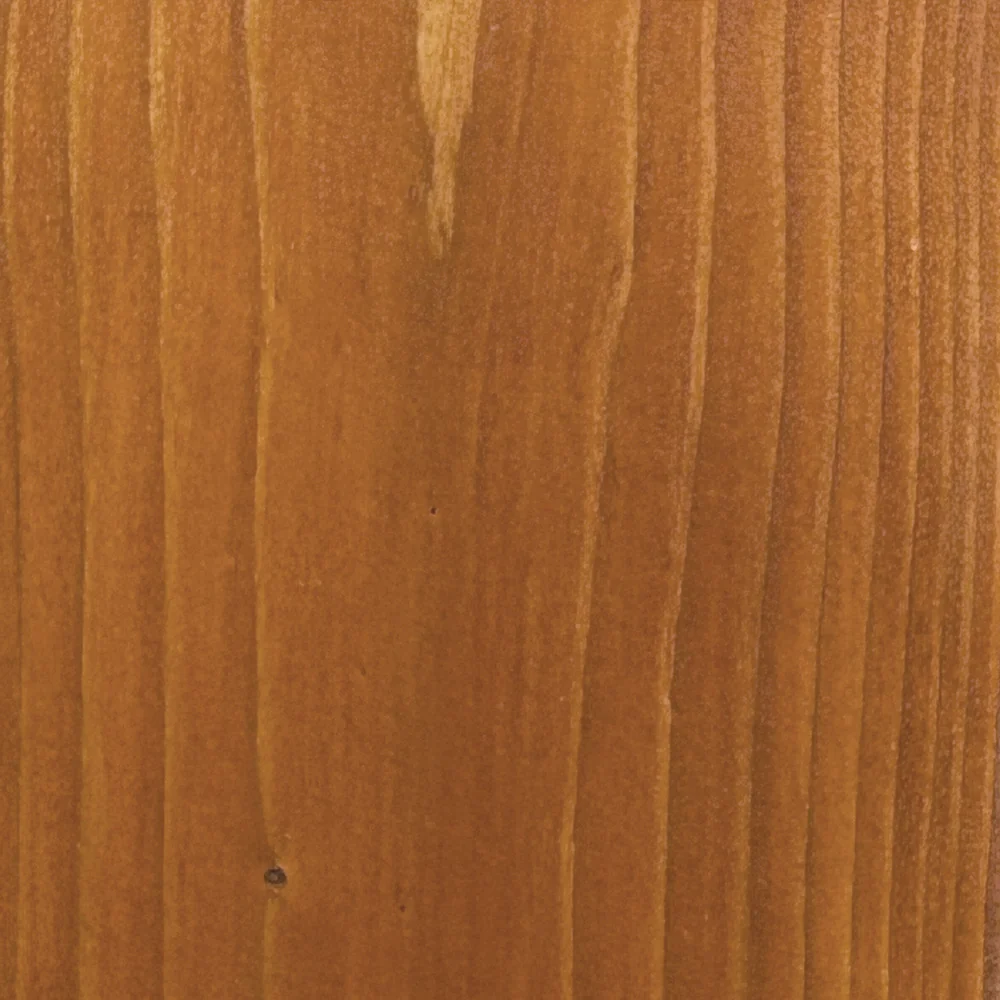
Teak
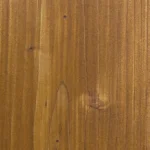
Bangkirai
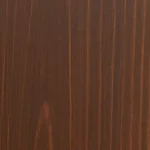
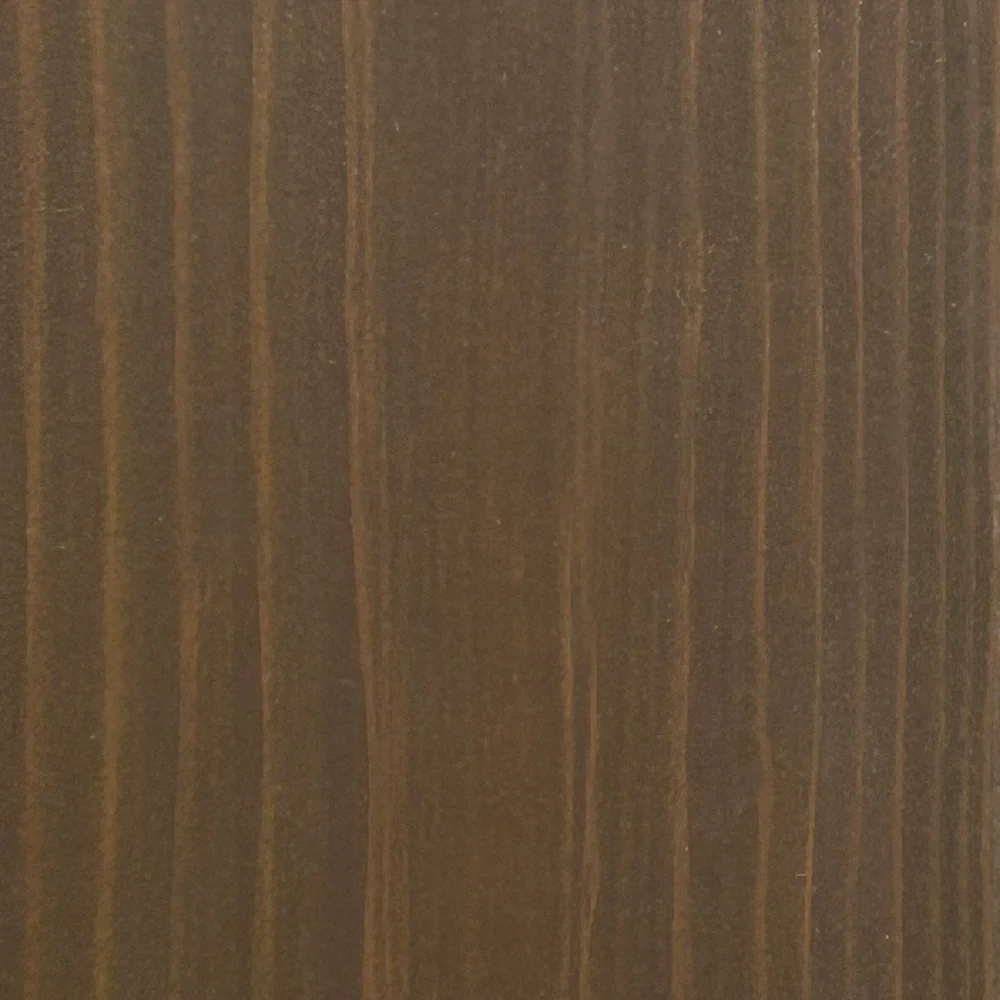
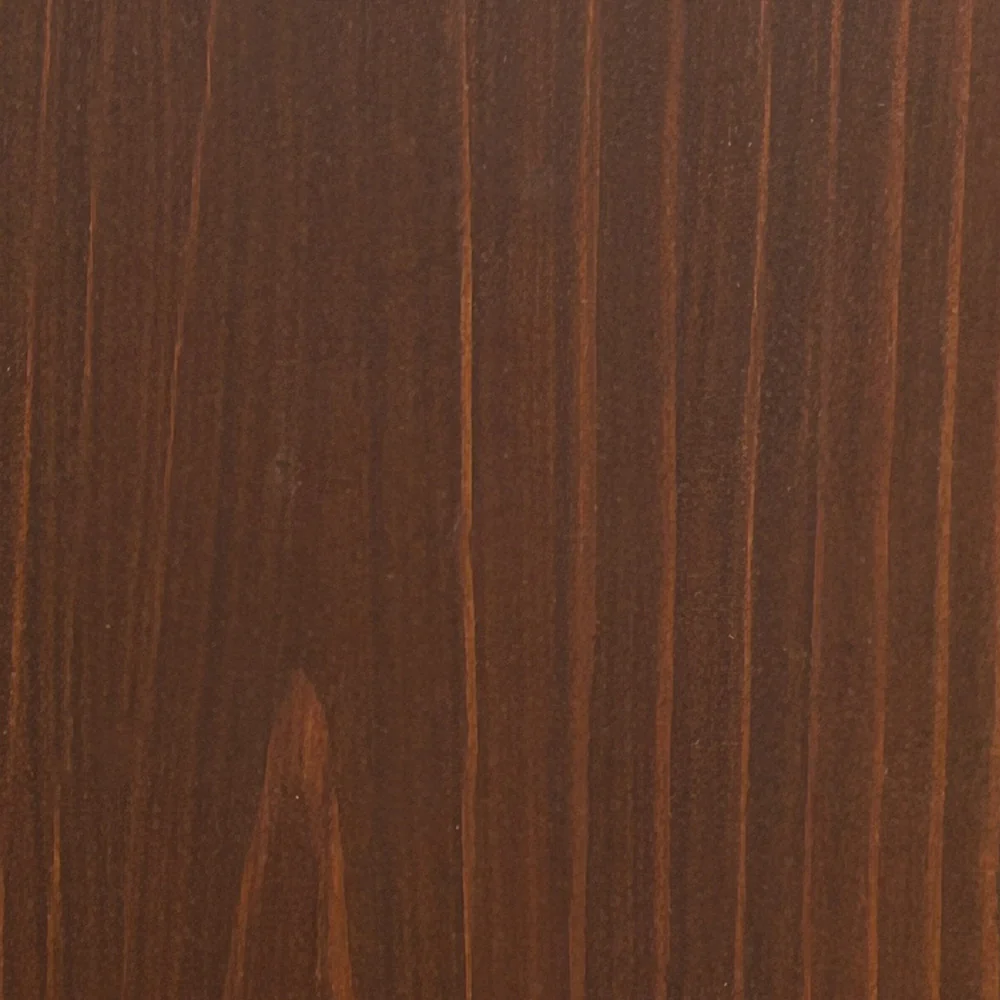
Noyer
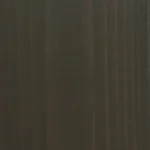
Noir

Emballage

Certifications

Bio-Based ASTM 6866
Biobased Carbon Content ASTM D6866-22 is an international standard method utilized for product testing. The result is reported as % Biobased Carbon. This indicates the percentage carbon from ‘natural’ (plant or animal by-product) sources.
DIN EN 16165 - Anti Slip R10
DIN EN 16165 is the European standard for determining slip resistance on floor surfaces with a classification from R9 to R13. The Anti Slip test is used to ensure safe traffic for all types of floors in public areas and workplaces etc.
Fire test
European standard specifying how building materials react in case of fire. Bfl-s1 classifies flooring with low combustibility and very low smoke development.
Détails du produit

Exterior Wood Oil s’utilise à l’extérieur pour l’entretien et le traitement de base de boiseries nouvelles et déjà huilées, comme les terrasses, les fenêtres, les meubles de jardin, les bardages. La composition spéciale aqueuse des components d’huile garantit que le produit est soluble à l’eau et respectueux de l’environnement. L’huile fait ressortir la couleur et la structure naturelle du bois.


  • En cas d’irritation ou d’éruption cutanée: Consulter un médecin.
  • Toxique pour les organismes aquatiques, entraîne des effets néfastes à long terme.
  • Peut provoquer une allergie cutanée.
  • Porter des gants de protection et un équipement de protection des yeux.
  • Attention!
  • Laver abondamment à l’eau.
  • EN CAS DE CONTACT AVEC LA PEAU:
  • Éviter le rejet dans l’environnement.
VOC:
15 g/l, teneur maximale en COV (A/f (PA)): 130 g/l.
Densité:
1.00-1.10 g/ml.
Durée de conservation:
2 années
Température d’application:
+15-30°C et environ 50% d’humidité de l’air relative.
Consommation:
8-12 m²/L
Colour product:
Noisette
Emballage:
2,5 L
VOC:
15 g/l, teneur maximale en COV (A/f (PA)): 130 g/l.
Densité:
1.00-1.10 g/ml.
Durée de conservation:
2 années
Température d’application:
+15-30°C et environ 50% d’humidité de l’air relative.
Consommation:
8-12 m²/L
Colour product:
Naturel
Emballage:
750 ml – 2,5 L
VOC:
15 g/l, teneur maximale en COV (A/f (PA)): 130 g/l.
Densité:
1.00-1.10 g/ml.
Durée de conservation:
2 années
Température d’application:
+15-30°C et environ 50% d’humidité de l’air relative.
Consommation:
8-12 m²/L
Colour product:
Teak
Emballage:
750 ml – 2,5 L
VOC:
15 g/l, teneur maximale en COV (A/f (PA)): 130 g/l.
Densité:
1.00-1.10 g/ml.
Durée de conservation:
2 années
Température d’application:
+15-30°C et environ 50% d’humidité de l’air relative.
Consommation:
8-12 m²/L
Colour product:
Gris de pierre
Emballage:
2,5 L
VOC:
15 g/l, teneur maximale en COV (A/f (PA)): 130 g/l.
Densité:
1.00-1.10 g/ml.
Durée de conservation:
2 années
Température d’application:
+15-30°C et environ 50% d’humidité de l’air relative.
Consommation:
8-12 m²/L
Colour product:
Gris Tonnerre
Emballage:
2,5 L
VOC:
15 g/l, teneur maximale en COV (A/f (PA)): 130 g/l.
Densité:
1.00-1.10 g/ml.
Durée de conservation:
2 années
Température d’application:
+15-30°C et environ 50% d’humidité de l’air relative.
Consommation:
8-12 m²/L
Colour product:
Merbau
Emballage:
2,5 L
VOC:
15 g/l, teneur maximale en COV (A/f (PA)): 130 g/l.
Densité:
1.00-1.10 g/ml.
Durée de conservation:
2 années
Température d’application:
+15-30°C et environ 50% d’humidité de l’air relative.
Consommation:
8-12 m²/L
Colour product:
Naturel
Emballage:
750 ml – 2,5 L
VOC:
50 g/l, teneur maximale en COV (A/f (PA)): 130 g/l.
Densité:
1.00-1.10 g/ml.
Durée de conservation:
2 années
Température d’application:
+15-30°C et environ 50% d’humidité de l’air relative.
Consommation:
8-12 m²/L
Colour product:
Noir
Emballage:
2,5 L
VOC:
15 g/l, teneur maximale en COV (A/f (PA)): 130 g/l.
Densité:
1.00-1.10 g/ml.
Durée de conservation:
2 années
Température d’application:
+15-30°C et environ 50% d’humidité de l’air relative.
Consommation:
8-12 m²/L
Colour product:
Mélèze
Emballage:
2,5 L
VOC:
15 g/l, teneur maximale en COV (A/f (PA)): 130 g/l.
Densité:
1.00-1.10 g/ml.
Durée de conservation:
2 années
Température d’application:
+15-30°C et environ 50% d’humidité de l’air relative.
Consommation:
8-12 m²/L
Colour product:
Bangkirai
Emballage:
2,5 L
VOC:
15 g/l, teneur maximale en COV (A/f (PA)): 130 g/l.
Densité:
1.00-1.10 g/ml.
Durée de conservation:
2 années
Température d’application:
+15-30°C et environ 50% d’humidité de l’air relative.
Consommation:
8-12 m²/L
Colour product:
Teak
Emballage:
750 ml – 2,5 L
VOC:
15 g/l, teneur maximale en COV (A/f (PA)): 130 g/l.
Densité:
1.00-1.10 g/ml.
Durée de conservation:
2 années
Température d’application:
+15-30°C et environ 50% d’humidité de l’air relative.
Consommation:
8-12 m²/L
Colour product:
Gris
Emballage:
2,5 L
VOC:
15 g/l, teneur maximale en COV (A/f (PA)): 130 g/l.
Densité:
1.00-1.10 g/ml.
Durée de conservation:
2 années
Température d’application:
+15-30°C et environ 50% d’humidité de l’air relative.
Consommation:
8-12 m²/L
Colour product:
Noyer
Emballage:
2,5 L
VOC:
35 g/l, teneur maximale en COV (A/f (PA)): 130 g/l.
Densité:
1.00-1.10 g/ml.
Durée de conservation:
2 années
Température d’application:
+15-30°C et environ 50% d’humidité de l’air relative.
Consommation:
8-12 m²/L
Colour product:
Anthracite
Emballage:
2,5 L
VOC:
15 g/l, teneur maximale en COV (A/f (PA)): 130 g/l.
Densité:
1.00-1.10 g/ml.
Durée de conservation:
2 années
Température d’application:
+15-30°C et environ 50% d’humidité de l’air relative.
Consommation:
8-12 m²/L
Colour product:
Blanc
Emballage:
2,5 L
Oil treatment of wooden deck

Le bois tendre non-imprégné sous pression (à l’exception du cèdre) et mélèze doit être pré traiter avec le primer WOCA Exterior Wood Primer.

Souvenez-vous de toujours tester le produit sur un endroit moins visible afin de vérifier la compatibilité de la surface avec le produit.

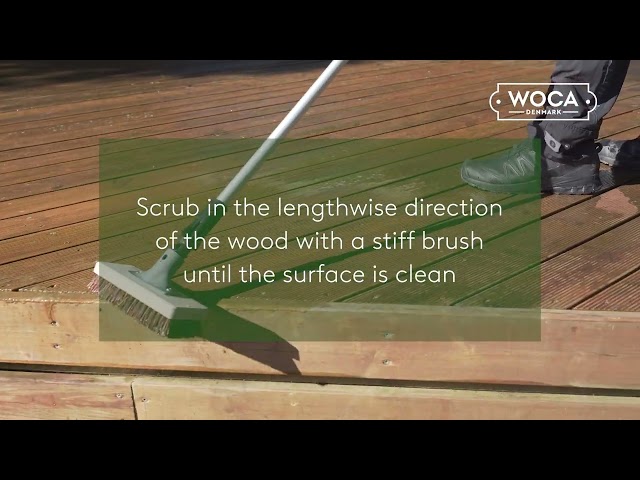
  • Avant l’application d’huile, nettoyer aussi bien les nouvelles que les anciennes boiseries avec Exterior Wood Cleaner.
  • Laisser sécher le bois au minimum 24 les heures, pour que l’humidité du bois ne dépasse pas les 17%. Enlever, si nécessaire, les fibres de bois avec du papier abrasifs grain 120-150.
  • Ne procéder à l’application que par temps sec, temp.min. 13°C. Eviter la forte chaleur et les rayons directes du soleil.
  • Bien remuer Huile avant l’application.
  • Appliquer une mince couche d’huile au pinceau. Commencer avec les champs du bois ou les jointures. En état liquide, l’huile à une teinte crème. Après quelques minutes, quand l’eau s’est évaporé, le bois à l’air huilé.
  • Retirer soigneusement l’excès d’huile après max. 5 minutes avec un chiffon en coton propre et non pelucheux. Faire particulièrement attention aux jointures et craquelures.
  • Si le bois n’a pas l’air saturé, répéter points 5 et 6.
  • Des que le bois est séché, il peut être poli à l’aide d’un feutre beige/ blanc ou avec une mono brosse, pour obtenir une surface particulièrement résistante.
  • L’Huile a complètement séché après 24-48 heures à 20°C, selon le temps et la température. Ne pas exposer le bois à l’eau pendant le temps de séchage.
  • Les essences de bois claires non traitées sous pression peuvent être avantageusement apprêtées avec, par exemple, le WOCA Exterior Wood Primer.