


Products
Exterior
Exterior Wood Oil

Exterior Wood Oil

Item No.: 618425A EAN: 5708055042000 617931A EAN: 5708055014793 617938A EAN: 5708055014809 618125A EAN: 5708055041973 618225A EAN: 5708055041980 618325A EAN: 5708055041997 617951A EAN: 5708055014984 617950A EAN: 5708055015004 617955A EAN: 5708055015042 617956A EAN: 5708055015035 617958A EAN: 5708055014991 617961A EAN: 5708055015011 617962A EAN: 5708055015028 617963A EAN: 5708055015059 617965A EAN: 5708055015264

Water-based oil for outdoor wood

  • Provides a strong water and dirt-repellent surface
  • Enhances the natural colour and grain of the wood
  • Contains UV filter and protects the wood from deterioration
  • Thick viscosity – no dripping – easy to use
  • Provides an open-pored, breathable surface
  • Fast-drying

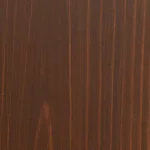
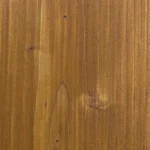
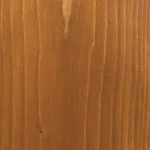
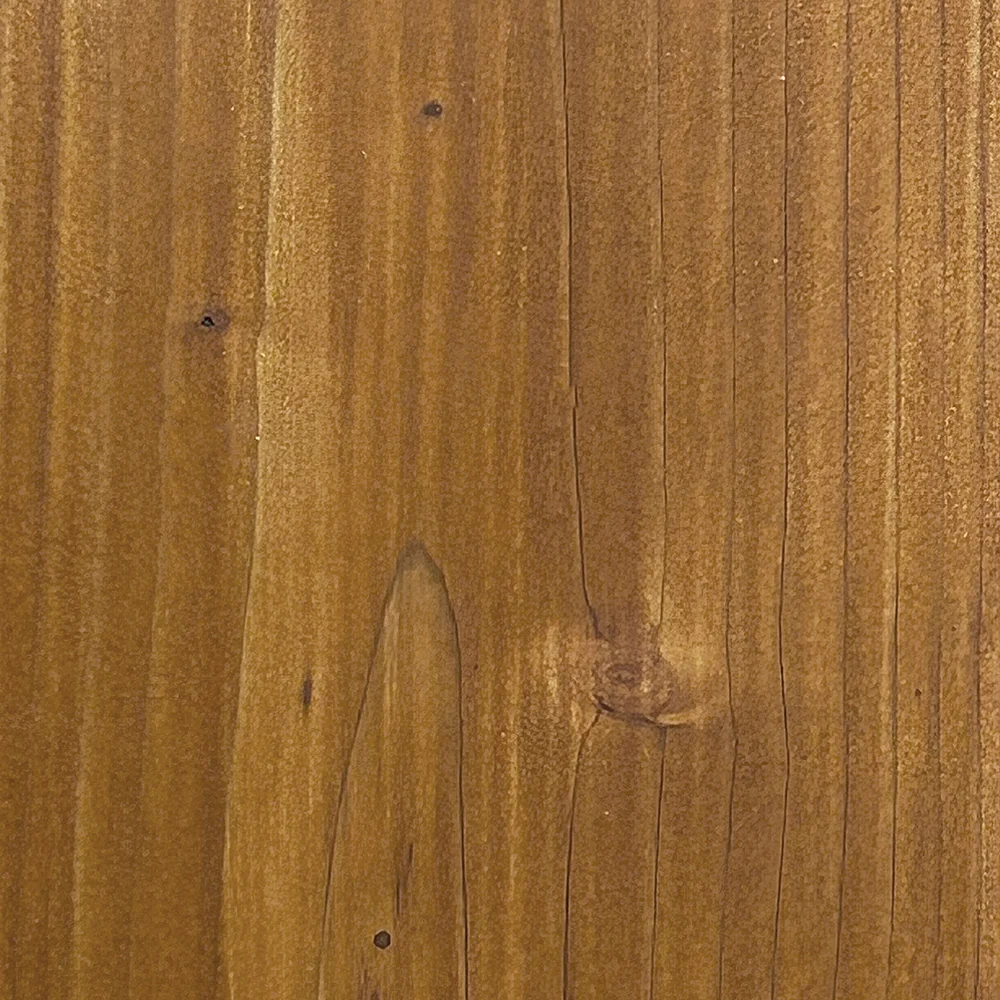
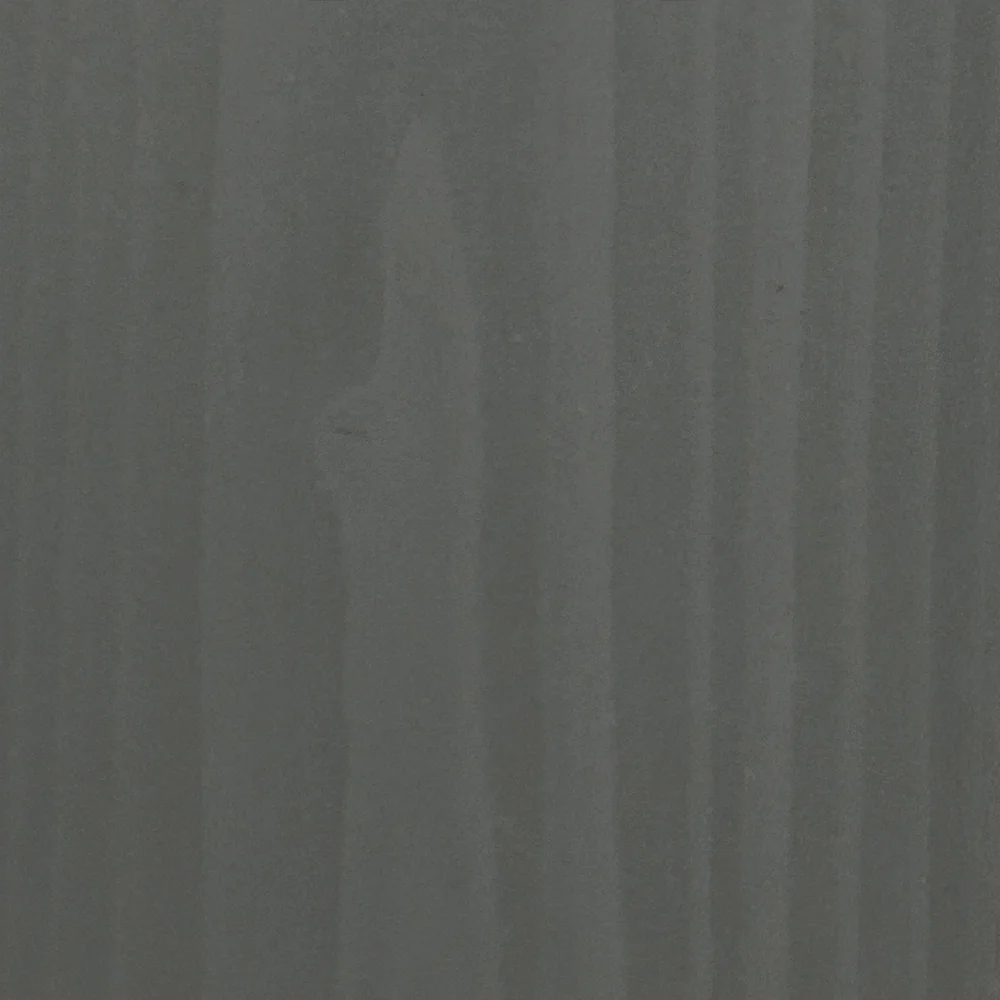
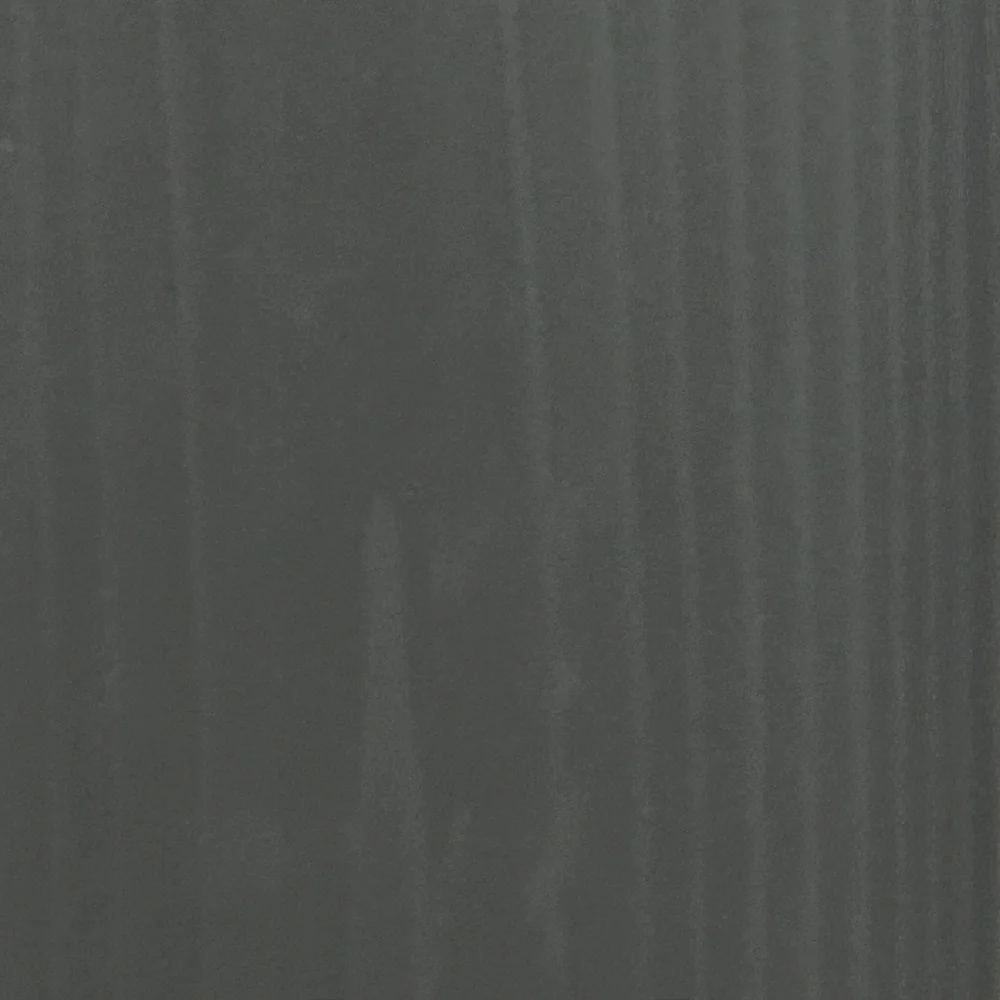
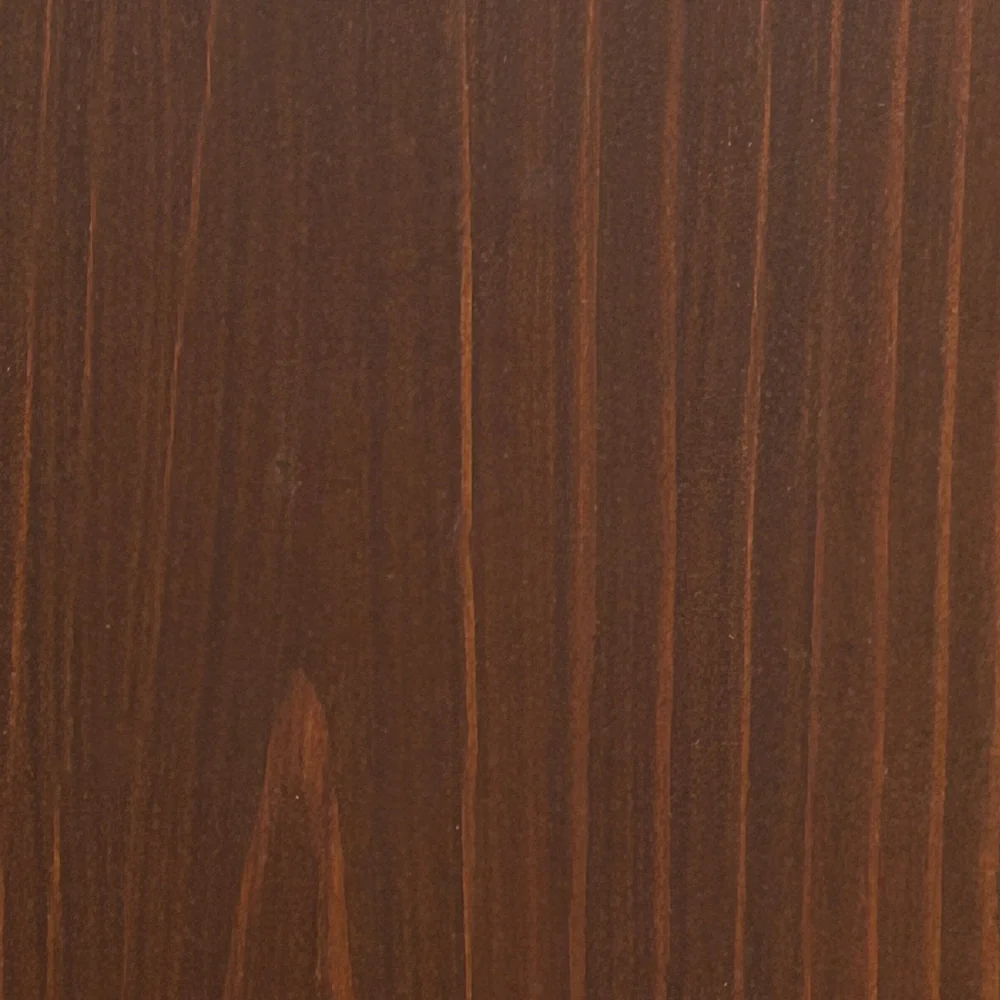
Colours

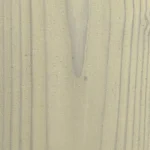
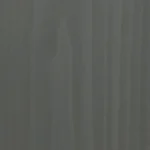
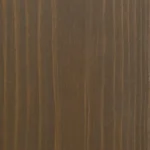
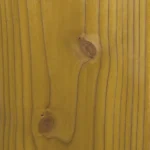
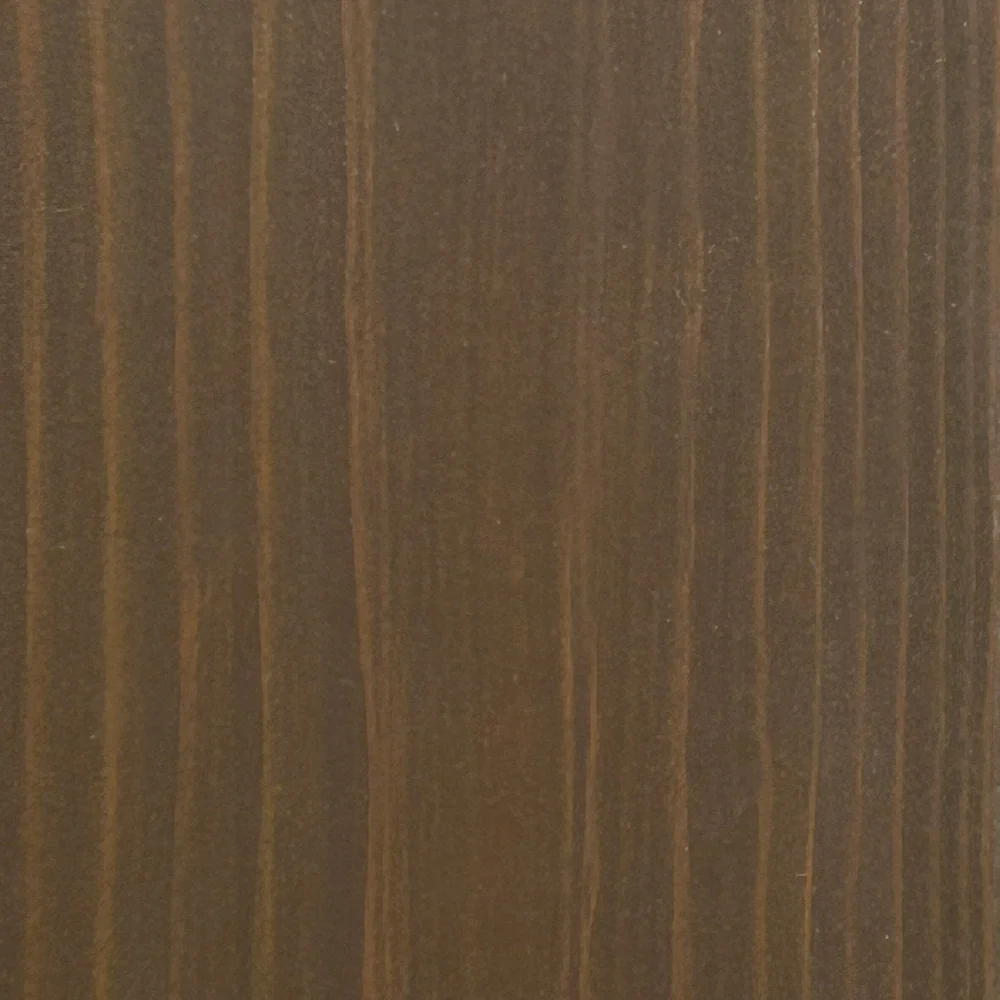
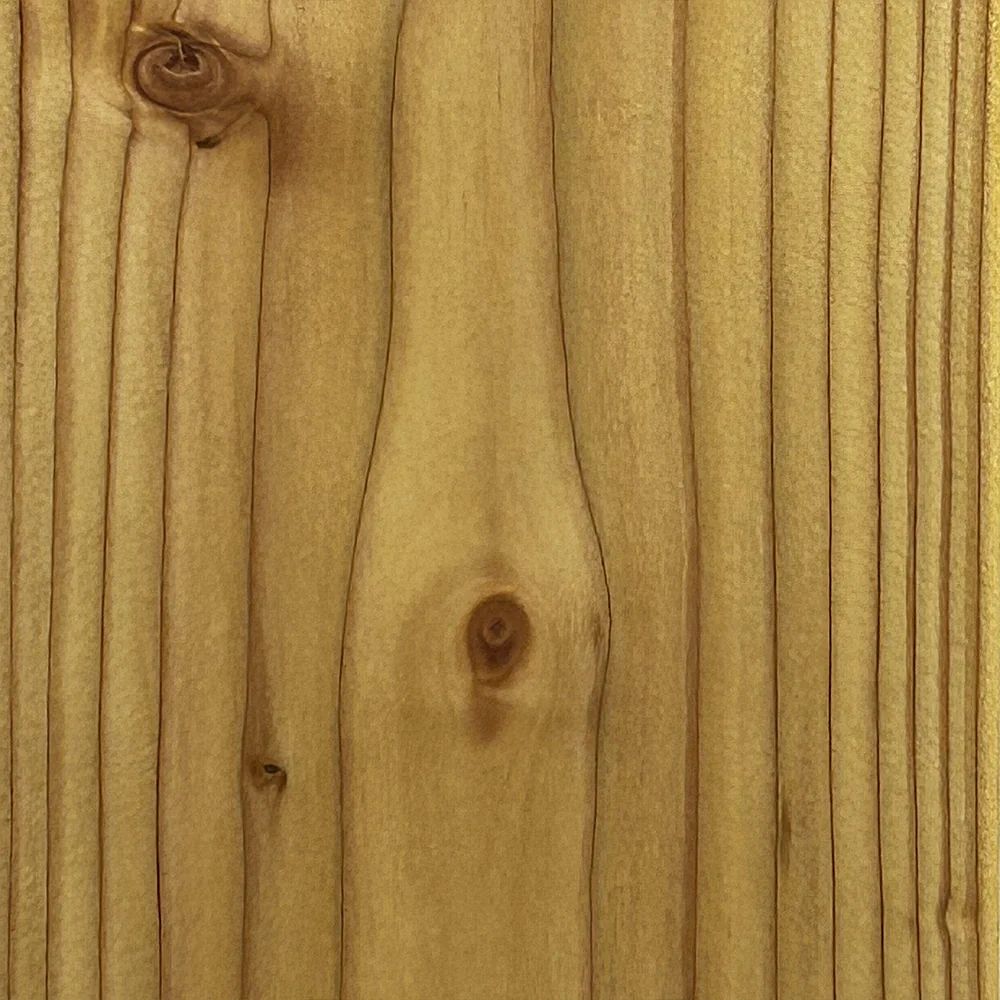
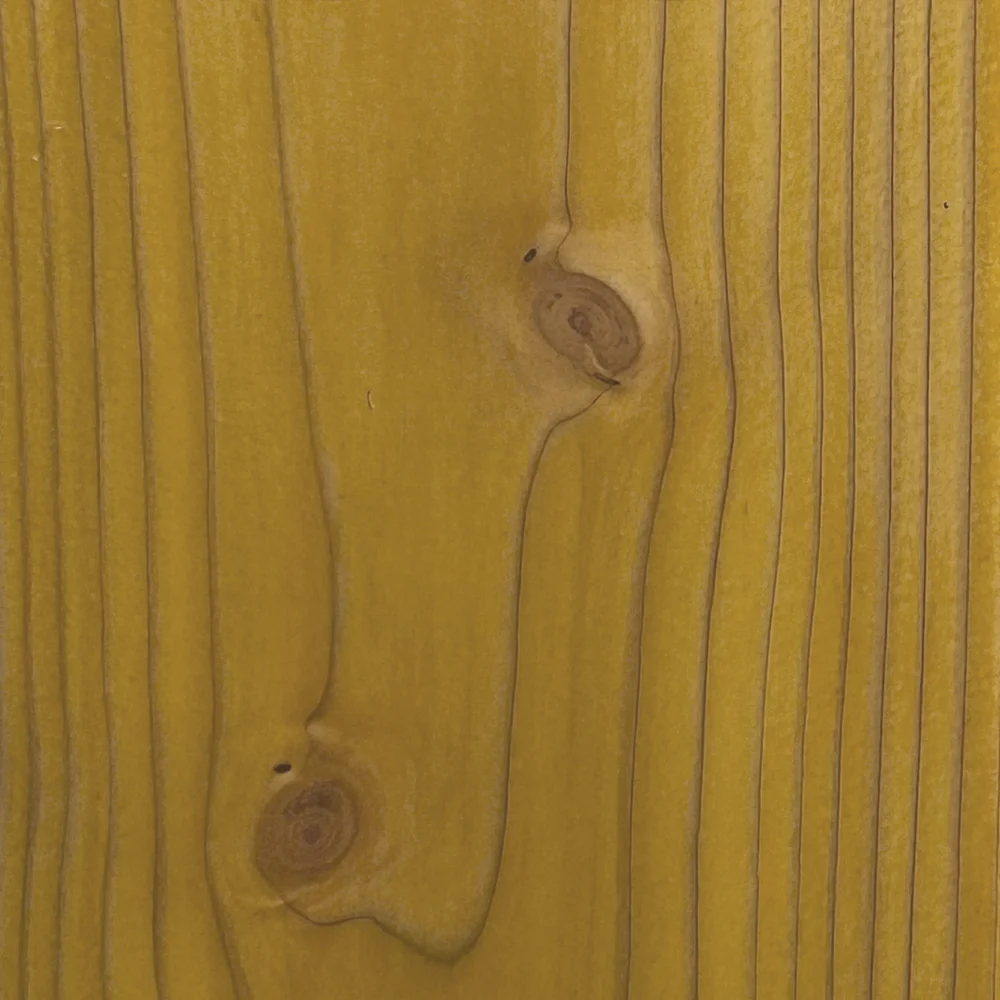
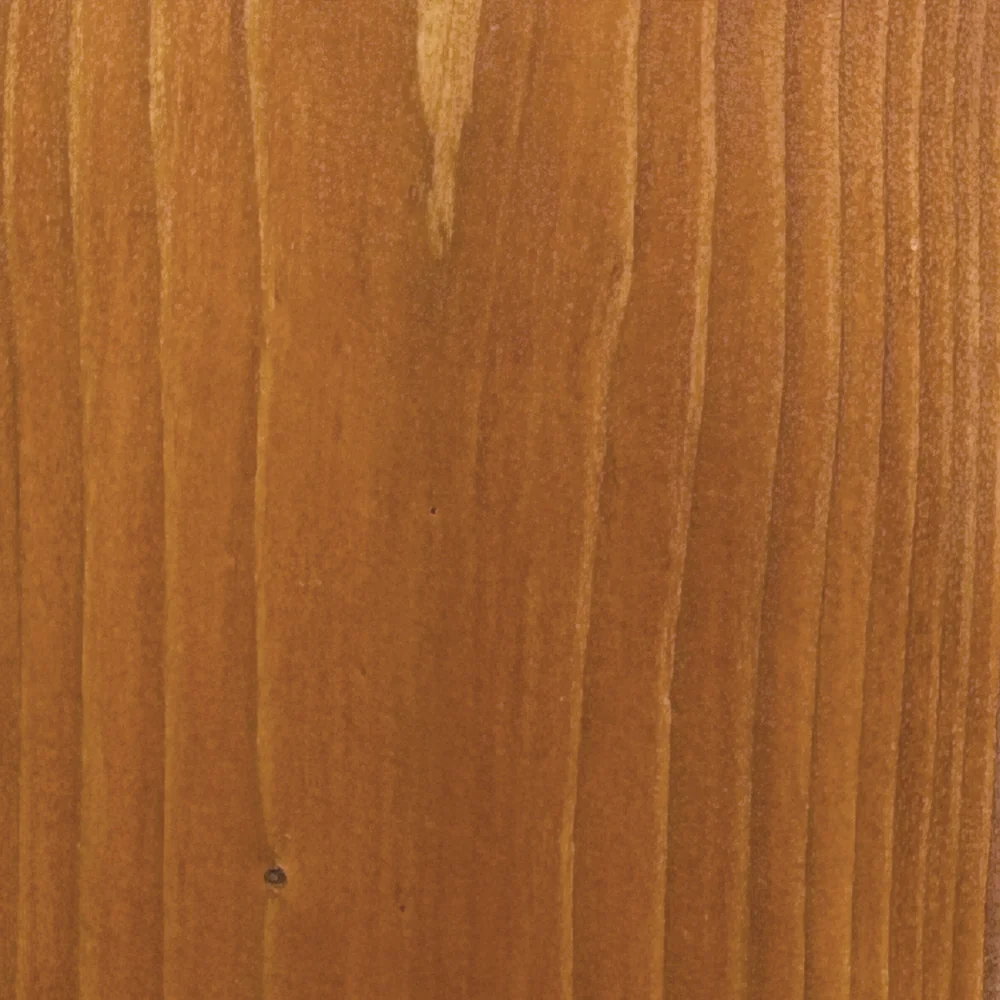
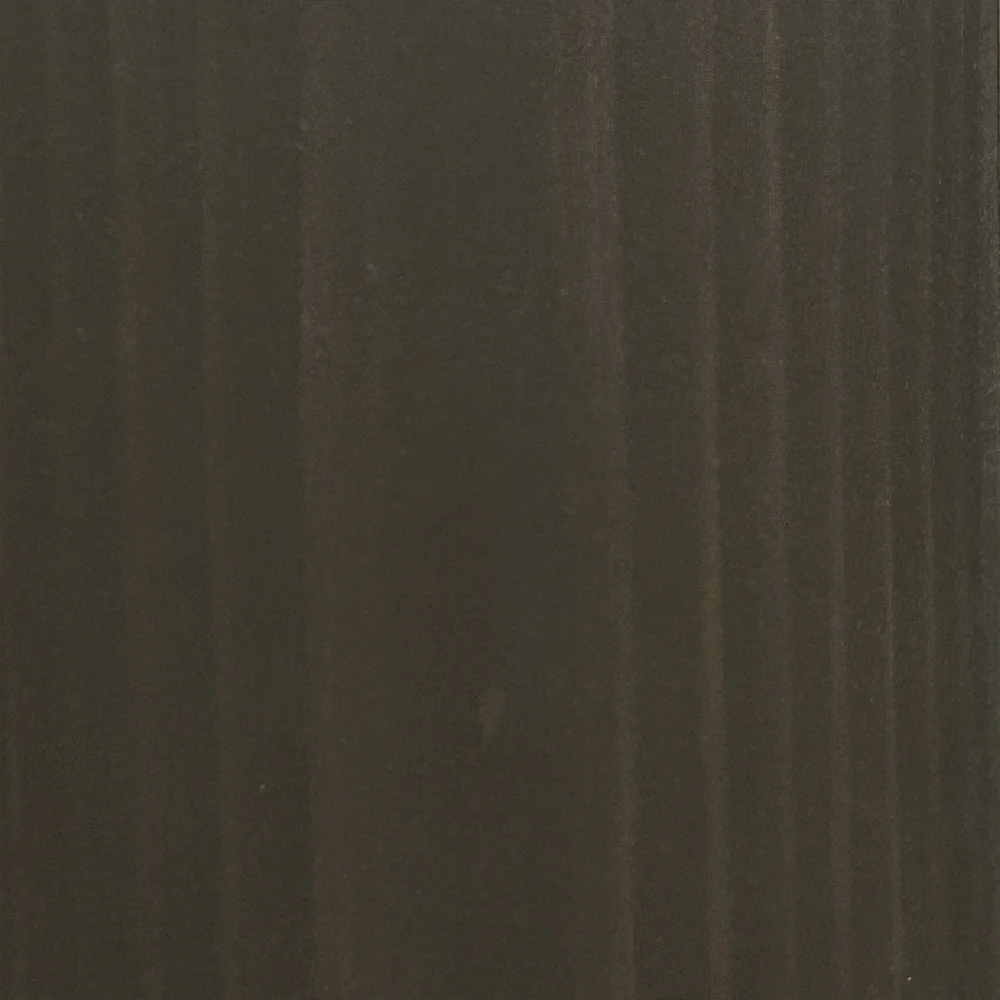
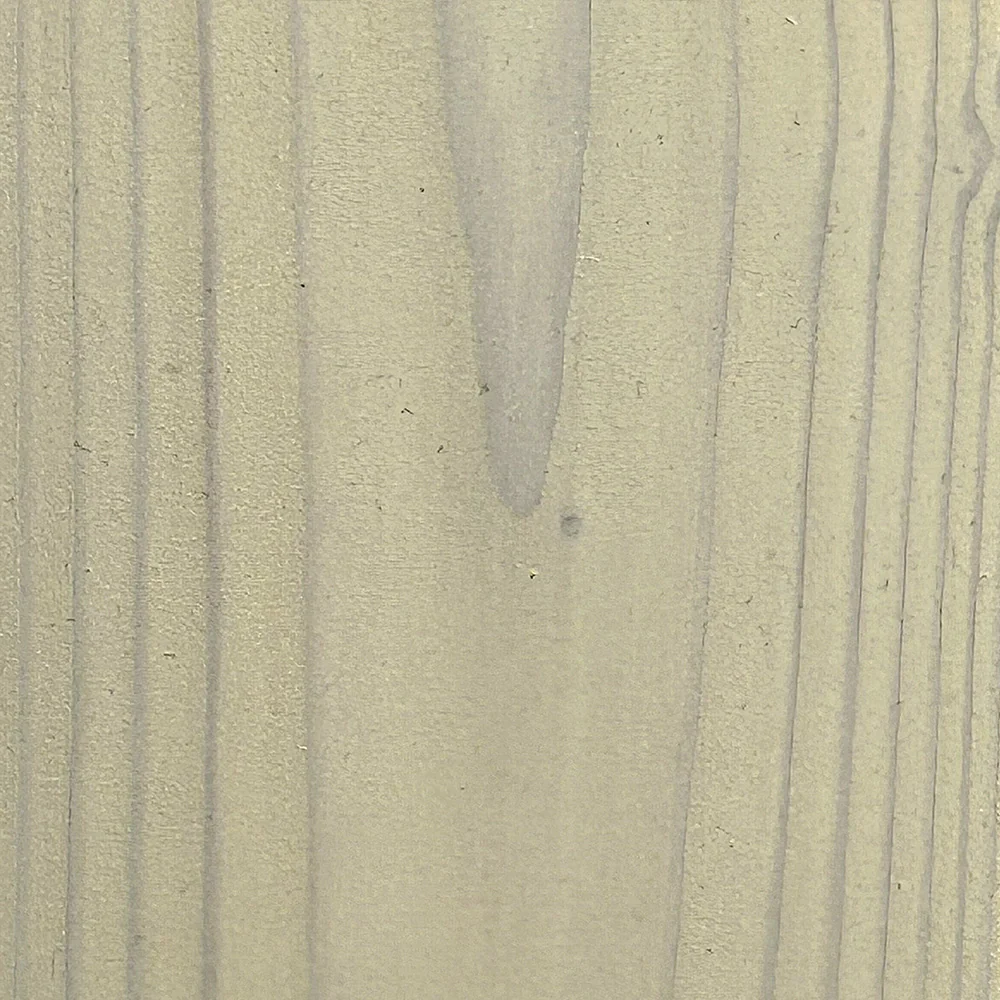
*The wood sample is shown on pressure impregnated pine
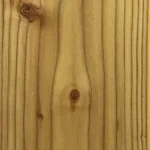
Natural
White
Grey
Anthracite
Stone Grey
Thunder Grey
Hazelnut
Larch
Merbau
Teak
Bangkirai
Walnut
Black

Packaging

Certifications

Bio-Based ASTM 6866
Biobased Carbon Content ASTM D6866-22 is an international standard method utilized for product testing. The result is reported as % Biobased Carbon. This indicates the percentage carbon from ‘natural’ (plant or animal by-product) sources.
DIN EN 16165 - Anti Slip R10
DIN EN 16165 is the European standard for determining slip resistance on floor surfaces with a classification from R9 to R13. The Anti Slip test is used to ensure safe traffic for all types of floors in public areas and workplaces etc.
Fire test
European standard specifying how building materials react in case of fire. Bfl-s1 classifies flooring with low combustibility and very low smoke development.
Product Details

Exterior Wood Oil is to be used outdoors for basic treatment and maintenance of new and previously oiled wood surfaces such as decks, garden furniture, cladding etc. The special water-based composition of oil components ensures that the product is water-dilutable and friendly to the environment. The oil enhances the natural colour and grain of wood. Exterior Wood Oil Natural is recommended to enhance the natural colour structure of the wood. For rejuvenating of old wood surfaces, the pigmented oils are ideal as they recreate the original colour of the wood. A change of colour of the deck is also possible by applying e.g. the grey, anthracite or black oil.


  • If skin irritation or rash occurs: Get medical advice or attention.
  • Toxic to aquatic life with long lasting effects.
  • May cause an allergic skin reaction.
  • Wear protective gloves and eye protection.
  • Warning!
  • Wash with plenty of water.
  • IF ON SKIN:
  • Avoid release to the environment.
VOC:
15 g/l, maximum VOC content (A/f (WB)): 130 g/l.
Density:
1.00-1.10 g/ml.
Shelf life:
2 years
Application Temperature:
+15-30°C and approx. 50% air humidity.
Coverage:
8-12 m²/L
Colour product:
Hazelnut
Packaging sizes:
2.5 L
VOC:
15 g/l, maximum VOC content (A/f (WB)): 130 g/l.
Density:
1.00-1.10 g/ml.
Shelf life:
2 years
Application Temperature:
+15-30°C and approx. 50% air humidity.
Coverage:
8-12 m²/L
Colour product:
Natural
Packaging sizes:
750 ml – 2.5 L
VOC:
15 g/l, maximum VOC content (A/f (WB)): 130 g/l.
Density:
1.00-1.10 g/ml.
Shelf life:
2 years
Application Temperature:
+15-30°C and approx. 50% air humidity.
Coverage:
8-12 m²/L
Colour product:
Teak
Packaging sizes:
750 ml – 2.5 L
VOC:
15 g/l, maximum VOC content (A/f (WB)): 130 g/l.
Density:
1.00-1.10 g/ml.
Shelf life:
2 years
Application Temperature:
+15-30°C and approx. 50% air humidity.
Coverage:
8-12 m²/L
Colour product:
Stone Grey
Packaging sizes:
2.5 L
VOC:
15 g/l, maximum VOC content (A/f (WB)): 130 g/l.
Density:
1.00-1.10 g/ml.
Shelf life:
2 years
Application Temperature:
+15-30°C and approx. 50% air humidity.
Coverage:
8-12 m²/L
Colour product:
Thunder Grey
Packaging sizes:
2.5 L
VOC:
15 g/l, maximum VOC content (A/f (WB)): 130 g/l.
Density:
1.00-1.10 g/ml.
Shelf life:
2 years
Application Temperature:
+15-30°C and approx. 50% air humidity.
Coverage:
8-12 m²/L
Colour product:
Merbau
Packaging sizes:
2.5 L
VOC:
15 g/l, maximum VOC content (A/f (WB)): 130 g/l.
Density:
1.00-1.10 g/ml.
Shelf life:
2 years
Application Temperature:
+15-30°C and approx. 50% air humidity.
Coverage:
8-12 m²/L
Colour product:
Natural
Packaging sizes:
750 ml – 2.5 L
VOC:
50 g/l, maximum VOC content (A/f (WB)): 130 g/l.
Density:
1.00-1.10 g/ml.
Shelf life:
2 years
Application Temperature:
+15-30°C and approx. 50% air humidity.
Coverage:
8-12 m²/L
Colour product:
Black
Packaging sizes:
2.5 L
VOC:
15 g/l, maximum VOC content (A/f (WB)): 130 g/l.
Density:
1.00-1.10 g/ml.
Shelf life:
2 years
Application Temperature:
+15-30°C and approx. 50% air humidity.
Coverage:
8-12 m²/L
Colour product:
Larch
Packaging sizes:
2.5 L
VOC:
15 g/l, maximum VOC content (A/f (WB)): 130 g/l.
Density:
1.00-1.10 g/ml.
Shelf life:
2 years
Application Temperature:
+15-30°C and approx. 50% air humidity.
Coverage:
8-12 m²/L
Colour product:
Bangkirai
Packaging sizes:
2.5 L
VOC:
15 g/l, maximum VOC content (A/f (WB)): 130 g/l.
Density:
1.00-1.10 g/ml.
Shelf life:
2 years
Application Temperature:
+15-30°C and approx. 50% air humidity.
Coverage:
8-12 m²/L
Colour product:
Teak
Packaging sizes:
750 ml – 2.5 L
VOC:
15 g/l, maximum VOC content (A/f (WB)): 130 g/l.
Density:
1.00-1.10 g/ml.
Shelf life:
2 years
Application Temperature:
+15-30°C and approx. 50% air humidity.
Coverage:
8-12 m²/L
Colour product:
Grey
Packaging sizes:
2.5 L
VOC:
15 g/l, maximum VOC content (A/f (WB)): 130 g/l.
Density:
1.00-1.10 g/ml.
Shelf life:
2 years
Application Temperature:
+15-30°C and approx. 50% air humidity.
Coverage:
8-12 m²/L
Colour product:
Walnut
Packaging sizes:
2.5 L
VOC:
35 g/l, maximum VOC content (A/f (WB)): 130 g/l.
Density:
1.00-1.10 g/ml.
Shelf life:
2 years
Application Temperature:
+15-30°C and approx. 50% air humidity.
Coverage:
8-12 m²/L
Colour product:
Anthracite
Packaging sizes:
2.5 L
VOC:
15 g/l, maximum VOC content (A/f (WB)): 130 g/l.
Density:
1.00-1.10 g/ml.
Shelf life:
2 years
Application Temperature:
+15-30°C and approx. 50% air humidity.
Coverage:
8-12 m²/L
Colour product:
White
Packaging sizes:
2.5 L
Oil treatment of wooden deck

Non pressure-treated softwood (except from red cedar) must be primed with the WOCA Exterior Wood Primer.

Always remember to test on a less visible spot to check the compatibility of the surface with the product.

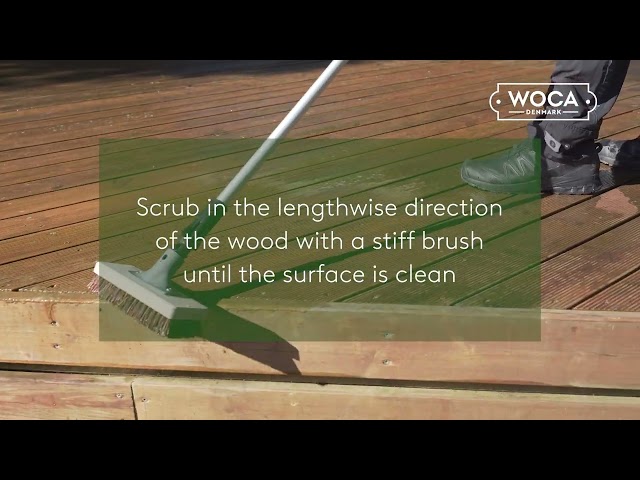
  • Clean new wood surfaces as well as old surfaces with Exterior Wood Cleaner before starting the oil treatment.
  • Then leave the wood to dry for at least 24 hours so that the humidity is not above 17%. Sand down any rough wood fibres with sandpaper,120-150 .
  • Make the application in dry weather only, min. 13°C. Avoid direct sunlight and high temperatures.
  • Stir the Oil carefully before and during use. Container with different batch numbers should be mixed before use to avoid differences in shade and gloss.
  • Apply an even and thin coat of oil with a brush or WOCA Oil Applicator. Treat the end grain wood first. The wet oil may have a white shade. When the water has evaporated after a few minutes, the wood will appear oiled.
  • Wipe off any excess oil with clean cotton cloth after no more than 5 minutes. Take particular care of removing excess oil from joints and grooves.
  • If the surface does not appear saturated with oil, repeat steps 5 and 6.
  • When the wood is dry, it may be polished with a polishing pad or polishing machine to ensure an extra hard-wearing surface.
  • It takes 24-48 hours at 20°C for the oil to harden thoroughly, depending on weather conditions and outdoor temperature. The wood must not be exposed to water during this period.
  • Please use WOCA Exterior Wood primer on wood that has not been pressure-impregnated incl. larch. When applied around swimming pools and in areas where chemical is used, it may be necessary to re-oil on a more frequent basis.