




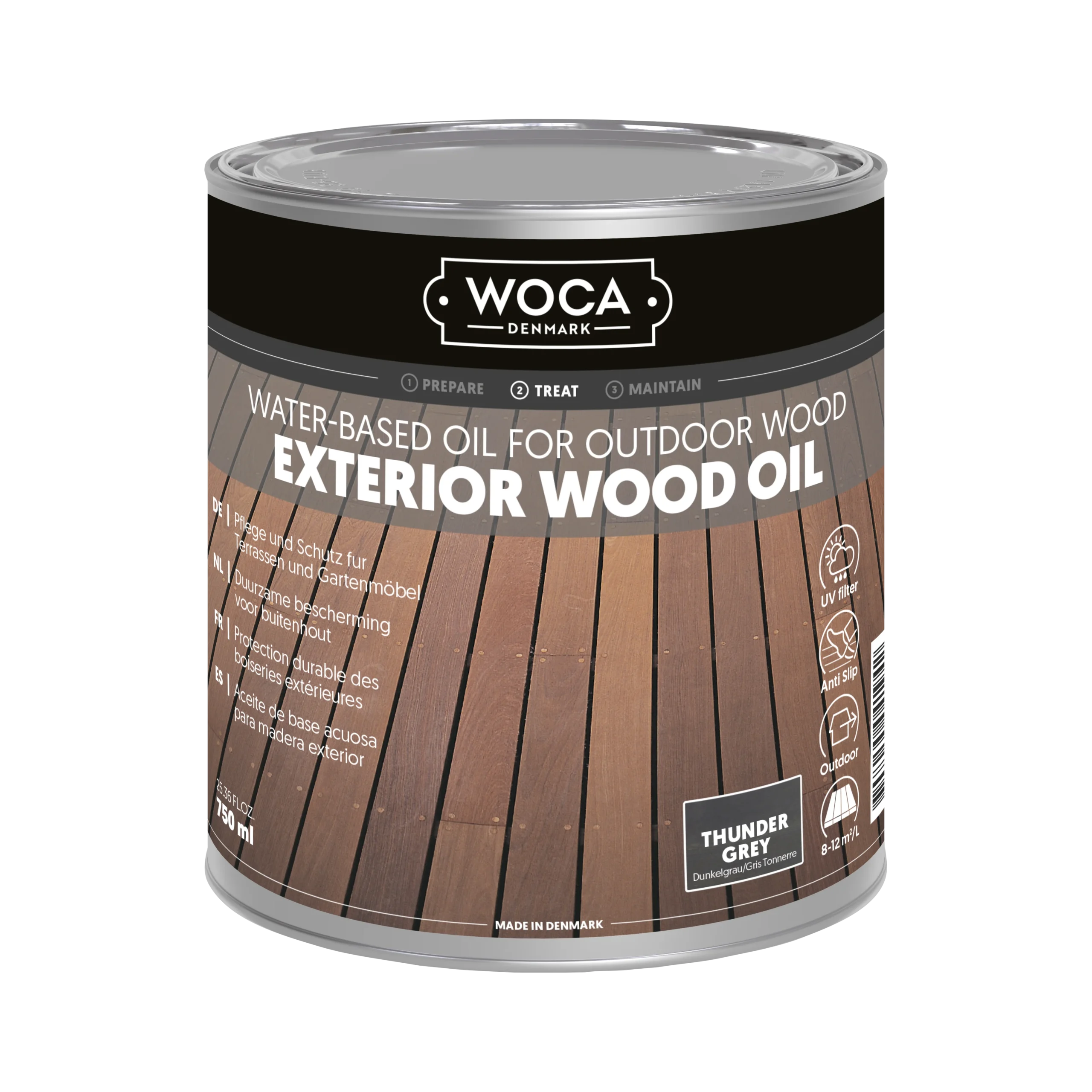

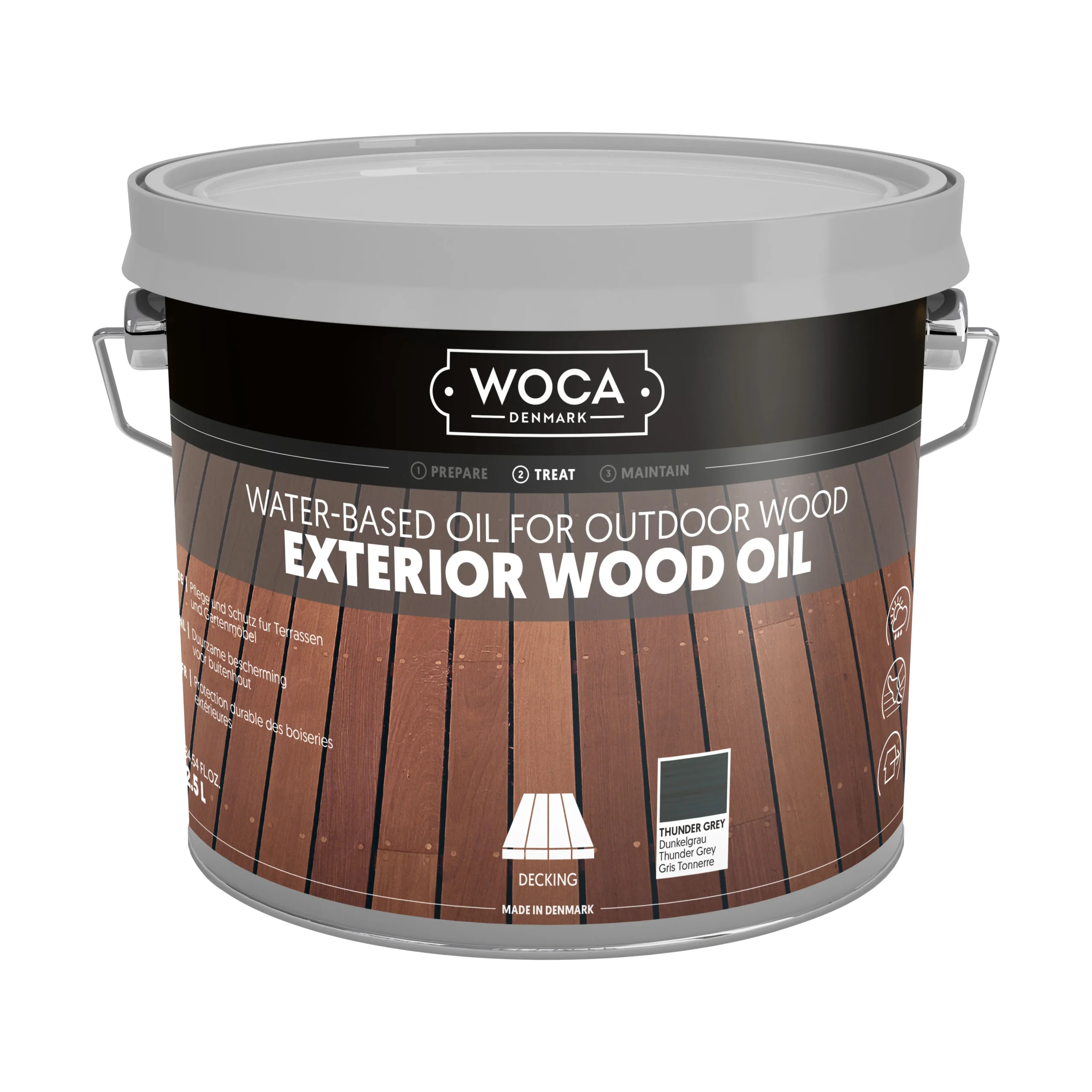
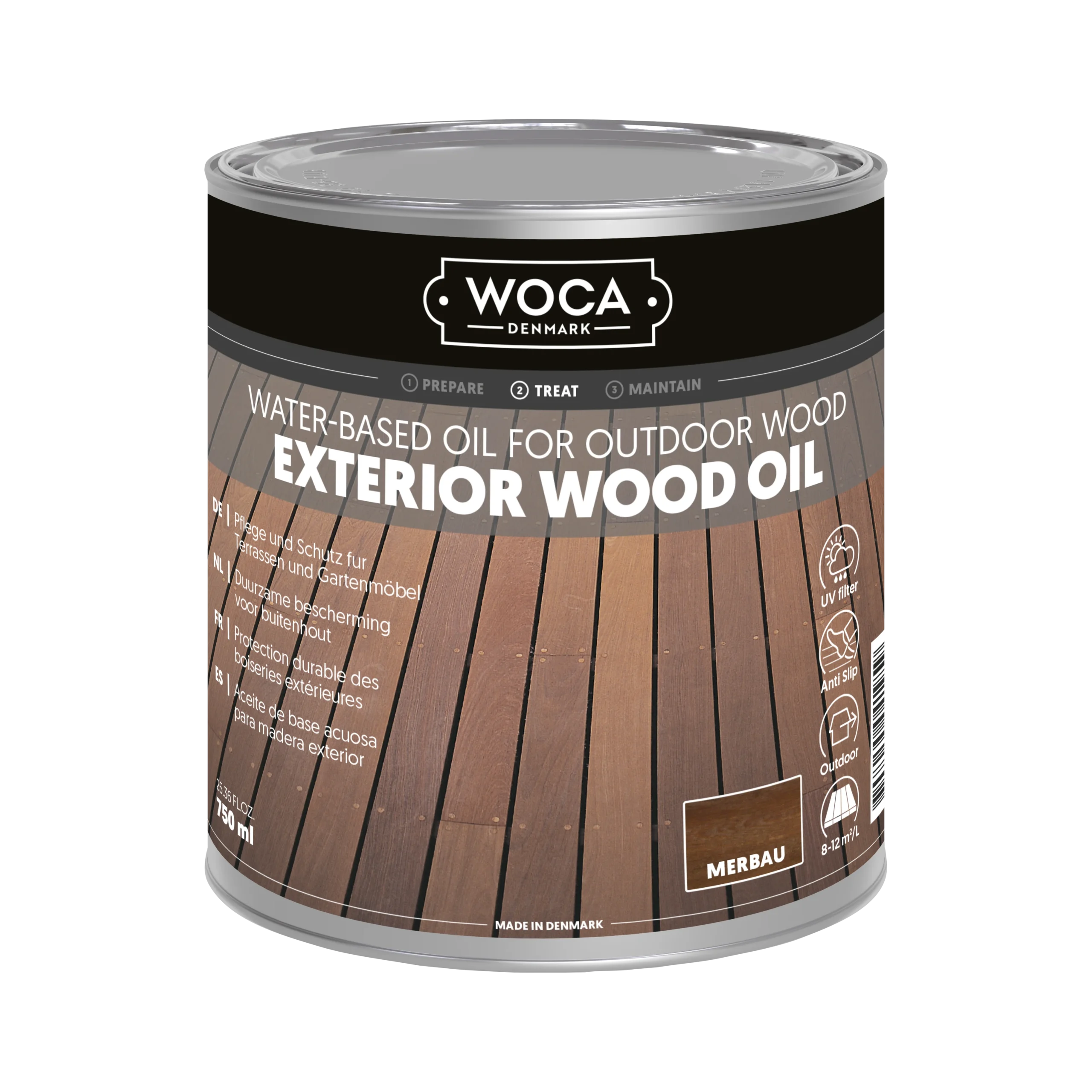

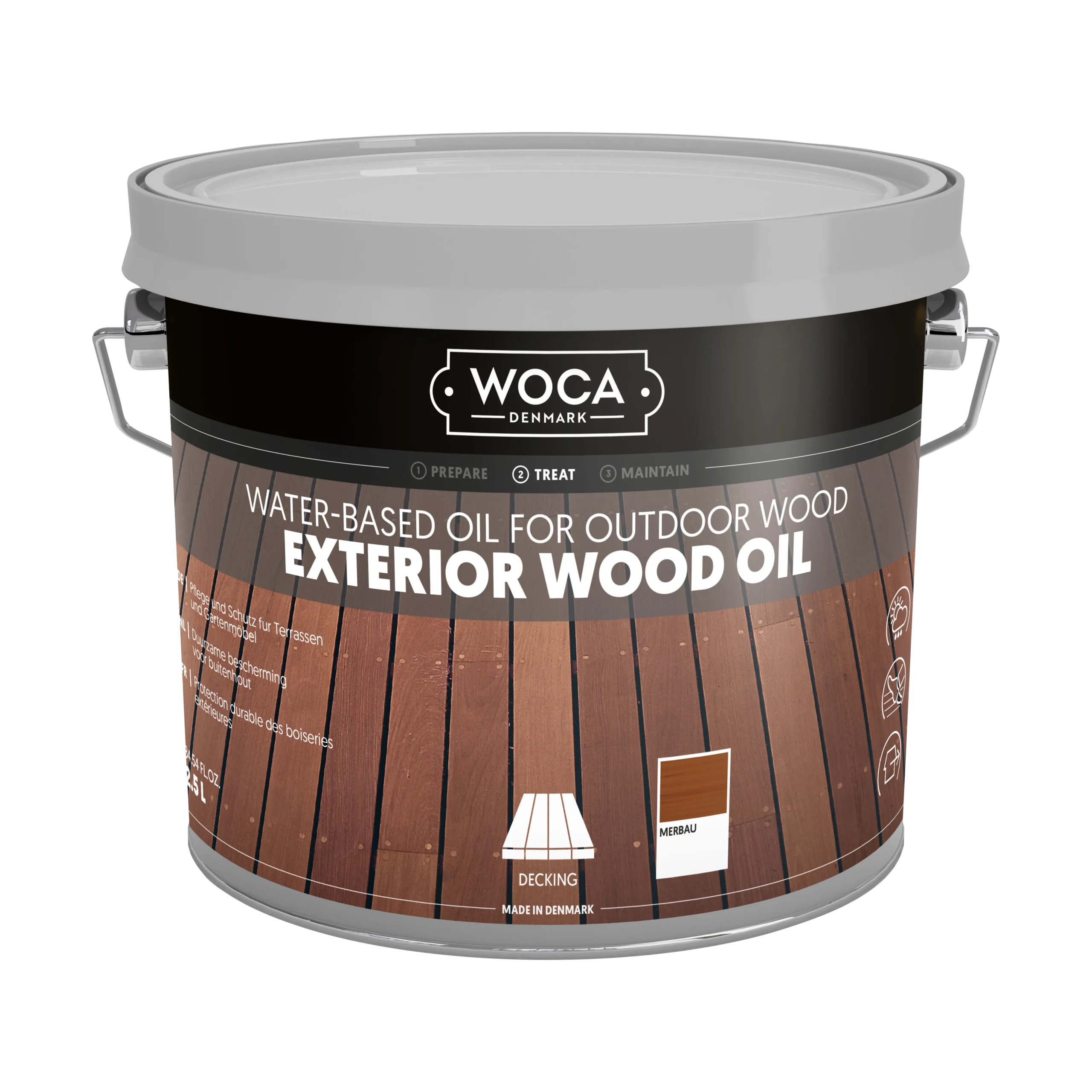

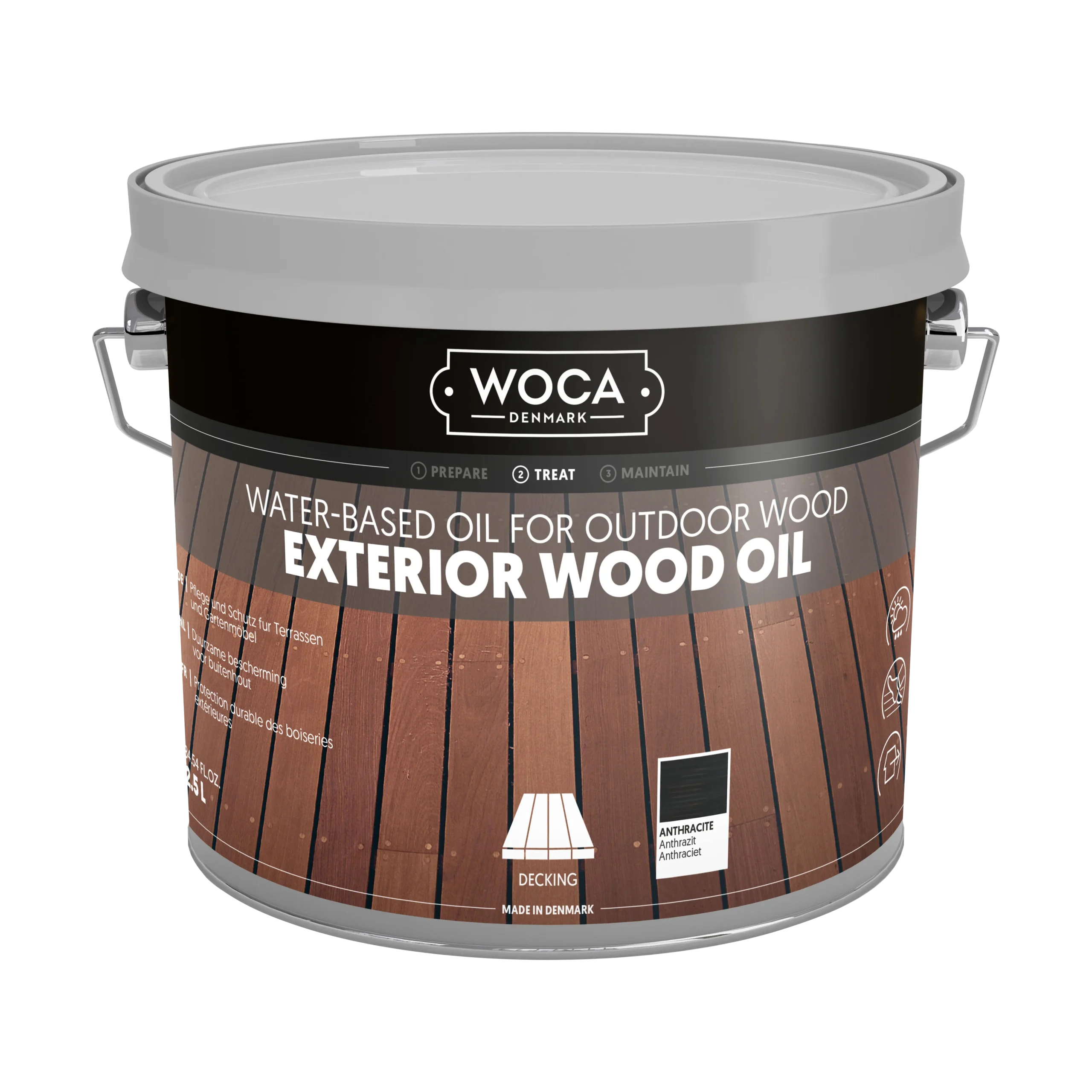
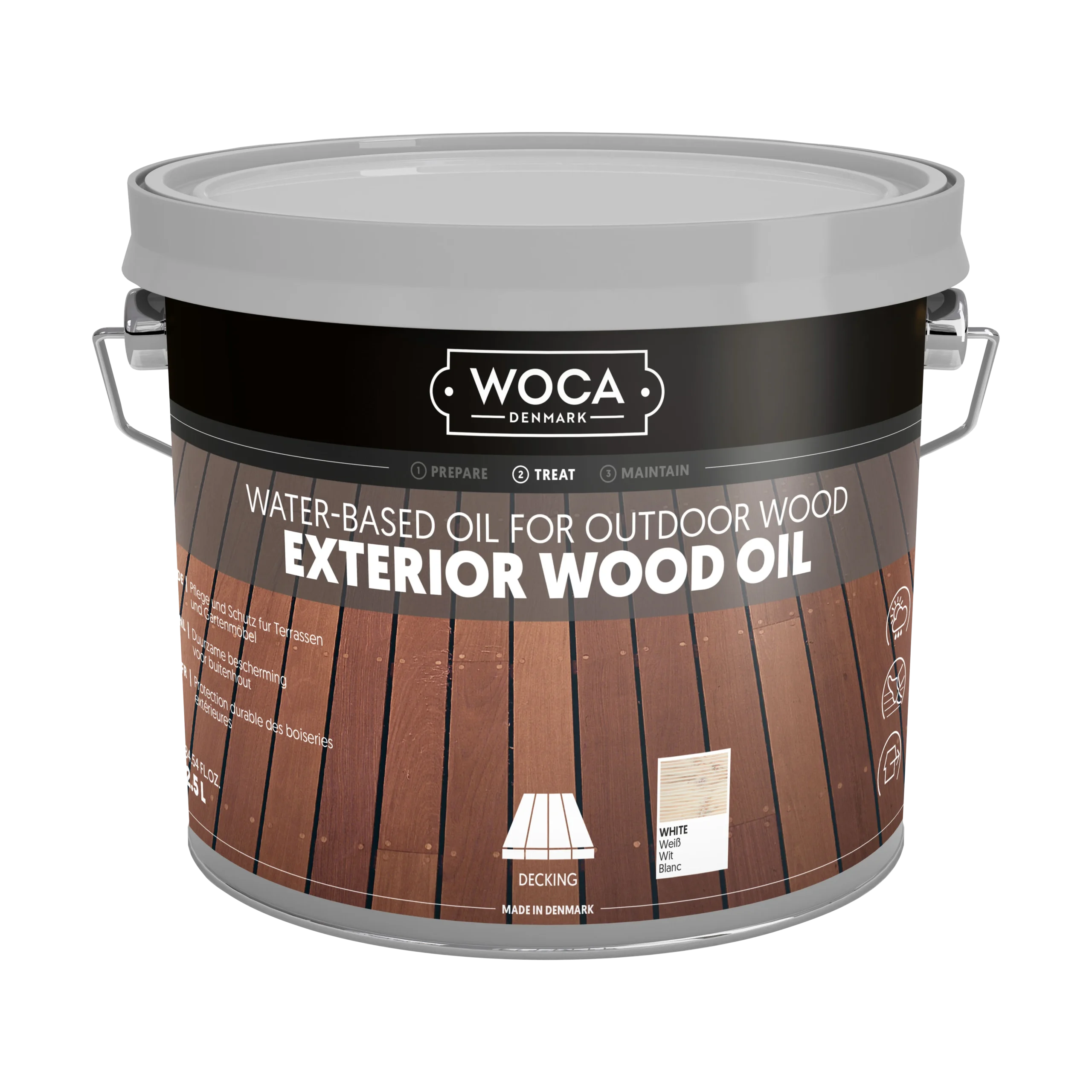
Exterior Wood Oil
Exterior Wood Oil

Exterior Wood Oil

Artikel nr.: 618410A 618410SA 618425A 617930SA 617931A 617931SA 617932A 617935A 617935SA 617936A 617936SA 617938A 617938SA 617941A 617941SA 617942A 617942SA 617943A 617943SA 617945A 617945SA 617969A 617971A 617981A 617983A 617985A 617986A 617988A 617990A 617991A 617995A 618110A 618110SA 618125A 618210A 618210SA 618225A 618310A 618310SA 618325A 617951A 617950A 617955A 617956A 617957A 617958A 617961A 617962A 617963A 617965A

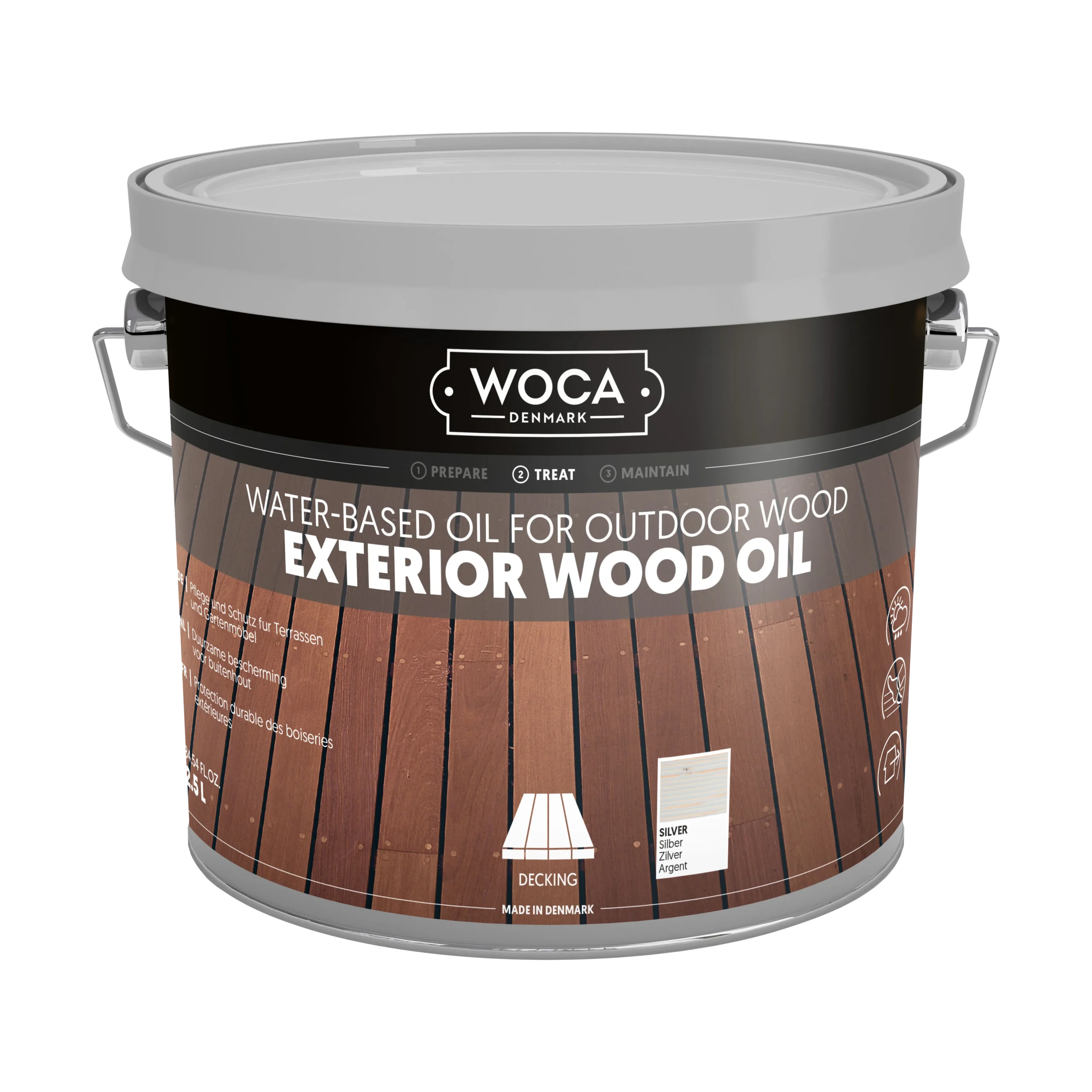
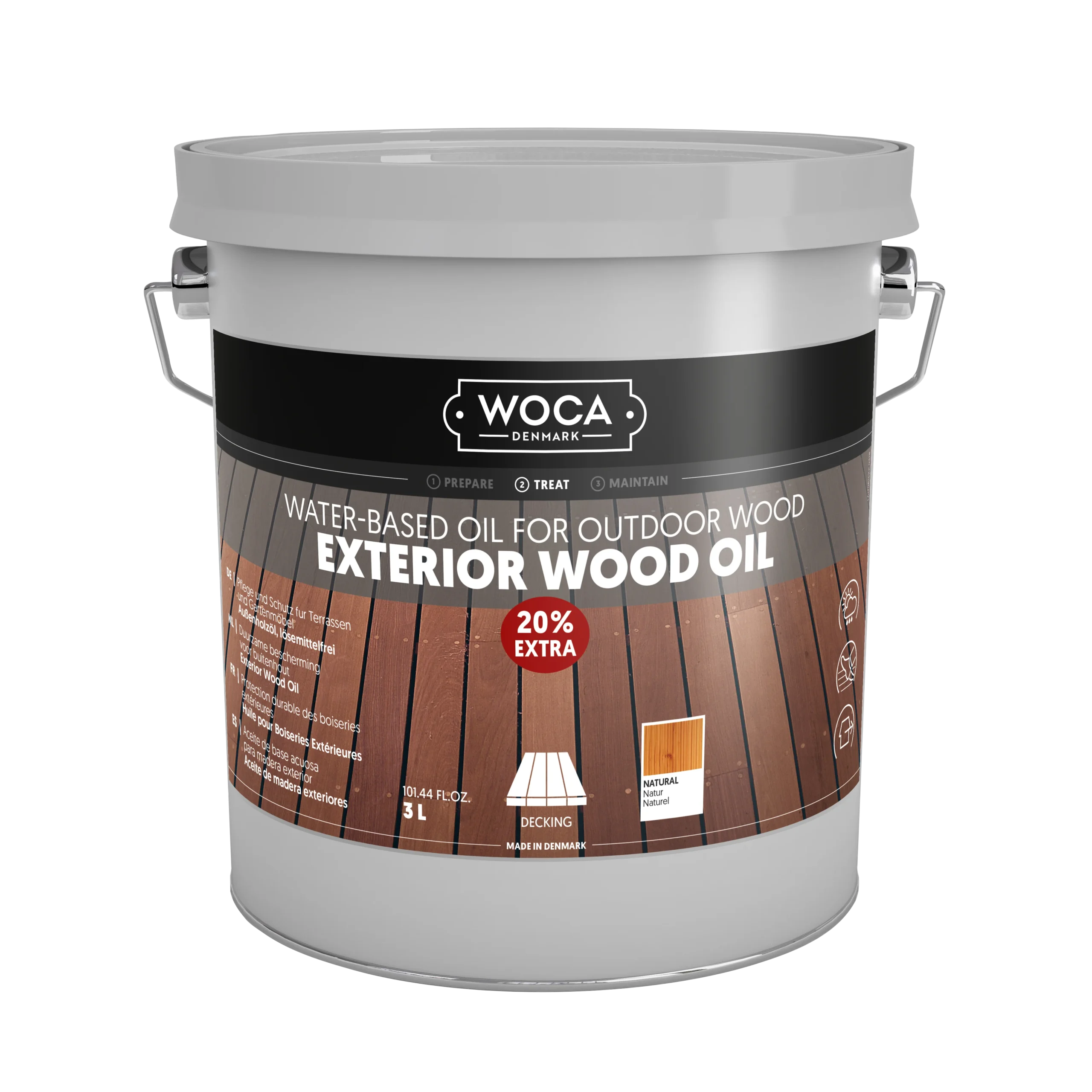
Pflege und Schutz fur Terrassen und Gartenmöbel

  • Das Öl sichert eine starke wasser und schmutzabweisende Oberfläche 
  • Verstärkt die natürliche Holzstruktur
  • Enthält UV-Filter und schützt das Holz vor Alterung
  • Dickviskos – kein Tropfen – einfach in der Anwendung
  • Sorgt für eine offenporige, atmungsaktive Oberfläche
  • Schnell trocknend

Farben

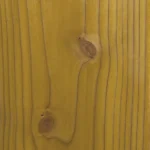
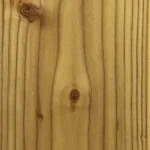
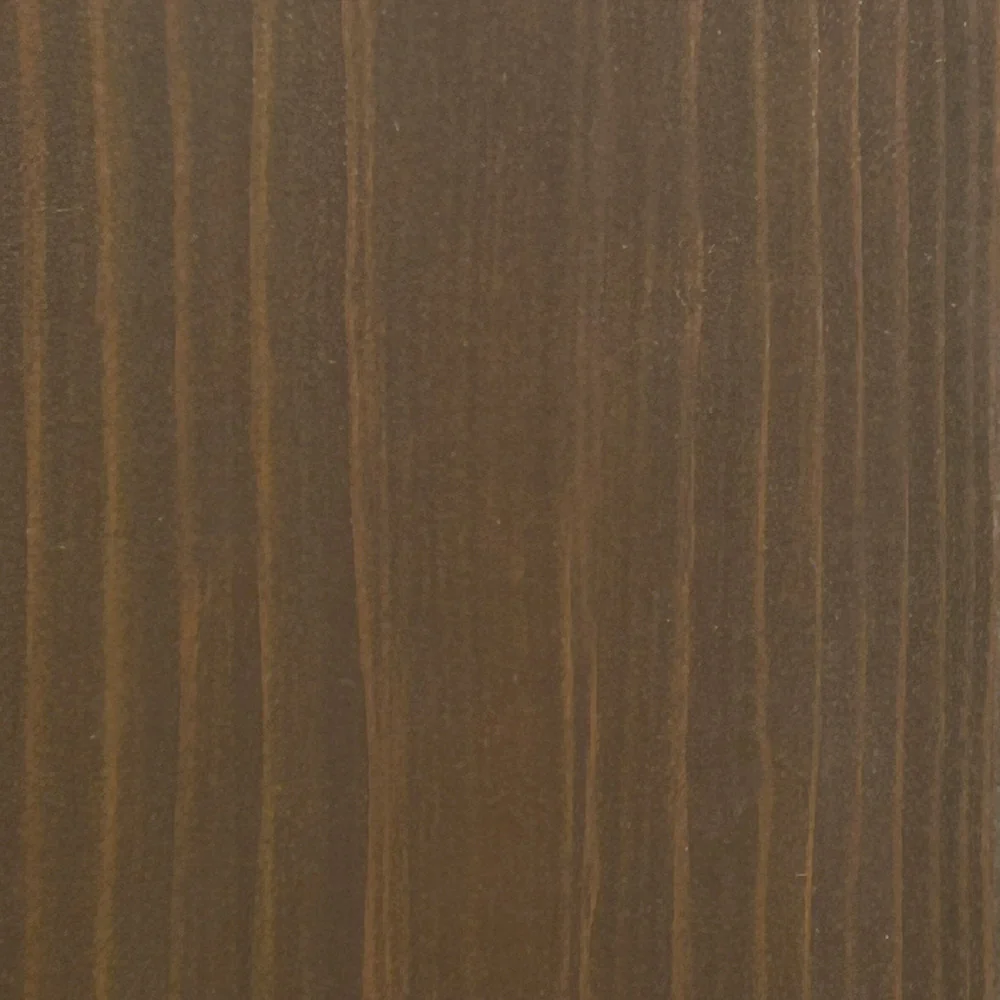
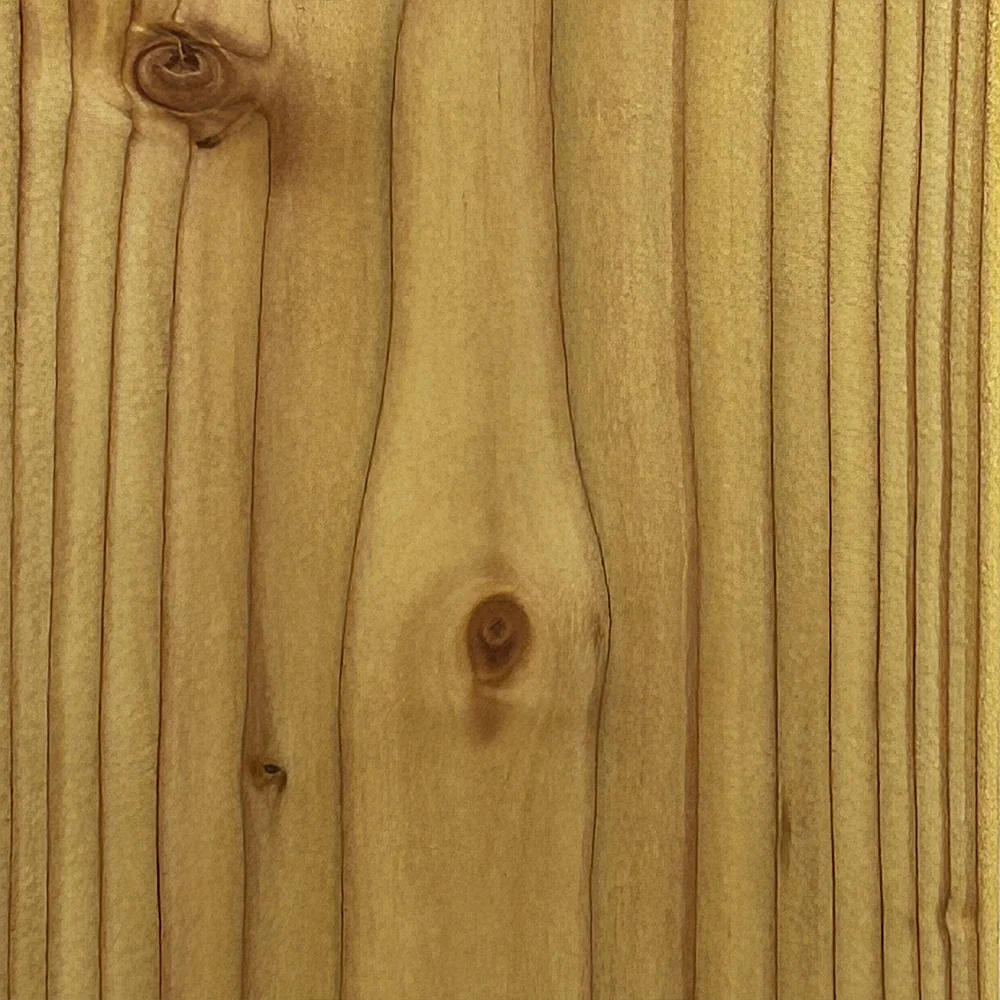
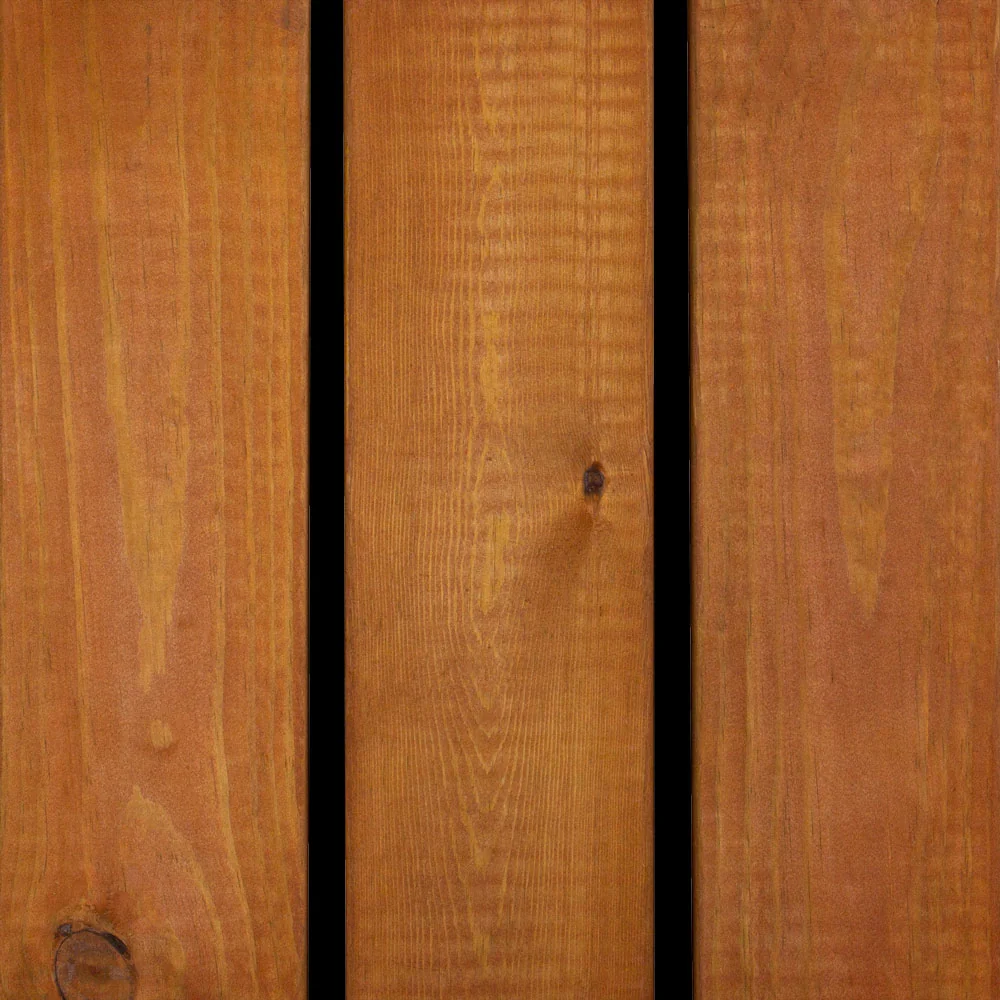
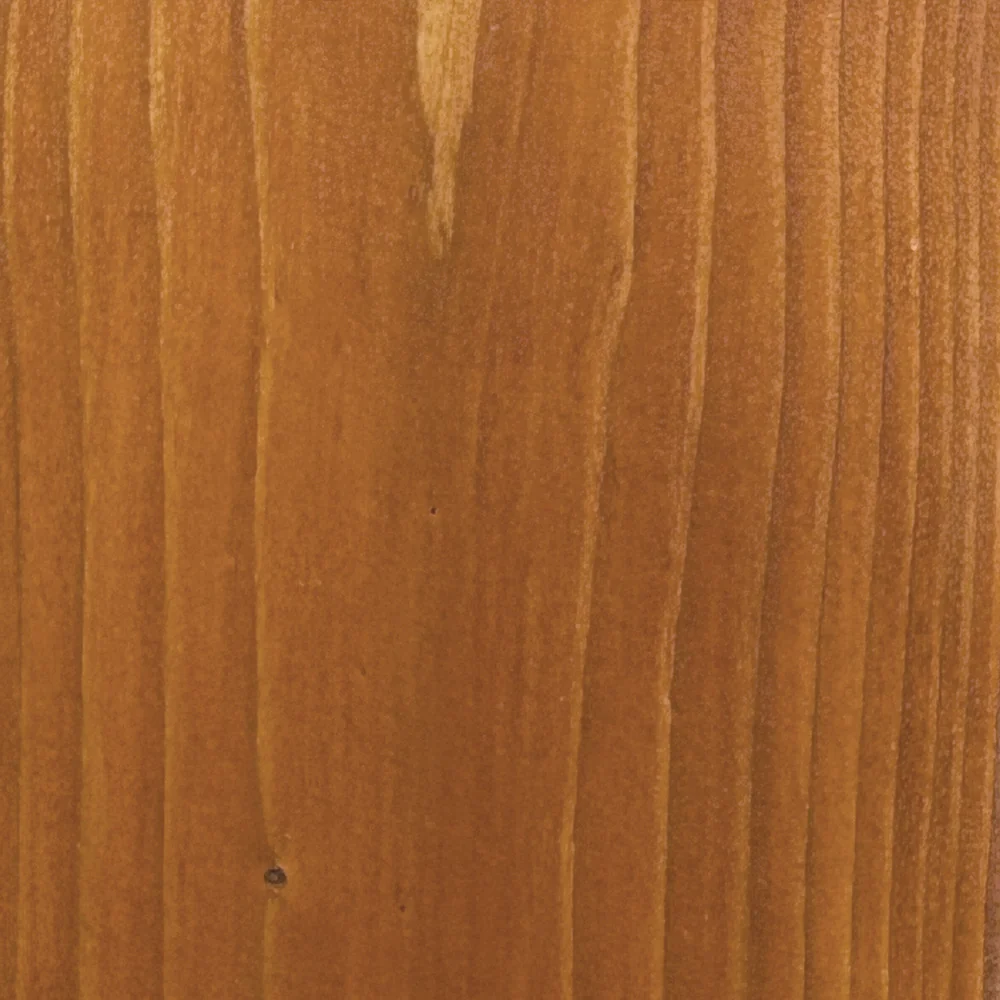
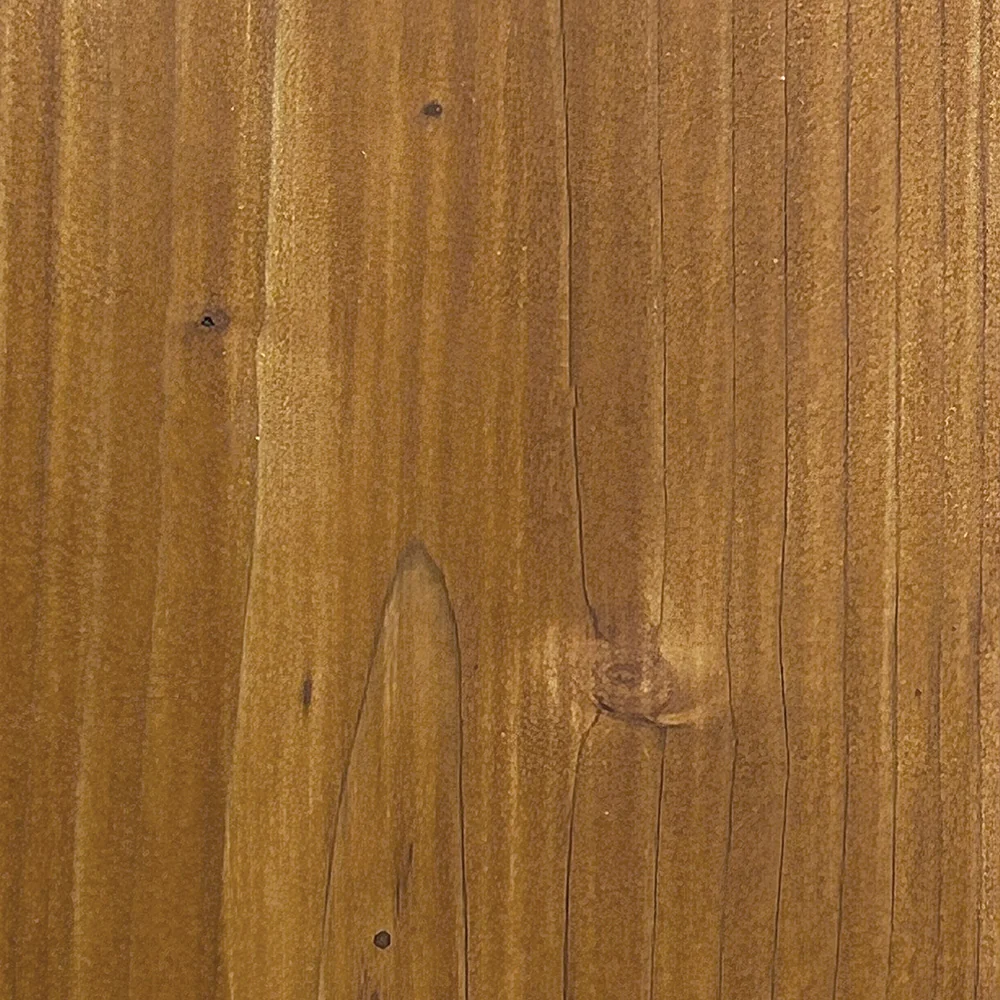
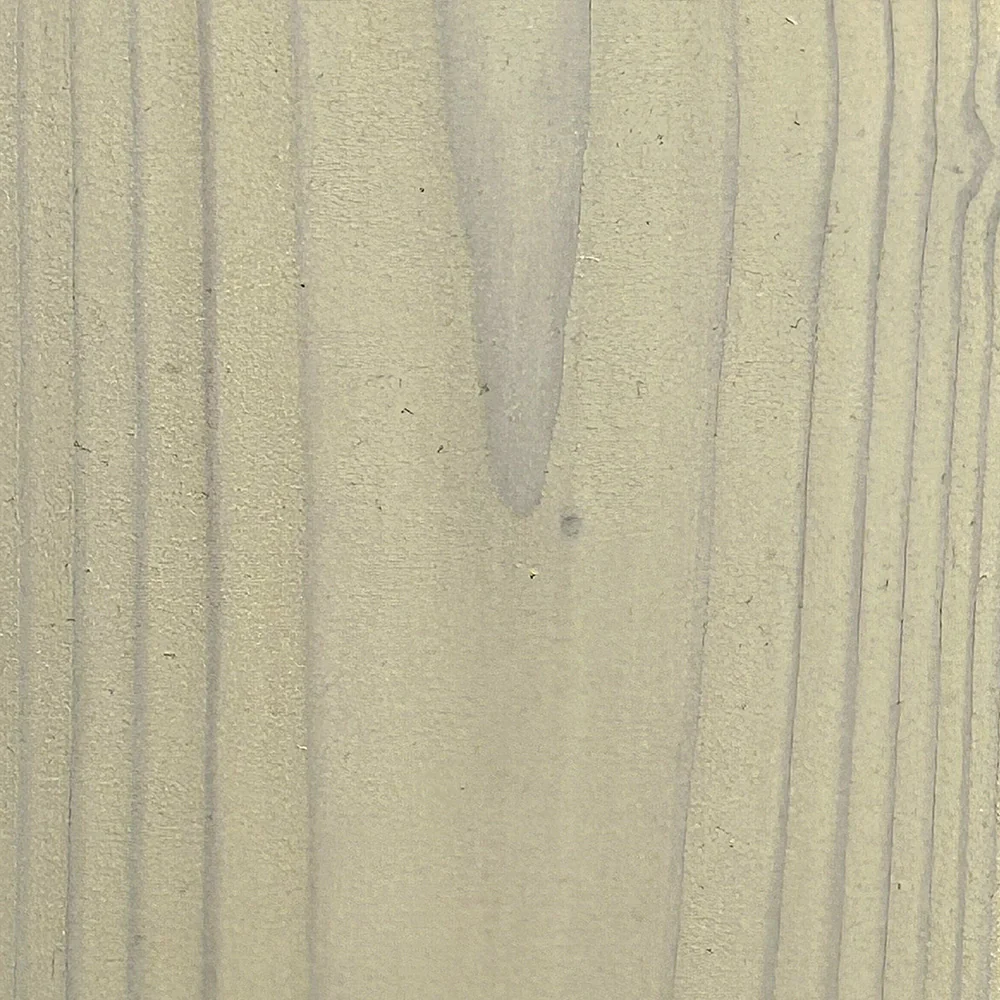
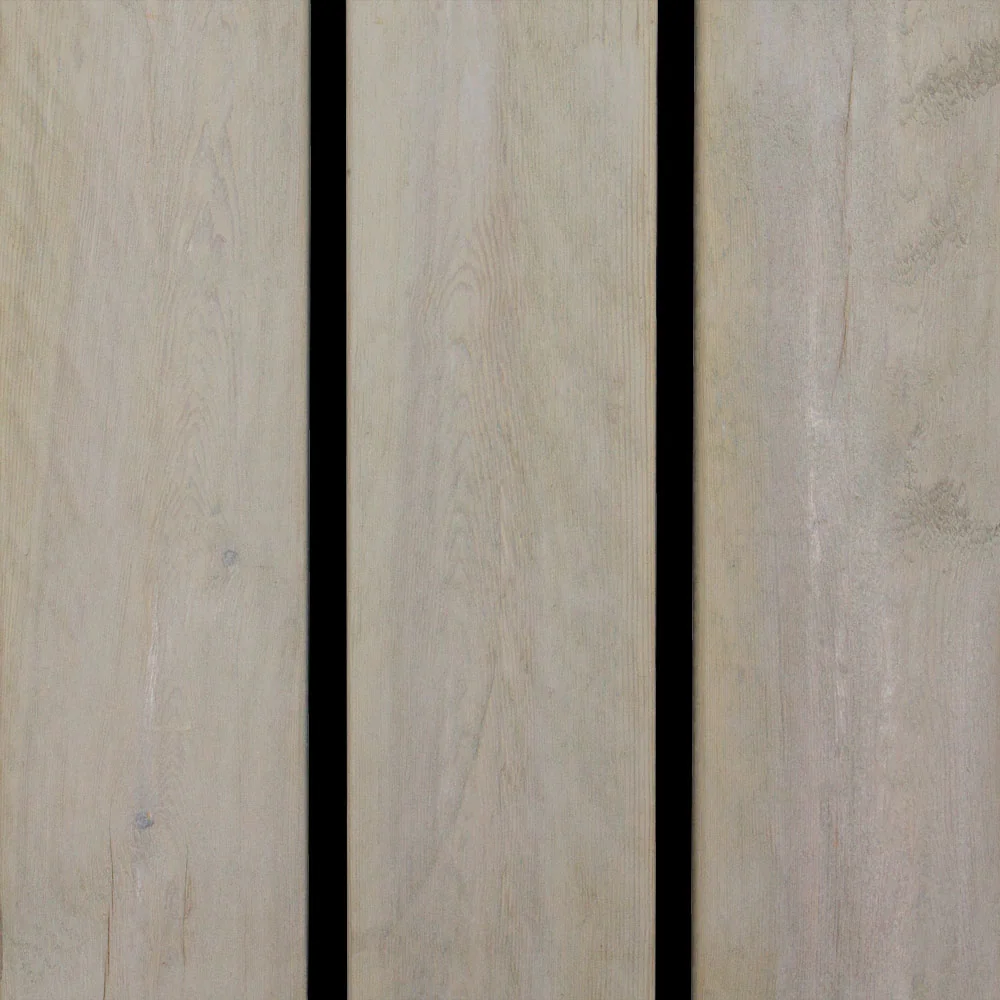
*Das Holzmuster ist auf kesseldruckimprägnierter Kiefer abgebildet

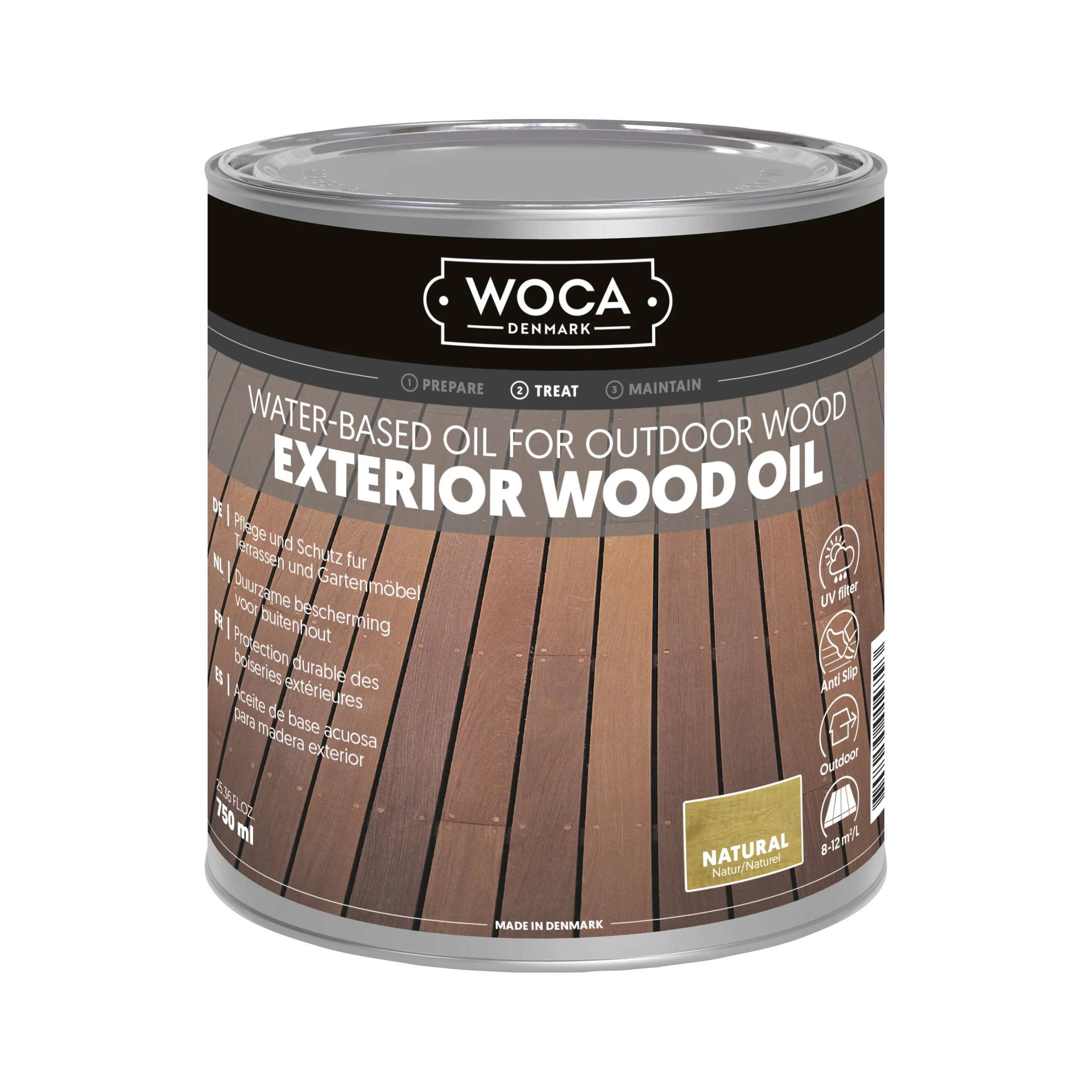
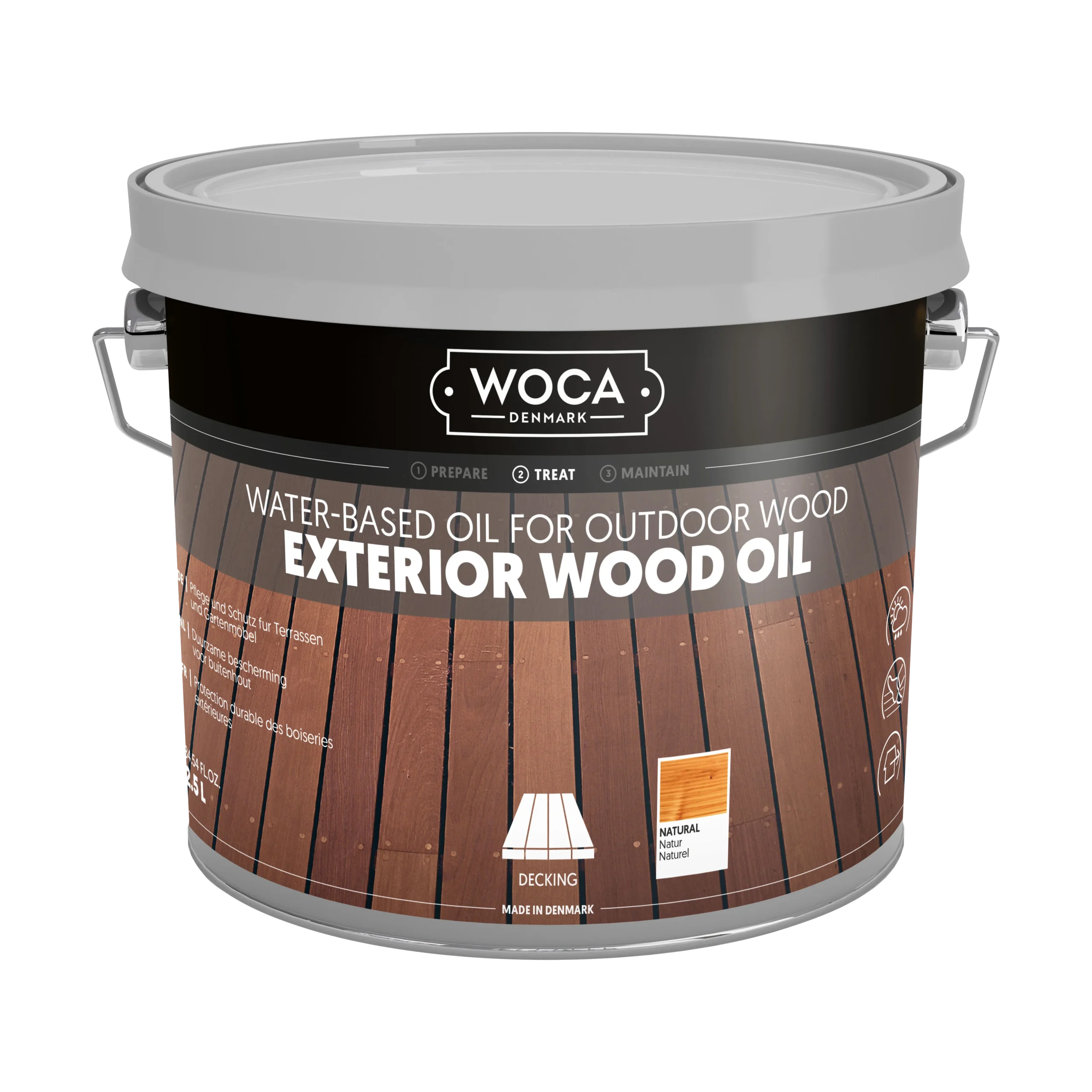
Natur
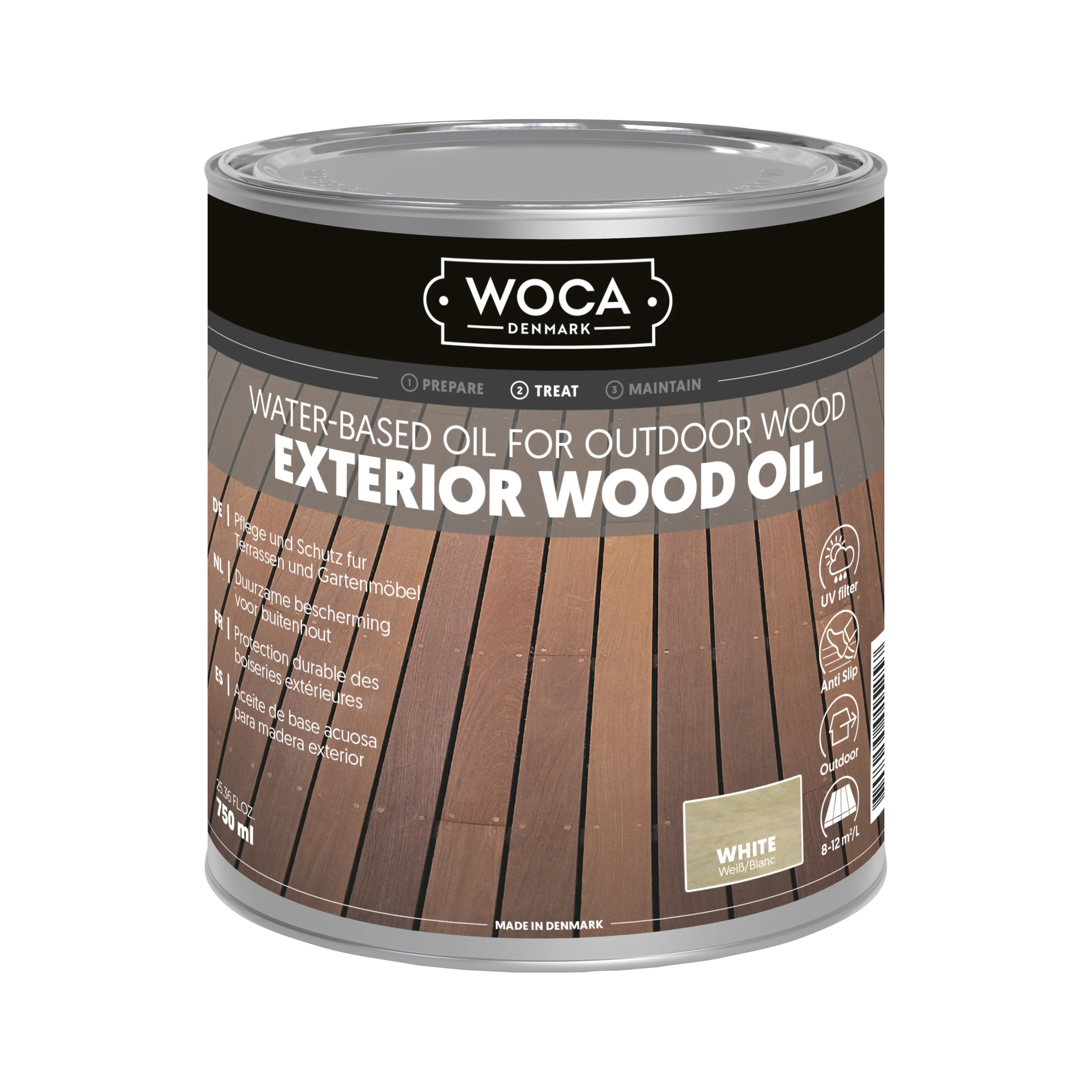
Weiß
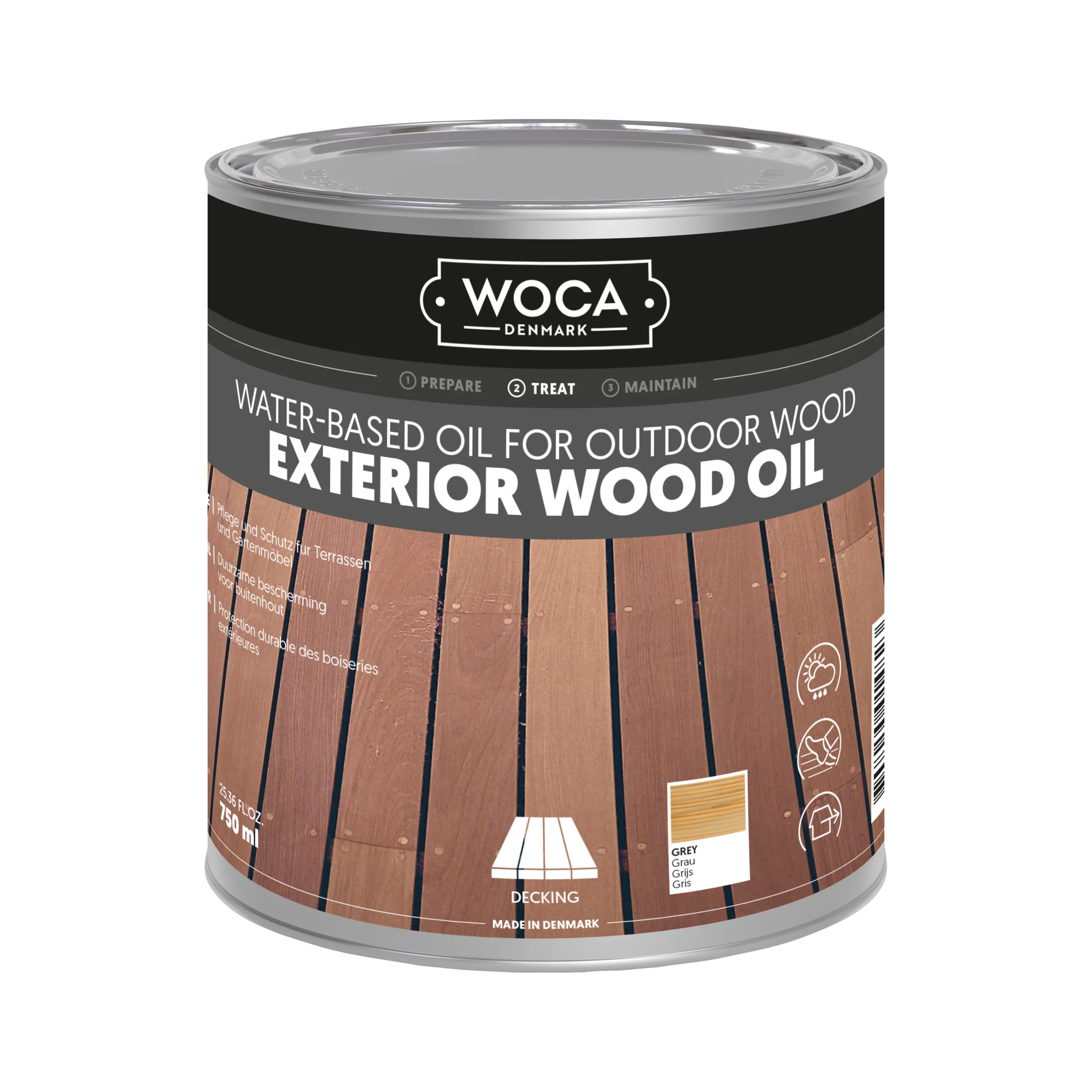
Grau
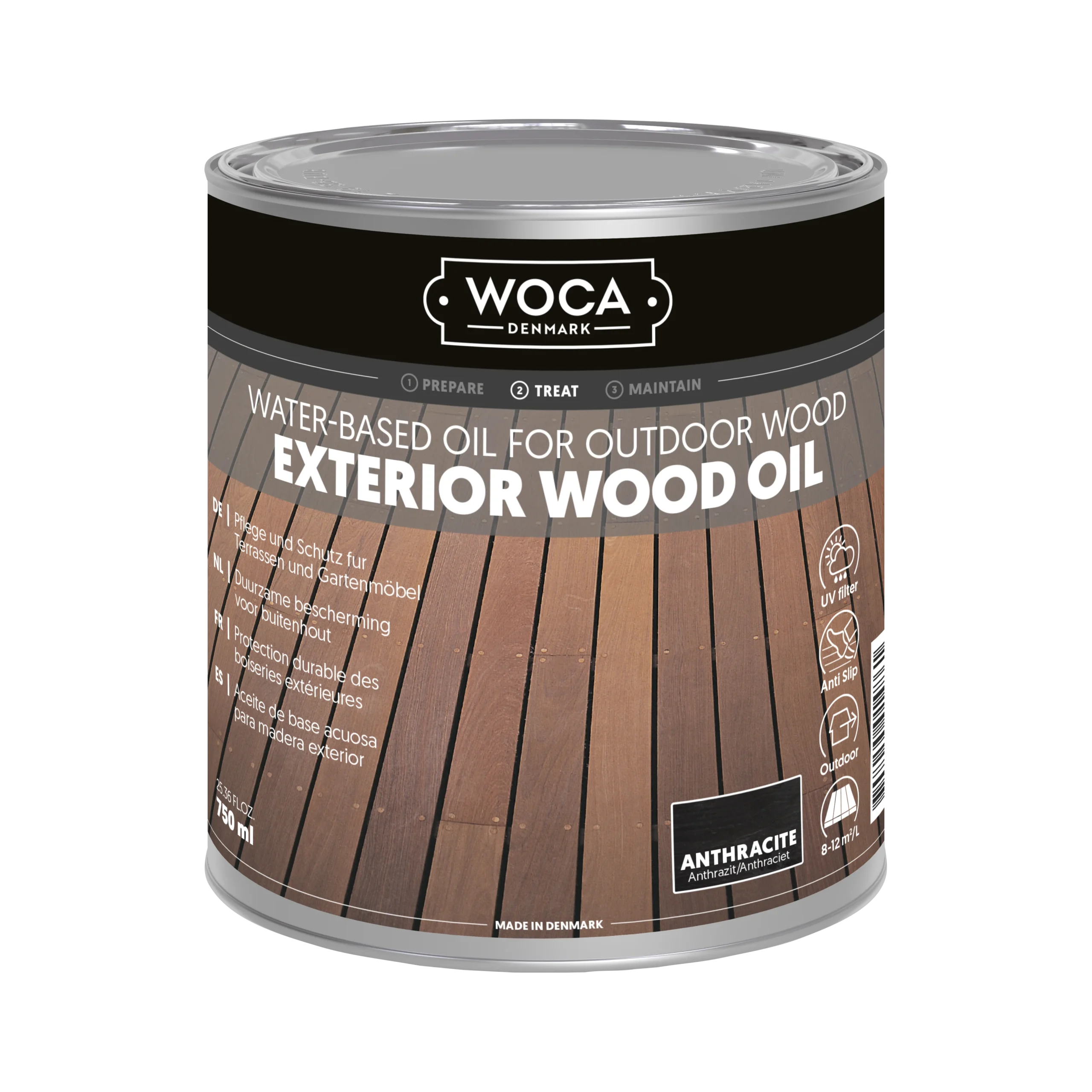
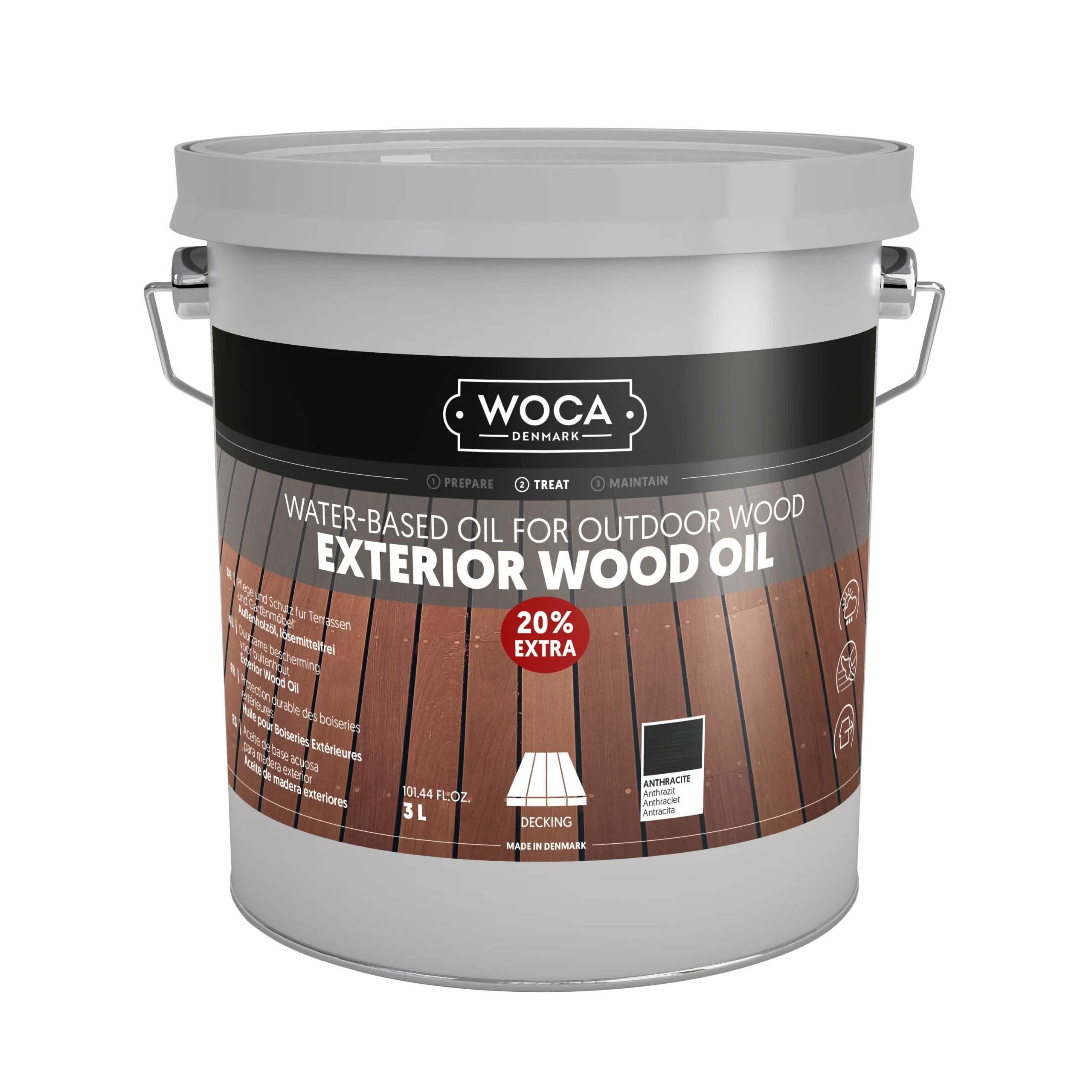
Anthrazit
Steingrau
Dunkelgrau
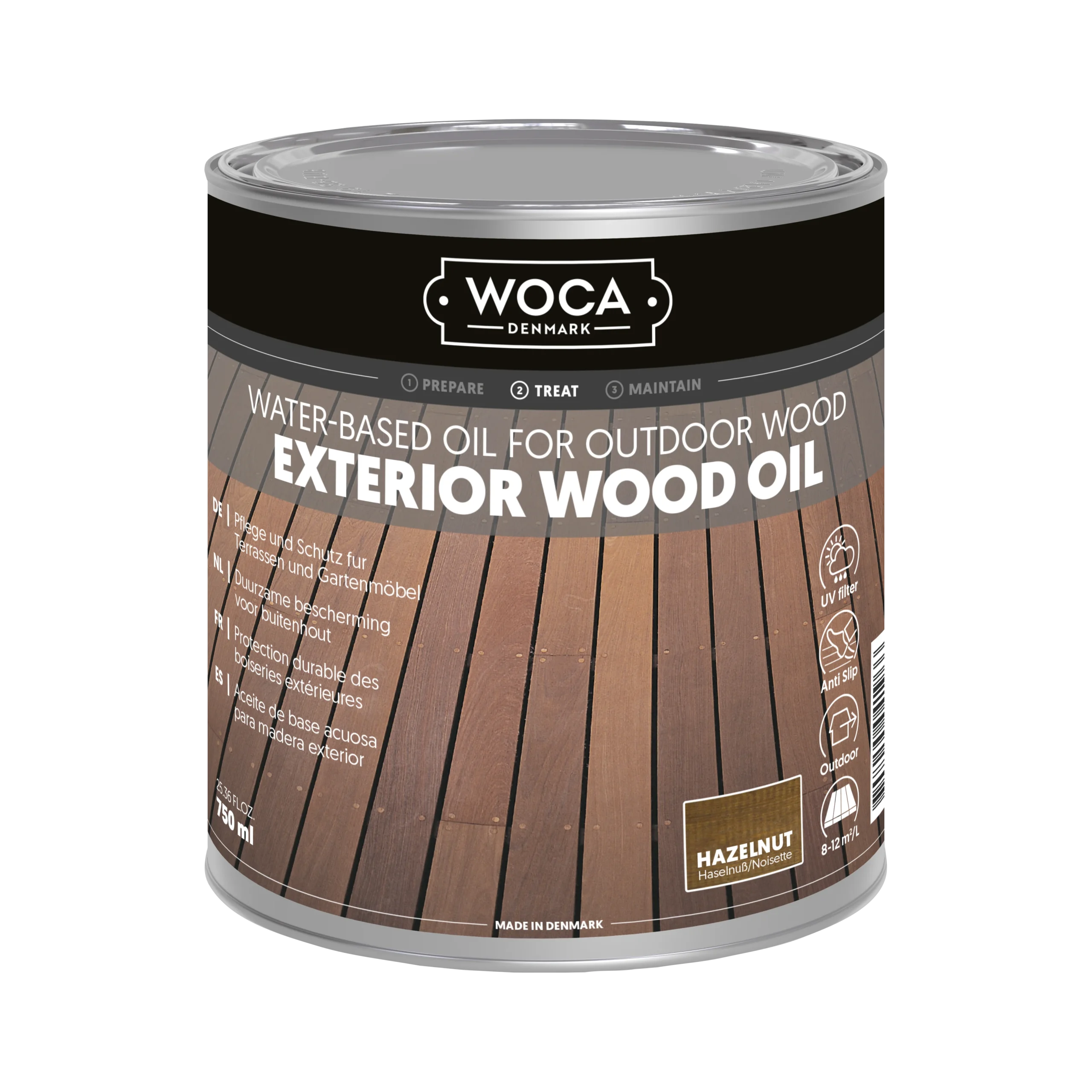
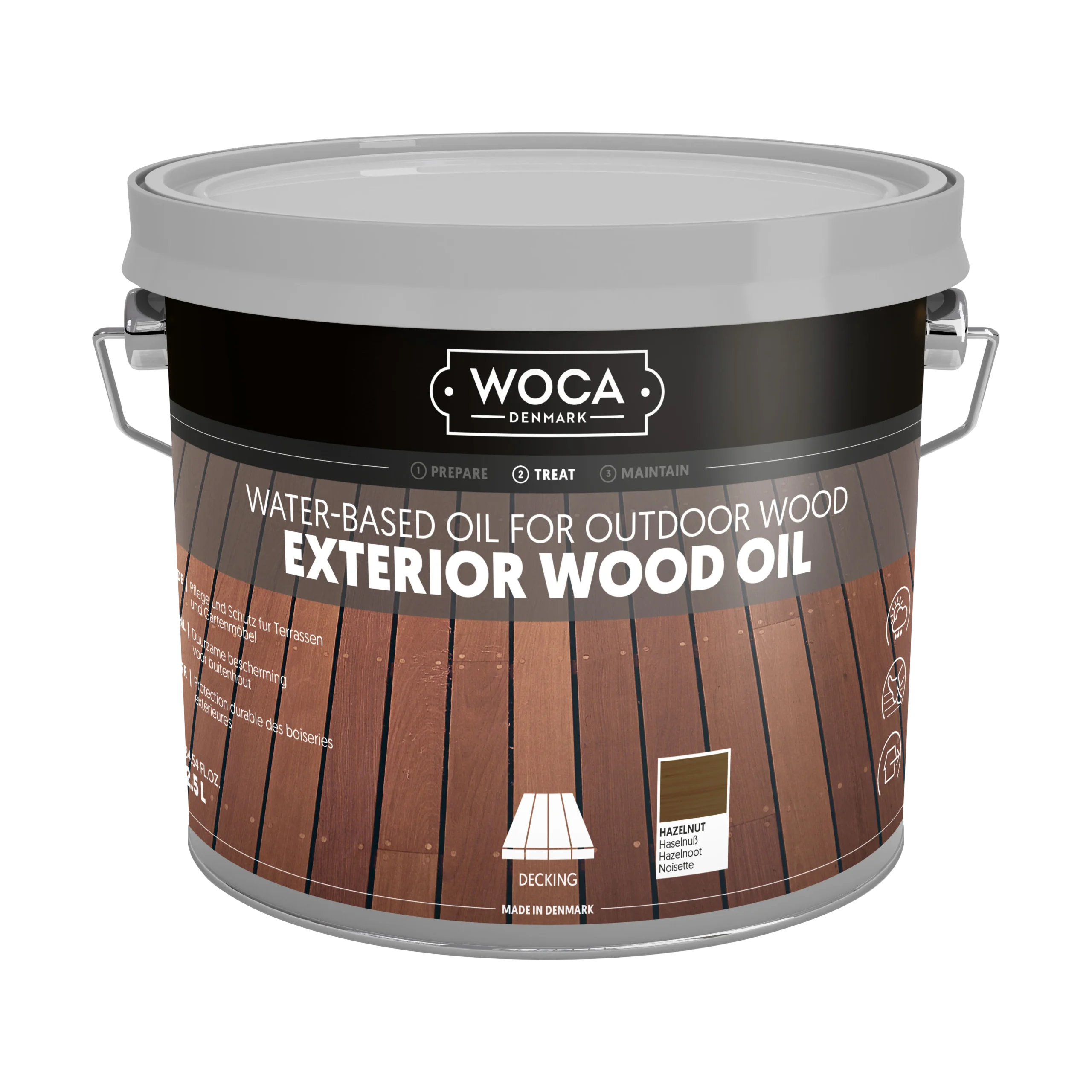
Haselnuß
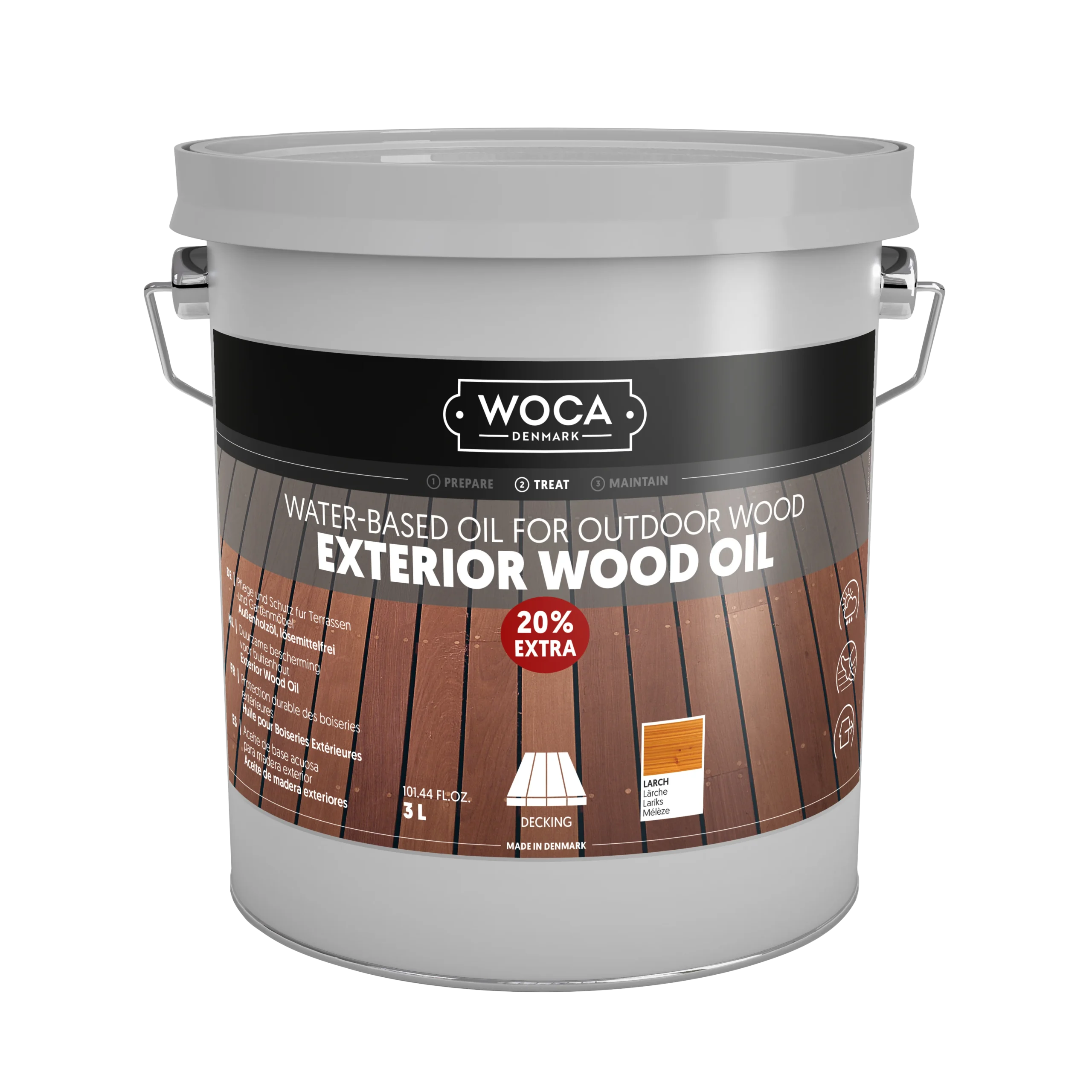
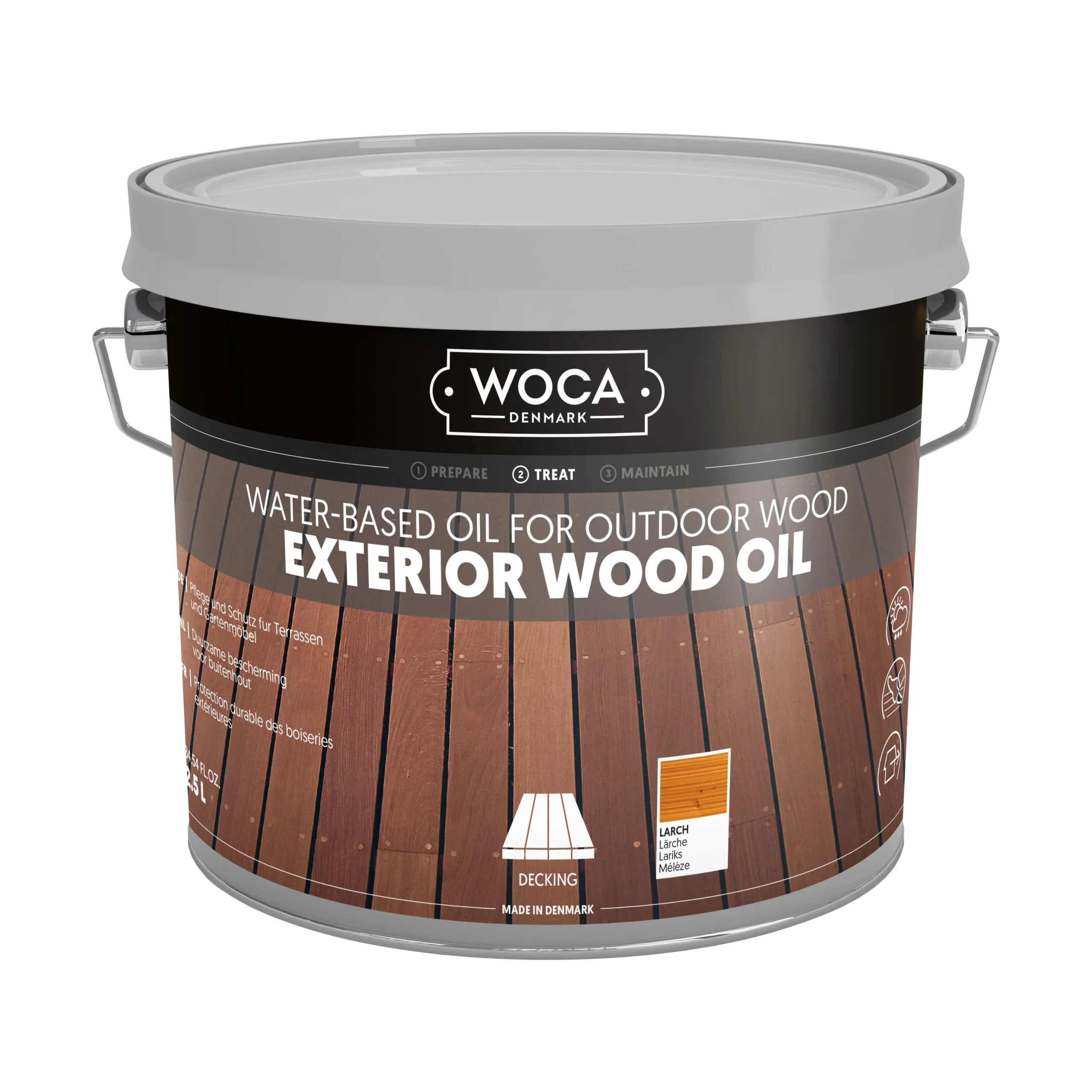
Lärche
Merbau
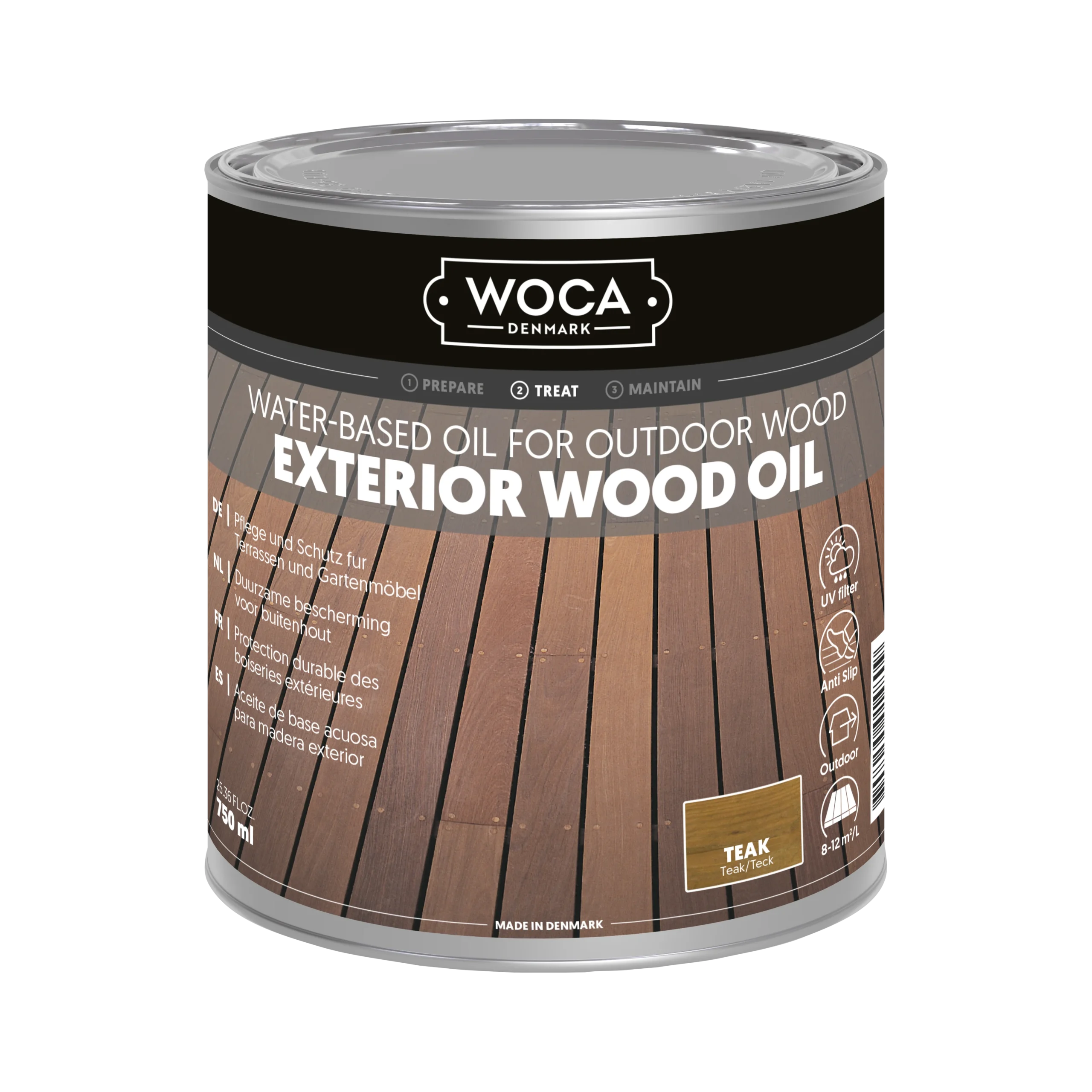
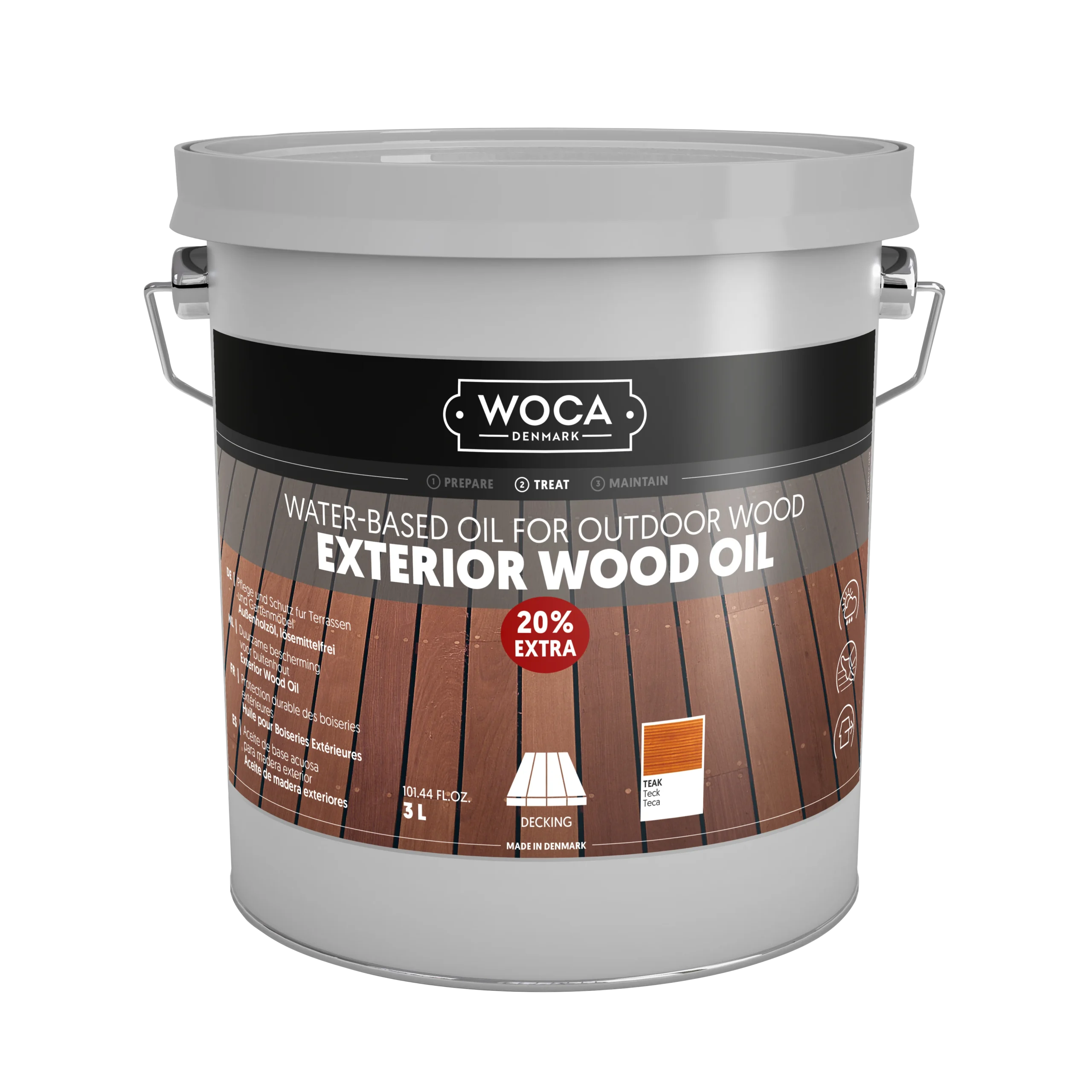
Teak
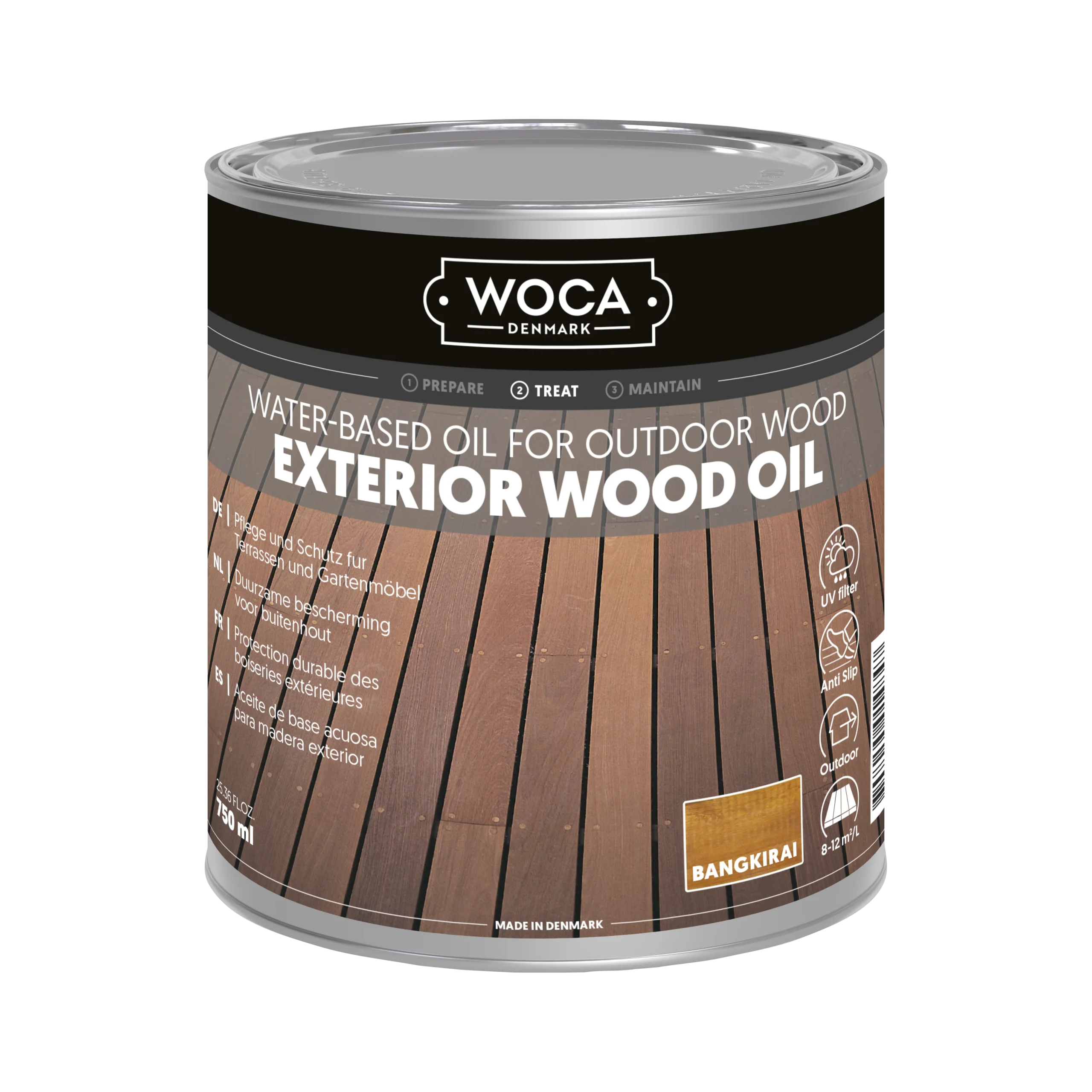
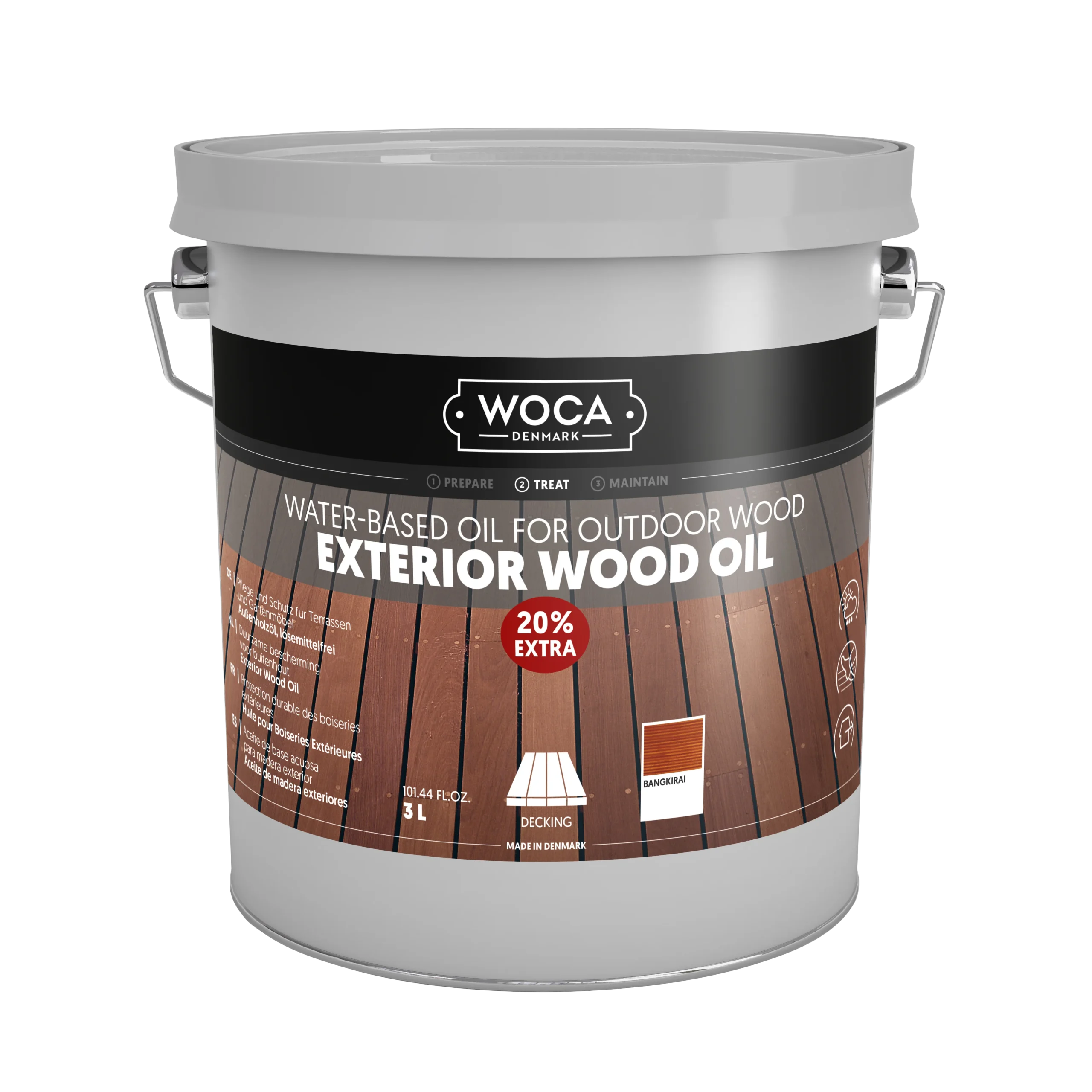
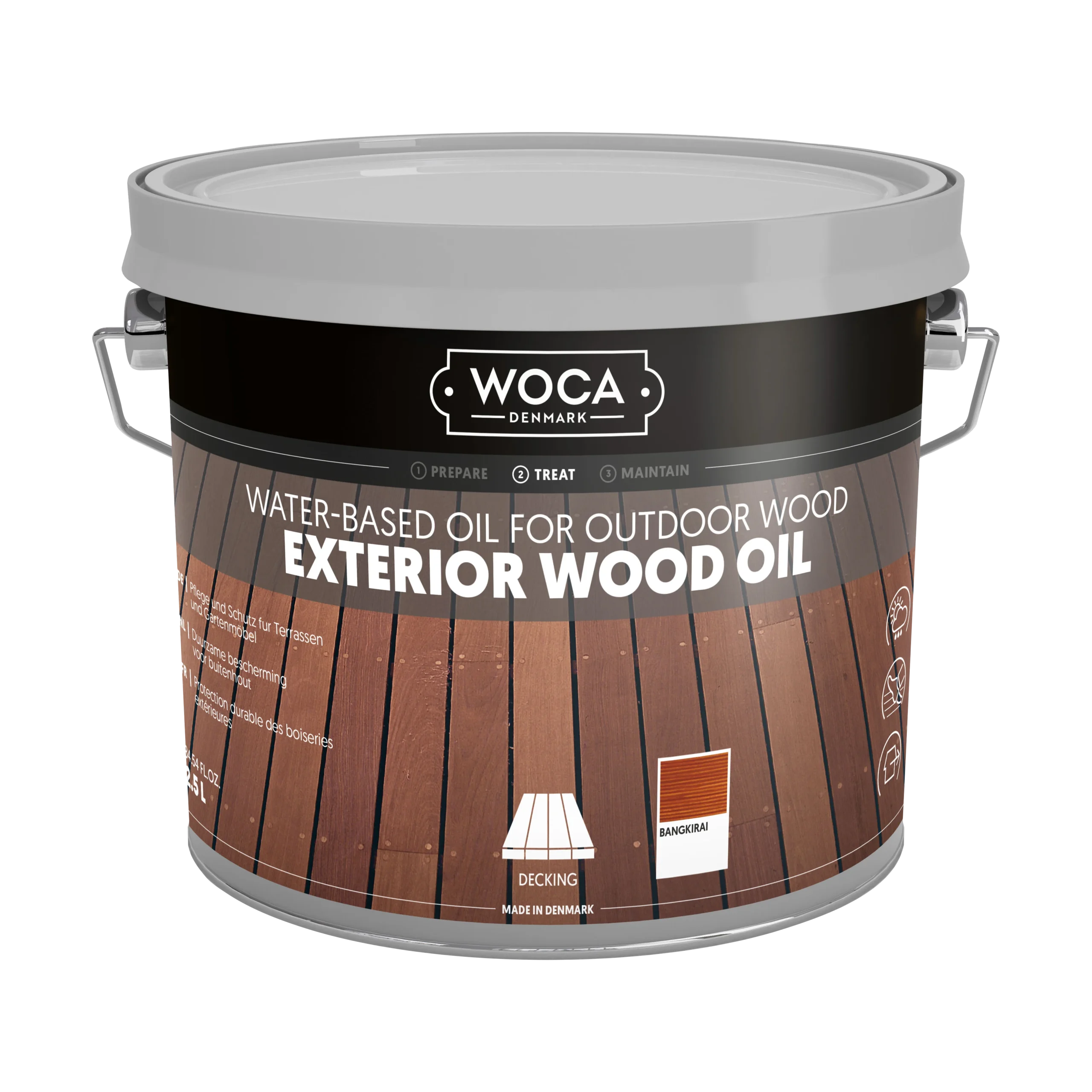
Bangkirai
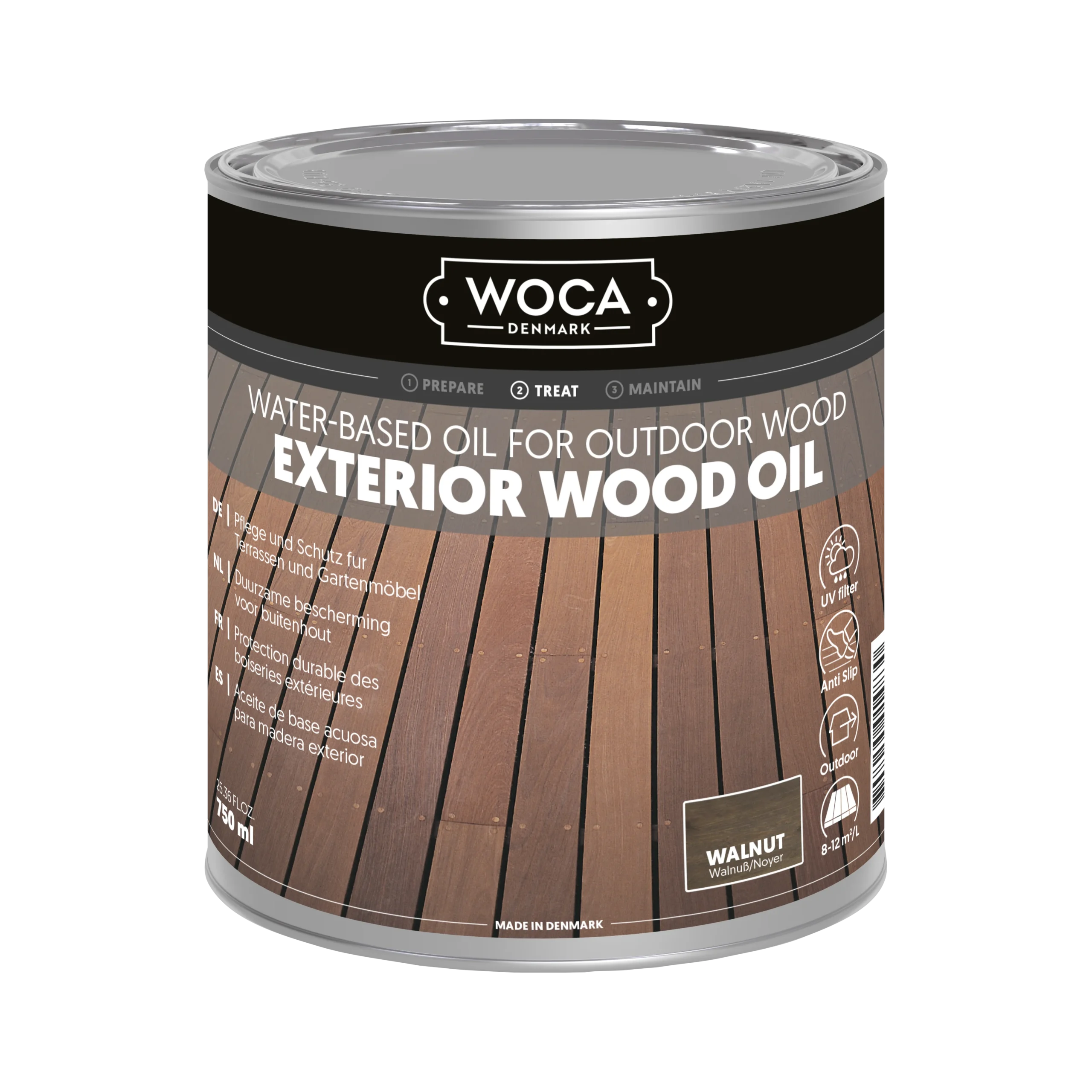
Walnuß
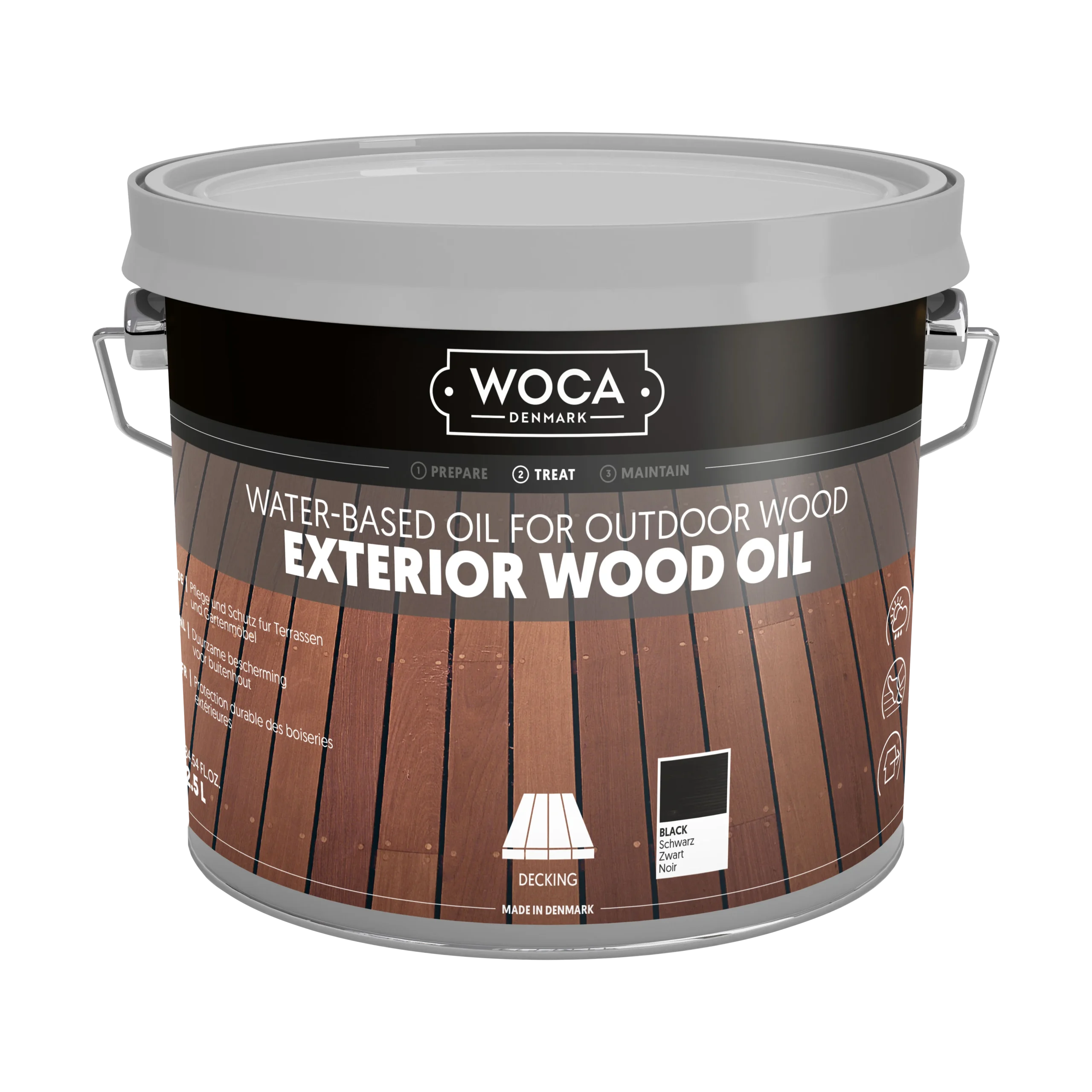
Schwarz

Verpackung

Zertifizierungen

EN 71-3
European standard ensuring that materials do not release toxic substances in amounts harmful to children. Particularly relevant for materials such as toys, kitchen utensils, worktops and furniture.
Bio-Based ASTM 6866
Biobased Carbon Content ASTM D6866-22 is an international standard method utilized for product testing. The result is reported as % Biobased Carbon. This indicates the percentage carbon from ’natural‘ (plant or animal by-product) sources.
EN 71-3
European standard ensuring that materials do not release toxic substances in amounts harmful to children. Particularly relevant for materials such as toys, kitchen utensils, worktops and furniture.
Bio-Based ASTM 6866
Biobased Carbon Content ASTM D6866-22 is an international standard method utilized for product testing. The result is reported as % Biobased Carbon. This indicates the percentage carbon from ’natural‘ (plant or animal by-product) sources.
Bio-Based ASTM 6866
Biobased Carbon Content ASTM D6866-22 is an international standard method utilized for product testing. The result is reported as % Biobased Carbon. This indicates the percentage carbon from ’natural‘ (plant or animal by-product) sources.
EN 71-3
European standard ensuring that materials do not release toxic substances in amounts harmful to children. Particularly relevant for materials such as toys, kitchen utensils, worktops and furniture.
Fire test
European standard specifying how building materials react in case of fire. Bfl-s1 classifies flooring with low combustibility and very low smoke development.
Bio-Based ASTM 6866
Biobased Carbon Content ASTM D6866-22 is an international standard method utilized for product testing. The result is reported as % Biobased Carbon. This indicates the percentage carbon from ’natural‘ (plant or animal by-product) sources.
EN 71-3
European standard ensuring that materials do not release toxic substances in amounts harmful to children. Particularly relevant for materials such as toys, kitchen utensils, worktops and furniture.
Fire test
European standard specifying how building materials react in case of fire. Bfl-s1 classifies flooring with low combustibility and very low smoke development.
EN 71-3
European standard ensuring that materials do not release toxic substances in amounts harmful to children. Particularly relevant for materials such as toys, kitchen utensils, worktops and furniture.
Bio-Based ASTM 6866
Biobased Carbon Content ASTM D6866-22 is an international standard method utilized for product testing. The result is reported as % Biobased Carbon. This indicates the percentage carbon from ’natural‘ (plant or animal by-product) sources.
EN 71-3
European standard ensuring that materials do not release toxic substances in amounts harmful to children. Particularly relevant for materials such as toys, kitchen utensils, worktops and furniture.
Bio-Based ASTM 6866
Biobased Carbon Content ASTM D6866-22 is an international standard method utilized for product testing. The result is reported as % Biobased Carbon. This indicates the percentage carbon from ’natural‘ (plant or animal by-product) sources.
EN 71-3
European standard ensuring that materials do not release toxic substances in amounts harmful to children. Particularly relevant for materials such as toys, kitchen utensils, worktops and furniture.
Bio-Based ASTM 6866
Biobased Carbon Content ASTM D6866-22 is an international standard method utilized for product testing. The result is reported as % Biobased Carbon. This indicates the percentage carbon from ’natural‘ (plant or animal by-product) sources.
Bio-Based ASTM 6866
Biobased Carbon Content ASTM D6866-22 is an international standard method utilized for product testing. The result is reported as % Biobased Carbon. This indicates the percentage carbon from ’natural‘ (plant or animal by-product) sources.
EN 71-3
European standard ensuring that materials do not release toxic substances in amounts harmful to children. Particularly relevant for materials such as toys, kitchen utensils, worktops and furniture.
EN 71-3
European standard ensuring that materials do not release toxic substances in amounts harmful to children. Particularly relevant for materials such as toys, kitchen utensils, worktops and furniture.
Bio-Based ASTM 6866
Biobased Carbon Content ASTM D6866-22 is an international standard method utilized for product testing. The result is reported as % Biobased Carbon. This indicates the percentage carbon from ’natural‘ (plant or animal by-product) sources.
EN 71-3
European standard ensuring that materials do not release toxic substances in amounts harmful to children. Particularly relevant for materials such as toys, kitchen utensils, worktops and furniture.
Bio-Based ASTM 6866
Biobased Carbon Content ASTM D6866-22 is an international standard method utilized for product testing. The result is reported as % Biobased Carbon. This indicates the percentage carbon from ’natural‘ (plant or animal by-product) sources.
EN 71-3
European standard ensuring that materials do not release toxic substances in amounts harmful to children. Particularly relevant for materials such as toys, kitchen utensils, worktops and furniture.
Bio-Based ASTM 6866
Biobased Carbon Content ASTM D6866-22 is an international standard method utilized for product testing. The result is reported as % Biobased Carbon. This indicates the percentage carbon from ’natural‘ (plant or animal by-product) sources.
Bio-Based ASTM 6866
Biobased Carbon Content ASTM D6866-22 is an international standard method utilized for product testing. The result is reported as % Biobased Carbon. This indicates the percentage carbon from ’natural‘ (plant or animal by-product) sources.
EN 71-3
European standard ensuring that materials do not release toxic substances in amounts harmful to children. Particularly relevant for materials such as toys, kitchen utensils, worktops and furniture.
Fire test
European standard specifying how building materials react in case of fire. Bfl-s1 classifies flooring with low combustibility and very low smoke development.
Bio-Based ASTM 6866
Biobased Carbon Content ASTM D6866-22 is an international standard method utilized for product testing. The result is reported as % Biobased Carbon. This indicates the percentage carbon from ’natural‘ (plant or animal by-product) sources.
EN 71-3
European standard ensuring that materials do not release toxic substances in amounts harmful to children. Particularly relevant for materials such as toys, kitchen utensils, worktops and furniture.
Fire test
European standard specifying how building materials react in case of fire. Bfl-s1 classifies flooring with low combustibility and very low smoke development.
EN 71-3
European standard ensuring that materials do not release toxic substances in amounts harmful to children. Particularly relevant for materials such as toys, kitchen utensils, worktops and furniture.
Bio-Based ASTM 6866
Biobased Carbon Content ASTM D6866-22 is an international standard method utilized for product testing. The result is reported as % Biobased Carbon. This indicates the percentage carbon from ’natural‘ (plant or animal by-product) sources.
EN 71-3
European standard ensuring that materials do not release toxic substances in amounts harmful to children. Particularly relevant for materials such as toys, kitchen utensils, worktops and furniture.
Bio-Based ASTM 6866
Biobased Carbon Content ASTM D6866-22 is an international standard method utilized for product testing. The result is reported as % Biobased Carbon. This indicates the percentage carbon from ’natural‘ (plant or animal by-product) sources.
EN 71-3
European standard ensuring that materials do not release toxic substances in amounts harmful to children. Particularly relevant for materials such as toys, kitchen utensils, worktops and furniture.
Bio-Based ASTM 6866
Biobased Carbon Content ASTM D6866-22 is an international standard method utilized for product testing. The result is reported as % Biobased Carbon. This indicates the percentage carbon from ’natural‘ (plant or animal by-product) sources.
EN 71-3
European standard ensuring that materials do not release toxic substances in amounts harmful to children. Particularly relevant for materials such as toys, kitchen utensils, worktops and furniture.
Bio-Based ASTM 6866
Biobased Carbon Content ASTM D6866-22 is an international standard method utilized for product testing. The result is reported as % Biobased Carbon. This indicates the percentage carbon from ’natural‘ (plant or animal by-product) sources.
Bio-Based ASTM 6866
Biobased Carbon Content ASTM D6866-22 is an international standard method utilized for product testing. The result is reported as % Biobased Carbon. This indicates the percentage carbon from ’natural‘ (plant or animal by-product) sources.
EN 71-3
European standard ensuring that materials do not release toxic substances in amounts harmful to children. Particularly relevant for materials such as toys, kitchen utensils, worktops and furniture.
Fire test
European standard specifying how building materials react in case of fire. Bfl-s1 classifies flooring with low combustibility and very low smoke development.
EN 71-3
European standard ensuring that materials do not release toxic substances in amounts harmful to children. Particularly relevant for materials such as toys, kitchen utensils, worktops and furniture.
Bio-Based ASTM 6866
Biobased Carbon Content ASTM D6866-22 is an international standard method utilized for product testing. The result is reported as % Biobased Carbon. This indicates the percentage carbon from ’natural‘ (plant or animal by-product) sources.
EN 71-3
European standard ensuring that materials do not release toxic substances in amounts harmful to children. Particularly relevant for materials such as toys, kitchen utensils, worktops and furniture.
Bio-Based ASTM 6866
Biobased Carbon Content ASTM D6866-22 is an international standard method utilized for product testing. The result is reported as % Biobased Carbon. This indicates the percentage carbon from ’natural‘ (plant or animal by-product) sources.
EN 71-3
European standard ensuring that materials do not release toxic substances in amounts harmful to children. Particularly relevant for materials such as toys, kitchen utensils, worktops and furniture.
Bio-Based ASTM 6866
Biobased Carbon Content ASTM D6866-22 is an international standard method utilized for product testing. The result is reported as % Biobased Carbon. This indicates the percentage carbon from ’natural‘ (plant or animal by-product) sources.
EN 71-3
European standard ensuring that materials do not release toxic substances in amounts harmful to children. Particularly relevant for materials such as toys, kitchen utensils, worktops and furniture.
Bio-Based ASTM 6866
Biobased Carbon Content ASTM D6866-22 is an international standard method utilized for product testing. The result is reported as % Biobased Carbon. This indicates the percentage carbon from ’natural‘ (plant or animal by-product) sources.
EN 71-3
European standard ensuring that materials do not release toxic substances in amounts harmful to children. Particularly relevant for materials such as toys, kitchen utensils, worktops and furniture.
Bio-Based ASTM 6866
Biobased Carbon Content ASTM D6866-22 is an international standard method utilized for product testing. The result is reported as % Biobased Carbon. This indicates the percentage carbon from ’natural‘ (plant or animal by-product) sources.
EN 71-3
European standard ensuring that materials do not release toxic substances in amounts harmful to children. Particularly relevant for materials such as toys, kitchen utensils, worktops and furniture.
Bio-Based ASTM 6866
Biobased Carbon Content ASTM D6866-22 is an international standard method utilized for product testing. The result is reported as % Biobased Carbon. This indicates the percentage carbon from ’natural‘ (plant or animal by-product) sources.
EN 71-3
European standard ensuring that materials do not release toxic substances in amounts harmful to children. Particularly relevant for materials such as toys, kitchen utensils, worktops and furniture.
Bio-Based ASTM 6866
Biobased Carbon Content ASTM D6866-22 is an international standard method utilized for product testing. The result is reported as % Biobased Carbon. This indicates the percentage carbon from ’natural‘ (plant or animal by-product) sources.
EN 71-3
European standard ensuring that materials do not release toxic substances in amounts harmful to children. Particularly relevant for materials such as toys, kitchen utensils, worktops and furniture.
Bio-Based ASTM 6866
Biobased Carbon Content ASTM D6866-22 is an international standard method utilized for product testing. The result is reported as % Biobased Carbon. This indicates the percentage carbon from ’natural‘ (plant or animal by-product) sources.
Bio-Based ASTM 6866
Biobased Carbon Content ASTM D6866-22 is an international standard method utilized for product testing. The result is reported as % Biobased Carbon. This indicates the percentage carbon from ’natural‘ (plant or animal by-product) sources.
EN 71-3
European standard ensuring that materials do not release toxic substances in amounts harmful to children. Particularly relevant for materials such as toys, kitchen utensils, worktops and furniture.
Fire test
European standard specifying how building materials react in case of fire. Bfl-s1 classifies flooring with low combustibility and very low smoke development.
Bio-Based ASTM 6866
Biobased Carbon Content ASTM D6866-22 is an international standard method utilized for product testing. The result is reported as % Biobased Carbon. This indicates the percentage carbon from ’natural‘ (plant or animal by-product) sources.
EN 71-3
European standard ensuring that materials do not release toxic substances in amounts harmful to children. Particularly relevant for materials such as toys, kitchen utensils, worktops and furniture.
Fire test
European standard specifying how building materials react in case of fire. Bfl-s1 classifies flooring with low combustibility and very low smoke development.
EN 71-3
European standard ensuring that materials do not release toxic substances in amounts harmful to children. Particularly relevant for materials such as toys, kitchen utensils, worktops and furniture.
Bio-Based ASTM 6866
Biobased Carbon Content ASTM D6866-22 is an international standard method utilized for product testing. The result is reported as % Biobased Carbon. This indicates the percentage carbon from ’natural‘ (plant or animal by-product) sources.
EN 71-3
European standard ensuring that materials do not release toxic substances in amounts harmful to children. Particularly relevant for materials such as toys, kitchen utensils, worktops and furniture.
Bio-Based ASTM 6866
Biobased Carbon Content ASTM D6866-22 is an international standard method utilized for product testing. The result is reported as % Biobased Carbon. This indicates the percentage carbon from ’natural‘ (plant or animal by-product) sources.
EN 71-3
European standard ensuring that materials do not release toxic substances in amounts harmful to children. Particularly relevant for materials such as toys, kitchen utensils, worktops and furniture.
Bio-Based ASTM 6866
Biobased Carbon Content ASTM D6866-22 is an international standard method utilized for product testing. The result is reported as % Biobased Carbon. This indicates the percentage carbon from ’natural‘ (plant or animal by-product) sources.
EN 71-3
European standard ensuring that materials do not release toxic substances in amounts harmful to children. Particularly relevant for materials such as toys, kitchen utensils, worktops and furniture.
Bio-Based ASTM 6866
Biobased Carbon Content ASTM D6866-22 is an international standard method utilized for product testing. The result is reported as % Biobased Carbon. This indicates the percentage carbon from ’natural‘ (plant or animal by-product) sources.
EN 71-3
European standard ensuring that materials do not release toxic substances in amounts harmful to children. Particularly relevant for materials such as toys, kitchen utensils, worktops and furniture.
Bio-Based ASTM 6866
Biobased Carbon Content ASTM D6866-22 is an international standard method utilized for product testing. The result is reported as % Biobased Carbon. This indicates the percentage carbon from ’natural‘ (plant or animal by-product) sources.
EN 71-3
European standard ensuring that materials do not release toxic substances in amounts harmful to children. Particularly relevant for materials such as toys, kitchen utensils, worktops and furniture.
Bio-Based ASTM 6866
Biobased Carbon Content ASTM D6866-22 is an international standard method utilized for product testing. The result is reported as % Biobased Carbon. This indicates the percentage carbon from ’natural‘ (plant or animal by-product) sources.
EN 71-3
European standard ensuring that materials do not release toxic substances in amounts harmful to children. Particularly relevant for materials such as toys, kitchen utensils, worktops and furniture.
Bio-Based ASTM 6866
Biobased Carbon Content ASTM D6866-22 is an international standard method utilized for product testing. The result is reported as % Biobased Carbon. This indicates the percentage carbon from ’natural‘ (plant or animal by-product) sources.
EN 71-3
European standard ensuring that materials do not release toxic substances in amounts harmful to children. Particularly relevant for materials such as toys, kitchen utensils, worktops and furniture.
Bio-Based ASTM 6866
Biobased Carbon Content ASTM D6866-22 is an international standard method utilized for product testing. The result is reported as % Biobased Carbon. This indicates the percentage carbon from ’natural‘ (plant or animal by-product) sources.
Produktdetails

Exterior Wood Oil soll im Außenbereich für die Grundbehandlung und für die Pflege von neuen oder zuvor ölbehandelten Holzoberflächen verwendet werden, z.B. Terrassen, Fenstern, Gartenmöbel, Holzfassaden usw. Die spezielle wasserbasierte Zusammensetzung der Ölkomponenten bewirkt, dass das Produkt mit Wasser verdünnt werden kann und daher die Umwelt und die Gesundheit schonen. Das Öl gibt dem Holz Glut und Farbe und hebt die Holzmaserung hervor.


  • Bei Hautreizung oder -ausschlag: Ärztlichen Rat einholen/ärztliche Hilfe hinzuziehen.
  • Giftig für Wasserorganismen, mit langfristiger Wirkung.
  • Kann allergische Hautreaktionen verursachen.
  • Tragen Sie Schutzhandschuhe und Augenschutz.
  • Achtung!
  • Mit viel Wasser waschen.
  • BEI BERÜHRUNG MIT DER HAUT:
  • Freisetzung in die Umwelt vermeiden.
VOC:
15 g/l, Grenzwerte für den VOC-Höchstgehalt (A/f (Wb)): 130 g/l.
Dichte:
1.00-1.10 g/ml.
Haltbarkeit:
3 Jahre
Verarbeitungstemperatur:
+15-30°C bei ugf. 50% Luftfeuchte.
Ergiebigkeit:
8-12 m²/L
Colour product:
Haselnuß
VOC:
15 g/l, Grenzwerte für den VOC-Höchstgehalt (A/f (Wb)): 130 g/l.
Dichte:
1.00-1.10 g/ml.
Haltbarkeit:
3 Jahre
Verarbeitungstemperatur:
+15-30°C bei ugf. 50% Luftfeuchte.
Ergiebigkeit:
8-12 m²/L
Colour product:
Haselnuß
VOC:
15 g/l, Grenzwerte für den VOC-Höchstgehalt (A/f (Wb)): 130 g/l.
Dichte:
1.00-1.10 g/ml.
Haltbarkeit:
2 Jahre
Verarbeitungstemperatur:
+15-30°C bei ugf. 50% Luftfeuchte.
Ergiebigkeit:
8-12 m²/L
Colour product:
Haselnuß
Verpackungsgrößen:
2,5 L
VOC:
50 g/l, Grenzwerte für den VOC-Höchstgehalt (A/f (Wb)): 130 g/l.
Dichte:
1.00-1.10 g/ml.
Haltbarkeit:
3 Jahre
Verarbeitungstemperatur:
+15-30°C bei ugf. 50% Luftfeuchte.
Ergiebigkeit:
8-12 m²/L
Colour product:
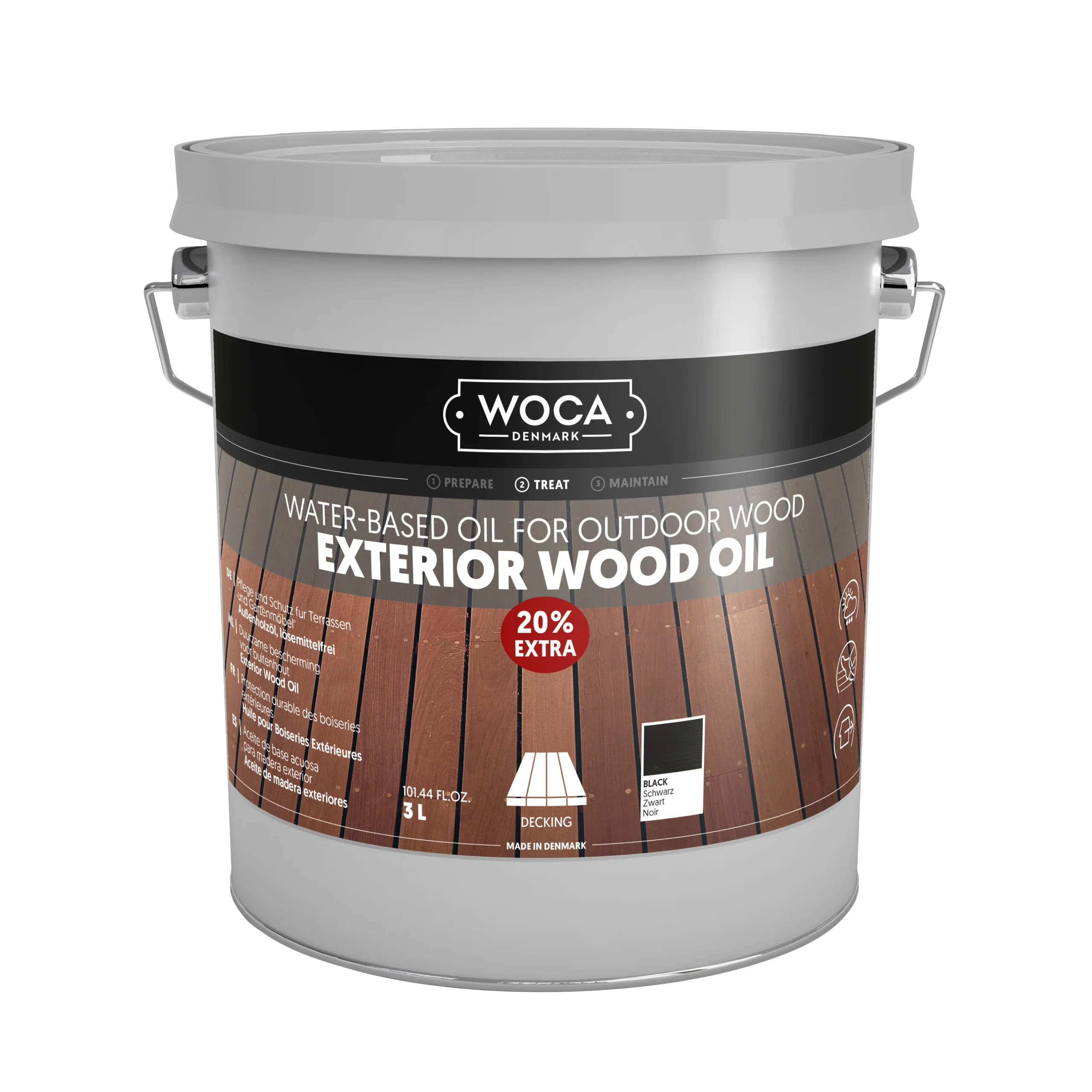
Schwarz
VOC:
15 g/l, Grenzwerte für den VOC-Höchstgehalt (A/f (Wb)): 130 g/l.
Dichte:
1.00-1.10 g/ml.
Haltbarkeit:
2 Jahre
Verarbeitungstemperatur:
+15-30°C bei ugf. 50% Luftfeuchte.
Ergiebigkeit:
8-12 m²/L
Colour product:
Natur
Verpackungsgrößen:
750 ml – 2,5 L
VOC:
15 g/l, Grenzwerte für den VOC-Höchstgehalt (A/f (Wb)): 130 g/l.
Dichte:
1.00-1.10 g/ml.
Haltbarkeit:
2 Jahre
Verarbeitungstemperatur:
+15-30°C bei ugf. 50% Luftfeuchte.
Ergiebigkeit:
8-12 m²/L
Colour product:
Natur
VOC:
15 g/l, Grenzwerte für den VOC-Höchstgehalt (A/f (Wb)): 130 g/l.
Dichte:
1.00-1.10 g/ml.
Haltbarkeit:
2 Jahre
Verarbeitungstemperatur:
+15-30°C bei ugf. 50% Luftfeuchte.
Ergiebigkeit:
8-12 m²/L
Colour product:
Rotbraun
VOC:
15 g/l, Grenzwerte für den VOC-Höchstgehalt (A/f (Wb)): 130 g/l.
Dichte:
1.00-1.10 g/ml.
Haltbarkeit:
2 Jahre
Verarbeitungstemperatur:
+15-30°C bei ugf. 50% Luftfeuchte.
Ergiebigkeit:
8-12 m²/L
Colour product:
Lärche
VOC:
15 g/l, Grenzwerte für den VOC-Höchstgehalt (A/f (Wb)): 130 g/l.
Dichte:
1.00-1.10 g/ml.
Haltbarkeit:
3 Jahre
Verarbeitungstemperatur:
+15-30°C bei ugf. 50% Luftfeuchte.
Ergiebigkeit:
8-12 m²/L
Colour product:
Lärche
VOC:
15 g/l, Grenzwerte für den VOC-Höchstgehalt (A/f (Wb)): 130 g/l.
Dichte:
1.00-1.10 g/ml.
Haltbarkeit:
2 Jahre
Verarbeitungstemperatur:
+15-30°C bei ugf. 50% Luftfeuchte.
Ergiebigkeit:
8-12 m²/L
Colour product:
Bangkirai
VOC:
15 g/l, Grenzwerte für den VOC-Höchstgehalt (A/f (Wb)): 130 g/l.
Dichte:
1.00-1.10 g/ml.
Haltbarkeit:
3 Jahre
Verarbeitungstemperatur:
+15-30°C bei ugf. 50% Luftfeuchte.
Ergiebigkeit:
8-12 m²/L
Colour product:
Bangkirai
VOC:
15 g/l, Grenzwerte für den VOC-Höchstgehalt (A/f (Wb)): 130 g/l.
Dichte:
1.00-1.10 g/ml.
Haltbarkeit:
2 Jahre
Verarbeitungstemperatur:
+15-30°C bei ugf. 50% Luftfeuchte.
Ergiebigkeit:
8-12 m²/L
Colour product:
Teak
Verpackungsgrößen:
750 ml – 2,5 L
VOC:
15 g/l, Grenzwerte für den VOC-Höchstgehalt (A/f (Wb)): 130 g/l.
Dichte:
1.00-1.10 g/ml.
Haltbarkeit:
3 Jahre
Verarbeitungstemperatur:
+15-30°C bei ugf. 50% Luftfeuchte.
Ergiebigkeit:
8-12 m²/L
Colour product:
Teak
VOC:
15 g/l, Grenzwerte für den VOC-Höchstgehalt (A/f (Wb)): 130 g/l.
Dichte:
1.00-1.10 g/ml.
Haltbarkeit:
2 Jahre
Verarbeitungstemperatur:
+15-30°C bei ugf. 50% Luftfeuchte.
Ergiebigkeit:
8-12 m²/L
Colour product:
Grau
VOC:
15 g/l, Grenzwerte für den VOC-Höchstgehalt (A/f (Wb)): 130 g/l.
Dichte:
1.00-1.10 g/ml.
Haltbarkeit:
3 Jahre
Verarbeitungstemperatur:
+15-30°C bei ugf. 50% Luftfeuchte.
Ergiebigkeit:
8-12 m²/L
Colour product:
Grau
VOC:
15 g/l, Grenzwerte für den VOC-Höchstgehalt (A/f (Wb)): 130 g/l.
Dichte:
1.00-1.10 g/ml.
Haltbarkeit:
2 Jahre
Verarbeitungstemperatur:
+15-30°C bei ugf. 50% Luftfeuchte.
Ergiebigkeit:
8-12 m²/L
Colour product:
Walnuß
VOC:
15 g/l, Grenzwerte für den VOC-Höchstgehalt (A/f (Wb)): 130 g/l.
Dichte:
1.00-1.10 g/ml.
Haltbarkeit:
3 Jahre
Verarbeitungstemperatur:
+15-30°C bei ugf. 50% Luftfeuchte.
Ergiebigkeit:
8-12 m²/L
Colour product:
Walnuß
VOC:
35 g/l, Grenzwerte für den VOC-Höchstgehalt (A/f (Wb)): 130 g/l.
Dichte:
1.00-1.10 g/ml.
Haltbarkeit:
2 Jahre
Verarbeitungstemperatur:
+15-30°C bei ugf. 50% Luftfeuchte.
Ergiebigkeit:
8-12 m²/L
Colour product:
Anthrazit
VOC:
35 g/l, Grenzwerte für den VOC-Höchstgehalt (A/f (Wb)): 130 g/l.
Dichte:
1.00-1.10 g/ml.
Haltbarkeit:
3 Jahre
Verarbeitungstemperatur:
+15-30°C bei ugf. 50% Luftfeuchte.
Ergiebigkeit:
8-12 m²/L
Colour product:
Anthrazit
VOC:
15 g/l, Grenzwerte für den VOC-Höchstgehalt (A/f (Wb)): 130 g/l.
Dichte:
1.00-1.10 g/ml.
Haltbarkeit:
2 Jahre
Verarbeitungstemperatur:
+15-30°C bei ugf. 50% Luftfeuchte.
Ergiebigkeit:
8-12 m²/L
Colour product:
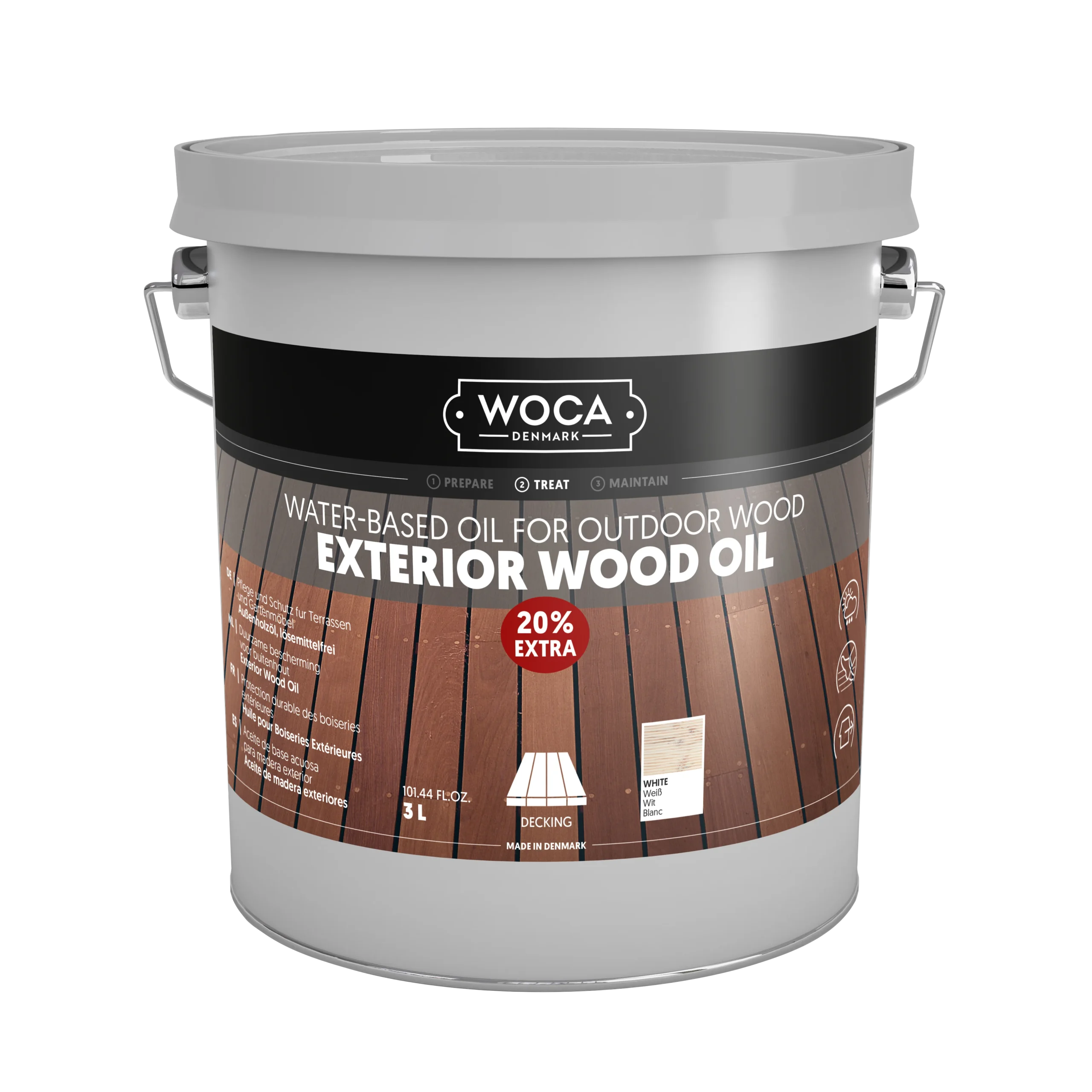
Weiß
VOC:
15 g/l, Grenzwerte für den VOC-Höchstgehalt (A/f (Wb)): 130 g/l.
Dichte:
1.00-1.10 g/ml.
Haltbarkeit:
3 Jahre
Verarbeitungstemperatur:
+15-30°C bei ugf. 50% Luftfeuchte.
Ergiebigkeit:
8-12 m²/L
Colour product:
Weiß
VOC:
15 g/l, Grenzwerte für den VOC-Höchstgehalt (A/f (Wb)): 130 g/l.
Dichte:
1.00-1.10 g/ml.
Haltbarkeit:
2 Jahre
Verarbeitungstemperatur:
+15-30°C bei ugf. 50% Luftfeuchte.
Ergiebigkeit:
8-12 m²/L
Colour product:
Silber
VOC:
15 g/l, Grenzwerte für den VOC-Höchstgehalt (A/f (Wb)): 130 g/l.
Dichte:
1.00-1.10 g/ml.
Haltbarkeit:
2 Jahre
Verarbeitungstemperatur:
+15-30°C bei ugf. 50% Luftfeuchte.
Ergiebigkeit:
8-12 m²/L
Colour product:
Natur
VOC:
15 g/l, Grenzwerte für den VOC-Höchstgehalt (A/f (Wb)): 130 g/l.
Dichte:
1.00-1.10 g/ml.
Haltbarkeit:
2 Jahre
Verarbeitungstemperatur:
+15-30°C bei ugf. 50% Luftfeuchte.
Ergiebigkeit:
8-12 m²/L
Colour product:
Natur
VOC:
35 g/l, Grenzwerte für den VOC-Höchstgehalt (A/f (Wb)): 130 g/l.
Dichte:
1.00-1.10 g/ml.
Haltbarkeit:
3 Jahre
Verarbeitungstemperatur:
+15-30°C bei ugf. 50% Luftfeuchte.
Ergiebigkeit:
8-12 m²/L
Colour product:
Anthrazit
VOC:
15 g/l, Grenzwerte für den VOC-Höchstgehalt (A/f (Wb)): 130 g/l.
Dichte:
1.00-1.10 g/ml.
Haltbarkeit:
3 Jahre
Verarbeitungstemperatur:
+15-30°C bei ugf. 50% Luftfeuchte.
Ergiebigkeit:
8-12 m²/L
Colour product:
Lärche
VOC:
15 g/l, Grenzwerte für den VOC-Höchstgehalt (A/f (Wb)): 130 g/l.
Dichte:
1.00-1.10 g/ml.
Haltbarkeit:
3 Jahre
Verarbeitungstemperatur:
+15-30°C bei ugf. 50% Luftfeuchte.
Ergiebigkeit:
8-12 m²/L
Colour product:
Bangkirai
VOC:
15 g/l, Grenzwerte für den VOC-Höchstgehalt (A/f (Wb)): 130 g/l.
Dichte:
1.00-1.10 g/ml.
Haltbarkeit:
3 Jahre
Verarbeitungstemperatur:
+15-30°C bei ugf. 50% Luftfeuchte.
Ergiebigkeit:
8-12 m²/L
Colour product:
Teak
VOC:
50 g/l, Grenzwerte für den VOC-Höchstgehalt (A/f (Wb)): 130 g/l.
Dichte:
1.00-1.10 g/ml.
Haltbarkeit:
3 Jahre
Verarbeitungstemperatur:
+15-30°C bei ugf. 50% Luftfeuchte.
Ergiebigkeit:
8-12 m²/L
Colour product:
Schwarz
VOC:
15 g/l, Grenzwerte für den VOC-Höchstgehalt (A/f (Wb)): 130 g/l.
Dichte:
1.00-1.10 g/ml.
Haltbarkeit:
3 Jahre
Verarbeitungstemperatur:
+15-30°C bei ugf. 50% Luftfeuchte.
Ergiebigkeit:
8-12 m²/L
Colour product:
Grau
VOC:
15 g/l, Grenzwerte für den VOC-Höchstgehalt (A/f (Wb)): 130 g/l.
Dichte:
1.00-1.10 g/ml.
Haltbarkeit:
3 Jahre
Verarbeitungstemperatur:
+15-30°C bei ugf. 50% Luftfeuchte.
Ergiebigkeit:
8-12 m²/L
Colour product:
Weiß
VOC:
15 g/l, Grenzwerte für den VOC-Höchstgehalt (A/f (Wb)): 130 g/l.
Dichte:
1.00-1.10 g/ml.
Haltbarkeit:
3 Jahre
Verarbeitungstemperatur:
+15-30°C bei ugf. 50% Luftfeuchte.
Ergiebigkeit:
8-12 m²/L
Colour product:
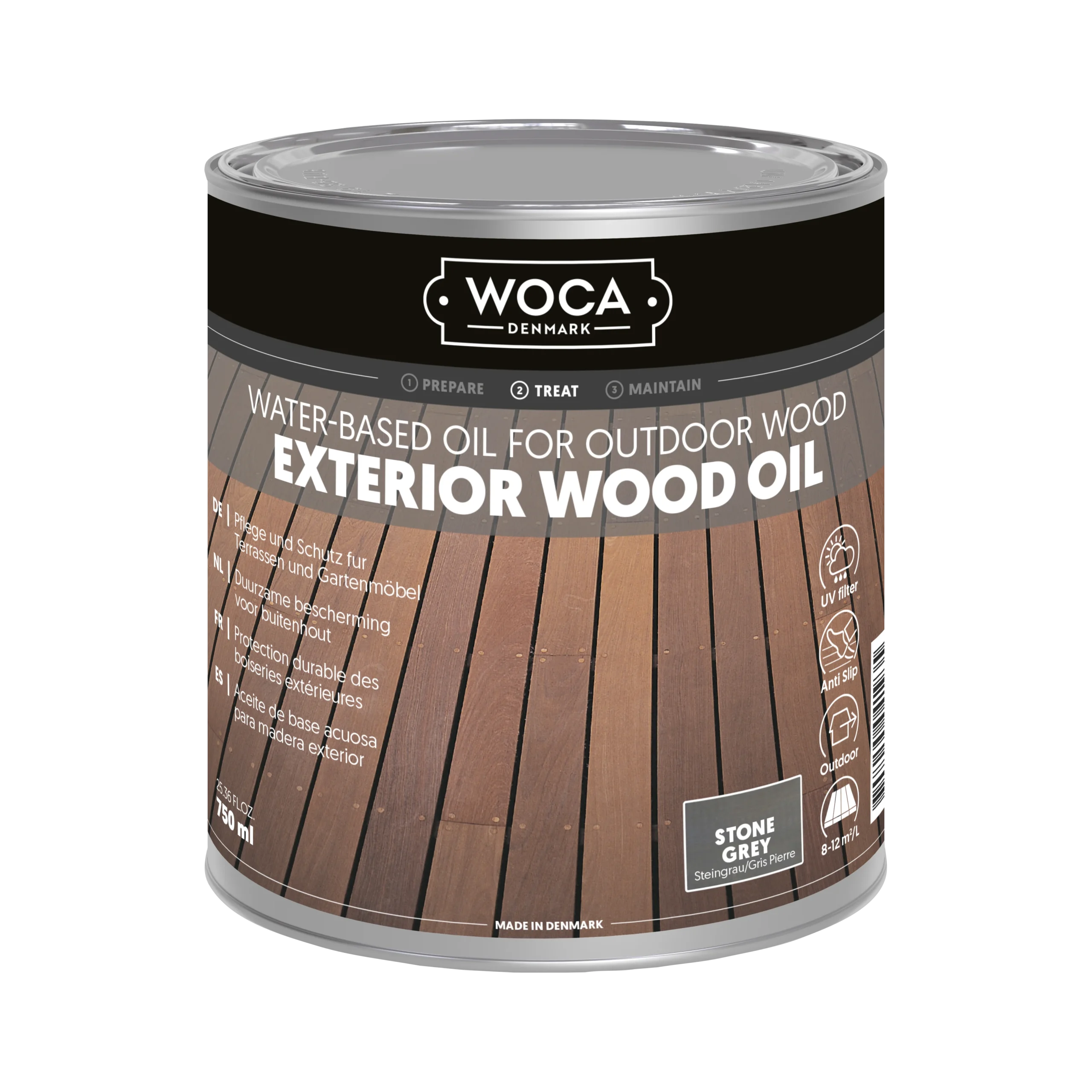
Steingrau
VOC:
15 g/l, Grenzwerte für den VOC-Höchstgehalt (A/f (Wb)): 130 g/l.
Dichte:
1.00-1.10 g/ml.
Haltbarkeit:
2 Jahre
Verarbeitungstemperatur:
+15-30°C bei ugf. 50% Luftfeuchte.
Ergiebigkeit:
8-12 m²/L
Colour product:
Steingrau
VOC:
15 g/l, Grenzwerte für den VOC-Höchstgehalt (A/f (Wb)): 130 g/l.
Dichte:
1.00-1.10 g/ml.
Haltbarkeit:
2 Jahre
Verarbeitungstemperatur:
+15-30°C bei ugf. 50% Luftfeuchte.
Ergiebigkeit:
8-12 m²/L
Colour product:
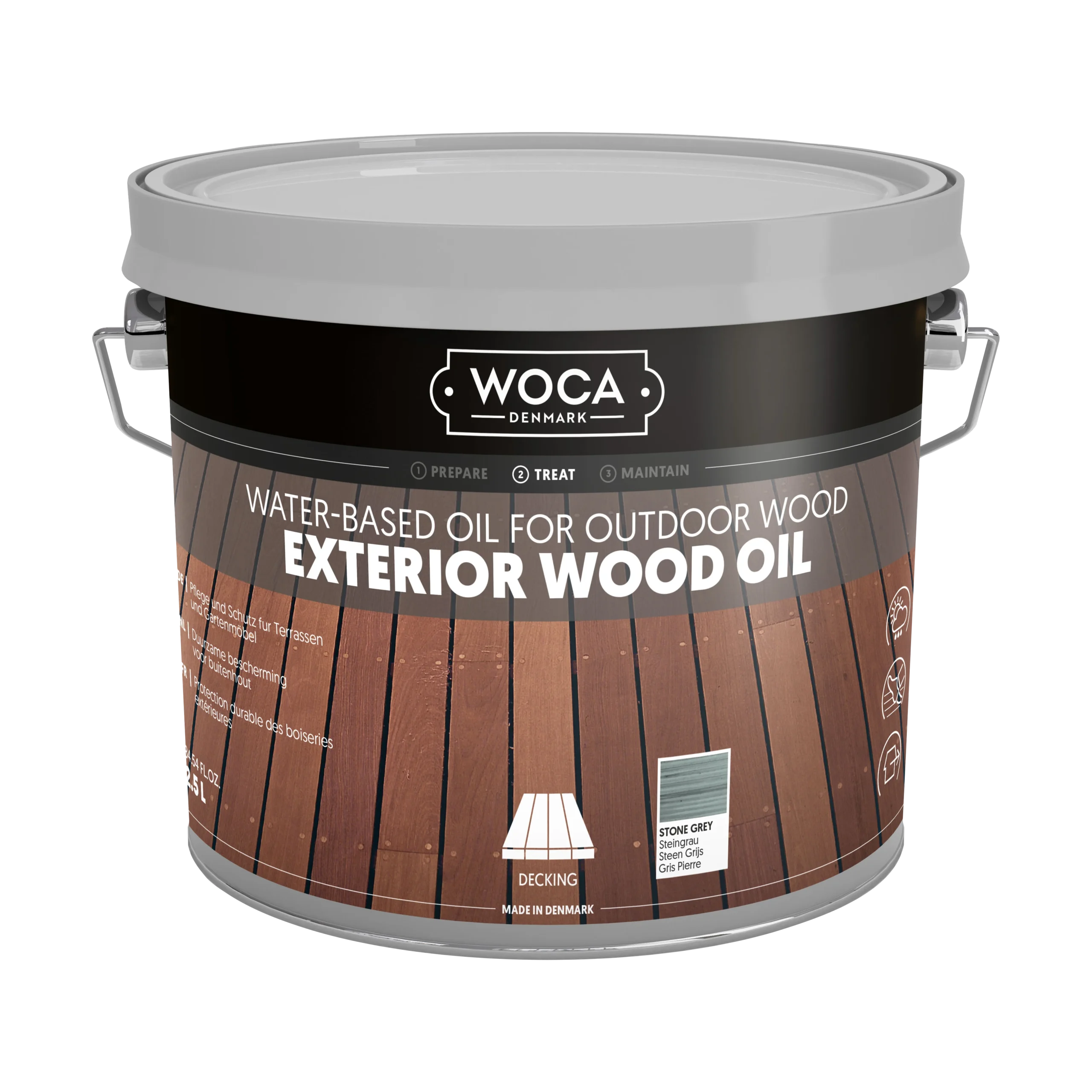
Steingrau
Verpackungsgrößen:
2,5 L
VOC:
15 g/l, Grenzwerte für den VOC-Höchstgehalt (A/f (Wb)): 130 g/l.
Dichte:
1.00-1.10 g/ml.
Haltbarkeit:
3 Jahre
Verarbeitungstemperatur:
+15-30°C bei ugf. 50% Luftfeuchte.
Ergiebigkeit:
8-12 m²/L
Colour product:
Dunkelgrau
VOC:
15 g/l, Grenzwerte für den VOC-Höchstgehalt (A/f (Wb)): 130 g/l.
Dichte:
1.00-1.10 g/ml.
Haltbarkeit:
3 Jahre
Verarbeitungstemperatur:
+15-30°C bei ugf. 50% Luftfeuchte.
Ergiebigkeit:
8-12 m²/L
Colour product:
Dunkelgrau
VOC:
15 g/l, Grenzwerte für den VOC-Höchstgehalt (A/f (Wb)): 130 g/l.
Dichte:
1.00-1.10 g/ml.
Haltbarkeit:
2 Jahre
Verarbeitungstemperatur:
+15-30°C bei ugf. 50% Luftfeuchte.
Ergiebigkeit:
8-12 m²/L
Colour product:
Dunkelgrau
Verpackungsgrößen:
2,5 L
VOC:
15 g/l, Grenzwerte für den VOC-Höchstgehalt (A/f (Wb)): 130 g/l.
Dichte:
1.00-1.10 g/ml.
Haltbarkeit:
3 Jahre
Verarbeitungstemperatur:
+15-30°C bei ugf. 50% Luftfeuchte.
Ergiebigkeit:
8-12 m²/L
Colour product:
Merbau
VOC:
15 g/l, Grenzwerte für den VOC-Höchstgehalt (A/f (Wb)): 130 g/l.
Dichte:
1.00-1.10 g/ml.
Haltbarkeit:
3 Jahre
Verarbeitungstemperatur:
+15-30°C bei ugf. 50% Luftfeuchte.
Ergiebigkeit:
8-12 m²/L
Colour product:
Merbau
VOC:
15 g/l, Grenzwerte für den VOC-Höchstgehalt (A/f (Wb)): 130 g/l.
Dichte:
1.00-1.10 g/ml.
Haltbarkeit:
2 Jahre
Verarbeitungstemperatur:
+15-30°C bei ugf. 50% Luftfeuchte.
Ergiebigkeit:
8-12 m²/L
Colour product:
Merbau
Verpackungsgrößen:
2,5 L
VOC:
15 g/l, Grenzwerte für den VOC-Höchstgehalt (A/f (Wb)): 130 g/l.
Dichte:
1.00-1.10 g/ml.
Haltbarkeit:
2 Jahre
Verarbeitungstemperatur:
+15-30°C bei ugf. 50% Luftfeuchte.
Ergiebigkeit:
8-12 m²/L
Colour product:
Natur
Verpackungsgrößen:
750 ml – 2,5 L
VOC:
50 g/l, Grenzwerte für den VOC-Höchstgehalt (A/f (Wb)): 130 g/l.
Dichte:
1.00-1.10 g/ml.
Haltbarkeit:
2 Jahre
Verarbeitungstemperatur:
+15-30°C bei ugf. 50% Luftfeuchte.
Ergiebigkeit:
8-12 m²/L
Colour product:
Schwarz
Verpackungsgrößen:
2,5 L
VOC:
15 g/l, Grenzwerte für den VOC-Höchstgehalt (A/f (Wb)): 130 g/l.
Dichte:
1.00-1.10 g/ml.
Haltbarkeit:
2 Jahre
Verarbeitungstemperatur:
+15-30°C bei ugf. 50% Luftfeuchte.
Ergiebigkeit:
8-12 m²/L
Colour product:
Lärche
Verpackungsgrößen:
2,5 L
VOC:
15 g/l, Grenzwerte für den VOC-Höchstgehalt (A/f (Wb)): 130 g/l.
Dichte:
1.00-1.10 g/ml.
Haltbarkeit:
2 Jahre
Verarbeitungstemperatur:
+15-30°C bei ugf. 50% Luftfeuchte.
Ergiebigkeit:
8-12 m²/L
Colour product:
Bangkirai
Verpackungsgrößen:
2,5 L
VOC:
15 g/l, Grenzwerte für den VOC-Höchstgehalt (A/f (Wb)): 130 g/l.
Dichte:
1.00-1.10 g/ml.
Haltbarkeit:
2 Jahre
Verarbeitungstemperatur:
+15-30°C bei ugf. 50% Luftfeuchte.
Ergiebigkeit:
8-12 m²/L
Colour product:
Sahara
Verpackungsgrößen:
2,5 L
VOC:
15 g/l, Grenzwerte für den VOC-Höchstgehalt (A/f (Wb)): 130 g/l.
Dichte:
1.00-1.10 g/ml.
Haltbarkeit:
2 Jahre
Verarbeitungstemperatur:
+15-30°C bei ugf. 50% Luftfeuchte.
Ergiebigkeit:
8-12 m²/L
Colour product:
Teak
Verpackungsgrößen:
750 ml – 2,5 L
VOC:
15 g/l, Grenzwerte für den VOC-Höchstgehalt (A/f (Wb)): 130 g/l.
Dichte:
1.00-1.10 g/ml.
Haltbarkeit:
2 Jahre
Verarbeitungstemperatur:
+15-30°C bei ugf. 50% Luftfeuchte.
Ergiebigkeit:
8-12 m²/L
Colour product:
Grau
Verpackungsgrößen:
2,5 L
VOC:
15 g/l, Grenzwerte für den VOC-Höchstgehalt (A/f (Wb)): 130 g/l.
Dichte:
1.00-1.10 g/ml.
Haltbarkeit:
2 Jahre
Verarbeitungstemperatur:
+15-30°C bei ugf. 50% Luftfeuchte.
Ergiebigkeit:
8-12 m²/L
Colour product:
Walnuß
Verpackungsgrößen:
2,5 L
VOC:
35 g/l, Grenzwerte für den VOC-Höchstgehalt (A/f (Wb)): 130 g/l.
Dichte:
1.00-1.10 g/ml.
Haltbarkeit:
2 Jahre
Verarbeitungstemperatur:
+15-30°C bei ugf. 50% Luftfeuchte.
Ergiebigkeit:
8-12 m²/L
Colour product:
Anthrazit
Verpackungsgrößen:
2,5 L
VOC:
15 g/l, Grenzwerte für den VOC-Höchstgehalt (A/f (Wb)): 130 g/l.
Dichte:
1.00-1.10 g/ml.
Haltbarkeit:
2 Jahre
Verarbeitungstemperatur:
+15-30°C bei ugf. 50% Luftfeuchte.
Ergiebigkeit:
8-12 m²/L
Colour product:
Weiß
Verpackungsgrößen:
2,5 L

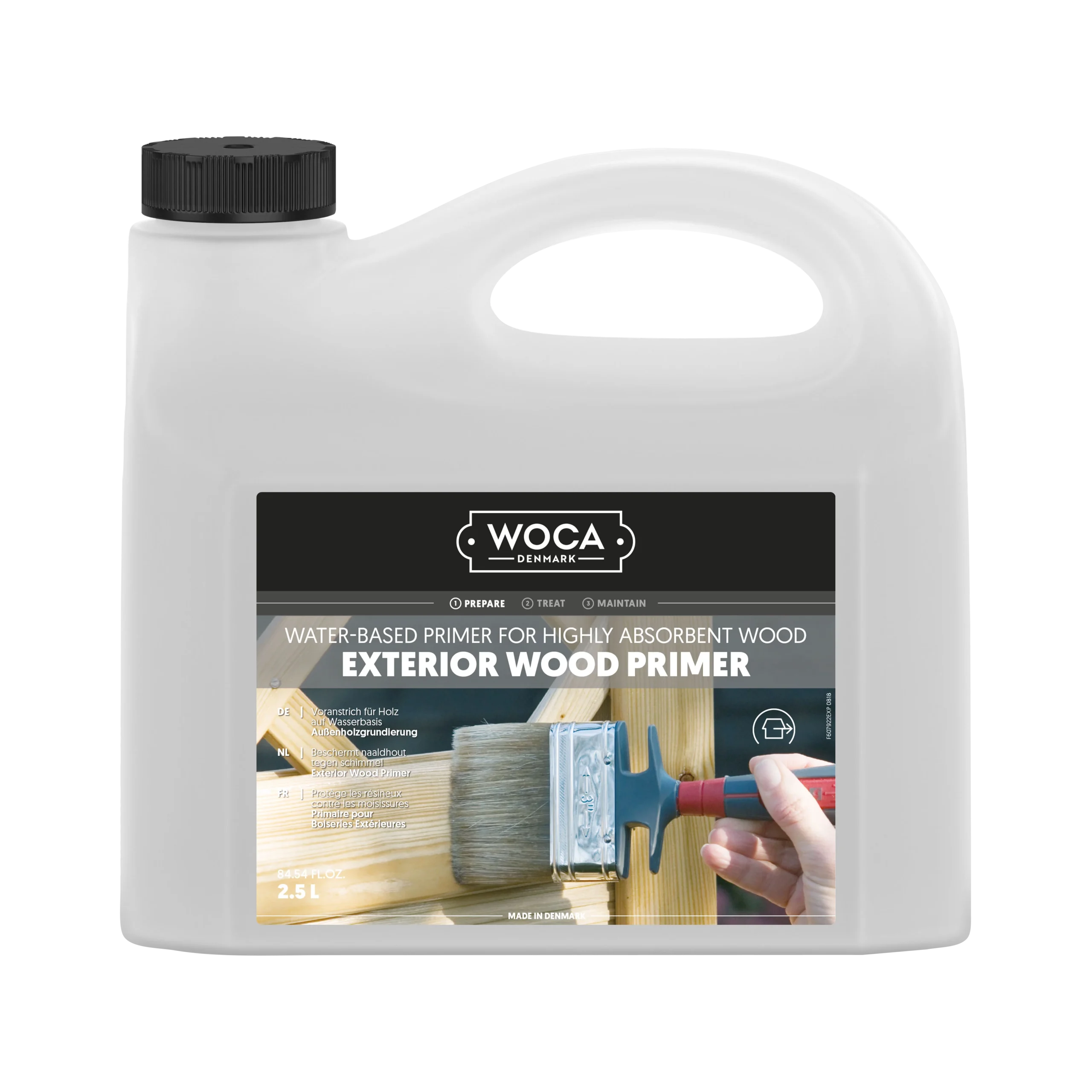
Nicht imprägnierte Weichhölzer (außer Rot- Zeder) und Lärche müssen mit WOCA Exterior Wood Primer vorbehandelt werden.

Wir empfehlen einen Probeanstrich an einer unauffälligen Stelle um das Ergebnis beurteilen zu können.

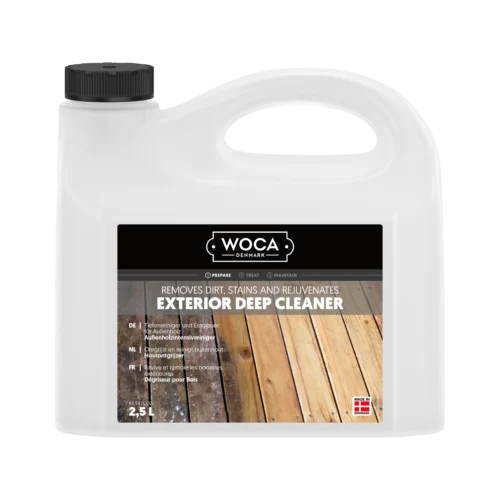
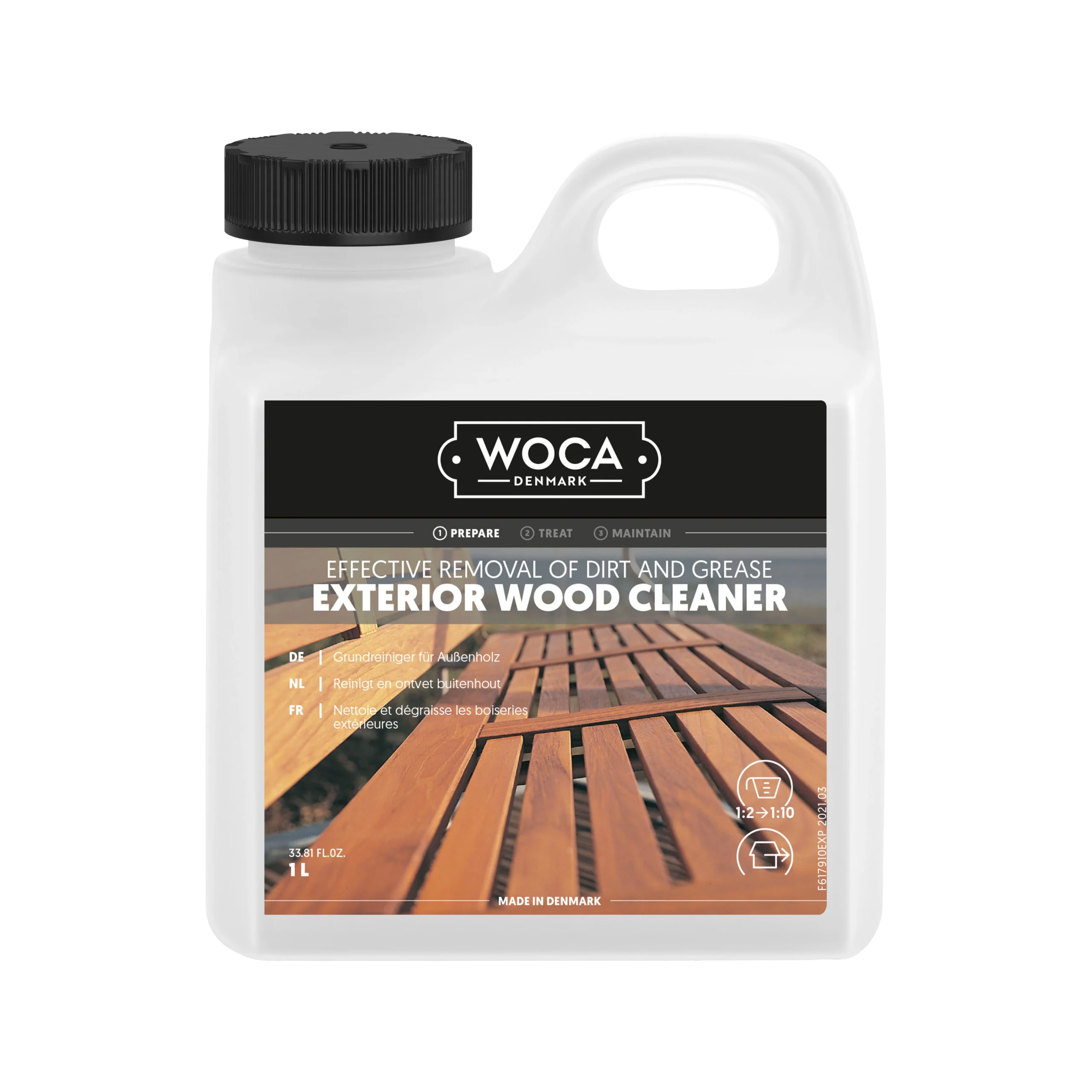
  • Reinigen Sie neue Holzoberflächen sowie alte Oberflächen mit Exterior Wood Cleaner, bevor Sie mit der Ölbehandlung beginnen.
  • Das Holz sollte hiernach mindestens 24 Stunden trocknen, um die Restfeuchtigkeit unter 17% zu halten. Eventuell aufsteigende Holzfasern mit feinem Sandpapier, Körnung 120-150 entfernen.
  • Die Behandlung sollte nur bei trockener Witterung erfolgen, bei Minimum Temperatur 13°C. Starke Sonneneinstrahlung und extreme Wärme sind zu vermeiden.
  • Vor Gebrauch das Öl kräftig umrühren.
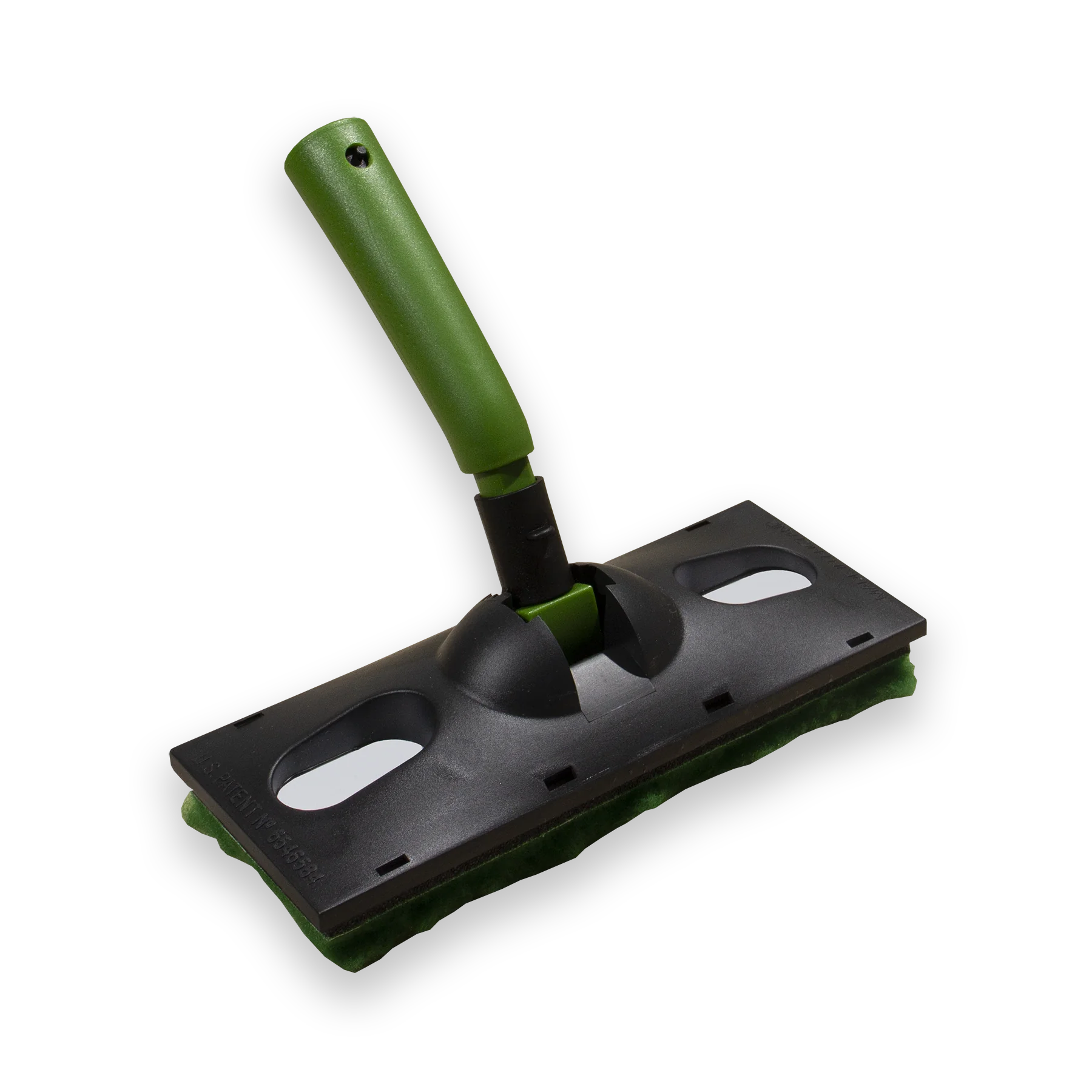
  • Das Öl wird mit einem Pinsel oder WOCA Ölapplikator in einer dünnen gleichmäßigen Schicht aufgetragen. An den Endflächen beginnen. Im nassen Zustand erscheint das Öl weiß. Es kann einige Minuten dauern, bis das Holz ein geöltes Aussehen bekommt, da zunächst das Wasser verdampft.
  • Nach max. 5 Minuten eventuell überschüssiges Öl mit einem sauberen Baumwolltuch entfernen, hierbei besonders auf Holzverbindungen oder Risse achten.
  • Die Punkte 5 und 6 eventuell wiederholen, sollte das Holz noch nicht mit Öl gesättigt erscheinen.
  • Sobald das Holz trocken ist, kann es mit einem Polierpad oder einer Poliermaschine nachpoliert werden. Hierdurch wird die Oberfläche besonders strapazierfähig.
  • Abhängig vom Wetter und der Temperatur können 24-48 Stunden bei 20°C vergehen, bevor das Öl vollständig durch gehärtet ist. In diesem Zeitraum darf das Holz keinerlei Nässe ausgesetzt sein.
  • Nicht imprägnierte Weichhölzer und Lärche müssen mit WOCA Exterior Wood Primer vorbehandelt werden.Achtung (für Möbel): Exterior Wood Oil in Schwarz, Anthrazite und Walnuss werden empfohlen mit Exterior Wood Oil , Natur nachzuölen um eventuelle Abfärben zu vermeiden.
    ERROR: ORA-00907: missing right parenthesis