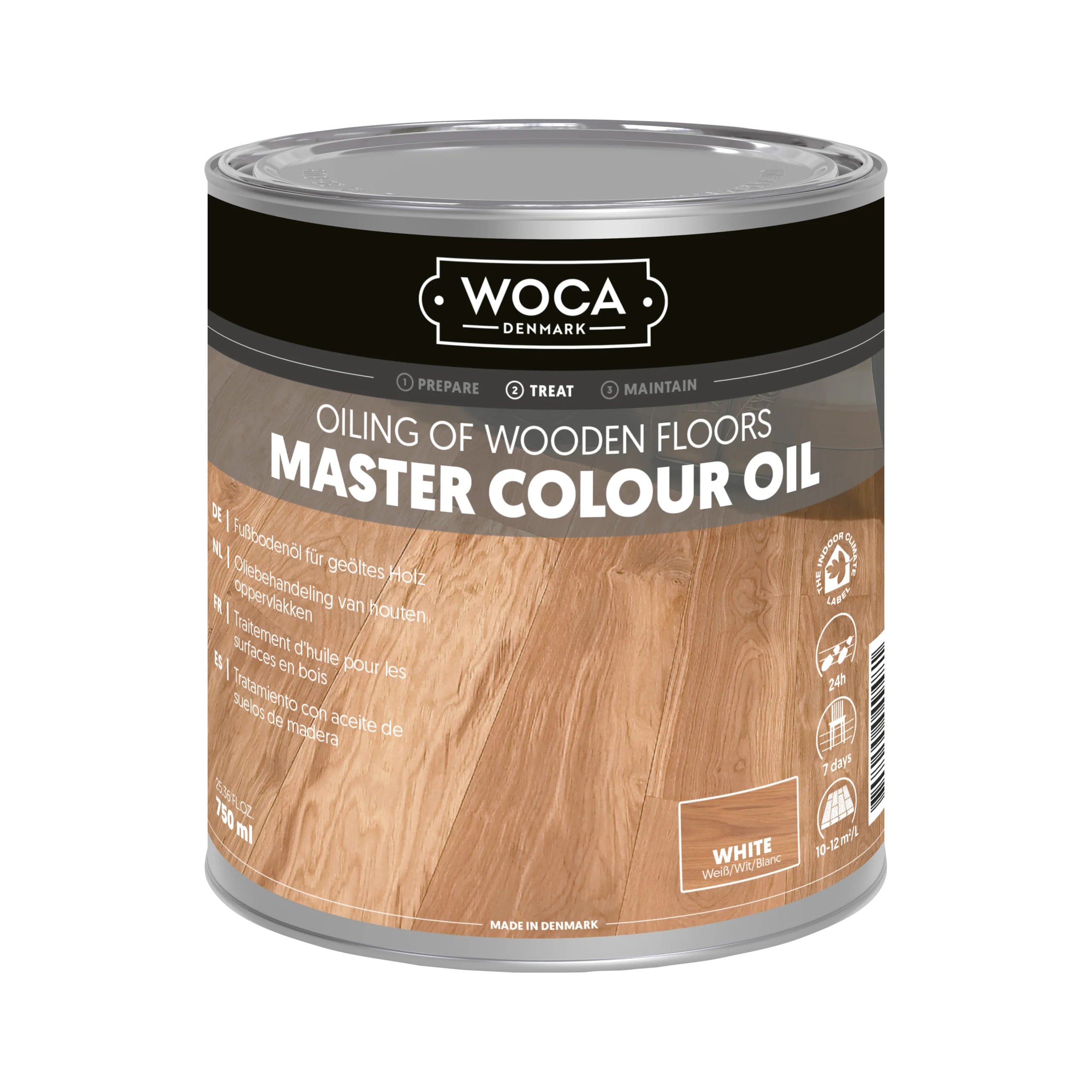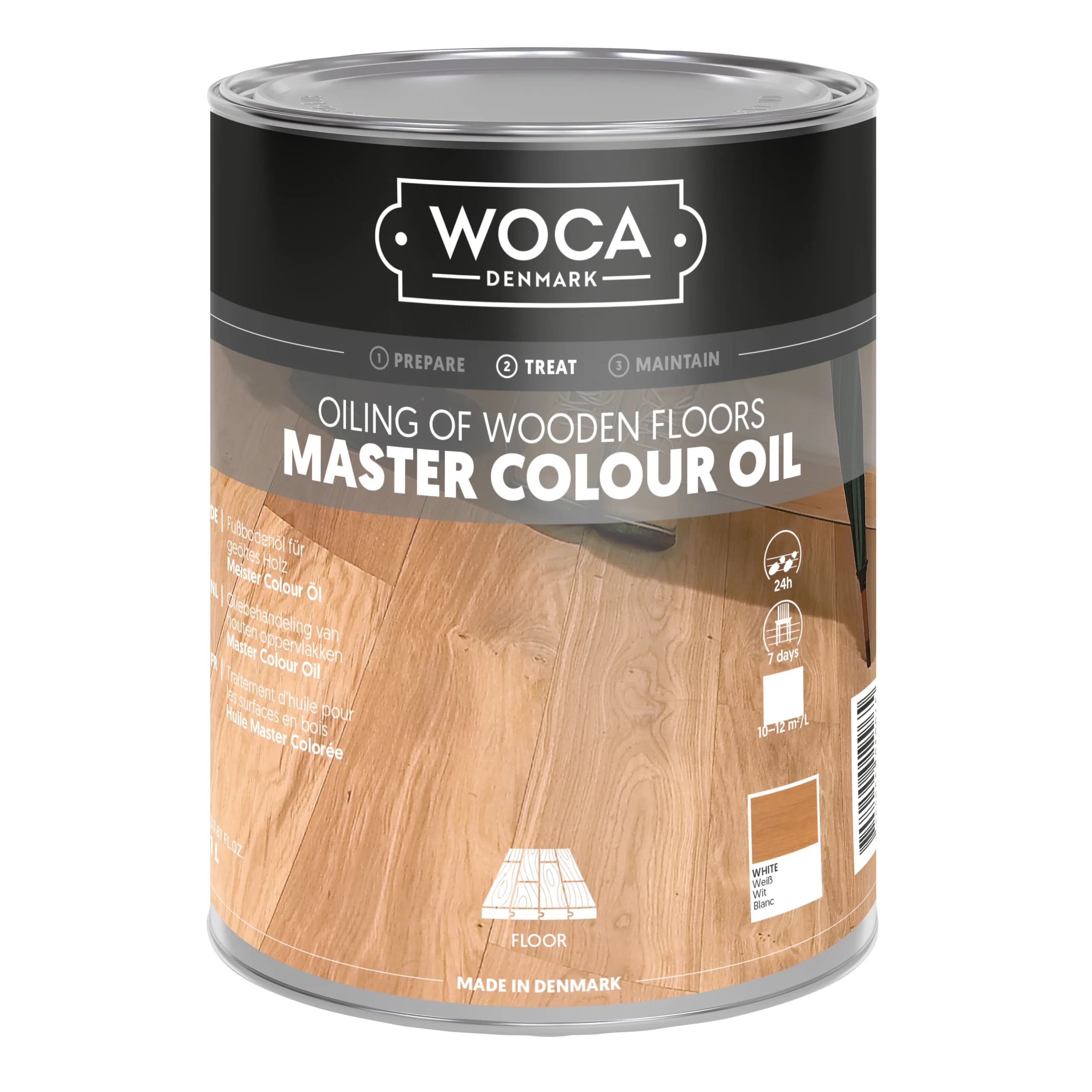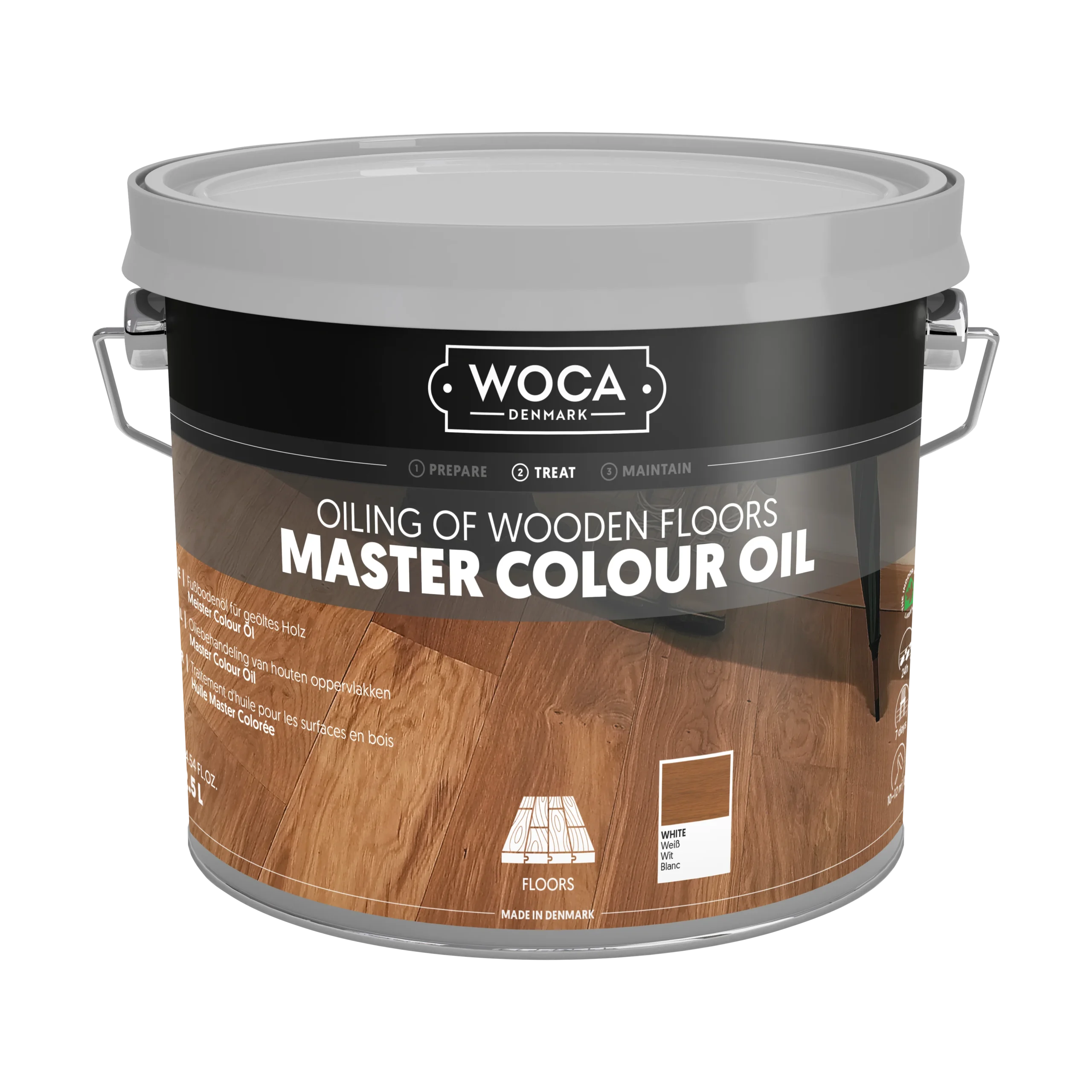
Master Colour Oil
Master Colour Oil

Master Colour Oil

Nr artykułu: 522007AA 522072SA 522072AA 522073SA 522073AA 522075AA 522507AA 522572SA 522572AA 522573SA 522573AA 522575AA 530200SA 530225AA 530625SA 531400SA 531425AA 531800SA 531825SA 531825AA 531850AA 531900SA 531925AA 532000SA 532025SA 532025AA 532300SA 533140SA 533145SA 533145AA

Środek do olejowania podłóg drewnianych

  • Odporny na brud i płyny, takie jak: woda, kawa, herbata i czerwone wino
  • Dostępny w wielu kolorach
  • Tworzy estetyczną oddychającą powłokę
  • Certyfikowany, by zapewniać zdrowy klimat we wnętrzach w trakcie użytkowania

Kolory

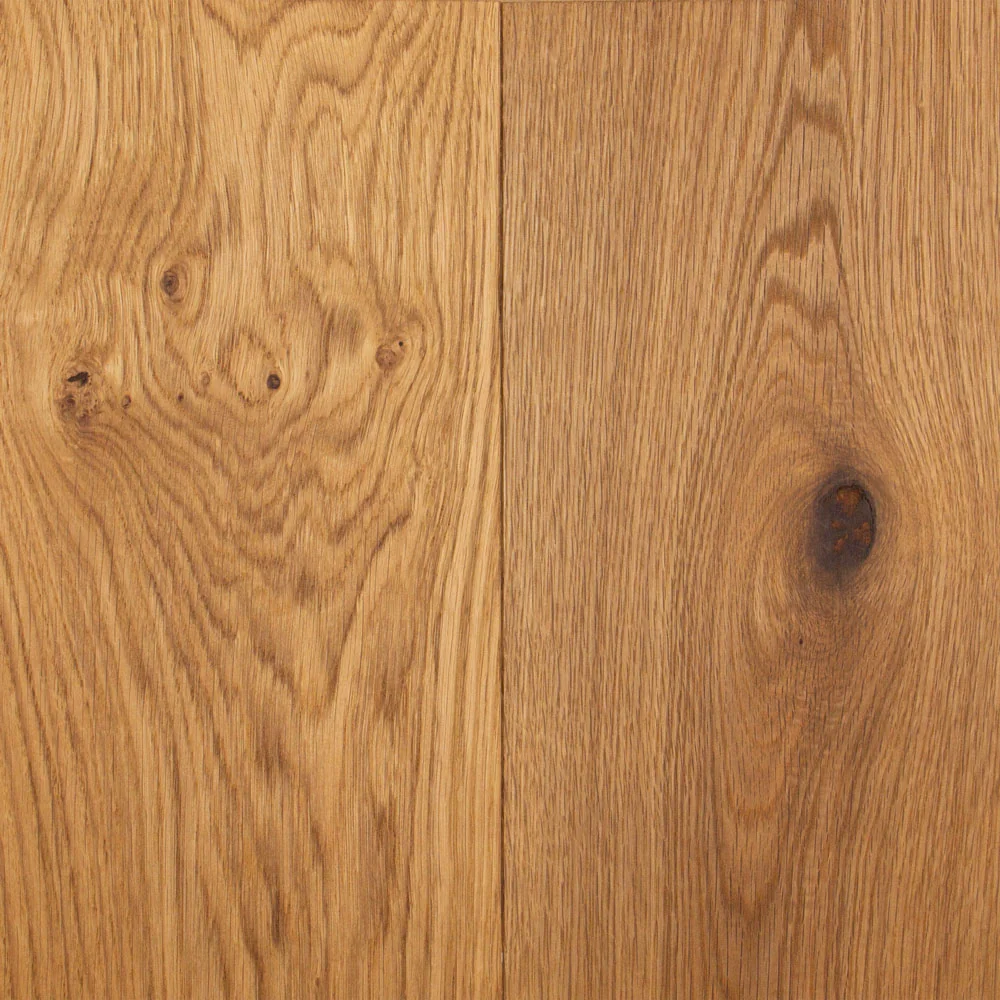
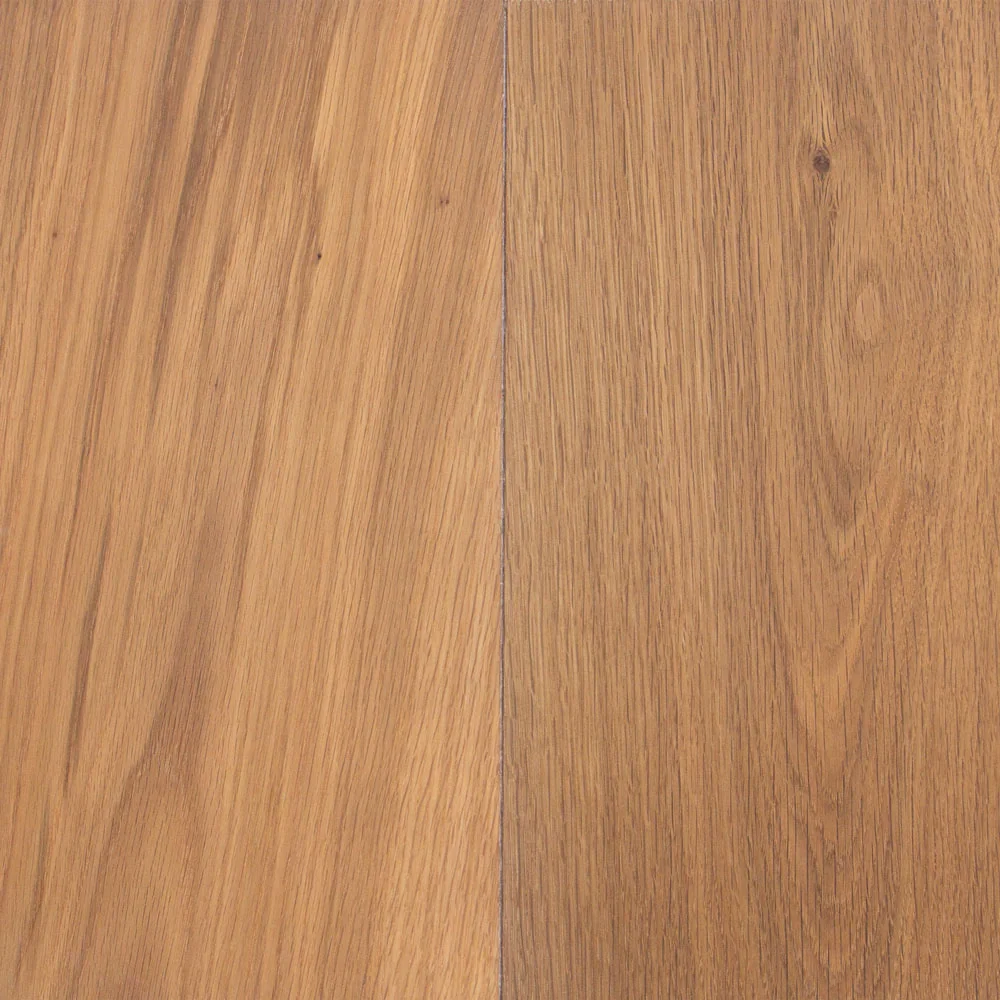
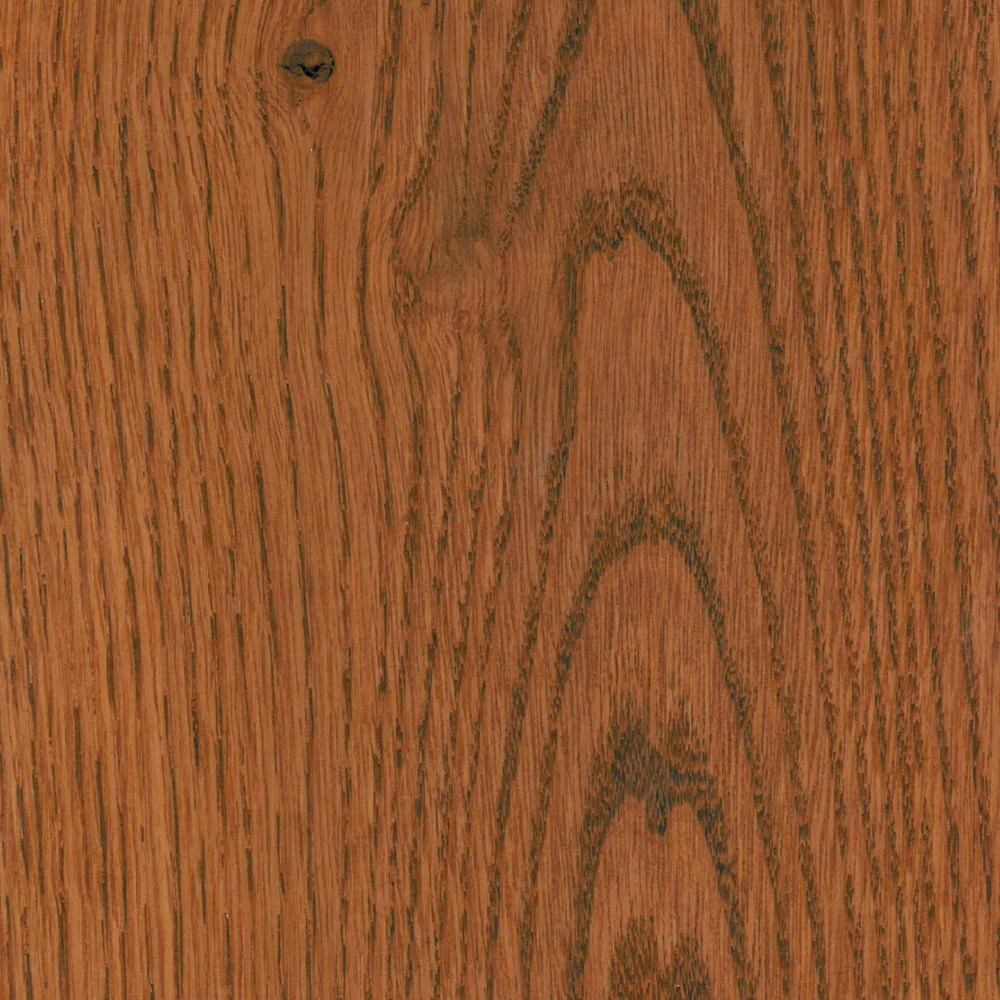
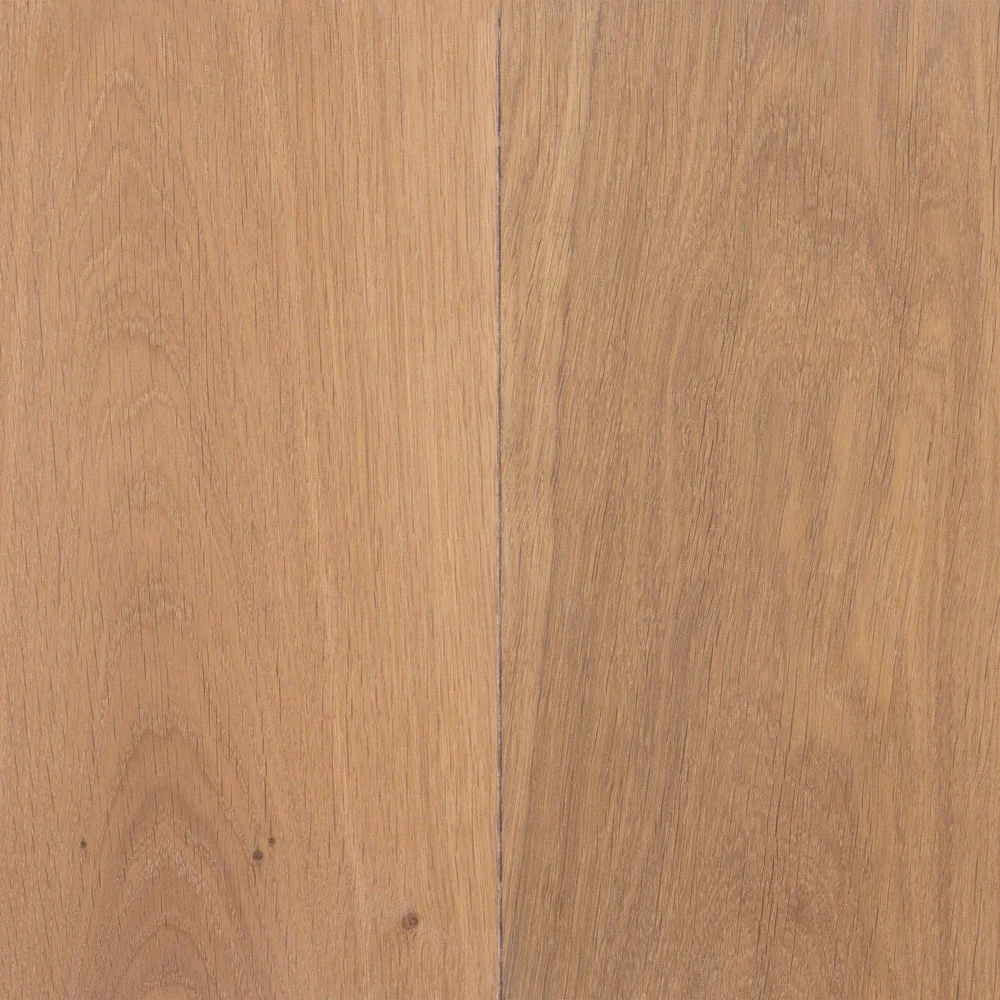
*Próbka drewna jest pokazana na dębie
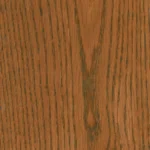
Bezbarwny
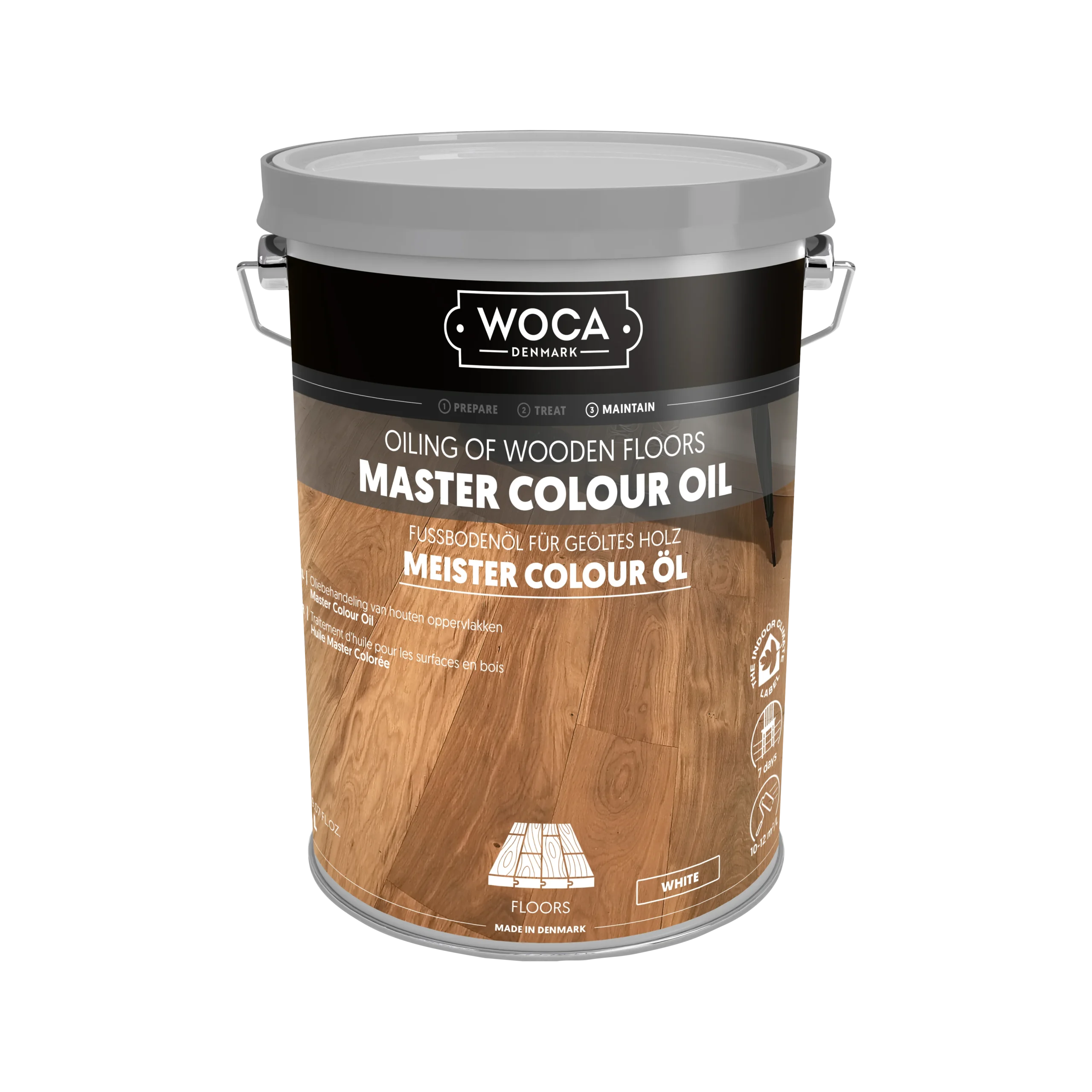
Biały
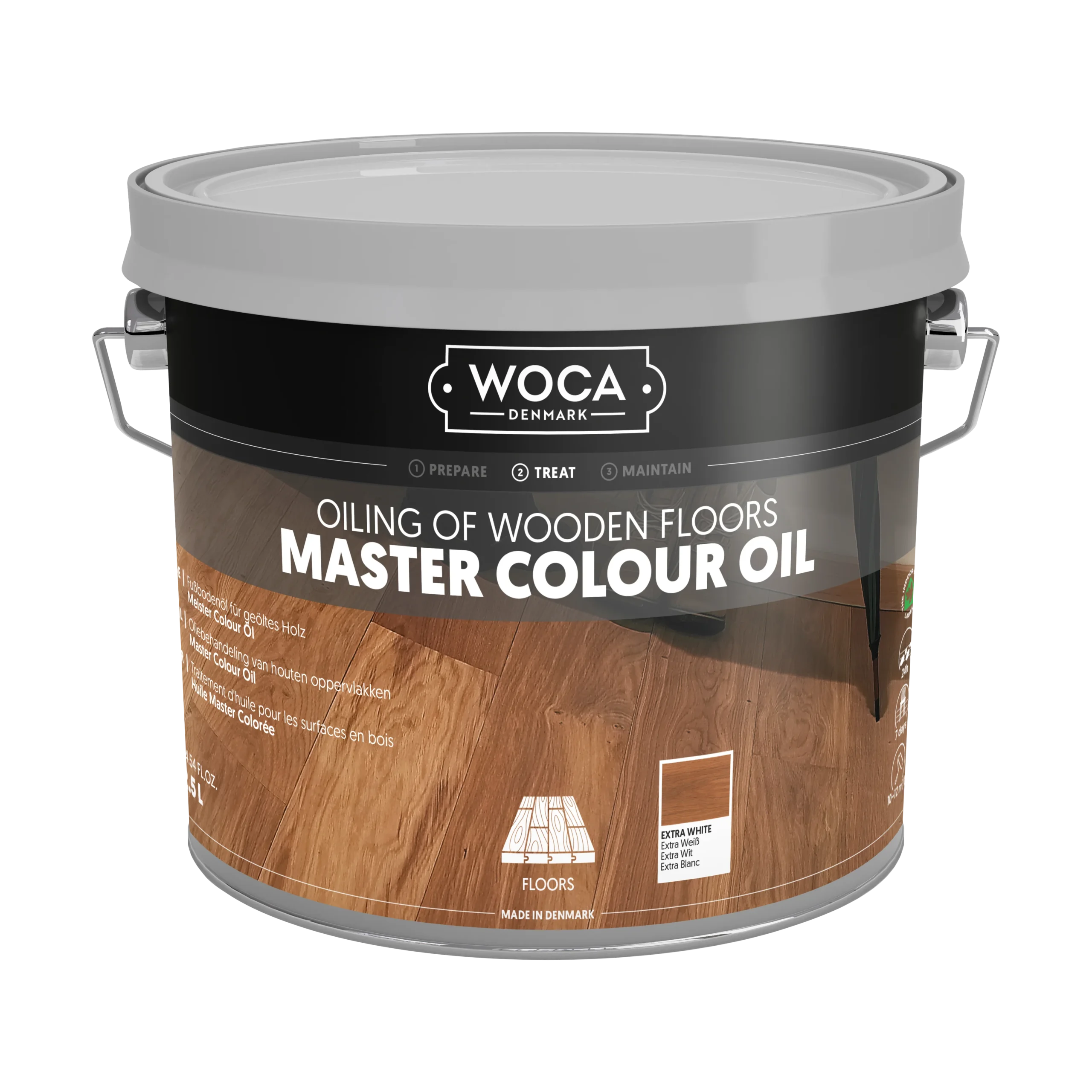
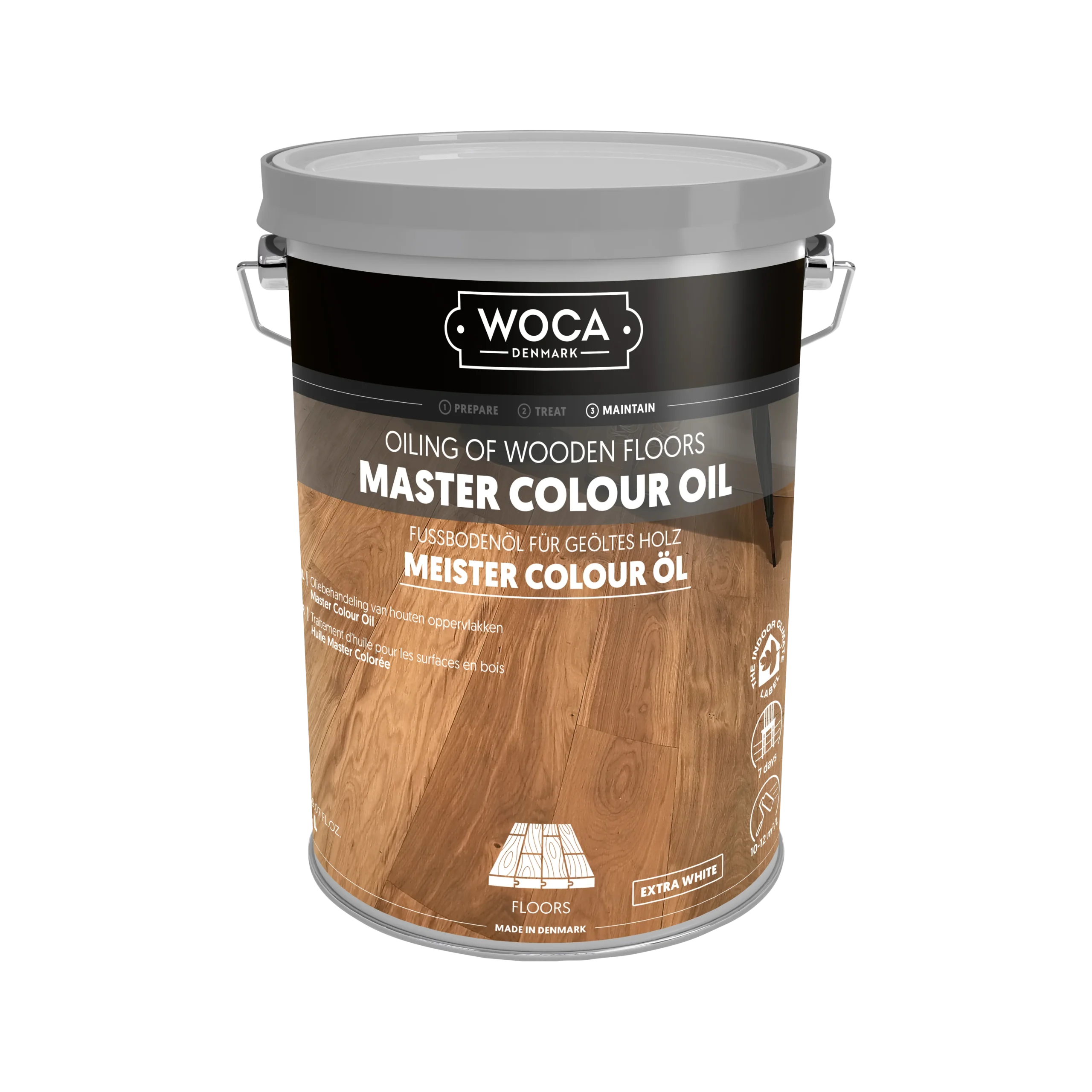
Extra biały
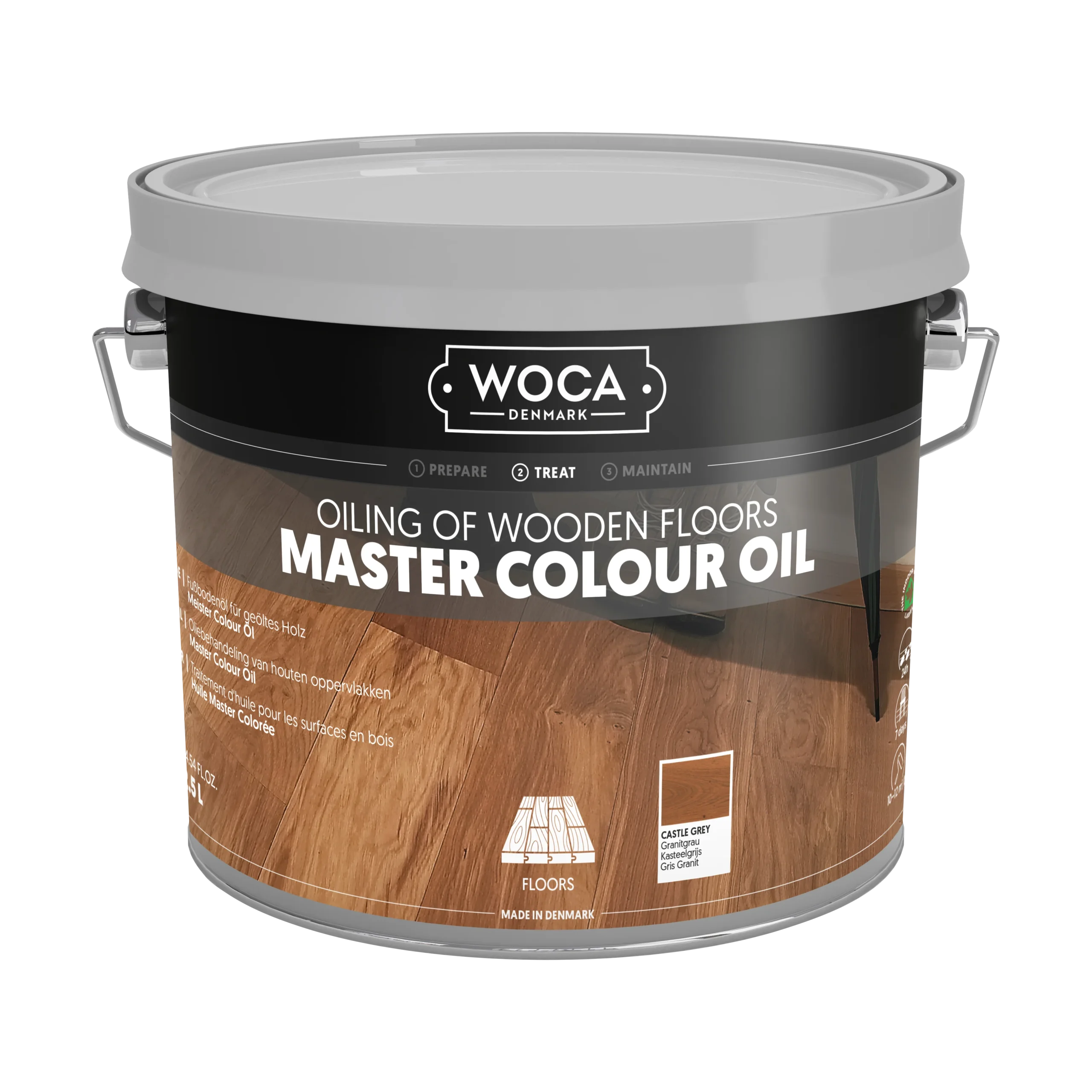
Szary Granit
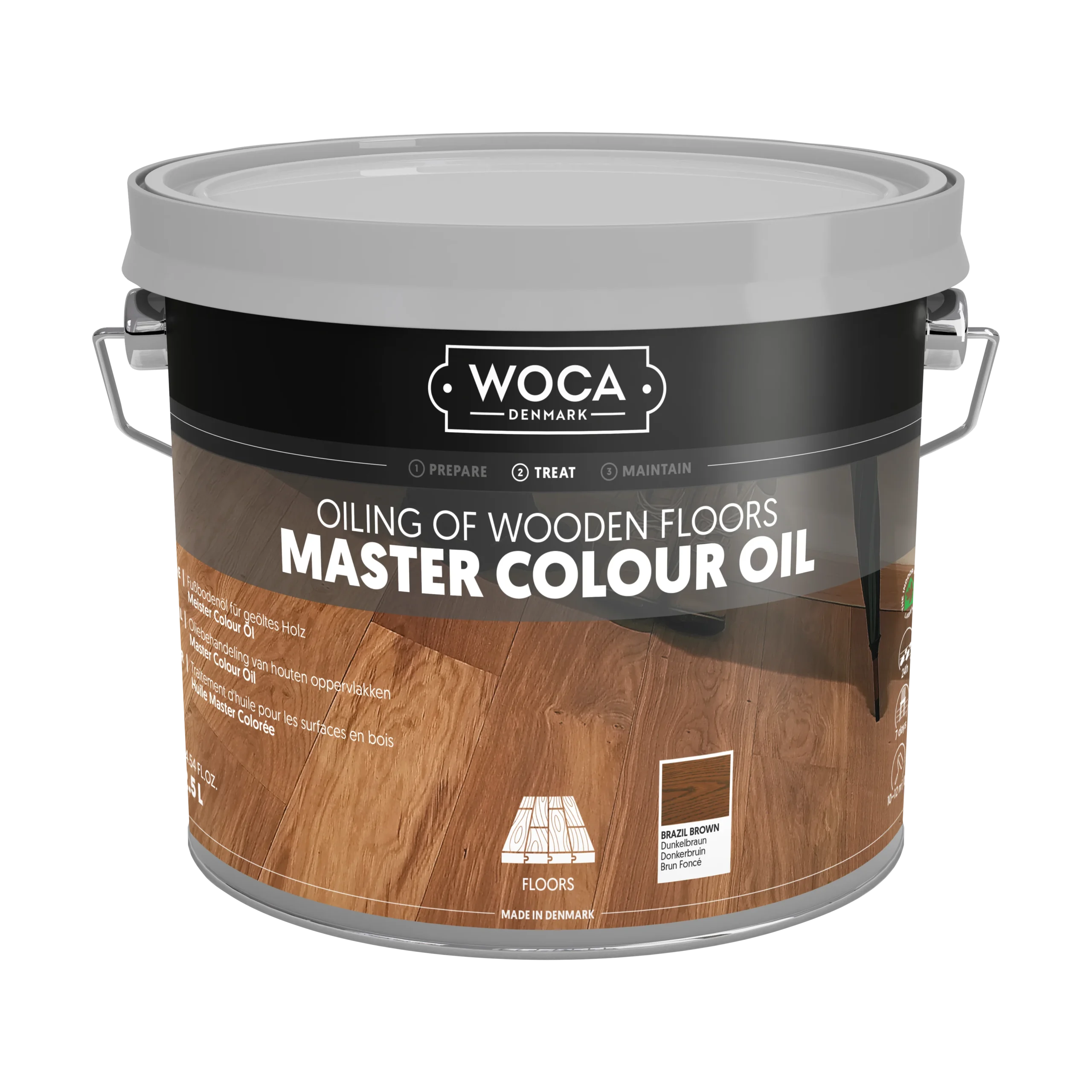
Ciemnobrązowy
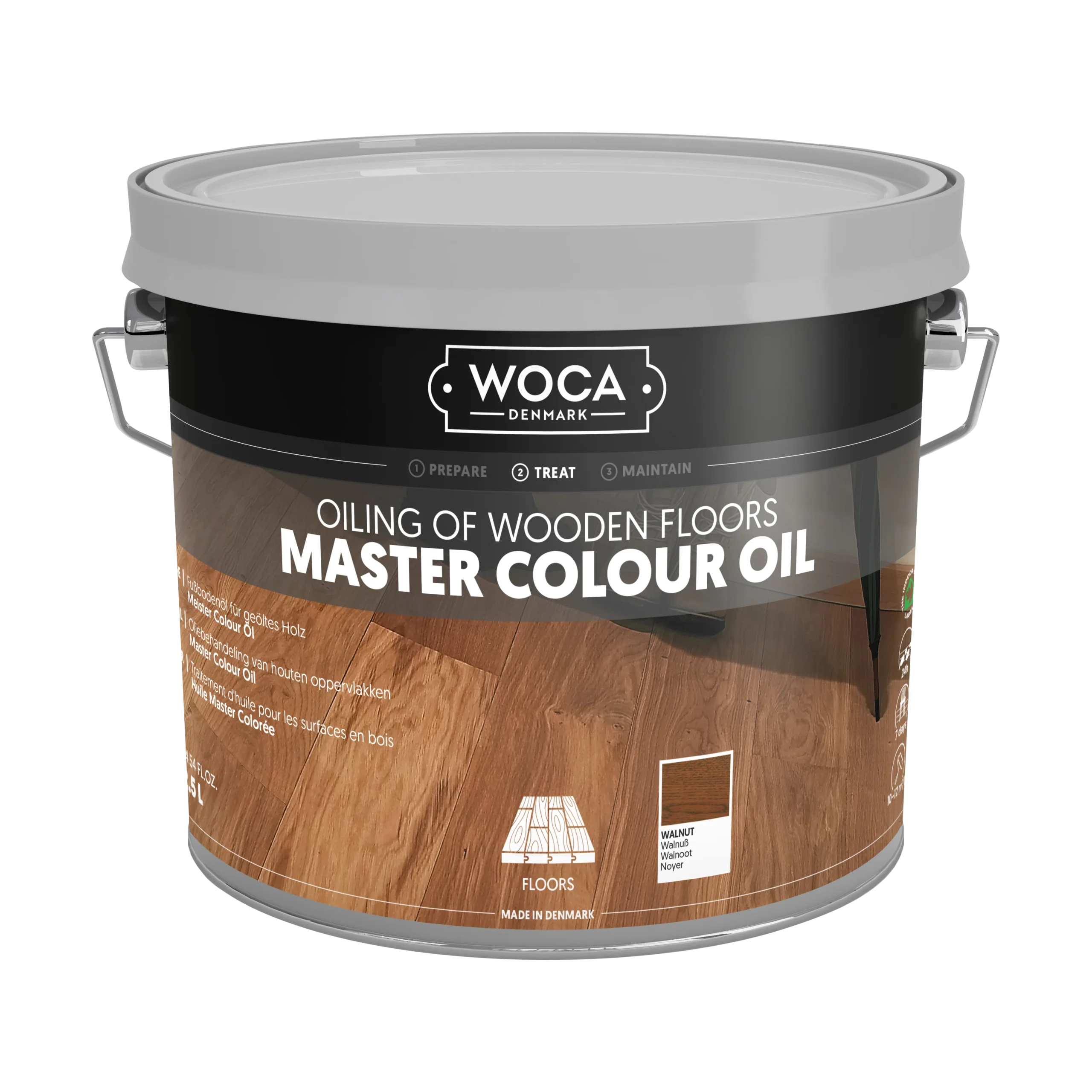
Orzech
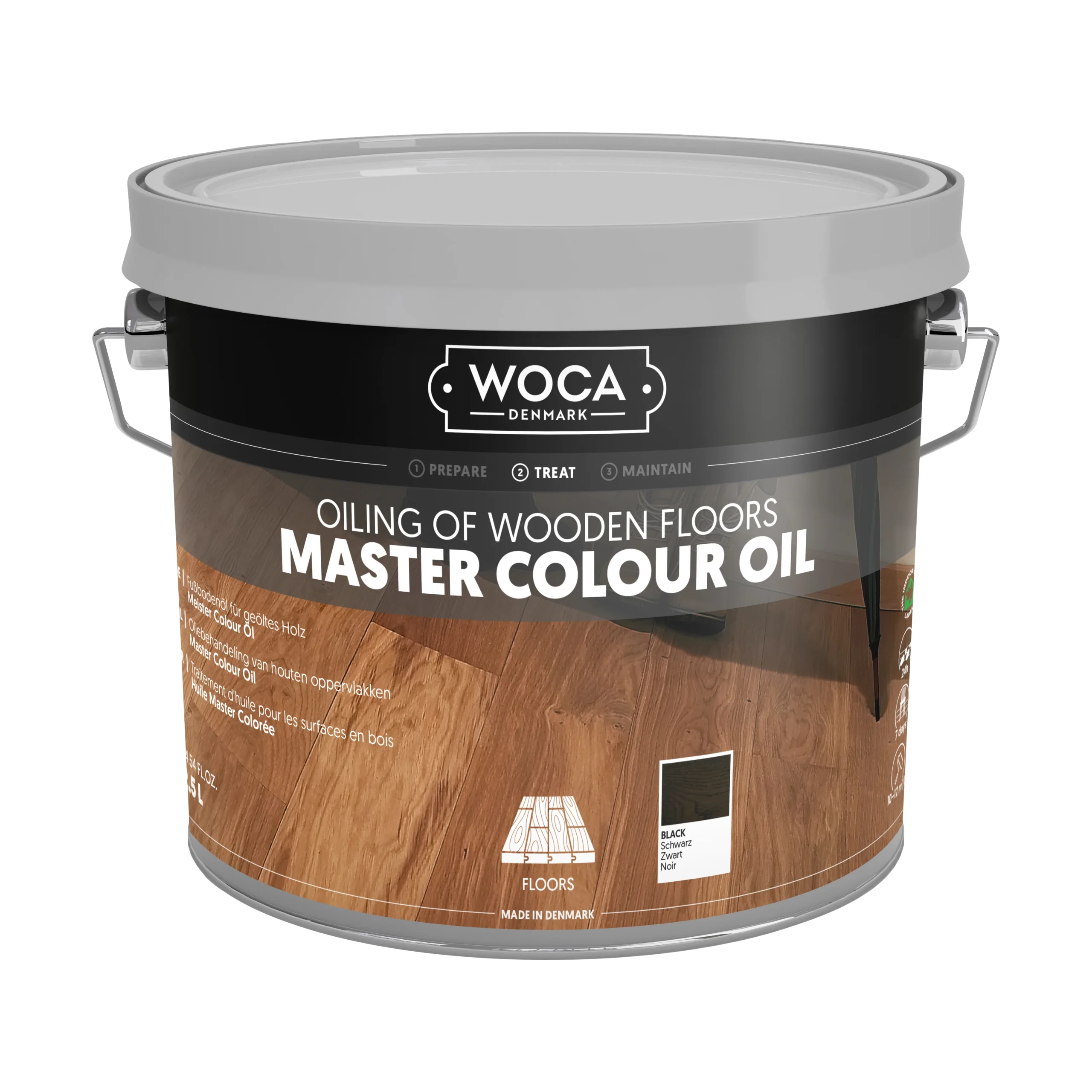
Czarny

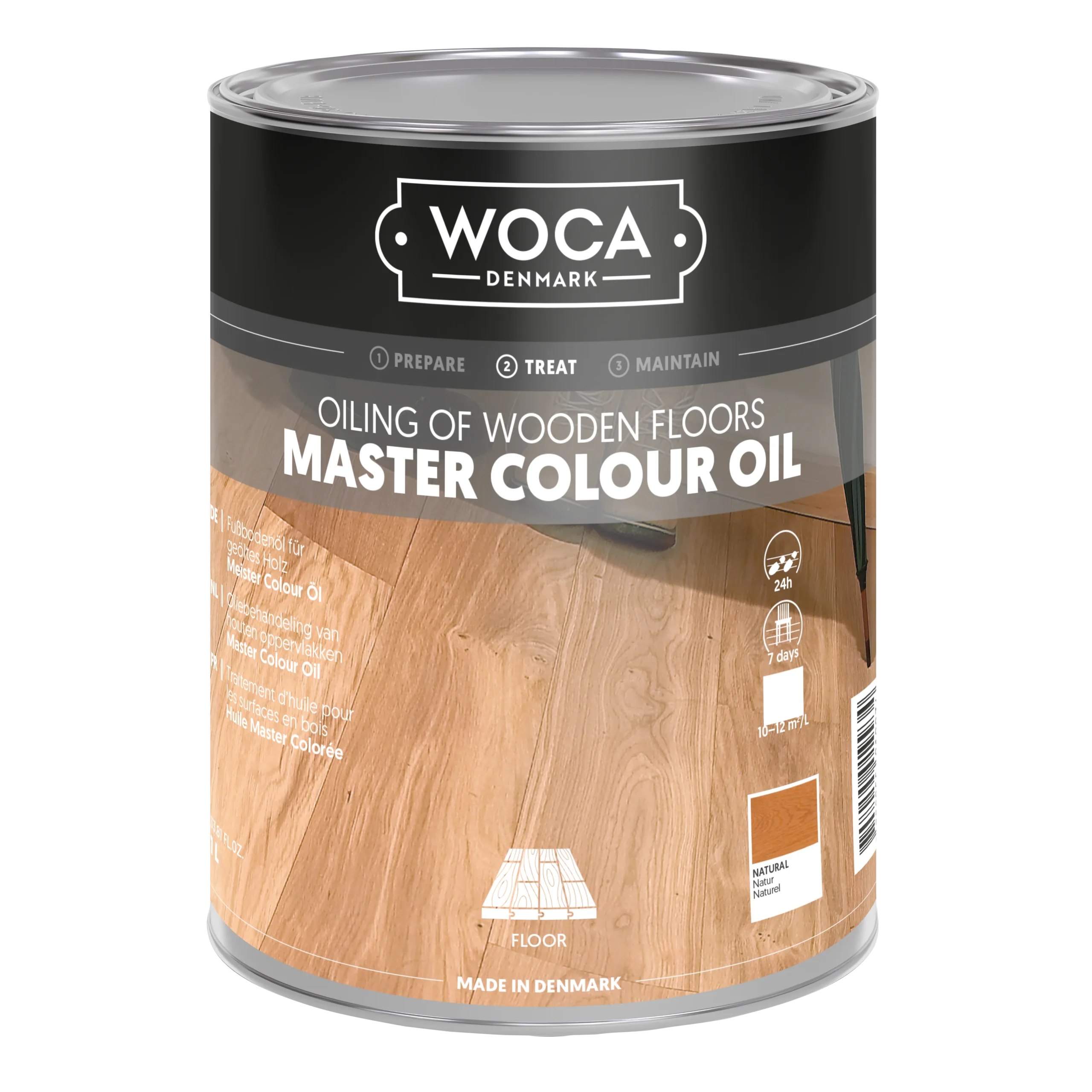
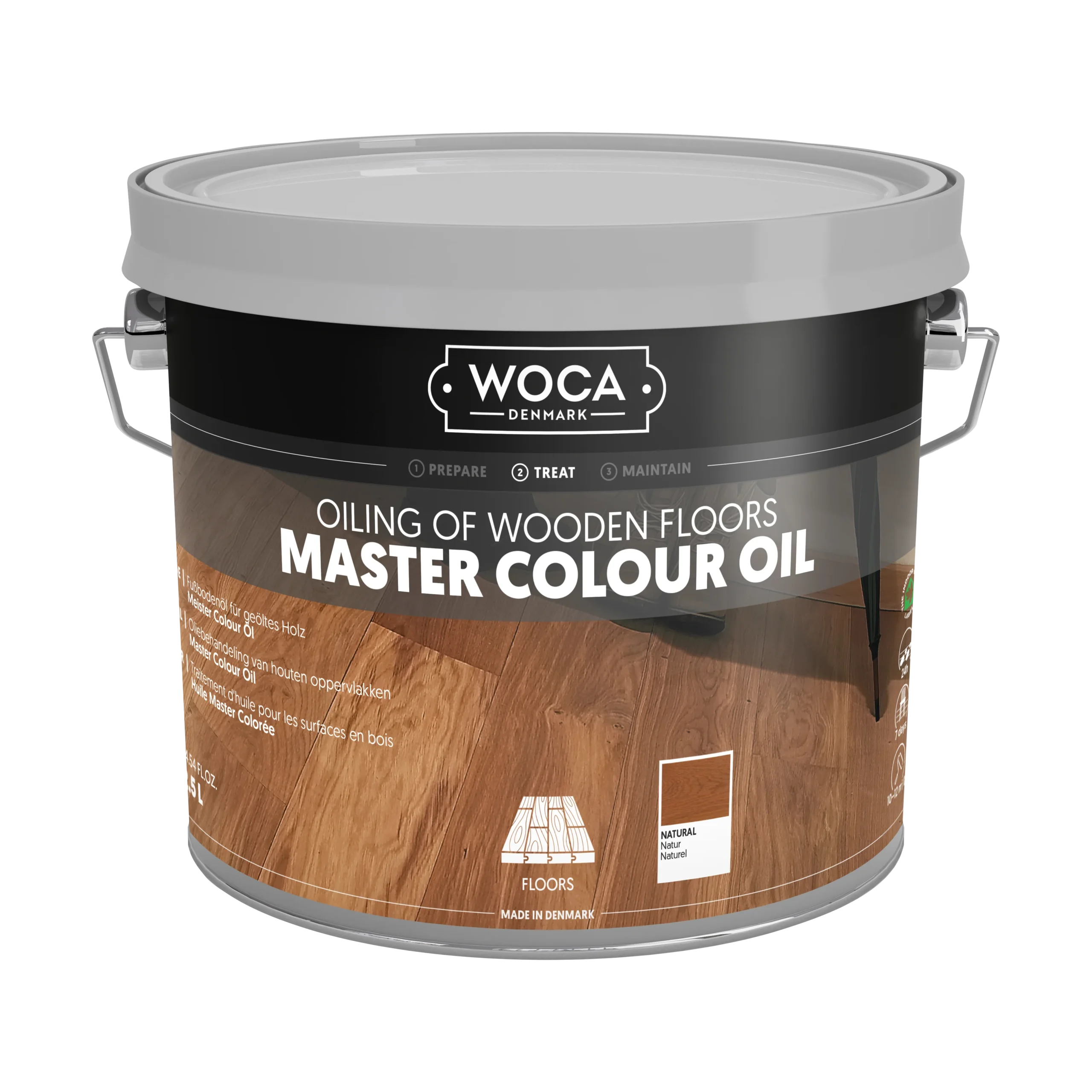
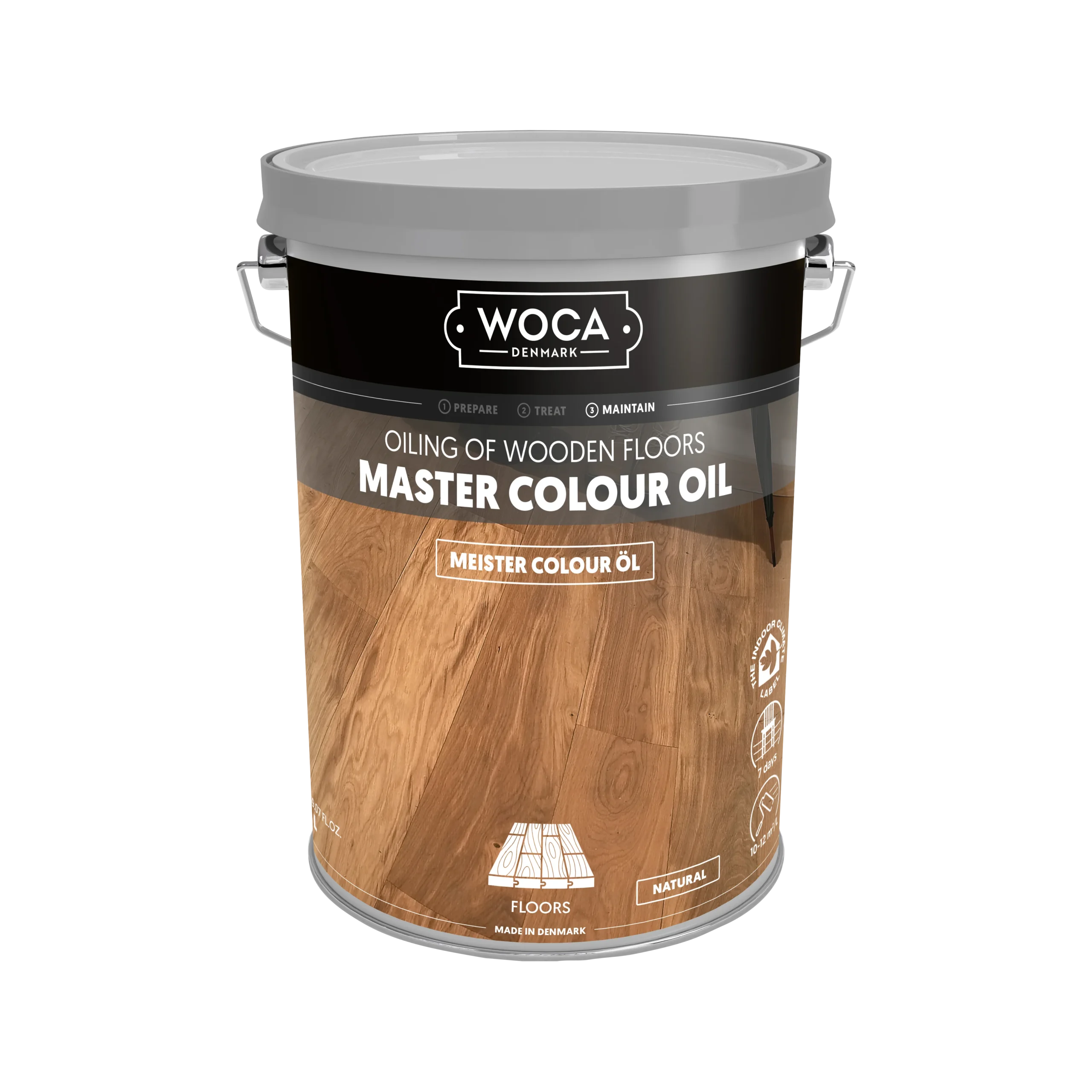
Opakowanie

Certyfikaty

DiBt
DIBt is a German institute that tests and issues technical approvals for building materials.The aim is to improve the working climate for floor installers whilst ensuring a safe indoor air quality for the final consumer.
Danish Indoor Climate Labelling
Danish Interior Climate Labelling is a voluntary labelling system for products and materials which can document the effect of degassing. Indoor climate labelled materials are a natural component in sustainable construction, where a good indoor air quality contributes to social sustainability.
DIN EN 16516  emission test
Bio-Based ASTM 6866
Biobased Carbon Content ASTM D6866-22 is an international standard method utilized for product testing. The result is reported as % Biobased Carbon. This indicates the percentage carbon from 'natural’ (plant or animal by-product) sources.
Environmental Product Declaration (EPD)
Environmental Product Declaration (EPD) supports greater transparency and documented sustainability. EPDs present verified data on a product’s environmental impact throughout its entire life cycle, based on recognized standards and third-party verification.
Emission Class A+
The French labeling system is a mandatory classification of materials, such as floor treatment products, based on their VOC emissions to indoor air. A+ is the highest rating, indicating improved indoor air quality with very low emissions.
EN 71-3
European standard ensuring that materials do not release toxic substances in amounts harmful to children. Particularly relevant for materials such as toys, kitchen utensils, worktops and furniture.
Emission Class A+
The French labeling system is a mandatory classification of materials, such as floor treatment products, based on their VOC emissions to indoor air. A+ is the highest rating, indicating improved indoor air quality with very low emissions.
Bio-Based ASTM 6866
Biobased Carbon Content ASTM D6866-22 is an international standard method utilized for product testing. The result is reported as % Biobased Carbon. This indicates the percentage carbon from 'natural’ (plant or animal by-product) sources.
DiBt
DIBt is a German institute that tests and issues technical approvals for building materials.The aim is to improve the working climate for floor installers whilst ensuring a safe indoor air quality for the final consumer.
EN 71-3
European standard ensuring that materials do not release toxic substances in amounts harmful to children. Particularly relevant for materials such as toys, kitchen utensils, worktops and furniture.
Environmental Product Declaration (EPD)
Environmental Product Declaration (EPD) supports greater transparency and documented sustainability. EPDs present verified data on a product’s environmental impact throughout its entire life cycle, based on recognized standards and third-party verification.
Danish Indoor Climate Labelling
Danish Interior Climate Labelling is a voluntary labelling system for products and materials which can document the effect of degassing. Indoor climate labelled materials are a natural component in sustainable construction, where a good indoor air quality contributes to social sustainability.
DiBt
DIBt is a German institute that tests and issues technical approvals for building materials.The aim is to improve the working climate for floor installers whilst ensuring a safe indoor air quality for the final consumer.
Danish Indoor Climate Labelling
Danish Interior Climate Labelling is a voluntary labelling system for products and materials which can document the effect of degassing. Indoor climate labelled materials are a natural component in sustainable construction, where a good indoor air quality contributes to social sustainability.
DIN EN 16516  emission test
Bio-Based ASTM 6866
Biobased Carbon Content ASTM D6866-22 is an international standard method utilized for product testing. The result is reported as % Biobased Carbon. This indicates the percentage carbon from 'natural’ (plant or animal by-product) sources.
Environmental Product Declaration (EPD)
Environmental Product Declaration (EPD) supports greater transparency and documented sustainability. EPDs present verified data on a product’s environmental impact throughout its entire life cycle, based on recognized standards and third-party verification.
Emission Class A+
The French labeling system is a mandatory classification of materials, such as floor treatment products, based on their VOC emissions to indoor air. A+ is the highest rating, indicating improved indoor air quality with very low emissions.
EN 71-3
European standard ensuring that materials do not release toxic substances in amounts harmful to children. Particularly relevant for materials such as toys, kitchen utensils, worktops and furniture.
DiBt
DIBt is a German institute that tests and issues technical approvals for building materials.The aim is to improve the working climate for floor installers whilst ensuring a safe indoor air quality for the final consumer.
Danish Indoor Climate Labelling
Danish Interior Climate Labelling is a voluntary labelling system for products and materials which can document the effect of degassing. Indoor climate labelled materials are a natural component in sustainable construction, where a good indoor air quality contributes to social sustainability.
DIN EN 16516  emission test
Bio-Based ASTM 6866
Biobased Carbon Content ASTM D6866-22 is an international standard method utilized for product testing. The result is reported as % Biobased Carbon. This indicates the percentage carbon from 'natural’ (plant or animal by-product) sources.
Environmental Product Declaration (EPD)
Environmental Product Declaration (EPD) supports greater transparency and documented sustainability. EPDs present verified data on a product’s environmental impact throughout its entire life cycle, based on recognized standards and third-party verification.
Emission Class A+
The French labeling system is a mandatory classification of materials, such as floor treatment products, based on their VOC emissions to indoor air. A+ is the highest rating, indicating improved indoor air quality with very low emissions.
EN 71-3
European standard ensuring that materials do not release toxic substances in amounts harmful to children. Particularly relevant for materials such as toys, kitchen utensils, worktops and furniture.
Emission Class A+
The French labeling system is a mandatory classification of materials, such as floor treatment products, based on their VOC emissions to indoor air. A+ is the highest rating, indicating improved indoor air quality with very low emissions.
Bio-Based ASTM 6866
Biobased Carbon Content ASTM D6866-22 is an international standard method utilized for product testing. The result is reported as % Biobased Carbon. This indicates the percentage carbon from 'natural’ (plant or animal by-product) sources.
Danish Indoor Climate Labelling
Danish Interior Climate Labelling is a voluntary labelling system for products and materials which can document the effect of degassing. Indoor climate labelled materials are a natural component in sustainable construction, where a good indoor air quality contributes to social sustainability.
EN 71-3
European standard ensuring that materials do not release toxic substances in amounts harmful to children. Particularly relevant for materials such as toys, kitchen utensils, worktops and furniture.
DiBt
DIBt is a German institute that tests and issues technical approvals for building materials.The aim is to improve the working climate for floor installers whilst ensuring a safe indoor air quality for the final consumer.
Emission Class A+
The French labeling system is a mandatory classification of materials, such as floor treatment products, based on their VOC emissions to indoor air. A+ is the highest rating, indicating improved indoor air quality with very low emissions.
Bio-Based ASTM 6866
Biobased Carbon Content ASTM D6866-22 is an international standard method utilized for product testing. The result is reported as % Biobased Carbon. This indicates the percentage carbon from 'natural’ (plant or animal by-product) sources.
Danish Indoor Climate Labelling
Danish Interior Climate Labelling is a voluntary labelling system for products and materials which can document the effect of degassing. Indoor climate labelled materials are a natural component in sustainable construction, where a good indoor air quality contributes to social sustainability.
EN 71-3
European standard ensuring that materials do not release toxic substances in amounts harmful to children. Particularly relevant for materials such as toys, kitchen utensils, worktops and furniture.
DiBt
DIBt is a German institute that tests and issues technical approvals for building materials.The aim is to improve the working climate for floor installers whilst ensuring a safe indoor air quality for the final consumer.
Emission Class A+
The French labeling system is a mandatory classification of materials, such as floor treatment products, based on their VOC emissions to indoor air. A+ is the highest rating, indicating improved indoor air quality with very low emissions.
Bio-Based ASTM 6866
Biobased Carbon Content ASTM D6866-22 is an international standard method utilized for product testing. The result is reported as % Biobased Carbon. This indicates the percentage carbon from 'natural’ (plant or animal by-product) sources.
Danish Indoor Climate Labelling
Danish Interior Climate Labelling is a voluntary labelling system for products and materials which can document the effect of degassing. Indoor climate labelled materials are a natural component in sustainable construction, where a good indoor air quality contributes to social sustainability.
EN 71-3
European standard ensuring that materials do not release toxic substances in amounts harmful to children. Particularly relevant for materials such as toys, kitchen utensils, worktops and furniture.
DiBt
DIBt is a German institute that tests and issues technical approvals for building materials.The aim is to improve the working climate for floor installers whilst ensuring a safe indoor air quality for the final consumer.
Emission Class A+
The French labeling system is a mandatory classification of materials, such as floor treatment products, based on their VOC emissions to indoor air. A+ is the highest rating, indicating improved indoor air quality with very low emissions.
Bio-Based ASTM 6866
Biobased Carbon Content ASTM D6866-22 is an international standard method utilized for product testing. The result is reported as % Biobased Carbon. This indicates the percentage carbon from 'natural’ (plant or animal by-product) sources.
Danish Indoor Climate Labelling
Danish Interior Climate Labelling is a voluntary labelling system for products and materials which can document the effect of degassing. Indoor climate labelled materials are a natural component in sustainable construction, where a good indoor air quality contributes to social sustainability.
EN 71-3
European standard ensuring that materials do not release toxic substances in amounts harmful to children. Particularly relevant for materials such as toys, kitchen utensils, worktops and furniture.
DiBt
DIBt is a German institute that tests and issues technical approvals for building materials.The aim is to improve the working climate for floor installers whilst ensuring a safe indoor air quality for the final consumer.
Emission Class A+
The French labeling system is a mandatory classification of materials, such as floor treatment products, based on their VOC emissions to indoor air. A+ is the highest rating, indicating improved indoor air quality with very low emissions.
Bio-Based ASTM 6866
Biobased Carbon Content ASTM D6866-22 is an international standard method utilized for product testing. The result is reported as % Biobased Carbon. This indicates the percentage carbon from 'natural’ (plant or animal by-product) sources.
Danish Indoor Climate Labelling
Danish Interior Climate Labelling is a voluntary labelling system for products and materials which can document the effect of degassing. Indoor climate labelled materials are a natural component in sustainable construction, where a good indoor air quality contributes to social sustainability.
EN 71-3
European standard ensuring that materials do not release toxic substances in amounts harmful to children. Particularly relevant for materials such as toys, kitchen utensils, worktops and furniture.
DiBt
DIBt is a German institute that tests and issues technical approvals for building materials.The aim is to improve the working climate for floor installers whilst ensuring a safe indoor air quality for the final consumer.
Emission Class A+
The French labeling system is a mandatory classification of materials, such as floor treatment products, based on their VOC emissions to indoor air. A+ is the highest rating, indicating improved indoor air quality with very low emissions.
Bio-Based ASTM 6866
Biobased Carbon Content ASTM D6866-22 is an international standard method utilized for product testing. The result is reported as % Biobased Carbon. This indicates the percentage carbon from 'natural’ (plant or animal by-product) sources.
Danish Indoor Climate Labelling
Danish Interior Climate Labelling is a voluntary labelling system for products and materials which can document the effect of degassing. Indoor climate labelled materials are a natural component in sustainable construction, where a good indoor air quality contributes to social sustainability.
EN 71-3
European standard ensuring that materials do not release toxic substances in amounts harmful to children. Particularly relevant for materials such as toys, kitchen utensils, worktops and furniture.
DiBt
DIBt is a German institute that tests and issues technical approvals for building materials.The aim is to improve the working climate for floor installers whilst ensuring a safe indoor air quality for the final consumer.
Emission Class A+
The French labeling system is a mandatory classification of materials, such as floor treatment products, based on their VOC emissions to indoor air. A+ is the highest rating, indicating improved indoor air quality with very low emissions.
Bio-Based ASTM 6866
Biobased Carbon Content ASTM D6866-22 is an international standard method utilized for product testing. The result is reported as % Biobased Carbon. This indicates the percentage carbon from 'natural’ (plant or animal by-product) sources.
Danish Indoor Climate Labelling
Danish Interior Climate Labelling is a voluntary labelling system for products and materials which can document the effect of degassing. Indoor climate labelled materials are a natural component in sustainable construction, where a good indoor air quality contributes to social sustainability.
EN 71-3
European standard ensuring that materials do not release toxic substances in amounts harmful to children. Particularly relevant for materials such as toys, kitchen utensils, worktops and furniture.
DiBt
DIBt is a German institute that tests and issues technical approvals for building materials.The aim is to improve the working climate for floor installers whilst ensuring a safe indoor air quality for the final consumer.
Emission Class A+
The French labeling system is a mandatory classification of materials, such as floor treatment products, based on their VOC emissions to indoor air. A+ is the highest rating, indicating improved indoor air quality with very low emissions.
Bio-Based ASTM 6866
Biobased Carbon Content ASTM D6866-22 is an international standard method utilized for product testing. The result is reported as % Biobased Carbon. This indicates the percentage carbon from 'natural’ (plant or animal by-product) sources.
Danish Indoor Climate Labelling
Danish Interior Climate Labelling is a voluntary labelling system for products and materials which can document the effect of degassing. Indoor climate labelled materials are a natural component in sustainable construction, where a good indoor air quality contributes to social sustainability.
EN 71-3
European standard ensuring that materials do not release toxic substances in amounts harmful to children. Particularly relevant for materials such as toys, kitchen utensils, worktops and furniture.
DiBt
DIBt is a German institute that tests and issues technical approvals for building materials.The aim is to improve the working climate for floor installers whilst ensuring a safe indoor air quality for the final consumer.
Emission Class A+
The French labeling system is a mandatory classification of materials, such as floor treatment products, based on their VOC emissions to indoor air. A+ is the highest rating, indicating improved indoor air quality with very low emissions.
Bio-Based ASTM 6866
Biobased Carbon Content ASTM D6866-22 is an international standard method utilized for product testing. The result is reported as % Biobased Carbon. This indicates the percentage carbon from 'natural’ (plant or animal by-product) sources.
Danish Indoor Climate Labelling
Danish Interior Climate Labelling is a voluntary labelling system for products and materials which can document the effect of degassing. Indoor climate labelled materials are a natural component in sustainable construction, where a good indoor air quality contributes to social sustainability.
EN 71-3
European standard ensuring that materials do not release toxic substances in amounts harmful to children. Particularly relevant for materials such as toys, kitchen utensils, worktops and furniture.
DiBt
DIBt is a German institute that tests and issues technical approvals for building materials.The aim is to improve the working climate for floor installers whilst ensuring a safe indoor air quality for the final consumer.
Emission Class A+
The French labeling system is a mandatory classification of materials, such as floor treatment products, based on their VOC emissions to indoor air. A+ is the highest rating, indicating improved indoor air quality with very low emissions.
Bio-Based ASTM 6866
Biobased Carbon Content ASTM D6866-22 is an international standard method utilized for product testing. The result is reported as % Biobased Carbon. This indicates the percentage carbon from 'natural’ (plant or animal by-product) sources.
Danish Indoor Climate Labelling
Danish Interior Climate Labelling is a voluntary labelling system for products and materials which can document the effect of degassing. Indoor climate labelled materials are a natural component in sustainable construction, where a good indoor air quality contributes to social sustainability.
EN 71-3
European standard ensuring that materials do not release toxic substances in amounts harmful to children. Particularly relevant for materials such as toys, kitchen utensils, worktops and furniture.
DiBt
DIBt is a German institute that tests and issues technical approvals for building materials.The aim is to improve the working climate for floor installers whilst ensuring a safe indoor air quality for the final consumer.
Emission Class A+
The French labeling system is a mandatory classification of materials, such as floor treatment products, based on their VOC emissions to indoor air. A+ is the highest rating, indicating improved indoor air quality with very low emissions.
Bio-Based ASTM 6866
Biobased Carbon Content ASTM D6866-22 is an international standard method utilized for product testing. The result is reported as % Biobased Carbon. This indicates the percentage carbon from 'natural’ (plant or animal by-product) sources.
Danish Indoor Climate Labelling
Danish Interior Climate Labelling is a voluntary labelling system for products and materials which can document the effect of degassing. Indoor climate labelled materials are a natural component in sustainable construction, where a good indoor air quality contributes to social sustainability.
EN 71-3
European standard ensuring that materials do not release toxic substances in amounts harmful to children. Particularly relevant for materials such as toys, kitchen utensils, worktops and furniture.
DiBt
DIBt is a German institute that tests and issues technical approvals for building materials.The aim is to improve the working climate for floor installers whilst ensuring a safe indoor air quality for the final consumer.
Szczegóły produktu

Master Colour Oil to produkt, który jednocześnie nadaje kolor i zapewnia ochronę. Wnika w głąb drewna i tworzy wytrzymałą powłokę o wysokiej odporności na zabrudzenia i działanie wody. Produkt nadaje się doskonale do zastosowania na wszystkich niewykończonych, nowych lub świeżo szlifowanych powierzchniach wykonanych z dowolnego gatunku drewna.

VOC:
140 g/l, maksymalnej zawartosci LZO (A/i (SB)): 500 g/l.
Gęstość:
0.90-0.95 g/ml.
Trwałość:
3 lata
Temperatura aplikacji:
+15-25°C i ok. 50% wilgotności powietrza.
Wydajność:
10-12 m²/L
Colour product:
Bezbarwny
Rozmiary opakowań:
750 ml – 2,5 L – 5 L
VOC:
140 g/l, maksymalnej zawartosci LZO (A/i (SB)): 500 g/l.
Gęstość:
0.90-0.95 g/ml.
Trwałość:
3 lata
Temperatura aplikacji:
+15-25°C i ok. 50% wilgotności powietrza.
Wydajność:
10-12 m²/L
Colour product:
Bezbarwny
VOC:
140 g/l, maksymalnej zawartosci LZO (A/i (SB)): 500 g/l.
Gęstość:
0.90-0.95 g/ml.
Trwałość:
3 lata
Temperatura aplikacji:
+15-25°C i ok. 50% wilgotności powietrza.
Wydajność:
10-12 m²/L
Colour product:
Bezbarwny
VOC:
140 g/l, maksymalnej zawartosci LZO (A/i (SB)): 500 g/l.
Gęstość:
0.90-0.95 g/ml.
Trwałość:
3 lata
Temperatura aplikacji:
+15-25°C i ok. 50% wilgotności powietrza.
Wydajność:
10-12 m²/L
Colour product:
Bezbarwny
VOC:
140 g/l, maksymalnej zawartosci LZO (A/i (SB)): 500 g/l.
Gęstość:
0.90-0.95 g/ml.
Trwałość:
3 lata
Temperatura aplikacji:
+15-25°C i ok. 50% wilgotności powietrza.
Wydajność:
10-12 m²/L
Colour product:
Bezbarwny
Rozmiary opakowań:
750 ml – 2,5 L – 5 L
VOC:
140 g/l, maksymalnej zawartosci LZO (A/i (SB)): 500 g/l.
Gęstość:
0.90-0.95 g/ml.
Trwałość:
3 lata
Temperatura aplikacji:
+15-25°C i ok. 50% wilgotności powietrza.
Wydajność:
10-12 m²/L
Colour product:
Bezbarwny
Rozmiary opakowań:
750 ml – 2,5 L – 5 L
VOC:
135 g/l, maksymalnej zawartosci LZO (A/i (SB)): 500 g/l.
Gęstość:
0.90-0.95 g/ml.
Trwałość:
3 lata
Temperatura aplikacji:
+15-25°C i ok. 50% wilgotności powietrza.
Wydajność:
10-12 m²/L
Colour product:
Biały
Rozmiary opakowań:
750 ml – 2,5 L – 5 L
VOC:
135 g/l, maksymalnej zawartosci LZO (A/i (SB)): 500 g/l.
Gęstość:
0.90-0.95 g/ml.
Trwałość:
3 lata
Temperatura aplikacji:
+15-25°C i ok. 50% wilgotności powietrza.
Wydajność:
10-12 m²/L
Colour product:
Biały
VOC:
135 g/l, maksymalnej zawartosci LZO (A/i (SB)): 500 g/l.
Gęstość:
0.90-0.95 g/ml.
Trwałość:
3 lata
Temperatura aplikacji:
+15-25°C i ok. 50% wilgotności powietrza.
Wydajność:
10-12 m²/L
Colour product:
Biały
VOC:
135 g/l, maksymalnej zawartosci LZO (A/i (SB)): 500 g/l.
Gęstość:
0.90-0.95 g/ml.
Trwałość:
3 lata
Temperatura aplikacji:
+15-25°C i ok. 50% wilgotności powietrza.
Wydajność:
10-12 m²/L
Colour product:
Biały
VOC:
135 g/l, maksymalnej zawartosci LZO (A/i (SB)): 500 g/l.
Gęstość:
0.90-0.95 g/ml.
Trwałość:
3 lata
Temperatura aplikacji:
+15-25°C i ok. 50% wilgotności powietrza.
Wydajność:
10-12 m²/L
Colour product:
Biały
Rozmiary opakowań:
750 ml – 2,5 L – 5 L
VOC:
135 g/l, maksymalnej zawartosci LZO (A/i (SB)): 500 g/l.
Gęstość:
0.90-0.95 g/ml.
Trwałość:
3 lata
Temperatura aplikacji:
+15-25°C i ok. 50% wilgotności powietrza.
Wydajność:
10-12 m²/L
Colour product:
Biały
Rozmiary opakowań:
750 ml – 2,5 L – 5 L
VOC:
140 g/l, maksymalnej zawartosci LZO (A/i (SB)): 500 g/l.
Gęstość:
0.90-0.95 g/ml.
Trwałość:
3 lata
Temperatura aplikacji:
+15-25°C i ok. 50% wilgotności powietrza.
Wydajność:
10-12 m²/L
Colour product:
Ciemnobrązowy
VOC:
140 g/l, maksymalnej zawartosci LZO (A/i (SB)): 500 g/l.
Gęstość:
0.90-0.95 g/ml.
Trwałość:
3 lata
Temperatura aplikacji:
+15-25°C i ok. 50% wilgotności powietrza.
Wydajność:
10-12 m²/L
Colour product:
Ciemnobrązowy
Rozmiary opakowań:
2,5 L
VOC:
140 g/l, maksymalnej zawartosci LZO (A/i (SB)): 500 g/l.
Gęstość:
0.90-0.95 g/ml.
Trwałość:
3 lata
Temperatura aplikacji:
+15-25°C i ok. 50% wilgotności powietrza.
Wydajność:
10-12 m²/L
Colour product:
Ciemno-czerwono-brunatny
VOC:
135 g/l, maksymalnej zawartosci LZO (A/i (SB)): 500 g/l.
Gęstość:
0.90-0.95 g/ml.
Trwałość:
3 lata
Temperatura aplikacji:
+15-25°C i ok. 50% wilgotności powietrza.
Wydajność:
10-12 m²/L
Colour product:
Szary Granit
VOC:
135 g/l, maksymalnej zawartosci LZO (A/i (SB)): 500 g/l.
Gęstość:
0.90-0.95 g/ml.
Trwałość:
3 lata
Temperatura aplikacji:
+15-25°C i ok. 50% wilgotności powietrza.
Wydajność:
10-12 m²/L
Colour product:
Szary Granit
Rozmiary opakowań:
2,5 L
VOC:
120 g/l, maksymalnej zawartosci LZO (A/i (SB)): 500 g/l.
Gęstość:
0.90-0.95 g/ml.
Trwałość:
3 lata
Temperatura aplikacji:
+15-25°C i ok. 50% wilgotności powietrza.
Wydajność:
10-12 m²/L
Colour product:
Extra biały
VOC:
120 g/l, maksymalnej zawartosci LZO (A/i (SB)): 500 g/l.
Gęstość:
0.90-0.95 g/ml.
Trwałość:
3 lata
Temperatura aplikacji:
+15-25°C i ok. 50% wilgotności powietrza.
Wydajność:
10-12 m²/L
Colour product:
Extra biały
VOC:
120 g/l, maksymalnej zawartosci LZO (A/i (SB)): 500 g/l.
Gęstość:
0.90-0.95 g/ml.
Trwałość:
3 lata
Temperatura aplikacji:
+15-25°C i ok. 50% wilgotności powietrza.
Wydajność:
10-12 m²/L
Colour product:
Extra biały
Rozmiary opakowań:
2,5 L – 5 L
VOC:
120 g/l, maksymalnej zawartosci LZO (A/i (SB)): 500 g/l.
Gęstość:
0.90-0.95 g/ml.
Trwałość:
3 lata
Temperatura aplikacji:
+15-25°C i ok. 50% wilgotności powietrza.
Wydajność:
10-12 m²/L
Colour product:
Extra biały
Rozmiary opakowań:
2,5 L – 5 L
VOC:
130 g/l, maksymalnej zawartosci LZO (A/i (SB)): 500 g/l.
Gęstość:
0.90-0.95 g/ml.
Trwałość:
3 lata
Temperatura aplikacji:
+15-25°C i ok. 50% wilgotności powietrza.
Wydajność:
10-12 m²/L
Colour product:
Orzech
VOC:
130 g/l, maksymalnej zawartosci LZO (A/i (SB)): 500 g/l.
Gęstość:
0.90-0.95 g/ml.
Trwałość:
3 lata
Temperatura aplikacji:
+15-25°C i ok. 50% wilgotności powietrza.
Wydajność:
10-12 m²/L
Colour product:
Orzech
Rozmiary opakowań:
2,5 L
VOC:
135 g/l, maksymalnej zawartosci LZO (A/i (SB)): 500 g/l.
Gęstość:
0.90-0.95 g/ml.
Trwałość:
3 lata
Temperatura aplikacji:
+15-25°C i ok. 50% wilgotności powietrza.
Wydajność:
10-12 m²/L
Colour product:
Czarny
VOC:
135 g/l, maksymalnej zawartosci LZO (A/i (SB)): 500 g/l.
Gęstość:
0.90-0.95 g/ml.
Trwałość:
3 lata
Temperatura aplikacji:
+15-25°C i ok. 50% wilgotności powietrza.
Wydajność:
10-12 m²/L
Colour product:
Czarny
VOC:
135 g/l, maksymalnej zawartosci LZO (A/i (SB)): 500 g/l.
Gęstość:
0.90-0.95 g/ml.
Trwałość:
3 lata
Temperatura aplikacji:
+15-25°C i ok. 50% wilgotności powietrza.
Wydajność:
10-12 m²/L
Colour product:
Czarny
Rozmiary opakowań:
2,5 L
VOC:
145 g/l, maksymalnej zawartosci LZO (A/i (SB)): 500 g/l.
Gęstość:
0.90-0.95 g/ml.
Trwałość:
3 lata
Temperatura aplikacji:
+15-25°C i ok. 50% wilgotności powietrza.
Wydajność:
10-12 m²/L
Colour product:
Antyk
VOC:
125 g/l, maksymalnej zawartosci LZO (A/i (SB)): 500 g/l.
Gęstość:
0.90-0.95 g/ml.
Trwałość:
3 lata
Temperatura aplikacji:
+15-25°C i ok. 50% wilgotności powietrza.
Wydajność:
10-12 m²/L
Colour product:
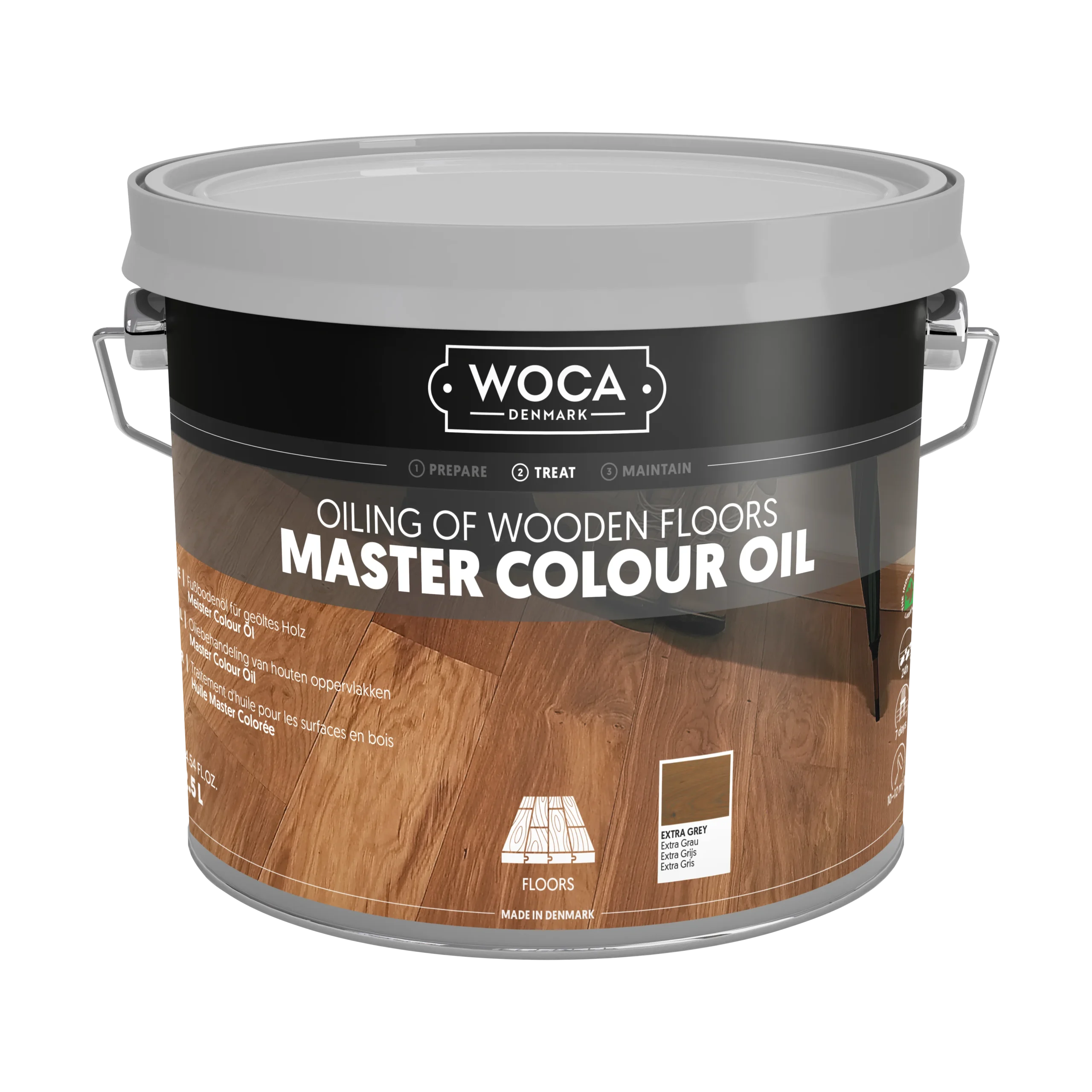
Extra Szary
VOC:
125 g/l, maksymalnej zawartosci LZO (A/i (SB)): 500 g/l.
Gęstość:
0.90-0.95 g/ml.
Trwałość:
3 lata
Temperatura aplikacji:
+15-25°C i ok. 50% wilgotności powietrza.
Wydajność:
10-12 m²/L
Colour product:
Extra Szary
VOC:
125 g/l, maksymalnej zawartosci LZO (A/i (SB)): 500 g/l.
Gęstość:
0.90-0.95 g/ml.
Trwałość:
3 lata
Temperatura aplikacji:
+15-25°C i ok. 50% wilgotności powietrza.
Wydajność:
10-12 m²/L
Colour product:
Extra Szary

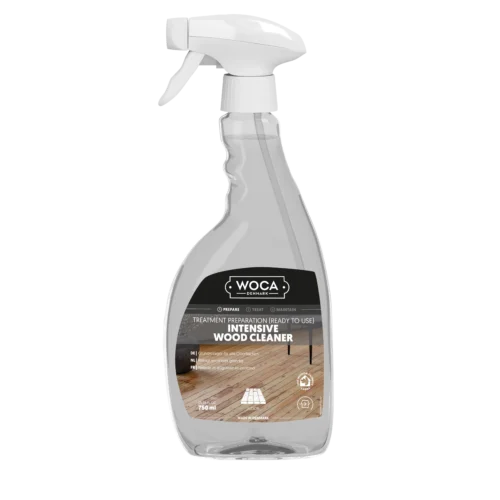
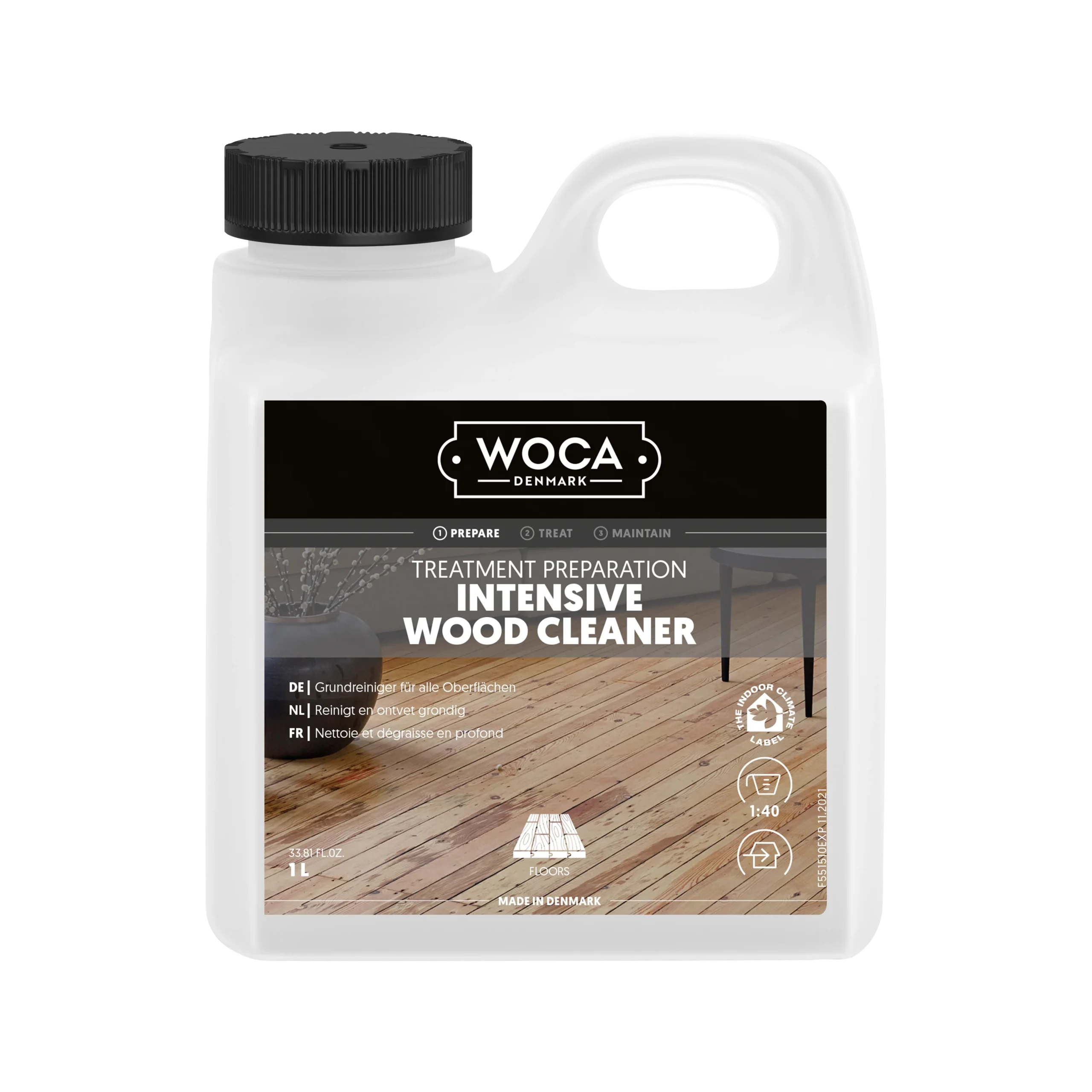
Temperatura produktu, pomieszczenia i powierzchni powinna wynosić 15-30°C. Wilgotność drewna nie może przekraczać 12%. W trakcie aplikacji i schnięcia należy zadbać o odpowiednią wentylację pomieszczenia. Drewno musi być świeżo zeszlifowane, na koniec papierem ściernym o gradacji 100-120. Następnie dokładnie odkurzyć powierzchnię. Powierzchnię umyć Intensive Wood Cleaner WOCA i pozostawić do wyschnięcia na co najmniej 8 godz.

Przed obróbką należy zawsze wykonać próbę na niewielkiej powierzchni w mało widocznym miejscu, by sprawdzić, czy podłoże odpowiednio przyjmuje produkt.

  • Dokładnie wstrząsnąć pojemnikiem Master Colour Oil, zarówno przed użyciem, jak iw trakcie. Pojemniki o różnych numerach partii należy mieszać, aby uniknąć niedopasowania kolorów.
  • Olej nakładać równą warstwą za pomocą wałka malarskiego o krótkim włosiu (4-6 mm). Każdorazowo pokrywać preparatem niewielką powierzchnię, maks. 10 m².
  • Pozostawić na 10-15 minuty do wchłonięcia. Jeśli pojawią się miejscowo suche plamy nałożyć więcej oleju.
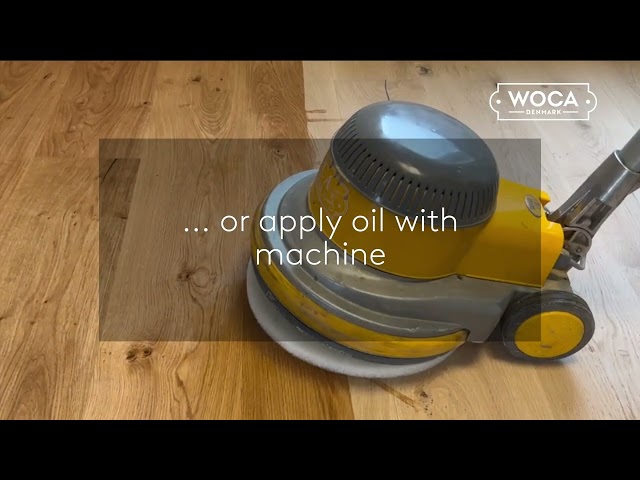
  • Polerować, aż powierzchnia będzie wydawać się nasycona. Na większych powierzchniach używać maszyny polerskiej z beżowym padem, mniejsze polerować ręcznie za pomocą pada lub ścierki polerskiej.
  • Remove excess oil with dry, lint-free cotton cloths or pads until the surface no longer appears wet. Continue until the whole area has been polished and excess oil has been thoroughly removed.
  • To ensure a good saturation the surface should be re-polished with 1 dl Master Colour Oil per 10-12 m²/L within 12-24 godziny w 20°C after the first application. The oil should be polished thoroughly, as described in step 4+5.
  • The surface can be used with caution after and is fully hardened after at 20°C and 55% humidity, after which rugs etc. can be placed on the floor.
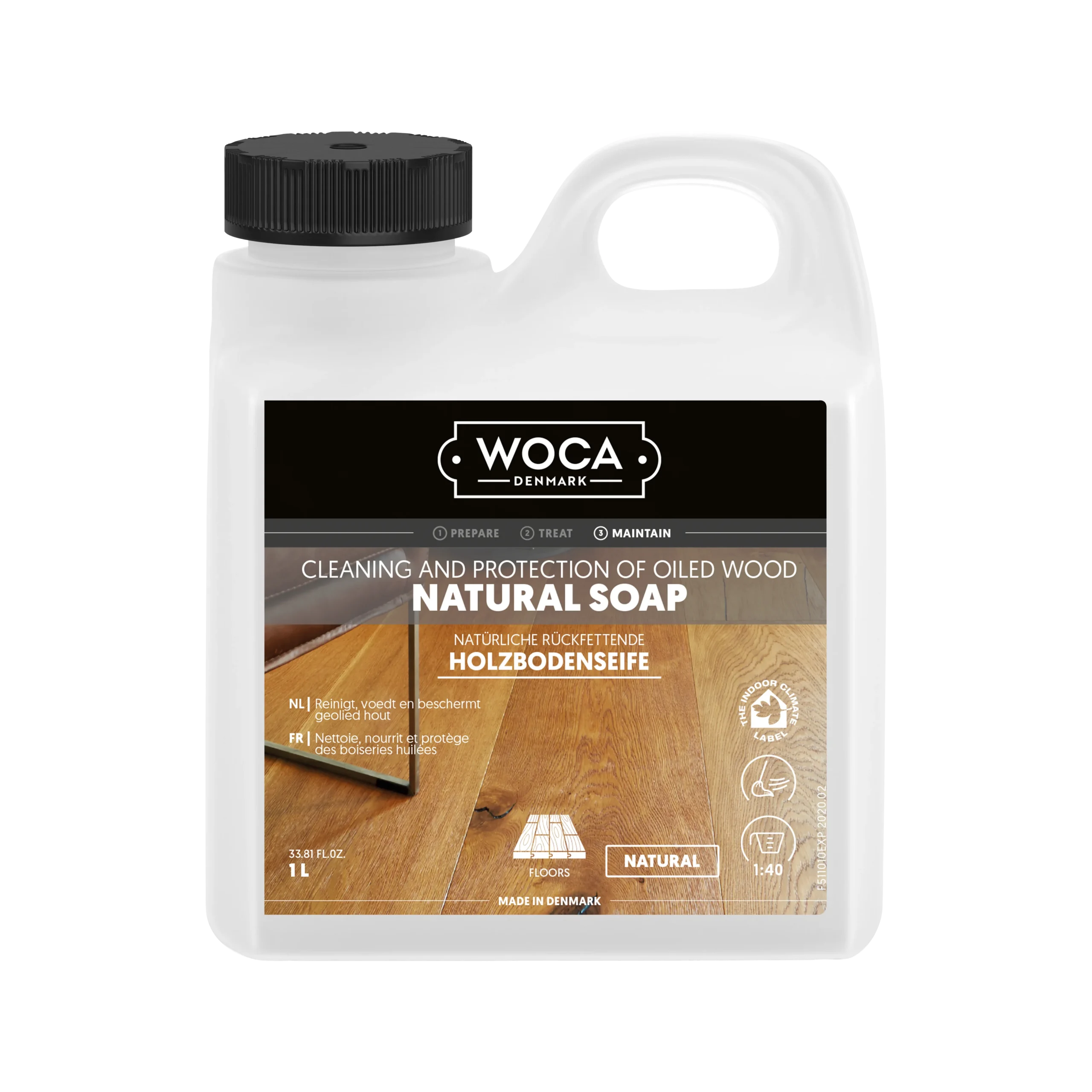
  • W ciągu pierwszych 7 dni, tj. w okresie, w którym olej ulega utwardzeniu, nie należy myć powierzchni ani narażać jej na kontakt z wodą. Po 7 dni podłogę można umyć Natural Soap WOCA dla dodatkowej ochrony powierzchni.
    ERROR: ORA-00907: missing right parenthesis