

Producten
Exterior
Exterior Wood Oil

Exterior Wood Oil

Artikelnummer: 618425A EAN: 5708055042000 617931A EAN: 5708055014793 617938A EAN: 5708055014809 618125A EAN: 5708055041973 618225A EAN: 5708055041980 618325A EAN: 5708055041997 617951A EAN: 5708055014984 617950A EAN: 5708055015004 617955A EAN: 5708055015042 617956A EAN: 5708055015035 617958A EAN: 5708055014991 617961A EAN: 5708055015011 617962A EAN: 5708055015028 617963A EAN: 5708055015059 617965A EAN: 5708055015264

Watergedragen olie voor buitenhout

  • De olie zorgt voor een sterk water- en vuilwerend oppervlak
  • Versterkt de natuurlijke kleurstructuur van het hout
  • Bevat UV-filter en beschermt het hout tegen bederf
  • Dikke viscositeit – druipt niet – eenvoudig te gebruiken
  • Biedt een ademend oppervlak met open poriën
  • Sneldrogend

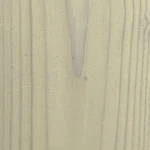
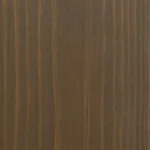
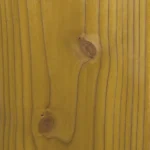
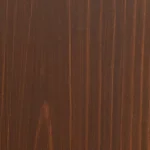
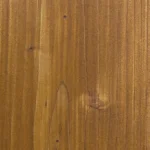
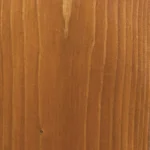
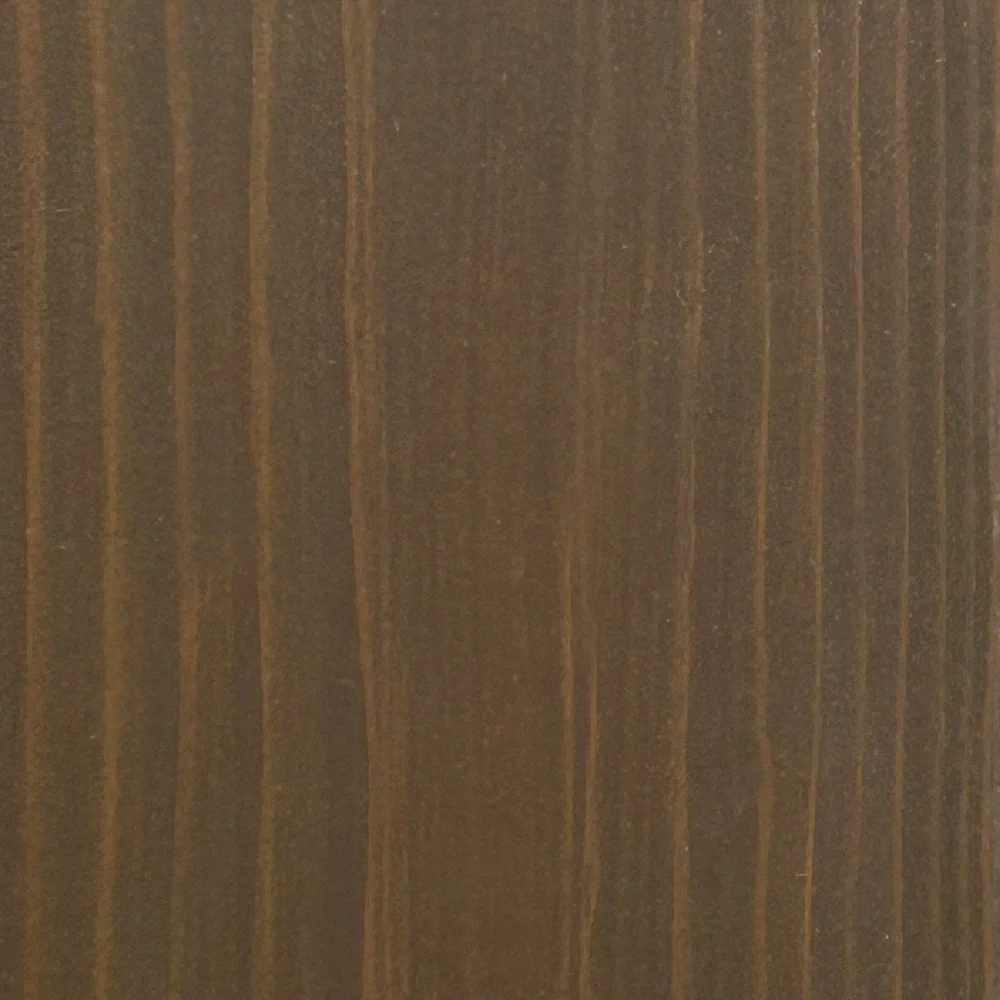
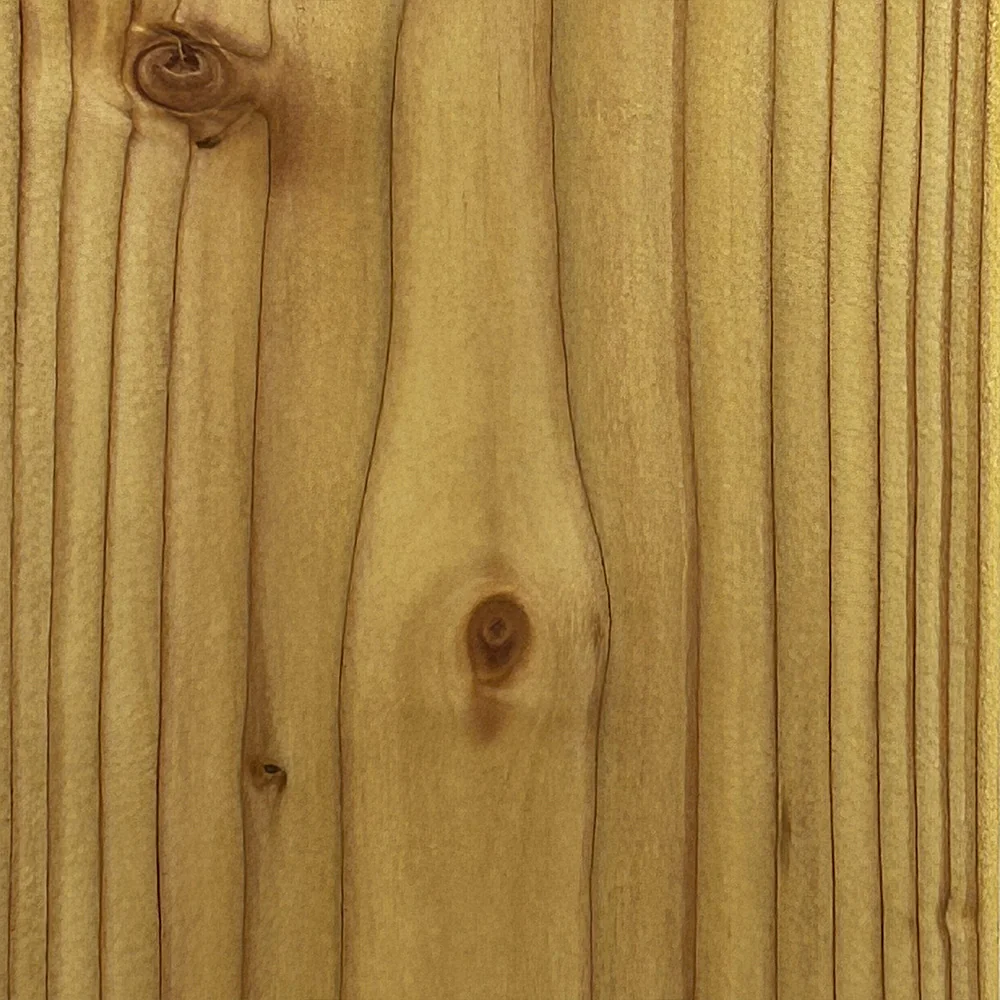
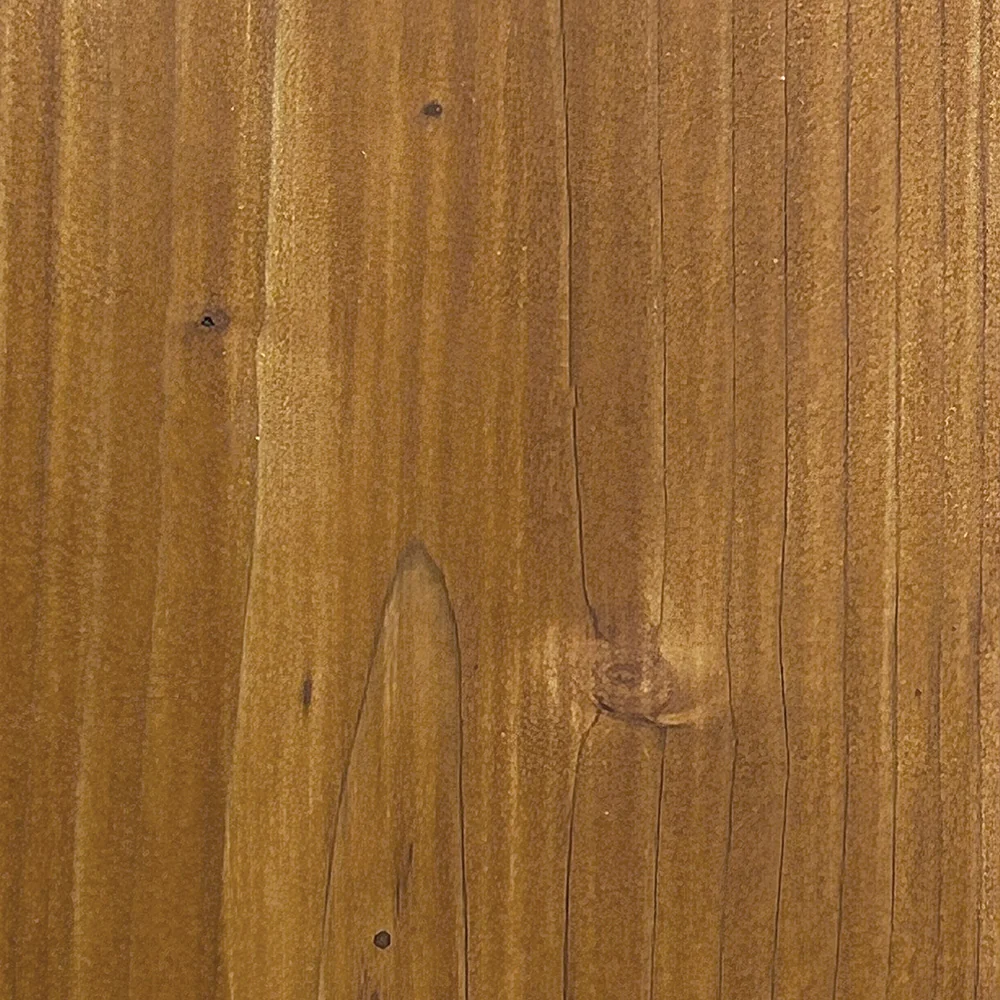
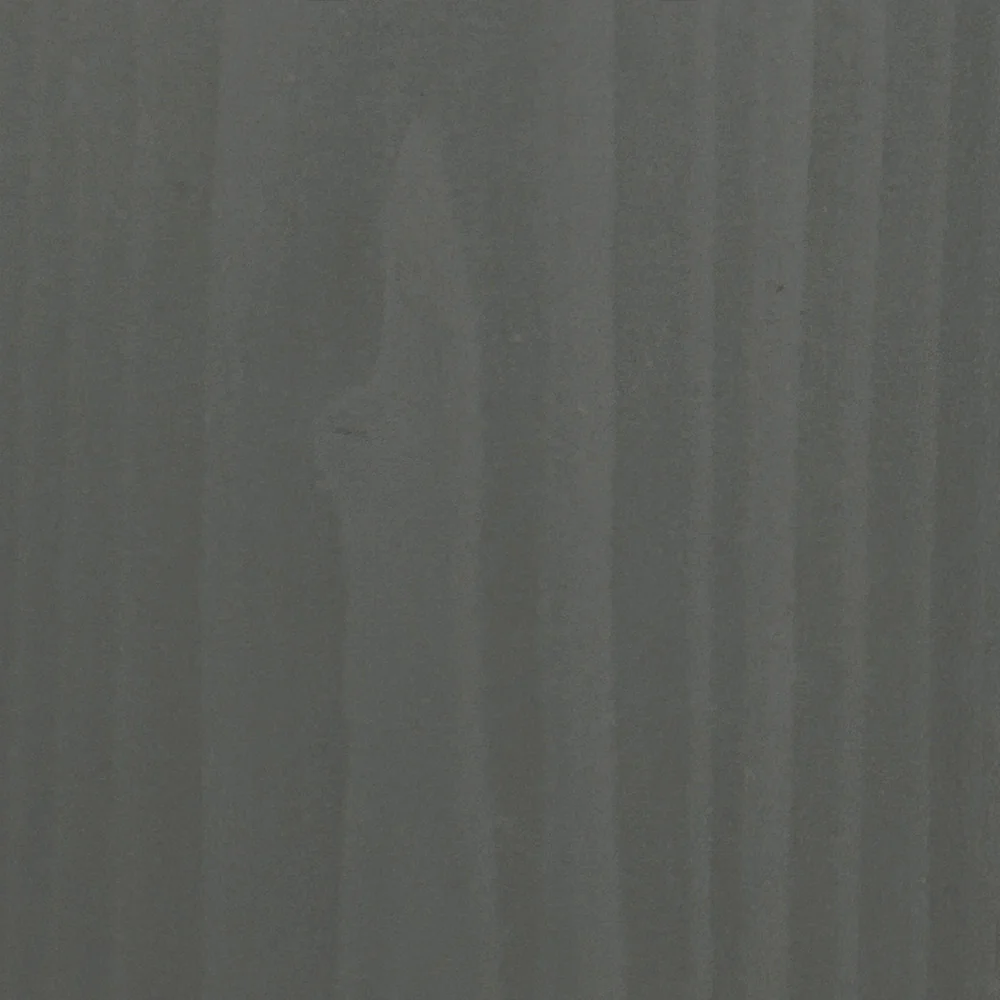
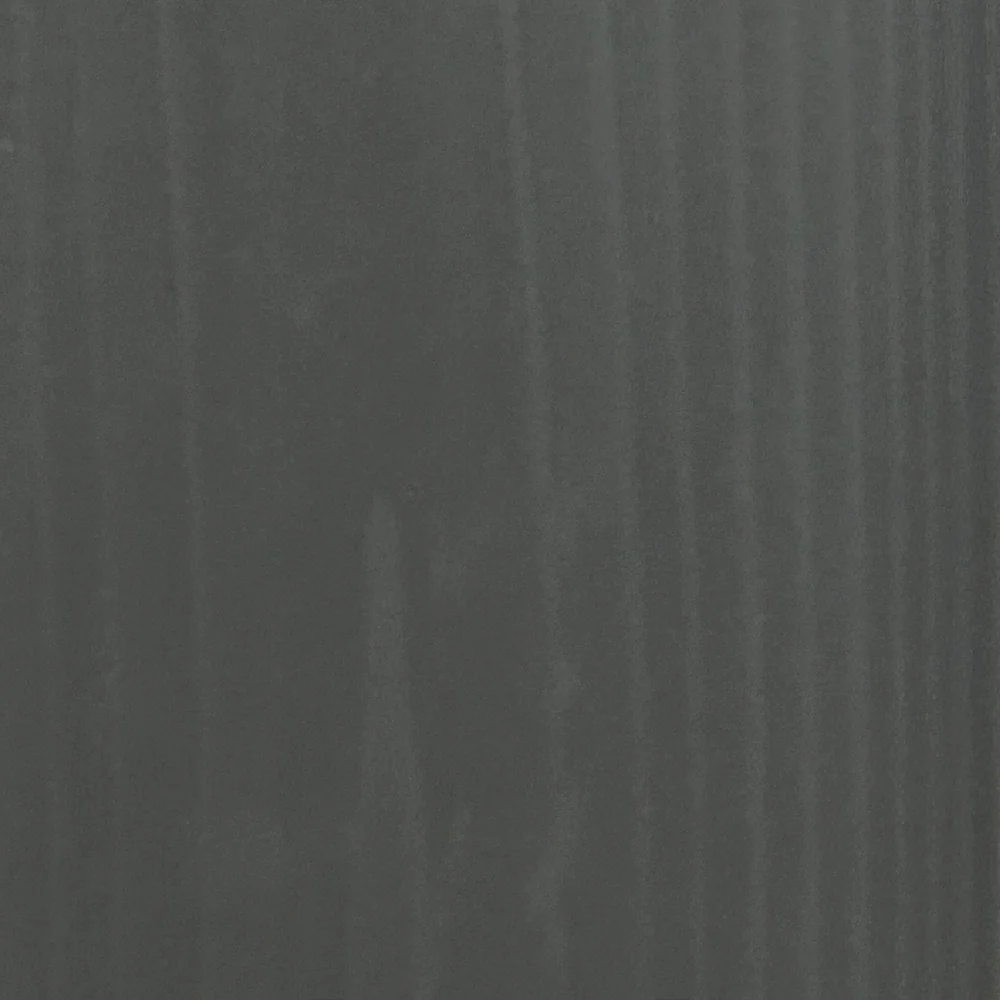
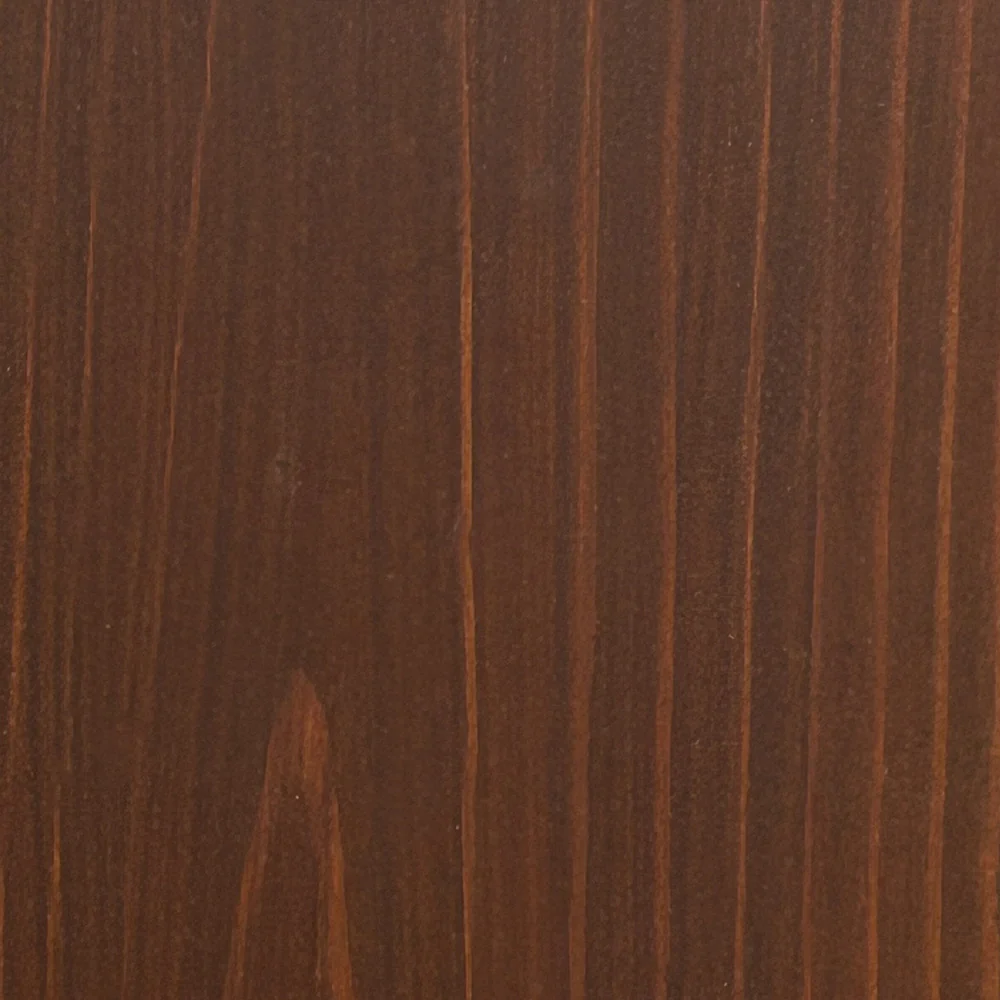
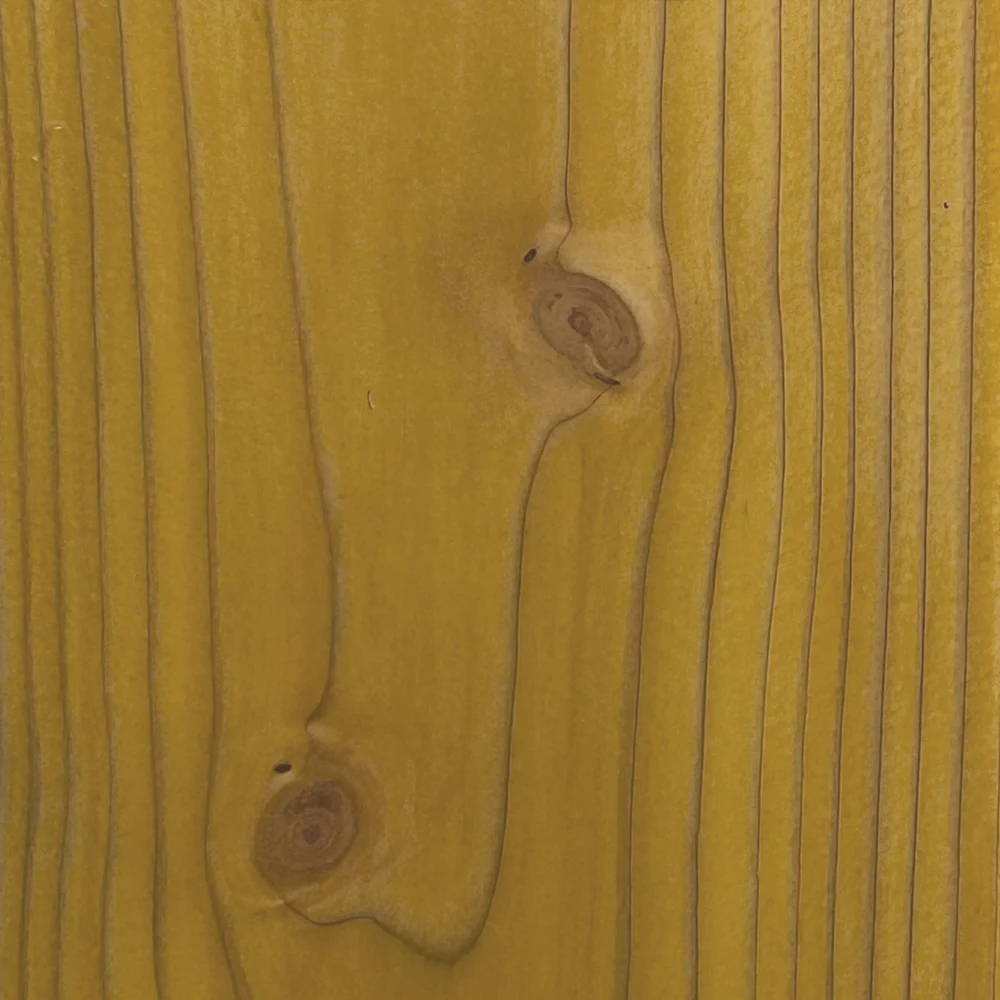
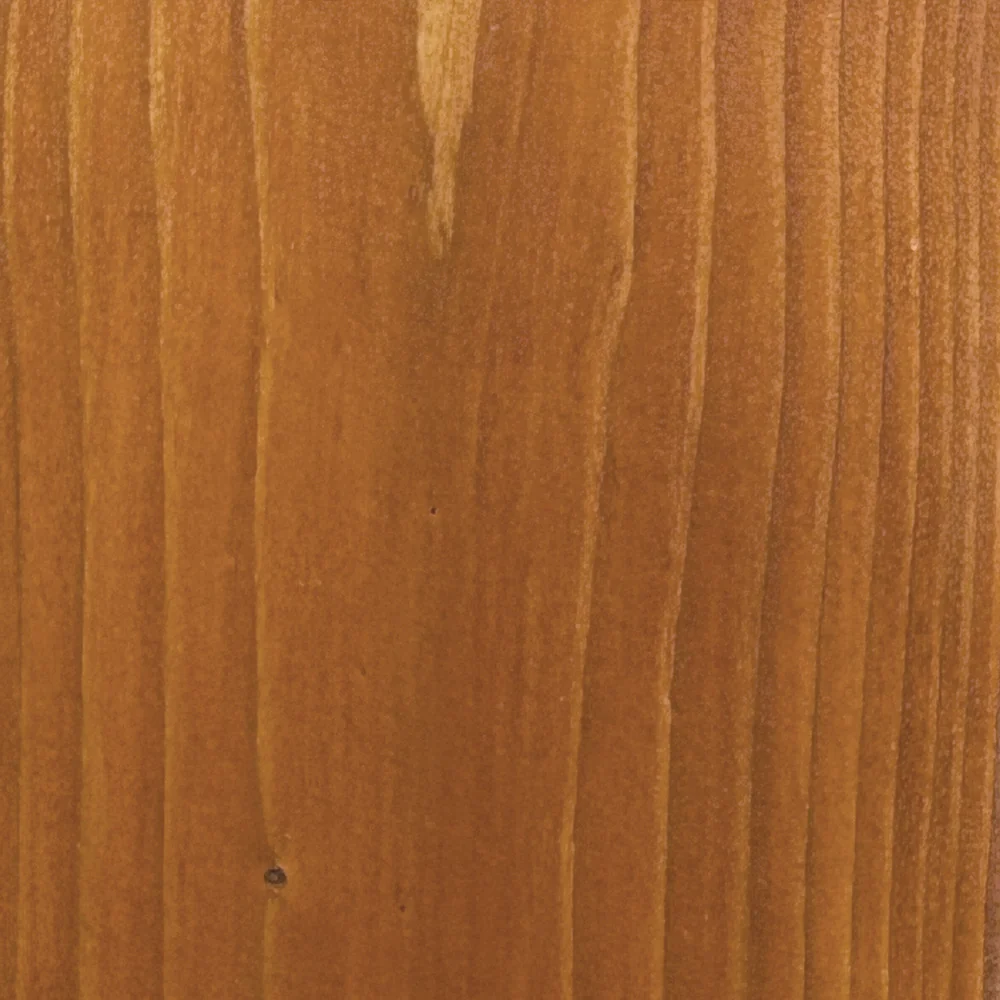
Kleuren

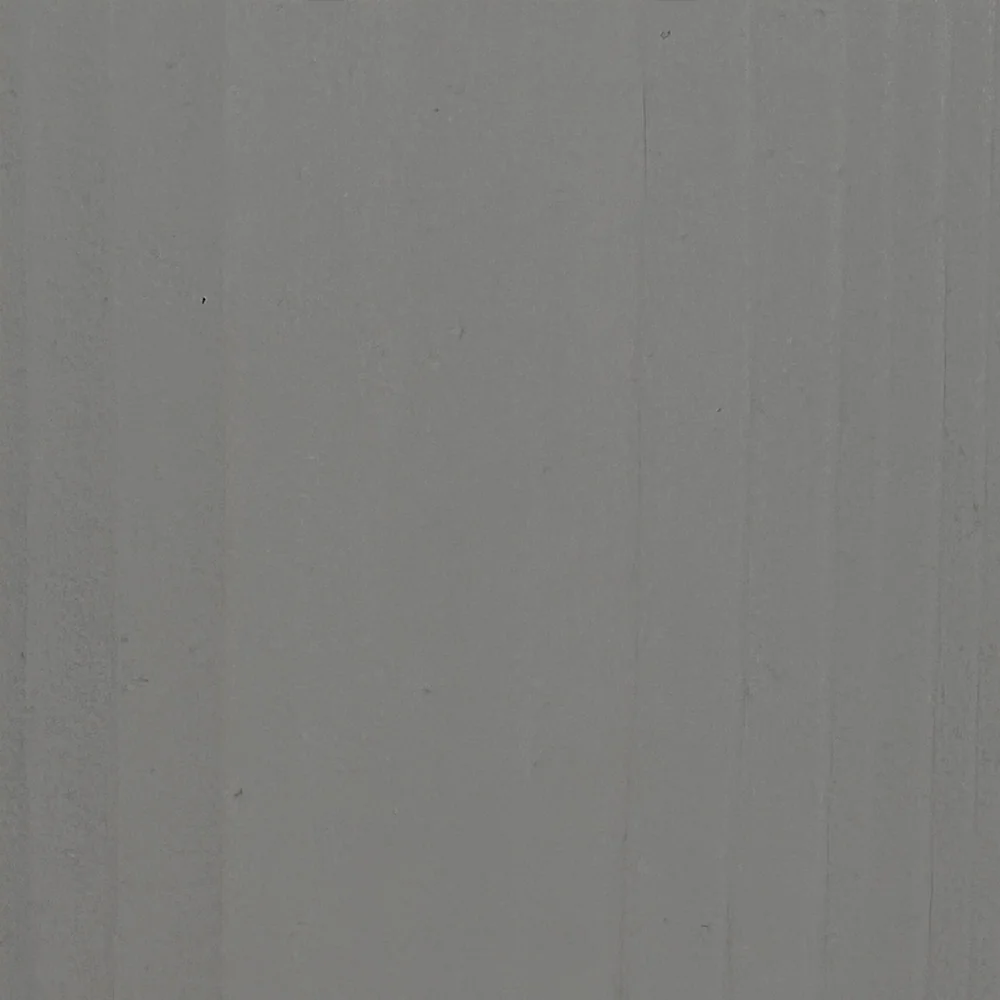
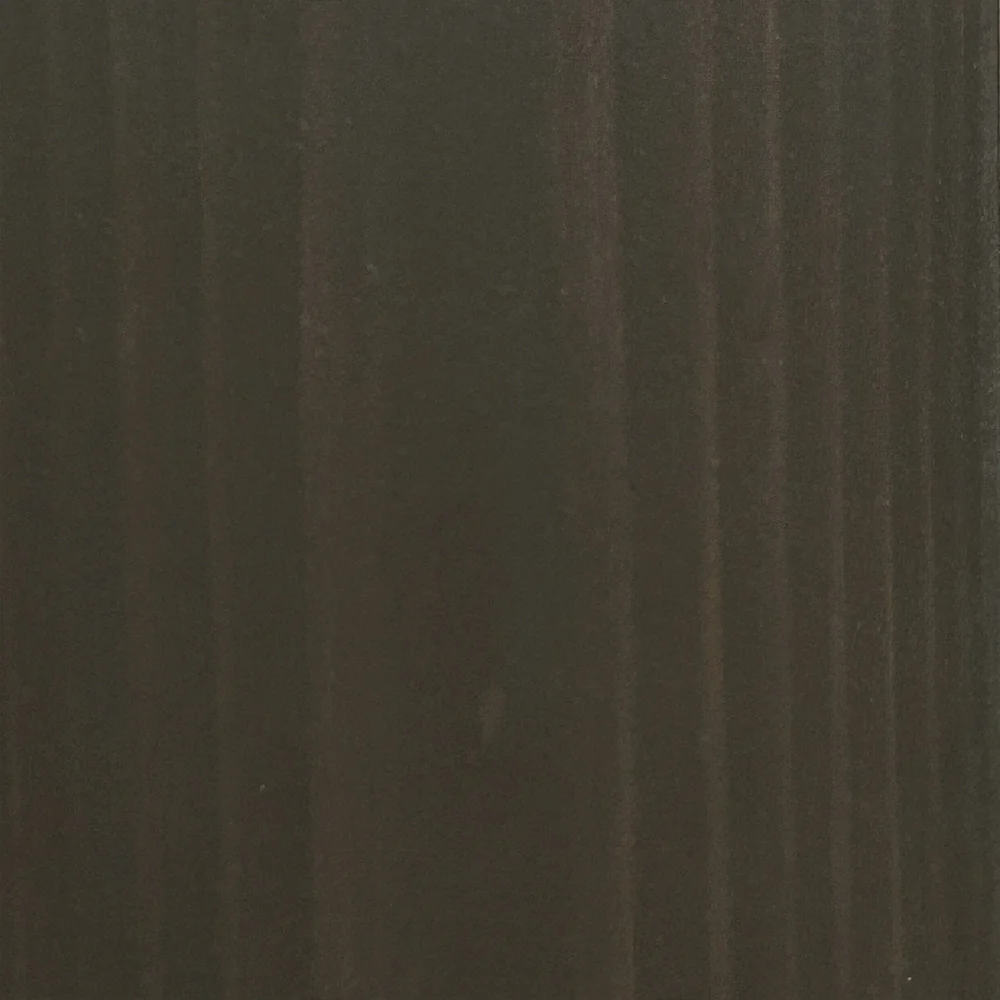
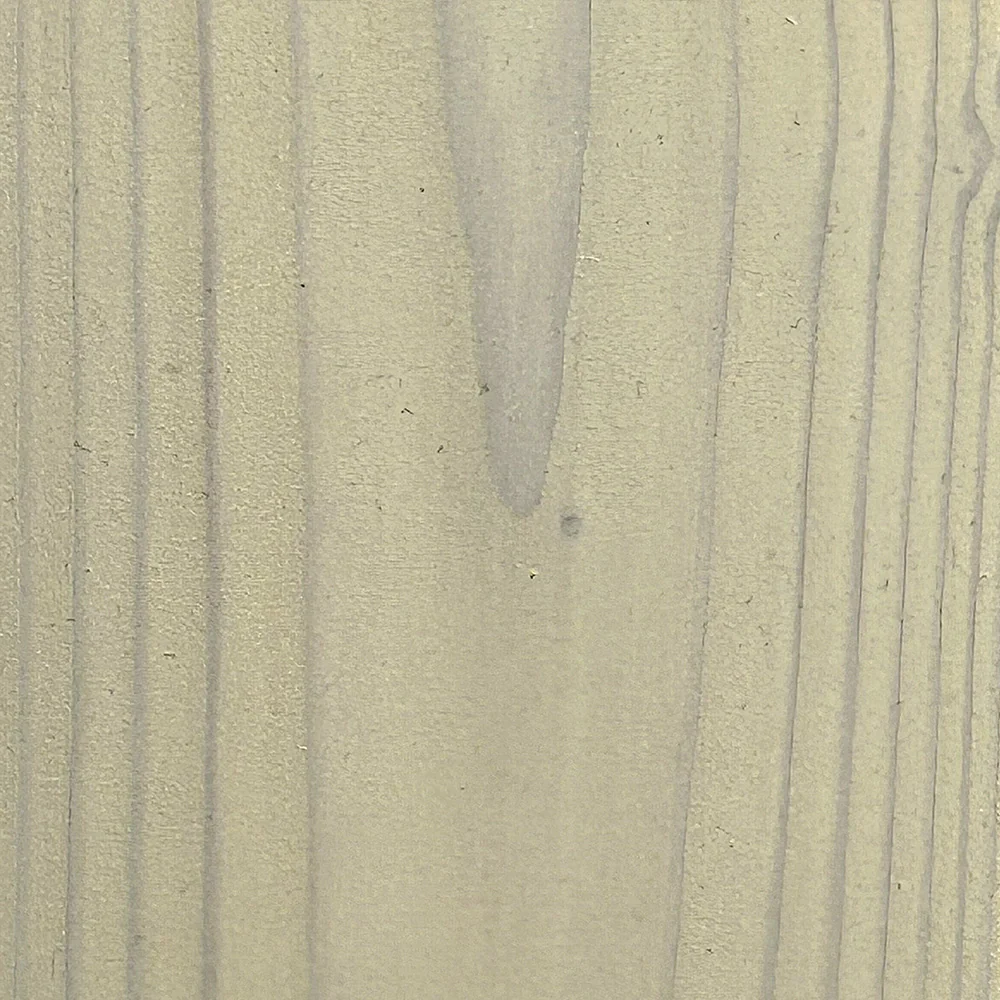
*Het houtmonster is afgebeeld op onder druk geïmpregneerd grenen
Naturel
Wit
Grijs
Antraciet
Stone Grey
Thunder Grey
Hazelnoot
Lariks
Merbau
Teak
Bangkirai
Walnoot
Zwart

Verpakking

Certificeringen

Bio-Based ASTM 6866
Biobased Carbon Content ASTM D6866-22 is an international standard method utilized for product testing. The result is reported as % Biobased Carbon. This indicates the percentage carbon from ‘natural’ (plant or animal by-product) sources.
DIN EN 16165 - Anti Slip R10
DIN EN 16165 is the European standard for determining slip resistance on floor surfaces with a classification from R9 to R13. The Anti Slip test is used to ensure safe traffic for all types of floors in public areas and workplaces etc.
Fire test
European standard specifying how building materials react in case of fire. Bfl-s1 classifies flooring with low combustibility and very low smoke development.
Productdetails

Exterior Wood Oil wordt buitenshuis gebruikt voor de basisbehandeling en het onderhoud van nieuwe en reeds geoliede houten oppervlakken, zoals terrassen, vensters, tuinmeubelen, gevelbekledingen. De speciale watergedragen samenstelling van de oliecomponenten zorgt er voor dat het product oplosbaar is in water en daarmee milieuvriendelijk is. De olie versterkt de natuurlijke kleur en houtnerf.


  • Bij huidirritatie of uitslag: Onmiddellijk een arts raadplegen.
  • Giftig voor in het water levende organismen, met langdurige gevolgen.
  • Kan een allergische huidreactie veroorzaken.
  • Wear protective gloves and eye protection.
  • Waarschuwing!
  • Met veel water wassen.
  • BIJ CONTACT MET DE HUID:
  • Voorkom lozing in het milieu.
VOC:
15 g/l, maximale grenswaarde (A/f (VB)): 130 g/l.
Dichtheid:
1.00-1.10 g/ml.
Houdbaarheid:
2 jaar
Verwerkingstemperatuur:
+15-30°C en ca. 50% luchtvochtigheid.
Verbruik:
8-12 m²/L
Colour product:
Hazelnoot
Verpakking:
2,5 L
VOC:
15 g/l, maximale grenswaarde (A/f (VB)): 130 g/l.
Dichtheid:
1.00-1.10 g/ml.
Houdbaarheid:
2 jaar
Verwerkingstemperatuur:
+15-30°C en ca. 50% luchtvochtigheid.
Verbruik:
8-12 m²/L
Colour product:
Naturel
Verpakking:
750 ml – 2,5 L
VOC:
15 g/l, maximale grenswaarde (A/f (VB)): 130 g/l.
Dichtheid:
1.00-1.10 g/ml.
Houdbaarheid:
2 jaar
Verwerkingstemperatuur:
+15-30°C en ca. 50% luchtvochtigheid.
Verbruik:
8-12 m²/L
Colour product:
Teak
Verpakking:
750 ml – 2,5 L
VOC:
15 g/l, maximale grenswaarde (A/f (VB)): 130 g/l.
Dichtheid:
1.00-1.10 g/ml.
Houdbaarheid:
2 jaar
Verwerkingstemperatuur:
+15-30°C en ca. 50% luchtvochtigheid.
Verbruik:
8-12 m²/L
Colour product:
Stone Grey
Verpakking:
2,5 L
VOC:
15 g/l, maximale grenswaarde (A/f (VB)): 130 g/l.
Dichtheid:
1.00-1.10 g/ml.
Houdbaarheid:
2 jaar
Verwerkingstemperatuur:
+15-30°C en ca. 50% luchtvochtigheid.
Verbruik:
8-12 m²/L
Colour product:
Thunder Grey
Verpakking:
2,5 L
VOC:
15 g/l, maximale grenswaarde (A/f (VB)): 130 g/l.
Dichtheid:
1.00-1.10 g/ml.
Houdbaarheid:
2 jaar
Verwerkingstemperatuur:
+15-30°C en ca. 50% luchtvochtigheid.
Verbruik:
8-12 m²/L
Colour product:
Merbau
Verpakking:
2,5 L
VOC:
15 g/l, maximale grenswaarde (A/f (VB)): 130 g/l.
Dichtheid:
1.00-1.10 g/ml.
Houdbaarheid:
2 jaar
Verwerkingstemperatuur:
+15-30°C en ca. 50% luchtvochtigheid.
Verbruik:
8-12 m²/L
Colour product:
Naturel
Verpakking:
750 ml – 2,5 L
VOC:
50 g/l, maximale grenswaarde (A/f (VB)): 130 g/l.
Dichtheid:
1.00-1.10 g/ml.
Houdbaarheid:
2 jaar
Verwerkingstemperatuur:
+15-30°C en ca. 50% luchtvochtigheid.
Verbruik:
8-12 m²/L
Colour product:
Zwart
Verpakking:
2,5 L
VOC:
15 g/l, maximale grenswaarde (A/f (VB)): 130 g/l.
Dichtheid:
1.00-1.10 g/ml.
Houdbaarheid:
2 jaar
Verwerkingstemperatuur:
+15-30°C en ca. 50% luchtvochtigheid.
Verbruik:
8-12 m²/L
Colour product:
Lariks
Verpakking:
2,5 L
VOC:
15 g/l, maximale grenswaarde (A/f (VB)): 130 g/l.
Dichtheid:
1.00-1.10 g/ml.
Houdbaarheid:
2 jaar
Verwerkingstemperatuur:
+15-30°C en ca. 50% luchtvochtigheid.
Verbruik:
8-12 m²/L
Colour product:
Bangkirai
Verpakking:
2,5 L
VOC:
15 g/l, maximale grenswaarde (A/f (VB)): 130 g/l.
Dichtheid:
1.00-1.10 g/ml.
Houdbaarheid:
2 jaar
Verwerkingstemperatuur:
+15-30°C en ca. 50% luchtvochtigheid.
Verbruik:
8-12 m²/L
Colour product:
Teak
Verpakking:
750 ml – 2,5 L
VOC:
15 g/l, maximale grenswaarde (A/f (VB)): 130 g/l.
Dichtheid:
1.00-1.10 g/ml.
Houdbaarheid:
2 jaar
Verwerkingstemperatuur:
+15-30°C en ca. 50% luchtvochtigheid.
Verbruik:
8-12 m²/L
Colour product:
Grijs
Verpakking:
2,5 L
VOC:
15 g/l, maximale grenswaarde (A/f (VB)): 130 g/l.
Dichtheid:
1.00-1.10 g/ml.
Houdbaarheid:
2 jaar
Verwerkingstemperatuur:
+15-30°C en ca. 50% luchtvochtigheid.
Verbruik:
8-12 m²/L
Colour product:
Walnoot
Verpakking:
2,5 L
VOC:
35 g/l, maximale grenswaarde (A/f (VB)): 130 g/l.
Dichtheid:
1.00-1.10 g/ml.
Houdbaarheid:
2 jaar
Verwerkingstemperatuur:
+15-30°C en ca. 50% luchtvochtigheid.
Verbruik:
8-12 m²/L
Colour product:
Antraciet
Verpakking:
2,5 L
VOC:
15 g/l, maximale grenswaarde (A/f (VB)): 130 g/l.
Dichtheid:
1.00-1.10 g/ml.
Houdbaarheid:
2 jaar
Verwerkingstemperatuur:
+15-30°C en ca. 50% luchtvochtigheid.
Verbruik:
8-12 m²/L
Colour product:
Wit
Verpakking:
2,5 L
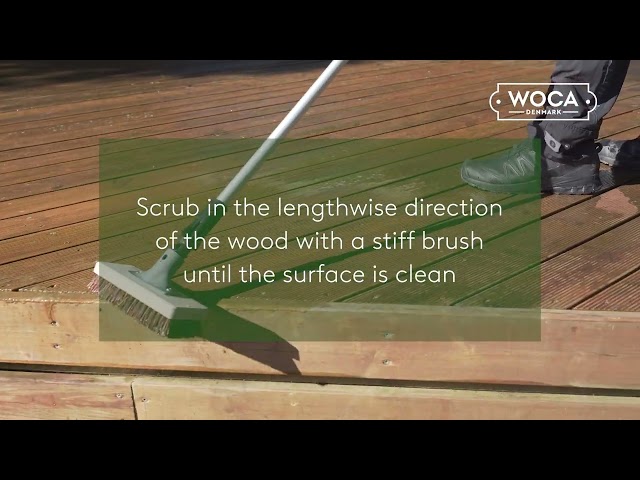
Oil treatment of wooden deck

Onbehandeld niet-geïmpregneerd naaldhout (met uitzondering van red ceder en lariks) dient voorbehandeld te worden met WOCA Exterior Wood Primer.

Vergeet niet om het product op geschiktheid te testen, door eerst een klein oppervlak met het product te bewerken.

  • Reinig zowel oude als nieuwe oppervlakken met Exterior Wood Cleaner voor de behandeling met olie.
  • Laat het hout minimaal 24 uur drogen, zodat de houtvochtigheid maximaal 17% bedraagt. Verwijder eventuele opstaande houtvezels met schuurpapier korrel 120-150.
  • Behandel het hout alleen bij droog weer, min. temp. 13°C en vermijd direct zonlicht en hoge temperaturen.
  • Roer de Olie zorgvuldig om voor gebruik.
  • Breng een egale dunne laag olie aan met een kwast. Behandel eerst de kopse kanten. De olie heeft een crème-achtige kleur als deze vloeibaar is. Na een paar minuten heeft het hout een geolied uitzicht doordat het water verdampt is.
  • Verwijder na maximaal 5 minuten overtollige olie met schone doeken. Let vooral op verbindingen en groeven.
  • Herhaal stap 5 en 6 als het oppervlak er nog niet verzadigd uitziet.
  • Als het hout droog is mag het opgewreven worden met een handpad of een eenschijfsmachine, voor een extra slijtvast oppervlak.
  • Het duurt 24-48 uur bij 20°C voordat de olie volledig doorgehard is, afhankelijk van weercondities en temperatuur. Het hout mag tijdens deze periode niet blootgesteld worden aan water.
  • Let op: bij tuinmeubelen wordt aanbevolen om Exterior Wood Oil Zwart, Antraciet en Walnoot af te werken met een laag Exterior Wood Oil Naturel, om te vermijden dat de kleur afgeeft.