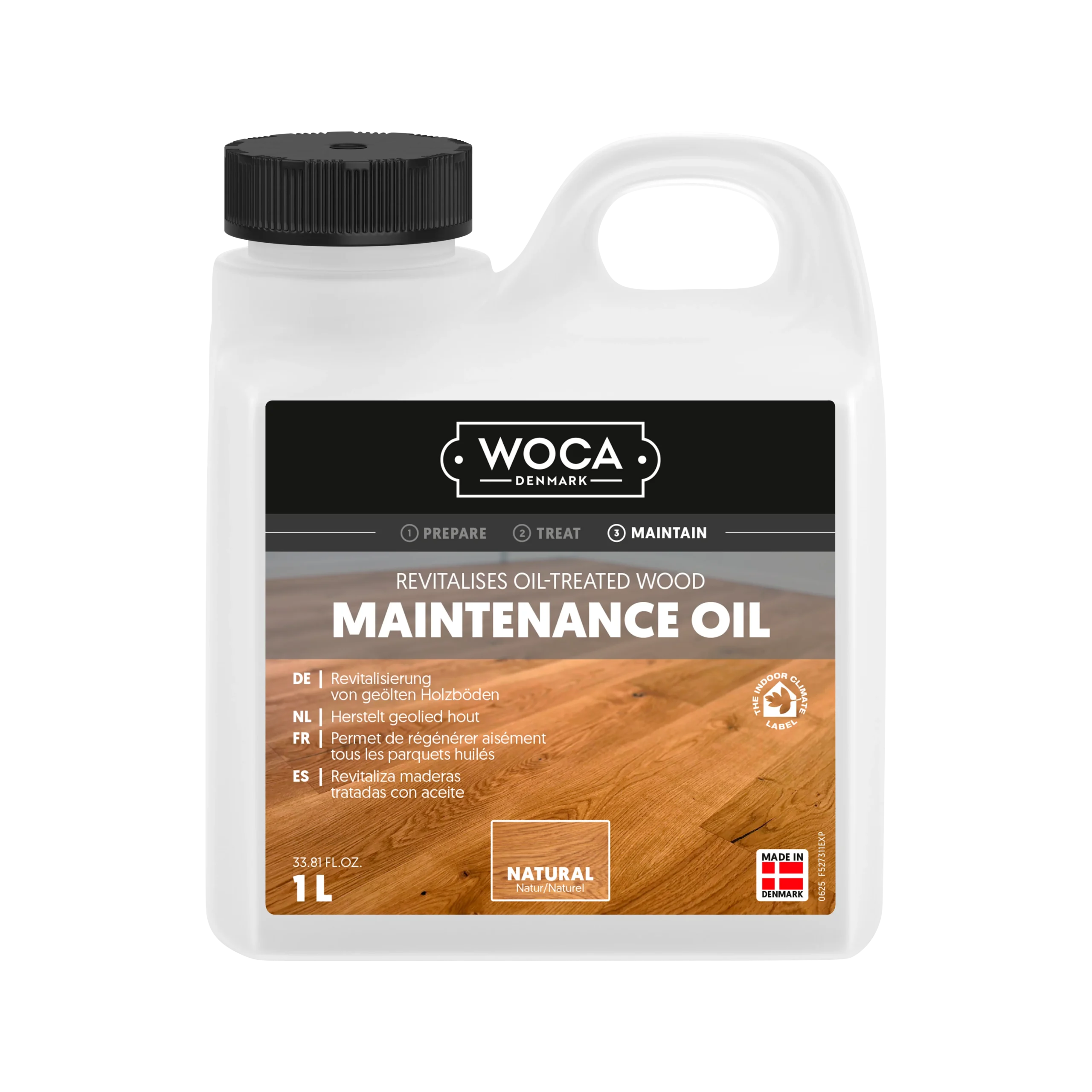
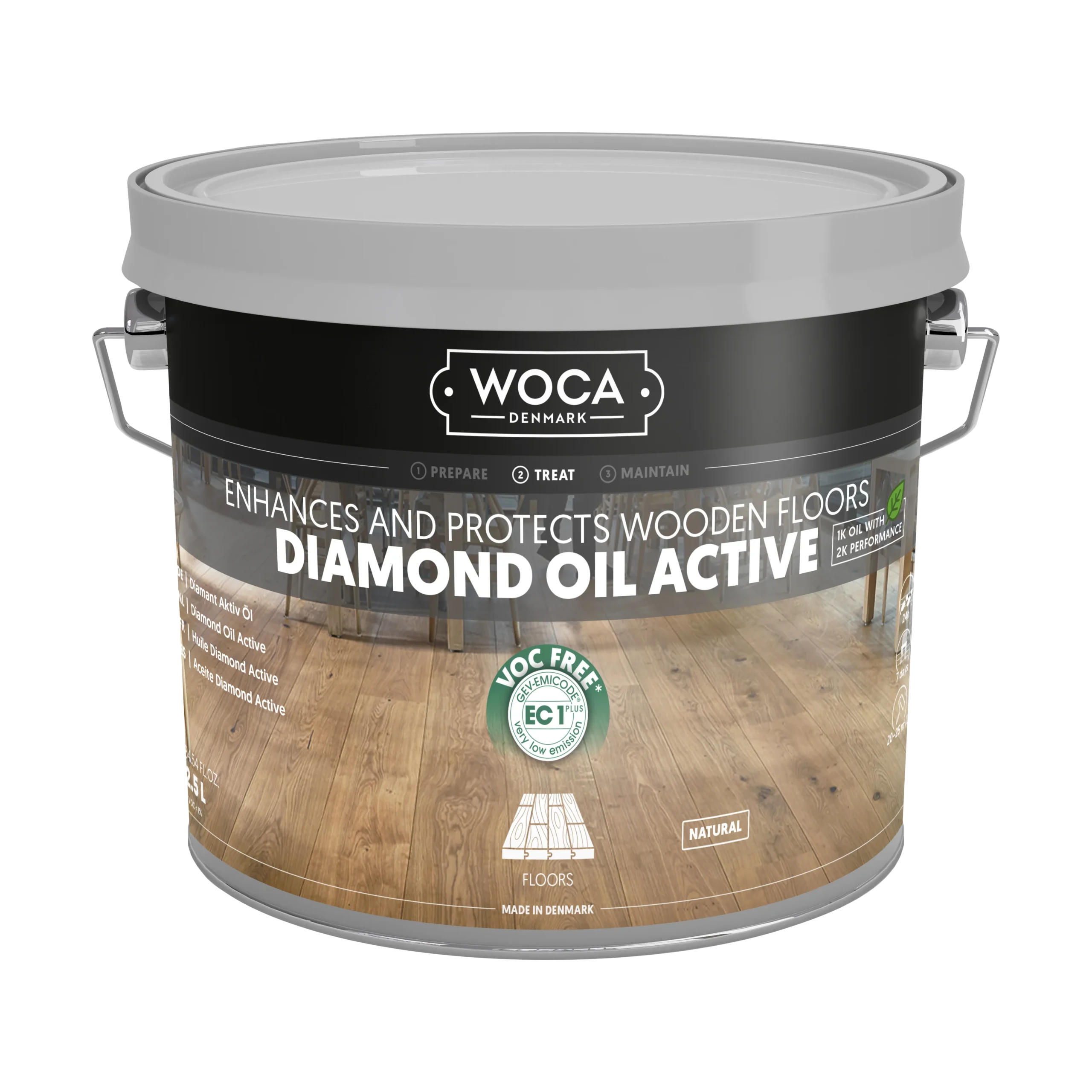
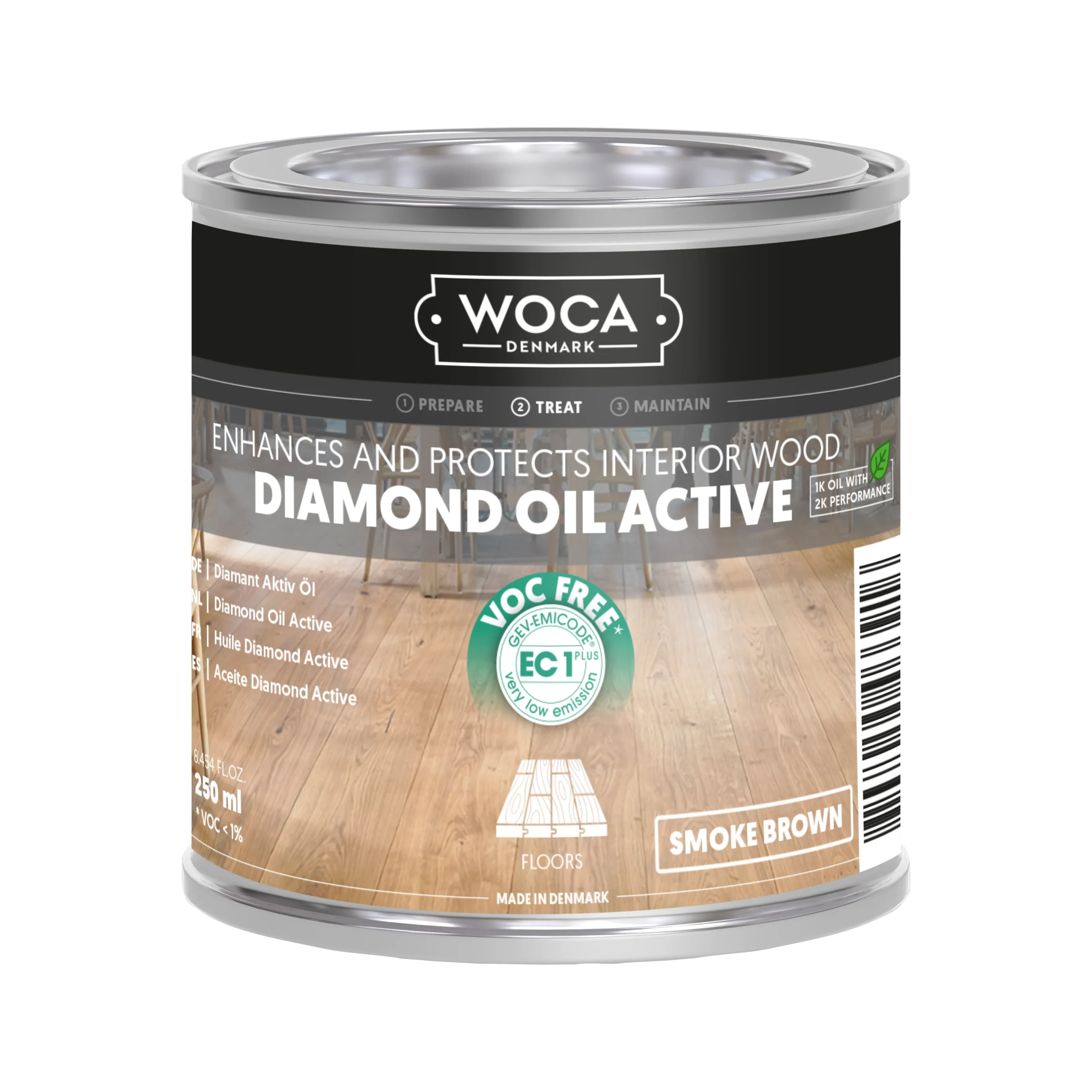
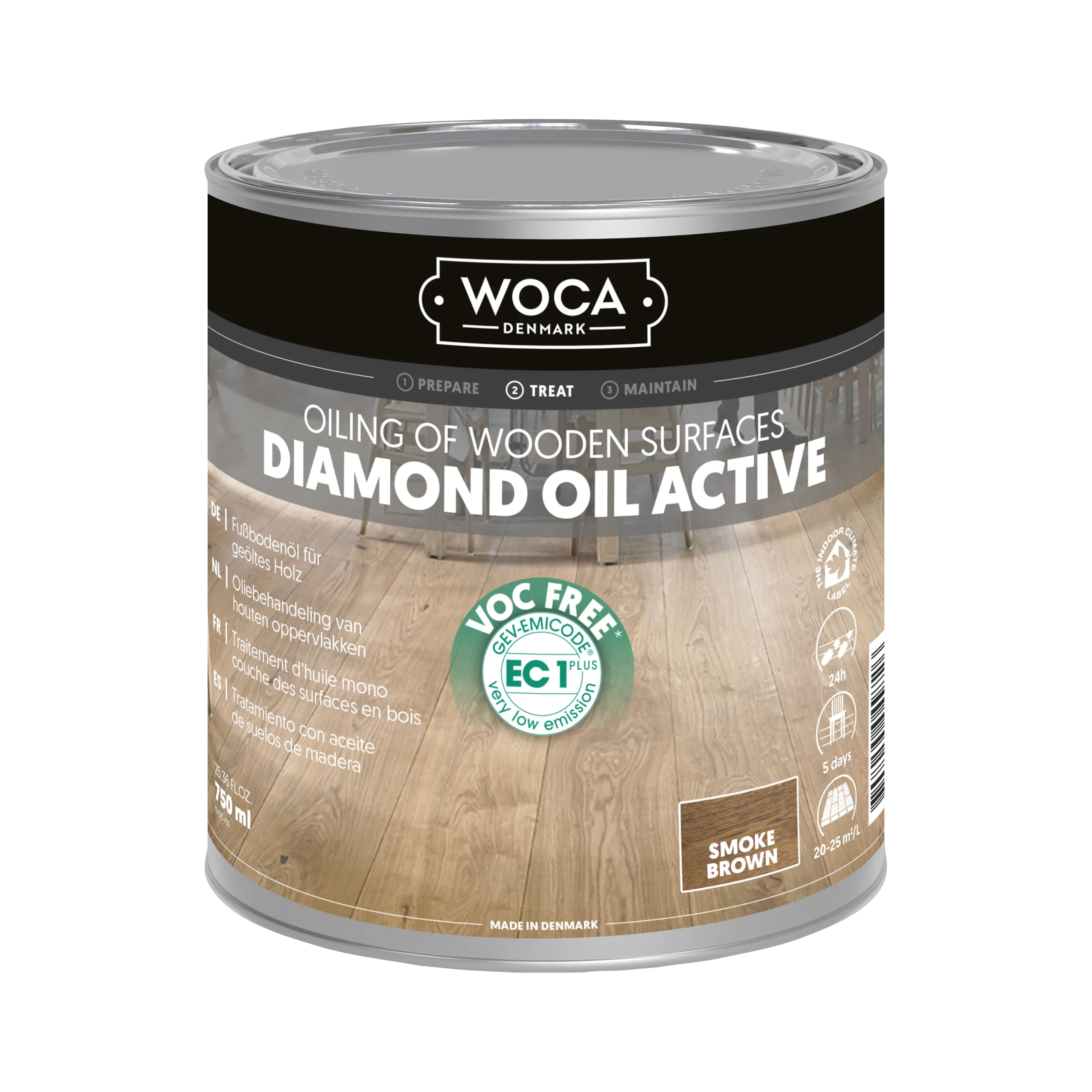
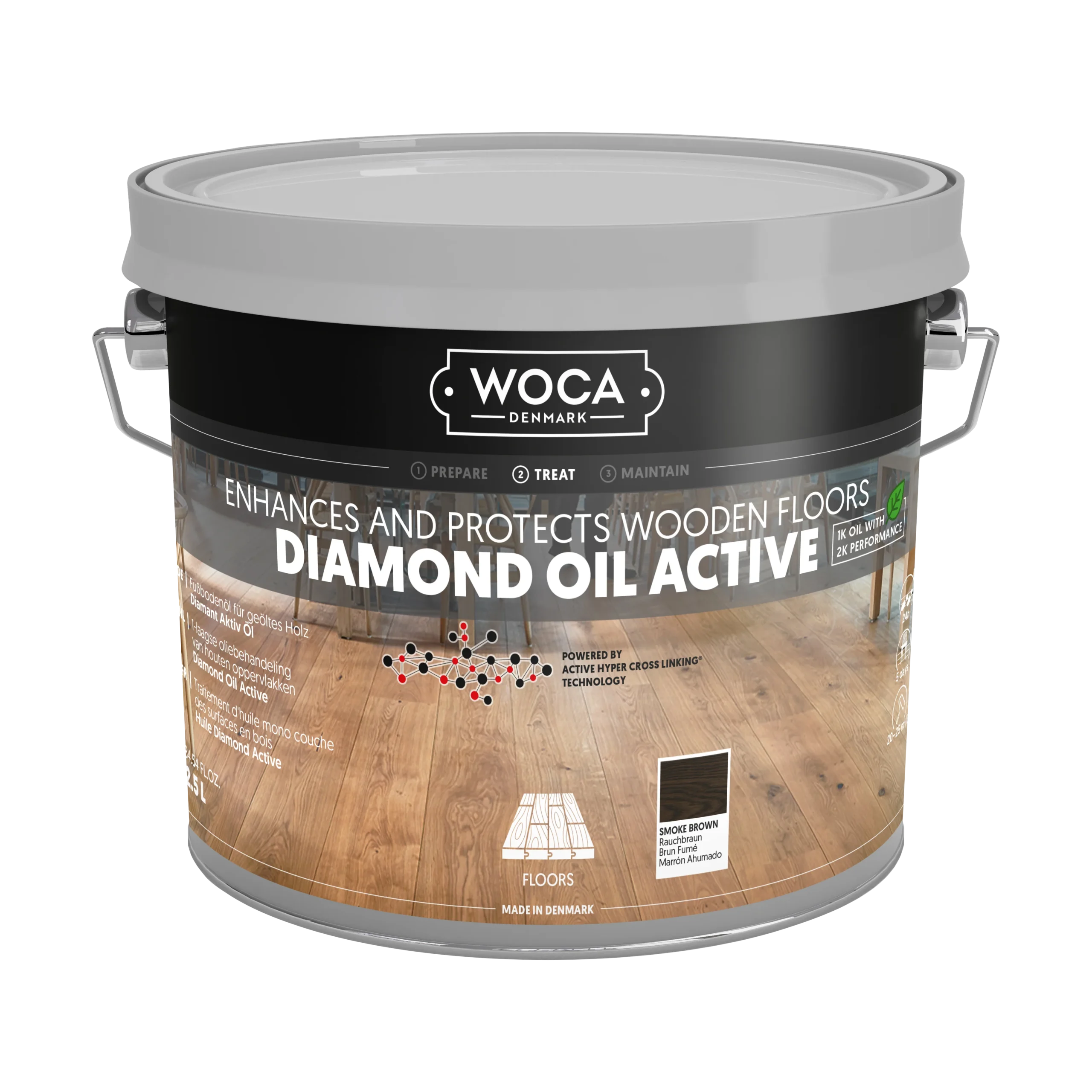
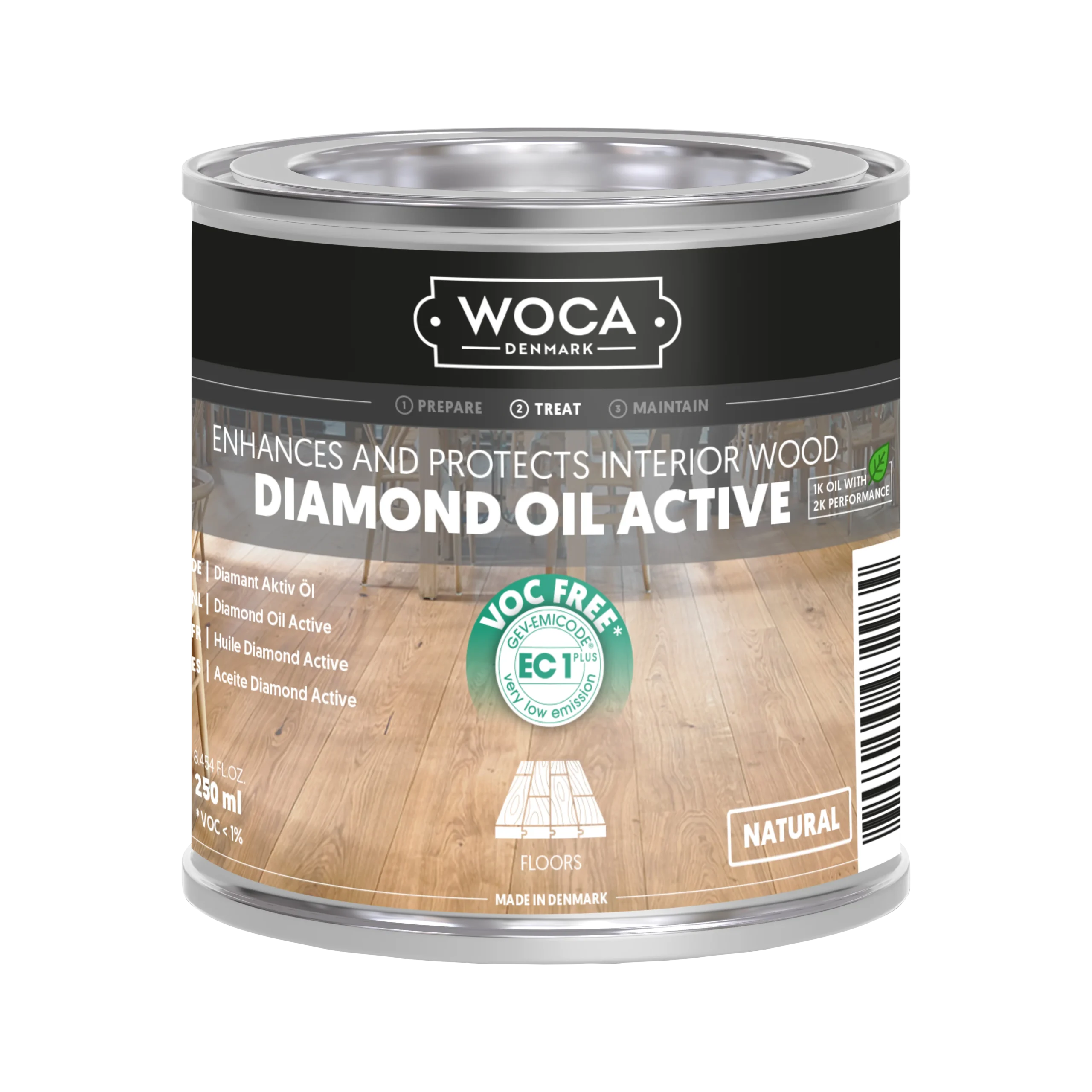
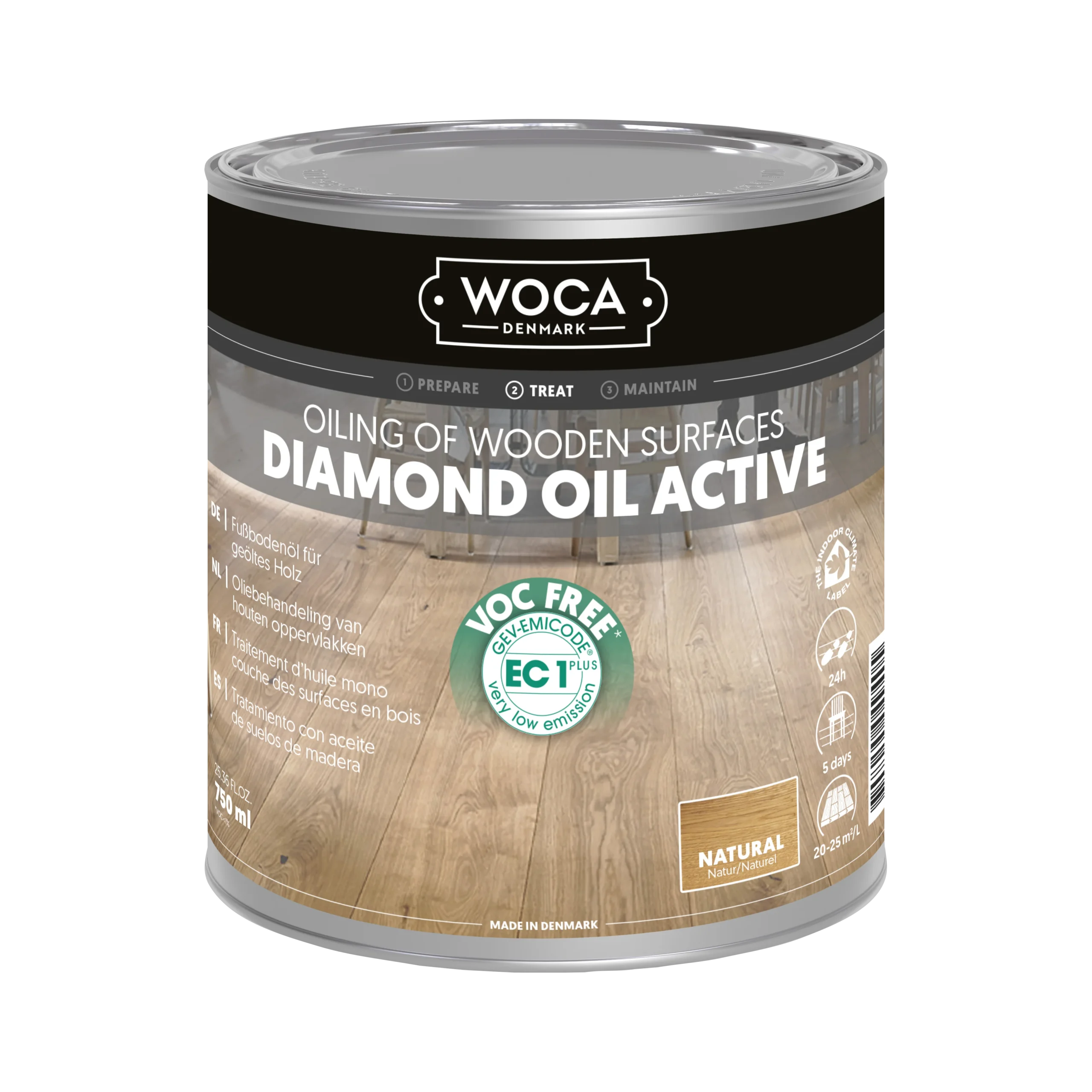
Diamond Oil Active
Diamond Oil Active

Diamond Oil Active

Artikelnummer: 565010A 565010SA 565025A 565025SA 565050A 565105A 565107A 565110SA 565125A 565125SA 565505A 565507A 565510SA 565525A 565525SA 565607A 565610SA 565625A 565625SA 565707A 565710SA 565725A 565725SA 565807A 565810SA 565825A 565907A 565910SA 565925A 565925SA 566007A 566010SA 566025A 566025SA 566105A 566107A 566110SA 566125A 565005A 565007A

Oliebehandeling van houten oppervlakken

  • VOC-VRIJ*
  • Eenvoudige applicatie
  • 1-component olie met de prestaties van een 2-componenten olie
  • Extreme duurzaamheid en weerstand tegen krassen en vlekken 
  • Bestand tegen vloeistoffen zoals water, koffie, thee en rode wijn

Kleuren

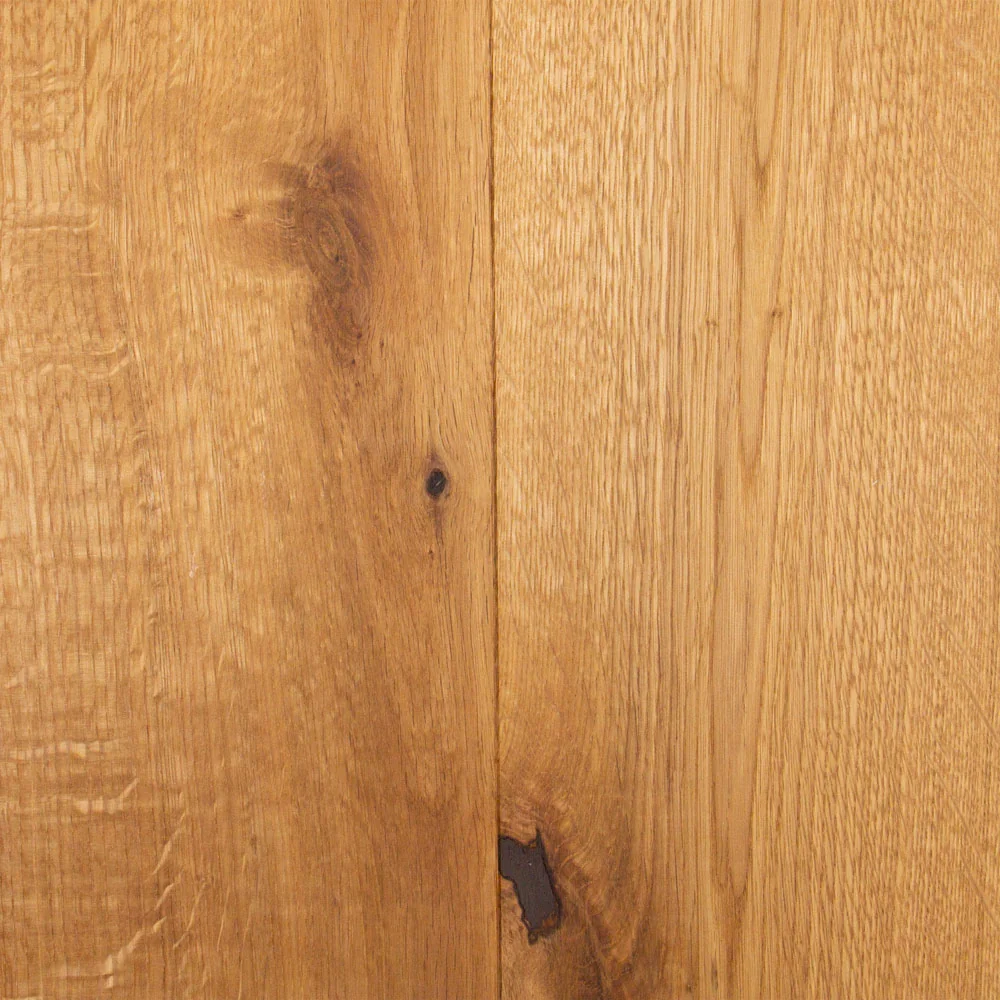
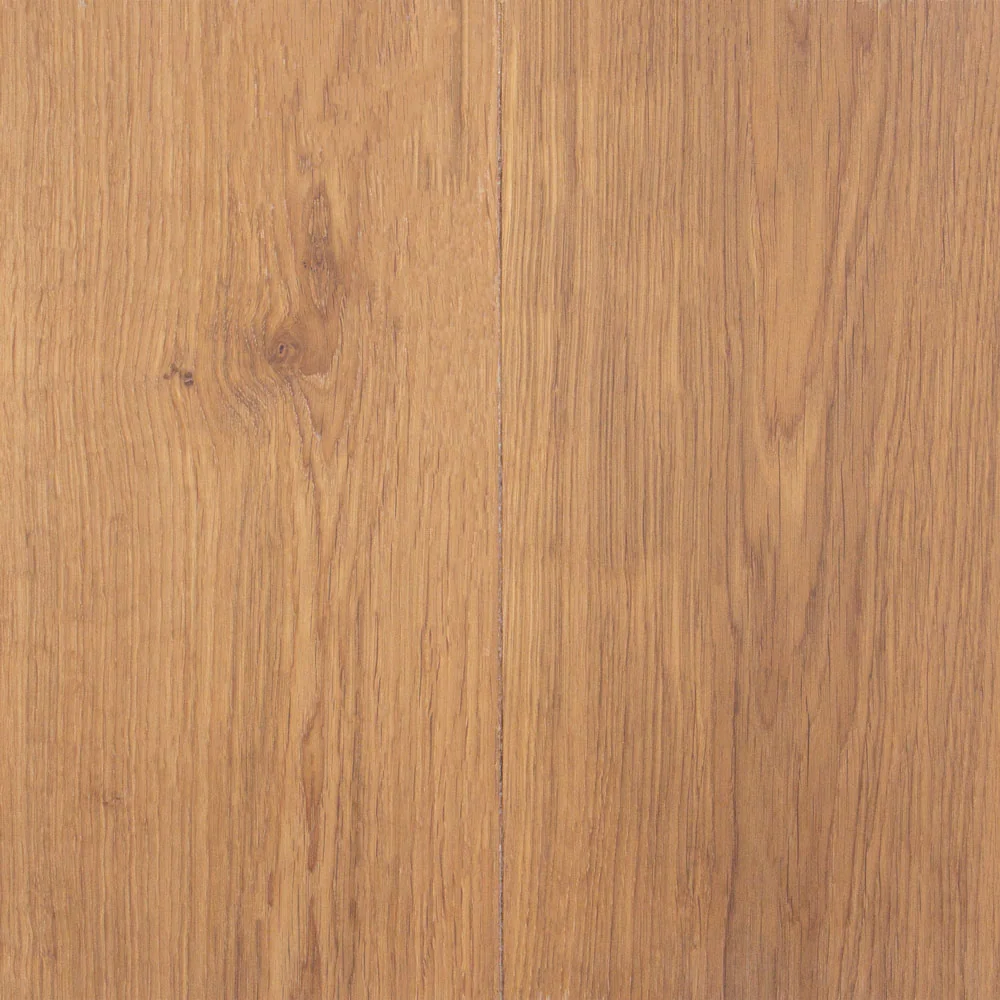
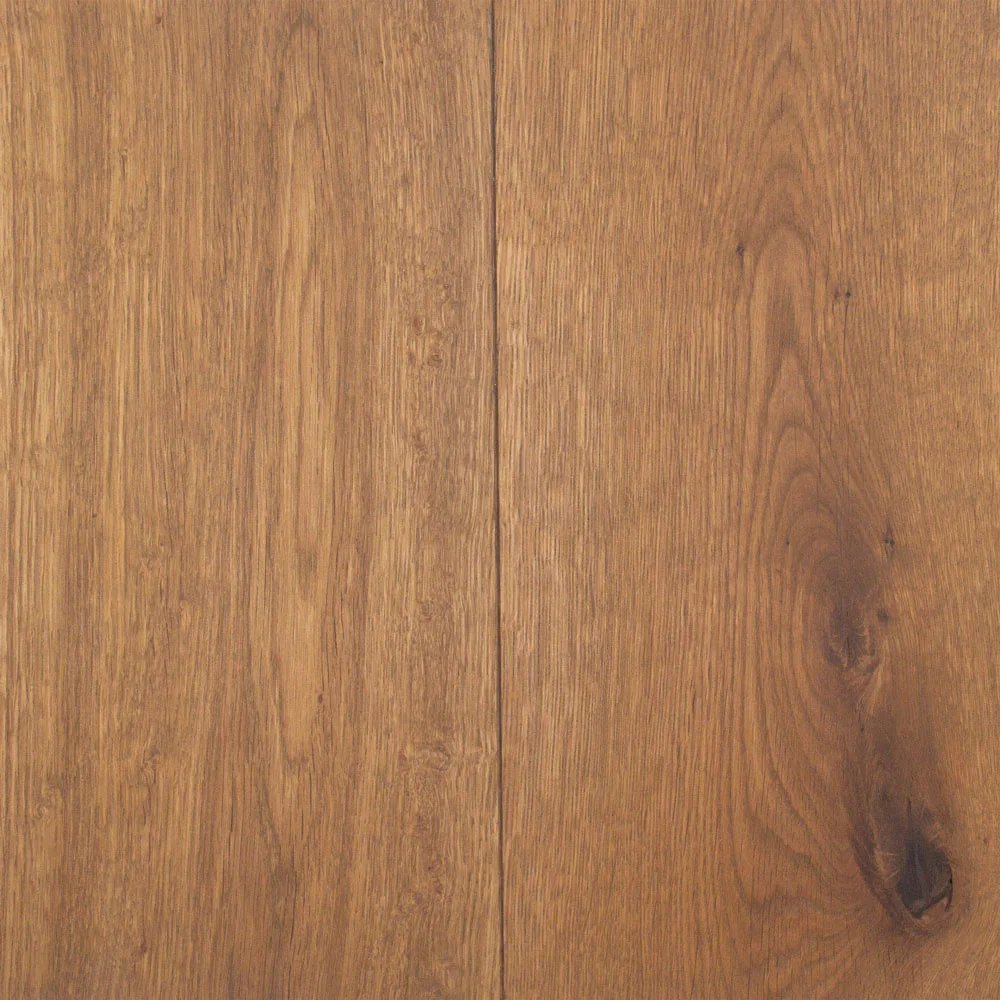
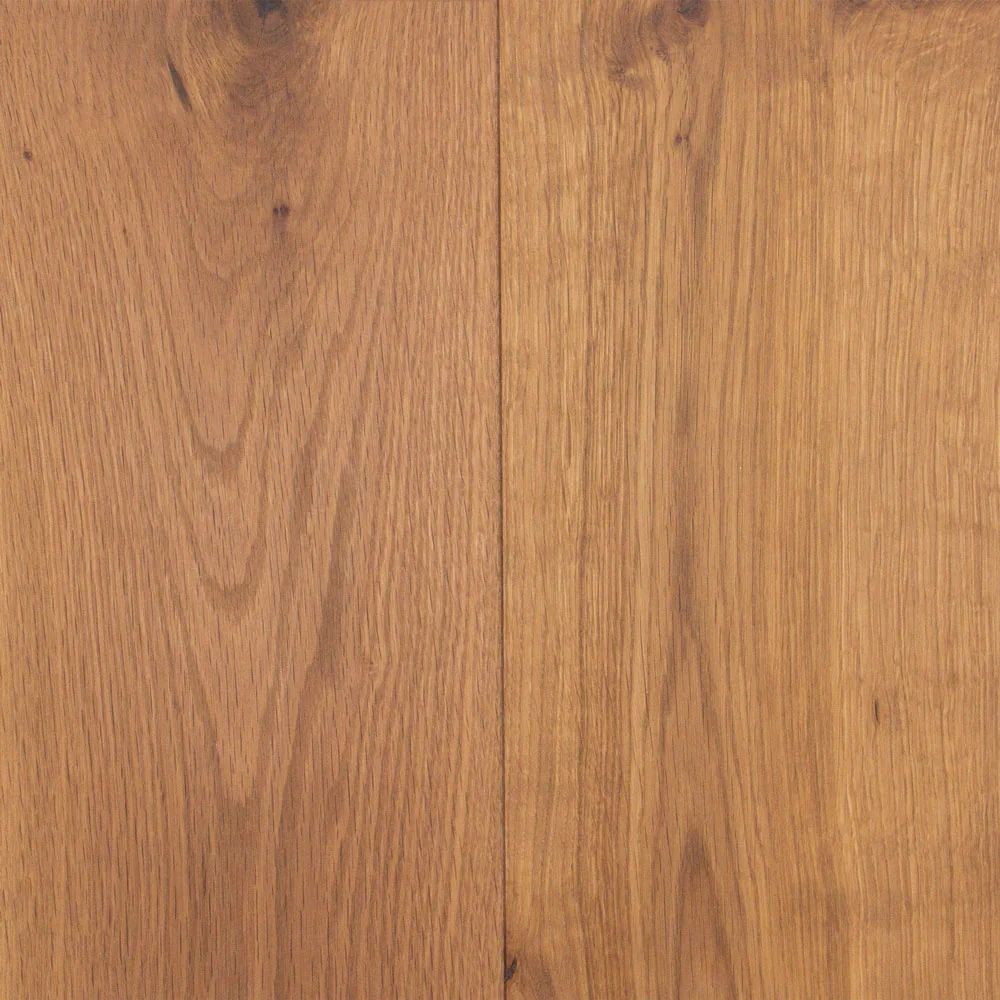
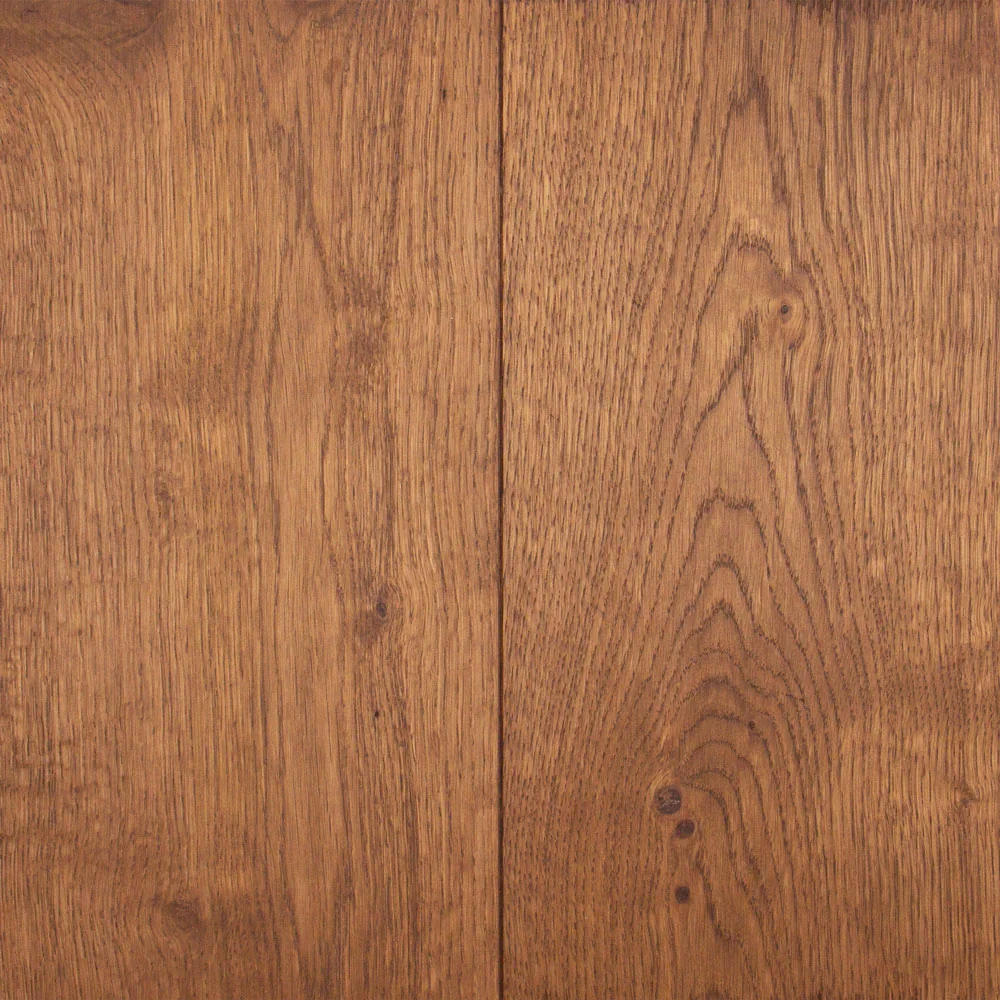
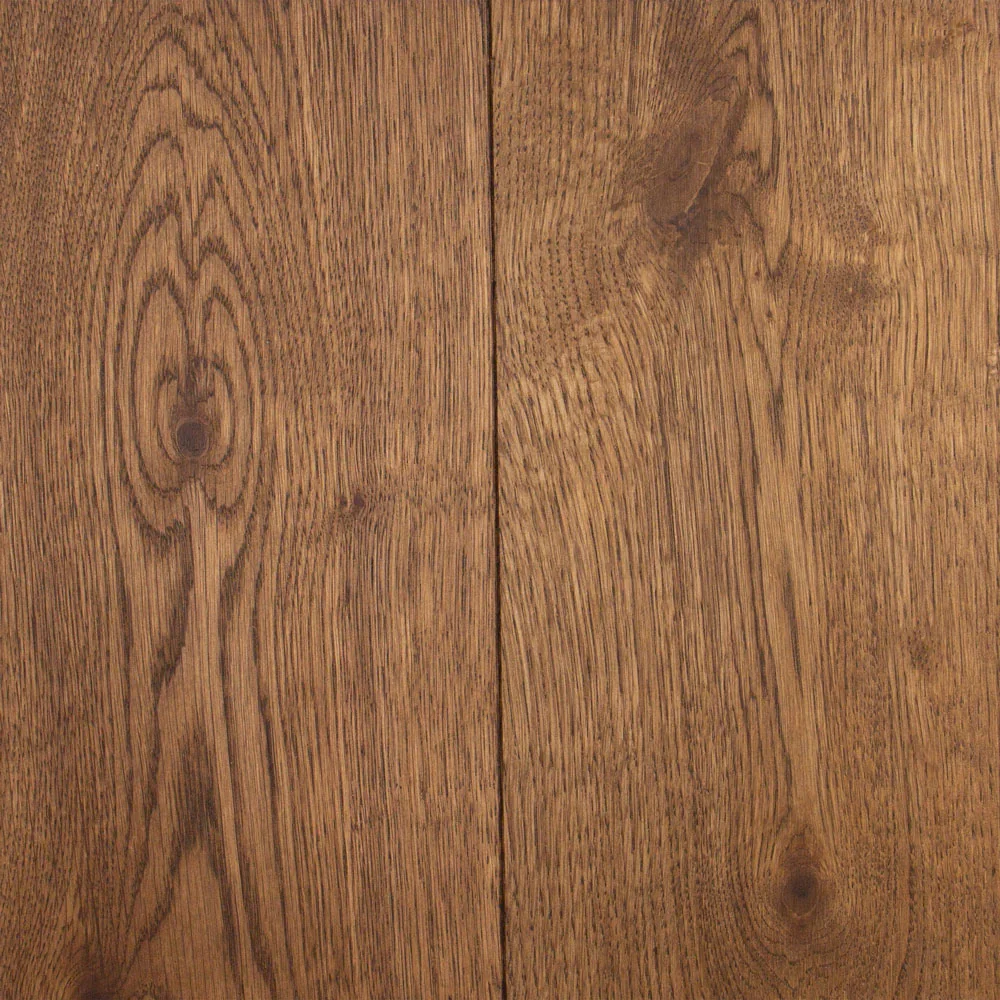
*Het houtmonster is afgebeeld op eikenhout
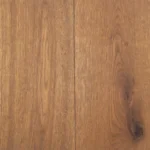
Naturel
Wit
Extra Wit
Sand Grey
Smoke Brown
Caramel Brown
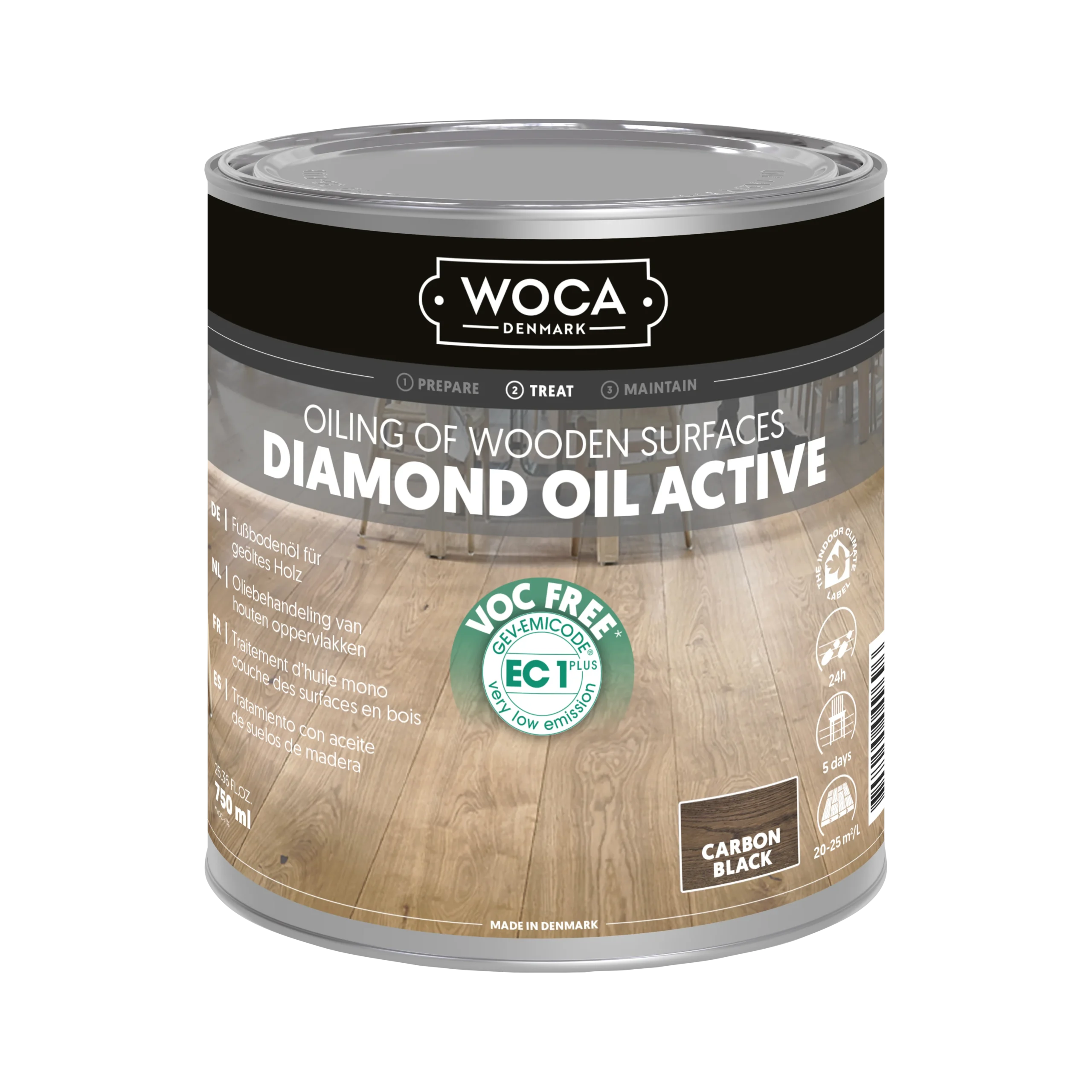
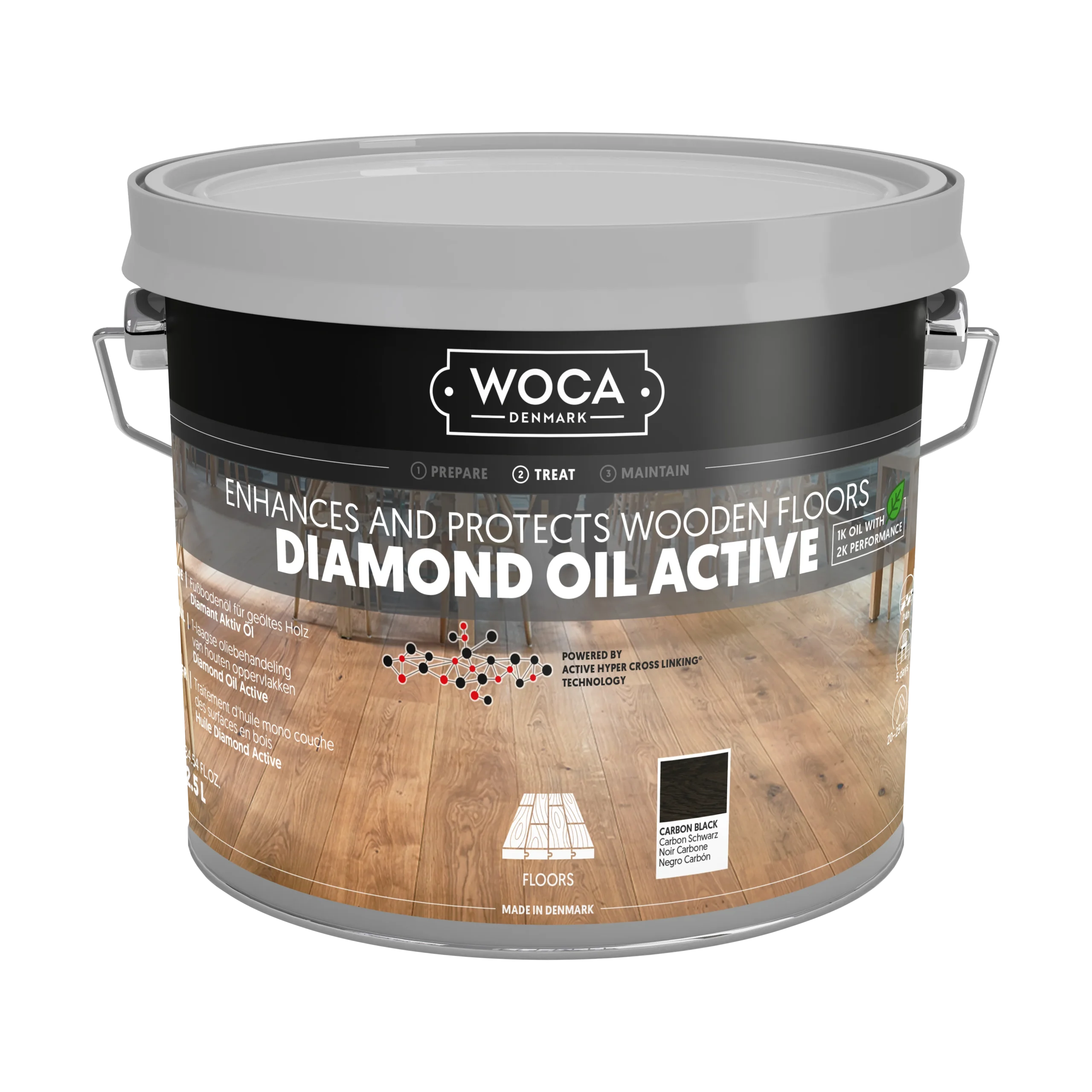
Carbon Black

Verpakking

Certificeringen

Emission Class A+
The French labeling system is a mandatory classification of materials, such as floor treatment products, based on their VOC emissions to indoor air. A+ is the highest rating, indicating improved indoor air quality with very low emissions.
Bio-Based ASTM 6866
Biobased Carbon Content ASTM D6866-22 is an international standard method utilized for product testing. The result is reported as % Biobased Carbon. This indicates the percentage carbon from ‘natural’ (plant or animal by-product) sources.
DiBt
DIBt is a German institute that tests and issues technical approvals for building materials.The aim is to improve the working climate for floor installers whilst ensuring a safe indoor air quality for the final consumer.
DIN EN 16165 - Anti Slip R10
DIN EN 16165 is the European standard for determining slip resistance on floor surfaces with a classification from R9 to R13. The Anti Slip test is used to ensure safe traffic for all types of floors in public areas and workplaces etc.
Fire test
European standard specifying how building materials react in case of fire. Bfl-s1 classifies flooring with low combustibility and very low smoke development.
EN 71-3
European standard ensuring that materials do not release toxic substances in amounts harmful to children. Particularly relevant for materials such as toys, kitchen utensils, worktops and furniture.
Environmental Product Declaration (EPD)
Environmental Product Declaration (EPD) supports greater transparency and documented sustainability. EPDs present verified data on a product’s environmental impact throughout its entire life cycle, based on recognized standards and third-party verification.
Emicode EC1 Plus
The international premium class Emicode® EC1PLUS defines even stricter limit values for very low emissions from indoor installation materials for walls and floors. Products awarded this quality seal help ensure a clean indoor air climate by limiting harmful emissions, often to levels that are barely measurable.
Emission Class A+
The French labeling system is a mandatory classification of materials, such as floor treatment products, based on their VOC emissions to indoor air. A+ is the highest rating, indicating improved indoor air quality with very low emissions.
Bio-Based ASTM 6866
Biobased Carbon Content ASTM D6866-22 is an international standard method utilized for product testing. The result is reported as % Biobased Carbon. This indicates the percentage carbon from ‘natural’ (plant or animal by-product) sources.
DiBt
DIBt is a German institute that tests and issues technical approvals for building materials.The aim is to improve the working climate for floor installers whilst ensuring a safe indoor air quality for the final consumer.
DIN EN 16165 - Anti Slip R10
DIN EN 16165 is the European standard for determining slip resistance on floor surfaces with a classification from R9 to R13. The Anti Slip test is used to ensure safe traffic for all types of floors in public areas and workplaces etc.
Fire test
European standard specifying how building materials react in case of fire. Bfl-s1 classifies flooring with low combustibility and very low smoke development.
EN 71-3
European standard ensuring that materials do not release toxic substances in amounts harmful to children. Particularly relevant for materials such as toys, kitchen utensils, worktops and furniture.
Environmental Product Declaration (EPD)
Environmental Product Declaration (EPD) supports greater transparency and documented sustainability. EPDs present verified data on a product’s environmental impact throughout its entire life cycle, based on recognized standards and third-party verification.
Emicode EC1 Plus
The international premium class Emicode® EC1PLUS defines even stricter limit values for very low emissions from indoor installation materials for walls and floors. Products awarded this quality seal help ensure a clean indoor air climate by limiting harmful emissions, often to levels that are barely measurable.
Emission Class A+
The French labeling system is a mandatory classification of materials, such as floor treatment products, based on their VOC emissions to indoor air. A+ is the highest rating, indicating improved indoor air quality with very low emissions.
Bio-Based ASTM 6866
Biobased Carbon Content ASTM D6866-22 is an international standard method utilized for product testing. The result is reported as % Biobased Carbon. This indicates the percentage carbon from ‘natural’ (plant or animal by-product) sources.
DiBt
DIBt is a German institute that tests and issues technical approvals for building materials.The aim is to improve the working climate for floor installers whilst ensuring a safe indoor air quality for the final consumer.
DIN EN 16165 - Anti Slip R10
DIN EN 16165 is the European standard for determining slip resistance on floor surfaces with a classification from R9 to R13. The Anti Slip test is used to ensure safe traffic for all types of floors in public areas and workplaces etc.
Fire test
European standard specifying how building materials react in case of fire. Bfl-s1 classifies flooring with low combustibility and very low smoke development.
EN 71-3
European standard ensuring that materials do not release toxic substances in amounts harmful to children. Particularly relevant for materials such as toys, kitchen utensils, worktops and furniture.
Environmental Product Declaration (EPD)
Environmental Product Declaration (EPD) supports greater transparency and documented sustainability. EPDs present verified data on a product’s environmental impact throughout its entire life cycle, based on recognized standards and third-party verification.
Emicode EC1 Plus
The international premium class Emicode® EC1PLUS defines even stricter limit values for very low emissions from indoor installation materials for walls and floors. Products awarded this quality seal help ensure a clean indoor air climate by limiting harmful emissions, often to levels that are barely measurable.
Emission Class A+
The French labeling system is a mandatory classification of materials, such as floor treatment products, based on their VOC emissions to indoor air. A+ is the highest rating, indicating improved indoor air quality with very low emissions.
Bio-Based ASTM 6866
Biobased Carbon Content ASTM D6866-22 is an international standard method utilized for product testing. The result is reported as % Biobased Carbon. This indicates the percentage carbon from ‘natural’ (plant or animal by-product) sources.
Emicode EC1 Plus
The international premium class Emicode® EC1PLUS defines even stricter limit values for very low emissions from indoor installation materials for walls and floors. Products awarded this quality seal help ensure a clean indoor air climate by limiting harmful emissions, often to levels that are barely measurable.
Fire test
European standard specifying how building materials react in case of fire. Bfl-s1 classifies flooring with low combustibility and very low smoke development.
Environmental Product Declaration (EPD)
Environmental Product Declaration (EPD) supports greater transparency and documented sustainability. EPDs present verified data on a product’s environmental impact throughout its entire life cycle, based on recognized standards and third-party verification.
DiBt
DIBt is a German institute that tests and issues technical approvals for building materials.The aim is to improve the working climate for floor installers whilst ensuring a safe indoor air quality for the final consumer.
DIN EN 16165 - Anti Slip R10
DIN EN 16165 is the European standard for determining slip resistance on floor surfaces with a classification from R9 to R13. The Anti Slip test is used to ensure safe traffic for all types of floors in public areas and workplaces etc.
EN 71-3
European standard ensuring that materials do not release toxic substances in amounts harmful to children. Particularly relevant for materials such as toys, kitchen utensils, worktops and furniture.
Emission Class A+
The French labeling system is a mandatory classification of materials, such as floor treatment products, based on their VOC emissions to indoor air. A+ is the highest rating, indicating improved indoor air quality with very low emissions.
Bio-Based ASTM 6866
Biobased Carbon Content ASTM D6866-22 is an international standard method utilized for product testing. The result is reported as % Biobased Carbon. This indicates the percentage carbon from ‘natural’ (plant or animal by-product) sources.
DiBt
DIBt is a German institute that tests and issues technical approvals for building materials.The aim is to improve the working climate for floor installers whilst ensuring a safe indoor air quality for the final consumer.
DIN EN 16165 - Anti Slip R10
DIN EN 16165 is the European standard for determining slip resistance on floor surfaces with a classification from R9 to R13. The Anti Slip test is used to ensure safe traffic for all types of floors in public areas and workplaces etc.
Fire test
European standard specifying how building materials react in case of fire. Bfl-s1 classifies flooring with low combustibility and very low smoke development.
EN 71-3
European standard ensuring that materials do not release toxic substances in amounts harmful to children. Particularly relevant for materials such as toys, kitchen utensils, worktops and furniture.
Environmental Product Declaration (EPD)
Environmental Product Declaration (EPD) supports greater transparency and documented sustainability. EPDs present verified data on a product’s environmental impact throughout its entire life cycle, based on recognized standards and third-party verification.
Emicode EC1 Plus
The international premium class Emicode® EC1PLUS defines even stricter limit values for very low emissions from indoor installation materials for walls and floors. Products awarded this quality seal help ensure a clean indoor air climate by limiting harmful emissions, often to levels that are barely measurable.
Emission Class A+
The French labeling system is a mandatory classification of materials, such as floor treatment products, based on their VOC emissions to indoor air. A+ is the highest rating, indicating improved indoor air quality with very low emissions.
Bio-Based ASTM 6866
Biobased Carbon Content ASTM D6866-22 is an international standard method utilized for product testing. The result is reported as % Biobased Carbon. This indicates the percentage carbon from ‘natural’ (plant or animal by-product) sources.
DiBt
DIBt is a German institute that tests and issues technical approvals for building materials.The aim is to improve the working climate for floor installers whilst ensuring a safe indoor air quality for the final consumer.
Emicode EC1 Plus
The international premium class Emicode® EC1PLUS defines even stricter limit values for very low emissions from indoor installation materials for walls and floors. Products awarded this quality seal help ensure a clean indoor air climate by limiting harmful emissions, often to levels that are barely measurable.
DIN EN 16165 - Anti Slip R10
DIN EN 16165 is the European standard for determining slip resistance on floor surfaces with a classification from R9 to R13. The Anti Slip test is used to ensure safe traffic for all types of floors in public areas and workplaces etc.
EN 71-3
European standard ensuring that materials do not release toxic substances in amounts harmful to children. Particularly relevant for materials such as toys, kitchen utensils, worktops and furniture.
Environmental Product Declaration (EPD)
Environmental Product Declaration (EPD) supports greater transparency and documented sustainability. EPDs present verified data on a product’s environmental impact throughout its entire life cycle, based on recognized standards and third-party verification.
Fire test
European standard specifying how building materials react in case of fire. Bfl-s1 classifies flooring with low combustibility and very low smoke development.
Emission Class A+
The French labeling system is a mandatory classification of materials, such as floor treatment products, based on their VOC emissions to indoor air. A+ is the highest rating, indicating improved indoor air quality with very low emissions.
Bio-Based ASTM 6866
Biobased Carbon Content ASTM D6866-22 is an international standard method utilized for product testing. The result is reported as % Biobased Carbon. This indicates the percentage carbon from ‘natural’ (plant or animal by-product) sources.
DiBt
DIBt is a German institute that tests and issues technical approvals for building materials.The aim is to improve the working climate for floor installers whilst ensuring a safe indoor air quality for the final consumer.
DIN EN 16165 - Anti Slip R10
DIN EN 16165 is the European standard for determining slip resistance on floor surfaces with a classification from R9 to R13. The Anti Slip test is used to ensure safe traffic for all types of floors in public areas and workplaces etc.
Fire test
European standard specifying how building materials react in case of fire. Bfl-s1 classifies flooring with low combustibility and very low smoke development.
EN 71-3
European standard ensuring that materials do not release toxic substances in amounts harmful to children. Particularly relevant for materials such as toys, kitchen utensils, worktops and furniture.
Environmental Product Declaration (EPD)
Environmental Product Declaration (EPD) supports greater transparency and documented sustainability. EPDs present verified data on a product’s environmental impact throughout its entire life cycle, based on recognized standards and third-party verification.
Emicode EC1 Plus
The international premium class Emicode® EC1PLUS defines even stricter limit values for very low emissions from indoor installation materials for walls and floors. Products awarded this quality seal help ensure a clean indoor air climate by limiting harmful emissions, often to levels that are barely measurable.
Emission Class A+
The French labeling system is a mandatory classification of materials, such as floor treatment products, based on their VOC emissions to indoor air. A+ is the highest rating, indicating improved indoor air quality with very low emissions.
Bio-Based ASTM 6866
Biobased Carbon Content ASTM D6866-22 is an international standard method utilized for product testing. The result is reported as % Biobased Carbon. This indicates the percentage carbon from ‘natural’ (plant or animal by-product) sources.
DiBt
DIBt is a German institute that tests and issues technical approvals for building materials.The aim is to improve the working climate for floor installers whilst ensuring a safe indoor air quality for the final consumer.
DIN EN 16165 - Anti Slip R10
DIN EN 16165 is the European standard for determining slip resistance on floor surfaces with a classification from R9 to R13. The Anti Slip test is used to ensure safe traffic for all types of floors in public areas and workplaces etc.
Fire test
European standard specifying how building materials react in case of fire. Bfl-s1 classifies flooring with low combustibility and very low smoke development.
EN 71-3
European standard ensuring that materials do not release toxic substances in amounts harmful to children. Particularly relevant for materials such as toys, kitchen utensils, worktops and furniture.
Environmental Product Declaration (EPD)
Environmental Product Declaration (EPD) supports greater transparency and documented sustainability. EPDs present verified data on a product’s environmental impact throughout its entire life cycle, based on recognized standards and third-party verification.
Emicode EC1 Plus
The international premium class Emicode® EC1PLUS defines even stricter limit values for very low emissions from indoor installation materials for walls and floors. Products awarded this quality seal help ensure a clean indoor air climate by limiting harmful emissions, often to levels that are barely measurable.
Emission Class A+
The French labeling system is a mandatory classification of materials, such as floor treatment products, based on their VOC emissions to indoor air. A+ is the highest rating, indicating improved indoor air quality with very low emissions.
Bio-Based ASTM 6866
Biobased Carbon Content ASTM D6866-22 is an international standard method utilized for product testing. The result is reported as % Biobased Carbon. This indicates the percentage carbon from ‘natural’ (plant or animal by-product) sources.
DiBt
DIBt is a German institute that tests and issues technical approvals for building materials.The aim is to improve the working climate for floor installers whilst ensuring a safe indoor air quality for the final consumer.
DIN EN 16165 - Anti Slip R10
DIN EN 16165 is the European standard for determining slip resistance on floor surfaces with a classification from R9 to R13. The Anti Slip test is used to ensure safe traffic for all types of floors in public areas and workplaces etc.
Fire test
European standard specifying how building materials react in case of fire. Bfl-s1 classifies flooring with low combustibility and very low smoke development.
EN 71-3
European standard ensuring that materials do not release toxic substances in amounts harmful to children. Particularly relevant for materials such as toys, kitchen utensils, worktops and furniture.
Environmental Product Declaration (EPD)
Environmental Product Declaration (EPD) supports greater transparency and documented sustainability. EPDs present verified data on a product’s environmental impact throughout its entire life cycle, based on recognized standards and third-party verification.
Emicode EC1 Plus
The international premium class Emicode® EC1PLUS defines even stricter limit values for very low emissions from indoor installation materials for walls and floors. Products awarded this quality seal help ensure a clean indoor air climate by limiting harmful emissions, often to levels that are barely measurable.
Emission Class A+
The French labeling system is a mandatory classification of materials, such as floor treatment products, based on their VOC emissions to indoor air. A+ is the highest rating, indicating improved indoor air quality with very low emissions.
Bio-Based ASTM 6866
Biobased Carbon Content ASTM D6866-22 is an international standard method utilized for product testing. The result is reported as % Biobased Carbon. This indicates the percentage carbon from ‘natural’ (plant or animal by-product) sources.
Emicode EC1 Plus
The international premium class Emicode® EC1PLUS defines even stricter limit values for very low emissions from indoor installation materials for walls and floors. Products awarded this quality seal help ensure a clean indoor air climate by limiting harmful emissions, often to levels that are barely measurable.
Fire test
European standard specifying how building materials react in case of fire. Bfl-s1 classifies flooring with low combustibility and very low smoke development.
Environmental Product Declaration (EPD)
Environmental Product Declaration (EPD) supports greater transparency and documented sustainability. EPDs present verified data on a product’s environmental impact throughout its entire life cycle, based on recognized standards and third-party verification.
DiBt
DIBt is a German institute that tests and issues technical approvals for building materials.The aim is to improve the working climate for floor installers whilst ensuring a safe indoor air quality for the final consumer.
DIN EN 16165 - Anti Slip R10
DIN EN 16165 is the European standard for determining slip resistance on floor surfaces with a classification from R9 to R13. The Anti Slip test is used to ensure safe traffic for all types of floors in public areas and workplaces etc.
EN 71-3
European standard ensuring that materials do not release toxic substances in amounts harmful to children. Particularly relevant for materials such as toys, kitchen utensils, worktops and furniture.
Emission Class A+
The French labeling system is a mandatory classification of materials, such as floor treatment products, based on their VOC emissions to indoor air. A+ is the highest rating, indicating improved indoor air quality with very low emissions.
Bio-Based ASTM 6866
Biobased Carbon Content ASTM D6866-22 is an international standard method utilized for product testing. The result is reported as % Biobased Carbon. This indicates the percentage carbon from ‘natural’ (plant or animal by-product) sources.
DiBt
DIBt is a German institute that tests and issues technical approvals for building materials.The aim is to improve the working climate for floor installers whilst ensuring a safe indoor air quality for the final consumer.
DIN EN 16165 - Anti Slip R10
DIN EN 16165 is the European standard for determining slip resistance on floor surfaces with a classification from R9 to R13. The Anti Slip test is used to ensure safe traffic for all types of floors in public areas and workplaces etc.
Fire test
European standard specifying how building materials react in case of fire. Bfl-s1 classifies flooring with low combustibility and very low smoke development.
EN 71-3
European standard ensuring that materials do not release toxic substances in amounts harmful to children. Particularly relevant for materials such as toys, kitchen utensils, worktops and furniture.
Environmental Product Declaration (EPD)
Environmental Product Declaration (EPD) supports greater transparency and documented sustainability. EPDs present verified data on a product’s environmental impact throughout its entire life cycle, based on recognized standards and third-party verification.
Emicode EC1 Plus
The international premium class Emicode® EC1PLUS defines even stricter limit values for very low emissions from indoor installation materials for walls and floors. Products awarded this quality seal help ensure a clean indoor air climate by limiting harmful emissions, often to levels that are barely measurable.
Emission Class A+
The French labeling system is a mandatory classification of materials, such as floor treatment products, based on their VOC emissions to indoor air. A+ is the highest rating, indicating improved indoor air quality with very low emissions.
Bio-Based ASTM 6866
Biobased Carbon Content ASTM D6866-22 is an international standard method utilized for product testing. The result is reported as % Biobased Carbon. This indicates the percentage carbon from ‘natural’ (plant or animal by-product) sources.
Emicode EC1 Plus
The international premium class Emicode® EC1PLUS defines even stricter limit values for very low emissions from indoor installation materials for walls and floors. Products awarded this quality seal help ensure a clean indoor air climate by limiting harmful emissions, often to levels that are barely measurable.
Fire test
European standard specifying how building materials react in case of fire. Bfl-s1 classifies flooring with low combustibility and very low smoke development.
Environmental Product Declaration (EPD)
Environmental Product Declaration (EPD) supports greater transparency and documented sustainability. EPDs present verified data on a product’s environmental impact throughout its entire life cycle, based on recognized standards and third-party verification.
DiBt
DIBt is a German institute that tests and issues technical approvals for building materials.The aim is to improve the working climate for floor installers whilst ensuring a safe indoor air quality for the final consumer.
DIN EN 16165 - Anti Slip R10
DIN EN 16165 is the European standard for determining slip resistance on floor surfaces with a classification from R9 to R13. The Anti Slip test is used to ensure safe traffic for all types of floors in public areas and workplaces etc.
EN 71-3
European standard ensuring that materials do not release toxic substances in amounts harmful to children. Particularly relevant for materials such as toys, kitchen utensils, worktops and furniture.
Emission Class A+
The French labeling system is a mandatory classification of materials, such as floor treatment products, based on their VOC emissions to indoor air. A+ is the highest rating, indicating improved indoor air quality with very low emissions.
Bio-Based ASTM 6866
Biobased Carbon Content ASTM D6866-22 is an international standard method utilized for product testing. The result is reported as % Biobased Carbon. This indicates the percentage carbon from ‘natural’ (plant or animal by-product) sources.
DiBt
DIBt is a German institute that tests and issues technical approvals for building materials.The aim is to improve the working climate for floor installers whilst ensuring a safe indoor air quality for the final consumer.
DIN EN 16165 - Anti Slip R10
DIN EN 16165 is the European standard for determining slip resistance on floor surfaces with a classification from R9 to R13. The Anti Slip test is used to ensure safe traffic for all types of floors in public areas and workplaces etc.
Fire test
European standard specifying how building materials react in case of fire. Bfl-s1 classifies flooring with low combustibility and very low smoke development.
EN 71-3
European standard ensuring that materials do not release toxic substances in amounts harmful to children. Particularly relevant for materials such as toys, kitchen utensils, worktops and furniture.
Environmental Product Declaration (EPD)
Environmental Product Declaration (EPD) supports greater transparency and documented sustainability. EPDs present verified data on a product’s environmental impact throughout its entire life cycle, based on recognized standards and third-party verification.
Emicode EC1 Plus
The international premium class Emicode® EC1PLUS defines even stricter limit values for very low emissions from indoor installation materials for walls and floors. Products awarded this quality seal help ensure a clean indoor air climate by limiting harmful emissions, often to levels that are barely measurable.
Emission Class A+
The French labeling system is a mandatory classification of materials, such as floor treatment products, based on their VOC emissions to indoor air. A+ is the highest rating, indicating improved indoor air quality with very low emissions.
Bio-Based ASTM 6866
Biobased Carbon Content ASTM D6866-22 is an international standard method utilized for product testing. The result is reported as % Biobased Carbon. This indicates the percentage carbon from ‘natural’ (plant or animal by-product) sources.
Emicode EC1 Plus
The international premium class Emicode® EC1PLUS defines even stricter limit values for very low emissions from indoor installation materials for walls and floors. Products awarded this quality seal help ensure a clean indoor air climate by limiting harmful emissions, often to levels that are barely measurable.
Fire test
European standard specifying how building materials react in case of fire. Bfl-s1 classifies flooring with low combustibility and very low smoke development.
Environmental Product Declaration (EPD)
Environmental Product Declaration (EPD) supports greater transparency and documented sustainability. EPDs present verified data on a product’s environmental impact throughout its entire life cycle, based on recognized standards and third-party verification.
DiBt
DIBt is a German institute that tests and issues technical approvals for building materials.The aim is to improve the working climate for floor installers whilst ensuring a safe indoor air quality for the final consumer.
DIN EN 16165 - Anti Slip R10
DIN EN 16165 is the European standard for determining slip resistance on floor surfaces with a classification from R9 to R13. The Anti Slip test is used to ensure safe traffic for all types of floors in public areas and workplaces etc.
EN 71-3
European standard ensuring that materials do not release toxic substances in amounts harmful to children. Particularly relevant for materials such as toys, kitchen utensils, worktops and furniture.
Emission Class A+
The French labeling system is a mandatory classification of materials, such as floor treatment products, based on their VOC emissions to indoor air. A+ is the highest rating, indicating improved indoor air quality with very low emissions.
Bio-Based ASTM 6866
Biobased Carbon Content ASTM D6866-22 is an international standard method utilized for product testing. The result is reported as % Biobased Carbon. This indicates the percentage carbon from ‘natural’ (plant or animal by-product) sources.
DiBt
DIBt is a German institute that tests and issues technical approvals for building materials.The aim is to improve the working climate for floor installers whilst ensuring a safe indoor air quality for the final consumer.
DIN EN 16165 - Anti Slip R10
DIN EN 16165 is the European standard for determining slip resistance on floor surfaces with a classification from R9 to R13. The Anti Slip test is used to ensure safe traffic for all types of floors in public areas and workplaces etc.
Fire test
European standard specifying how building materials react in case of fire. Bfl-s1 classifies flooring with low combustibility and very low smoke development.
EN 71-3
European standard ensuring that materials do not release toxic substances in amounts harmful to children. Particularly relevant for materials such as toys, kitchen utensils, worktops and furniture.
Environmental Product Declaration (EPD)
Environmental Product Declaration (EPD) supports greater transparency and documented sustainability. EPDs present verified data on a product’s environmental impact throughout its entire life cycle, based on recognized standards and third-party verification.
Emicode EC1 Plus
The international premium class Emicode® EC1PLUS defines even stricter limit values for very low emissions from indoor installation materials for walls and floors. Products awarded this quality seal help ensure a clean indoor air climate by limiting harmful emissions, often to levels that are barely measurable.
Emission Class A+
The French labeling system is a mandatory classification of materials, such as floor treatment products, based on their VOC emissions to indoor air. A+ is the highest rating, indicating improved indoor air quality with very low emissions.
Bio-Based ASTM 6866
Biobased Carbon Content ASTM D6866-22 is an international standard method utilized for product testing. The result is reported as % Biobased Carbon. This indicates the percentage carbon from ‘natural’ (plant or animal by-product) sources.
Emicode EC1 Plus
The international premium class Emicode® EC1PLUS defines even stricter limit values for very low emissions from indoor installation materials for walls and floors. Products awarded this quality seal help ensure a clean indoor air climate by limiting harmful emissions, often to levels that are barely measurable.
Fire test
European standard specifying how building materials react in case of fire. Bfl-s1 classifies flooring with low combustibility and very low smoke development.
Environmental Product Declaration (EPD)
Environmental Product Declaration (EPD) supports greater transparency and documented sustainability. EPDs present verified data on a product’s environmental impact throughout its entire life cycle, based on recognized standards and third-party verification.
DiBt
DIBt is a German institute that tests and issues technical approvals for building materials.The aim is to improve the working climate for floor installers whilst ensuring a safe indoor air quality for the final consumer.
DIN EN 16165 - Anti Slip R10
DIN EN 16165 is the European standard for determining slip resistance on floor surfaces with a classification from R9 to R13. The Anti Slip test is used to ensure safe traffic for all types of floors in public areas and workplaces etc.
EN 71-3
European standard ensuring that materials do not release toxic substances in amounts harmful to children. Particularly relevant for materials such as toys, kitchen utensils, worktops and furniture.
Emission Class A+
The French labeling system is a mandatory classification of materials, such as floor treatment products, based on their VOC emissions to indoor air. A+ is the highest rating, indicating improved indoor air quality with very low emissions.
Bio-Based ASTM 6866
Biobased Carbon Content ASTM D6866-22 is an international standard method utilized for product testing. The result is reported as % Biobased Carbon. This indicates the percentage carbon from ‘natural’ (plant or animal by-product) sources.
DiBt
DIBt is a German institute that tests and issues technical approvals for building materials.The aim is to improve the working climate for floor installers whilst ensuring a safe indoor air quality for the final consumer.
DIN EN 16165 - Anti Slip R10
DIN EN 16165 is the European standard for determining slip resistance on floor surfaces with a classification from R9 to R13. The Anti Slip test is used to ensure safe traffic for all types of floors in public areas and workplaces etc.
Fire test
European standard specifying how building materials react in case of fire. Bfl-s1 classifies flooring with low combustibility and very low smoke development.
EN 71-3
European standard ensuring that materials do not release toxic substances in amounts harmful to children. Particularly relevant for materials such as toys, kitchen utensils, worktops and furniture.
Environmental Product Declaration (EPD)
Environmental Product Declaration (EPD) supports greater transparency and documented sustainability. EPDs present verified data on a product’s environmental impact throughout its entire life cycle, based on recognized standards and third-party verification.
Emicode EC1 Plus
The international premium class Emicode® EC1PLUS defines even stricter limit values for very low emissions from indoor installation materials for walls and floors. Products awarded this quality seal help ensure a clean indoor air climate by limiting harmful emissions, often to levels that are barely measurable.
Emission Class A+
The French labeling system is a mandatory classification of materials, such as floor treatment products, based on their VOC emissions to indoor air. A+ is the highest rating, indicating improved indoor air quality with very low emissions.
Bio-Based ASTM 6866
Biobased Carbon Content ASTM D6866-22 is an international standard method utilized for product testing. The result is reported as % Biobased Carbon. This indicates the percentage carbon from ‘natural’ (plant or animal by-product) sources.
Emicode EC1 Plus
The international premium class Emicode® EC1PLUS defines even stricter limit values for very low emissions from indoor installation materials for walls and floors. Products awarded this quality seal help ensure a clean indoor air climate by limiting harmful emissions, often to levels that are barely measurable.
Fire test
European standard specifying how building materials react in case of fire. Bfl-s1 classifies flooring with low combustibility and very low smoke development.
Environmental Product Declaration (EPD)
Environmental Product Declaration (EPD) supports greater transparency and documented sustainability. EPDs present verified data on a product’s environmental impact throughout its entire life cycle, based on recognized standards and third-party verification.
DiBt
DIBt is a German institute that tests and issues technical approvals for building materials.The aim is to improve the working climate for floor installers whilst ensuring a safe indoor air quality for the final consumer.
DIN EN 16165 - Anti Slip R10
DIN EN 16165 is the European standard for determining slip resistance on floor surfaces with a classification from R9 to R13. The Anti Slip test is used to ensure safe traffic for all types of floors in public areas and workplaces etc.
EN 71-3
European standard ensuring that materials do not release toxic substances in amounts harmful to children. Particularly relevant for materials such as toys, kitchen utensils, worktops and furniture.
Emission Class A+
The French labeling system is a mandatory classification of materials, such as floor treatment products, based on their VOC emissions to indoor air. A+ is the highest rating, indicating improved indoor air quality with very low emissions.
Bio-Based ASTM 6866
Biobased Carbon Content ASTM D6866-22 is an international standard method utilized for product testing. The result is reported as % Biobased Carbon. This indicates the percentage carbon from ‘natural’ (plant or animal by-product) sources.
DiBt
DIBt is a German institute that tests and issues technical approvals for building materials.The aim is to improve the working climate for floor installers whilst ensuring a safe indoor air quality for the final consumer.
DIN EN 16165 - Anti Slip R10
DIN EN 16165 is the European standard for determining slip resistance on floor surfaces with a classification from R9 to R13. The Anti Slip test is used to ensure safe traffic for all types of floors in public areas and workplaces etc.
Fire test
European standard specifying how building materials react in case of fire. Bfl-s1 classifies flooring with low combustibility and very low smoke development.
EN 71-3
European standard ensuring that materials do not release toxic substances in amounts harmful to children. Particularly relevant for materials such as toys, kitchen utensils, worktops and furniture.
Environmental Product Declaration (EPD)
Environmental Product Declaration (EPD) supports greater transparency and documented sustainability. EPDs present verified data on a product’s environmental impact throughout its entire life cycle, based on recognized standards and third-party verification.
Emicode EC1 Plus
The international premium class Emicode® EC1PLUS defines even stricter limit values for very low emissions from indoor installation materials for walls and floors. Products awarded this quality seal help ensure a clean indoor air climate by limiting harmful emissions, often to levels that are barely measurable.
Emission Class A+
The French labeling system is a mandatory classification of materials, such as floor treatment products, based on their VOC emissions to indoor air. A+ is the highest rating, indicating improved indoor air quality with very low emissions.
Bio-Based ASTM 6866
Biobased Carbon Content ASTM D6866-22 is an international standard method utilized for product testing. The result is reported as % Biobased Carbon. This indicates the percentage carbon from ‘natural’ (plant or animal by-product) sources.
DiBt
DIBt is a German institute that tests and issues technical approvals for building materials.The aim is to improve the working climate for floor installers whilst ensuring a safe indoor air quality for the final consumer.
DIN EN 16165 - Anti Slip R10
DIN EN 16165 is the European standard for determining slip resistance on floor surfaces with a classification from R9 to R13. The Anti Slip test is used to ensure safe traffic for all types of floors in public areas and workplaces etc.
Fire test
European standard specifying how building materials react in case of fire. Bfl-s1 classifies flooring with low combustibility and very low smoke development.
EN 71-3
European standard ensuring that materials do not release toxic substances in amounts harmful to children. Particularly relevant for materials such as toys, kitchen utensils, worktops and furniture.
Environmental Product Declaration (EPD)
Environmental Product Declaration (EPD) supports greater transparency and documented sustainability. EPDs present verified data on a product’s environmental impact throughout its entire life cycle, based on recognized standards and third-party verification.
Emicode EC1 Plus
The international premium class Emicode® EC1PLUS defines even stricter limit values for very low emissions from indoor installation materials for walls and floors. Products awarded this quality seal help ensure a clean indoor air climate by limiting harmful emissions, often to levels that are barely measurable.
Productdetails

Diamond Oil Active is een duurzaam, VOC-vrij olieproduct voor houten vloeren, tafelbladen en meubels. Deze hoogwaardige, enkelvoudige, reukarme olie is duurzaam, eenvoudig aan te brengen en beperkt verspilling. Dankzij de hyper-crosslinking technologie ontstaat een waterafstotend, antislip oppervlak dat gemakkelijk schoon te maken en te onderhouden is. Met een droge stofinhoud van circa 99% is het ideaal voor machinale toepassing op onbehandeld of geschuurd hout van elke soort.

VOC:
8 g/l, maximale grenswaarde (A/i (OB)): 500 g/l.
Dichtheid:
0.95-1.00 g/ml.
Houdbaarheid:
3 jaar
Verwerkingstemperatuur:
+15-30°C en ca. 50% luchtvochtigheid.
Verbruik:
20-25 m²/L
Colour product:
Naturel
Verpakking:
750 ml – 1 L – 2,5 L
VOC:
0 g/l, maximale grenswaarde (A/i (OB)): 500 g/l.
Dichtheid:
0.95-1.00 g/ml.
Houdbaarheid:
3 jaar
Verwerkingstemperatuur:
+15-30°C en ca. 50% luchtvochtigheid.
Verbruik:
20-25 m²/L
Colour product:
Naturel
VOC:
8 g/l, maximale grenswaarde (A/i (OB)): 500 g/l.
Dichtheid:
0.95-1.00 g/ml.
Houdbaarheid:
3 jaar
Verwerkingstemperatuur:
+15-30°C en ca. 50% luchtvochtigheid.
Verbruik:
20-25 m²/L
Colour product:
Naturel
Verpakking:
750 ml – 1 L – 2,5 L
VOC:
8 g/l, maximale grenswaarde (A/i (OB)): 500 g/l.
Dichtheid:
0.95-1.00 g/ml.
Houdbaarheid:
3 jaar
Verwerkingstemperatuur:
+15-30°C en ca. 50% luchtvochtigheid.
Verbruik:
20-25 m²/L
Colour product:
Naturel
VOC:
75 g/l, maximale grenswaarde (A/i (OB)): 500 g/l.
Dichtheid:
0.95-1.00 g/ml.
Houdbaarheid:
3 jaar
Verwerkingstemperatuur:
+15-30°C en ca. 50% luchtvochtigheid.
Verbruik:
20-25 m²/L
Colour product:
Naturel
VOC:
10 g/l, maximale grenswaarde (A/i (OB)): 500 g/l.
Dichtheid:
0.95-1.00 g/ml.
Houdbaarheid:
3 jaar
Verwerkingstemperatuur:
+15-30°C en ca. 50% luchtvochtigheid.
Verbruik:
20-25 m²/L
Colour product:
Extra Wit
VOC:
10 g/l, maximale grenswaarde (A/i (OB)): 500 g/l.
Dichtheid:
0.95-1.00 g/ml.
Houdbaarheid:
3 jaar
Verwerkingstemperatuur:
+15-30°C en ca. 50% luchtvochtigheid.
Verbruik:
20-25 m²/L
Colour product:
Extra Wit
Verpakking:
750 ml – 2,5 L
VOC:
10 g/l, maximale grenswaarde (A/i (OB)): 500 g/l.
Dichtheid:
0.95-1.00 g/ml.
Houdbaarheid:
3 jaar
Verwerkingstemperatuur:
+15-30°C en ca. 50% luchtvochtigheid.
Verbruik:
20-25 m²/L
Colour product:
Extra Wit
VOC:
10 g/l, maximale grenswaarde (A/i (OB)): 500 g/l.
Dichtheid:
0.95-1.00 g/ml.
Houdbaarheid:
3 jaar
Verwerkingstemperatuur:
+15-30°C en ca. 50% luchtvochtigheid.
Verbruik:
20-25 m²/L
Colour product:
Extra Wit
Verpakking:
750 ml – 2,5 L
VOC:
10 g/l, maximale grenswaarde (A/i (OB)): 500 g/l.
Dichtheid:
0.95-1.00 g/ml.
Houdbaarheid:
3 jaar
Verwerkingstemperatuur:
+15-30°C en ca. 50% luchtvochtigheid.
Verbruik:
20-25 m²/L
Colour product:
Extra Wit
VOC:
8 g/l, maximale grenswaarde (A/i (OB)): 500 g/l.
Dichtheid:
0.95-1.00 g/ml.
Houdbaarheid:
3 jaar
Verwerkingstemperatuur:
+15-30°C en ca. 50% luchtvochtigheid.
Verbruik:
20-25 m²/L
Colour product:
Wit
VOC:
8 g/l, maximale grenswaarde (A/i (OB)): 500 g/l.
Dichtheid:
0.95-1.00 g/ml.
Houdbaarheid:
3 jaar
Verwerkingstemperatuur:
+15-30°C en ca. 50% luchtvochtigheid.
Verbruik:
20-25 m²/L
Colour product:
Wit
Verpakking:
750 ml – 2,5 L
VOC:
8 g/l, maximale grenswaarde (A/i (OB)): 500 g/l.
Dichtheid:
0.95-1.00 g/ml.
Houdbaarheid:
3 jaar
Verwerkingstemperatuur:
+15-30°C en ca. 50% luchtvochtigheid.
Verbruik:
20-25 m²/L
Colour product:
Wit
VOC:
8 g/l, maximale grenswaarde (A/i (OB)): 500 g/l.
Dichtheid:
0.95-1.00 g/ml.
Houdbaarheid:
3 jaar
Verwerkingstemperatuur:
+15-30°C en ca. 50% luchtvochtigheid.
Verbruik:
20-25 m²/L
Colour product:
Wit
Verpakking:
750 ml – 2,5 L
VOC:
8 g/l, maximale grenswaarde (A/i (OB)): 500 g/l.
Dichtheid:
0.95-1.00 g/ml.
Houdbaarheid:
3 jaar
Verwerkingstemperatuur:
+15-30°C en ca. 50% luchtvochtigheid.
Verbruik:
20-25 m²/L
Colour product:
Wit
VOC:
8 g/l, maximale grenswaarde (A/i (OB)): 500 g/l.
Dichtheid:
0.95-1.00 g/ml.
Houdbaarheid:
3 jaar
Verwerkingstemperatuur:
+15-30°C en ca. 50% luchtvochtigheid.
Verbruik:
20-25 m²/L
Colour product:
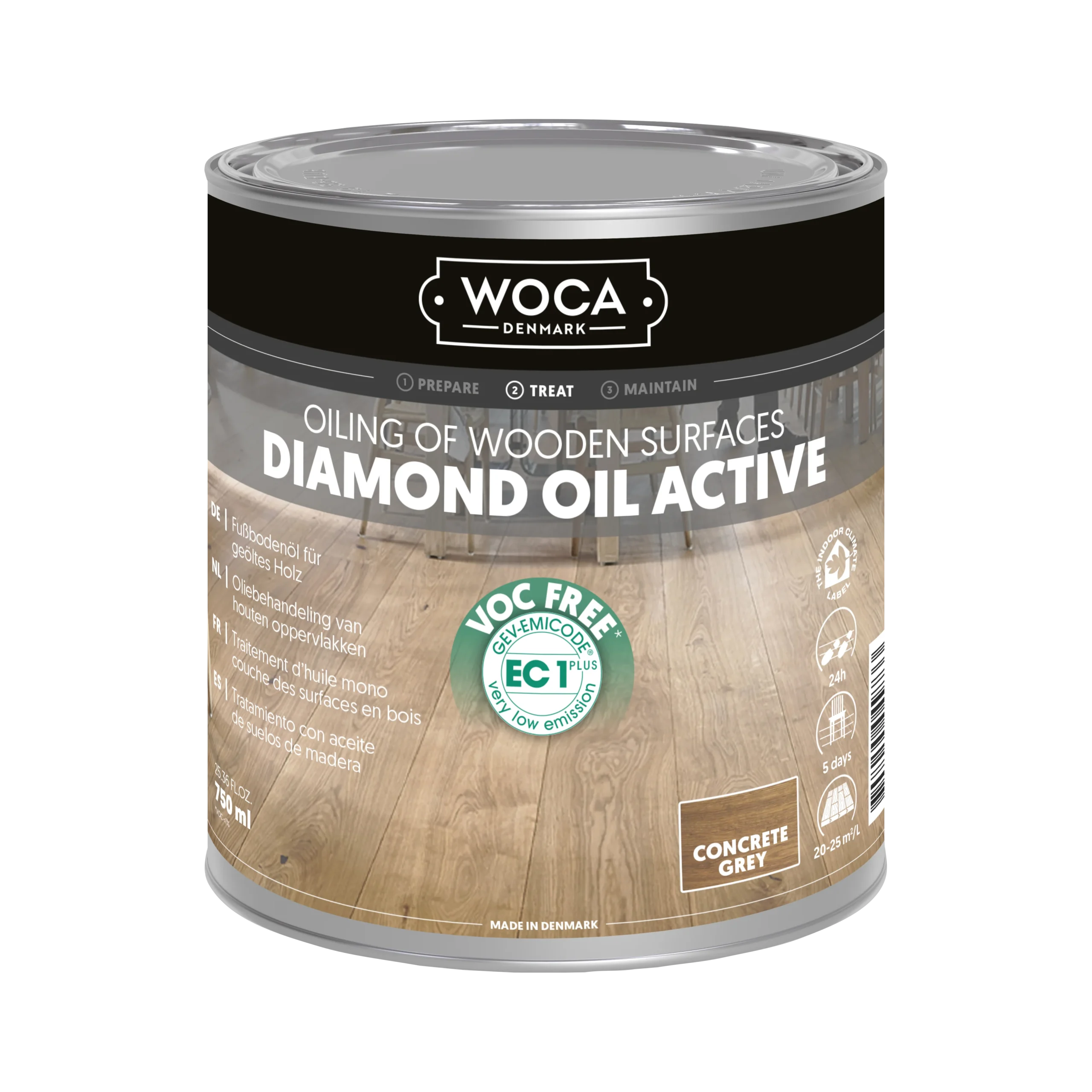
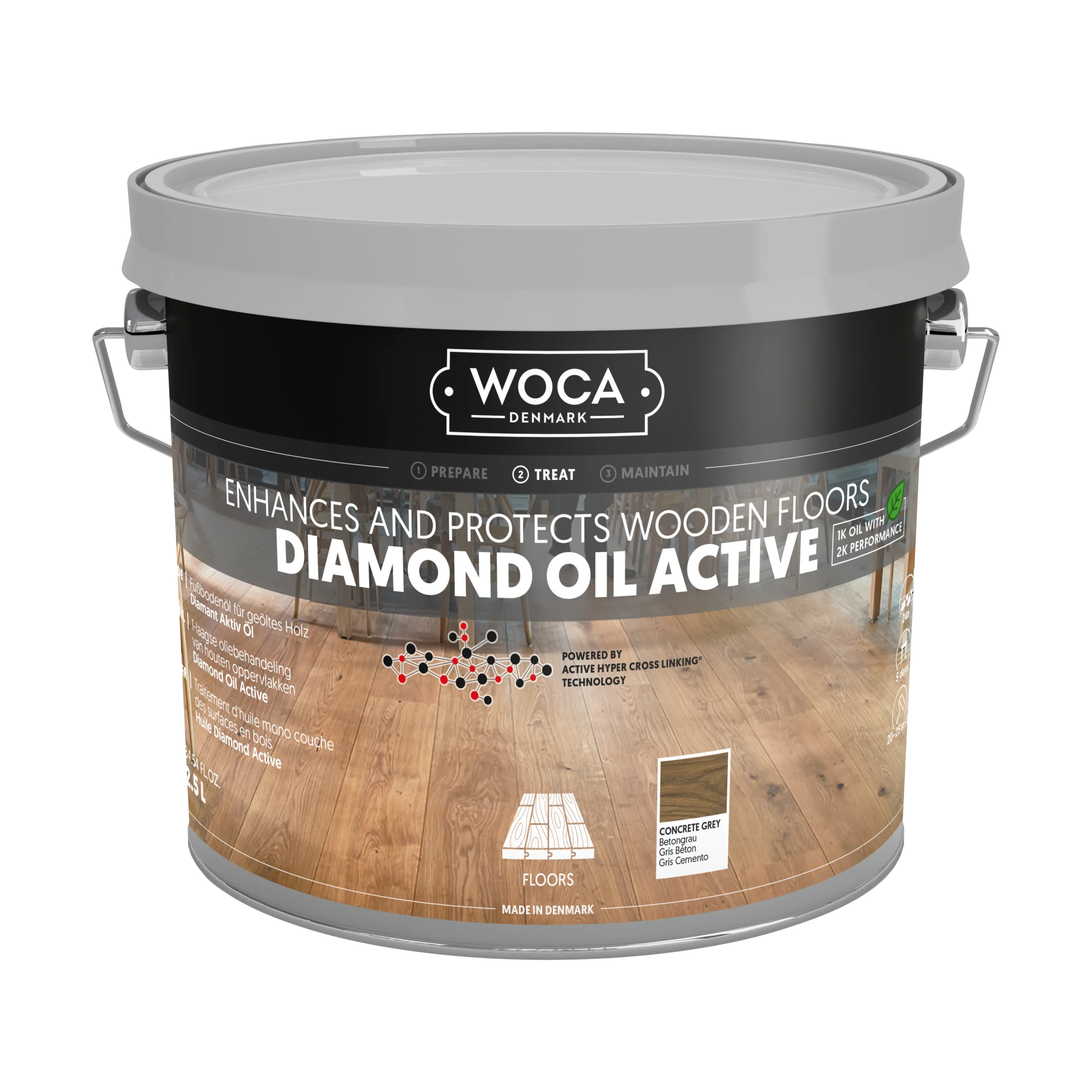
Concrete Grey
Verpakking:
750 ml – 2,5 L
VOC:
8 g/l, maximale grenswaarde (A/i (OB)): 500 g/l.
Dichtheid:
0.95-1.00 g/ml.
Houdbaarheid:
3 jaar
Verwerkingstemperatuur:
+15-30°C en ca. 50% luchtvochtigheid.
Verbruik:
20-25 m²/L
Colour product:
Concrete Grey
VOC:
8 g/l, maximale grenswaarde (A/i (OB)): 500 g/l.
Dichtheid:
0.95-1.00 g/ml.
Houdbaarheid:
3 jaar
Verwerkingstemperatuur:
+15-30°C en ca. 50% luchtvochtigheid.
Verbruik:
20-25 m²/L
Colour product:
Concrete Grey
Verpakking:
750 ml – 2,5 L
VOC:
8 g/l, maximale grenswaarde (A/i (OB)): 500 g/l.
Dichtheid:
0.95-1.00 g/ml.
Houdbaarheid:
3 jaar
Verwerkingstemperatuur:
+15-30°C en ca. 50% luchtvochtigheid.
Verbruik:
20-25 m²/L
Colour product:
Concrete Grey
VOC:
8 g/l, maximale grenswaarde (A/i (OB)): 500 g/l.
Dichtheid:
0.95-1.00 g/ml.
Houdbaarheid:
3 jaar
Verwerkingstemperatuur:
+15-30°C en ca. 50% luchtvochtigheid.
Verbruik:
20-25 m²/L
Colour product:
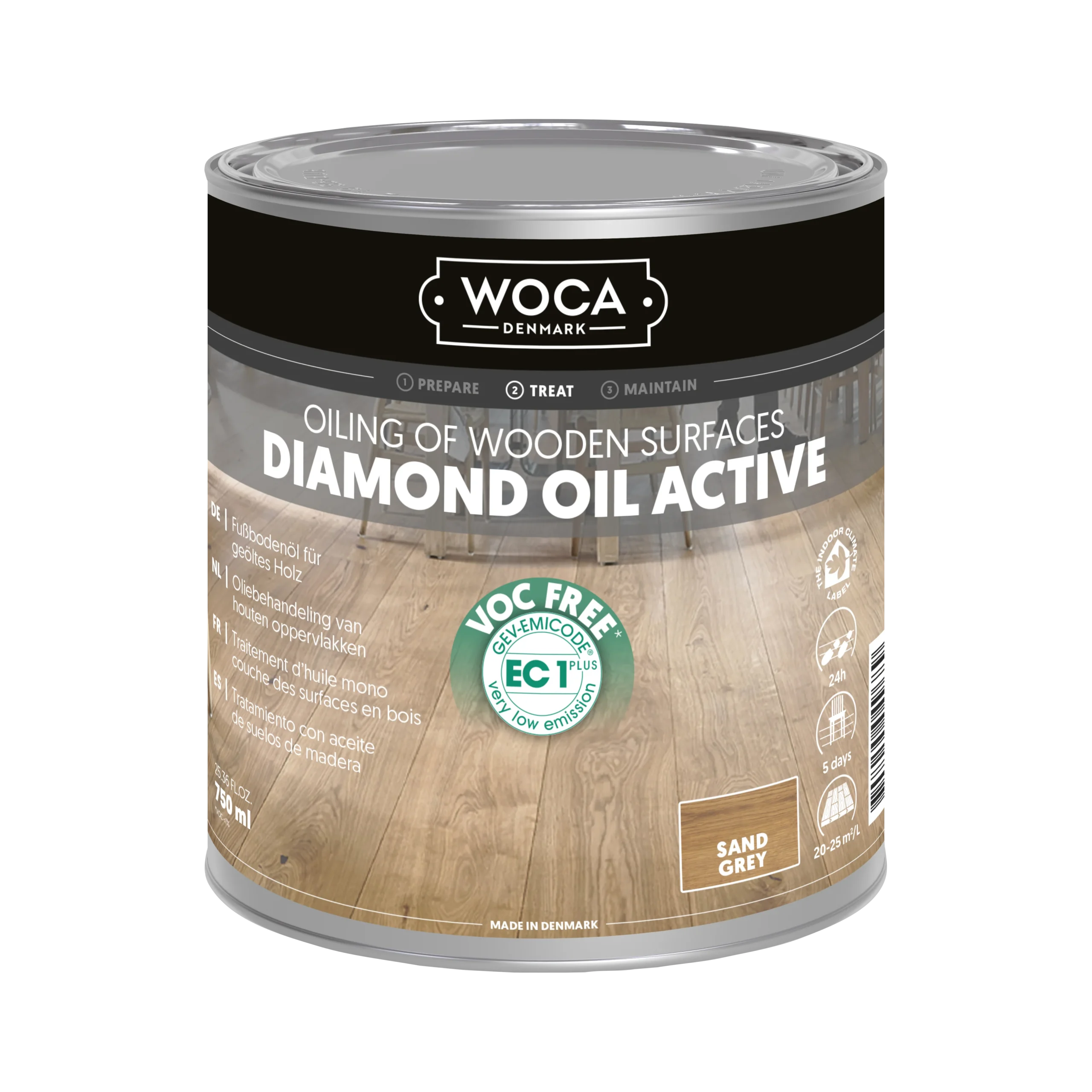
Sand Grey
Verpakking:
750 ml – 2,5 L
VOC:
8 g/l, maximale grenswaarde (A/i (OB)): 500 g/l.
Dichtheid:
0.95-1.00 g/ml.
Houdbaarheid:
3 jaar
Verwerkingstemperatuur:
+15-30°C en ca. 50% luchtvochtigheid.
Verbruik:
20-25 m²/L
Colour product:
Sand Grey
VOC:
8 g/l, maximale grenswaarde (A/i (OB)): 500 g/l.
Dichtheid:
0.95-1.00 g/ml.
Houdbaarheid:
3 jaar
Verwerkingstemperatuur:
+15-30°C en ca. 50% luchtvochtigheid.
Verbruik:
20-25 m²/L
Colour product:
Sand Grey
Verpakking:
2,5 L
VOC:
8 g/l, maximale grenswaarde (A/i (OB)): 500 g/l.
Dichtheid:
0.95-1.00 g/ml.
Houdbaarheid:
3 jaar
Verwerkingstemperatuur:
+15-30°C en ca. 50% luchtvochtigheid.
Verbruik:
20-25 m²/L
Colour product:
Sand Grey
VOC:
8 g/l, maximale grenswaarde (A/i (OB)): 500 g/l.
Dichtheid:
0.95-1.00 g/ml.
Houdbaarheid:
3 jaar
Verwerkingstemperatuur:
+15-30°C en ca. 50% luchtvochtigheid.
Verbruik:
20-25 m²/L
Colour product:
Carbon Black
Verpakking:
750 ml – 2,5 L
VOC:
8 g/l, maximale grenswaarde (A/i (OB)): 500 g/l.
Dichtheid:
0.95-1.00 g/ml.
Houdbaarheid:
3 jaar
Verwerkingstemperatuur:
+15-30°C en ca. 50% luchtvochtigheid.
Verbruik:
20-25 m²/L
Colour product:
Carbon Black
VOC:
8 g/l, maximale grenswaarde (A/i (OB)): 500 g/l.
Dichtheid:
0.95-1.00 g/ml.
Houdbaarheid:
3 jaar
Verwerkingstemperatuur:
+15-30°C en ca. 50% luchtvochtigheid.
Verbruik:
20-25 m²/L
Colour product:
Carbon Black
Verpakking:
2,5 L
VOC:
8 g/l, maximale grenswaarde (A/i (OB)): 500 g/l.
Dichtheid:
0.95-1.00 g/ml.
Houdbaarheid:
3 jaar
Verwerkingstemperatuur:
+15-30°C en ca. 50% luchtvochtigheid.
Verbruik:
20-25 m²/L
Colour product:
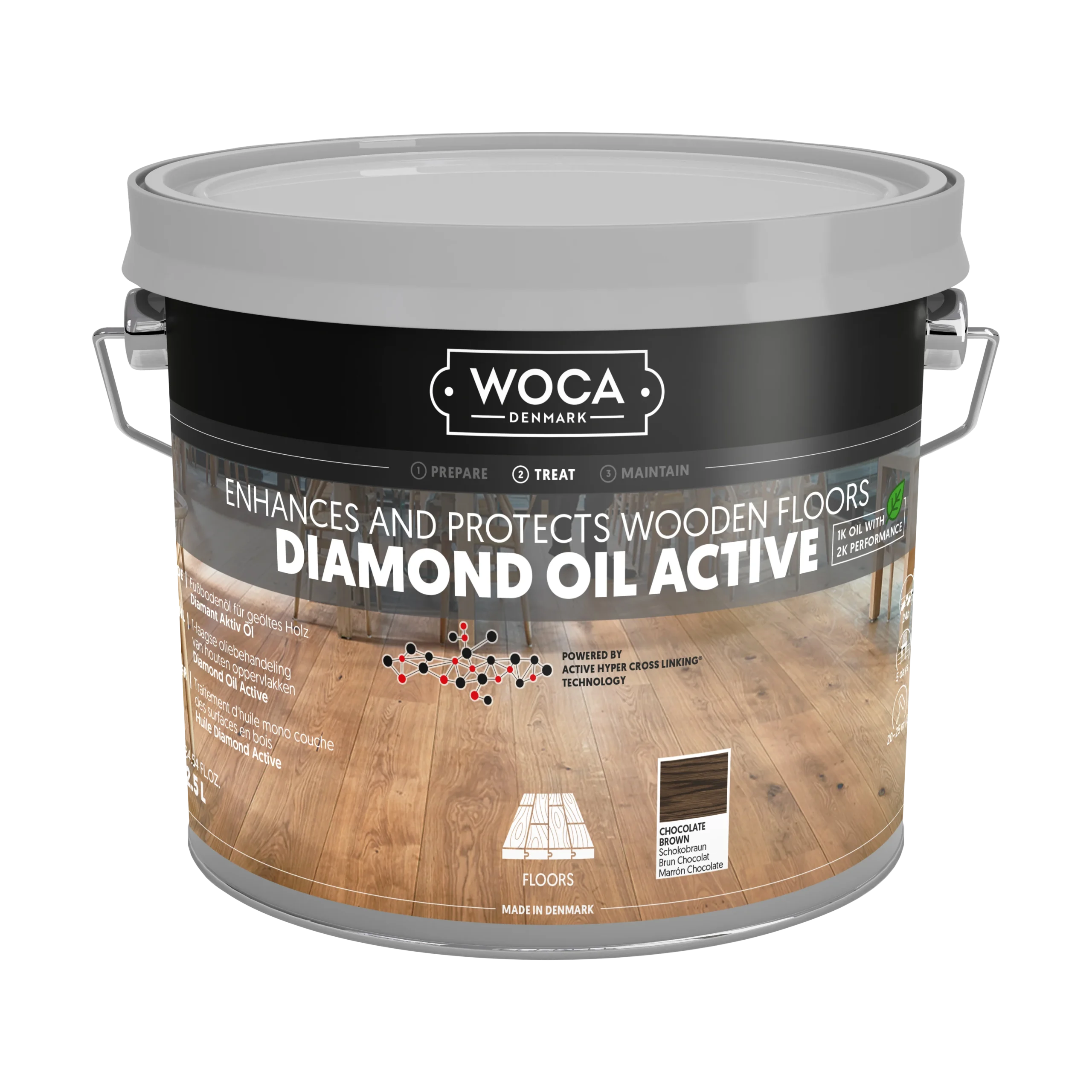
Chocolate Brown
Verpakking:
750 ml – 2,5 L
VOC:
8 g/l, maximale grenswaarde (A/i (OB)): 500 g/l.
Dichtheid:
0.95-1.00 g/ml.
Houdbaarheid:
3 jaar
Verwerkingstemperatuur:
+15-30°C en ca. 50% luchtvochtigheid.
Verbruik:
20-25 m²/L
Colour product:
Chocolate Brown
VOC:
8 g/l, maximale grenswaarde (A/i (OB)): 500 g/l.
Dichtheid:
0.95-1.00 g/ml.
Houdbaarheid:
3 jaar
Verwerkingstemperatuur:
+15-30°C en ca. 50% luchtvochtigheid.
Verbruik:
20-25 m²/L
Colour product:
Chocolate Brown
Verpakking:
750 ml – 2,5 L
VOC:
8 g/l, maximale grenswaarde (A/i (OB)): 500 g/l.
Dichtheid:
0.95-1.00 g/ml.
Houdbaarheid:
3 jaar
Verwerkingstemperatuur:
+15-30°C en ca. 50% luchtvochtigheid.
Verbruik:
20-25 m²/L
Colour product:
Chocolate Brown
VOC:
8 g/l, maximale grenswaarde (A/i (OB)): 500 g/l.
Dichtheid:
0.95-1.00 g/ml.
Houdbaarheid:
3 jaar
Verwerkingstemperatuur:
+15-30°C en ca. 50% luchtvochtigheid.
Verbruik:
20-25 m²/L
Colour product:
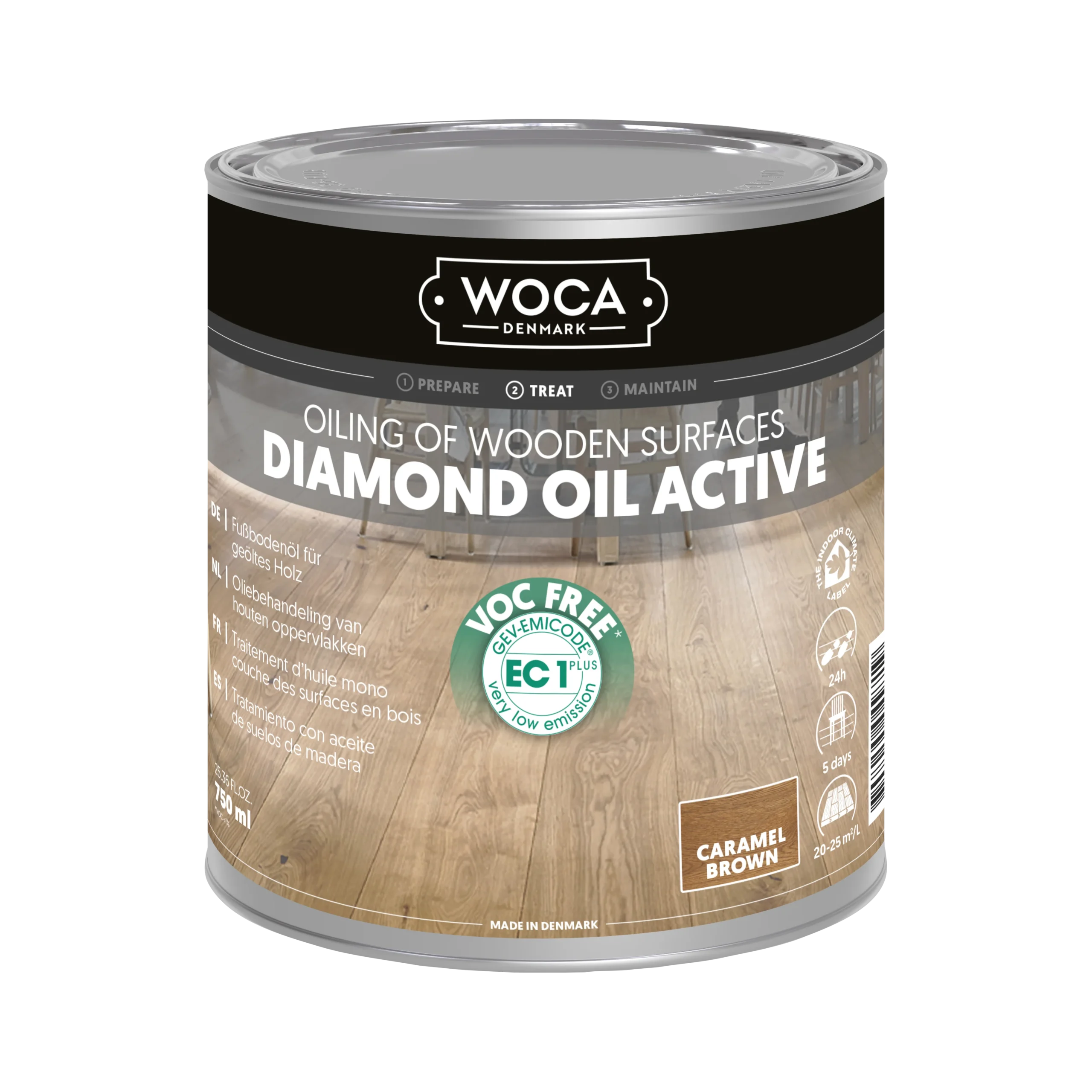
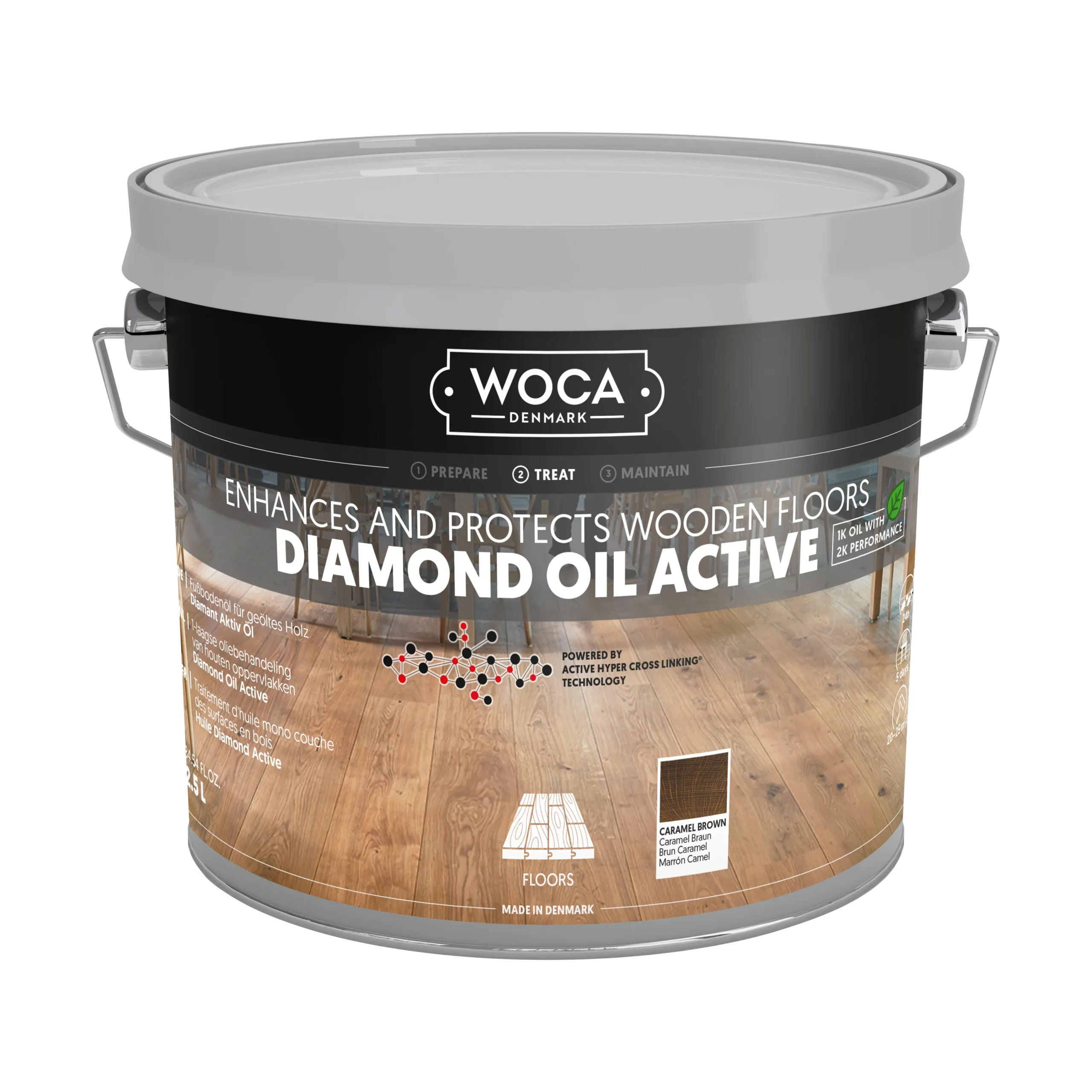
Caramel Brown
Verpakking:
750 ml – 2,5 L
VOC:
8 g/l, maximale grenswaarde (A/i (OB)): 500 g/l.
Dichtheid:
0.95-1.00 g/ml.
Houdbaarheid:
3 jaar
Verwerkingstemperatuur:
+15-30°C en ca. 50% luchtvochtigheid.
Verbruik:
20-25 m²/L
Colour product:
Caramel Brown
VOC:
8 g/l, maximale grenswaarde (A/i (OB)): 500 g/l.
Dichtheid:
0.95-1.00 g/ml.
Houdbaarheid:
3 jaar
Verwerkingstemperatuur:
+15-30°C en ca. 50% luchtvochtigheid.
Verbruik:
20-25 m²/L
Colour product:
Caramel Brown
Verpakking:
2,5 L
VOC:
8 g/l, maximale grenswaarde (A/i (OB)): 500 g/l.
Dichtheid:
0.95-1.00 g/ml.
Houdbaarheid:
3 jaar
Verwerkingstemperatuur:
+15-30°C en ca. 50% luchtvochtigheid.
Verbruik:
20-25 m²/L
Colour product:
Caramel Brown
VOC:
8 g/l, maximale grenswaarde (A/i (OB)): 500 g/l.
Dichtheid:
0.95-1.00 g/ml.
Houdbaarheid:
3 jaar
Verwerkingstemperatuur:
+15-30°C en ca. 50% luchtvochtigheid.
Verbruik:
20-25 m²/L
Colour product:
Smoke Brown
VOC:
8 g/l, maximale grenswaarde (A/i (OB)): 500 g/l.
Dichtheid:
0.95-1.00 g/ml.
Houdbaarheid:
3 jaar
Verwerkingstemperatuur:
+15-30°C en ca. 50% luchtvochtigheid.
Verbruik:
20-25 m²/L
Colour product:
Smoke Brown
Verpakking:
750 ml – 2,5 L
VOC:
8 g/l, maximale grenswaarde (A/i (OB)): 500 g/l.
Dichtheid:
0.95-1.00 g/ml.
Houdbaarheid:
3 jaar
Verwerkingstemperatuur:
+15-30°C en ca. 50% luchtvochtigheid.
Verbruik:
20-25 m²/L
Colour product:
Smoke Brown
VOC:
8 g/l, maximale grenswaarde (A/i (OB)): 500 g/l.
Dichtheid:
0.95-1.00 g/ml.
Houdbaarheid:
3 jaar
Verwerkingstemperatuur:
+15-30°C en ca. 50% luchtvochtigheid.
Verbruik:
20-25 m²/L
Colour product:
Smoke Brown
Verpakking:
2,5 L
VOC:
8 g/l, maximale grenswaarde (A/i (OB)): 500 g/l.
Dichtheid:
0.95-1.00 g/ml.
Houdbaarheid:
3 jaar
Verwerkingstemperatuur:
+15-30°C en ca. 50% luchtvochtigheid.
Verbruik:
20-25 m²/L
Colour product:
Naturel
Verpakking:
250 ml – 750 ml – 1 L – 2,5 L
VOC:
8 g/l, maximale grenswaarde (A/i (OB)): 500 g/l.
Dichtheid:
0.95-1.00 g/ml.
Houdbaarheid:
3 jaar
Verwerkingstemperatuur:
+15-30°C en ca. 50% luchtvochtigheid.
Verbruik:
20-25 m²/L
Colour product:
Naturel
Verpakking:
750 ml – 1 L – 2,5 L

Het hout moet fijn geschuurd zijn met korrel 100-120. Temperatuur van het product, de omgeving en de vloer dient tussen de 15-30 °C te liggen. Zorg voor een goede ventilatie tijdens het aanbrengen van de olie en tijdens het drogen.

Vergeet niet om het product op geschiktheid te testen, door eerst een klein oppervlak met het product te bewerken.

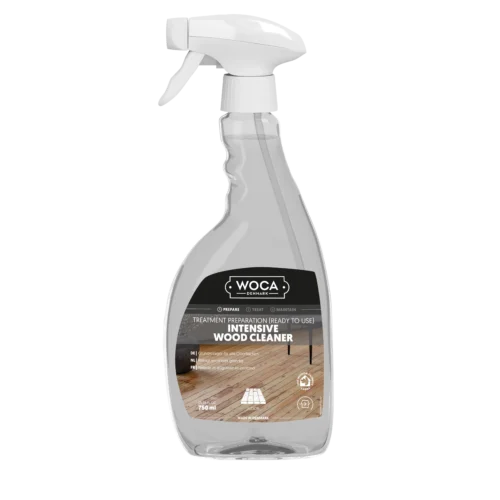
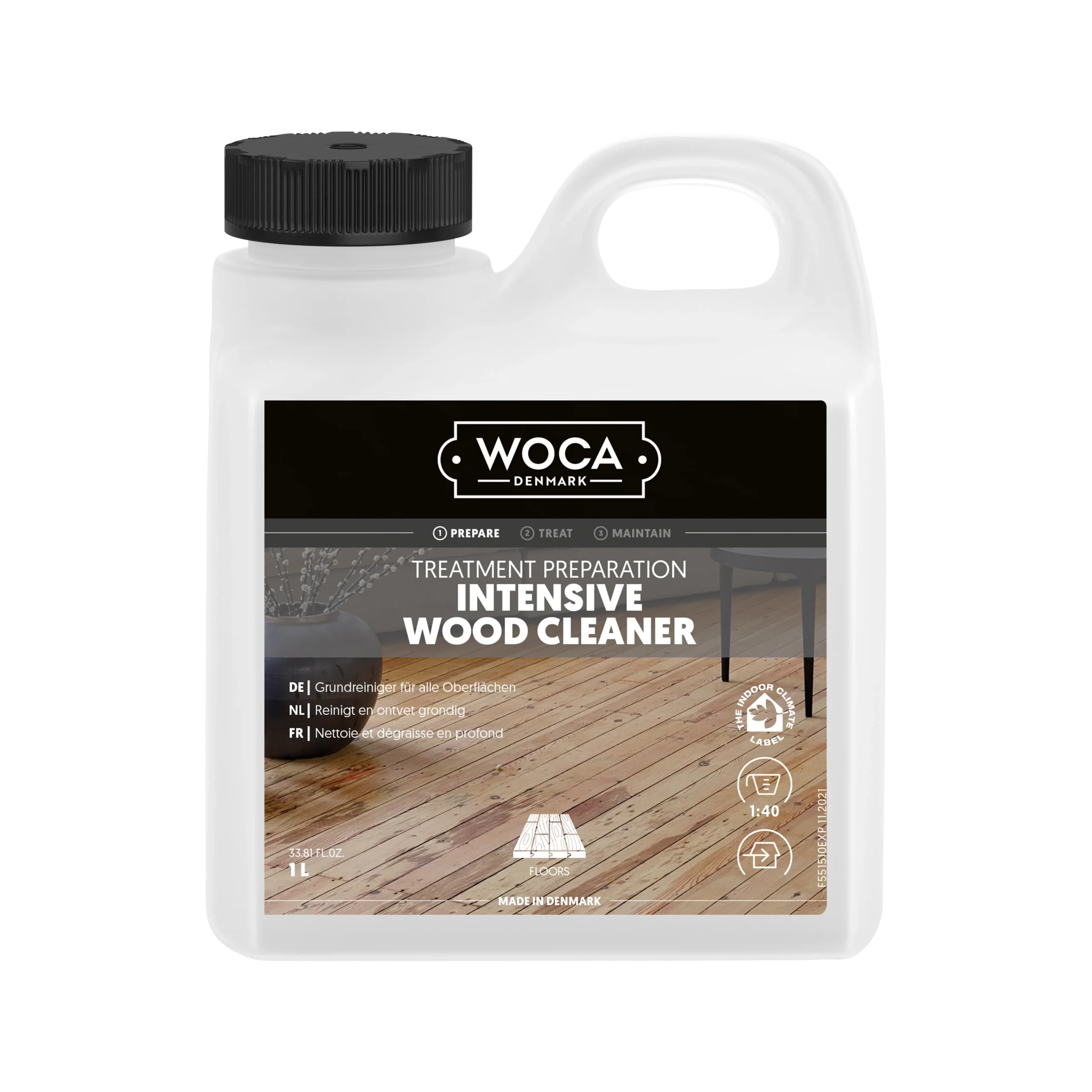
  • Maak de vloer goed schoon met Intensive Wood Cleaner. Laat de vloer minimaal 24 uur bij 20°C drogen vóór het aanbrengen van de olie.
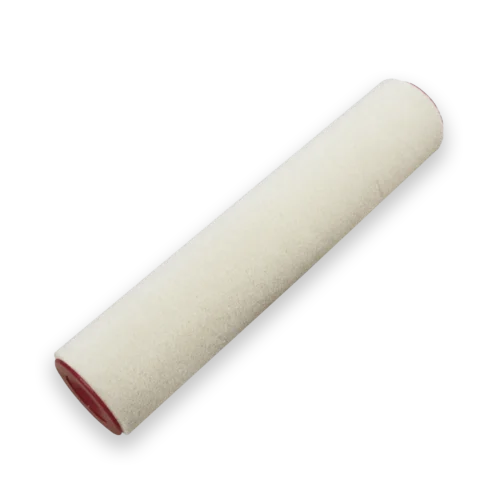
  • Schud de verpakking Diamond Oil Active grondig, zowel voor als tijdens gebruik. Verpakkingen met verschillende batchnummers moeten gemengd worden om kleurverschillen te voorkomen. Breng de olie in een egale laag aan met een kortharige roller.
  • Laat de vloer de olie opnemen gedurende max. 10-15 minuten. Waar droge plekken verschijnen moet meer olie worden aangebracht.
  • Wrijf de olie in het hout tot het oppervlak verzadigd lijkt. Gebruik een éénschijfsmachine met een beige pad voor grote oppervlakken en een handpad bij manueel gebruik voor kleine oppervlakken.
  • Gebruik droge, pluisvrije katoenen doeken of pads om overtollige olie te verwijderen tot het oppervlak niet meer nat lijkt.
  • Voor een extra aantrekkelijk effect en bestendigheid, de vloer terug boenen met 1 dl Diamond Oil Active per 10 m² binnen8-10 uur na de eerste behandeling. De olie goed polijsten zoals beschreven in 4+5.
  • De vloer is na 24 uur geschikt voor licht gebruik.
  • Maak het gereedschap schoon met WOCA Solvent of terpentine.
  • Gevaar voor zelfontbranding: Gezien het gevaar voor zelfontbranding, schuurstof en doeken die met olie doordrenkt zijn, met water doordrenken. Na gebruik in een goed gesloten container opbergen en afvoeren.
    ERROR: ORA-00907: missing right parenthesis