Products
Interior
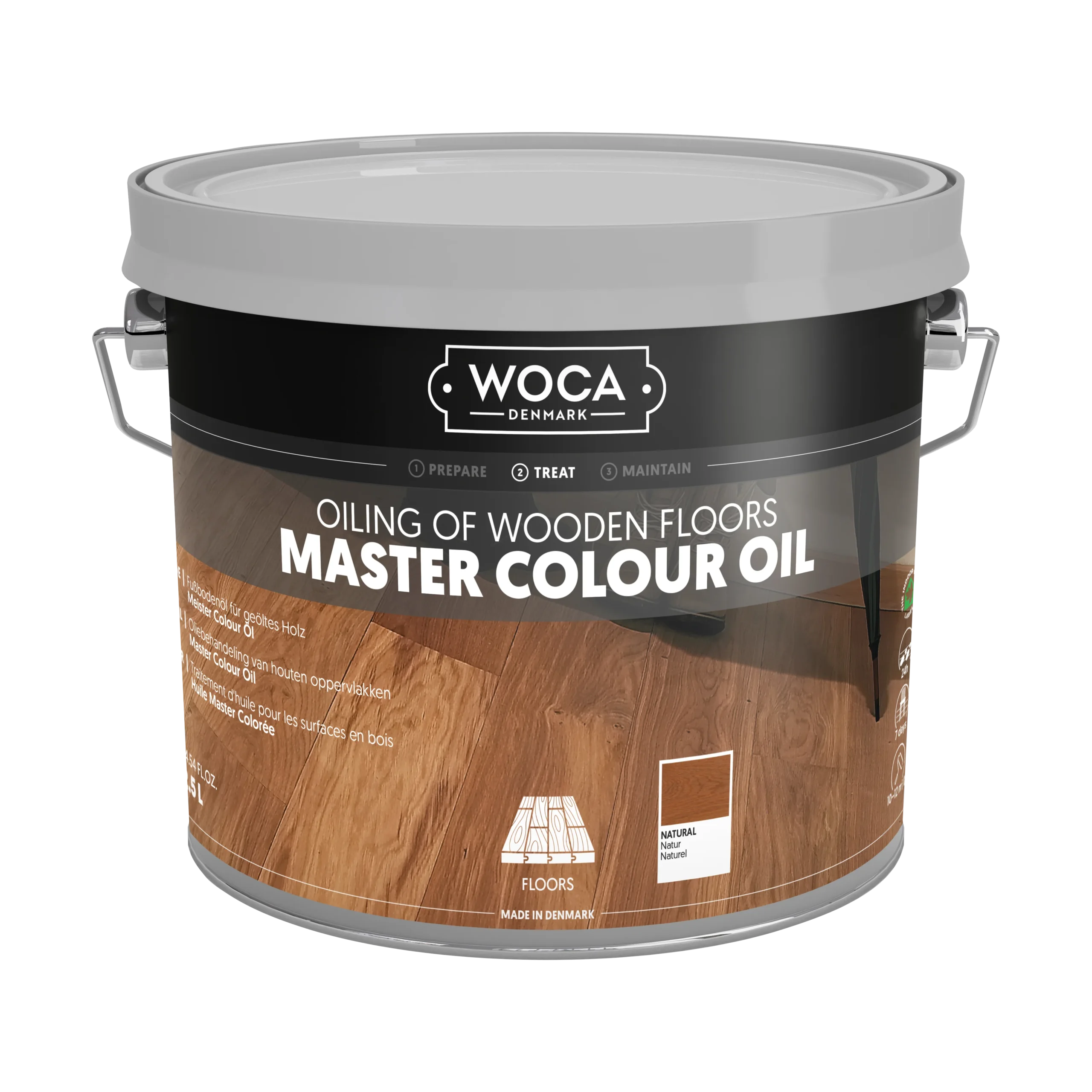
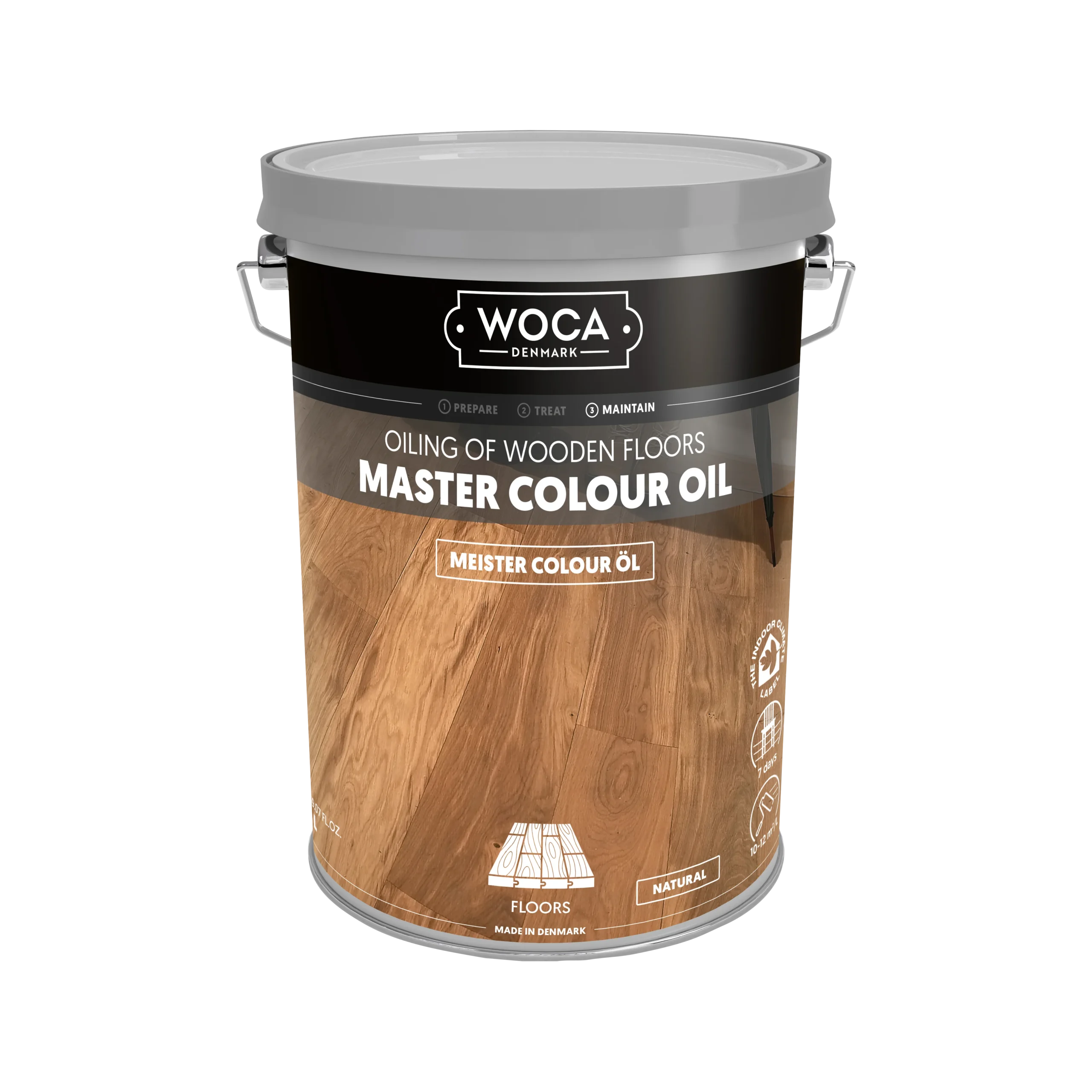
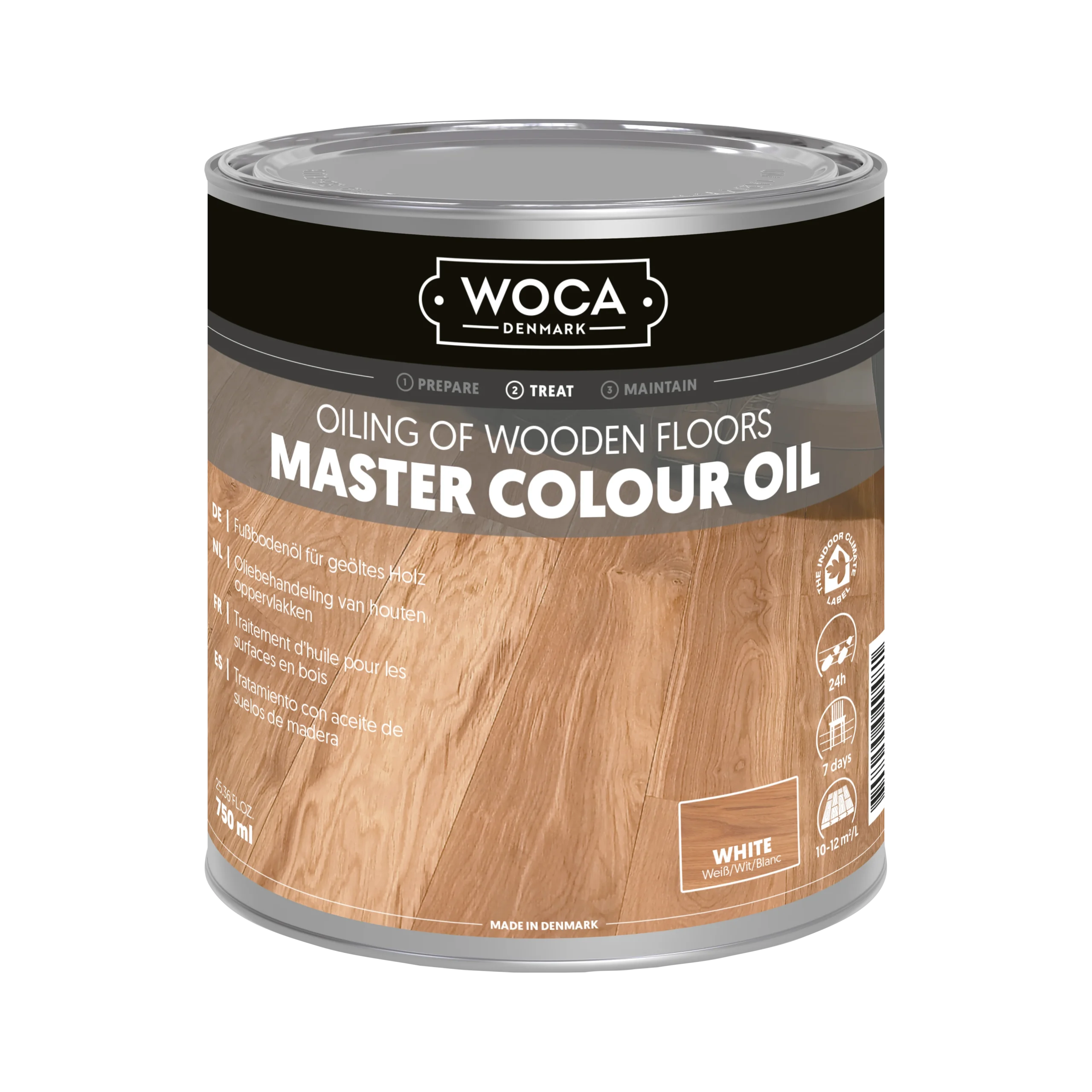
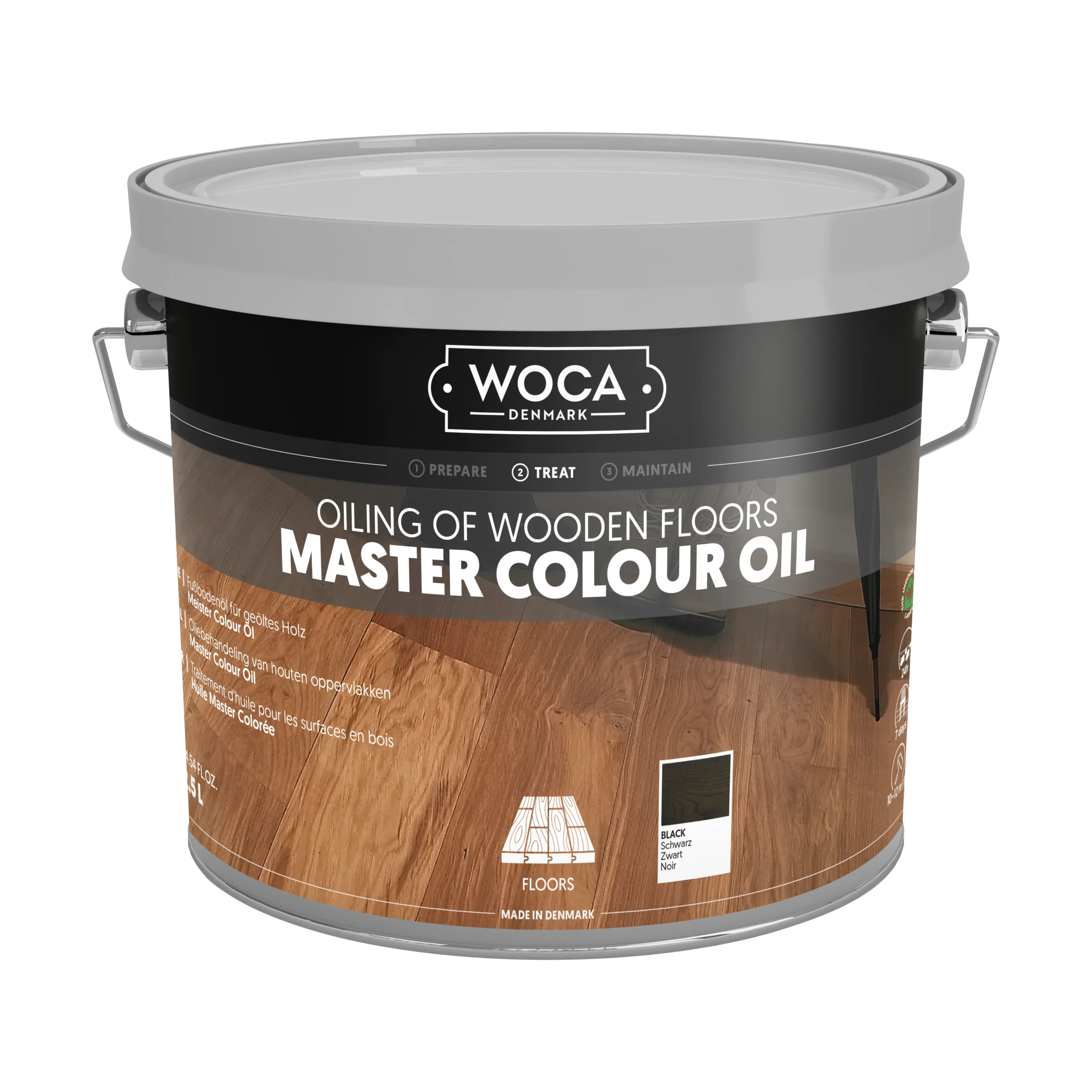
Master Colour Oil

Master Colour Oil

Item No.: 522007AA 522072SA 522072AA 522073SA 522073AA 522075AA 522507AA 522572SA 522572AA 522573SA 522573AA 522575AA 530200SA 530225AA 530625SA 531400SA 531425AA 531800SA 531825SA 531825AA 531850AA 531900SA 531925AA 532000SA 532025SA 532025AA 532300SA 533140SA 533145SA 533145AA

Oiling of wooden floors

  • Resistant to dirt and fluids, e.g. water, coffee, tea and red wine
  • Available in many different colours
  • Gives the wood a beautiful, breathable surface
  • Indoor climate labelled

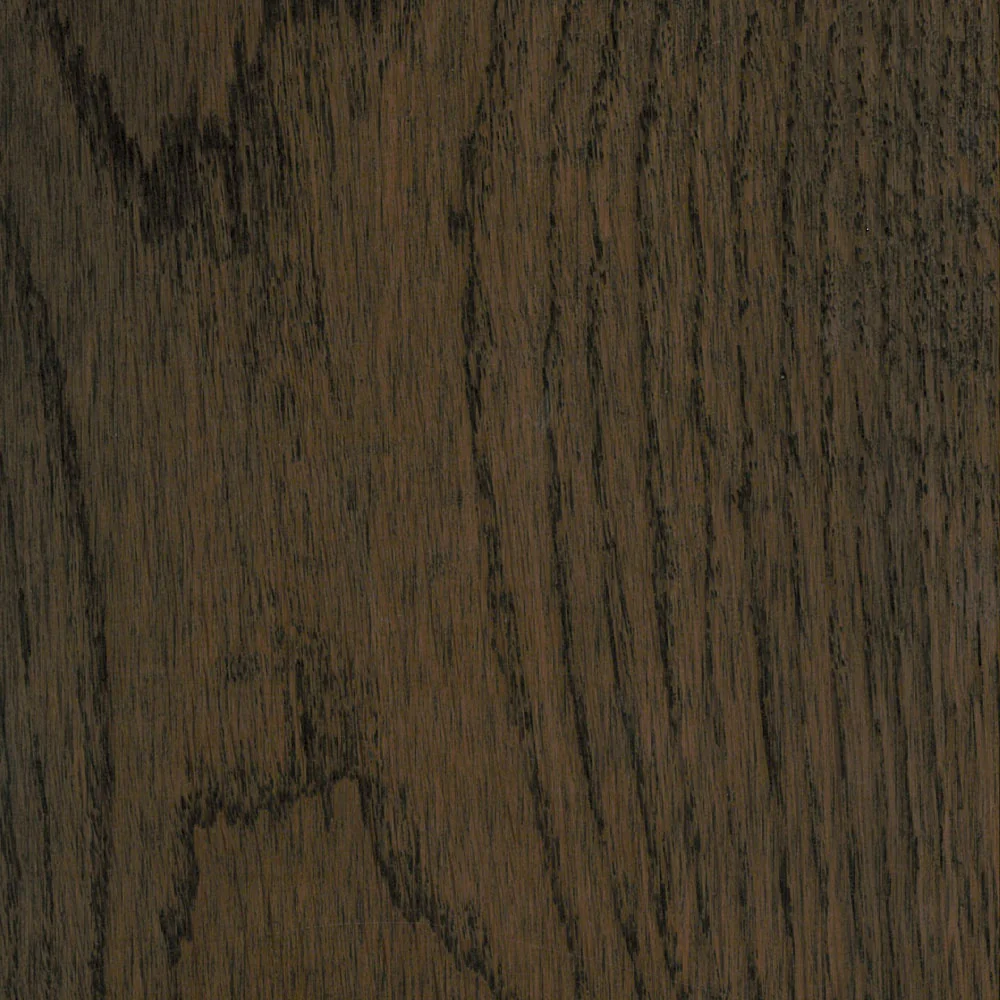
Colours

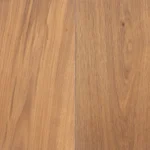
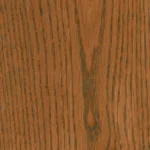
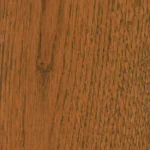
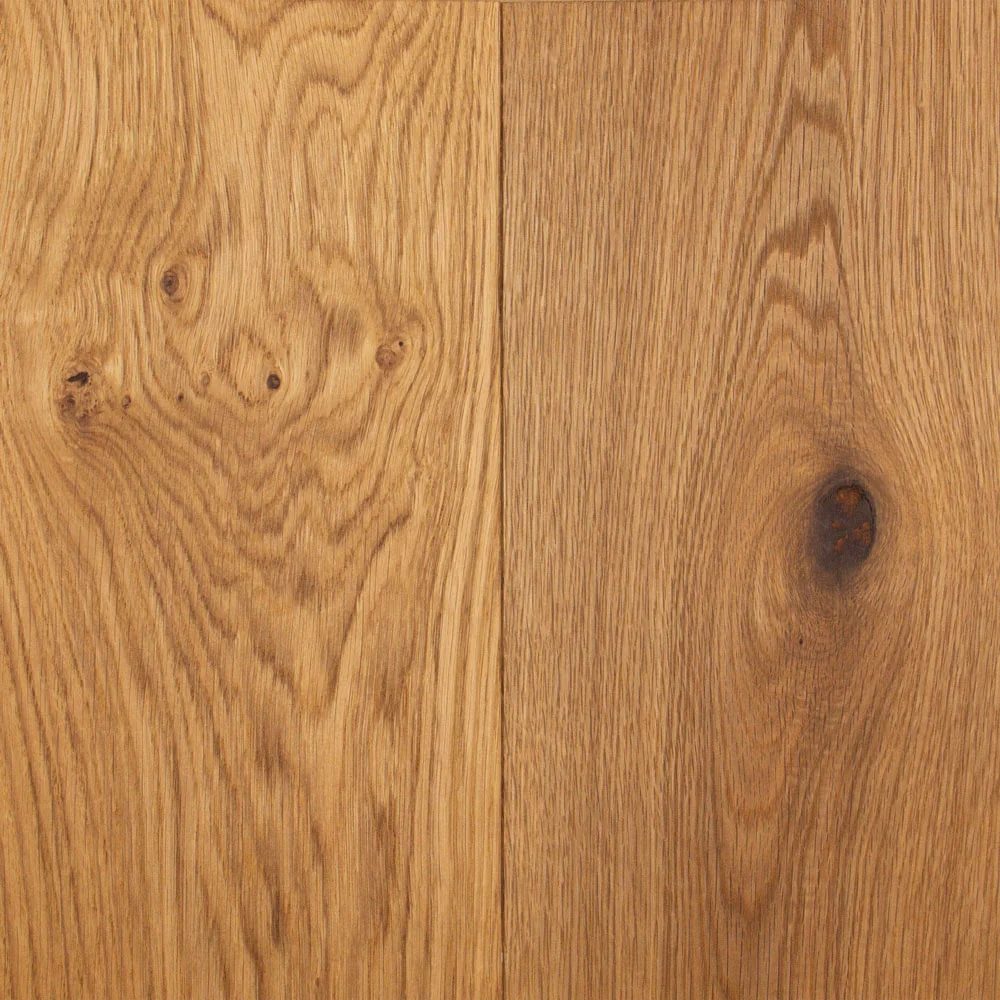
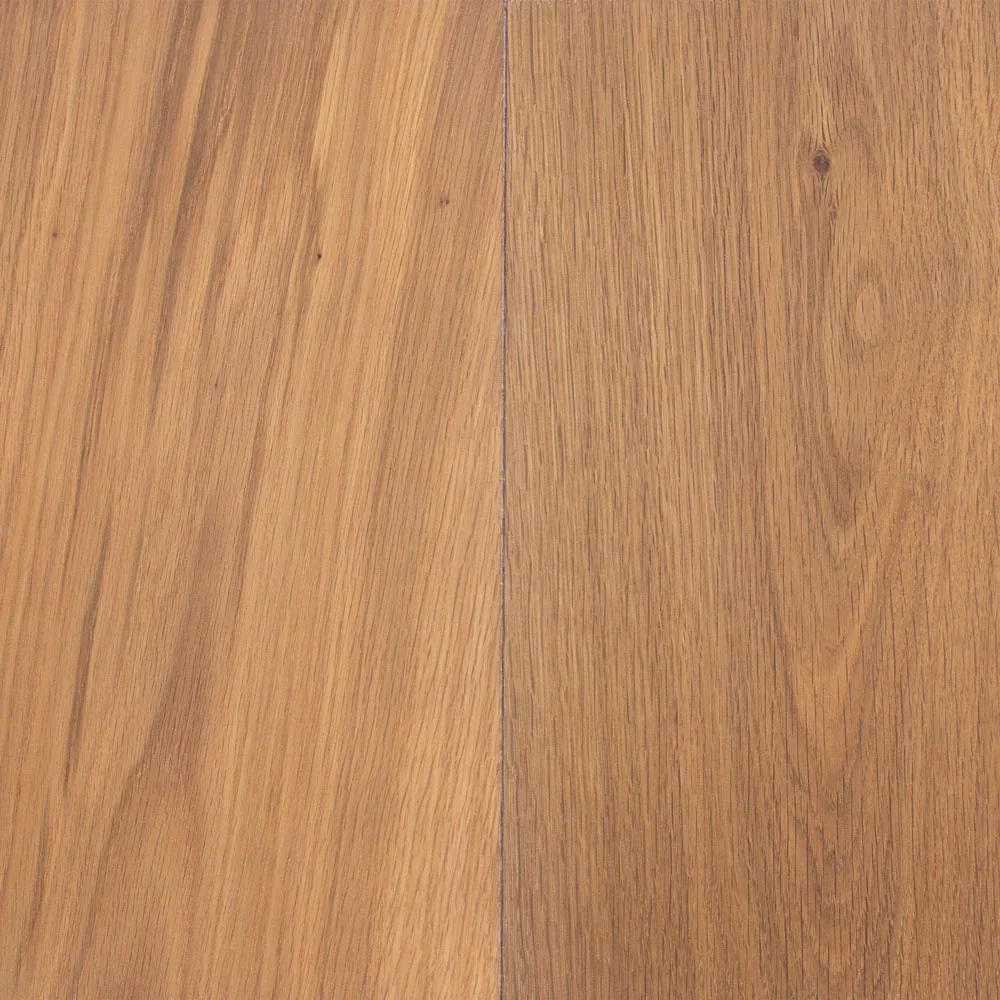
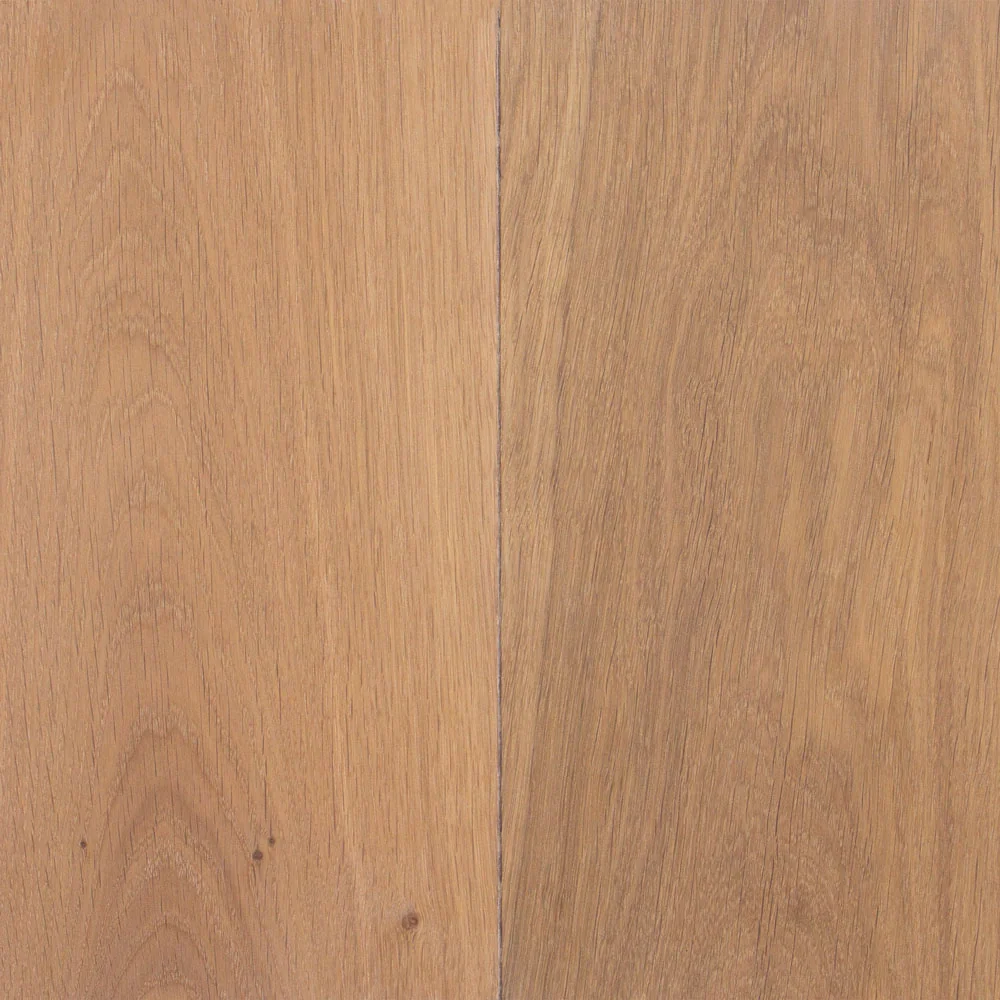
*The wood sample is shown on oak
Natural
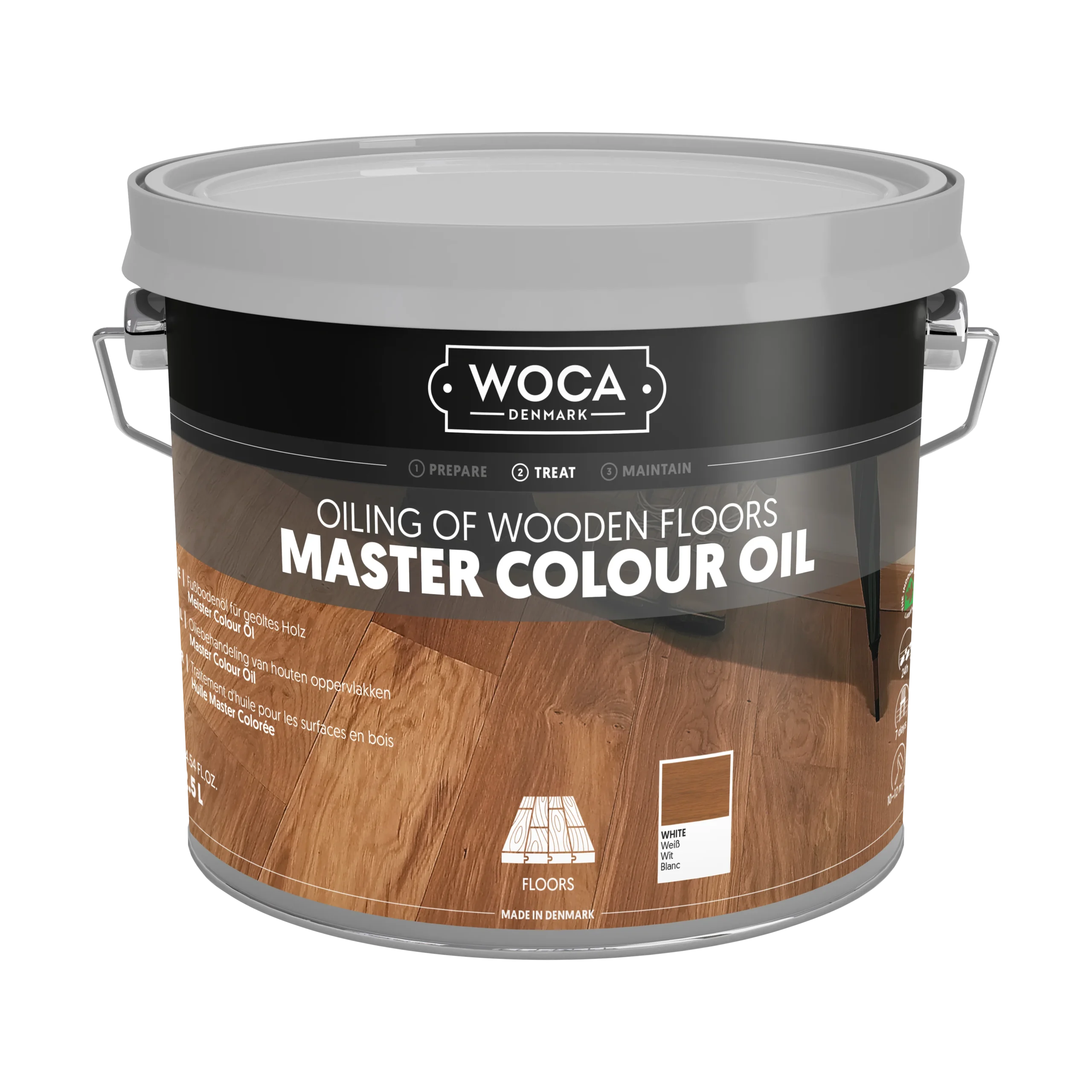
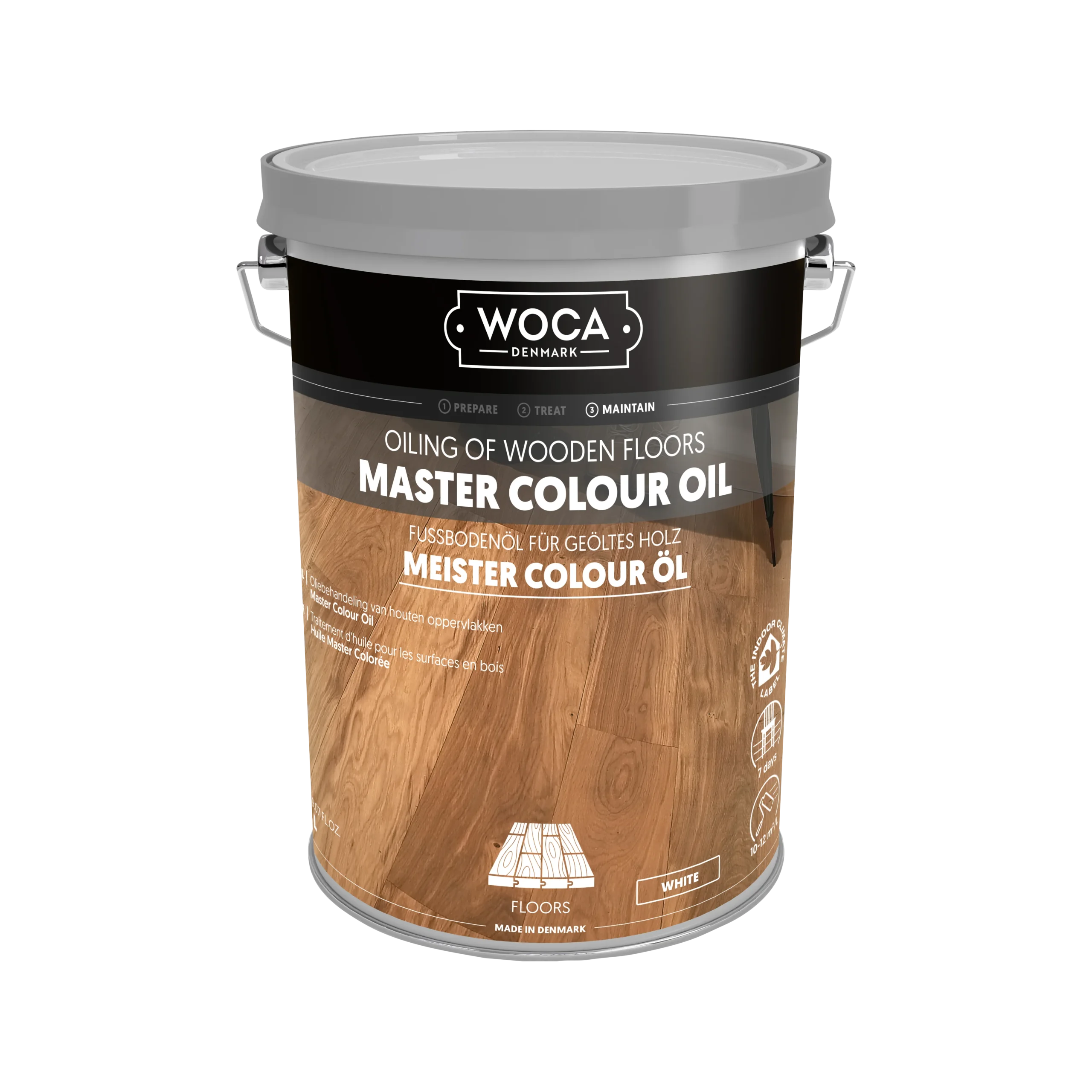
White
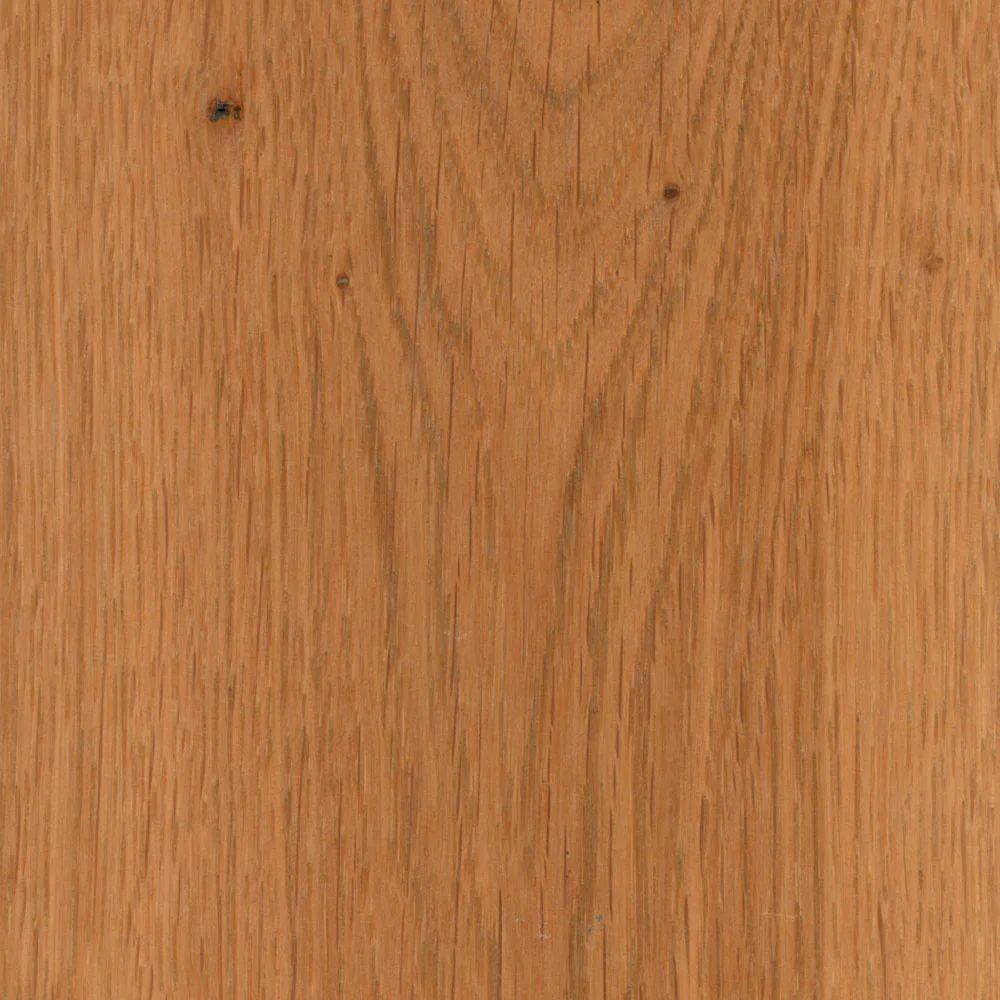
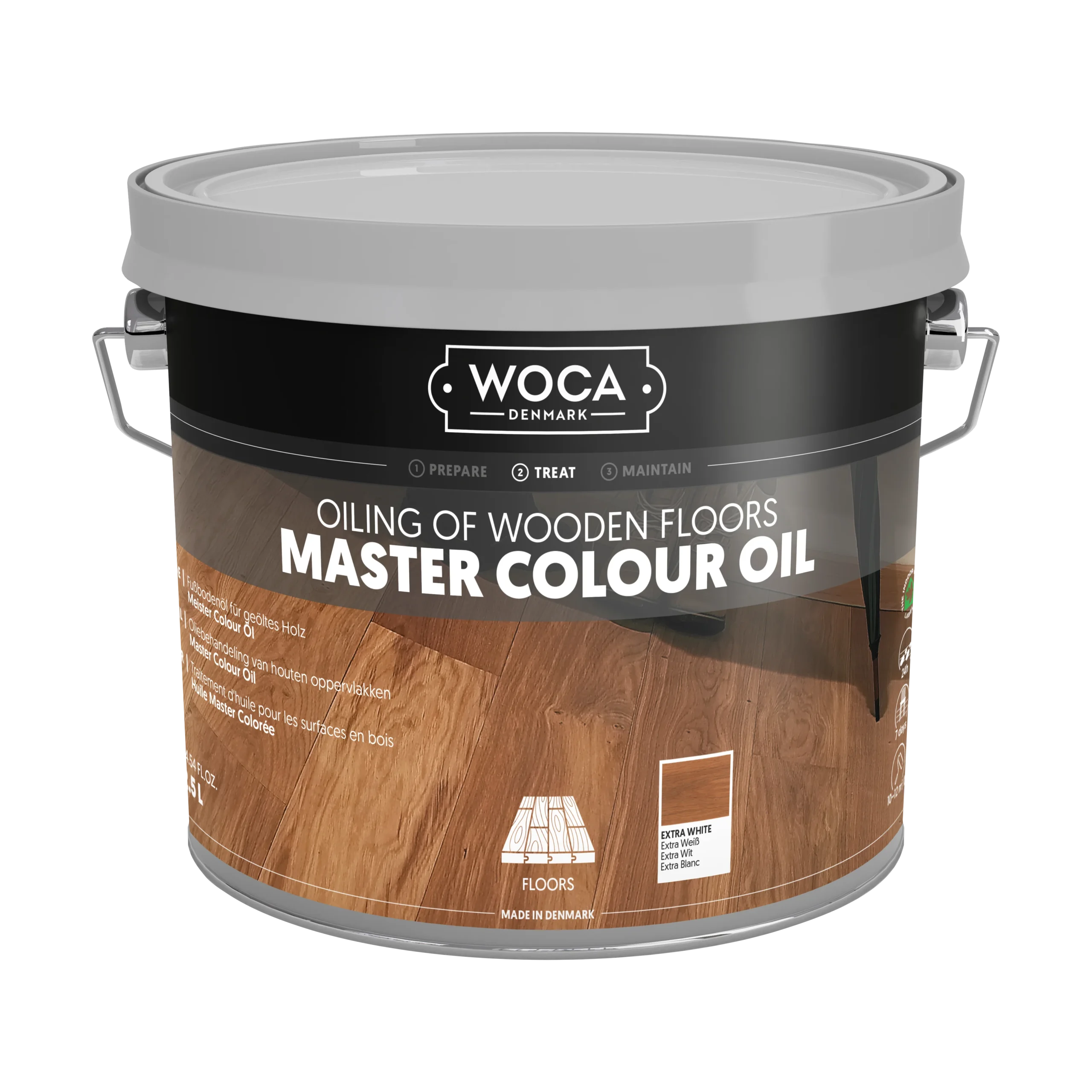
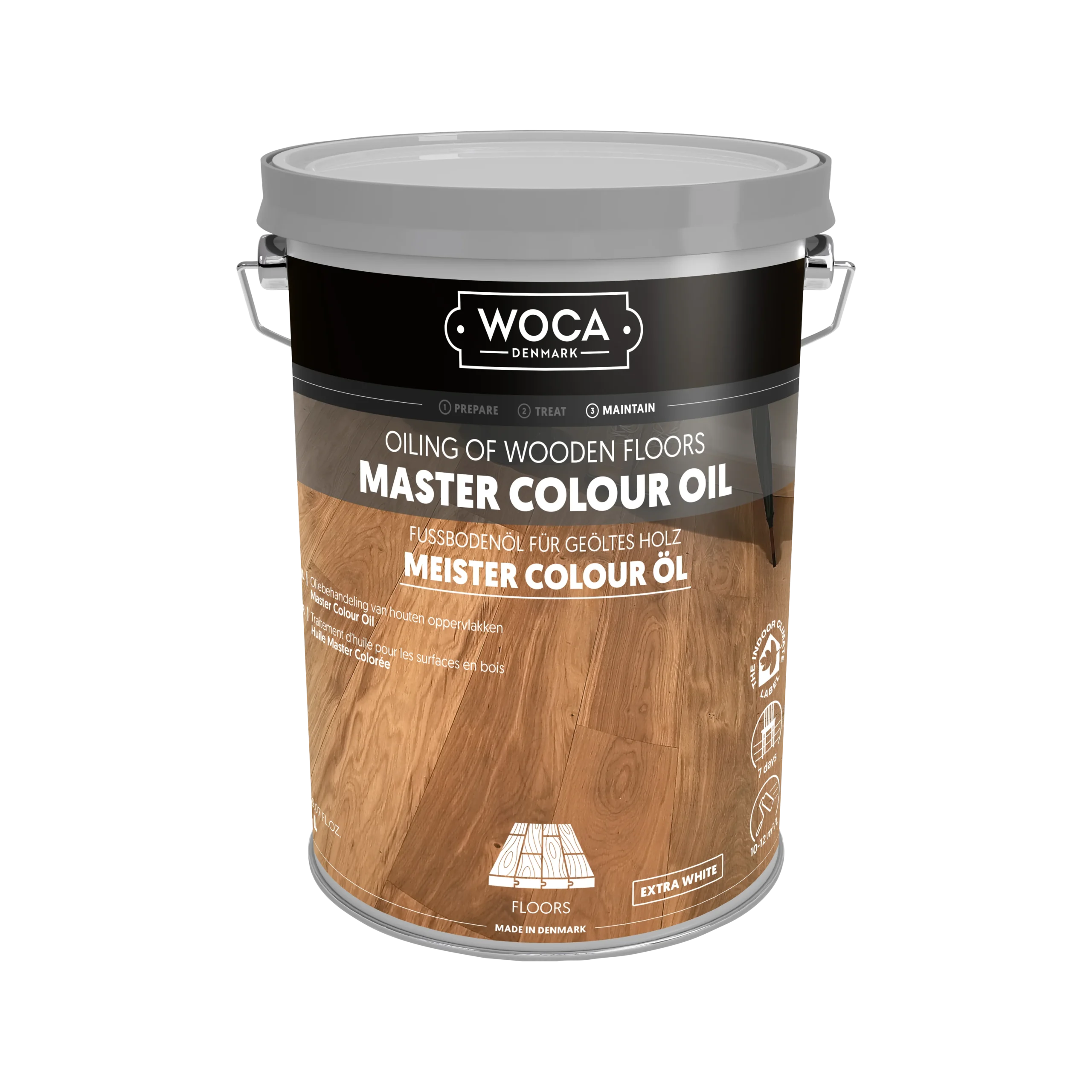
Extra White
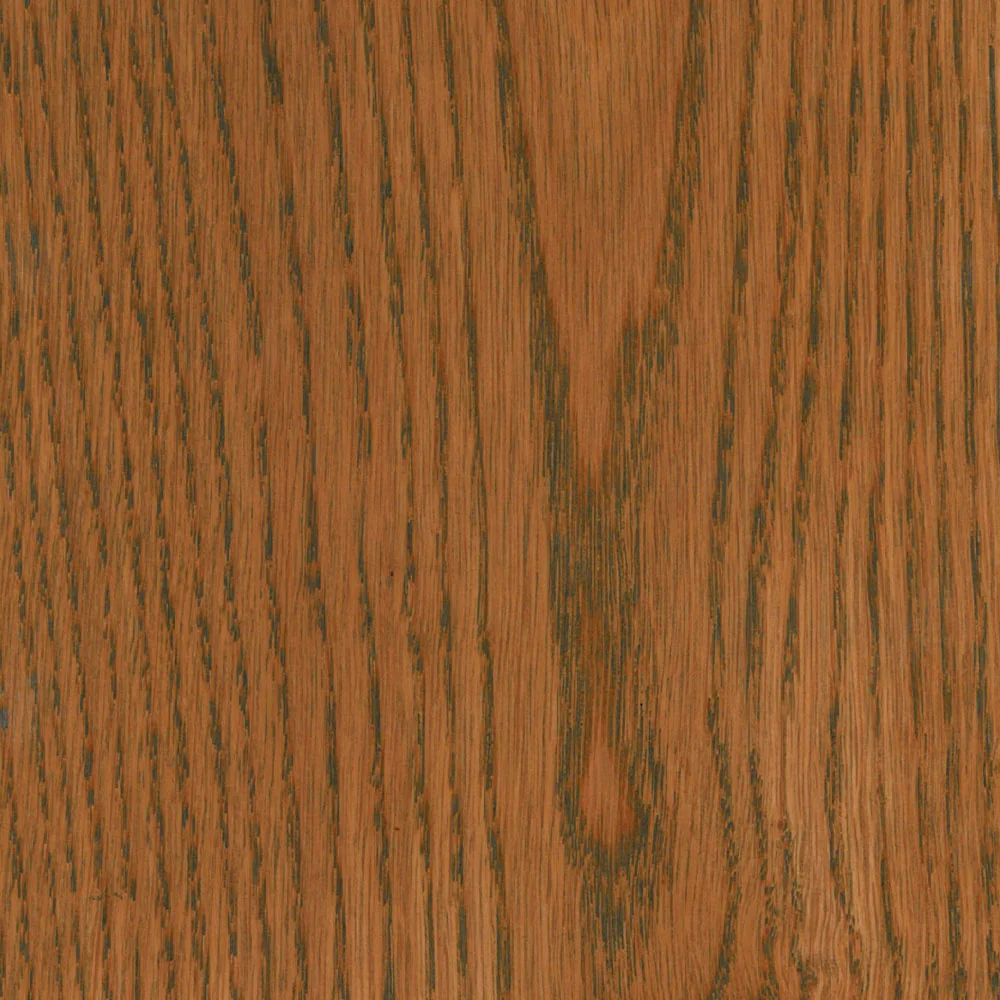
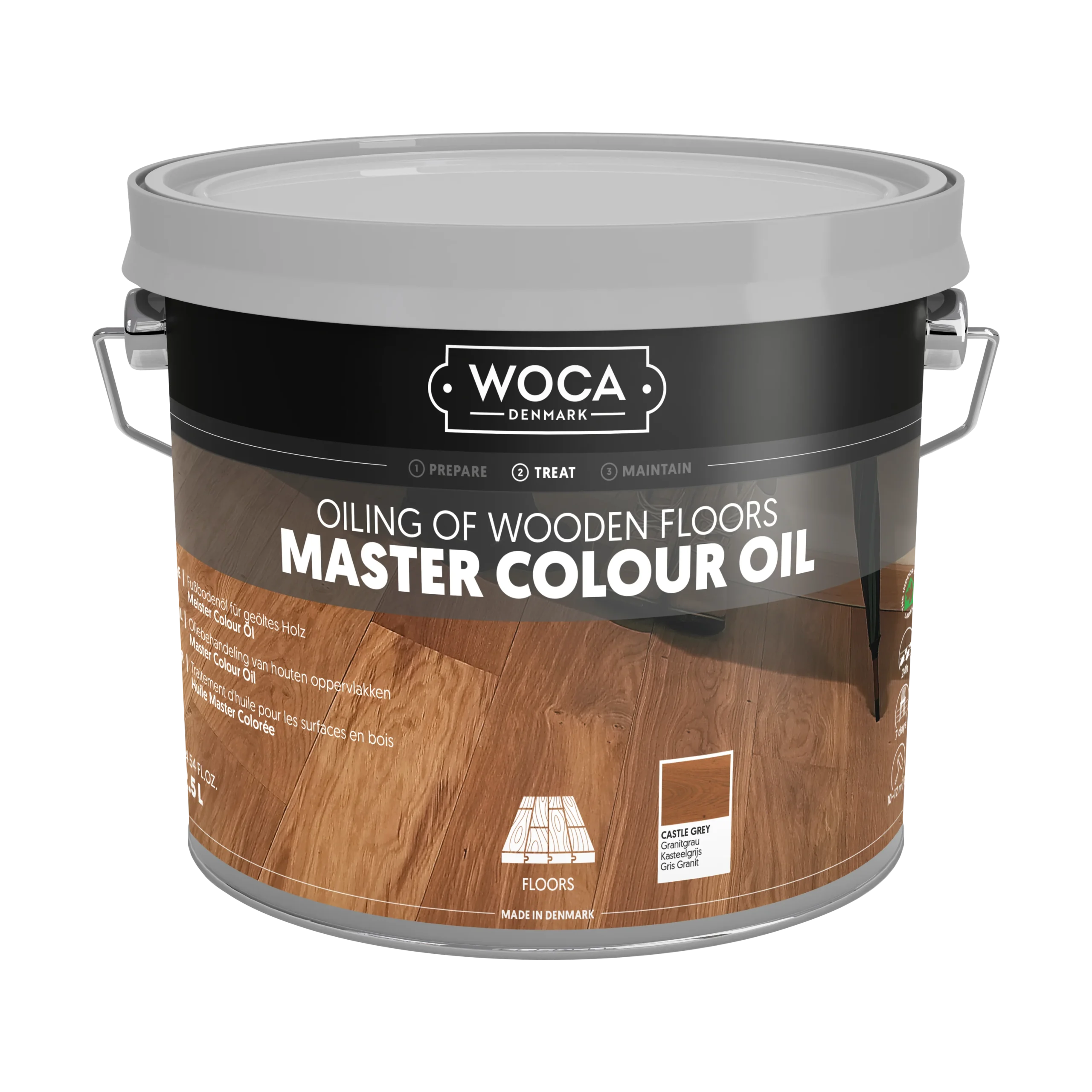
Castle Grey
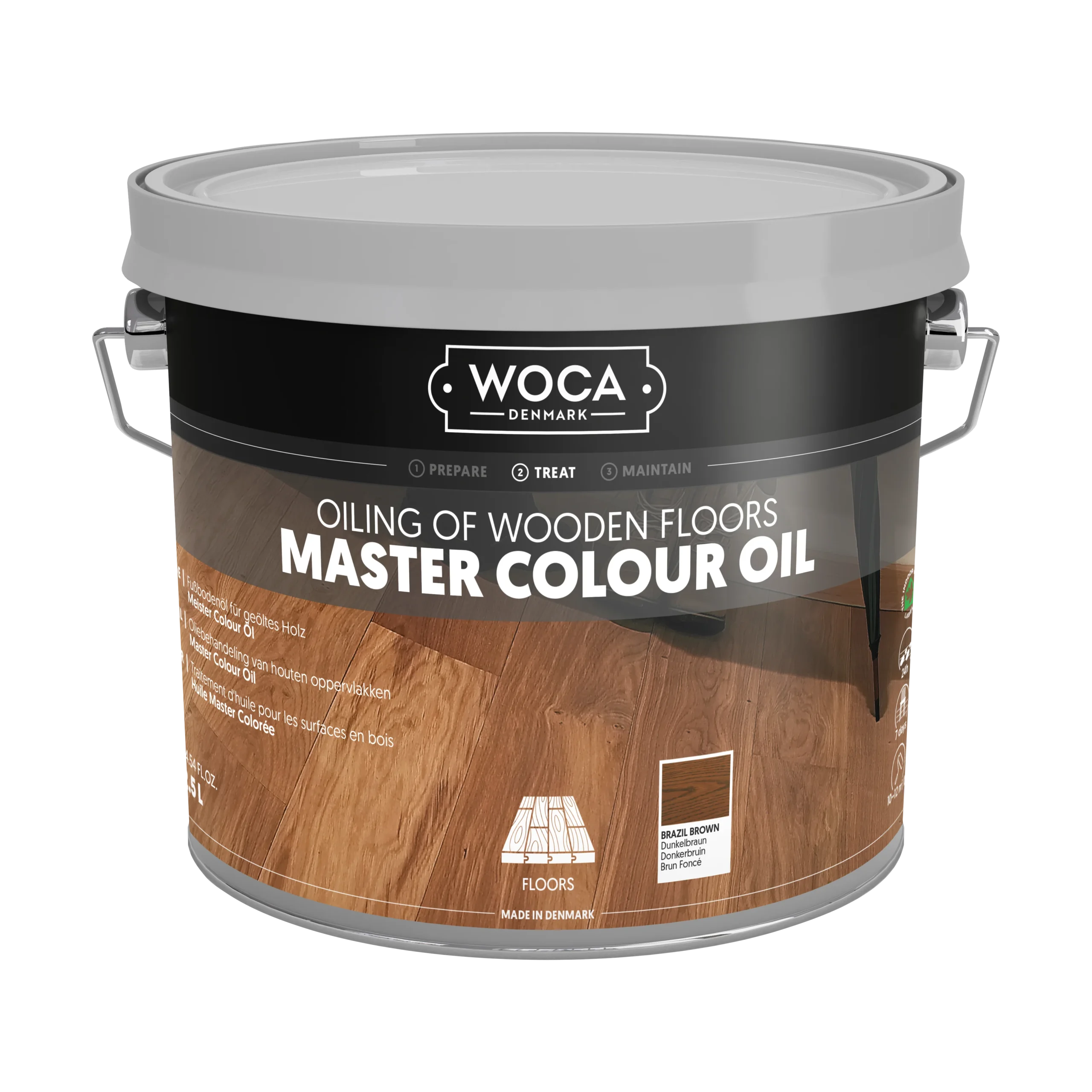
Brazil Brown
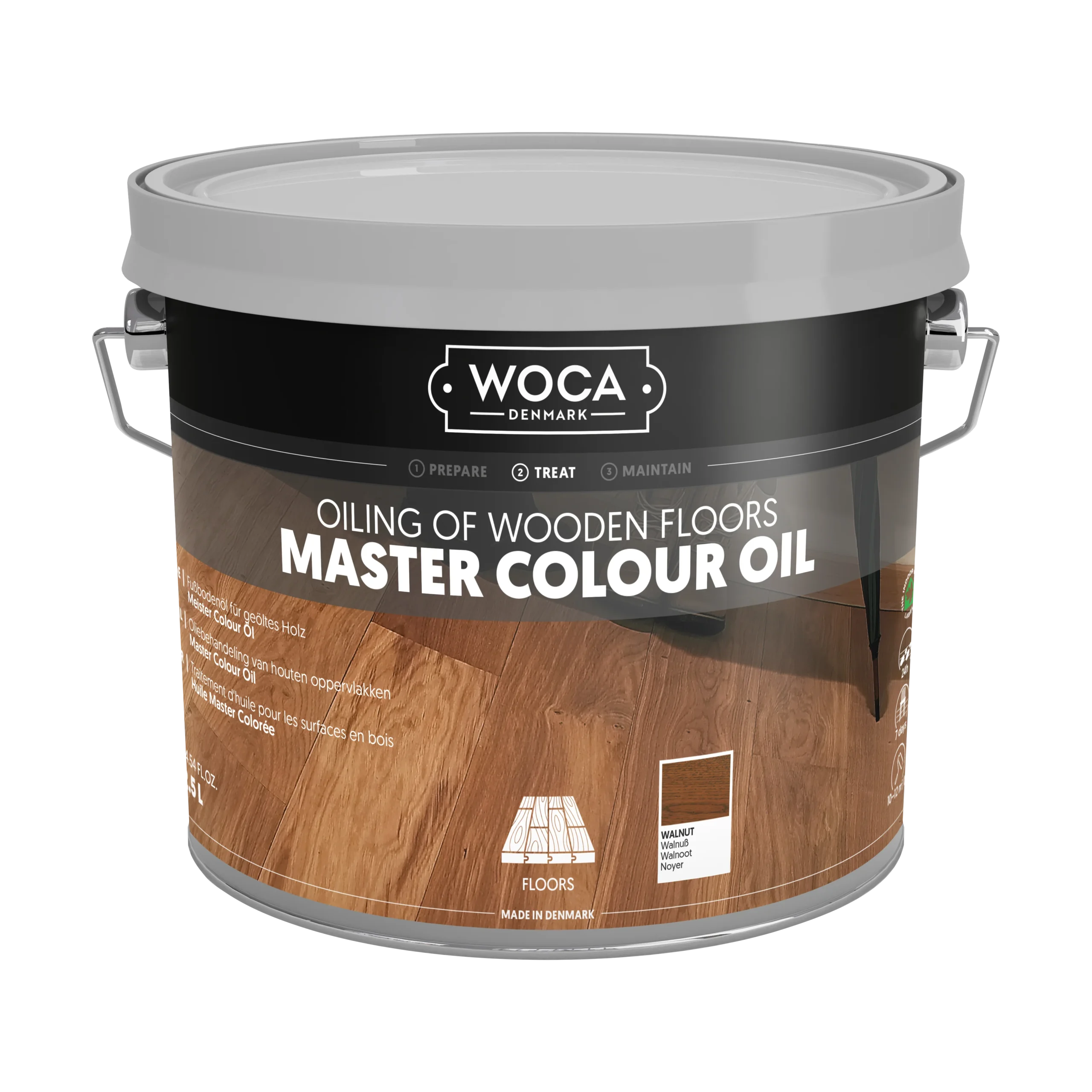
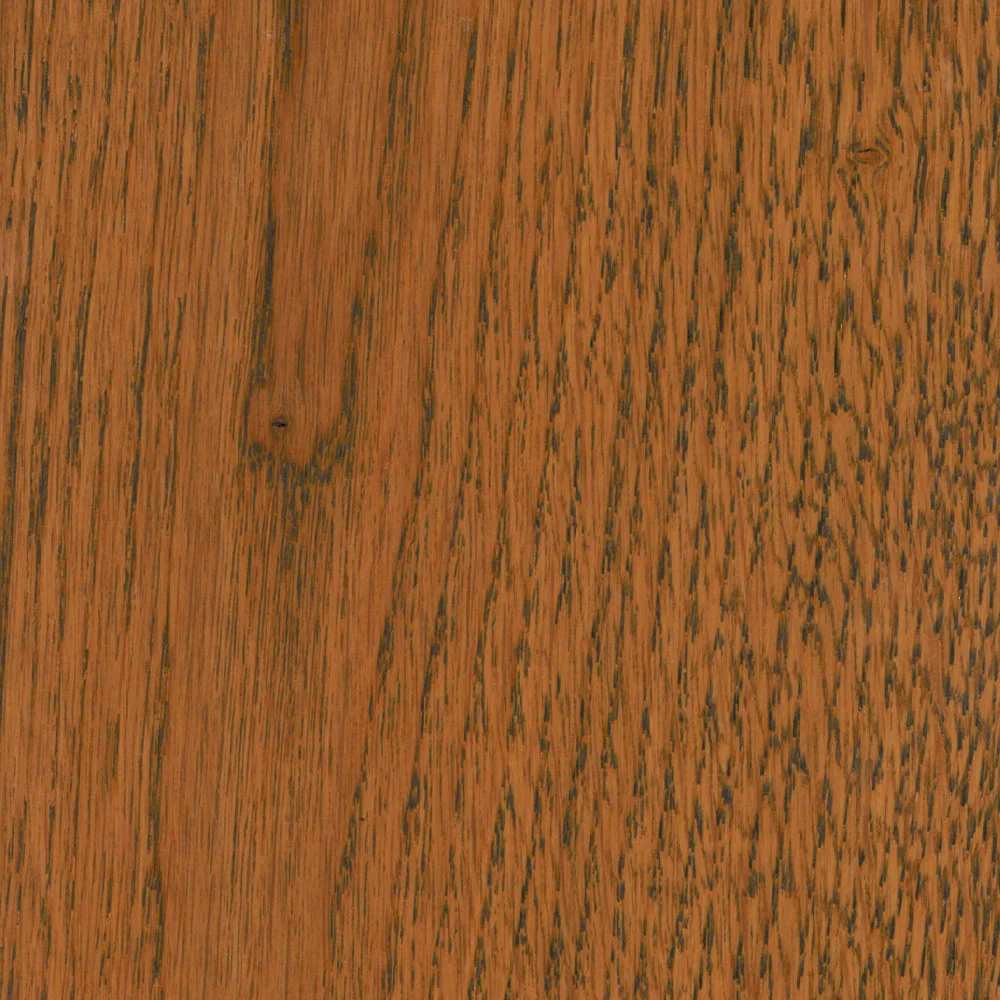
Walnut
Black

Packaging

Certifications

DiBt
DIBt is a German institute that tests and issues technical approvals for building materials.The aim is to improve the working climate for floor installers whilst ensuring a safe indoor air quality for the final consumer.
DIN EN 16516  emission test
EN 71-3
European standard ensuring that materials do not release toxic substances in amounts harmful to children. Particularly relevant for materials such as toys, kitchen utensils, worktops and furniture.
Bio-Based ASTM 6866
Biobased Carbon Content ASTM D6866-22 is an international standard method utilized for product testing. The result is reported as % Biobased Carbon. This indicates the percentage carbon from ‘natural’ (plant or animal by-product) sources.
Emission Class A+
The French labeling system is a mandatory classification of materials, such as floor treatment products, based on their VOC emissions to indoor air. A+ is the highest rating, indicating improved indoor air quality with very low emissions.
Environmental Product Declaration (EPD)
Environmental Product Declaration (EPD) supports greater transparency and documented sustainability. EPDs present verified data on a product’s environmental impact throughout its entire life cycle, based on recognized standards and third-party verification.
Emission Class A+
The French labeling system is a mandatory classification of materials, such as floor treatment products, based on their VOC emissions to indoor air. A+ is the highest rating, indicating improved indoor air quality with very low emissions.
Bio-Based ASTM 6866
Biobased Carbon Content ASTM D6866-22 is an international standard method utilized for product testing. The result is reported as % Biobased Carbon. This indicates the percentage carbon from ‘natural’ (plant or animal by-product) sources.
EN 71-3
European standard ensuring that materials do not release toxic substances in amounts harmful to children. Particularly relevant for materials such as toys, kitchen utensils, worktops and furniture.
Environmental Product Declaration (EPD)
Environmental Product Declaration (EPD) supports greater transparency and documented sustainability. EPDs present verified data on a product’s environmental impact throughout its entire life cycle, based on recognized standards and third-party verification.
DiBt
DIBt is a German institute that tests and issues technical approvals for building materials.The aim is to improve the working climate for floor installers whilst ensuring a safe indoor air quality for the final consumer.
DiBt
DIBt is a German institute that tests and issues technical approvals for building materials.The aim is to improve the working climate for floor installers whilst ensuring a safe indoor air quality for the final consumer.
DIN EN 16516  emission test
EN 71-3
European standard ensuring that materials do not release toxic substances in amounts harmful to children. Particularly relevant for materials such as toys, kitchen utensils, worktops and furniture.
Bio-Based ASTM 6866
Biobased Carbon Content ASTM D6866-22 is an international standard method utilized for product testing. The result is reported as % Biobased Carbon. This indicates the percentage carbon from ‘natural’ (plant or animal by-product) sources.
Emission Class A+
The French labeling system is a mandatory classification of materials, such as floor treatment products, based on their VOC emissions to indoor air. A+ is the highest rating, indicating improved indoor air quality with very low emissions.
Environmental Product Declaration (EPD)
Environmental Product Declaration (EPD) supports greater transparency and documented sustainability. EPDs present verified data on a product’s environmental impact throughout its entire life cycle, based on recognized standards and third-party verification.
DiBt
DIBt is a German institute that tests and issues technical approvals for building materials.The aim is to improve the working climate for floor installers whilst ensuring a safe indoor air quality for the final consumer.
DIN EN 16516  emission test
EN 71-3
European standard ensuring that materials do not release toxic substances in amounts harmful to children. Particularly relevant for materials such as toys, kitchen utensils, worktops and furniture.
Bio-Based ASTM 6866
Biobased Carbon Content ASTM D6866-22 is an international standard method utilized for product testing. The result is reported as % Biobased Carbon. This indicates the percentage carbon from ‘natural’ (plant or animal by-product) sources.
Emission Class A+
The French labeling system is a mandatory classification of materials, such as floor treatment products, based on their VOC emissions to indoor air. A+ is the highest rating, indicating improved indoor air quality with very low emissions.
Environmental Product Declaration (EPD)
Environmental Product Declaration (EPD) supports greater transparency and documented sustainability. EPDs present verified data on a product’s environmental impact throughout its entire life cycle, based on recognized standards and third-party verification.
Emission Class A+
The French labeling system is a mandatory classification of materials, such as floor treatment products, based on their VOC emissions to indoor air. A+ is the highest rating, indicating improved indoor air quality with very low emissions.
Bio-Based ASTM 6866
Biobased Carbon Content ASTM D6866-22 is an international standard method utilized for product testing. The result is reported as % Biobased Carbon. This indicates the percentage carbon from ‘natural’ (plant or animal by-product) sources.
EN 71-3
European standard ensuring that materials do not release toxic substances in amounts harmful to children. Particularly relevant for materials such as toys, kitchen utensils, worktops and furniture.
DiBt
DIBt is a German institute that tests and issues technical approvals for building materials.The aim is to improve the working climate for floor installers whilst ensuring a safe indoor air quality for the final consumer.
Emission Class A+
The French labeling system is a mandatory classification of materials, such as floor treatment products, based on their VOC emissions to indoor air. A+ is the highest rating, indicating improved indoor air quality with very low emissions.
Bio-Based ASTM 6866
Biobased Carbon Content ASTM D6866-22 is an international standard method utilized for product testing. The result is reported as % Biobased Carbon. This indicates the percentage carbon from ‘natural’ (plant or animal by-product) sources.
EN 71-3
European standard ensuring that materials do not release toxic substances in amounts harmful to children. Particularly relevant for materials such as toys, kitchen utensils, worktops and furniture.
DiBt
DIBt is a German institute that tests and issues technical approvals for building materials.The aim is to improve the working climate for floor installers whilst ensuring a safe indoor air quality for the final consumer.
Emission Class A+
The French labeling system is a mandatory classification of materials, such as floor treatment products, based on their VOC emissions to indoor air. A+ is the highest rating, indicating improved indoor air quality with very low emissions.
Bio-Based ASTM 6866
Biobased Carbon Content ASTM D6866-22 is an international standard method utilized for product testing. The result is reported as % Biobased Carbon. This indicates the percentage carbon from ‘natural’ (plant or animal by-product) sources.
EN 71-3
European standard ensuring that materials do not release toxic substances in amounts harmful to children. Particularly relevant for materials such as toys, kitchen utensils, worktops and furniture.
DiBt
DIBt is a German institute that tests and issues technical approvals for building materials.The aim is to improve the working climate for floor installers whilst ensuring a safe indoor air quality for the final consumer.
Emission Class A+
The French labeling system is a mandatory classification of materials, such as floor treatment products, based on their VOC emissions to indoor air. A+ is the highest rating, indicating improved indoor air quality with very low emissions.
Bio-Based ASTM 6866
Biobased Carbon Content ASTM D6866-22 is an international standard method utilized for product testing. The result is reported as % Biobased Carbon. This indicates the percentage carbon from ‘natural’ (plant or animal by-product) sources.
EN 71-3
European standard ensuring that materials do not release toxic substances in amounts harmful to children. Particularly relevant for materials such as toys, kitchen utensils, worktops and furniture.
DiBt
DIBt is a German institute that tests and issues technical approvals for building materials.The aim is to improve the working climate for floor installers whilst ensuring a safe indoor air quality for the final consumer.
Emission Class A+
The French labeling system is a mandatory classification of materials, such as floor treatment products, based on their VOC emissions to indoor air. A+ is the highest rating, indicating improved indoor air quality with very low emissions.
Bio-Based ASTM 6866
Biobased Carbon Content ASTM D6866-22 is an international standard method utilized for product testing. The result is reported as % Biobased Carbon. This indicates the percentage carbon from ‘natural’ (plant or animal by-product) sources.
EN 71-3
European standard ensuring that materials do not release toxic substances in amounts harmful to children. Particularly relevant for materials such as toys, kitchen utensils, worktops and furniture.
DiBt
DIBt is a German institute that tests and issues technical approvals for building materials.The aim is to improve the working climate for floor installers whilst ensuring a safe indoor air quality for the final consumer.
Emission Class A+
The French labeling system is a mandatory classification of materials, such as floor treatment products, based on their VOC emissions to indoor air. A+ is the highest rating, indicating improved indoor air quality with very low emissions.
Bio-Based ASTM 6866
Biobased Carbon Content ASTM D6866-22 is an international standard method utilized for product testing. The result is reported as % Biobased Carbon. This indicates the percentage carbon from ‘natural’ (plant or animal by-product) sources.
EN 71-3
European standard ensuring that materials do not release toxic substances in amounts harmful to children. Particularly relevant for materials such as toys, kitchen utensils, worktops and furniture.
DiBt
DIBt is a German institute that tests and issues technical approvals for building materials.The aim is to improve the working climate for floor installers whilst ensuring a safe indoor air quality for the final consumer.
Emission Class A+
The French labeling system is a mandatory classification of materials, such as floor treatment products, based on their VOC emissions to indoor air. A+ is the highest rating, indicating improved indoor air quality with very low emissions.
Bio-Based ASTM 6866
Biobased Carbon Content ASTM D6866-22 is an international standard method utilized for product testing. The result is reported as % Biobased Carbon. This indicates the percentage carbon from ‘natural’ (plant or animal by-product) sources.
EN 71-3
European standard ensuring that materials do not release toxic substances in amounts harmful to children. Particularly relevant for materials such as toys, kitchen utensils, worktops and furniture.
DiBt
DIBt is a German institute that tests and issues technical approvals for building materials.The aim is to improve the working climate for floor installers whilst ensuring a safe indoor air quality for the final consumer.
Emission Class A+
The French labeling system is a mandatory classification of materials, such as floor treatment products, based on their VOC emissions to indoor air. A+ is the highest rating, indicating improved indoor air quality with very low emissions.
Bio-Based ASTM 6866
Biobased Carbon Content ASTM D6866-22 is an international standard method utilized for product testing. The result is reported as % Biobased Carbon. This indicates the percentage carbon from ‘natural’ (plant or animal by-product) sources.
EN 71-3
European standard ensuring that materials do not release toxic substances in amounts harmful to children. Particularly relevant for materials such as toys, kitchen utensils, worktops and furniture.
DiBt
DIBt is a German institute that tests and issues technical approvals for building materials.The aim is to improve the working climate for floor installers whilst ensuring a safe indoor air quality for the final consumer.
Emission Class A+
The French labeling system is a mandatory classification of materials, such as floor treatment products, based on their VOC emissions to indoor air. A+ is the highest rating, indicating improved indoor air quality with very low emissions.
Bio-Based ASTM 6866
Biobased Carbon Content ASTM D6866-22 is an international standard method utilized for product testing. The result is reported as % Biobased Carbon. This indicates the percentage carbon from ‘natural’ (plant or animal by-product) sources.
EN 71-3
European standard ensuring that materials do not release toxic substances in amounts harmful to children. Particularly relevant for materials such as toys, kitchen utensils, worktops and furniture.
DiBt
DIBt is a German institute that tests and issues technical approvals for building materials.The aim is to improve the working climate for floor installers whilst ensuring a safe indoor air quality for the final consumer.
Emission Class A+
The French labeling system is a mandatory classification of materials, such as floor treatment products, based on their VOC emissions to indoor air. A+ is the highest rating, indicating improved indoor air quality with very low emissions.
Bio-Based ASTM 6866
Biobased Carbon Content ASTM D6866-22 is an international standard method utilized for product testing. The result is reported as % Biobased Carbon. This indicates the percentage carbon from ‘natural’ (plant or animal by-product) sources.
EN 71-3
European standard ensuring that materials do not release toxic substances in amounts harmful to children. Particularly relevant for materials such as toys, kitchen utensils, worktops and furniture.
DiBt
DIBt is a German institute that tests and issues technical approvals for building materials.The aim is to improve the working climate for floor installers whilst ensuring a safe indoor air quality for the final consumer.
Emission Class A+
The French labeling system is a mandatory classification of materials, such as floor treatment products, based on their VOC emissions to indoor air. A+ is the highest rating, indicating improved indoor air quality with very low emissions.
Bio-Based ASTM 6866
Biobased Carbon Content ASTM D6866-22 is an international standard method utilized for product testing. The result is reported as % Biobased Carbon. This indicates the percentage carbon from ‘natural’ (plant or animal by-product) sources.
EN 71-3
European standard ensuring that materials do not release toxic substances in amounts harmful to children. Particularly relevant for materials such as toys, kitchen utensils, worktops and furniture.
DiBt
DIBt is a German institute that tests and issues technical approvals for building materials.The aim is to improve the working climate for floor installers whilst ensuring a safe indoor air quality for the final consumer.
Product Details

Master Colour Oil offers both color and protection in a single product. It deeply penetrates the wood, creating a durable surface with excellent resistance to water and dirt. Ideal for indoor use on all unfinished, new, or newly sanded wood surfaces across all wood species.

VOC:
140 g/l, maximum VOC content (A/i (SB)): 500 g/l.
Density:
0.90-0.95 g/ml.
Shelf life:
3 years
Application Temperature:
+15-25°C and approx. 50% air humidity.
Coverage:
10-12 m²/L
Colour product:
Natural
Packaging sizes:
750 ml – 2.5 L – 5 L
VOC:
140 g/l, maximum VOC content (A/i (SB)): 500 g/l.
Density:
0.90-0.95 g/ml.
Shelf life:
3 years
Application Temperature:
+15-25°C and approx. 50% air humidity.
Coverage:
10-12 m²/L
Colour product:
Natural
VOC:
140 g/l, maximum VOC content (A/i (SB)): 500 g/l.
Density:
0.90-0.95 g/ml.
Shelf life:
3 years
Application Temperature:
+15-25°C and approx. 50% air humidity.
Coverage:
10-12 m²/L
Colour product:
Natural
VOC:
140 g/l, maximum VOC content (A/i (SB)): 500 g/l.
Density:
0.90-0.95 g/ml.
Shelf life:
3 years
Application Temperature:
+15-25°C and approx. 50% air humidity.
Coverage:
10-12 m²/L
Colour product:
Natural
VOC:
140 g/l, maximum VOC content (A/i (SB)): 500 g/l.
Density:
0.90-0.95 g/ml.
Shelf life:
3 years
Application Temperature:
+15-25°C and approx. 50% air humidity.
Coverage:
10-12 m²/L
Colour product:
Natural
Packaging sizes:
750 ml – 2.5 L – 5 L
VOC:
140 g/l, maximum VOC content (A/i (SB)): 500 g/l.
Density:
0.90-0.95 g/ml.
Shelf life:
3 years
Application Temperature:
+15-25°C and approx. 50% air humidity.
Coverage:
10-12 m²/L
Colour product:
Natural
Packaging sizes:
750 ml – 2.5 L – 5 L
VOC:
135 g/l, maximum VOC content (A/i (SB)): 500 g/l.
Density:
0.90-0.95 g/ml.
Shelf life:
3 years
Application Temperature:
+15-25°C and approx. 50% air humidity.
Coverage:
10-12 m²/L
Colour product:
White
Packaging sizes:
750 ml – 2.5 L – 5 L
VOC:
135 g/l, maximum VOC content (A/i (SB)): 500 g/l.
Density:
0.90-0.95 g/ml.
Shelf life:
3 years
Application Temperature:
+15-25°C and approx. 50% air humidity.
Coverage:
10-12 m²/L
Colour product:
White
VOC:
135 g/l, maximum VOC content (A/i (SB)): 500 g/l.
Density:
0.90-0.95 g/ml.
Shelf life:
3 years
Application Temperature:
+15-25°C and approx. 50% air humidity.
Coverage:
10-12 m²/L
Colour product:
White
VOC:
135 g/l, maximum VOC content (A/i (SB)): 500 g/l.
Density:
0.90-0.95 g/ml.
Shelf life:
3 years
Application Temperature:
+15-25°C and approx. 50% air humidity.
Coverage:
10-12 m²/L
Colour product:
White
VOC:
135 g/l, maximum VOC content (A/i (SB)): 500 g/l.
Density:
0.90-0.95 g/ml.
Shelf life:
3 years
Application Temperature:
+15-25°C and approx. 50% air humidity.
Coverage:
10-12 m²/L
Colour product:
White
Packaging sizes:
750 ml – 2.5 L – 5 L
VOC:
135 g/l, maximum VOC content (A/i (SB)): 500 g/l.
Density:
0.90-0.95 g/ml.
Shelf life:
3 years
Application Temperature:
+15-25°C and approx. 50% air humidity.
Coverage:
10-12 m²/L
Colour product:
White
Packaging sizes:
750 ml – 2.5 L – 5 L
VOC:
140 g/l, maximum VOC content (A/i (SB)): 500 g/l.
Density:
0.90-0.95 g/ml.
Shelf life:
3 years
Application Temperature:
+15-25°C and approx. 50% air humidity.
Coverage:
10-12 m²/L
Colour product:
Brazil Brown
VOC:
140 g/l, maximum VOC content (A/i (SB)): 500 g/l.
Density:
0.90-0.95 g/ml.
Shelf life:
3 years
Application Temperature:
+15-25°C and approx. 50% air humidity.
Coverage:
10-12 m²/L
Colour product:
Brazil Brown
Packaging sizes:
2.5 L
VOC:
140 g/l, maximum VOC content (A/i (SB)): 500 g/l.
Density:
0.90-0.95 g/ml.
Shelf life:
3 years
Application Temperature:
+15-25°C and approx. 50% air humidity.
Coverage:
10-12 m²/L
Colour product:
Rhode Island Brown
VOC:
135 g/l, maximum VOC content (A/i (SB)): 500 g/l.
Density:
0.90-0.95 g/ml.
Shelf life:
3 years
Application Temperature:
+15-25°C and approx. 50% air humidity.
Coverage:
10-12 m²/L
Colour product:
Castle Grey
VOC:
135 g/l, maximum VOC content (A/i (SB)): 500 g/l.
Density:
0.90-0.95 g/ml.
Shelf life:
3 years
Application Temperature:
+15-25°C and approx. 50% air humidity.
Coverage:
10-12 m²/L
Colour product:
Castle Grey
Packaging sizes:
2.5 L
VOC:
120 g/l, maximum VOC content (A/i (SB)): 500 g/l.
Density:
0.90-0.95 g/ml.
Shelf life:
3 years
Application Temperature:
+15-25°C and approx. 50% air humidity.
Coverage:
10-12 m²/L
Colour product:
Extra White
VOC:
120 g/l, maximum VOC content (A/i (SB)): 500 g/l.
Density:
0.90-0.95 g/ml.
Shelf life:
3 years
Application Temperature:
+15-25°C and approx. 50% air humidity.
Coverage:
10-12 m²/L
Colour product:
Extra White
VOC:
120 g/l, maximum VOC content (A/i (SB)): 500 g/l.
Density:
0.90-0.95 g/ml.
Shelf life:
3 years
Application Temperature:
+15-25°C and approx. 50% air humidity.
Coverage:
10-12 m²/L
Colour product:
Extra White
Packaging sizes:
2.5 L – 5 L
VOC:
120 g/l, maximum VOC content (A/i (SB)): 500 g/l.
Density:
0.90-0.95 g/ml.
Shelf life:
3 years
Application Temperature:
+15-25°C and approx. 50% air humidity.
Coverage:
10-12 m²/L
Colour product:
Extra White
Packaging sizes:
2.5 L – 5 L
VOC:
130 g/l, maximum VOC content (A/i (SB)): 500 g/l.
Density:
0.90-0.95 g/ml.
Shelf life:
3 years
Application Temperature:
+15-25°C and approx. 50% air humidity.
Coverage:
10-12 m²/L
Colour product:
Walnut
VOC:
130 g/l, maximum VOC content (A/i (SB)): 500 g/l.
Density:
0.90-0.95 g/ml.
Shelf life:
3 years
Application Temperature:
+15-25°C and approx. 50% air humidity.
Coverage:
10-12 m²/L
Colour product:
Walnut
Packaging sizes:
2.5 L
VOC:
135 g/l, maximum VOC content (A/i (SB)): 500 g/l.
Density:
0.90-0.95 g/ml.
Shelf life:
3 years
Application Temperature:
+15-25°C and approx. 50% air humidity.
Coverage:
10-12 m²/L
Colour product:
Black
VOC:
135 g/l, maximum VOC content (A/i (SB)): 500 g/l.
Density:
0.90-0.95 g/ml.
Shelf life:
3 years
Application Temperature:
+15-25°C and approx. 50% air humidity.
Coverage:
10-12 m²/L
Colour product:
Black
VOC:
135 g/l, maximum VOC content (A/i (SB)): 500 g/l.
Density:
0.90-0.95 g/ml.
Shelf life:
3 years
Application Temperature:
+15-25°C and approx. 50% air humidity.
Coverage:
10-12 m²/L
Colour product:
Black
Packaging sizes:
2.5 L
VOC:
145 g/l, maximum VOC content (A/i (SB)): 500 g/l.
Density:
0.90-0.95 g/ml.
Shelf life:
3 years
Application Temperature:
+15-25°C and approx. 50% air humidity.
Coverage:
10-12 m²/L
Colour product:
Antique
VOC:
125 g/l, maximum VOC content (A/i (SB)): 500 g/l.
Density:
0.90-0.95 g/ml.
Shelf life:
3 years
Application Temperature:
+15-25°C and approx. 50% air humidity.
Coverage:
10-12 m²/L
Colour product:
Extra Grey
VOC:
125 g/l, maximum VOC content (A/i (SB)): 500 g/l.
Density:
0.90-0.95 g/ml.
Shelf life:
3 years
Application Temperature:
+15-25°C and approx. 50% air humidity.
Coverage:
10-12 m²/L
Colour product:
Extra Grey
VOC:
125 g/l, maximum VOC content (A/i (SB)): 500 g/l.
Density:
0.90-0.95 g/ml.
Shelf life:
3 years
Application Temperature:
+15-25°C and approx. 50% air humidity.
Coverage:
10-12 m²/L
Colour product:
Extra Grey

Product, room and floor temperature must be between 15-30°C. Wood humidity must not exceed 12%. Ensure good ventilation during application and when drying. The wood must be newly sanded, use grit 100-120 for the final sanding. Vacuum thoroughly. Clean the wood with WOCA Intensive Wood Cleaner and leave it to dry for at least 8 hours before applying the oil.

Always remember to test on a less visible spot to check the compatibility of the surface with the product.

  • Thoroughly shake the container of Master Colour Oil, both before and during use. Containers with different batch numbers should be mixed to avoid colour mismatch.
  • Apply the oil using a short-bristled paint roller (4-6 mm) in an even coat. Work in small areas of no more than 10 m² at a time.
  • Leave the oil to be absorbed for 10-15 minutes. If the oil soaks quickly into the wood, apply more oil.
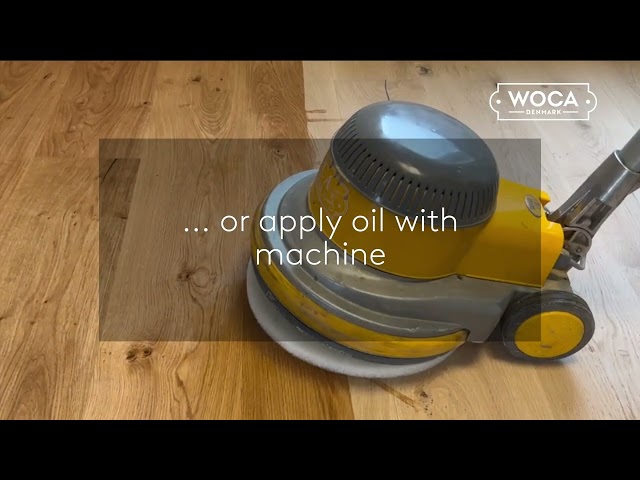
  • Polish the oil into the wood until the surface appears saturated. Use a buffing machine with a buffing machine for large areas and a polishing cloth/pad manually for small areas.
  • Remove excess oil with dry, lint-free cotton cloths or pads until the surface no longer appears wet. Continue until the whole area has been polished and excess oil has been thoroughly removed.
  • To ensure a good saturation the surface should be re-polished with 1 dl Master Colour Oil per 10-12 m²/L within 12-24 hours at 20°C after the first application. The oil should be polished thoroughly, as described in step 4+5.
  • The surface can be used with caution after and is fully hardened after at 20°C and 55% humidity, after which rugs etc. can be placed on the floor.
  • Do not expose the surface to water or clean it for the first 7 days while the oil is hardening. After 7 days the floor can be cleaned with WOCA Natural Soap, which gives the surface extra protection.

    ERROR: ORA-00907: missing right parenthesis