Maintenance Oil
Maintenance Oil

Maintenance Oil

Numéro d’article: 527307AA 527310SA 527311A 527325AA 527350AA 527407AA 527410SA 527411A 527425AA

Permet de régénérer aisément tous les parquets huilés

  • Rend les sols huilés encore plus durables 
  • Fait ressortir l’éclat et la structure du grain du bois. 
  • Donne au bois une belle surface qui respire 
  • Certifié pour le climat intérieur
  • Facile à appliquer

Couleurs

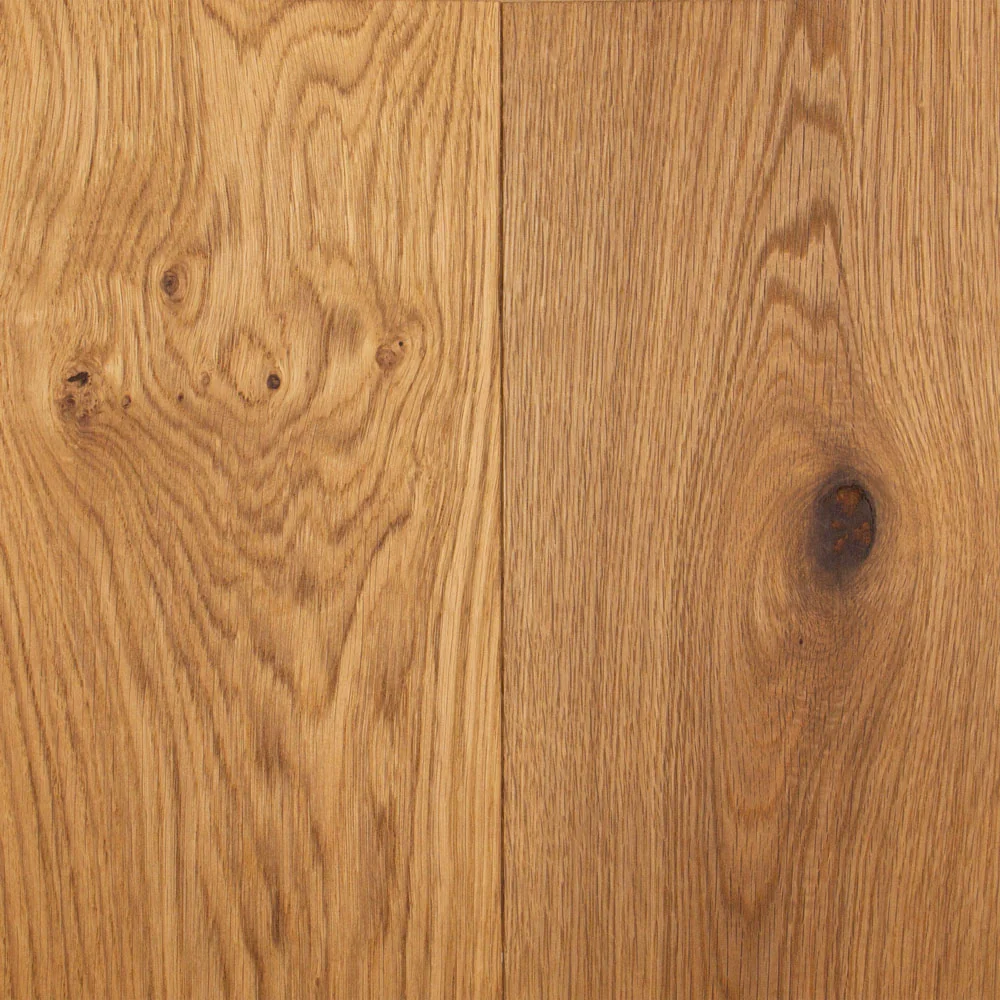
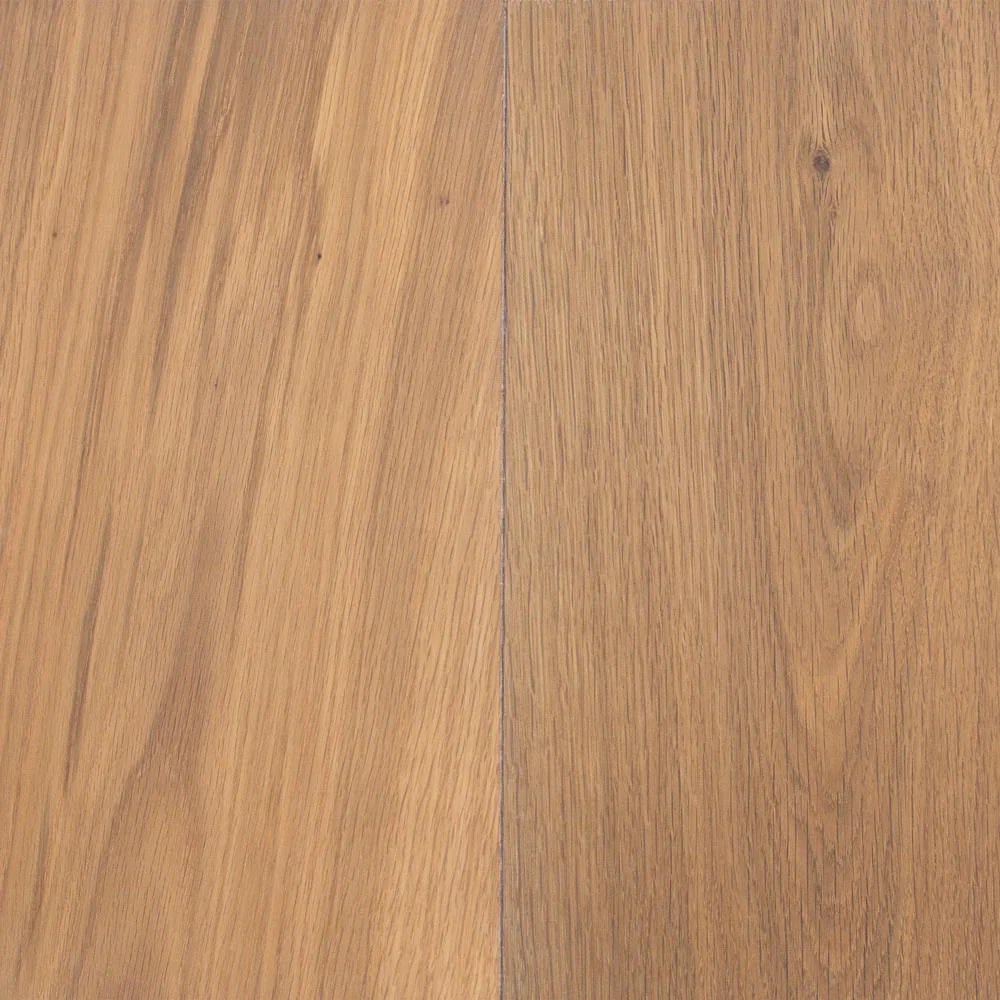
*L’échantillon de bois est présenté sur du chêne

Naturel
Blanc

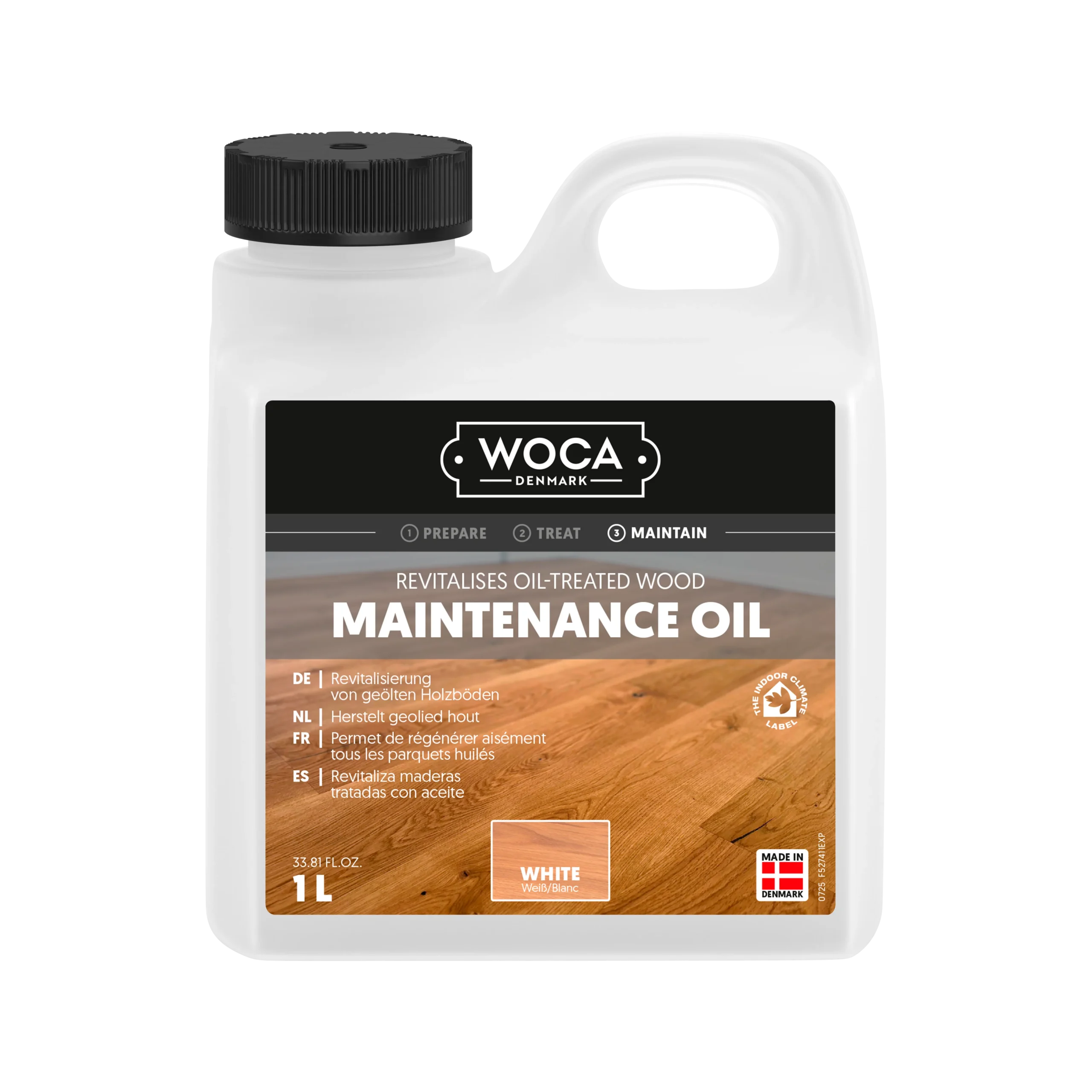
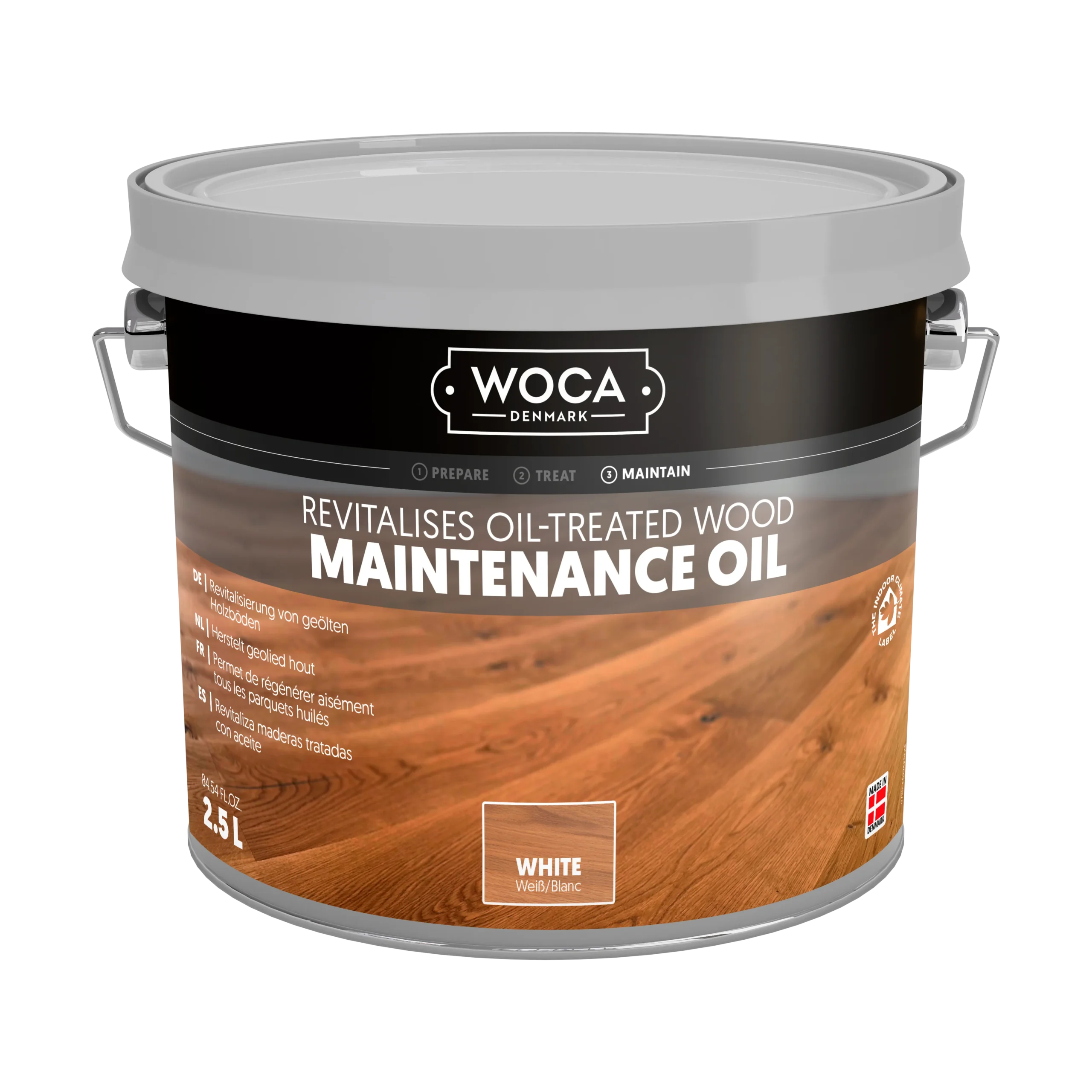
Emballage

Certifications

Emission Class A+
The French labeling system is a mandatory classification of materials, such as floor treatment products, based on their VOC emissions to indoor air. A+ is the highest rating, indicating improved indoor air quality with very low emissions.
EN 71-3
European standard ensuring that materials do not release toxic substances in amounts harmful to children. Particularly relevant for materials such as toys, kitchen utensils, worktops and furniture.
Danish Indoor Climate Labelling
Danish Interior Climate Labelling is a voluntary labelling system for products and materials which can document the effect of degassing. Indoor climate labelled materials are a natural component in sustainable construction, where a good indoor air quality contributes to social sustainability.
Emission Class A+
The French labeling system is a mandatory classification of materials, such as floor treatment products, based on their VOC emissions to indoor air. A+ is the highest rating, indicating improved indoor air quality with very low emissions.
EN 71-3
European standard ensuring that materials do not release toxic substances in amounts harmful to children. Particularly relevant for materials such as toys, kitchen utensils, worktops and furniture.
Danish Indoor Climate Labelling
Danish Interior Climate Labelling is a voluntary labelling system for products and materials which can document the effect of degassing. Indoor climate labelled materials are a natural component in sustainable construction, where a good indoor air quality contributes to social sustainability.
Emission Class A+
The French labeling system is a mandatory classification of materials, such as floor treatment products, based on their VOC emissions to indoor air. A+ is the highest rating, indicating improved indoor air quality with very low emissions.
EN 71-3
European standard ensuring that materials do not release toxic substances in amounts harmful to children. Particularly relevant for materials such as toys, kitchen utensils, worktops and furniture.
Danish Indoor Climate Labelling
Danish Interior Climate Labelling is a voluntary labelling system for products and materials which can document the effect of degassing. Indoor climate labelled materials are a natural component in sustainable construction, where a good indoor air quality contributes to social sustainability.
Emission Class A+
The French labeling system is a mandatory classification of materials, such as floor treatment products, based on their VOC emissions to indoor air. A+ is the highest rating, indicating improved indoor air quality with very low emissions.
EN 71-3
European standard ensuring that materials do not release toxic substances in amounts harmful to children. Particularly relevant for materials such as toys, kitchen utensils, worktops and furniture.
Danish Indoor Climate Labelling
Danish Interior Climate Labelling is a voluntary labelling system for products and materials which can document the effect of degassing. Indoor climate labelled materials are a natural component in sustainable construction, where a good indoor air quality contributes to social sustainability.
Emission Class A+
The French labeling system is a mandatory classification of materials, such as floor treatment products, based on their VOC emissions to indoor air. A+ is the highest rating, indicating improved indoor air quality with very low emissions.
EN 71-3
European standard ensuring that materials do not release toxic substances in amounts harmful to children. Particularly relevant for materials such as toys, kitchen utensils, worktops and furniture.
Danish Indoor Climate Labelling
Danish Interior Climate Labelling is a voluntary labelling system for products and materials which can document the effect of degassing. Indoor climate labelled materials are a natural component in sustainable construction, where a good indoor air quality contributes to social sustainability.
Emission Class A+
The French labeling system is a mandatory classification of materials, such as floor treatment products, based on their VOC emissions to indoor air. A+ is the highest rating, indicating improved indoor air quality with very low emissions.
EN 71-3
European standard ensuring that materials do not release toxic substances in amounts harmful to children. Particularly relevant for materials such as toys, kitchen utensils, worktops and furniture.
Danish Indoor Climate Labelling
Danish Interior Climate Labelling is a voluntary labelling system for products and materials which can document the effect of degassing. Indoor climate labelled materials are a natural component in sustainable construction, where a good indoor air quality contributes to social sustainability.
Emission Class A+
The French labeling system is a mandatory classification of materials, such as floor treatment products, based on their VOC emissions to indoor air. A+ is the highest rating, indicating improved indoor air quality with very low emissions.
EN 71-3
European standard ensuring that materials do not release toxic substances in amounts harmful to children. Particularly relevant for materials such as toys, kitchen utensils, worktops and furniture.
Danish Indoor Climate Labelling
Danish Interior Climate Labelling is a voluntary labelling system for products and materials which can document the effect of degassing. Indoor climate labelled materials are a natural component in sustainable construction, where a good indoor air quality contributes to social sustainability.
Détails du produit

L’huile d’entretien peut être utilisée pour l’entretien de toutes les surfaces en bois huilées par oxydation et est particulièrement adaptée à l’entretien régulier des parquets huilés. En plus d’être très facile à utiliser et d’assurer un gaspillage minimal de produit, l’huile d’entretien rafraîchit l’éclat naturel et chaleureux du bois et augmente la résistance aux taches et aux déchets. L’huile d’entretien convient à une application manuelle et mécanique sur des sols huilés.

VOC:
130 g/l, teneur maximale en COV (A/f (PS)): 700 g/l.
Densité:
0.85-0.90 g/ml.
Durée de conservation:
3 années
Température d’application:
+15-30°C et environ 50% d’humidité de l’air relative.
Consommation:
30-40 m²/L
Colour product:
Naturel
Emballage:
750 ml – 2,5 L
VOC:
130 g/l, teneur maximale en COV (A/f (PS)): 700 g/l.
Densité:
0.85-0.90 g/ml.
Durée de conservation:
3 années
Température d’application:
+15-30°C et environ 50% d’humidité de l’air relative.
Consommation:
30-40 m²/L
Colour product:
Naturel
VOC:
130 g/l, teneur maximale en COV (A/f (PS)): 700 g/l.
Densité:
0.85-0.90 g/ml.
Durée de conservation:
3 années
Température d’application:
+15-30°C et environ 50% d’humidité de l’air relative.
Consommation:
30-40 m²/L
Colour product:
Naturel
Emballage:
750 ml – 1 L – 2,5 L
VOC:
130 g/l, teneur maximale en COV (A/f (PS)): 700 g/l.
Densité:
0.85-0.90 g/ml.
Durée de conservation:
3 années
Température d’application:
+15-30°C et environ 50% d’humidité de l’air relative.
Consommation:
30-40 m²/L
Colour product:
Naturel
Emballage:
750 ml – 2,5 L
VOC:
130 g/l, teneur maximale en COV (A/f (PS)): 700 g/l.
Densité:
0.85-0.90 g/ml.
Durée de conservation:
3 années
Température d’application:
+15-30°C et environ 50% d’humidité de l’air relative.
Consommation:
30-40 m²/L
Colour product:
Naturel
VOC:
125 g/l, teneur maximale en COV (A/f (PS)): 700 g/l.
Densité:
0.85-0.90 g/ml.
Durée de conservation:
3 années
Température d’application:
+15-30°C et environ 50% d’humidité de l’air relative.
Consommation:
30-40 m²/L
Colour product:
Blanc
Emballage:
750 ml – 2,5 L
VOC:
125 g/l, teneur maximale en COV (A/f (PS)): 700 g/l.
Densité:
0.85-0.90 g/ml.
Durée de conservation:
3 années
Température d’application:
+15-30°C et environ 50% d’humidité de l’air relative.
Consommation:
30-40 m²/L
Colour product:
Blanc
VOC:
125 g/l, teneur maximale en COV (A/f (PS)): 700 g/l.
Densité:
0.85-0.90 g/ml.
Durée de conservation:
3 années
Température d’application:
+15-30°C et environ 50% d’humidité de l’air relative.
Consommation:
30-40 m²/L
Colour product:
Blanc
Emballage:
750 ml – 1 L – 2,5 L
VOC:
125 g/l, teneur maximale en COV (A/f (PS)): 700 g/l.
Densité:
0.85-0.90 g/ml.
Durée de conservation:
3 années
Température d’application:
+15-30°C et environ 50% d’humidité de l’air relative.
Consommation:
30-40 m²/L
Colour product:
Blanc
Emballage:
750 ml – 2,5 L

La température du produit, la chambre et au sol devrait être entre 15-35°C. Assurer une bonne ventilation en tout temps durant l’application et le temps de séchage.

Souvenez-vous de toujours tester le produit sur un endroit moins visible afin de vérifier la compatibilité de la surface avec le produit.

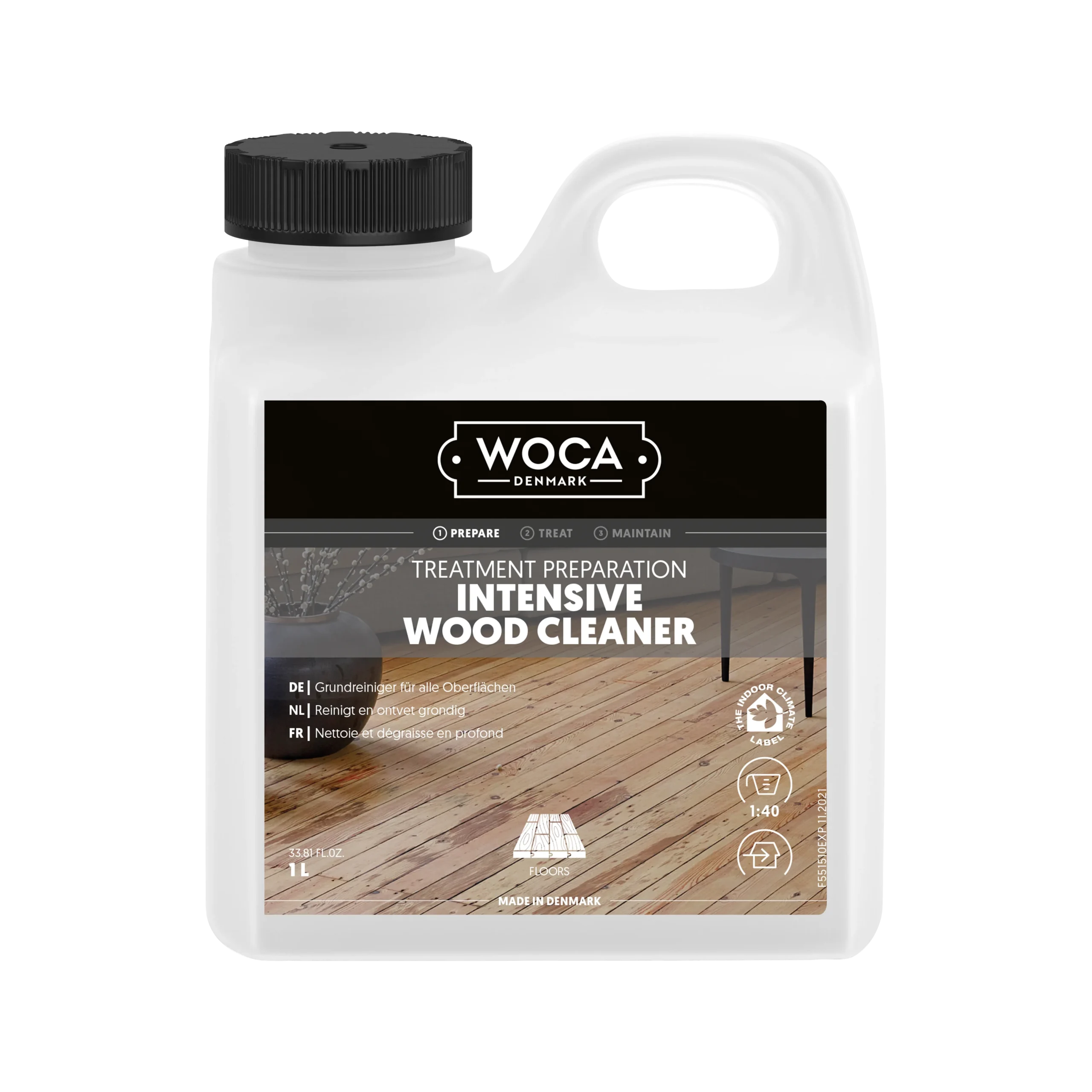
  • Nettoyez la surface au Nettoyant Intensif, mélange de 125 ml dans 2.5 L de l’eau tiède. Laissez sécher la surface pendant 7-8 les heures au moins. La surface doit être parfaitement sec.
  • Bien agiter le contenant avant usage.
  • Appliquez environ 1 dl d’Maintenance Oil par 4 m² de plancher en utilisant un tampon, un rouleau à peindre à poil court (3-4 mm) ou une polisseuse avec tampon blanc ou beige pour des surfaces légèrement plus grandes.
  • Il importe de bien faire pénétrer Maintenance Oil dans le sol par polissage. Poursuivez l’opération de polissage jusqu’à ce que le bois soit saturé et que sa surface ait un aspect uniforme.
  • Essuyez le sol à l’aide de chiffons en coton secs et propres avant de passer à la portion suivante de surface à traiter. La surface du sol ne peut en aucun cas avoir un aspect huileux: le polissage doit éliminer la moindre trace d’huile excédentaire.
  • Poursuivez le travail pas à pas jusqu’à ce que toute la surface soit traitée.
  • Si le polissage s’est fait à la machine, le sol aura prédurci après env. à 20°C et pourra alors être foulé avec précaution. Un sol poli à la main ne peut être foulé qu’après 4 les heures. Pendant la période de durcissement, le sol ne peut pas entrer en contact avec de l’eau.
  • Ne nettoyez pas le sol et ne l’exposez pas à l’eau pendant les 3 premiers jours, pendant que l’huile durcit.
    ERROR: ORA-00907: missing right parenthesis