Productos
Interior
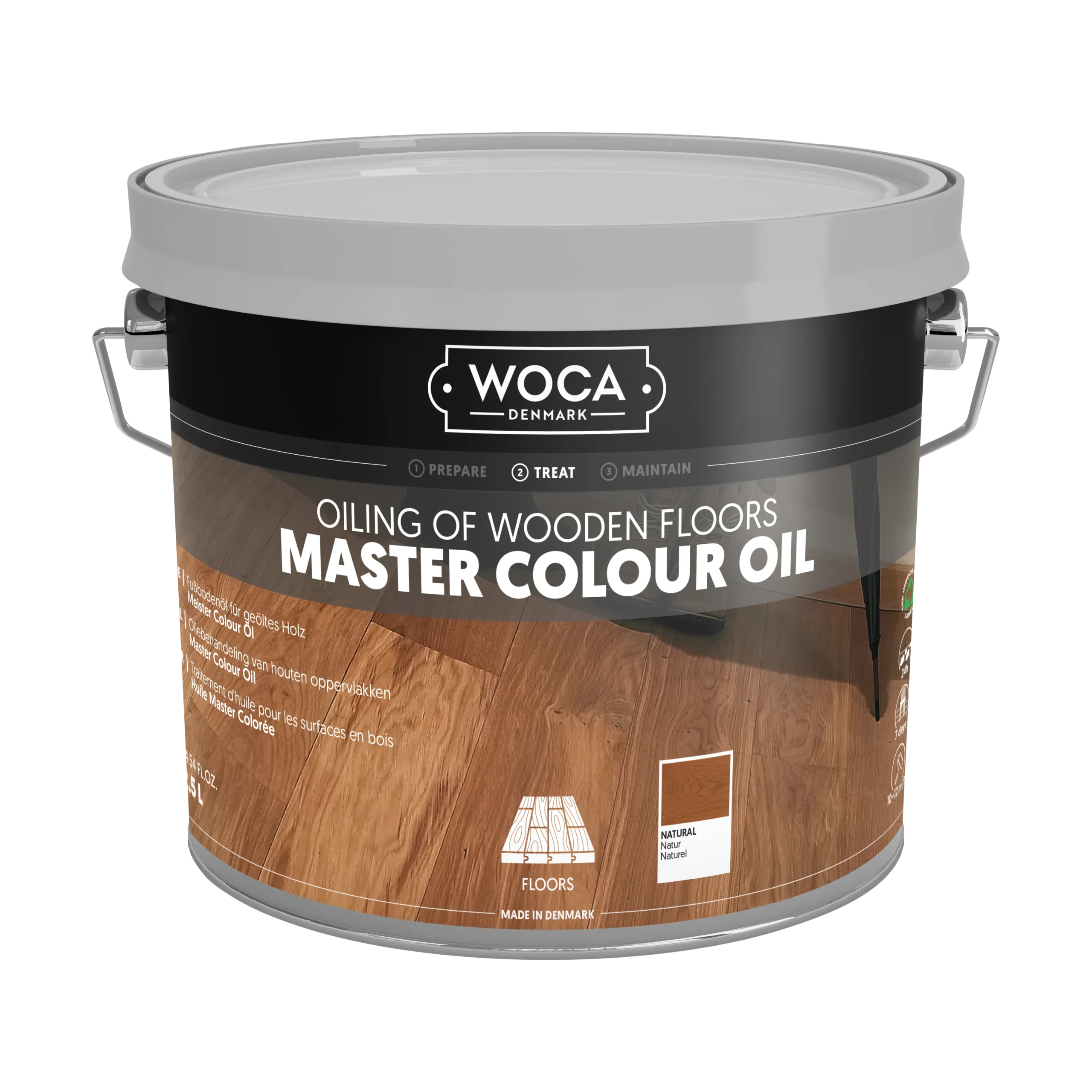
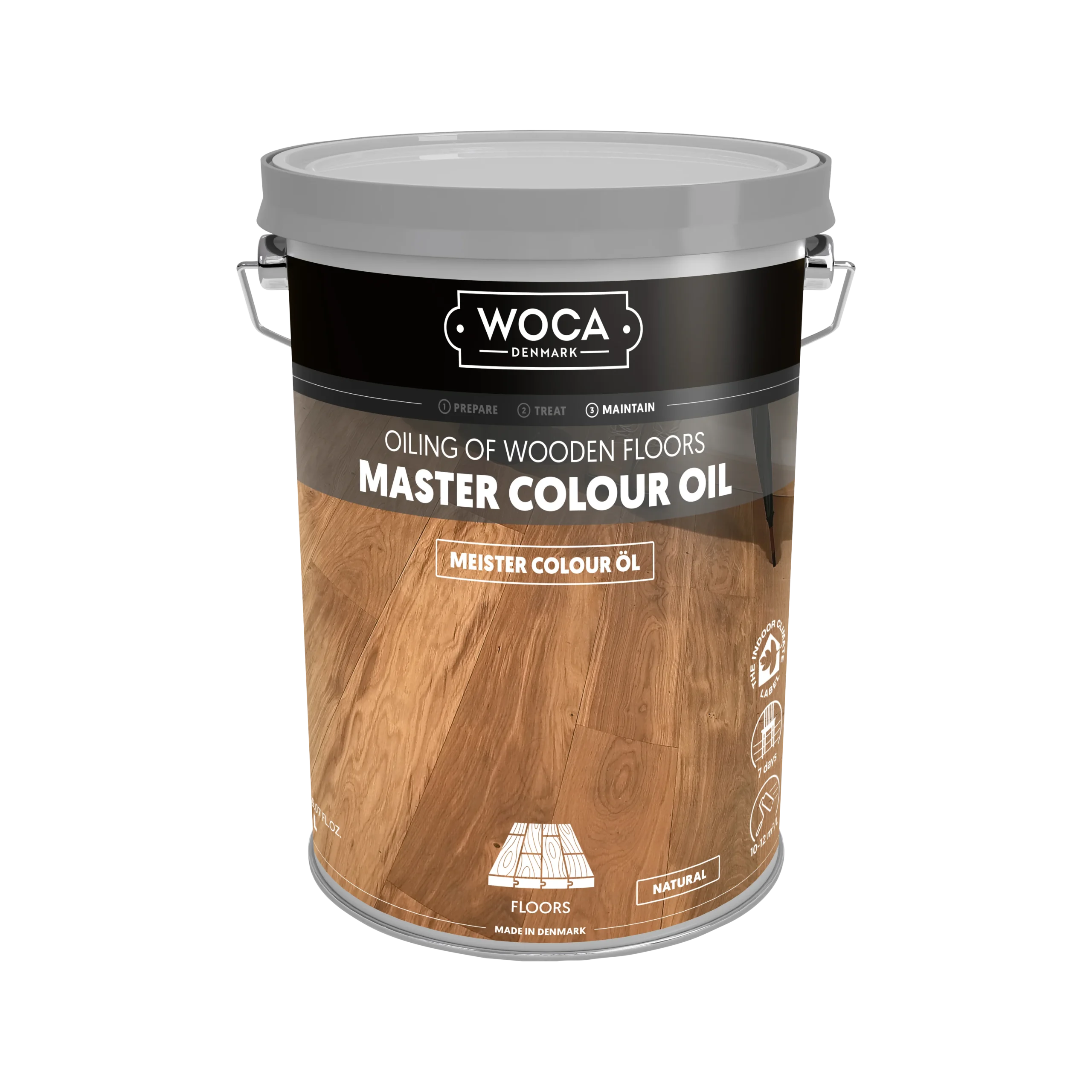
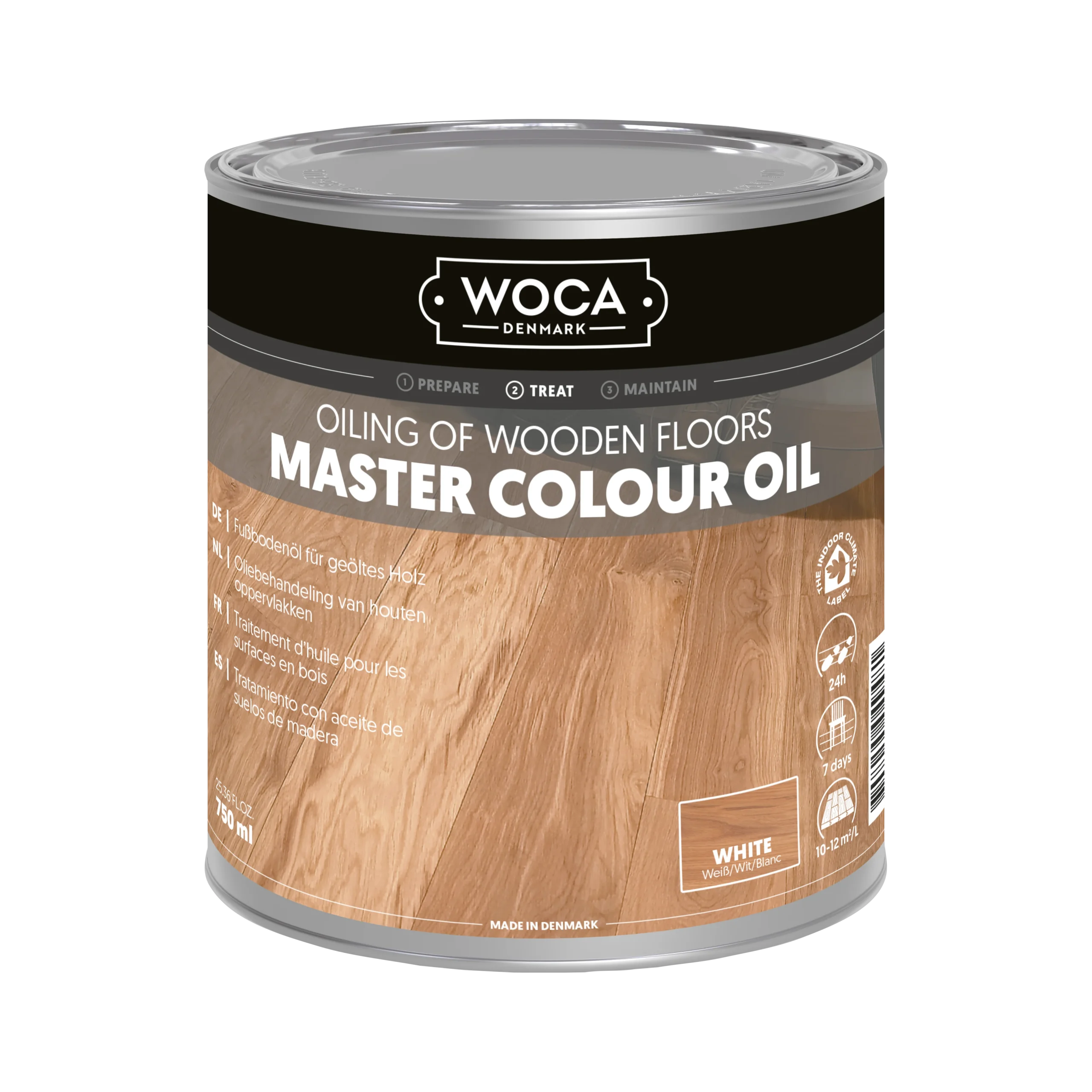
Master Colour Oil

Master Colour Oil

Nº de artículo: 522007AA EAN: 5708055049498 522073AA EAN: 5708055019941 522075AA EAN: 5708055019958 522507AA EAN: 5708055049481 522573AA EAN: 5708055019972 522575AA EAN: 5708055019989 530225AA EAN: 5708055010566 531425AA EAN: 5708055010641 531825AA EAN: 5708055010665 531850AA EAN: 5708055038096 531925AA EAN: 5708055010689 532025AA EAN: 5708055010702

Tratamiento con aceite de suelos de madera

  • Da color y protección en un solo tratamiento
  • Destaca la estructura y apariencia natural de la madera
  • Crea una superficie duradera con alta durabilidad
  • Protege eficazmente contra el agua y la suciedad
  • Se puede aplicar una capa de laca para una mayor protección y flexibilidad.

Colores

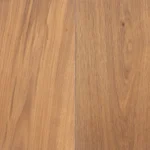
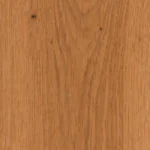
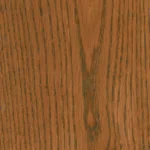
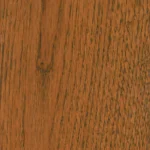
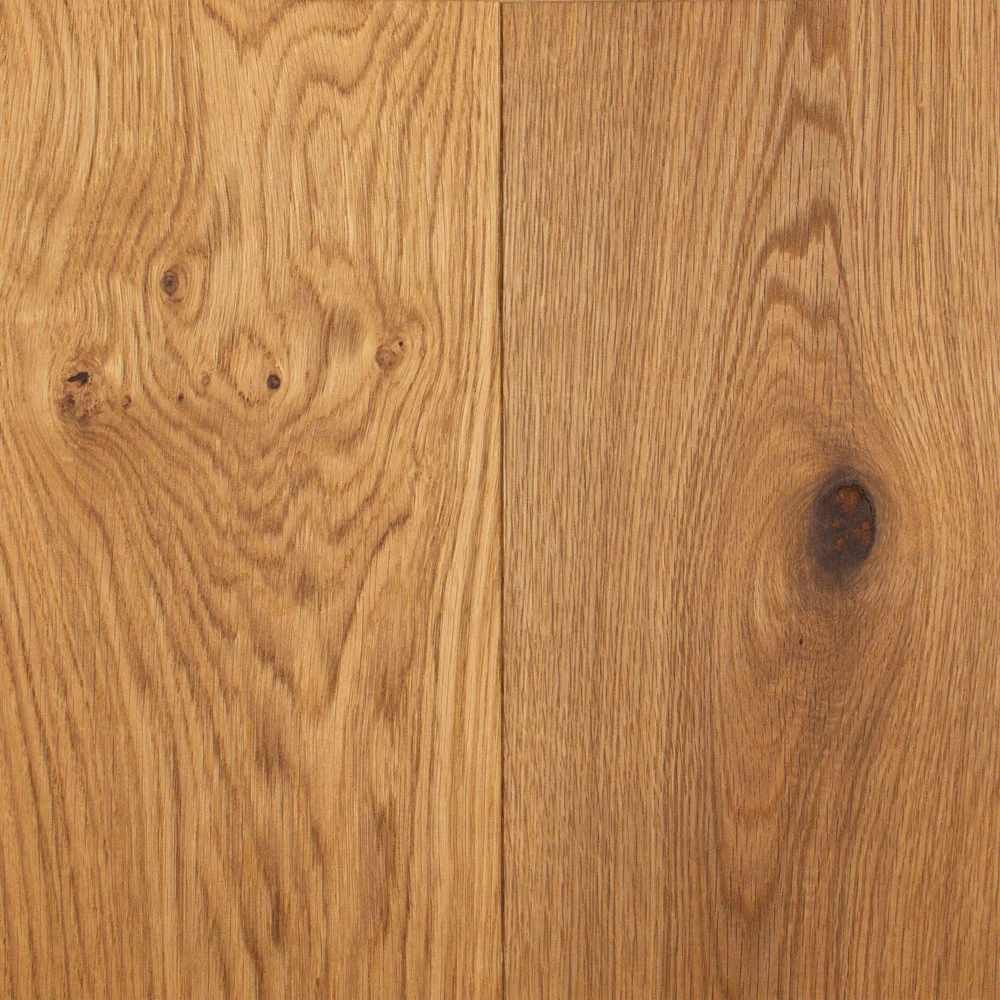
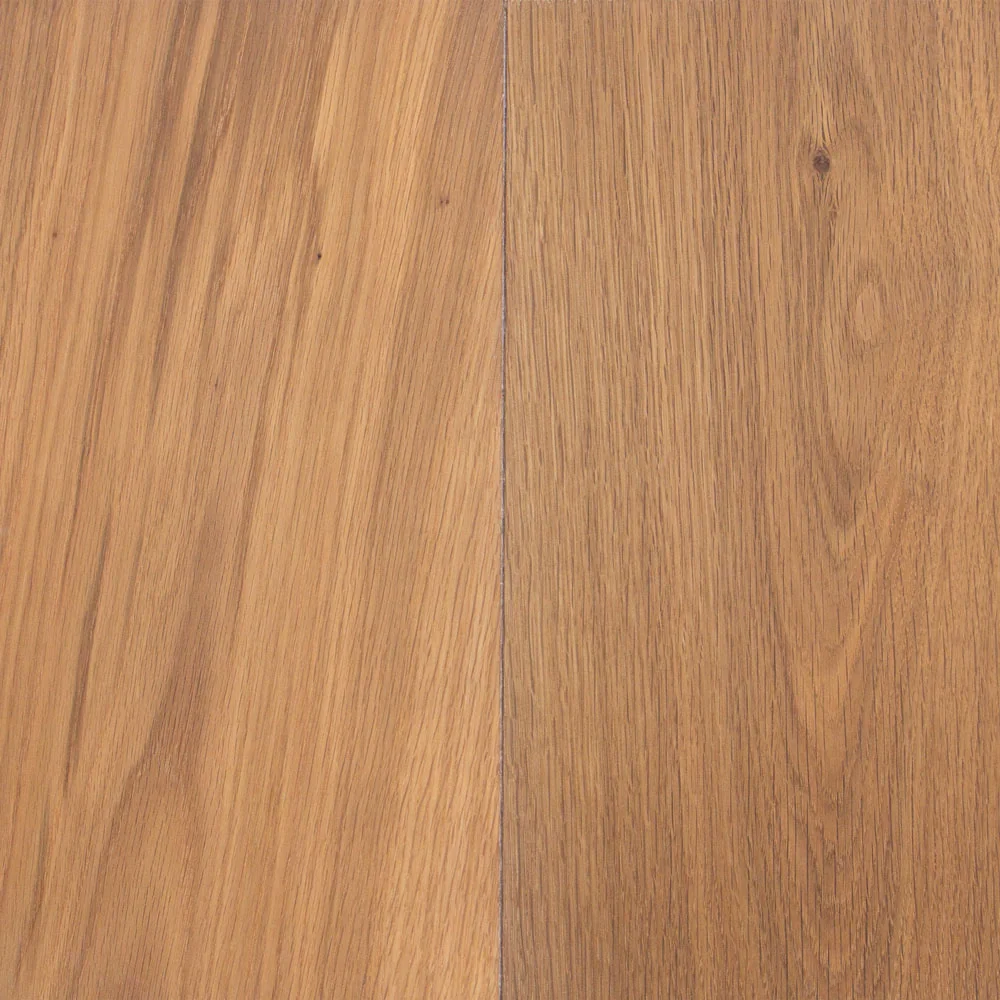
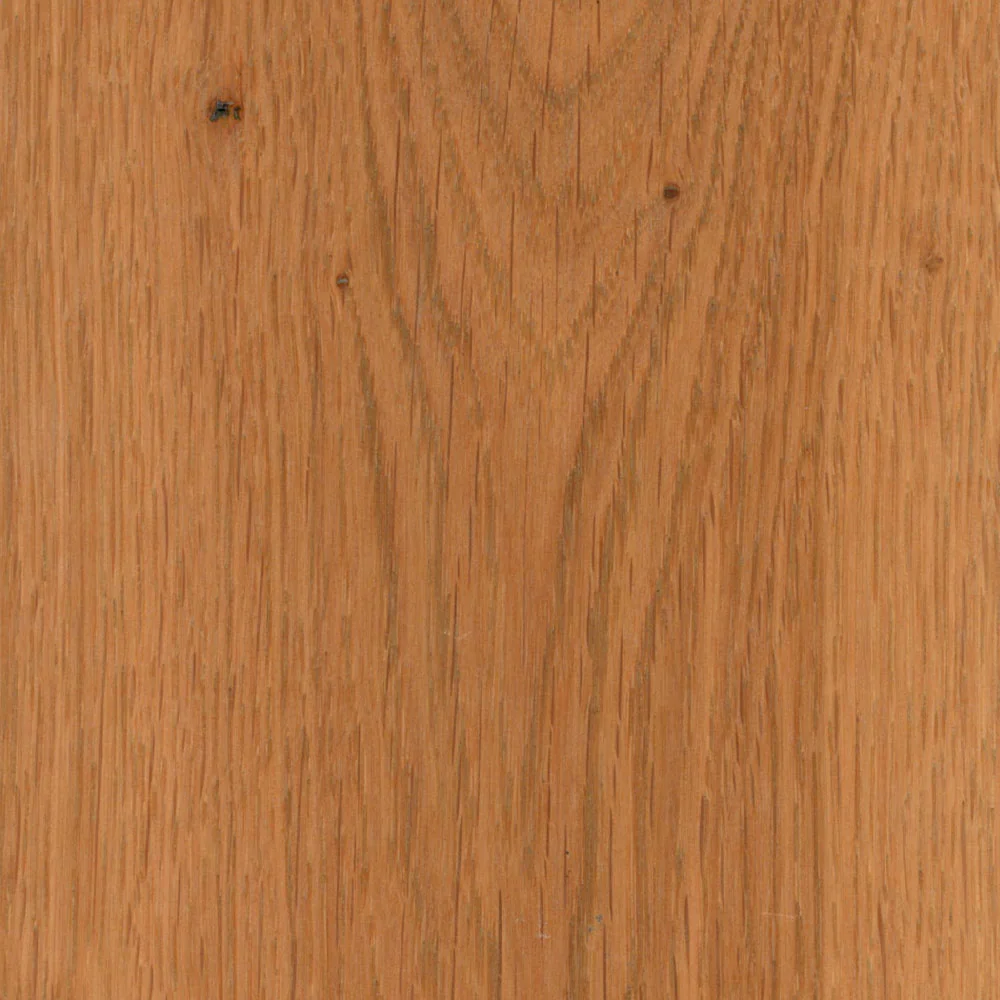
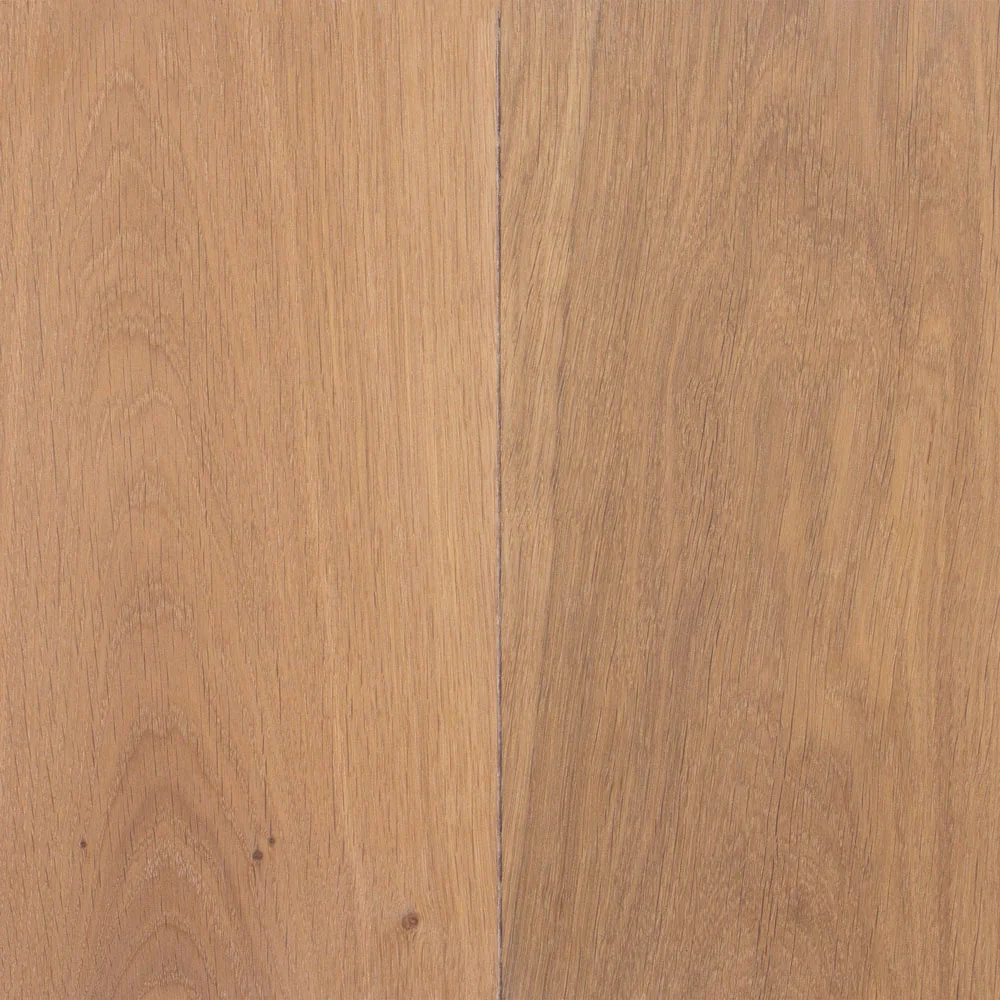
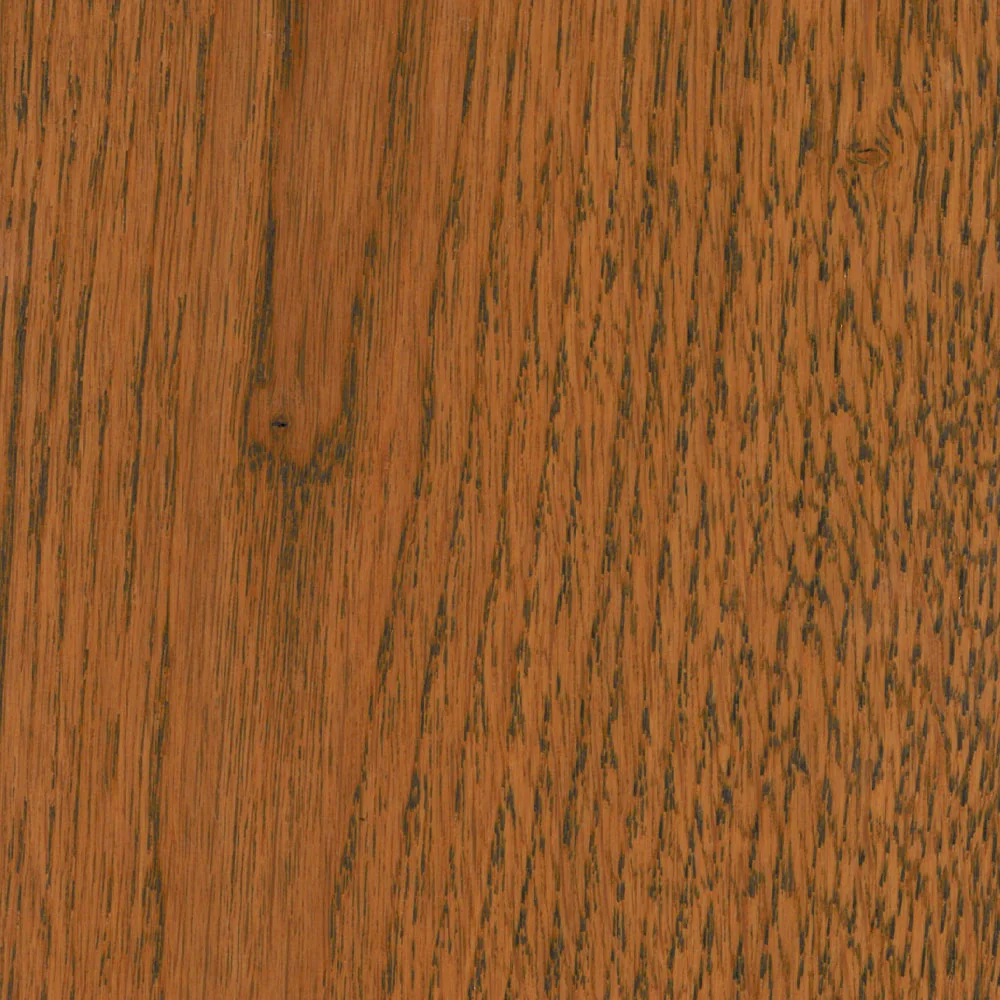
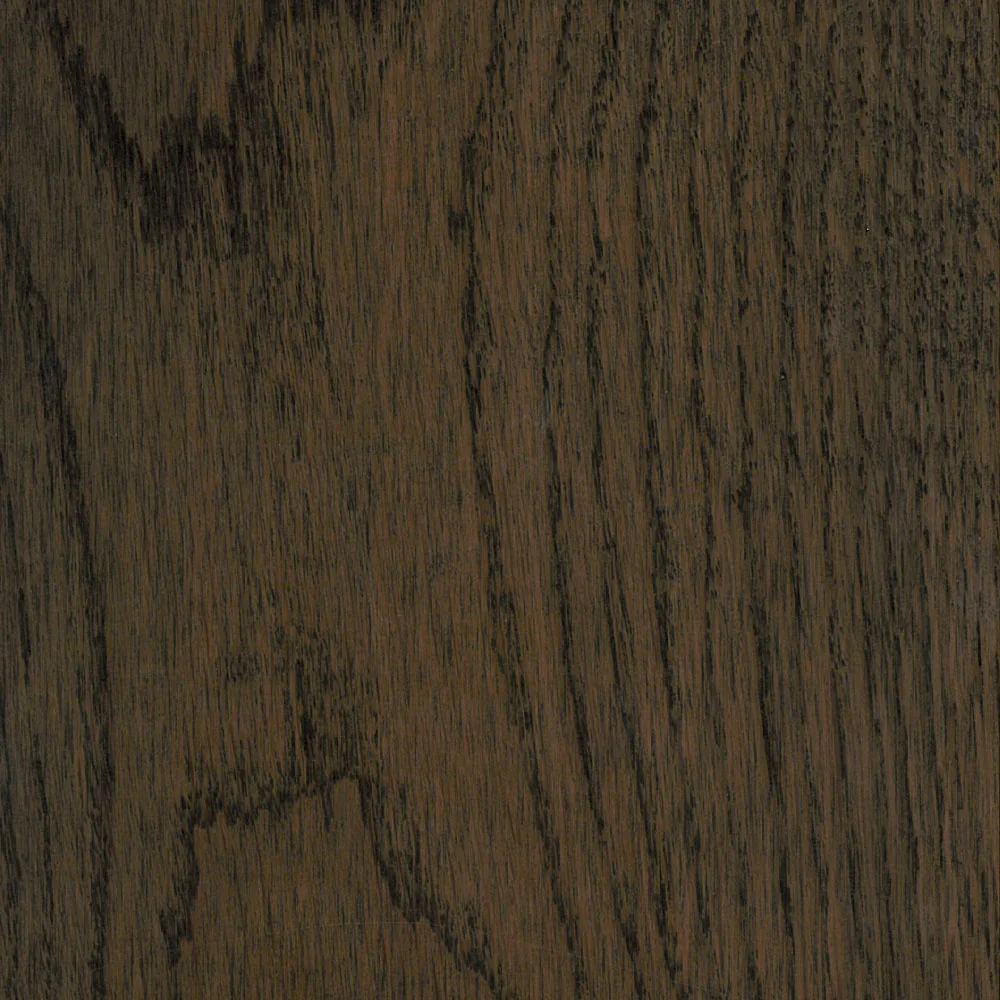
*La muestra de madera se muestra en roble
Natural
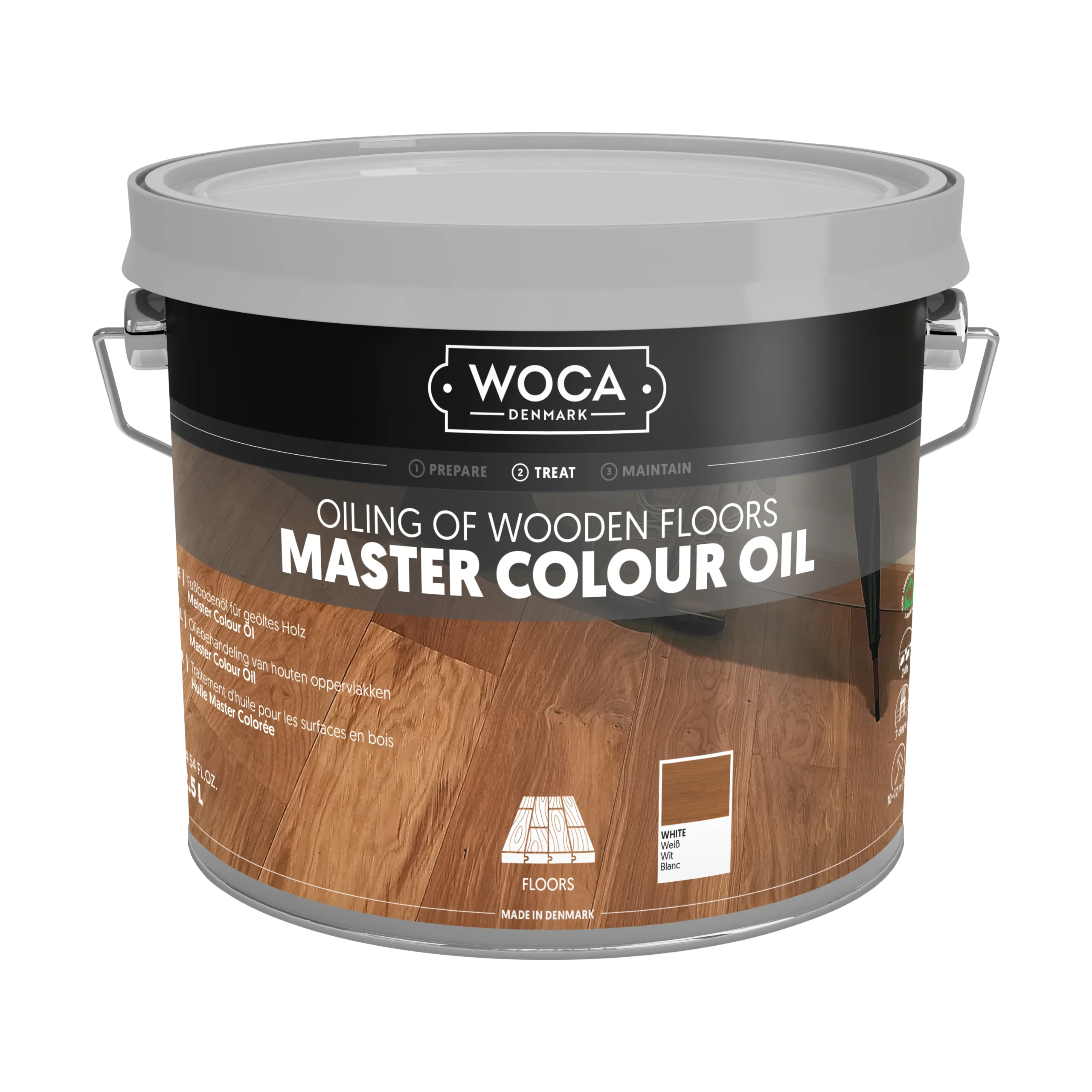
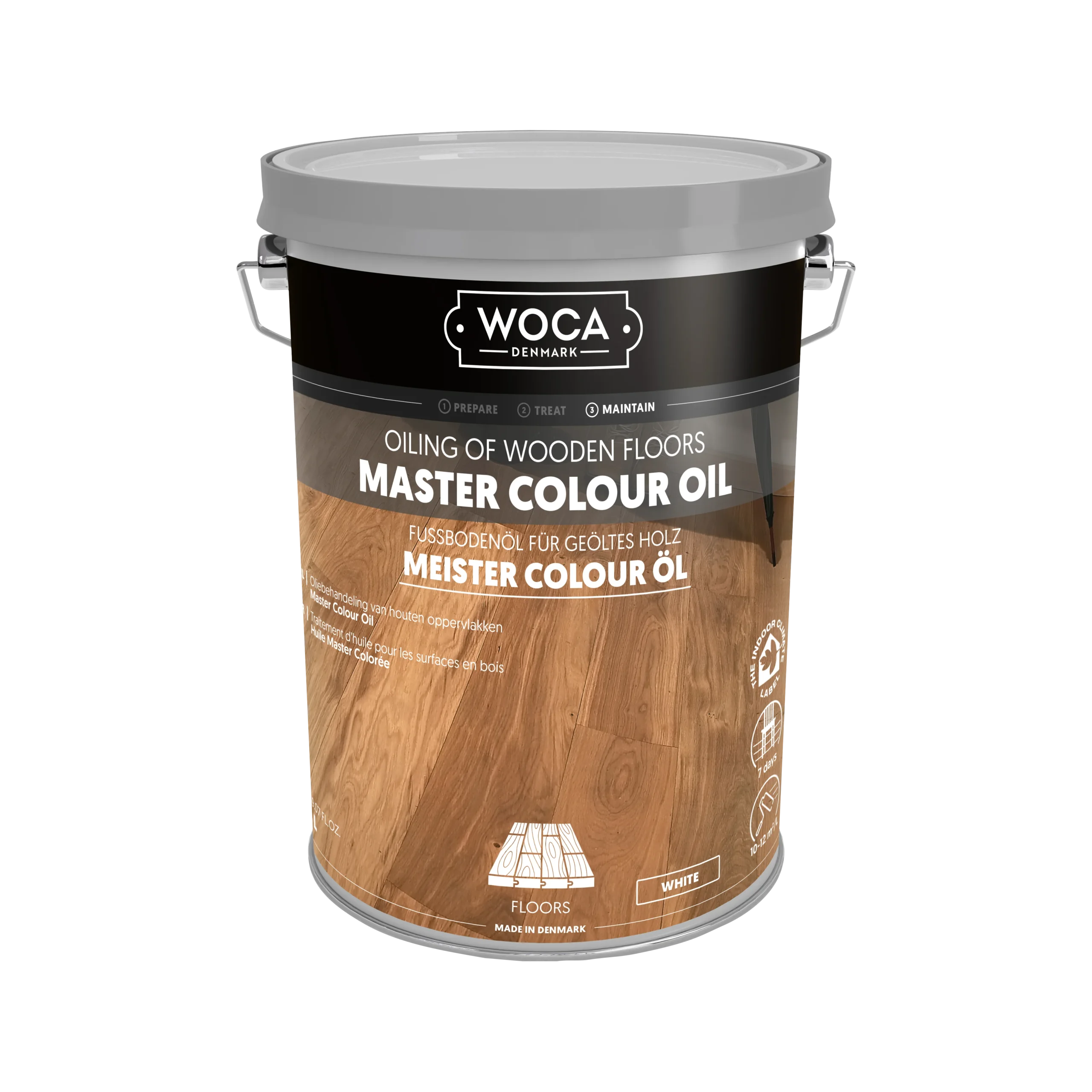
Blanco
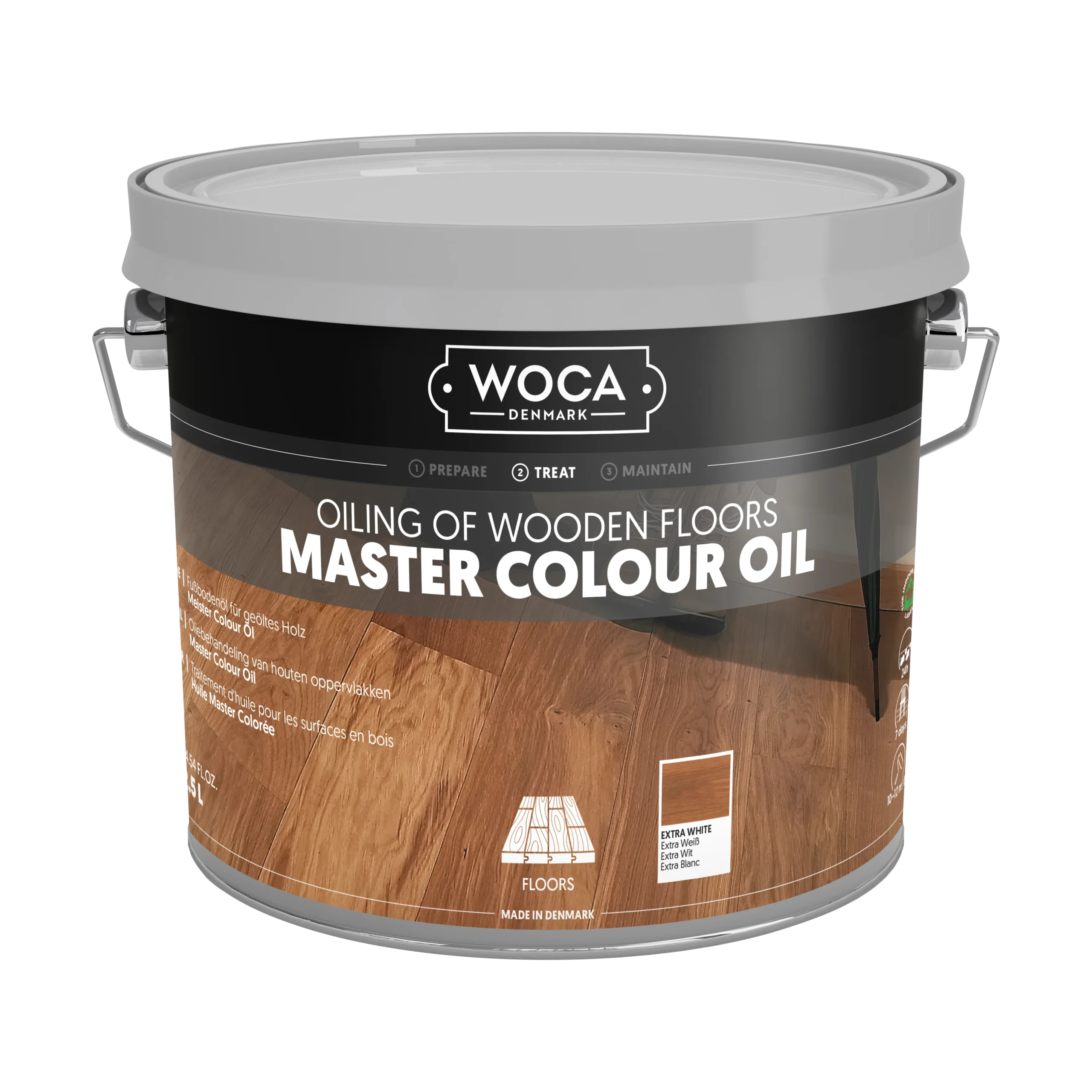
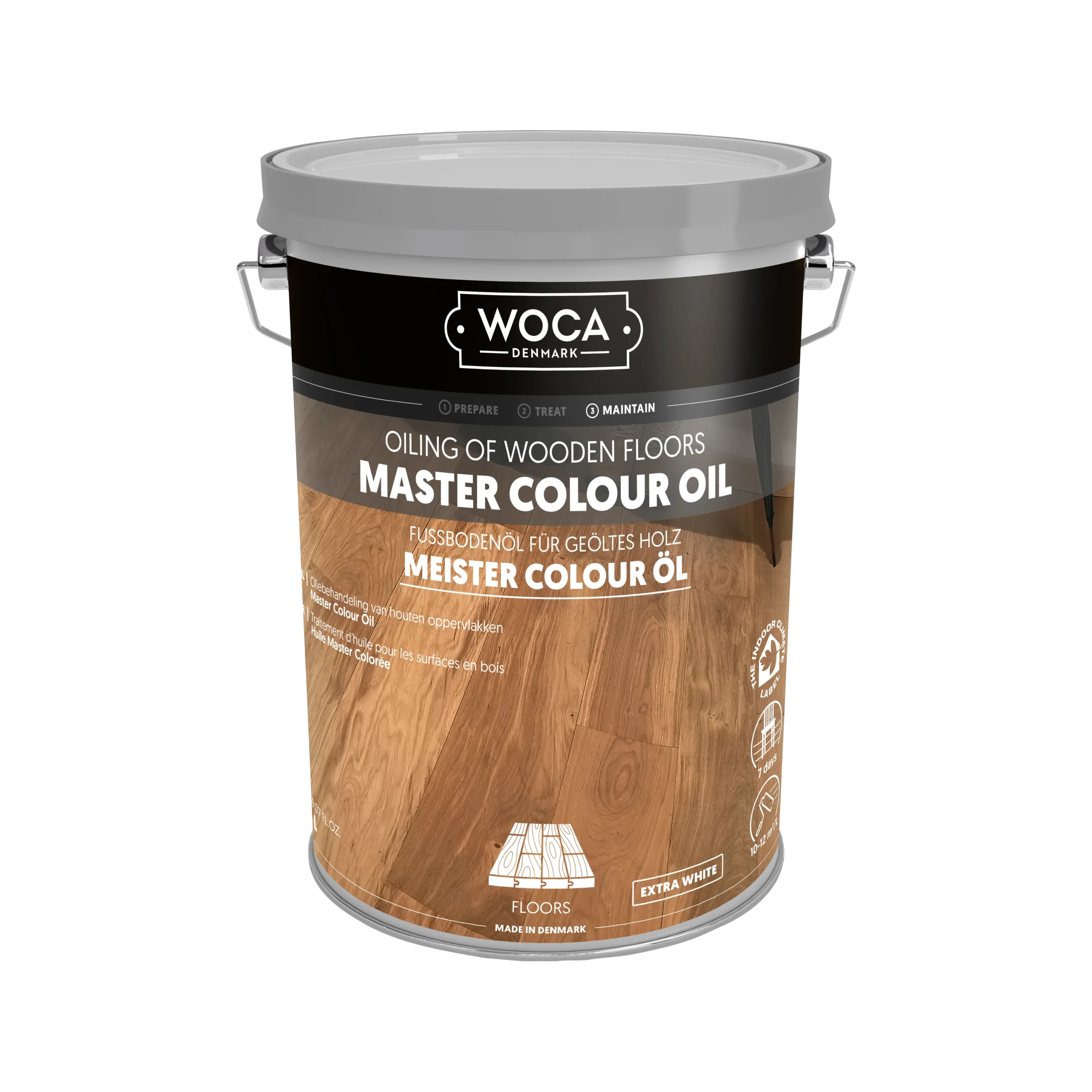
Extra Blanco
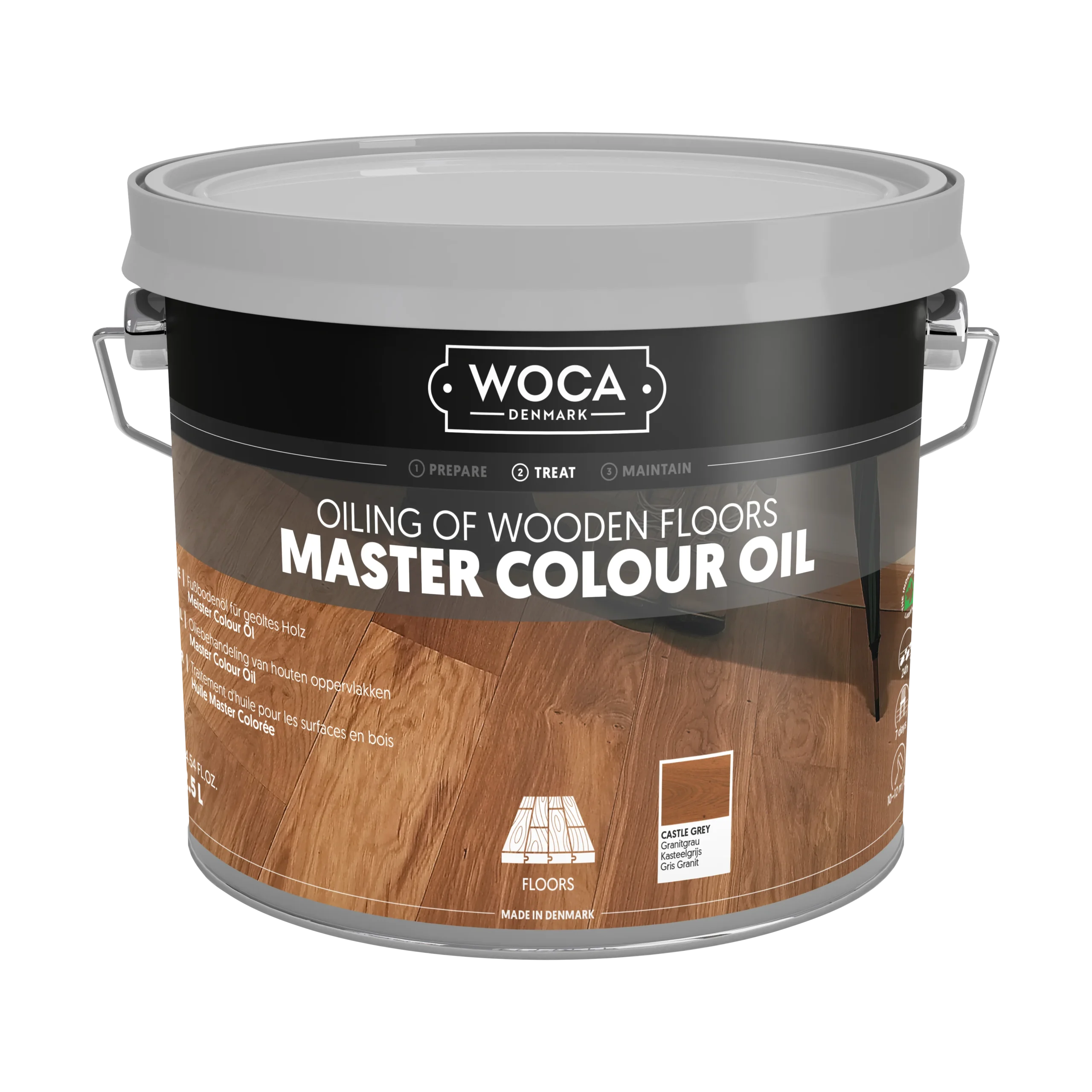
Castle Grey
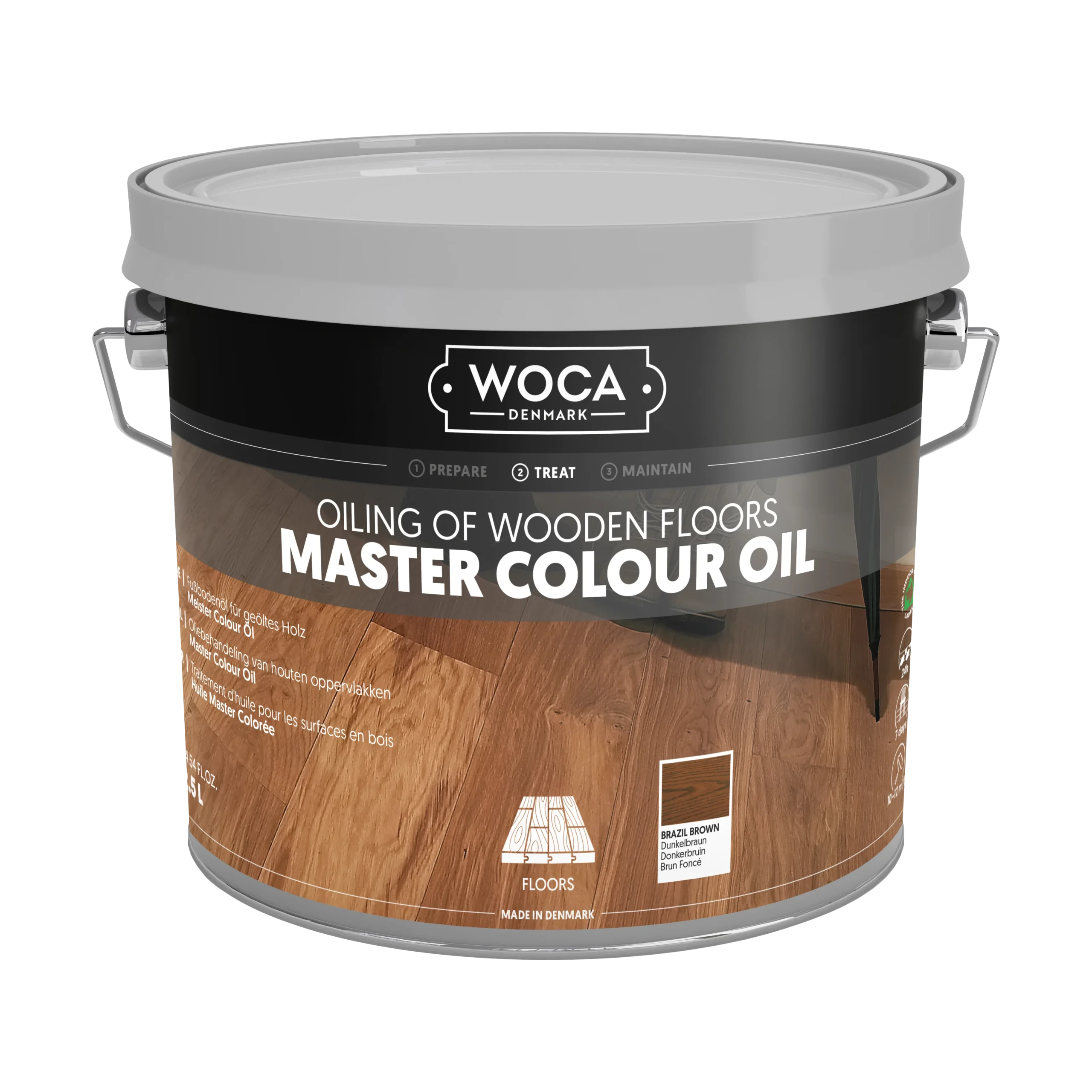
Brazil Brown
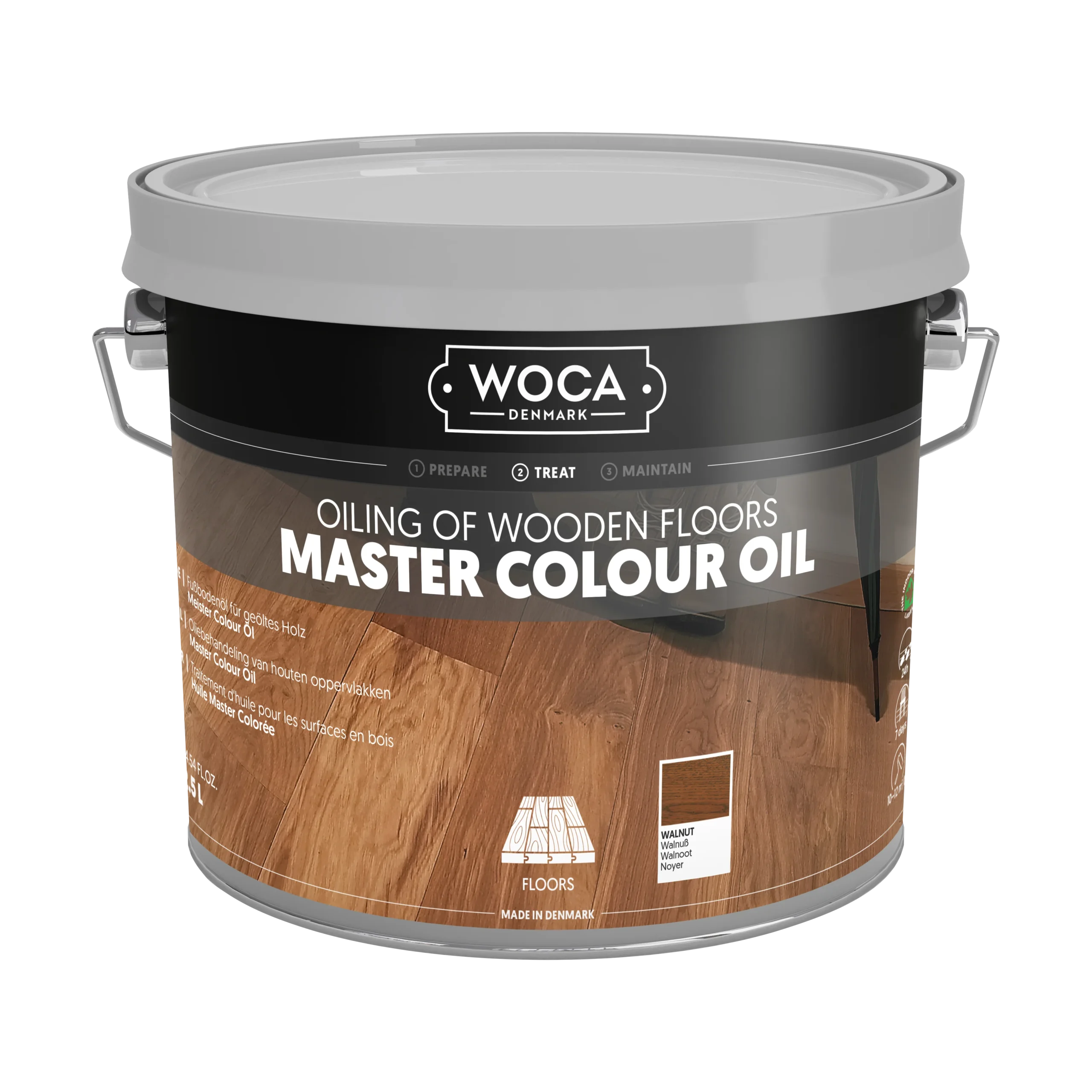
Nogal
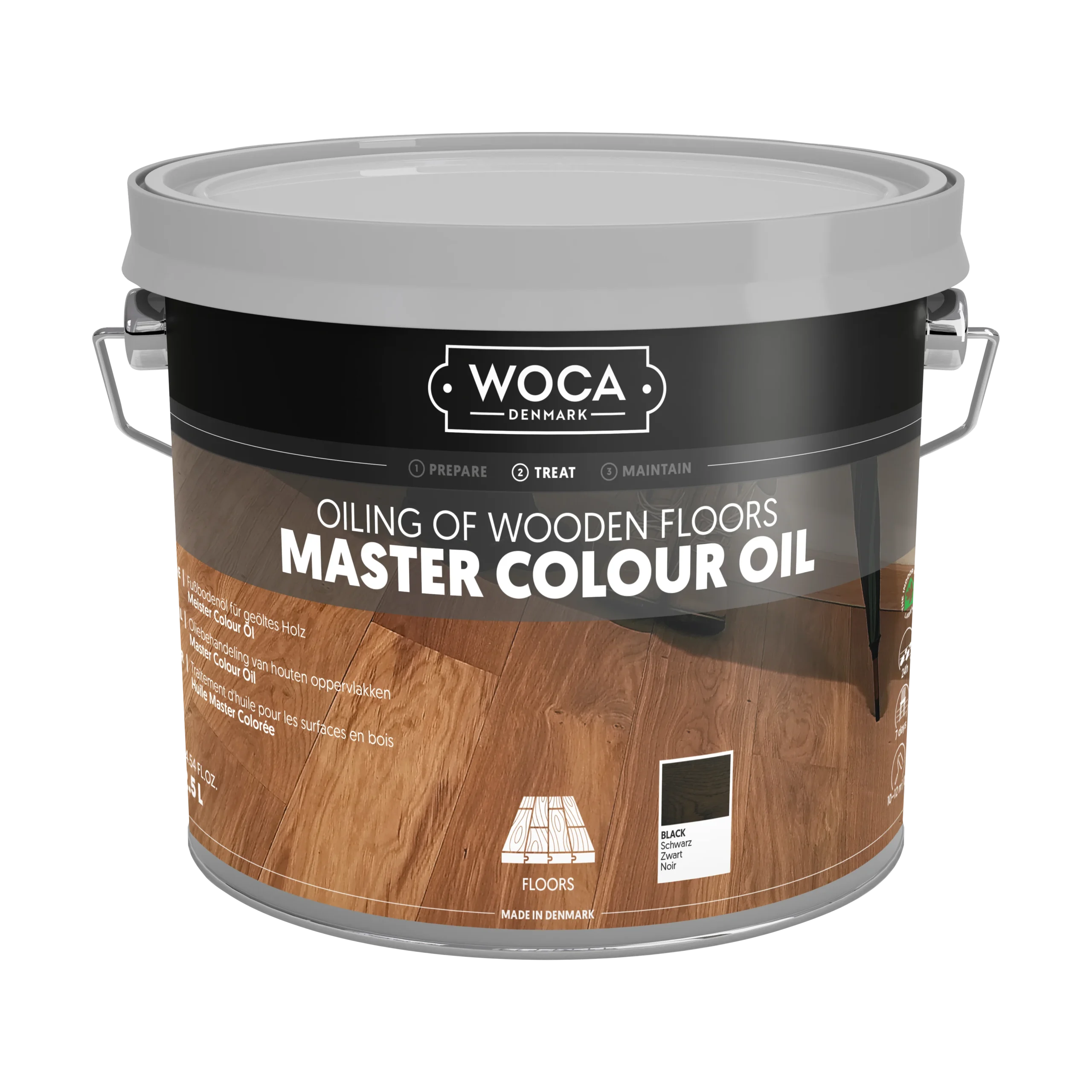
Negro

Embalaje

Certificaciones

Environmental Product Declaration (EPD)
Environmental Product Declaration (EPD) supports greater transparency and documented sustainability. EPDs present verified data on a product’s environmental impact throughout its entire life cycle, based on recognized standards and third-party verification.
DiBt
DIBt is a German institute that tests and issues technical approvals for building materials.The aim is to improve the working climate for floor installers whilst ensuring a safe indoor air quality for the final consumer.
Danish Indoor Climate Labelling
Danish Interior Climate Labelling is a voluntary labelling system for products and materials which can document the effect of degassing. Indoor climate labelled materials are a natural component in sustainable construction, where a good indoor air quality contributes to social sustainability.
Emission Class A+
The French labeling system is a mandatory classification of materials, such as floor treatment products, based on their VOC emissions to indoor air. A+ is the highest rating, indicating improved indoor air quality with very low emissions.
DIN EN 16516  emission test
Bio-Based ASTM 6866
Biobased Carbon Content ASTM D6866-22 is an international standard method utilized for product testing. The result is reported as % Biobased Carbon. This indicates the percentage carbon from ‘natural’ (plant or animal by-product) sources.
EN 71-3
European standard ensuring that materials do not release toxic substances in amounts harmful to children. Particularly relevant for materials such as toys, kitchen utensils, worktops and furniture.
Detalles del producto

Master Colour Oil proporciona un hermoso color y una protección duradera en un solo tratamiento. Realza la veta natural y el carácter de la madera, protege contra el agua y la suciedad, y se puede recubrir con laca si es necesario.
VOC:
140 g/l, contenido máximo de COV (A/i (BD)): 500 g/l.
Densidad:
0.90-0.95 g/ml.
Durabilidad:
3 años
Temperatura de aplicación:
+15-25°C y 50% de humedad del aire.
Rendimiento:
10-12 m²/L
Colour product:
Natural
Tamaños del envase:
750 ml – 2,5 L – 5 L
VOC:
140 g/l, contenido máximo de COV (A/i (BD)): 500 g/l.
Densidad:
0.90-0.95 g/ml.
Durabilidad:
3 años
Temperatura de aplicación:
+15-25°C y 50% de humedad del aire.
Rendimiento:
10-12 m²/L
Colour product:
Natural
Tamaños del envase:
750 ml – 2,5 L – 5 L
VOC:
140 g/l, contenido máximo de COV (A/i (BD)): 500 g/l.
Densidad:
0.90-0.95 g/ml.
Durabilidad:
3 años
Temperatura de aplicación:
+15-25°C y 50% de humedad del aire.
Rendimiento:
10-12 m²/L
Colour product:
Natural
Tamaños del envase:
750 ml – 2,5 L – 5 L
VOC:
135 g/l, contenido máximo de COV (A/i (BD)): 500 g/l.
Densidad:
0.90-0.95 g/ml.
Durabilidad:
3 años
Temperatura de aplicación:
+15-25°C y 50% de humedad del aire.
Rendimiento:
10-12 m²/L
Colour product:
Blanco
Tamaños del envase:
750 ml – 2,5 L – 5 L
VOC:
135 g/l, contenido máximo de COV (A/i (BD)): 500 g/l.
Densidad:
0.90-0.95 g/ml.
Durabilidad:
3 años
Temperatura de aplicación:
+15-25°C y 50% de humedad del aire.
Rendimiento:
10-12 m²/L
Colour product:
Blanco
Tamaños del envase:
750 ml – 2,5 L – 5 L
VOC:
135 g/l, contenido máximo de COV (A/i (BD)): 500 g/l.
Densidad:
0.90-0.95 g/ml.
Durabilidad:
3 años
Temperatura de aplicación:
+15-25°C y 50% de humedad del aire.
Rendimiento:
10-12 m²/L
Colour product:
Blanco
Tamaños del envase:
750 ml – 2,5 L – 5 L
VOC:
140 g/l, contenido máximo de COV (A/i (BD)): 500 g/l.
Densidad:
0.90-0.95 g/ml.
Durabilidad:
3 años
Temperatura de aplicación:
+15-25°C y 50% de humedad del aire.
Rendimiento:
10-12 m²/L
Colour product:
Brazil Brown
Tamaños del envase:
2,5 L
VOC:
135 g/l, contenido máximo de COV (A/i (BD)): 500 g/l.
Densidad:
0.90-0.95 g/ml.
Durabilidad:
3 años
Temperatura de aplicación:
+15-25°C y 50% de humedad del aire.
Rendimiento:
10-12 m²/L
Colour product:
Castle Grey
Tamaños del envase:
2,5 L
VOC:
120 g/l, contenido máximo de COV (A/i (BD)): 500 g/l.
Densidad:
0.90-0.95 g/ml.
Durabilidad:
3 años
Temperatura de aplicación:
+15-25°C y 50% de humedad del aire.
Rendimiento:
10-12 m²/L
Colour product:
Extra Blanco
Tamaños del envase:
2,5 L – 5 L
VOC:
120 g/l, contenido máximo de COV (A/i (BD)): 500 g/l.
Densidad:
0.90-0.95 g/ml.
Durabilidad:
3 años
Temperatura de aplicación:
+15-25°C y 50% de humedad del aire.
Rendimiento:
10-12 m²/L
Colour product:
Extra Blanco
Tamaños del envase:
2,5 L – 5 L
VOC:
130 g/l, contenido máximo de COV (A/i (BD)): 500 g/l.
Densidad:
0.90-0.95 g/ml.
Durabilidad:
3 años
Temperatura de aplicación:
+15-25°C y 50% de humedad del aire.
Rendimiento:
10-12 m²/L
Colour product:
Nogal
Tamaños del envase:
2,5 L
VOC:
135 g/l, contenido máximo de COV (A/i (BD)): 500 g/l.
Densidad:
0.90-0.95 g/ml.
Durabilidad:
3 años
Temperatura de aplicación:
+15-25°C y 50% de humedad del aire.
Rendimiento:
10-12 m²/L
Colour product:
Negro
Tamaños del envase:
2,5 L
Oiling of wooden floors

La temperatura del producto, el espacio y el suelo debe estar entre 15 y 30°C. La humedad de la madera no debe superar el 12 %. Asegúrese de contar con buena ventilación durante la aplicación y el secado. La madera debe haber sido lijada recientemente utilizando grano de 100-120 en el lijado final. Pase la aspiradora a fondo. Limpie la madera con WOCA Intensive Wood Cleaner y déjelo secar durante al menos 8 horas, antes de aplicar el aceite.

Recuerde siempre hacer una prueba en un lugar poco visible, a fin de verificar la compatibilidad de la superficie con el producto.

  • Agite bien el envase de Master Colour Oil, antes y durante su uso. Los envases con producto de lotes diferentes deben mezclarse a fin de evitar diferencias de color.
  • Aplique el aceite utilizando un rodillo de pelo corto (4-6 mm) con una capa uniforme. Trabaje en pequeñas áreas de no más de 10 m² de una vez.
  • Dejar que el aceite se absorba durante 10-15 minutos. Si aparecen manchas secas, aplicar más aceite.
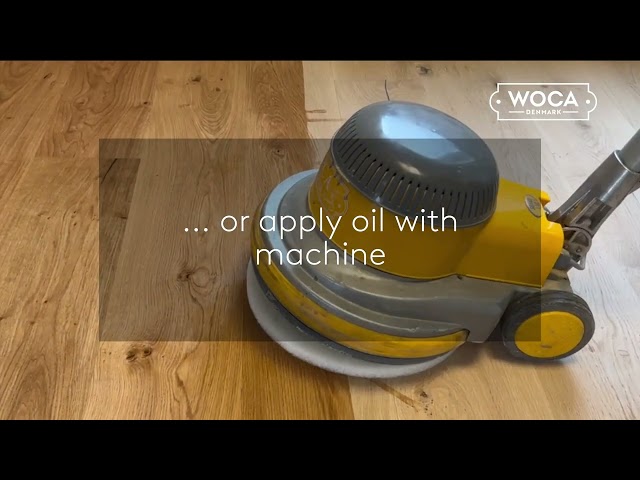
  • Frote el aceite sobre la madera hasta que la superficie tenga aspecto de estar saturada. Utilice una pulidora con almohadilla beige para zonas amplias, así como un paño/almohadilla para pulido manual en zonas pequeñas.
  • Elimine el exceso de aceite con paños secos de algodón anti-pelusa, o con pads, hasta que la superficie deje de paecer húmeda. Siga hasta haber pulido toda el área y haber eliminado a fondo el aceite sobrante.
  • Para asegurar una buena saturación, la superficie debe volver a pulirse con 1 dl de por cada en un intervalo de entre 12-24 horas a 20°C de la primera aplicación. El aceite debe pulirse a fondo, como se describe en el paso 4+5.
  • La superficie se puede utilizar con precaución después de y se endurece por completo después de a 20 °C y 55 % de humedad, después de lo cual se pueden colocar alfombras, etc. en el suelo.
  • No exponga la superficie al agua ni la limpie los 7 primeros días mientras se endurece el aceite. Al cabo de entre 7 días, es posible limpiar el suelo con WOCA Natural Soap, que confiere protección adicional a la superficie.