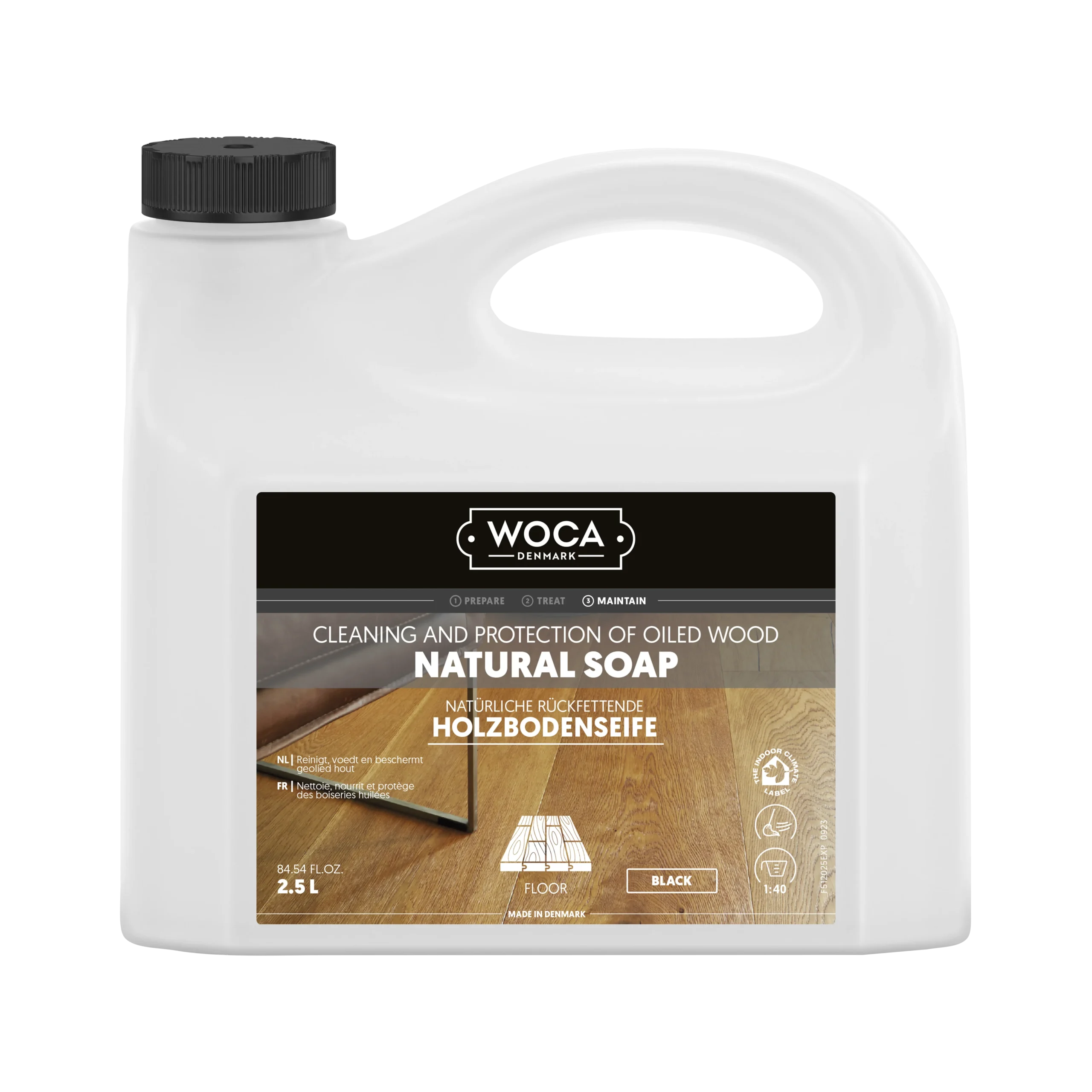
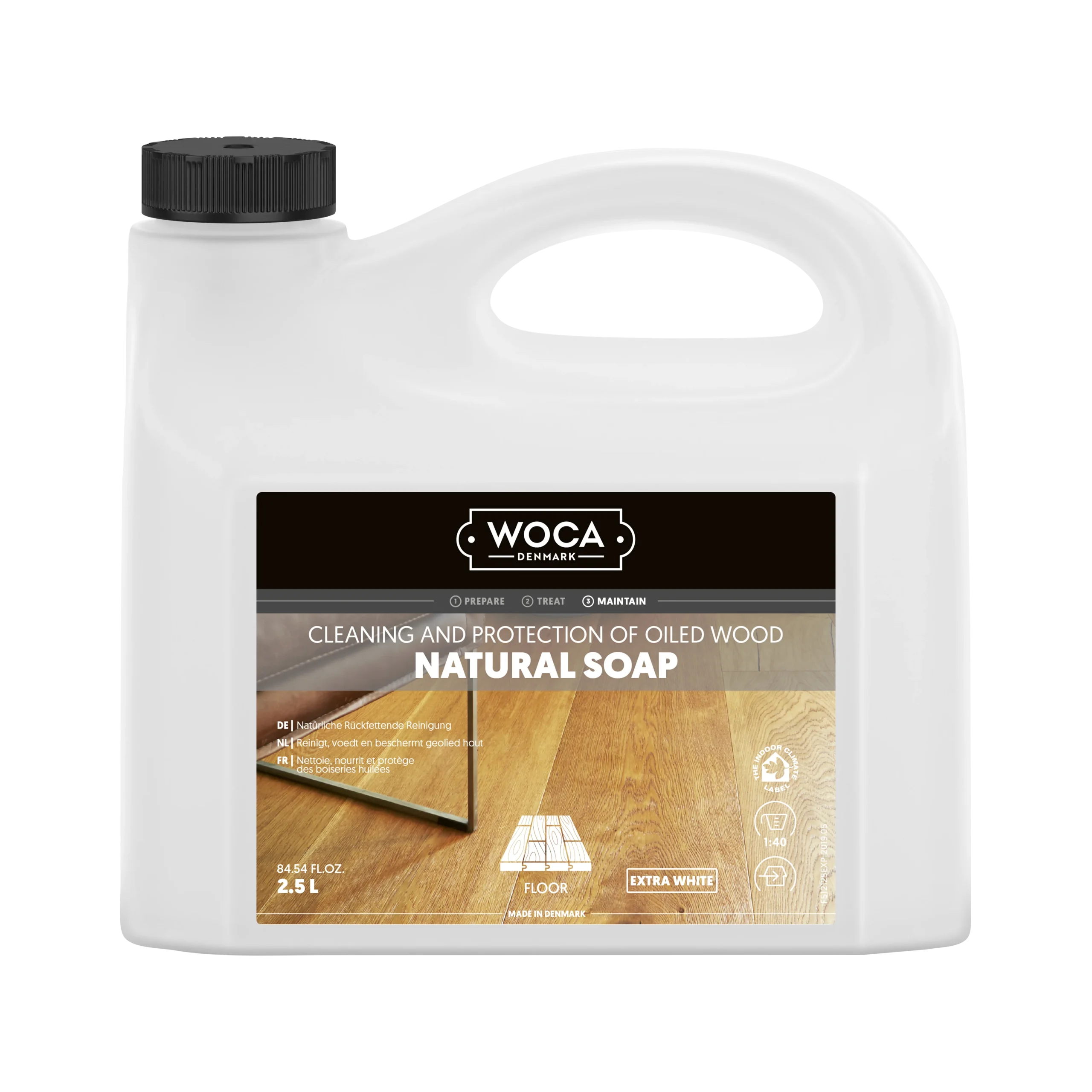
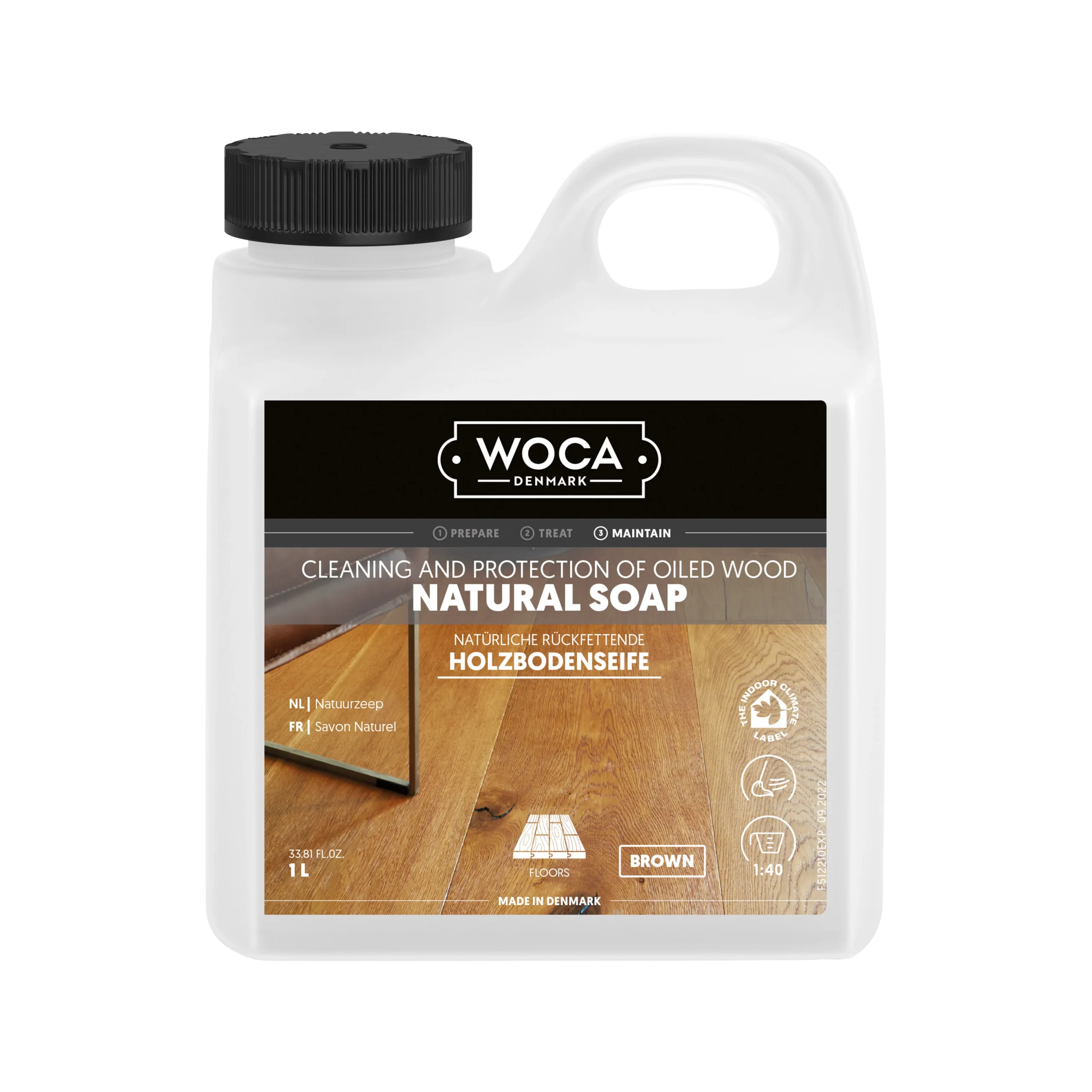
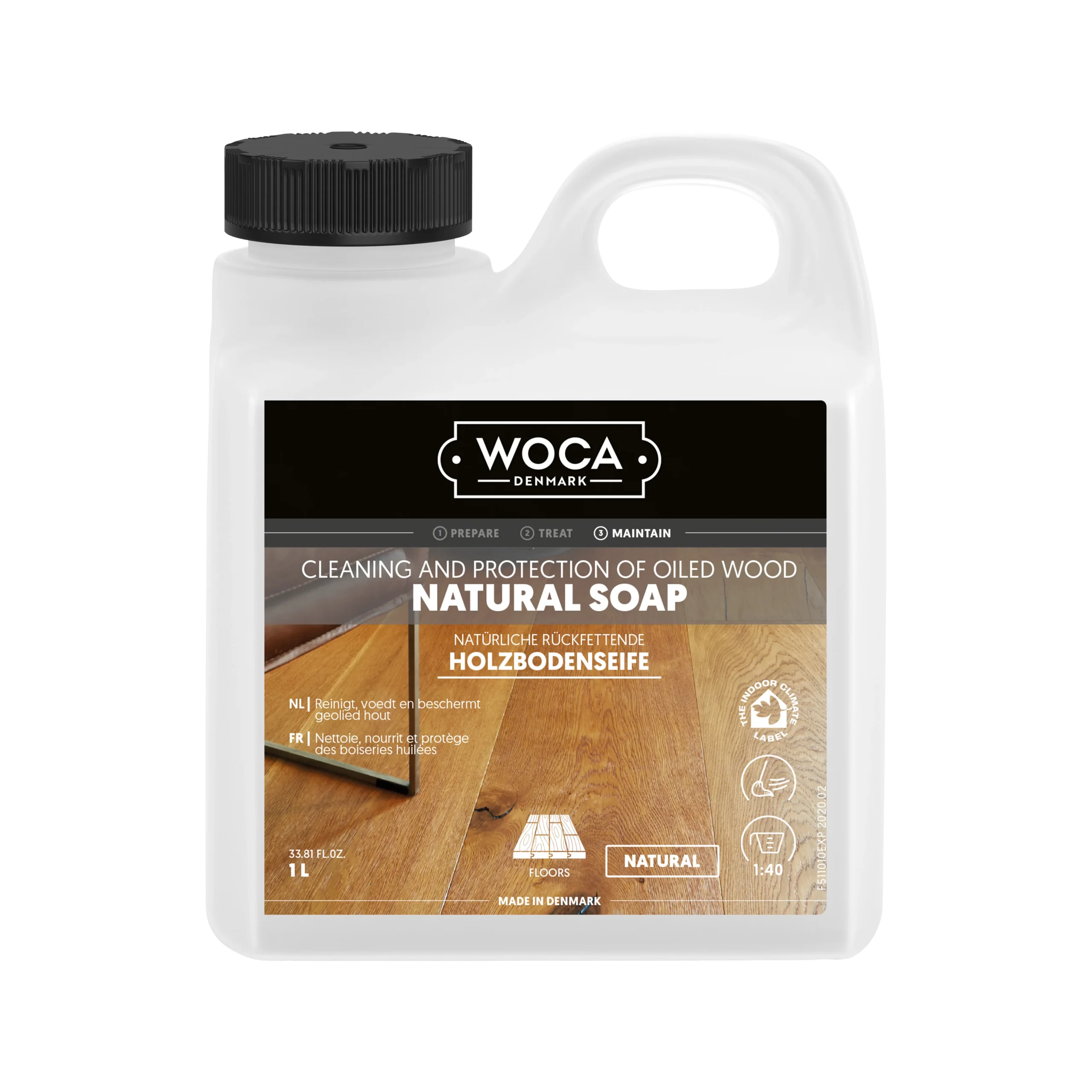
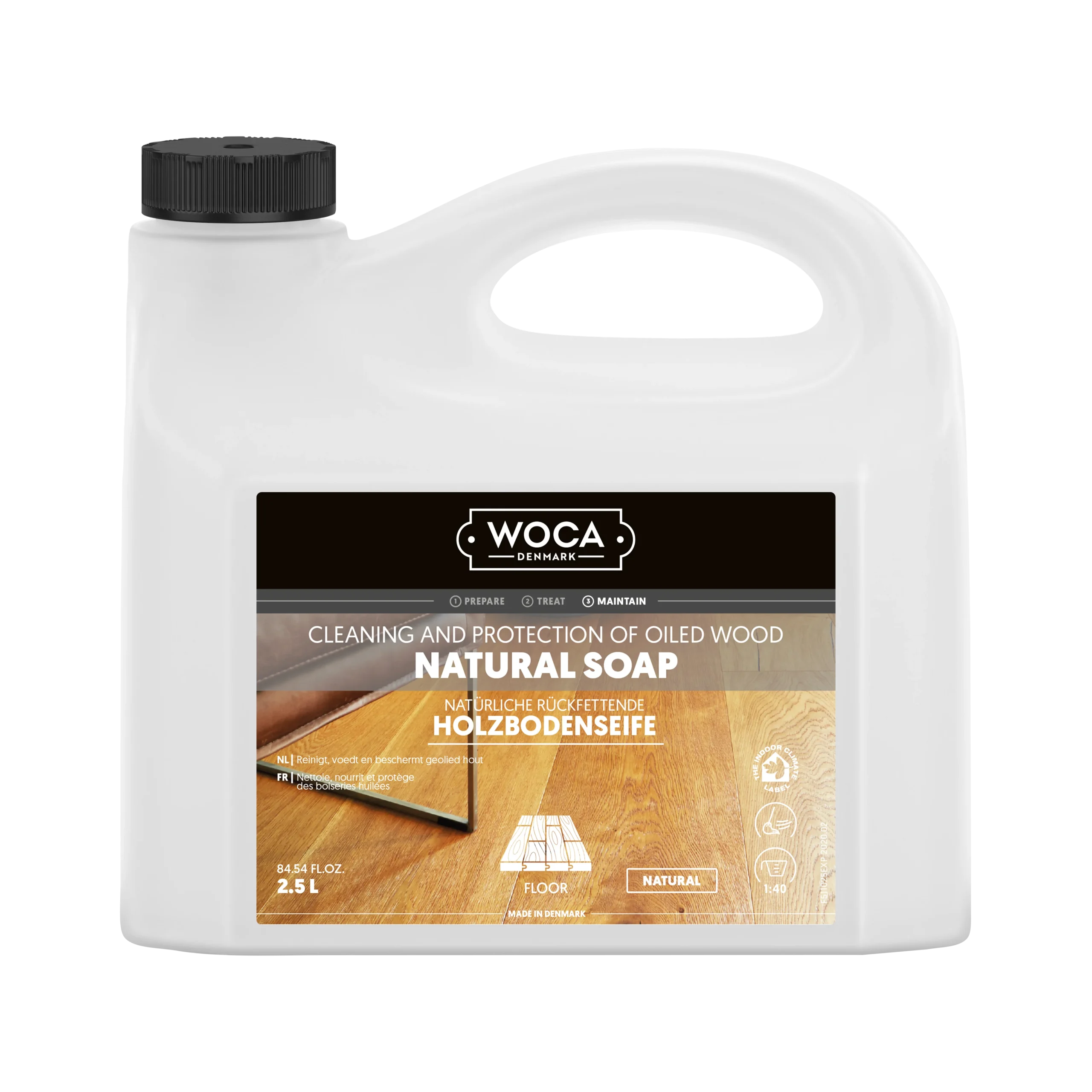
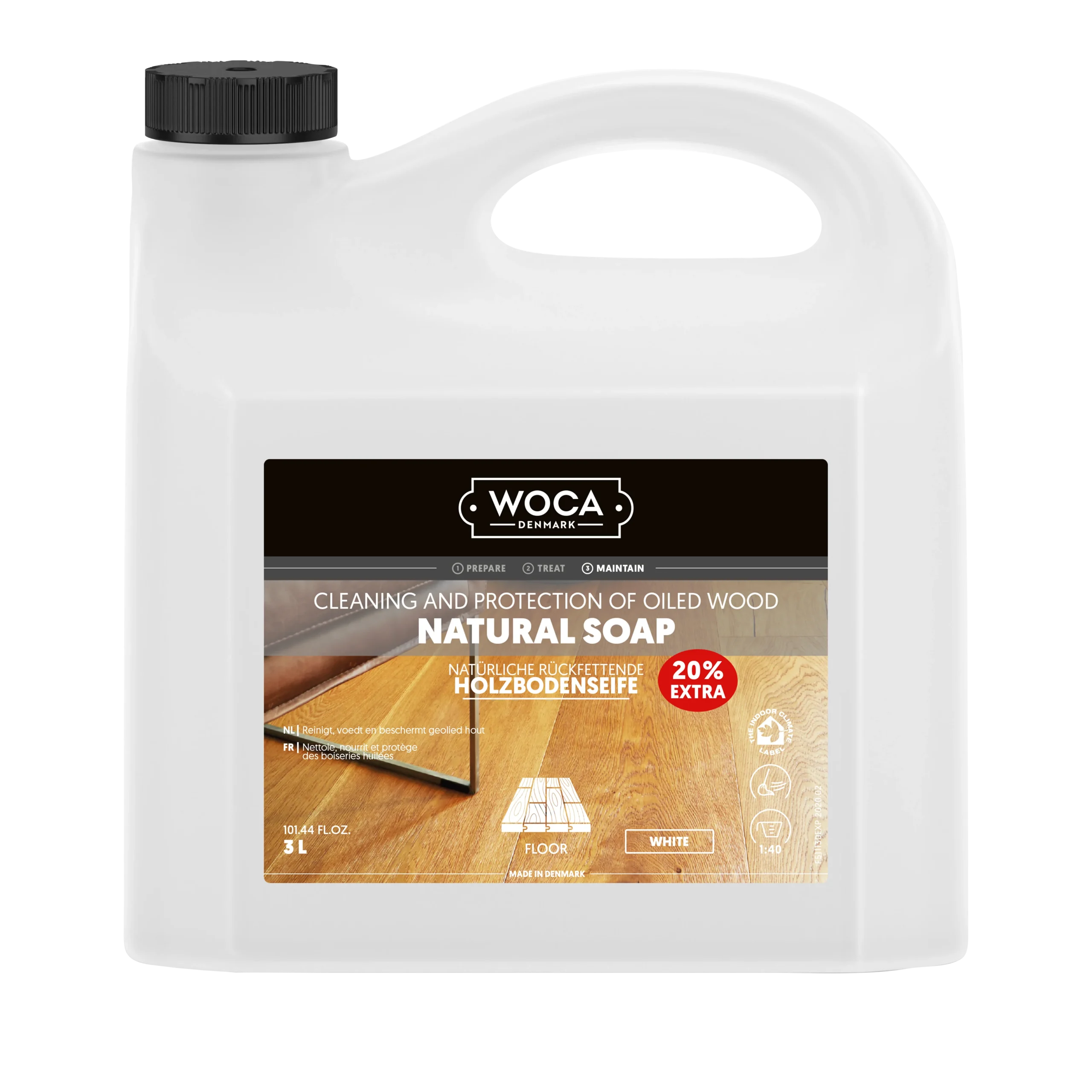
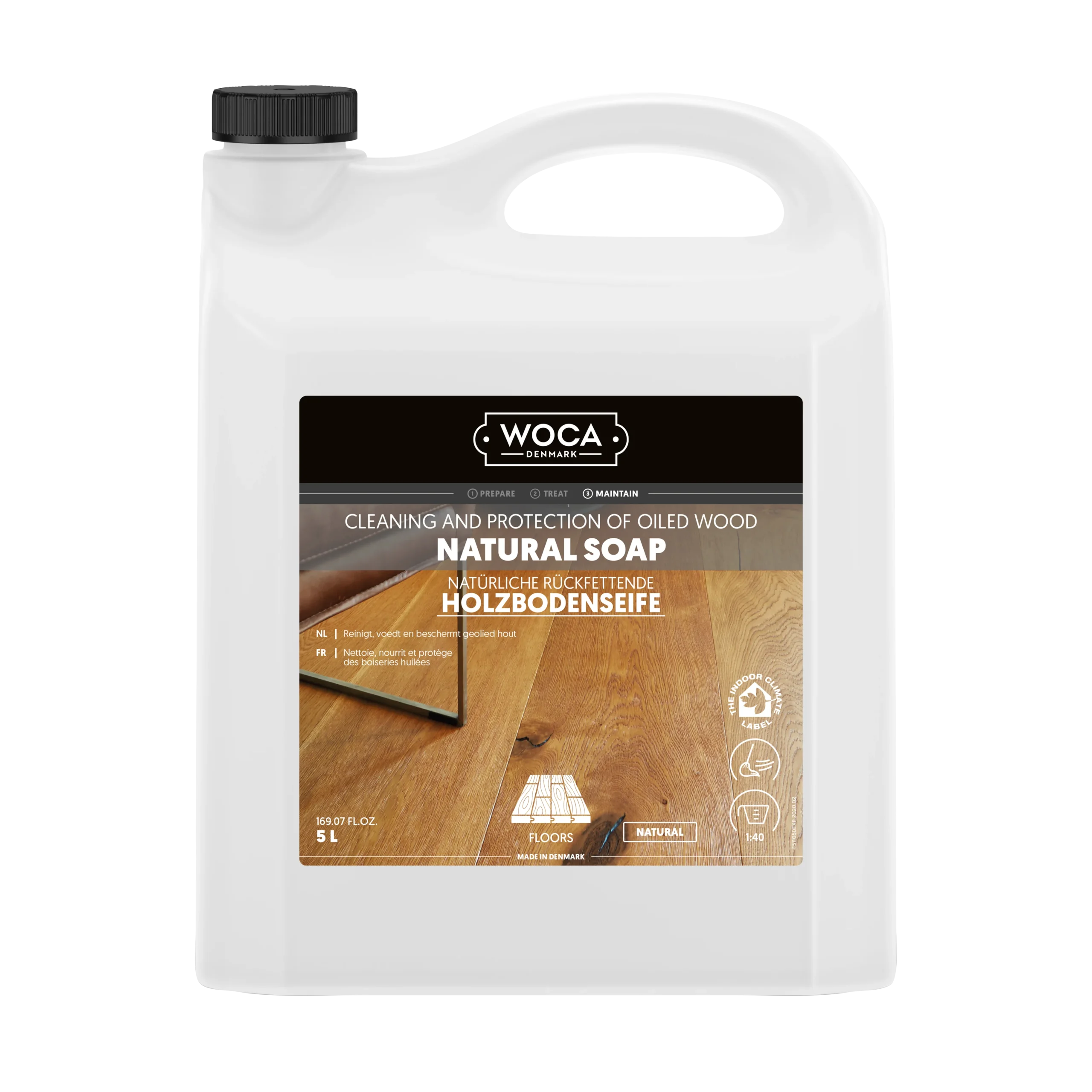
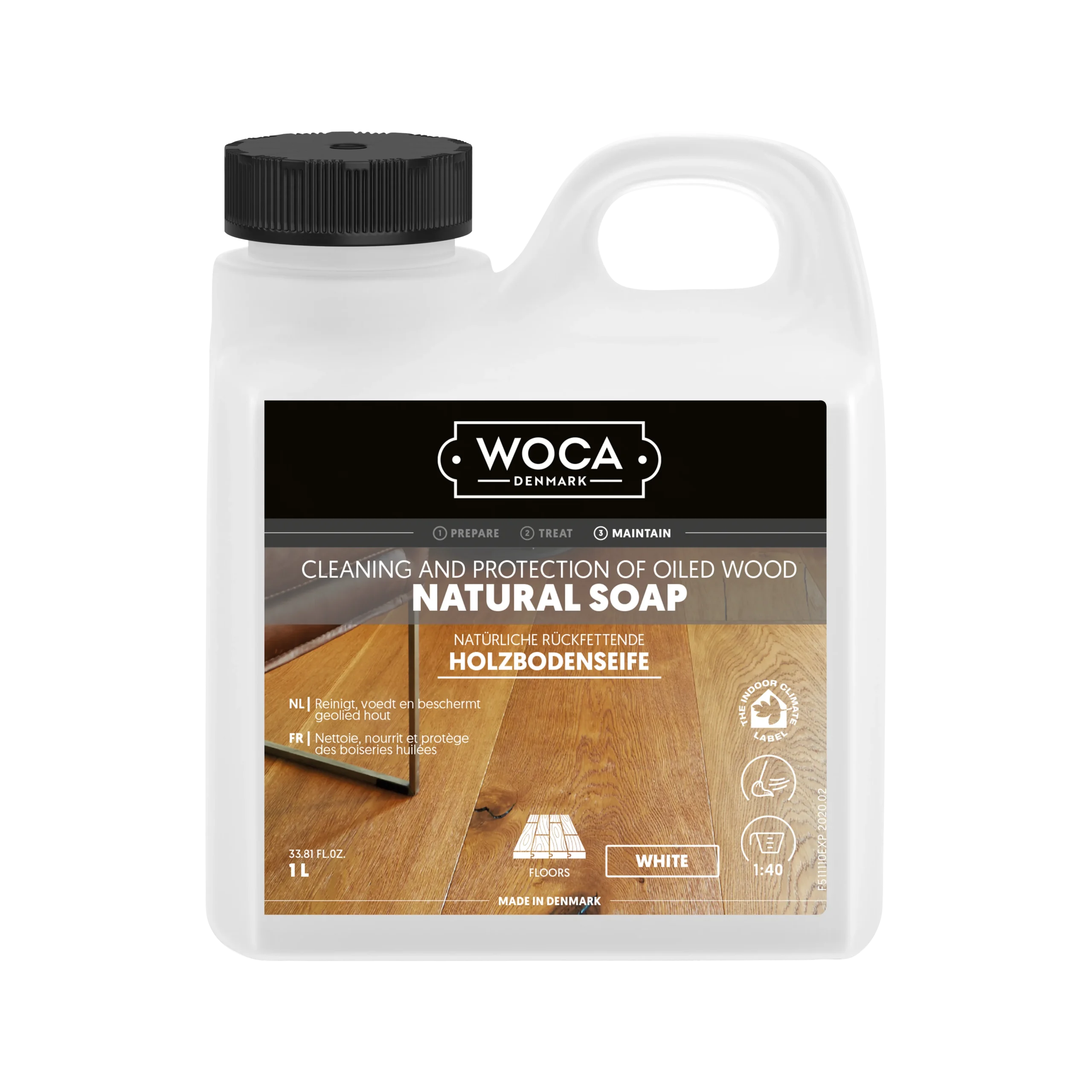
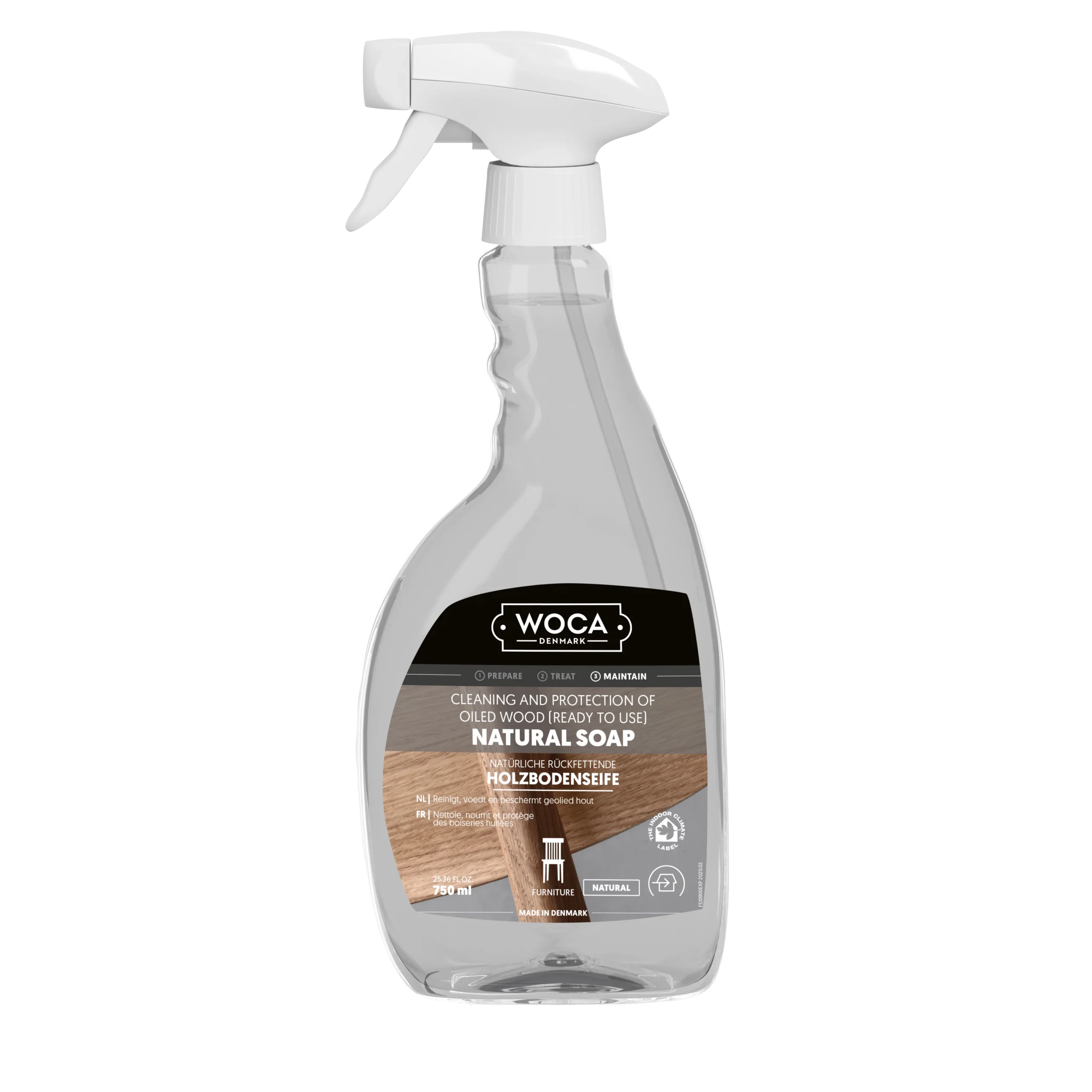
Natural Soap
Natural Soap

Natural Soap

Artikel nr.: 511410A 511425A 512025A 512125A 512210A 511010A 511010SA 511025A 511030A 511050A 511110A 511110SA 511125A 511130A 511150A

Natürliche Rückfettende Reinigung

  • Pflegende bzw. rückfettende Wirkung auf geölten und geseiften Oberflächen
  • Für die regelmäßige Reinigung. 
  • Ideal für Böden, Möbel, Tischplatten und Paneele
  • Raumklima zertifiziert.
  • Zur Grundbehandlung von Weichholz

Farben

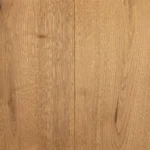
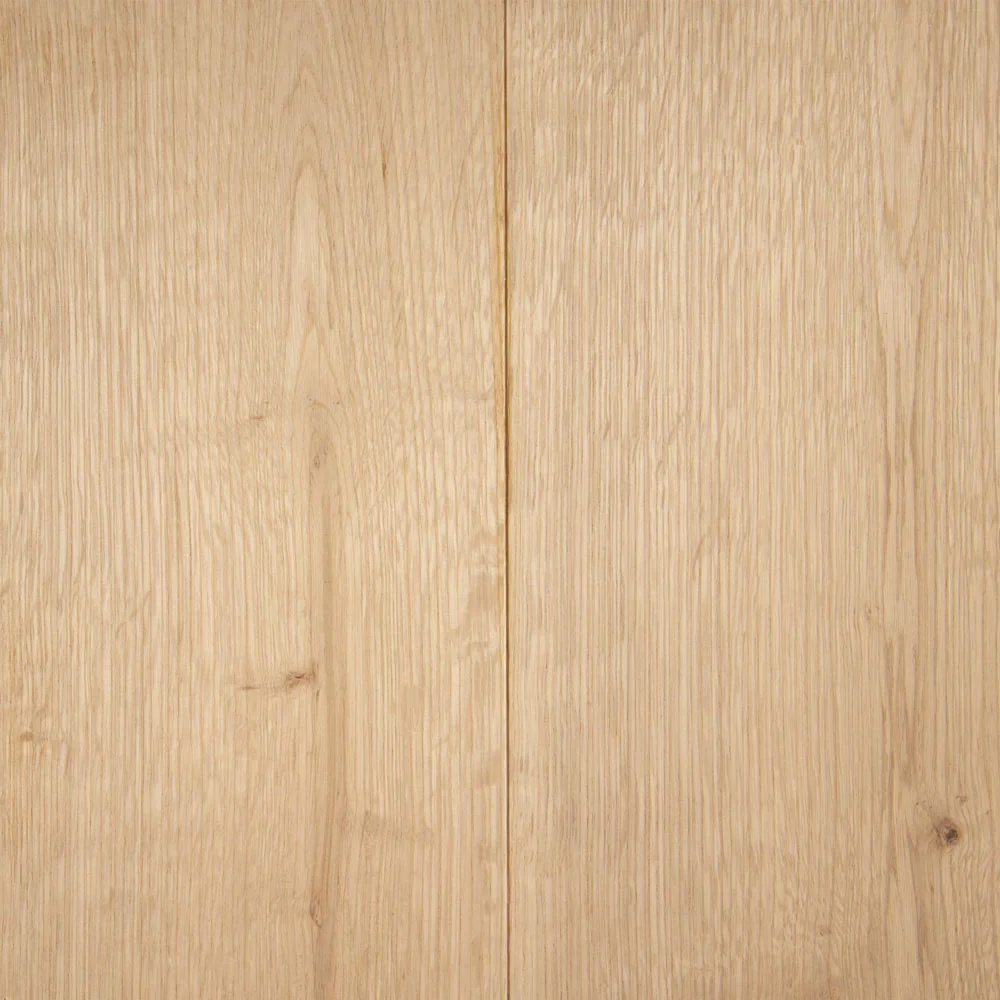
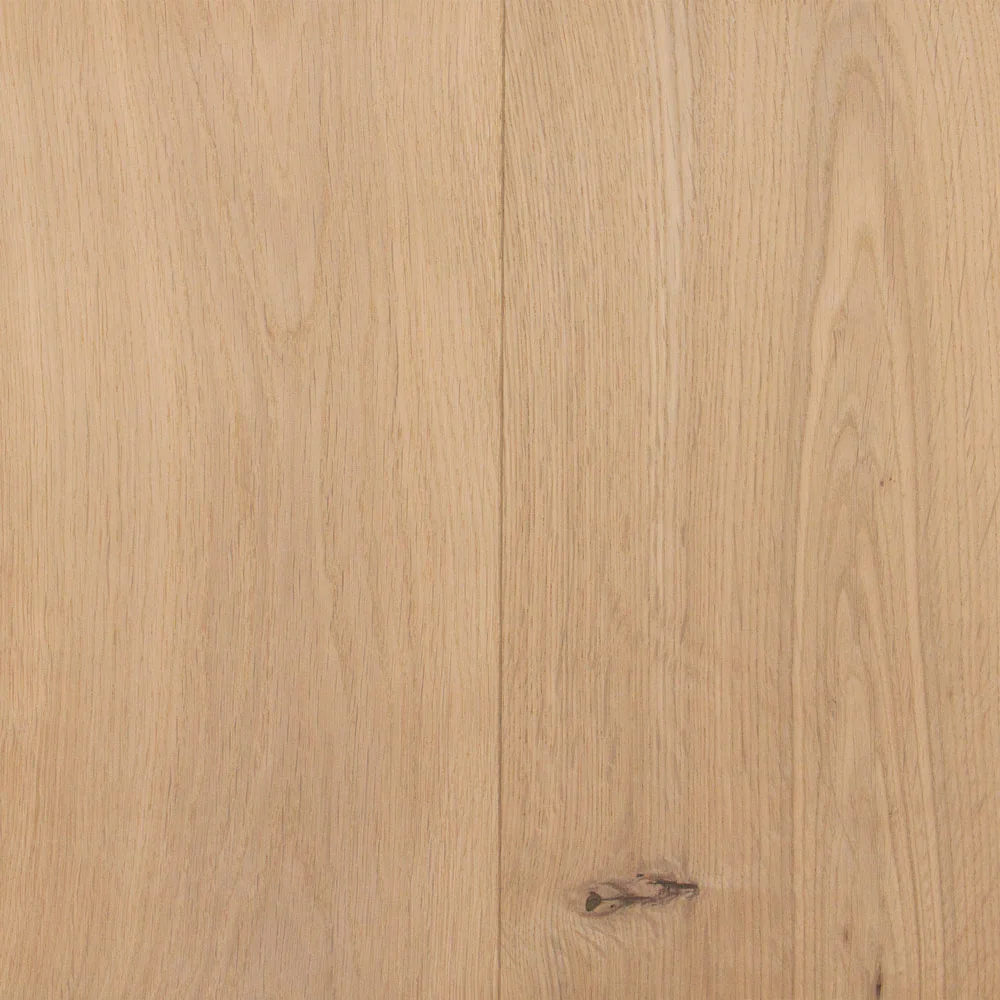
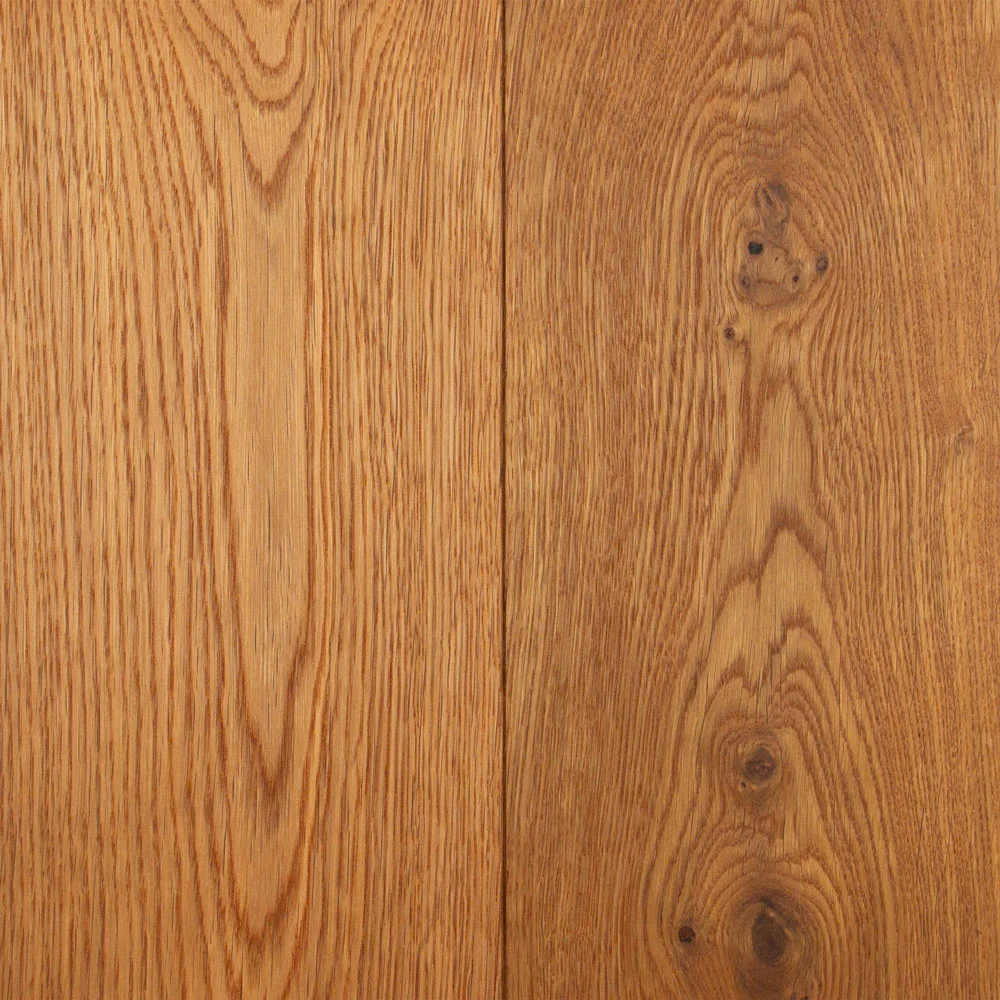
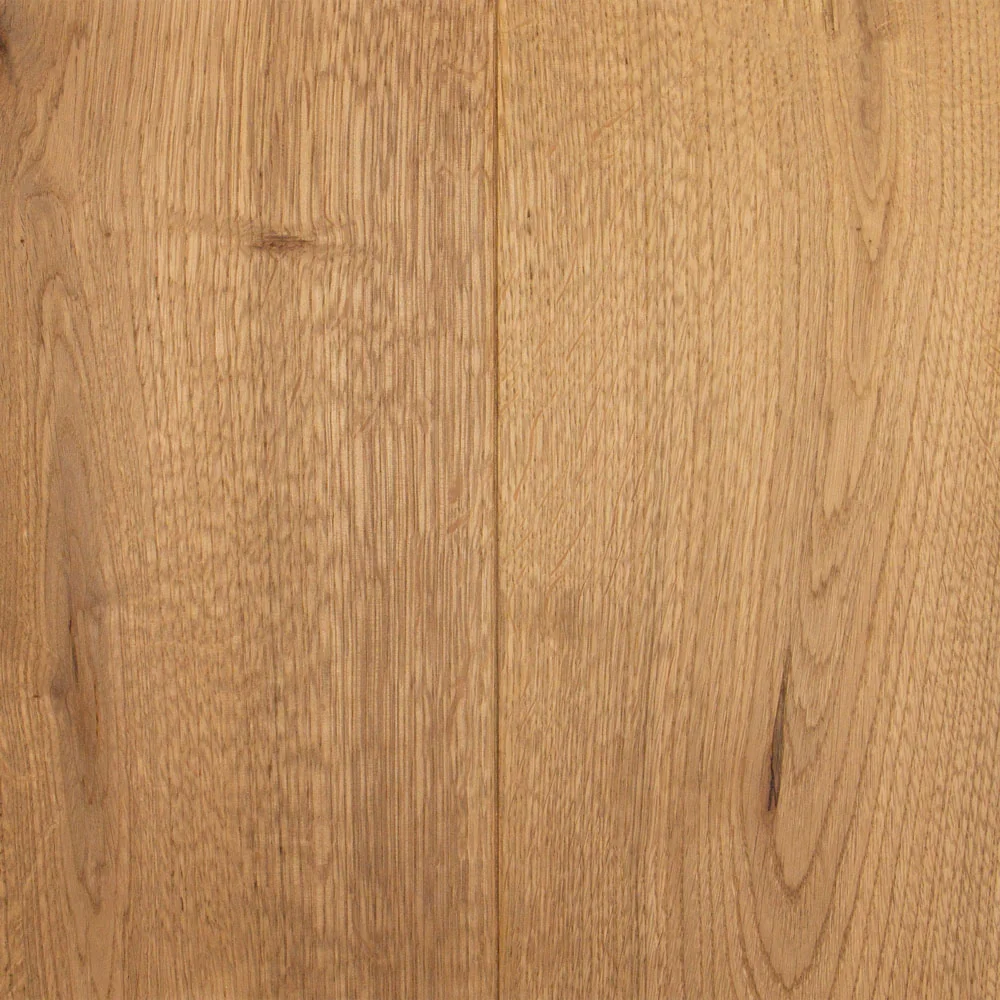
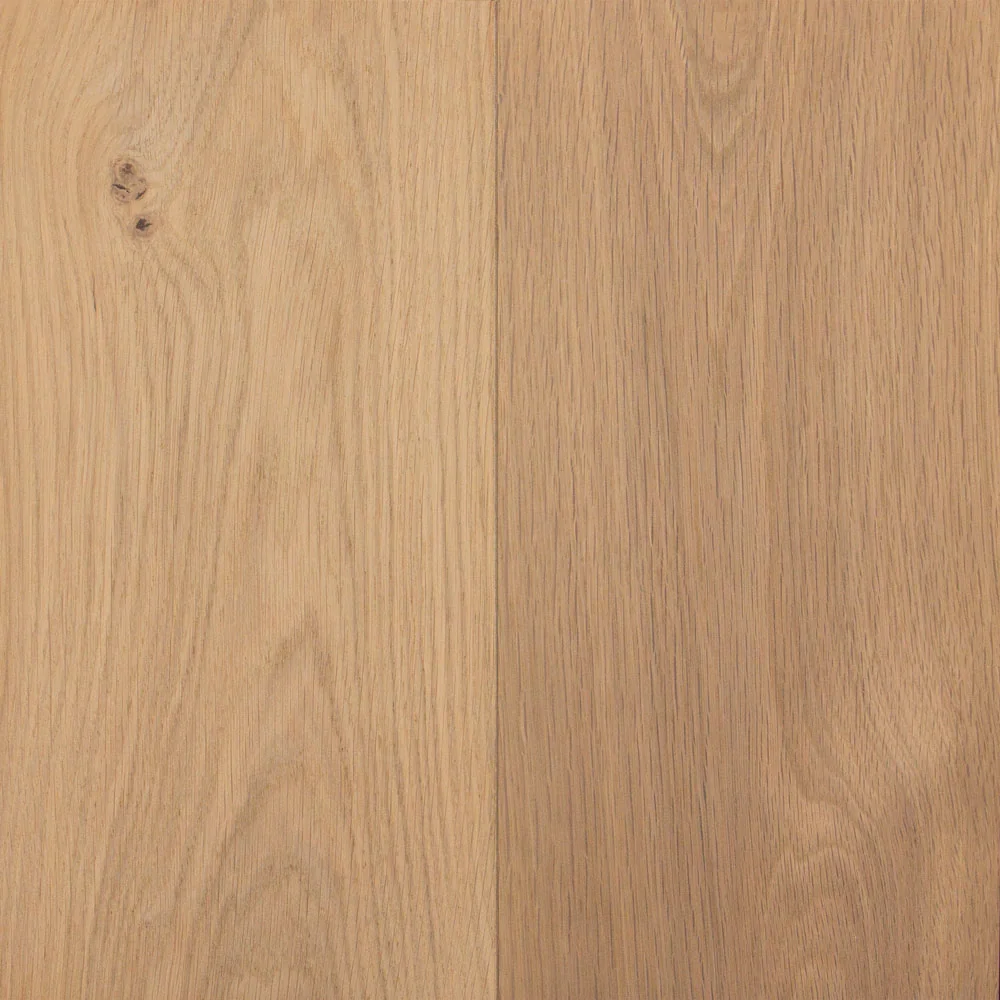
*Das Holzmuster ist auf Eiche abgebildet

Natur
Weiß

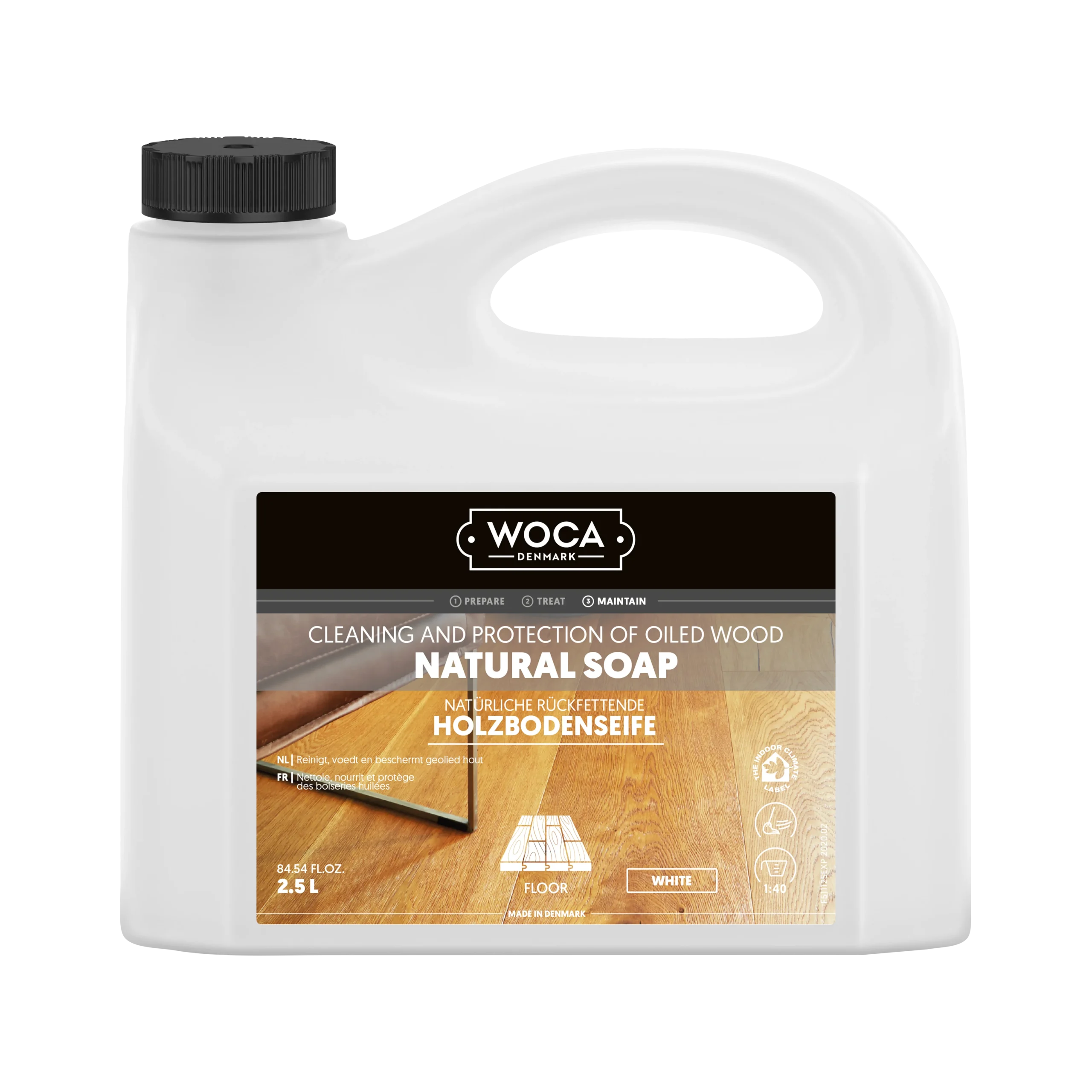
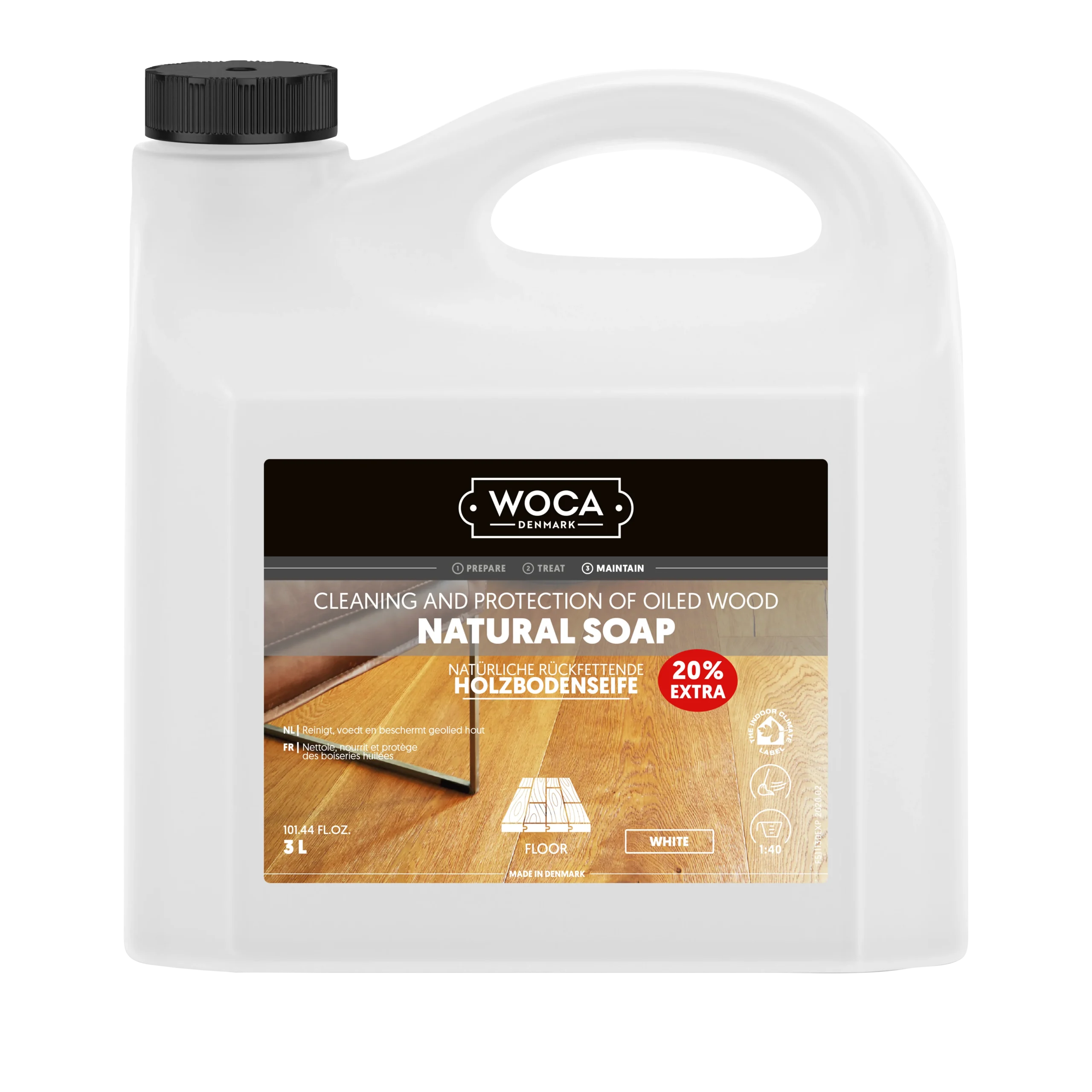
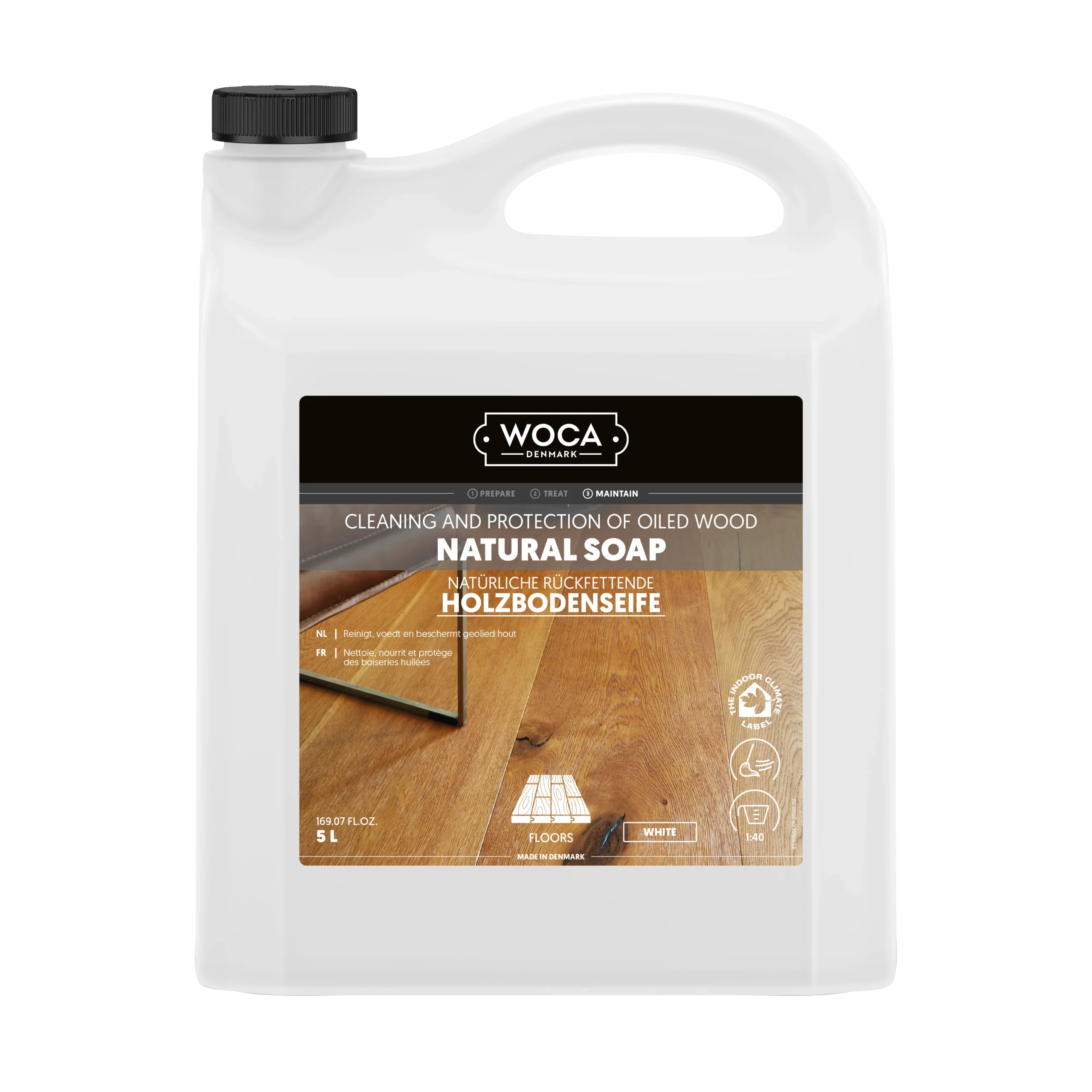
Verpackung

Zertifizierungen

Bio-Based
EN 71-3
European standard ensuring that materials do not release toxic substances in amounts harmful to children. Particularly relevant for materials such as toys, kitchen utensils, worktops and furniture.
Danish Indoor Climate Labelling
Danish Interior Climate Labelling is a voluntary labelling system for products and materials which can document the effect of degassing. Indoor climate labelled materials are a natural component in sustainable construction, where a good indoor air quality contributes to social sustainability.
Bio-Based
EN 71-3
European standard ensuring that materials do not release toxic substances in amounts harmful to children. Particularly relevant for materials such as toys, kitchen utensils, worktops and furniture.
Danish Indoor Climate Labelling
Danish Interior Climate Labelling is a voluntary labelling system for products and materials which can document the effect of degassing. Indoor climate labelled materials are a natural component in sustainable construction, where a good indoor air quality contributes to social sustainability.
Bio-Based
EN 71-3
European standard ensuring that materials do not release toxic substances in amounts harmful to children. Particularly relevant for materials such as toys, kitchen utensils, worktops and furniture.
Danish Indoor Climate Labelling
Danish Interior Climate Labelling is a voluntary labelling system for products and materials which can document the effect of degassing. Indoor climate labelled materials are a natural component in sustainable construction, where a good indoor air quality contributes to social sustainability.
Bio-Based
EN 71-3
European standard ensuring that materials do not release toxic substances in amounts harmful to children. Particularly relevant for materials such as toys, kitchen utensils, worktops and furniture.
Danish Indoor Climate Labelling
Danish Interior Climate Labelling is a voluntary labelling system for products and materials which can document the effect of degassing. Indoor climate labelled materials are a natural component in sustainable construction, where a good indoor air quality contributes to social sustainability.
Bio-Based
EN 71-3
European standard ensuring that materials do not release toxic substances in amounts harmful to children. Particularly relevant for materials such as toys, kitchen utensils, worktops and furniture.
Danish Indoor Climate Labelling
Danish Interior Climate Labelling is a voluntary labelling system for products and materials which can document the effect of degassing. Indoor climate labelled materials are a natural component in sustainable construction, where a good indoor air quality contributes to social sustainability.
Bio-Based
EN 71-3
European standard ensuring that materials do not release toxic substances in amounts harmful to children. Particularly relevant for materials such as toys, kitchen utensils, worktops and furniture.
Danish Indoor Climate Labelling
Danish Interior Climate Labelling is a voluntary labelling system for products and materials which can document the effect of degassing. Indoor climate labelled materials are a natural component in sustainable construction, where a good indoor air quality contributes to social sustainability.
Bio-Based
EN 71-3
European standard ensuring that materials do not release toxic substances in amounts harmful to children. Particularly relevant for materials such as toys, kitchen utensils, worktops and furniture.
Danish Indoor Climate Labelling
Danish Interior Climate Labelling is a voluntary labelling system for products and materials which can document the effect of degassing. Indoor climate labelled materials are a natural component in sustainable construction, where a good indoor air quality contributes to social sustainability.
Bio-Based
EN 71-3
European standard ensuring that materials do not release toxic substances in amounts harmful to children. Particularly relevant for materials such as toys, kitchen utensils, worktops and furniture.
Danish Indoor Climate Labelling
Danish Interior Climate Labelling is a voluntary labelling system for products and materials which can document the effect of degassing. Indoor climate labelled materials are a natural component in sustainable construction, where a good indoor air quality contributes to social sustainability.
Bio-Based
EN 71-3
European standard ensuring that materials do not release toxic substances in amounts harmful to children. Particularly relevant for materials such as toys, kitchen utensils, worktops and furniture.
Danish Indoor Climate Labelling
Danish Interior Climate Labelling is a voluntary labelling system for products and materials which can document the effect of degassing. Indoor climate labelled materials are a natural component in sustainable construction, where a good indoor air quality contributes to social sustainability.
Bio-Based
EN 71-3
European standard ensuring that materials do not release toxic substances in amounts harmful to children. Particularly relevant for materials such as toys, kitchen utensils, worktops and furniture.
Danish Indoor Climate Labelling
Danish Interior Climate Labelling is a voluntary labelling system for products and materials which can document the effect of degassing. Indoor climate labelled materials are a natural component in sustainable construction, where a good indoor air quality contributes to social sustainability.
Bio-Based
EN 71-3
European standard ensuring that materials do not release toxic substances in amounts harmful to children. Particularly relevant for materials such as toys, kitchen utensils, worktops and furniture.
Danish Indoor Climate Labelling
Danish Interior Climate Labelling is a voluntary labelling system for products and materials which can document the effect of degassing. Indoor climate labelled materials are a natural component in sustainable construction, where a good indoor air quality contributes to social sustainability.
Bio-Based
EN 71-3
European standard ensuring that materials do not release toxic substances in amounts harmful to children. Particularly relevant for materials such as toys, kitchen utensils, worktops and furniture.
Danish Indoor Climate Labelling
Danish Interior Climate Labelling is a voluntary labelling system for products and materials which can document the effect of degassing. Indoor climate labelled materials are a natural component in sustainable construction, where a good indoor air quality contributes to social sustainability.
Bio-Based
EN 71-3
European standard ensuring that materials do not release toxic substances in amounts harmful to children. Particularly relevant for materials such as toys, kitchen utensils, worktops and furniture.
Danish Indoor Climate Labelling
Danish Interior Climate Labelling is a voluntary labelling system for products and materials which can document the effect of degassing. Indoor climate labelled materials are a natural component in sustainable construction, where a good indoor air quality contributes to social sustainability.
Produktdetails

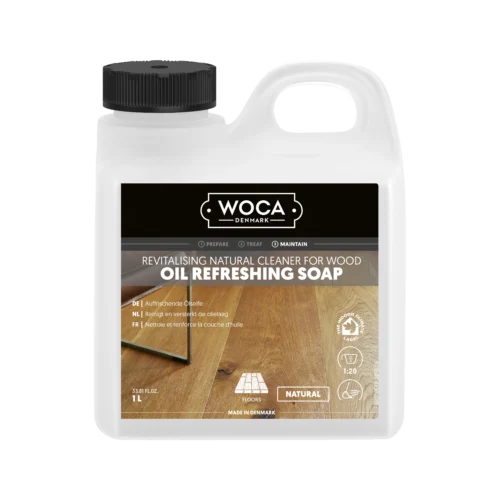
Öl-, wachs- und seifenbehandelte Holzoberflächen mit Natural Soap reinigen. Diese milde Seife dringt in das Holz ein, entfernt Schmutz und schützt gegen Austrocknen und Risse. Sie hinterlässt einen mikroskopischen, atmungsfähigen Seifenfilm auf der Oberfläche, der die Widerstandsfähigkeit erhöht und das Sauberhalten der Oberfläche erleichtert. Natural Soap trägt die dänische Raumklimaauszeichnung und enthält weder Parfüm noch Konservierungsmittel.

Deklaration:
>15% ≤30%: anionische tenside.
pH-Wert:
pH 9-10
Haltbarkeit:
3 Jahre
Verarbeitungstemperatur:
+15-30°C bei ugf. 50% Luftfeuchte.
Ergiebigkeit:
320-400 m²/L
Colour product:
Grau
Deklaration:
>15% ≤30%: anionische tenside.
pH-Wert:
pH 9-10
Haltbarkeit:
3 Jahre
Verarbeitungstemperatur:
+15-30°C bei ugf. 50% Luftfeuchte.
Ergiebigkeit:
320-400 m²/L
Colour product:
Grau
Deklaration:
>15% ≤30%: anionische tenside.
pH-Wert:
pH 9-10
Haltbarkeit:
3 Jahre
Verarbeitungstemperatur:
+15-30°C bei ugf. 50% Luftfeuchte.
Ergiebigkeit:
320-400 m²/L
Colour product:
Schwarz
Deklaration:
>15% ≤30%: anionische tenside.
pH-Wert:
pH 9-10
Haltbarkeit:
3 Jahre
Verarbeitungstemperatur:
+15-30°C bei ugf. 50% Luftfeuchte.
Ergiebigkeit:
320-400 m²/L
Colour product:
Extra Weiß
Deklaration:
>15% ≤30%: anionische tenside.
pH-Wert:
pH 9-10
Haltbarkeit:
3 Jahre
Verarbeitungstemperatur:
+15-30°C bei ugf. 50% Luftfeuchte.
Ergiebigkeit:
320-400 m²/L
Colour product:
Braun
Deklaration:
>15% ≤30%: anionische tenside.
pH-Wert:
pH 9-10
Haltbarkeit:
3 Jahre
Verarbeitungstemperatur:
+15-30°C bei ugf. 50% Luftfeuchte.
Ergiebigkeit:
320-400 m²/L
Colour product:
Natur
Verpackungsgrößen:
1 L – 2,5 L – 5 L
Deklaration:
>15% ≤30%: anionische tenside.
pH-Wert:
pH 9-10
Haltbarkeit:
3 Jahre
Verarbeitungstemperatur:
+15-30°C bei ugf. 50% Luftfeuchte.
Ergiebigkeit:
320-400 m²/L
Colour product:
Natur
Deklaration:
>15% ≤30%: anionische tenside.
pH-Wert:
pH 9-10
Haltbarkeit:
3 Jahre
Verarbeitungstemperatur:
+15-30°C bei ugf. 50% Luftfeuchte.
Ergiebigkeit:
320-400 m²/L
Colour product:
Natur
Verpackungsgrößen:
1 L – 2,5 L – 5 L
Deklaration:
>15% ≤30%: anionische tenside.
pH-Wert:
pH 9-10
Haltbarkeit:
3 Jahre
Verarbeitungstemperatur:
+15-30°C bei ugf. 50% Luftfeuchte.
Ergiebigkeit:
320-400 m²/L
Colour product:
Natur
Deklaration:
>15% ≤30%: anionische tenside.
pH-Wert:
pH 9-10
Haltbarkeit:
3 Jahre
Verarbeitungstemperatur:
+15-30°C bei ugf. 50% Luftfeuchte.
Ergiebigkeit:
320-400 m²/L
Colour product:
Natur
Verpackungsgrößen:
1 L – 2,5 L – 5 L
Deklaration:
>15% ≤30%: anionische tenside.
pH-Wert:
pH 9-10
Haltbarkeit:
3 Jahre
Verarbeitungstemperatur:
+15-30°C bei ugf. 50% Luftfeuchte.
Ergiebigkeit:
320-400 m²/L
Colour product:
Weiß
Verpackungsgrößen:
1 L – 2,5 L – 5 L
Deklaration:
>15% ≤30%: anionische tenside.
pH-Wert:
pH 9-10
Haltbarkeit:
3 Jahre
Verarbeitungstemperatur:
+15-30°C bei ugf. 50% Luftfeuchte.
Ergiebigkeit:
320-400 m²/L
Colour product:
Weiß
Deklaration:
>15% ≤30%: anionische tenside.
pH-Wert:
pH 9-10
Haltbarkeit:
3 Jahre
Verarbeitungstemperatur:
+15-30°C bei ugf. 50% Luftfeuchte.
Ergiebigkeit:
320-400 m²/L
Colour product:
Weiß
Verpackungsgrößen:
1 L – 2,5 L – 5 L
Deklaration:
>15% ≤30%: anionische tenside.
pH-Wert:
pH 9-10
Haltbarkeit:
3 Jahre
Verarbeitungstemperatur:
+15-30°C bei ugf. 50% Luftfeuchte.
Ergiebigkeit:
320-400 m²/L
Colour product:
Weiß
Deklaration:
>15% ≤30%: anionische tenside.
pH-Wert:
pH 9-10
Haltbarkeit:
3 Jahre
Verarbeitungstemperatur:
+15-30°C bei ugf. 50% Luftfeuchte.
Ergiebigkeit:
320-400 m²/L
Colour product:
Weiß
Verpackungsgrößen:
1 L – 2,5 L – 5 L

Die tägliche Reinigung erfolgt mit Staubsauger oder Besen. Wie oft der Boden feucht gewischt wird, hängt von der Beanspruchung ab. Stark verschmutzte Böden können vor der Anwendung von Natural Soap mit WOCA Intensive Wood Cleaner gereinigt werden.

Wir empfehlen einen Probeanstrich an einer unauffälligen Stelle um das Ergebnis beurteilen zu können.

  • Natural Soap vor Gebrauch gründlich schütteln. Die Pigmente müssen sich gleichmäßig verteilen.
  • 125 ml Natural Soap mit 5 L warmem Wasser mischen.
  • Die Oberfläche mit einem Baumwolltuch trocken reiben.
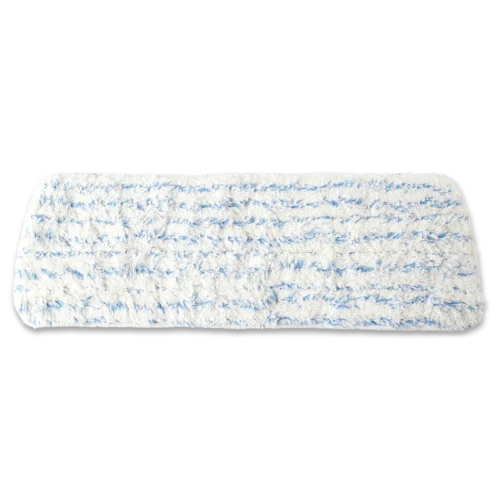
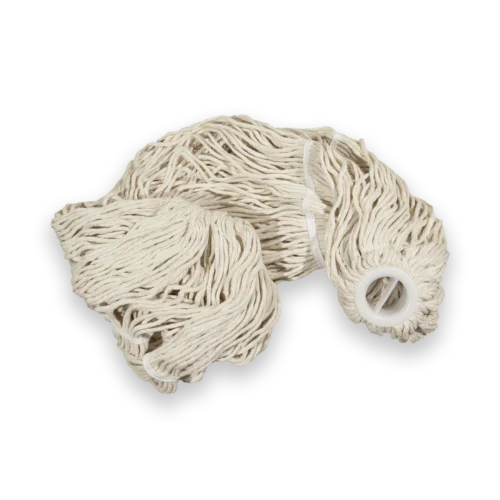
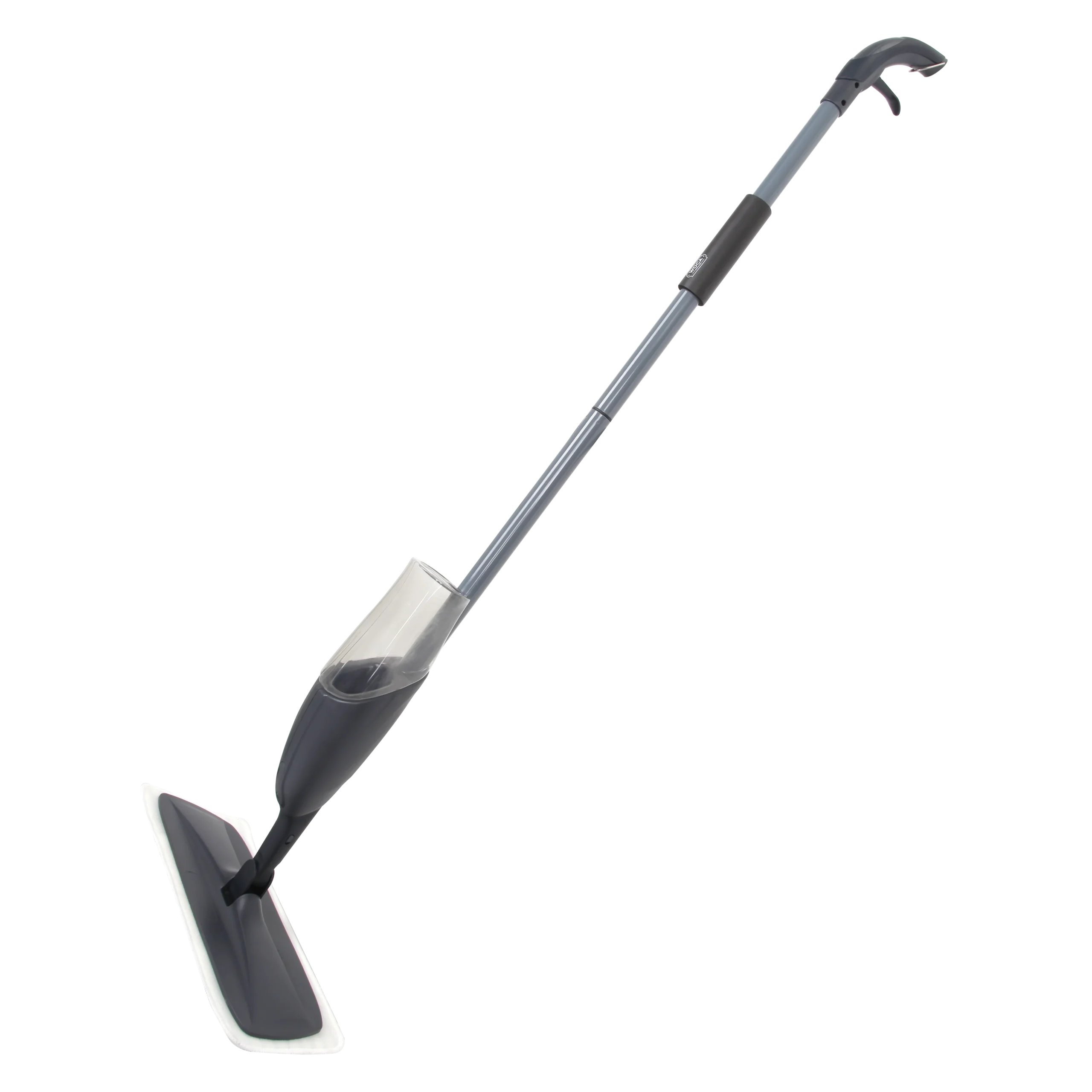
  • Verwenden Sie einen Mopp/Tuch aus Baumwolle – verwenden Sie keine 100 %ige Mikrofaser. Verwenden Sie für beste Ergebnisse zwei Eimer: einen mit Seifenwasser und den Zweiten mit sauberem Wasser, um den schmutzigen Mopp auszuspülen.
    ERROR: ORA-00907: missing right parenthesis