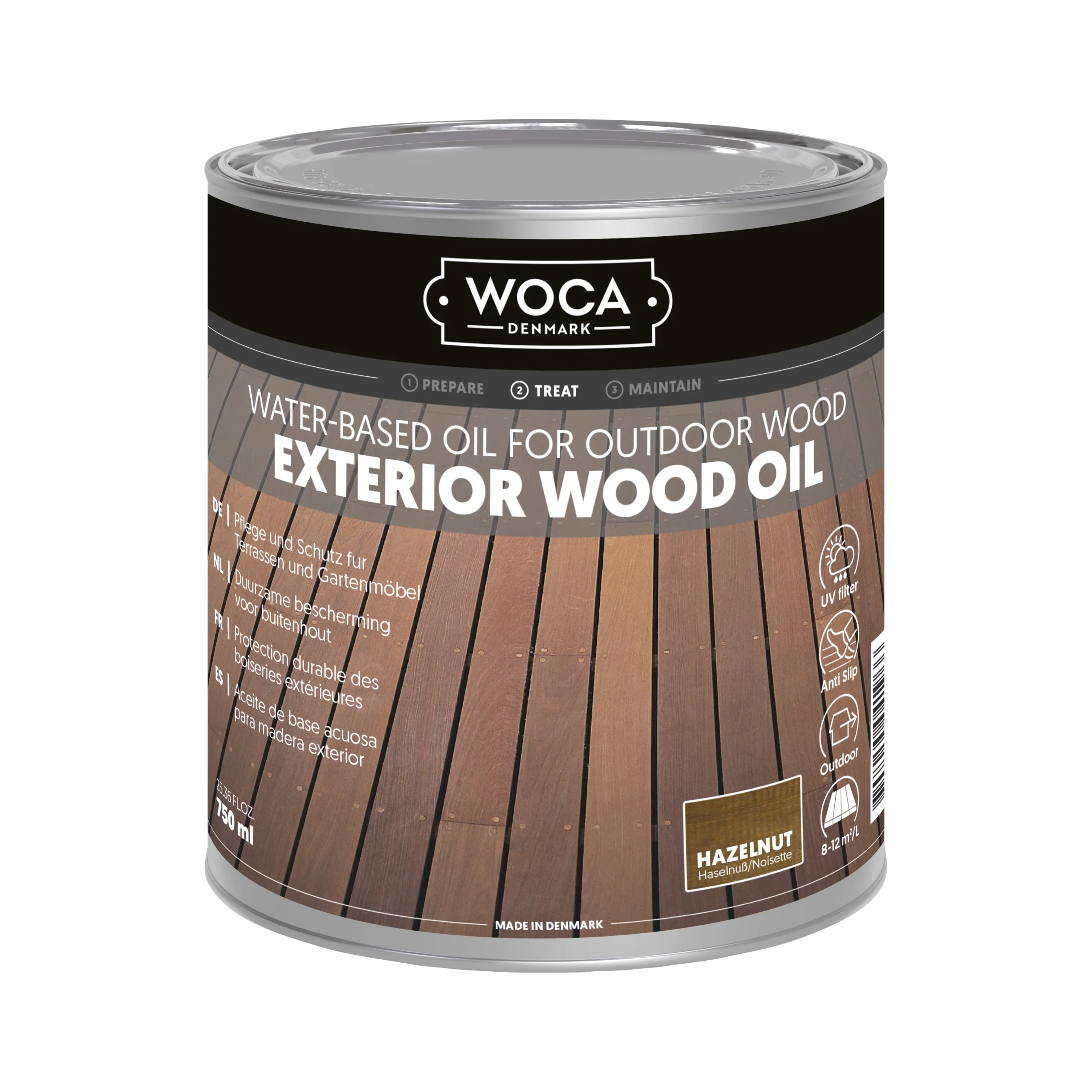



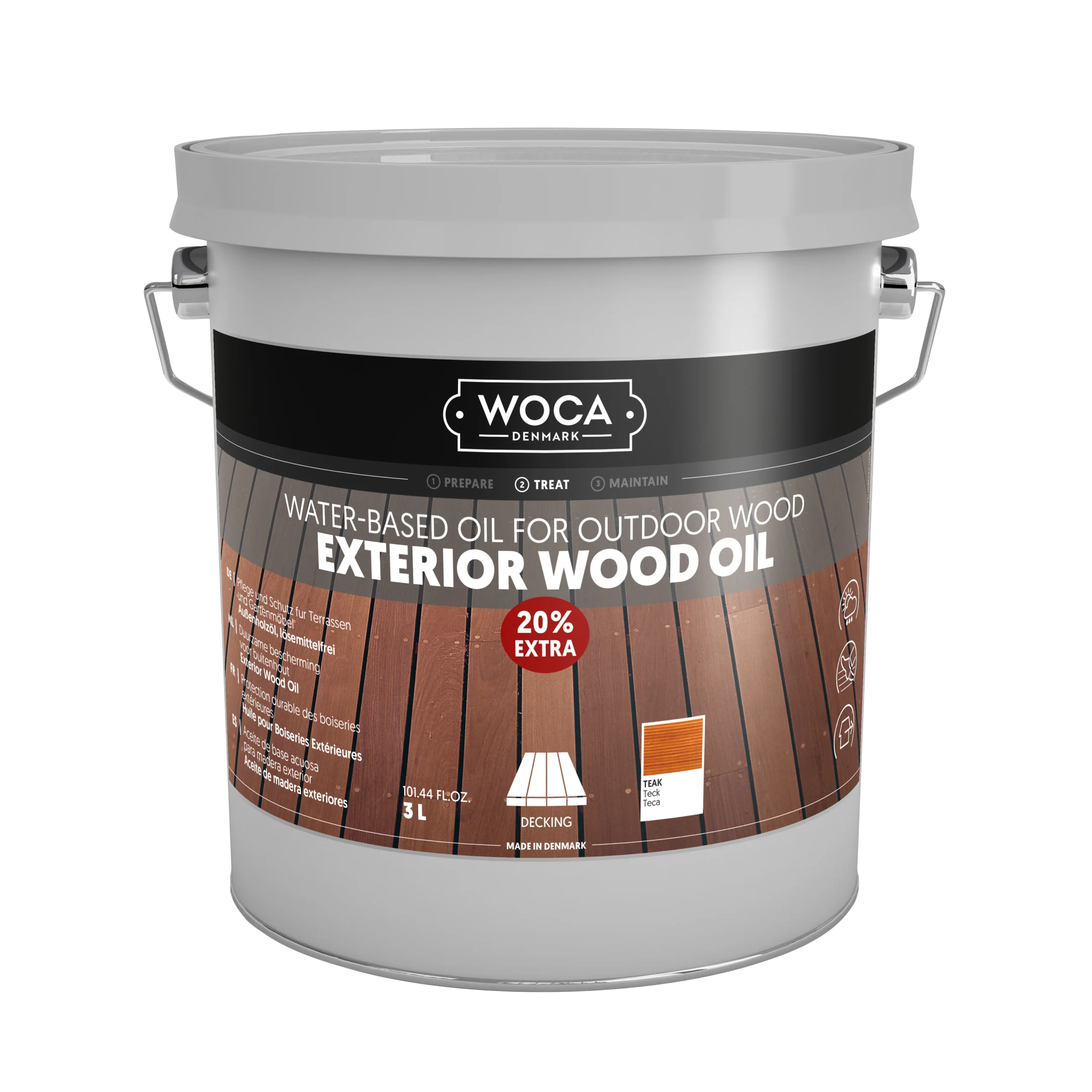
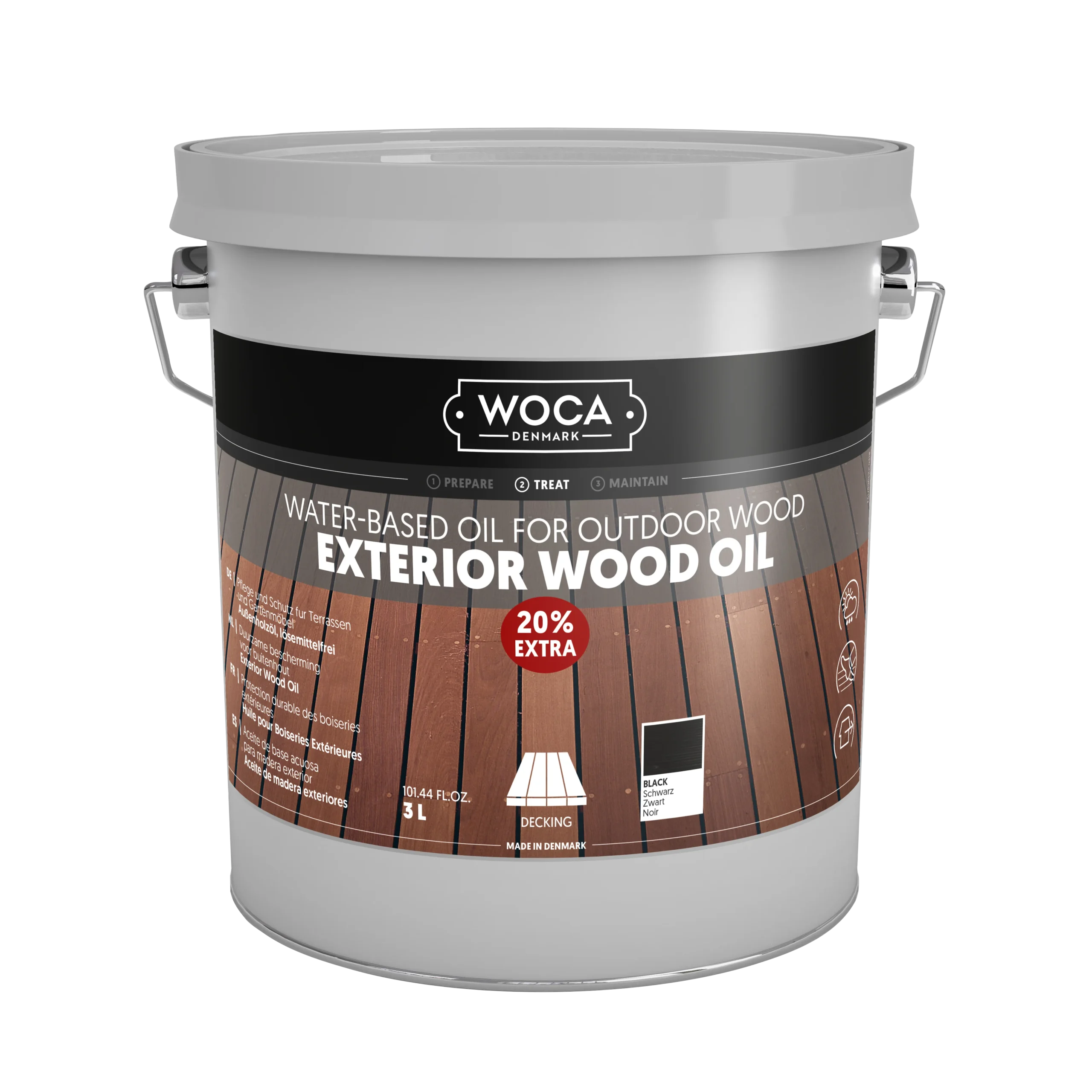
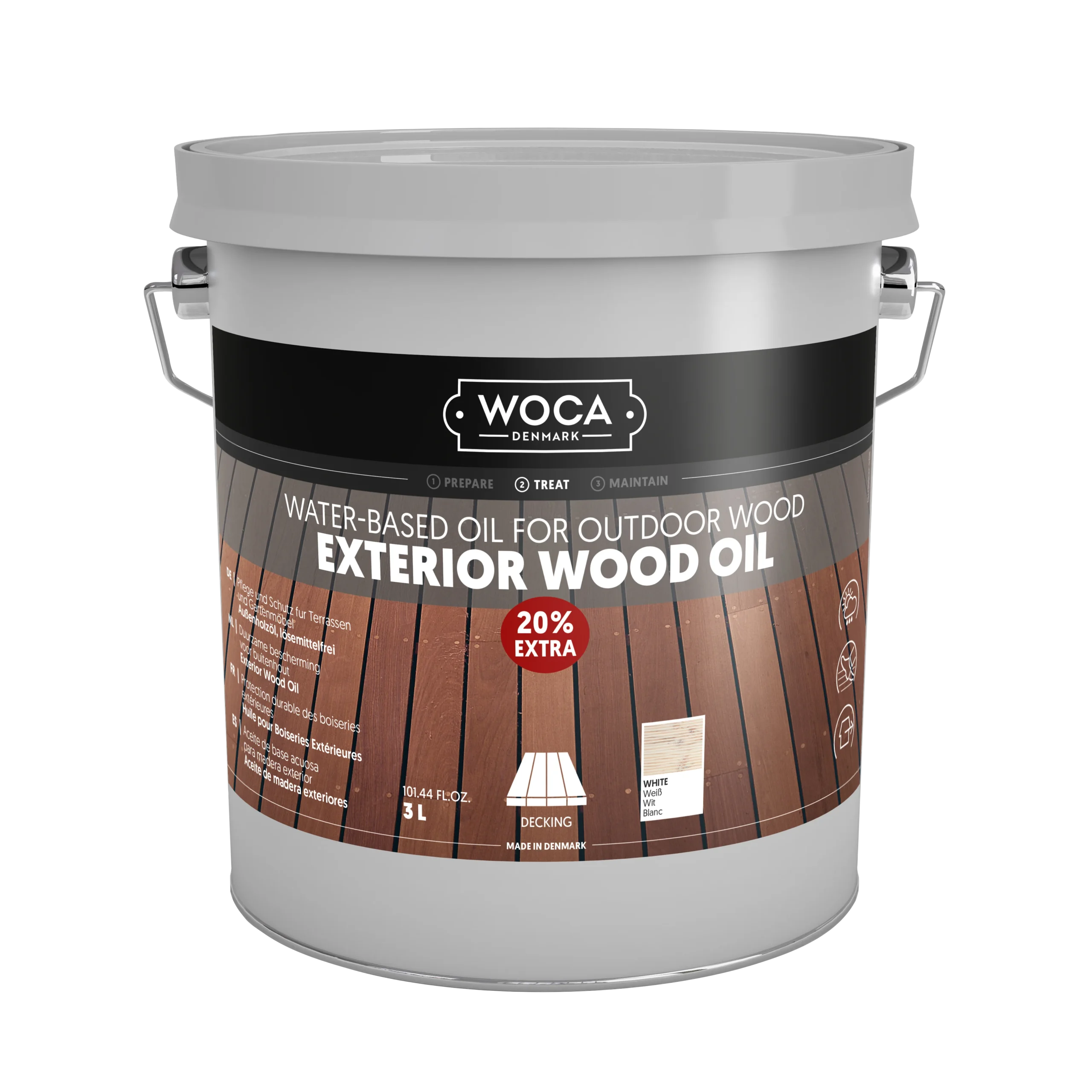
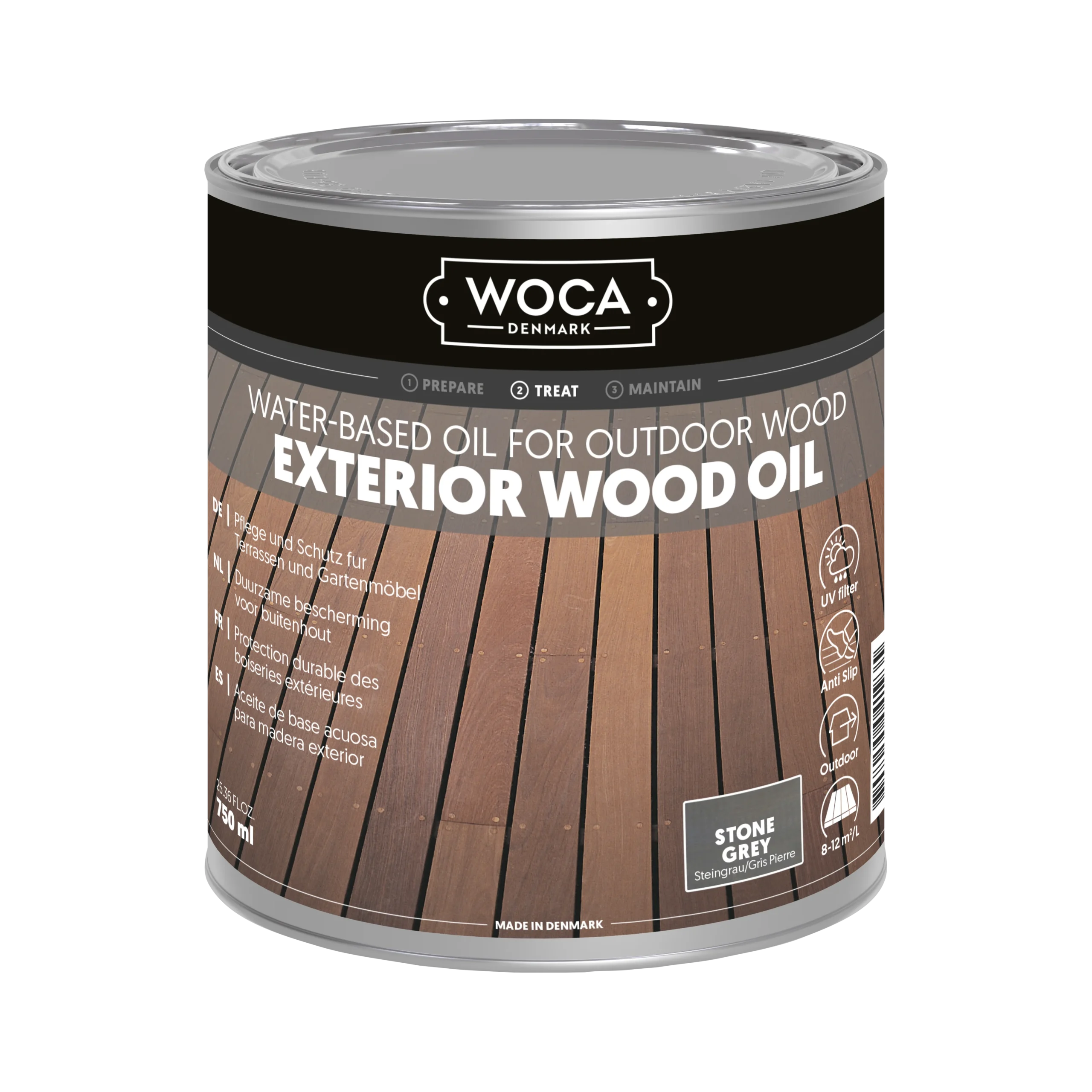
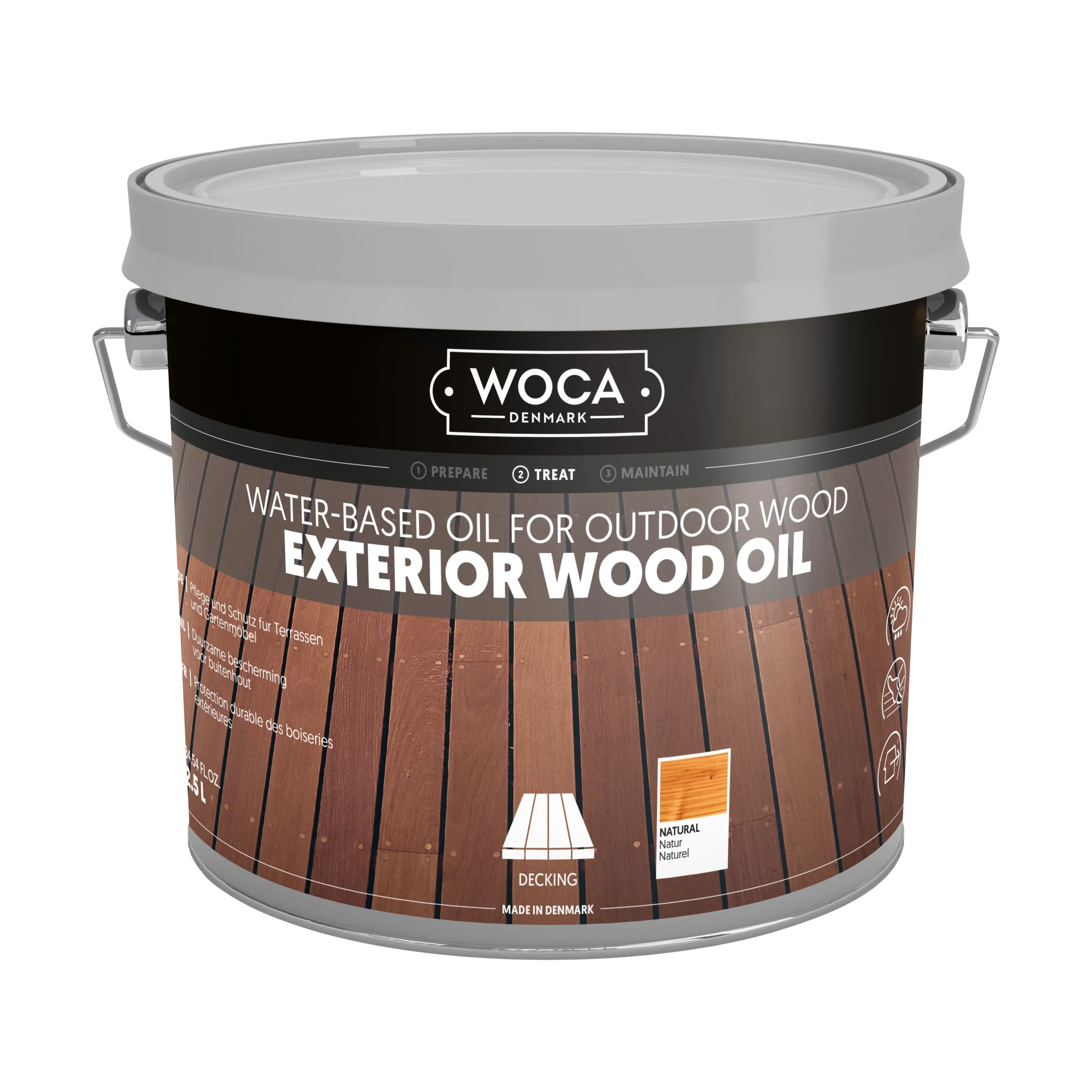
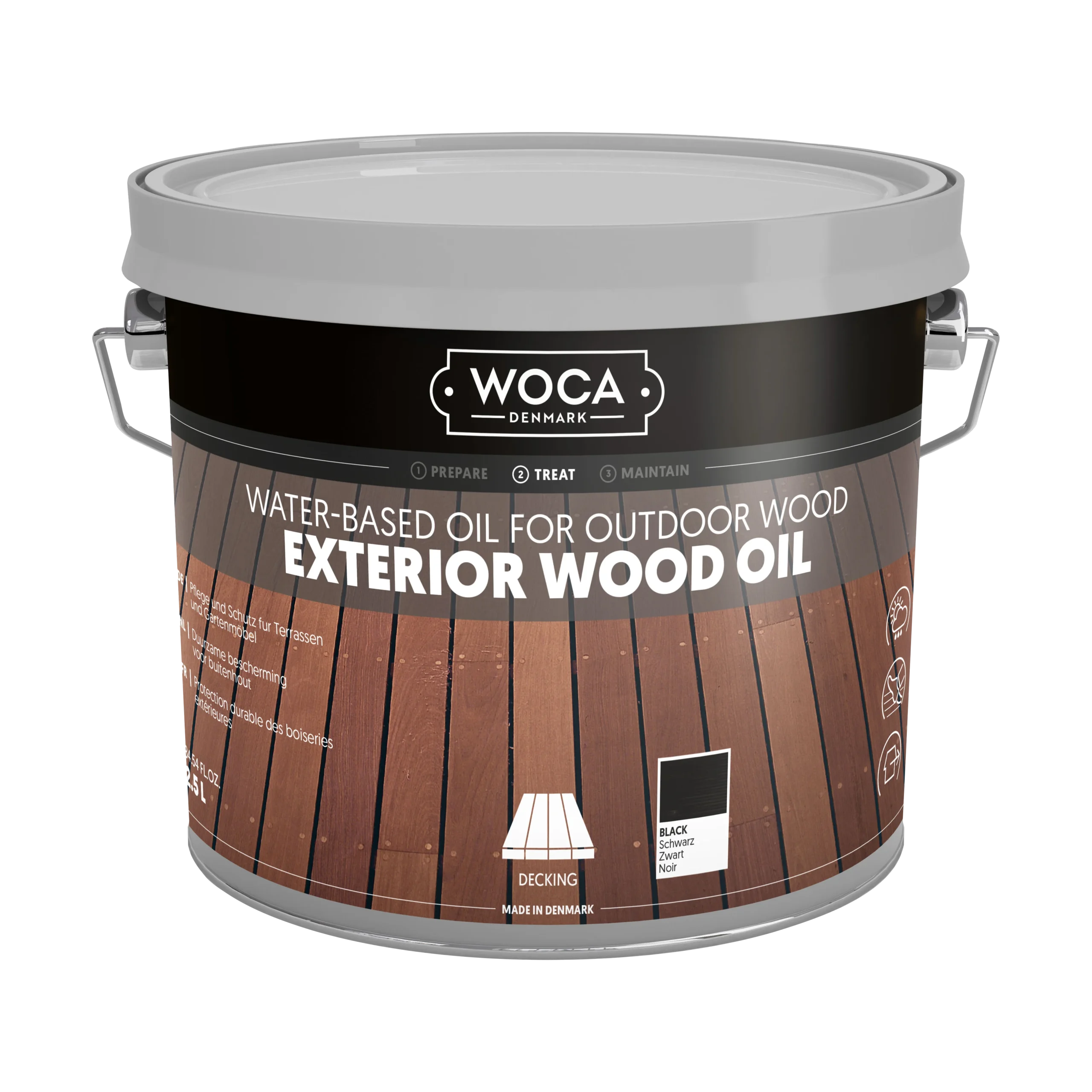
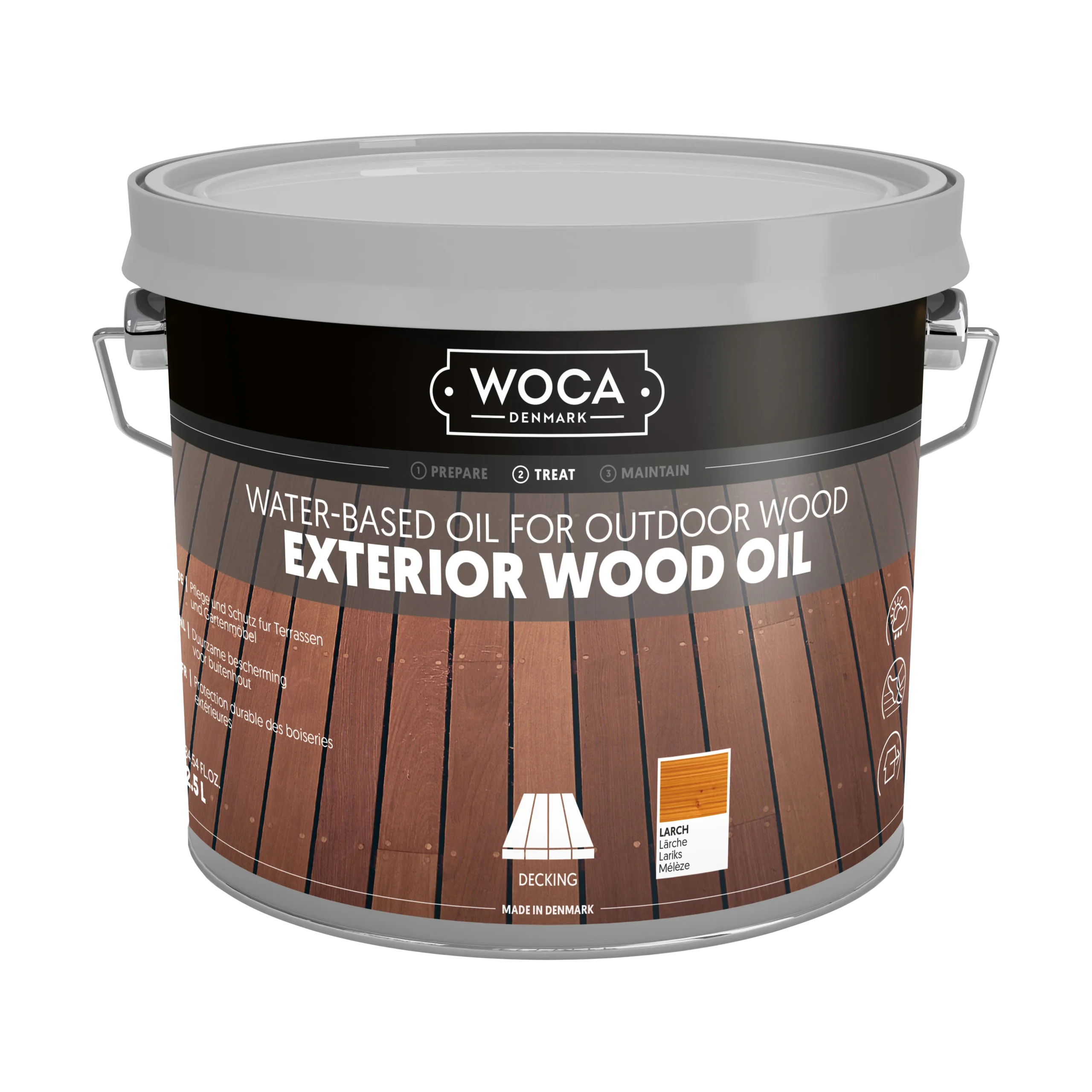
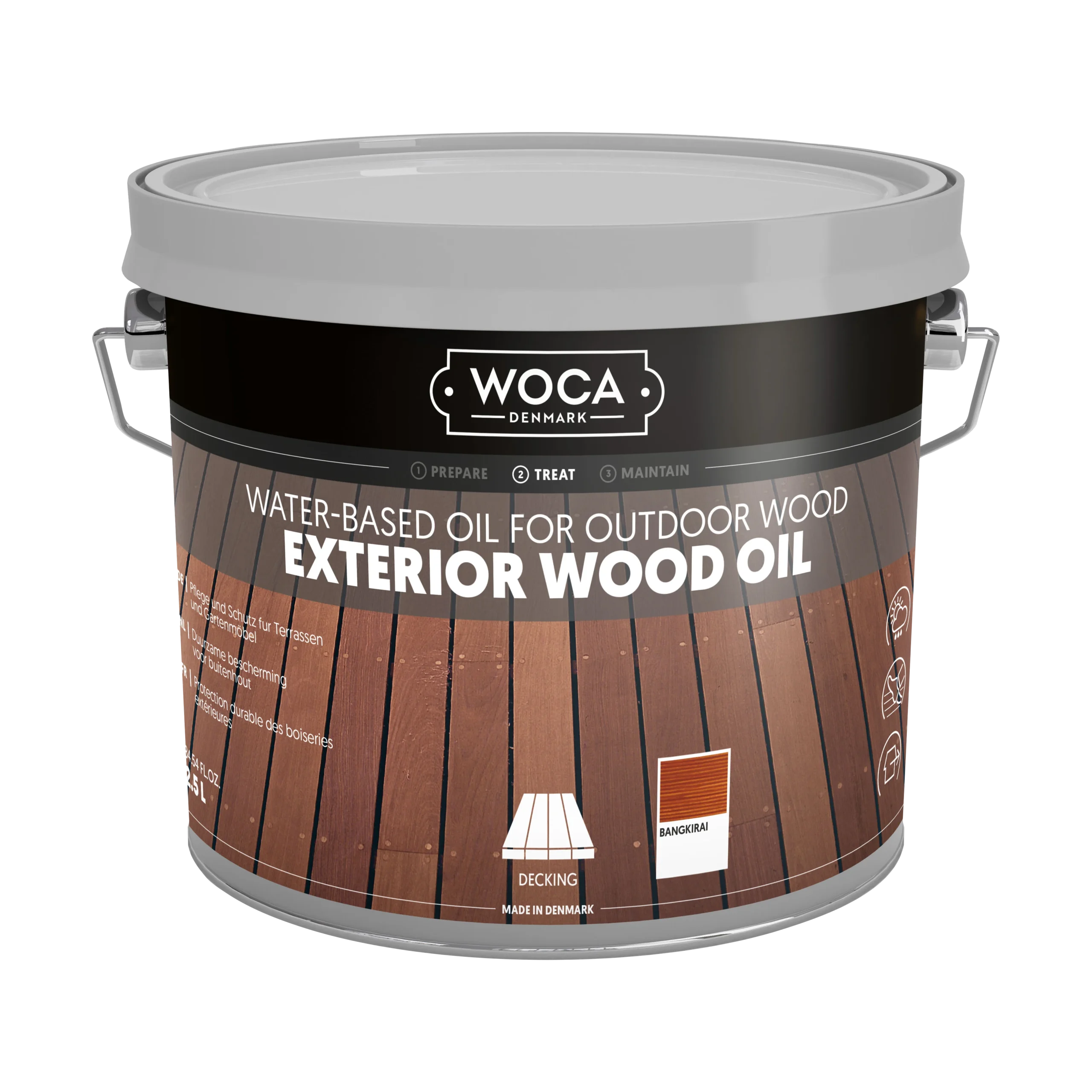

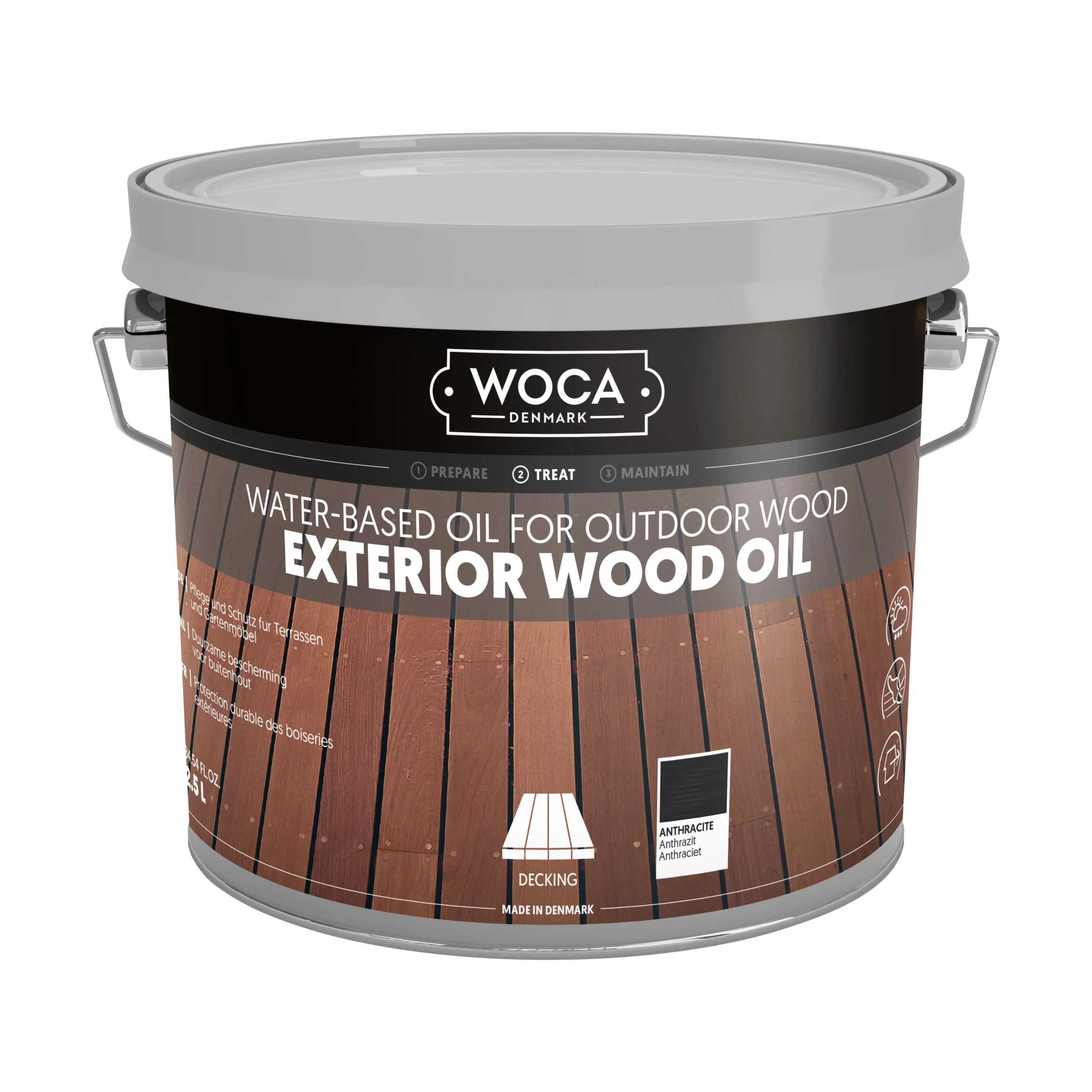
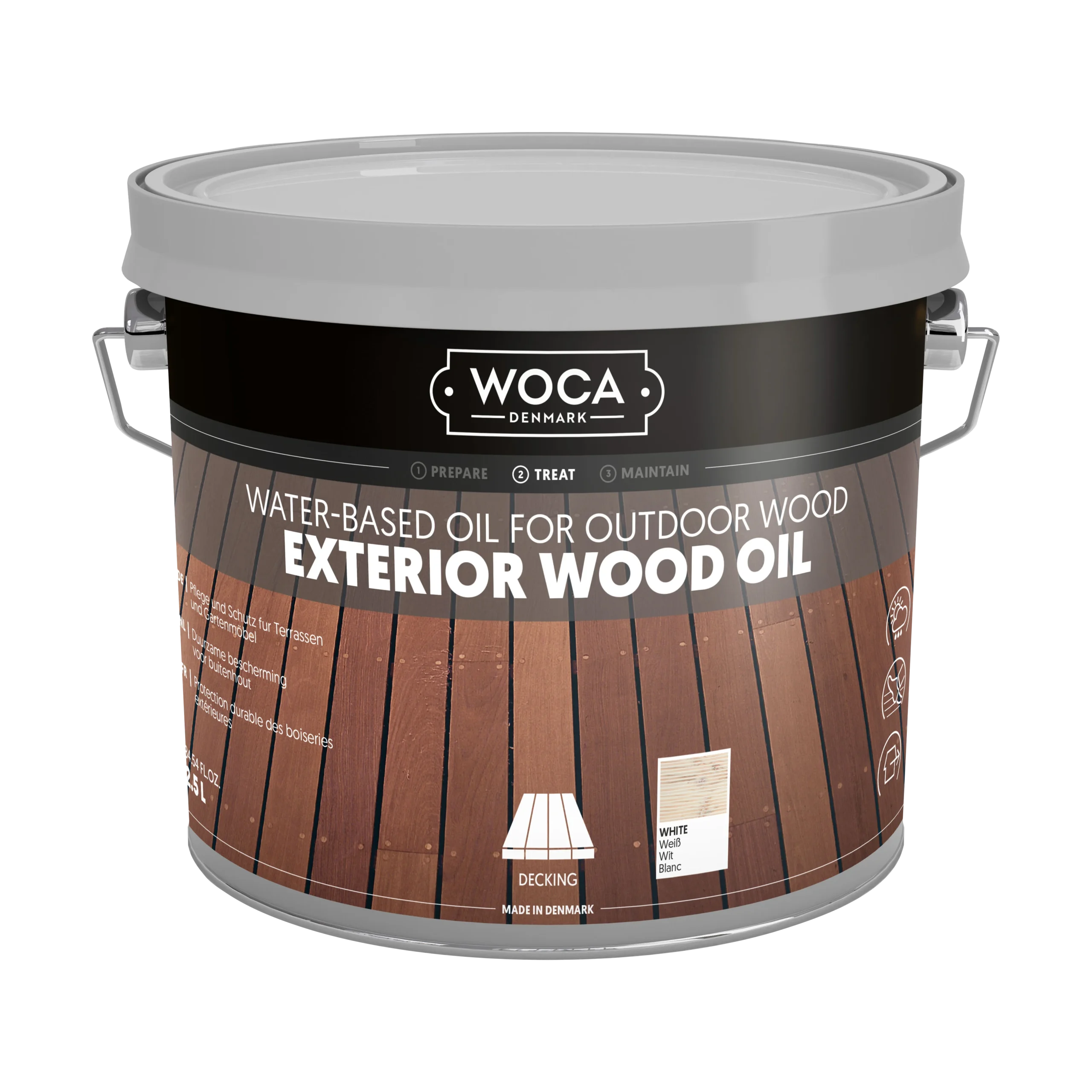
Exterior Wood Oil
Exterior Wood Oil

Exterior Wood Oil

Varenummer: 618410A 618410SA 618425A 617930SA 617931A 617931SA 617932A 617935A 617935SA 617936A 617936SA 617938A 617938SA 617941A 617941SA 617942A 617942SA 617943A 617943SA 617945A 617945SA 617969A 617971A 617981A 617983A 617985A 617986A 617988A 617990A 617991A 617995A 618110A 618110SA 618125A 618210A 618210SA 618225A 618310A 618310SA 618325A 617951A 617950A 617955A 617956A 617957A 617958A 617961A 617962A 617963A 617965A

Vandbaseret olie til udendørs træ

  • Giver en stærk vand- og smudsafvisende overflade
  • Fremhæver træets naturlige farve og struktur
  • Alle varianter har UV-beskyttelse
  • Tykt flydende – drypper ikke – let at anvende
  • Olien giver en åben og åndbar overflade
  • Hurtigtørrende

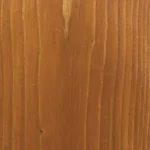
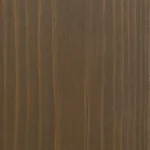
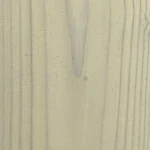
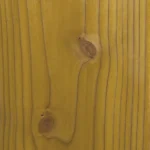
Farver

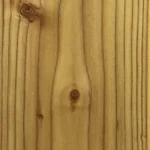
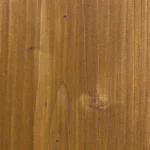
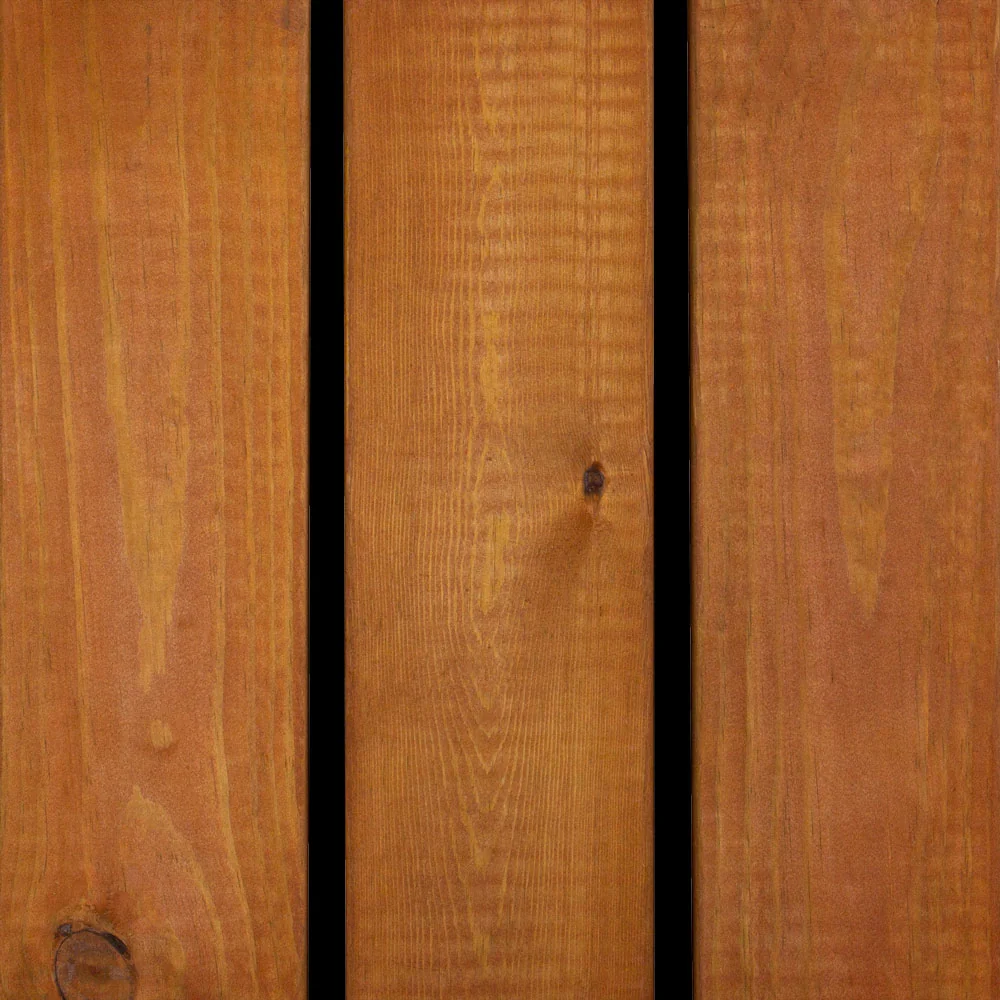
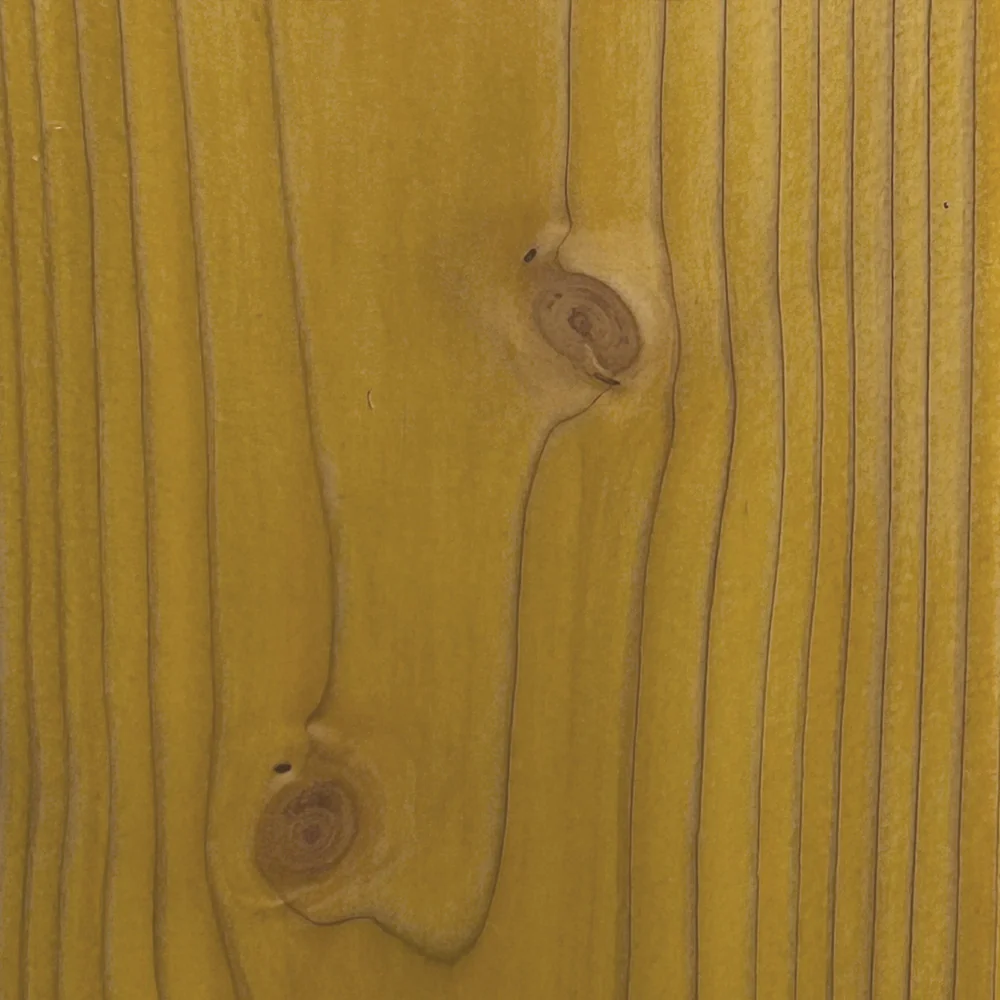
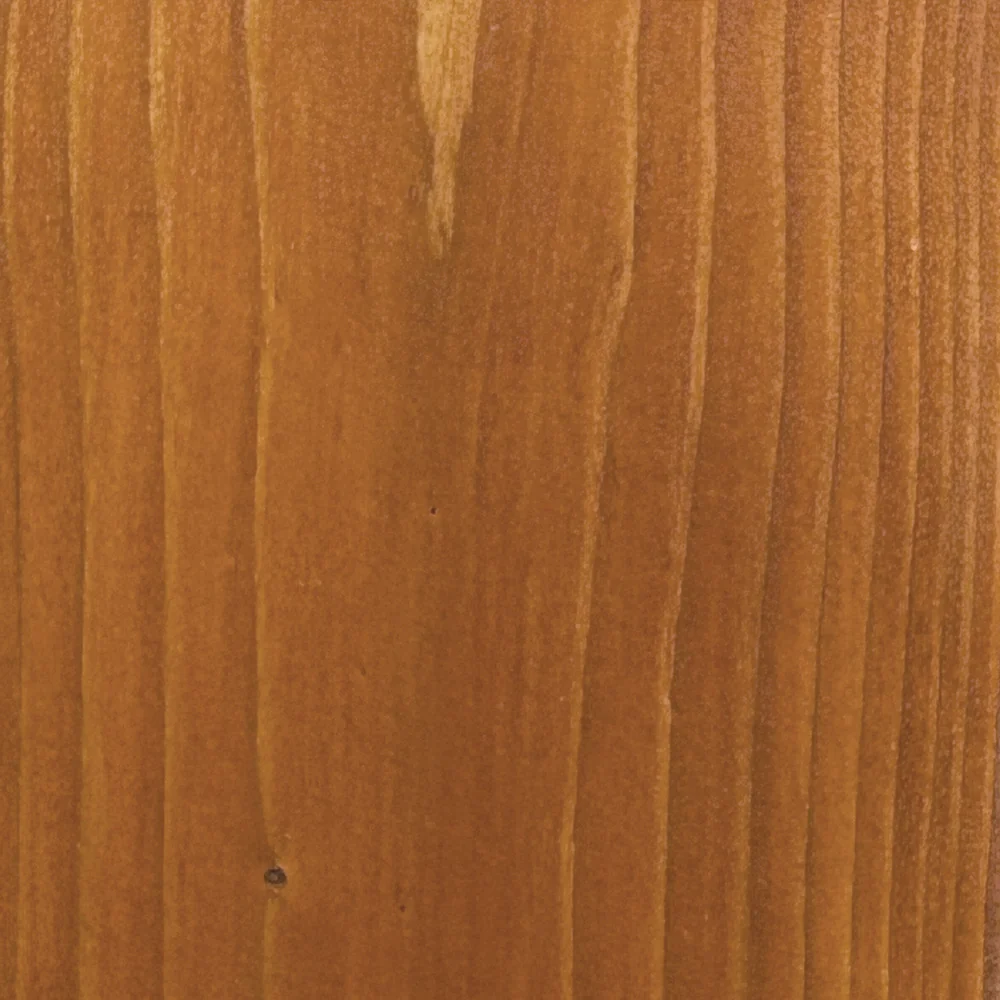
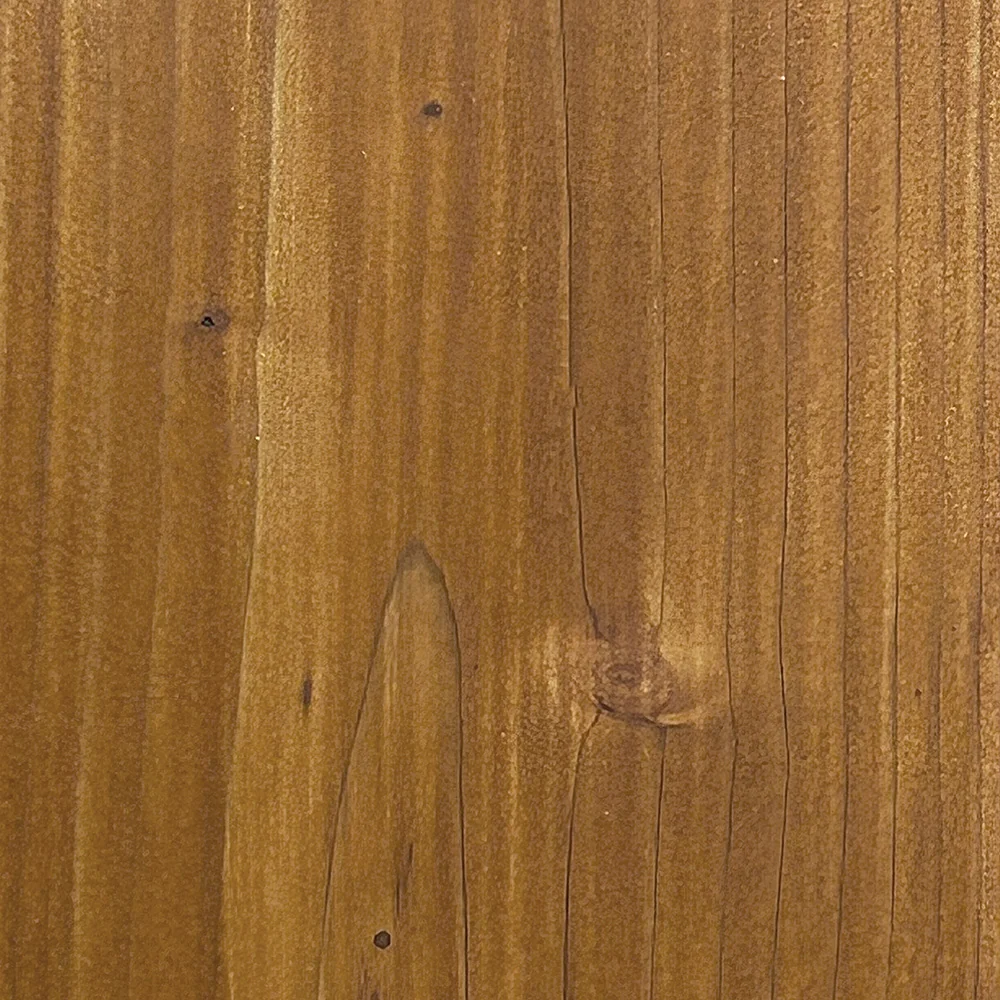
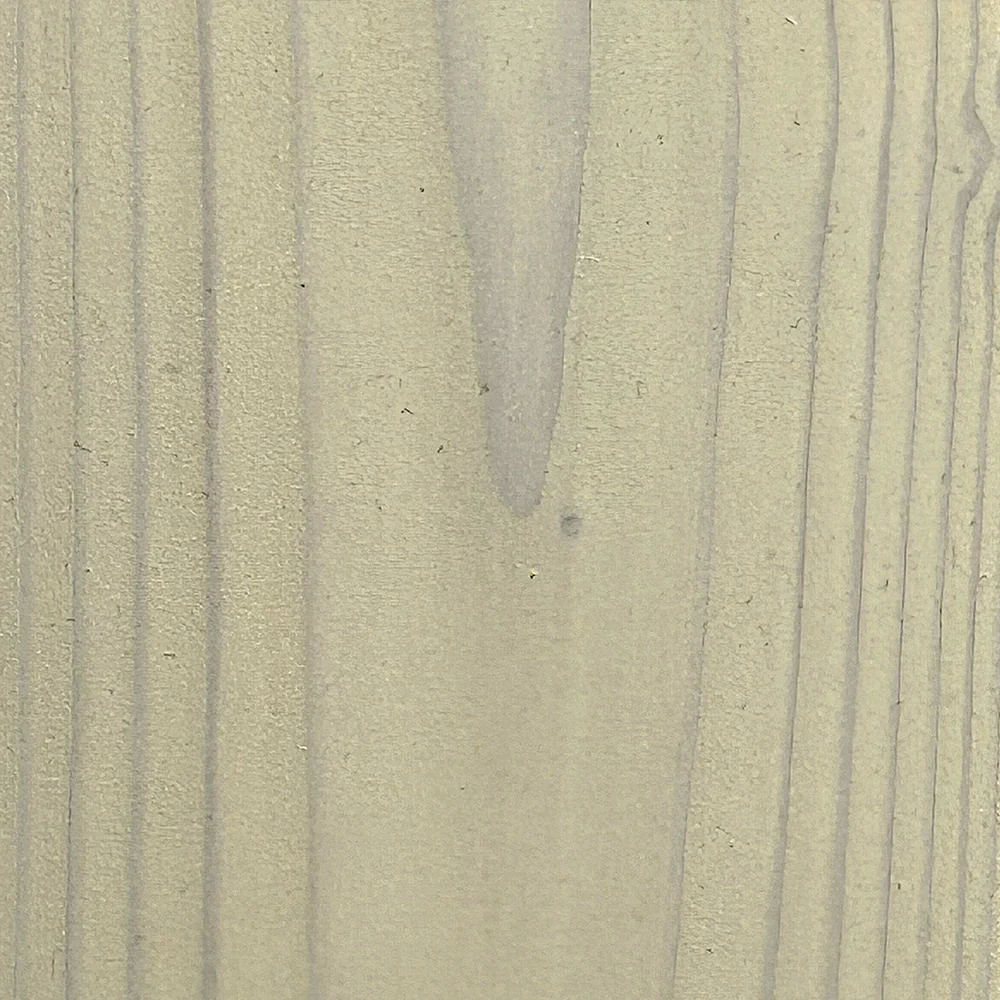
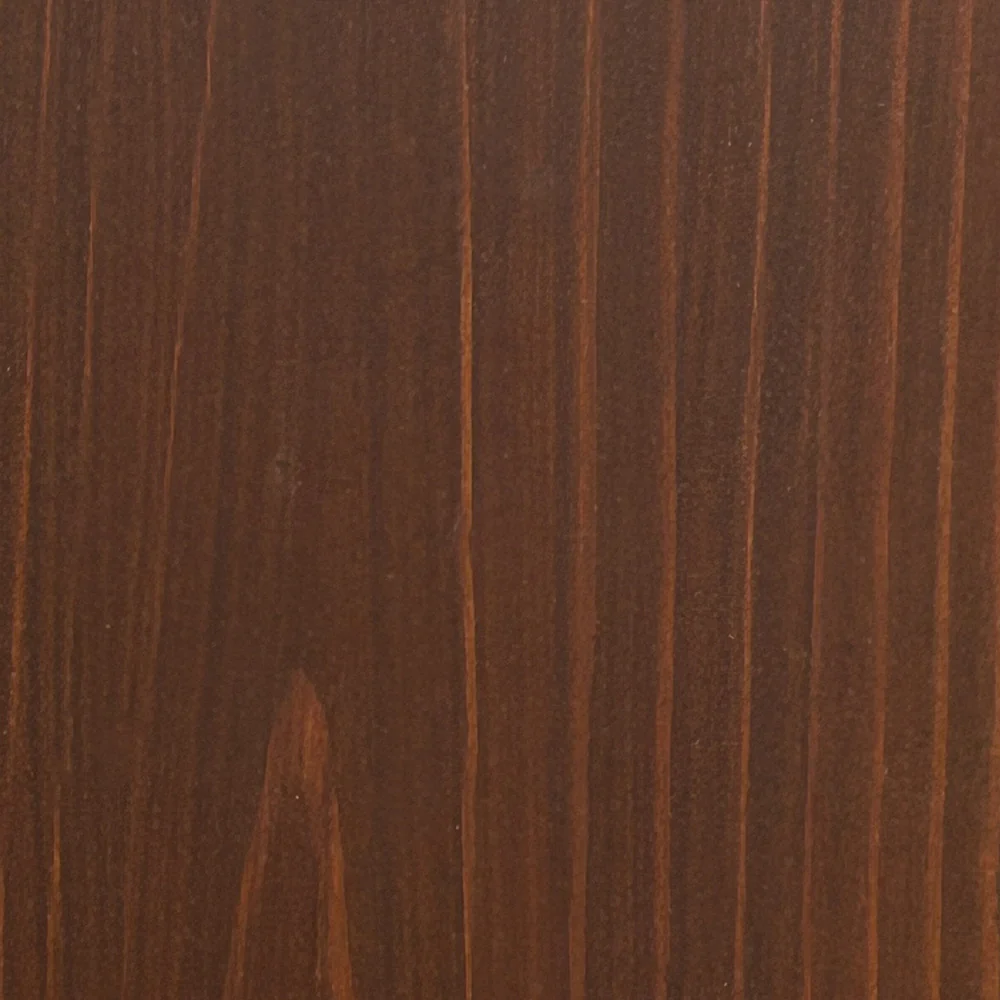
*Træprøven er vist på trykimprægneret fyr

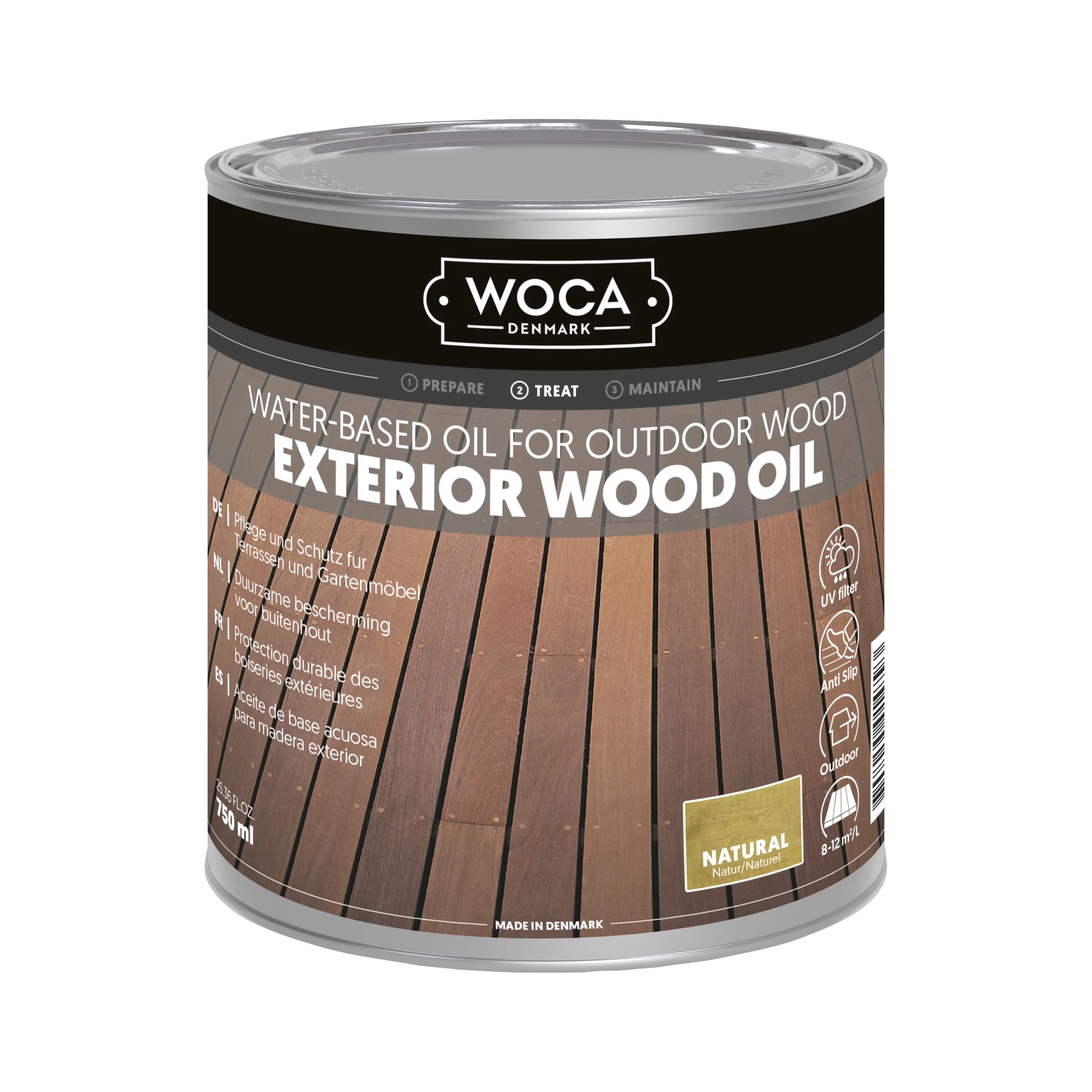
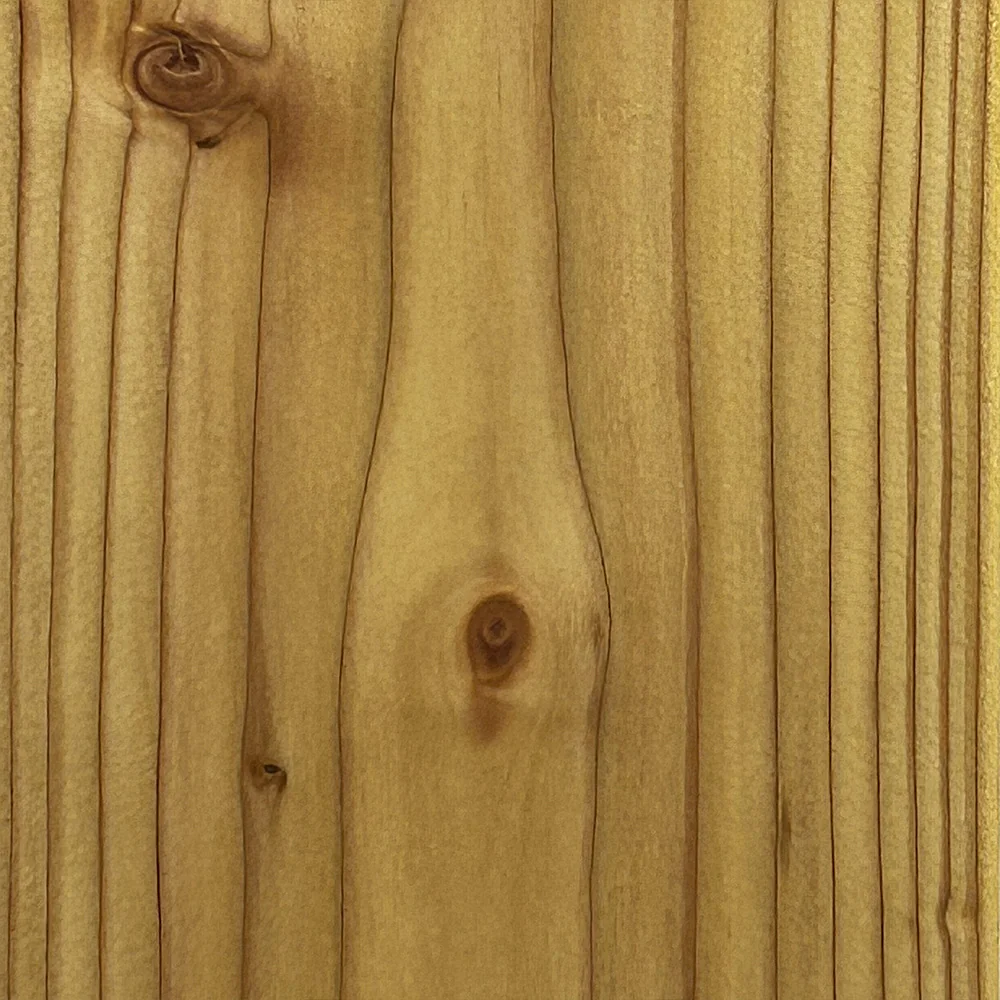
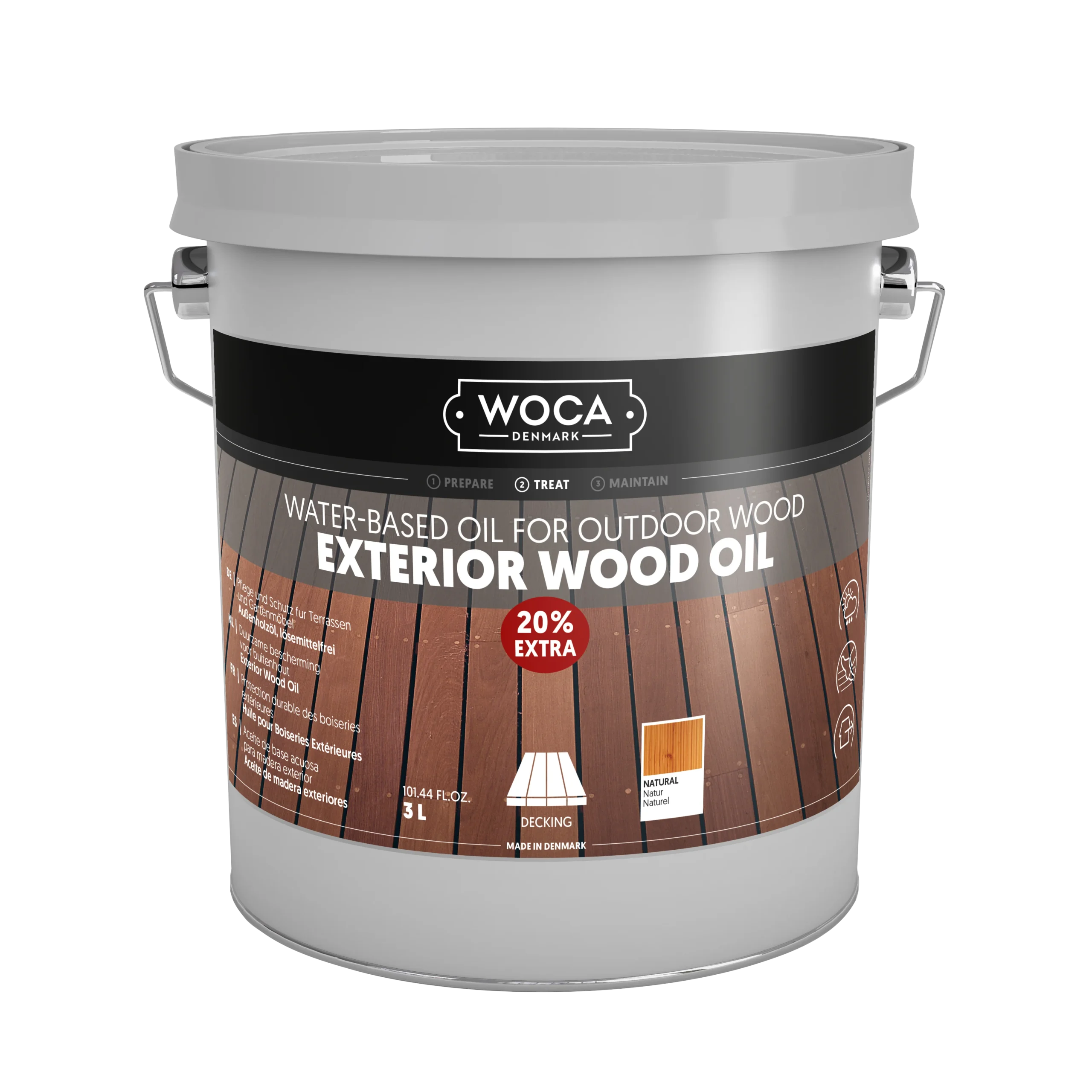
Natur
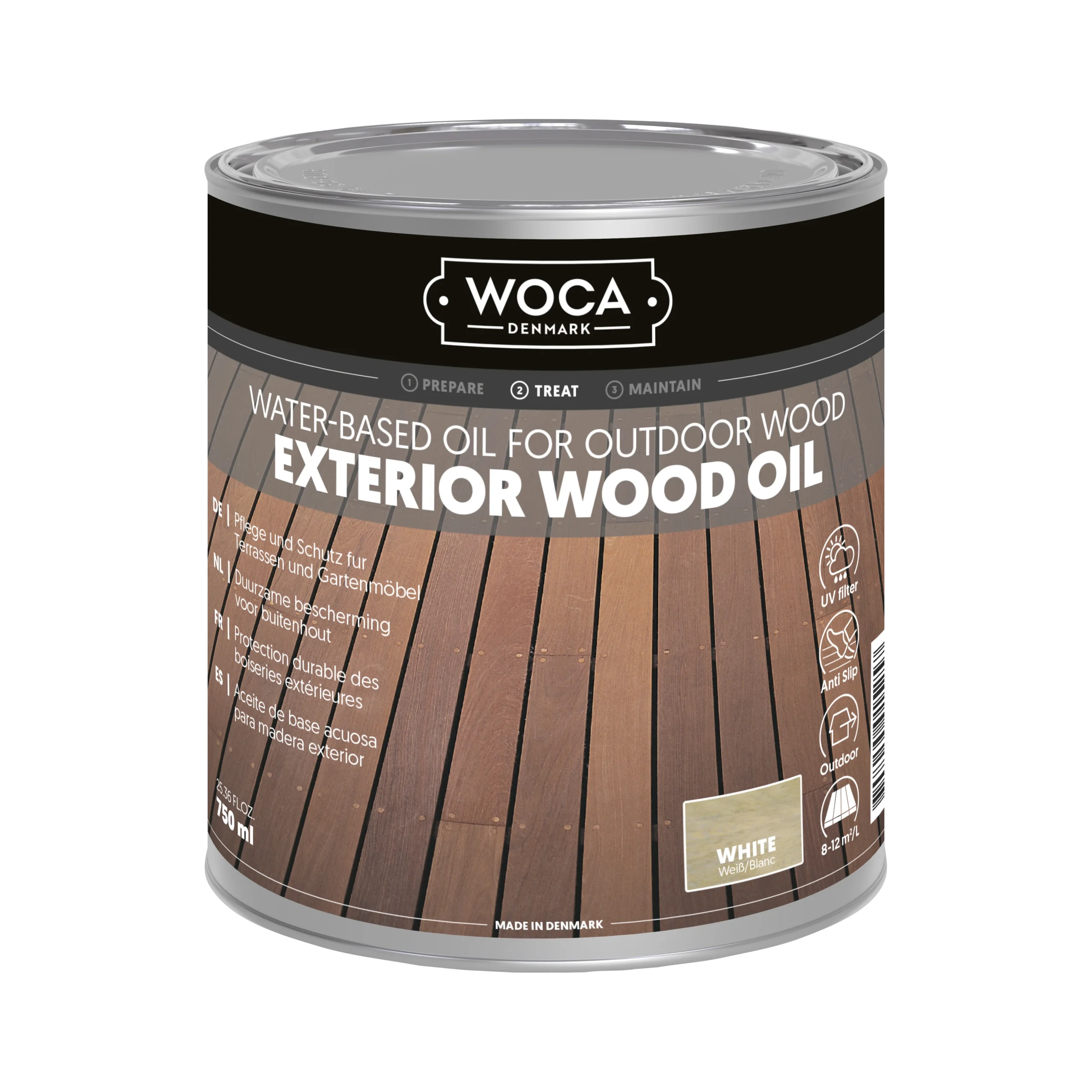
Hvid
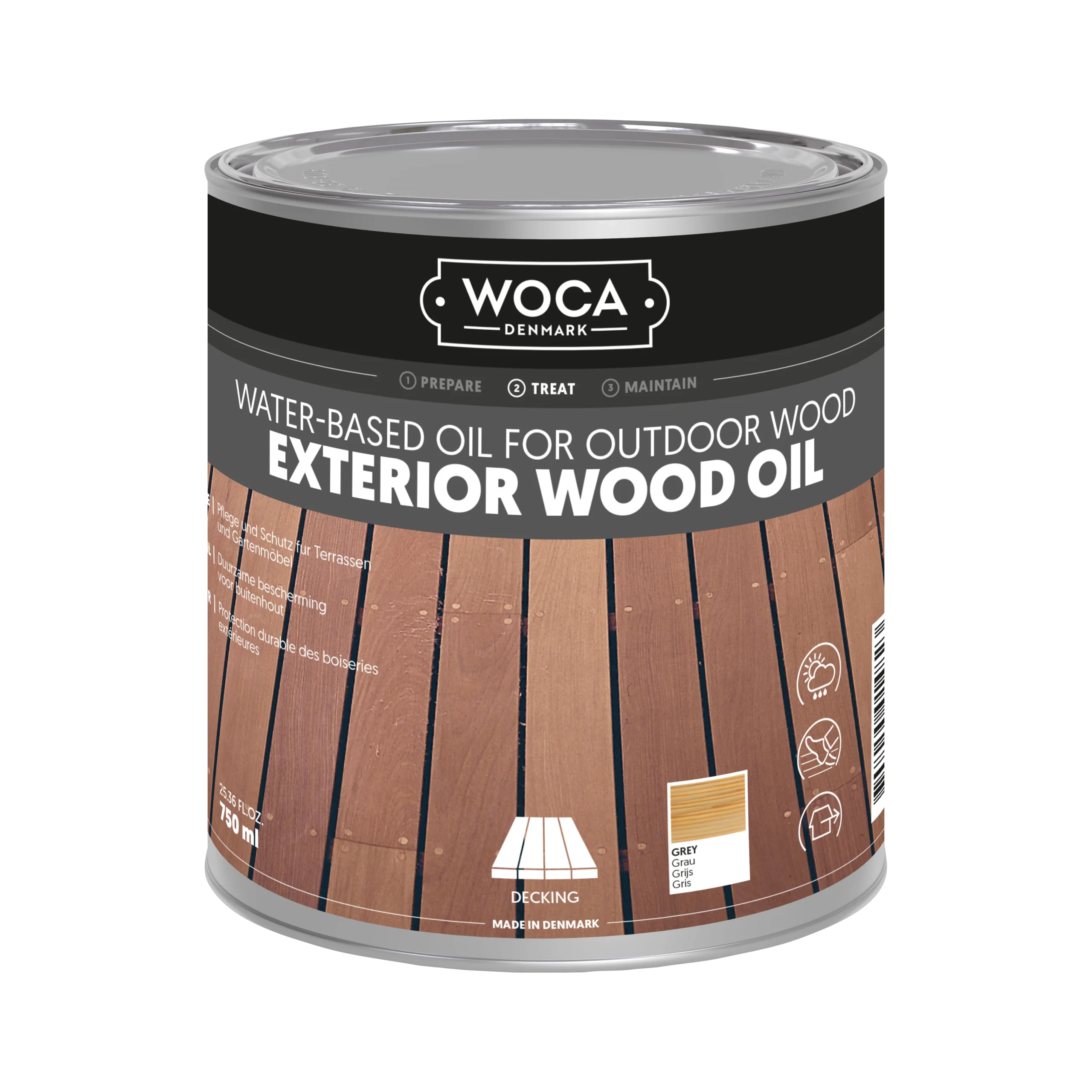
Grå
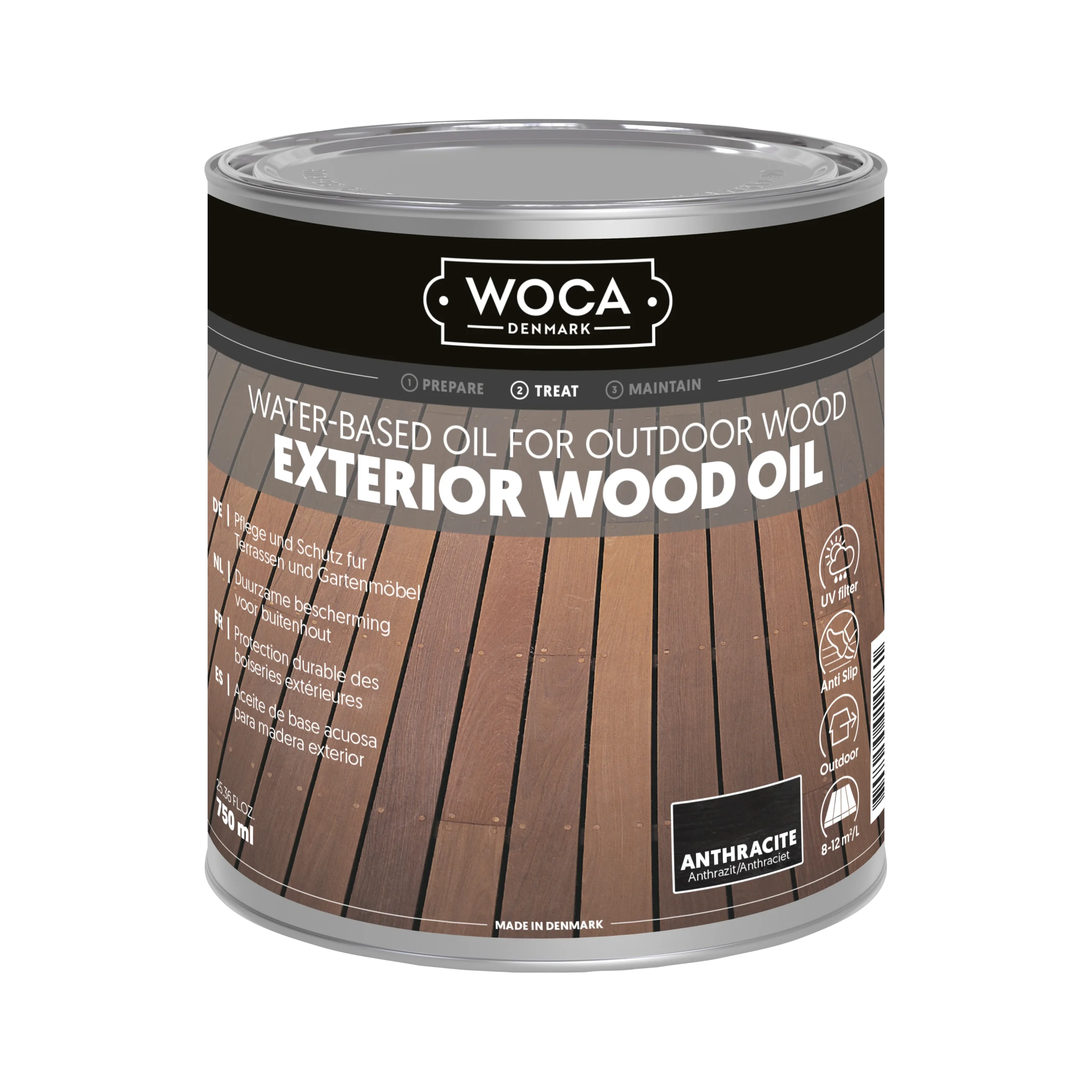
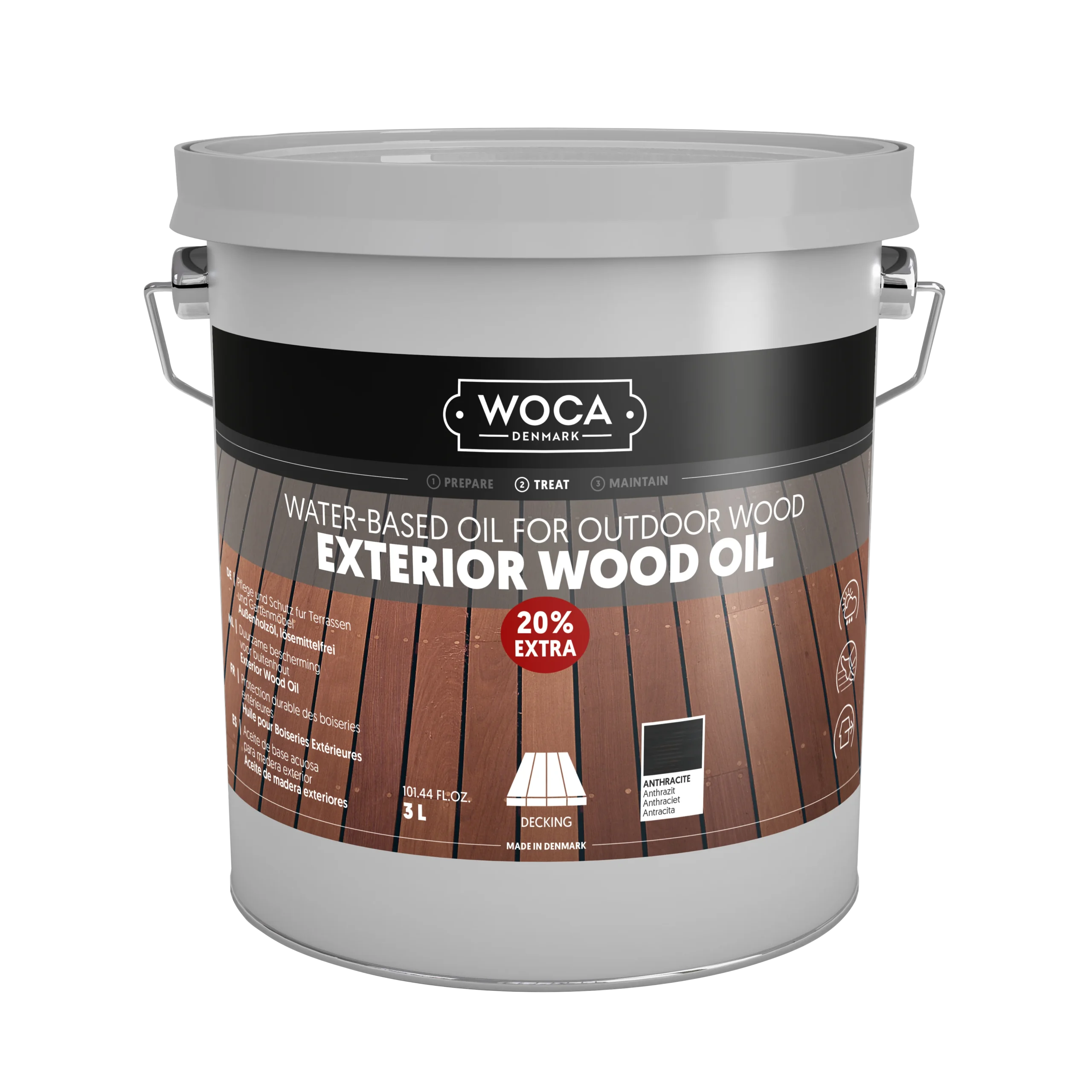
Antracit
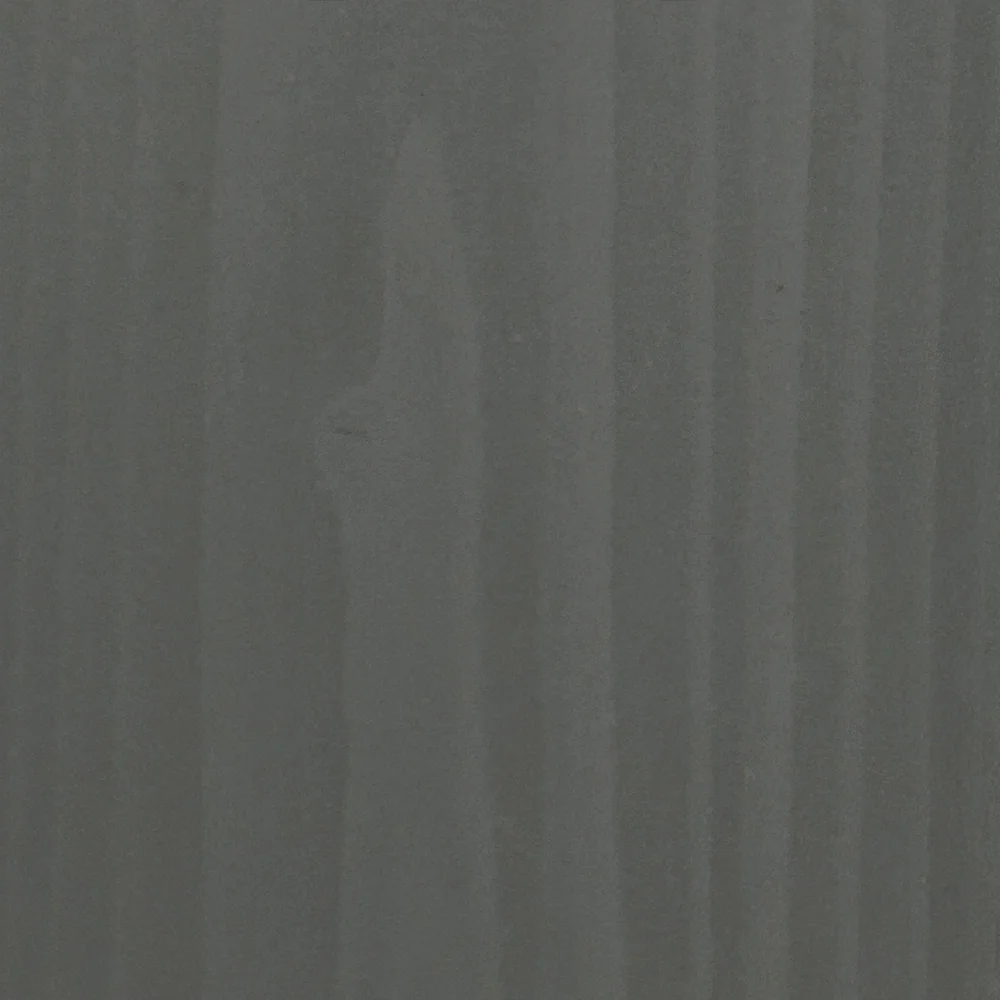
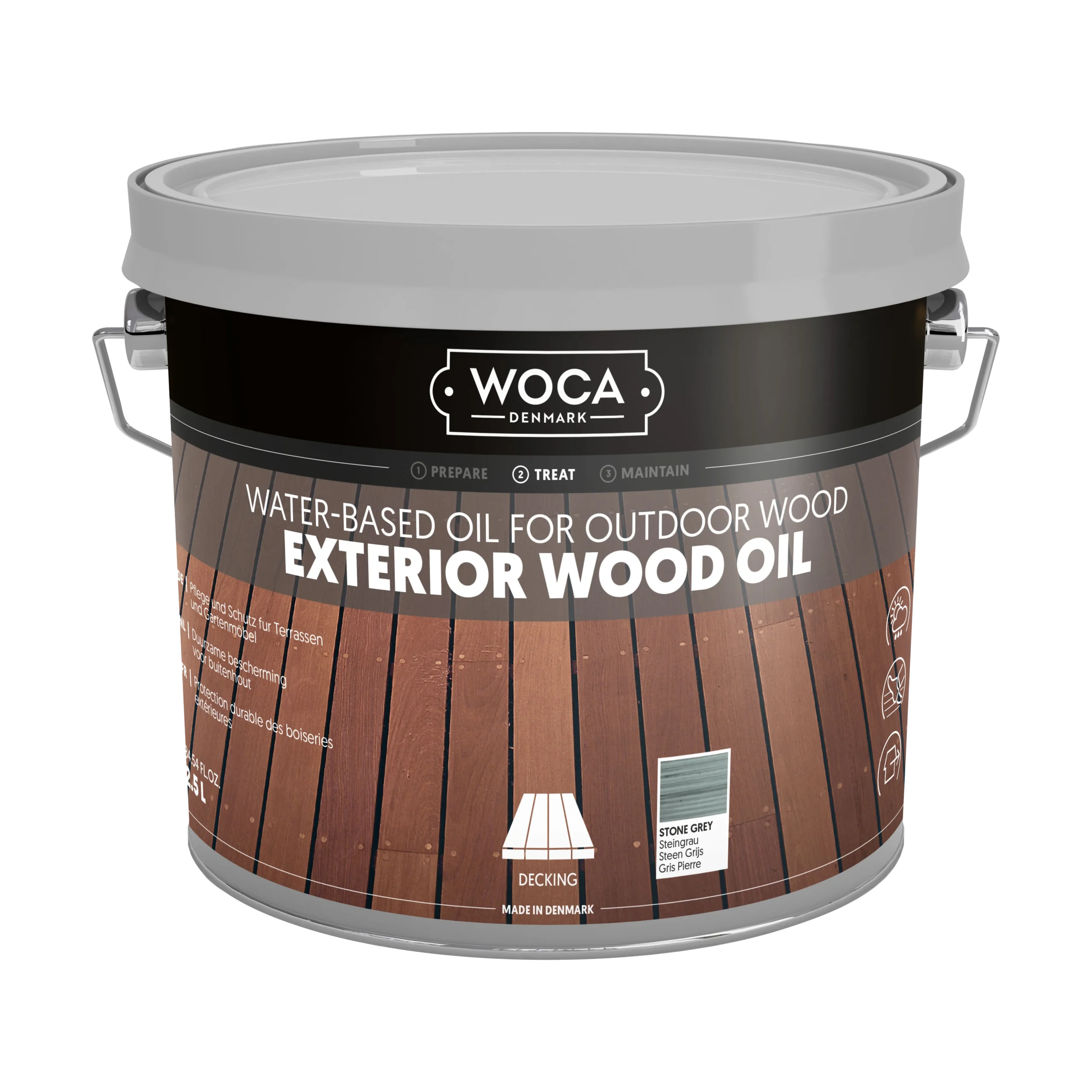
Stengrå
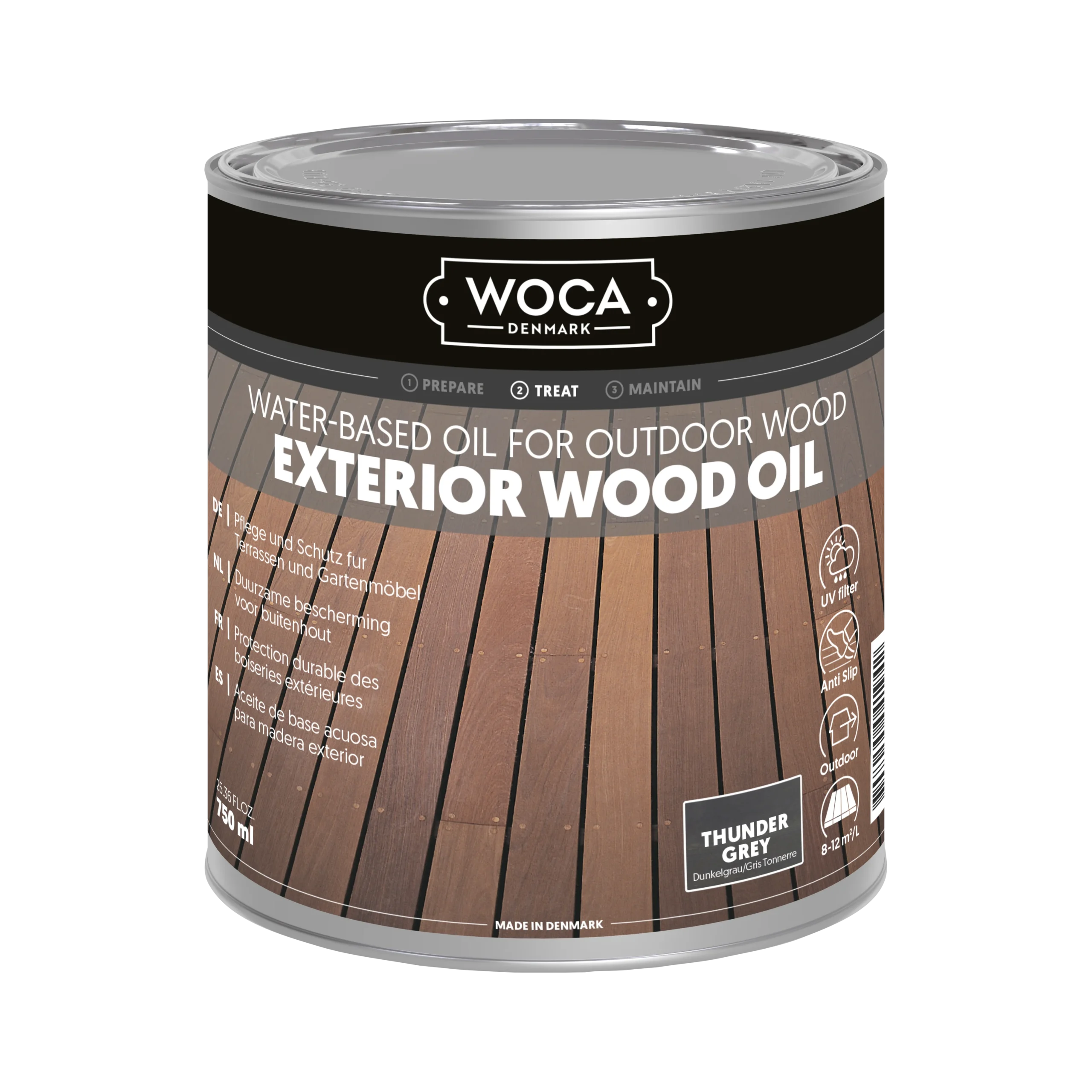
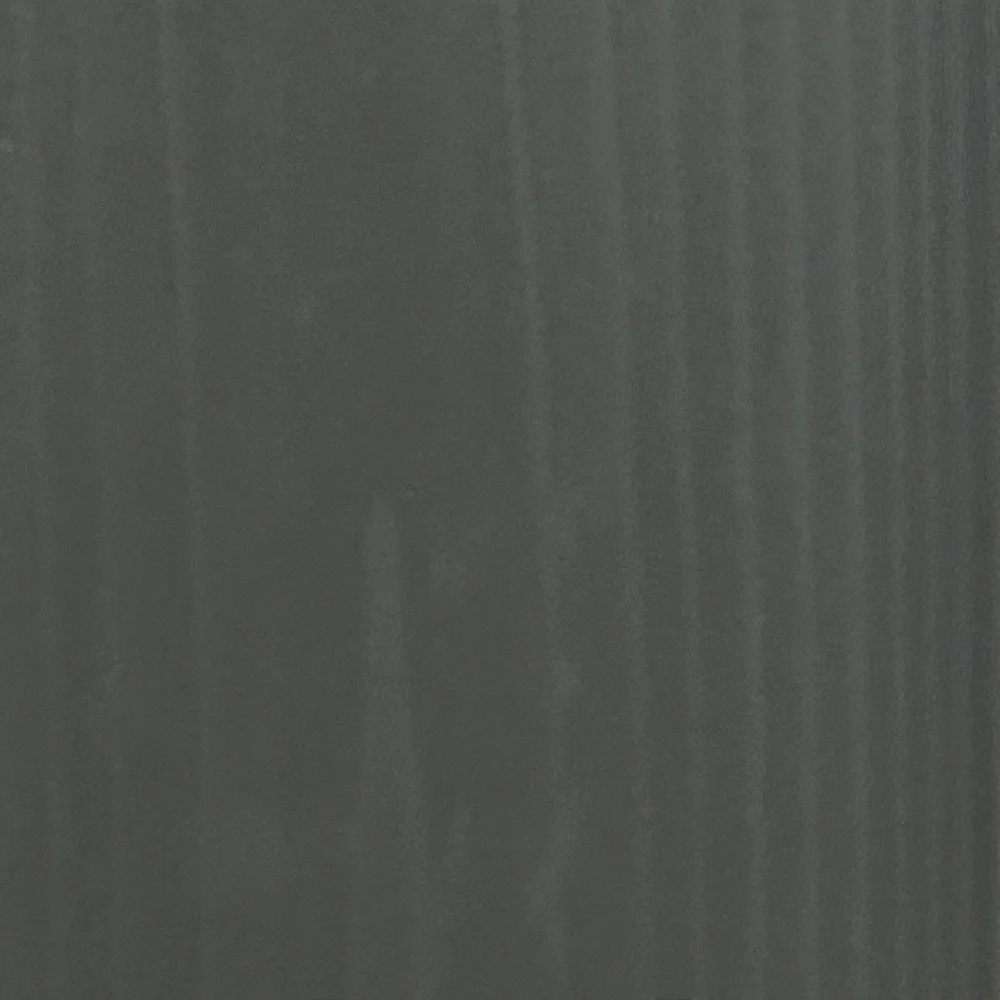
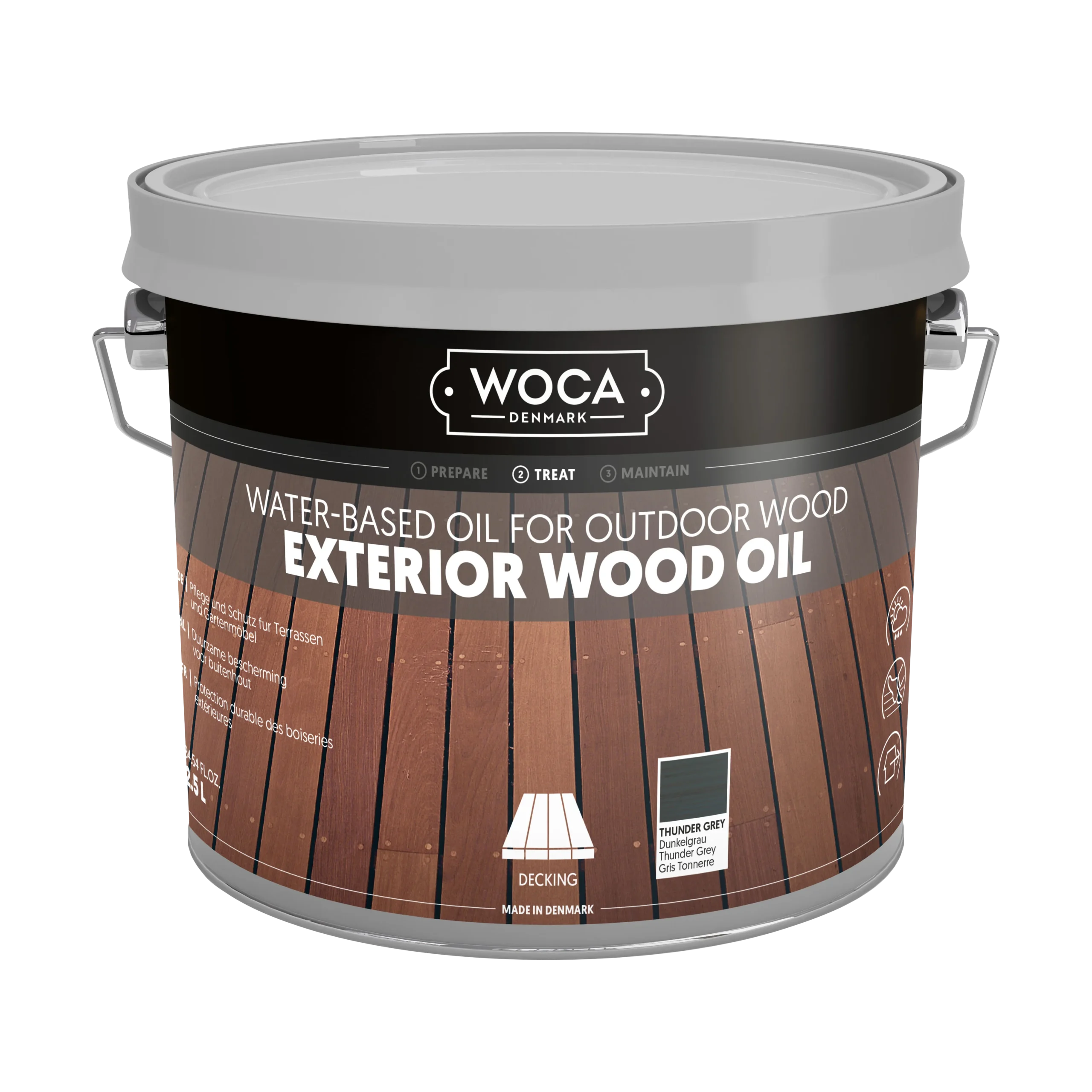
Tordengrå
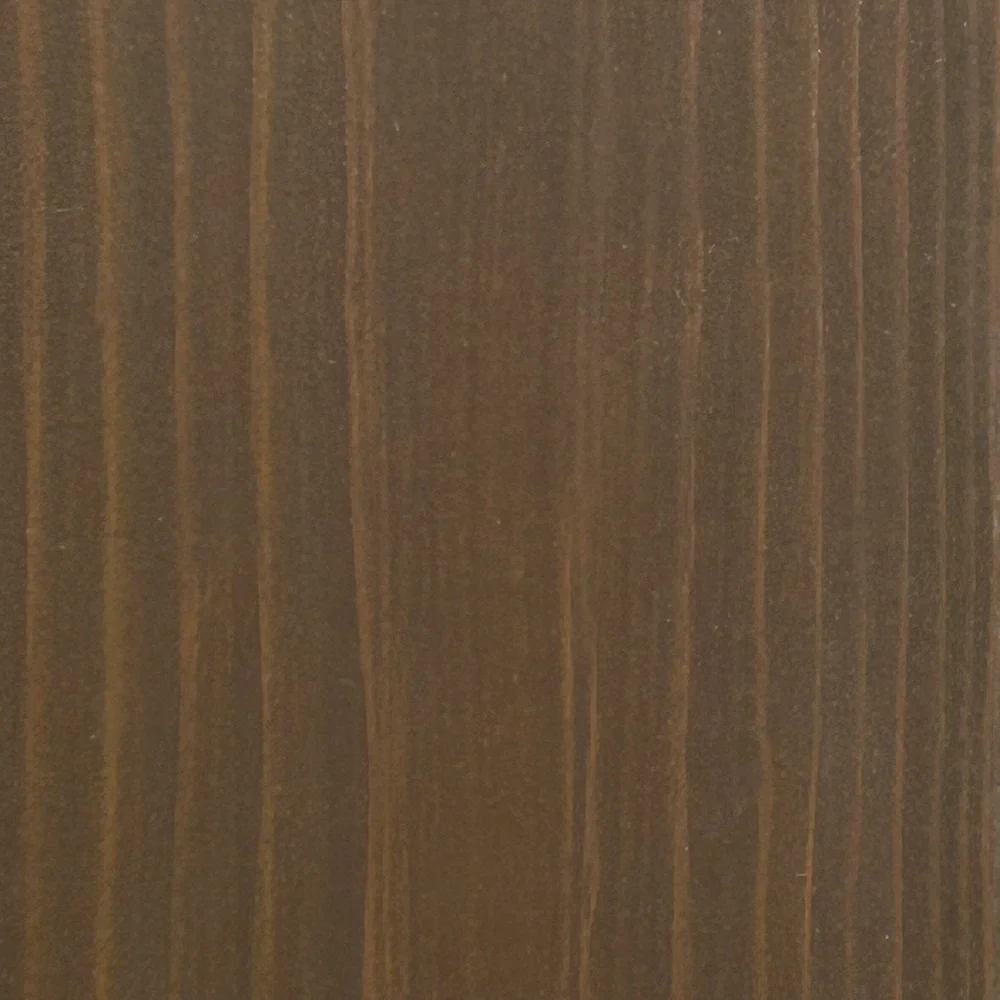
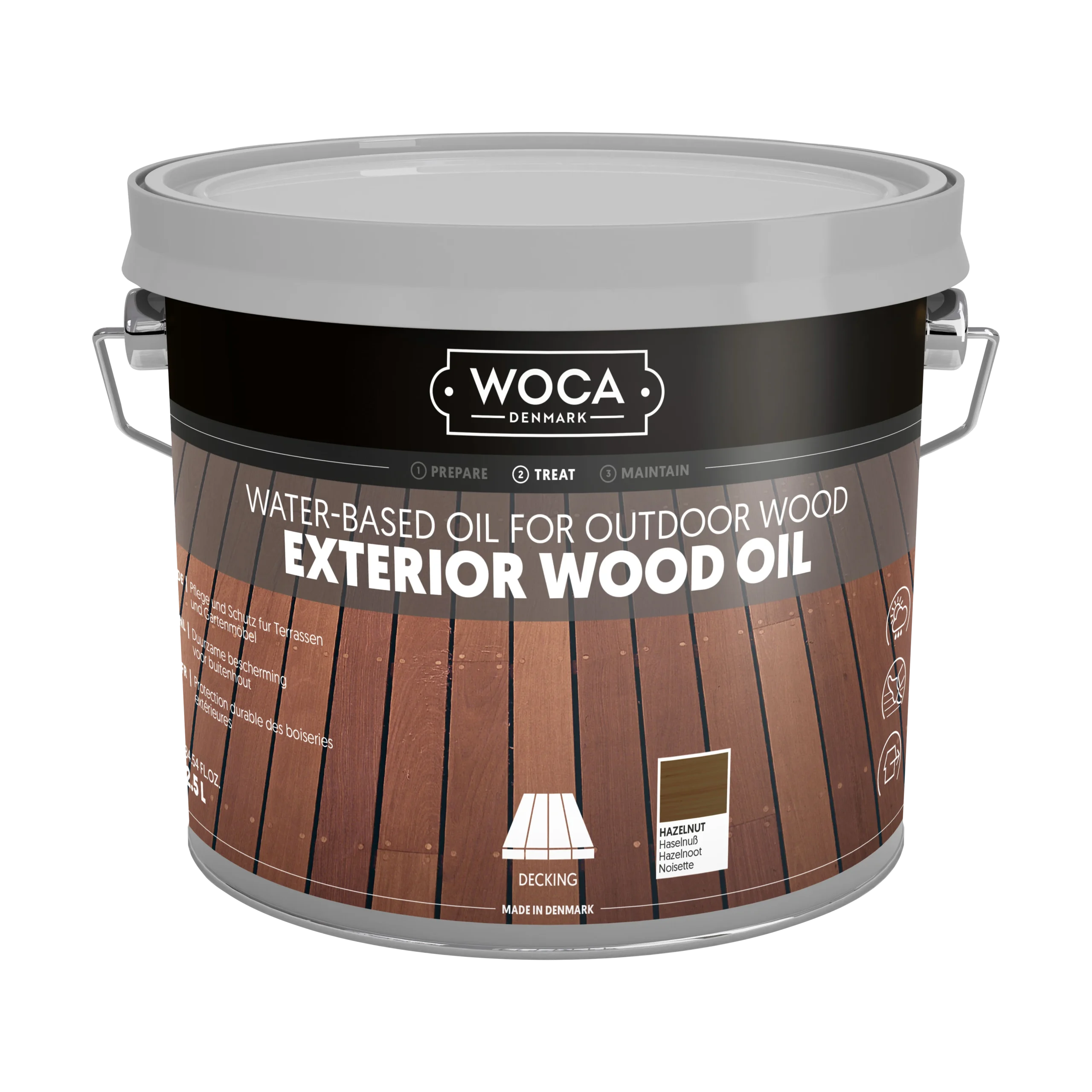
Hasselnød
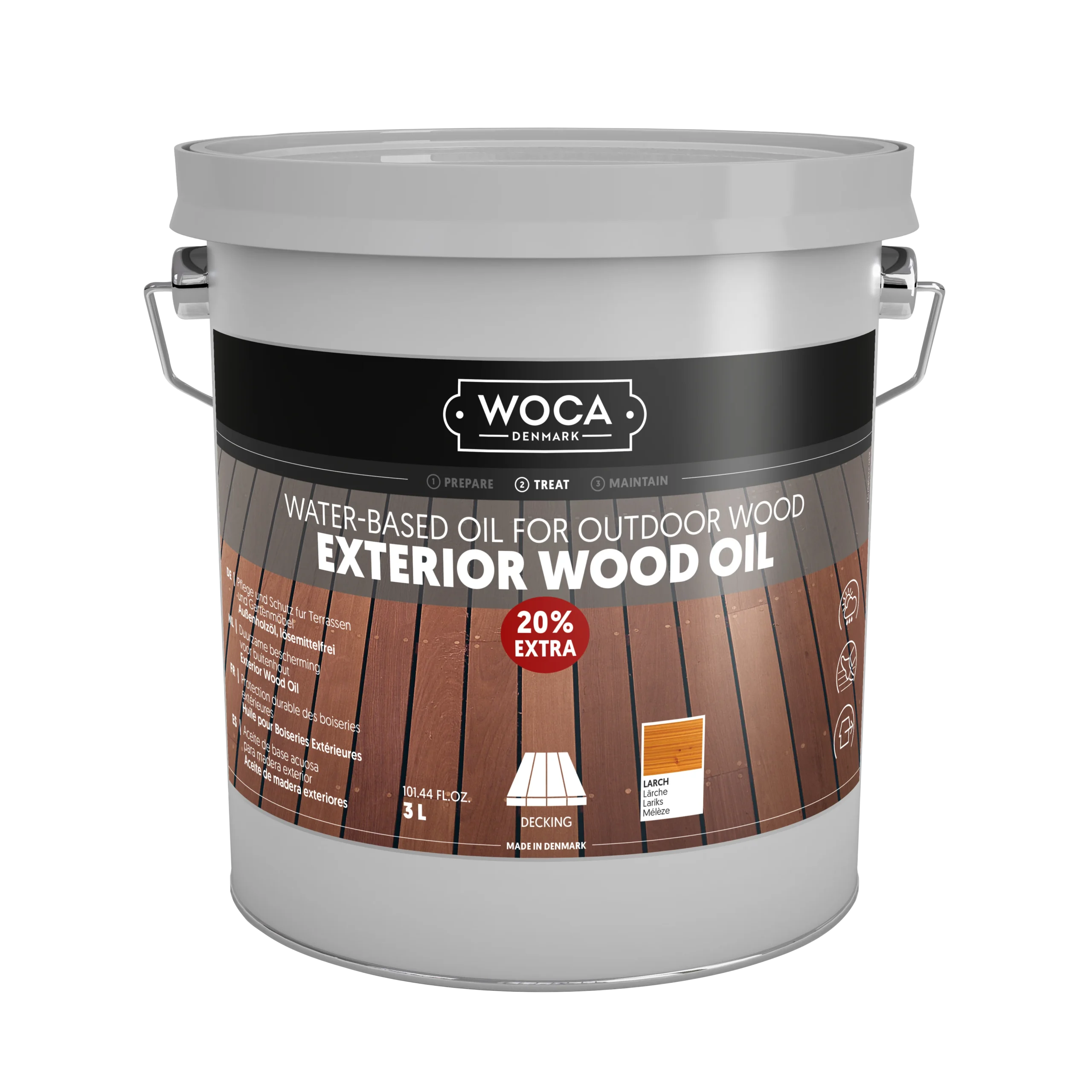
Lærk
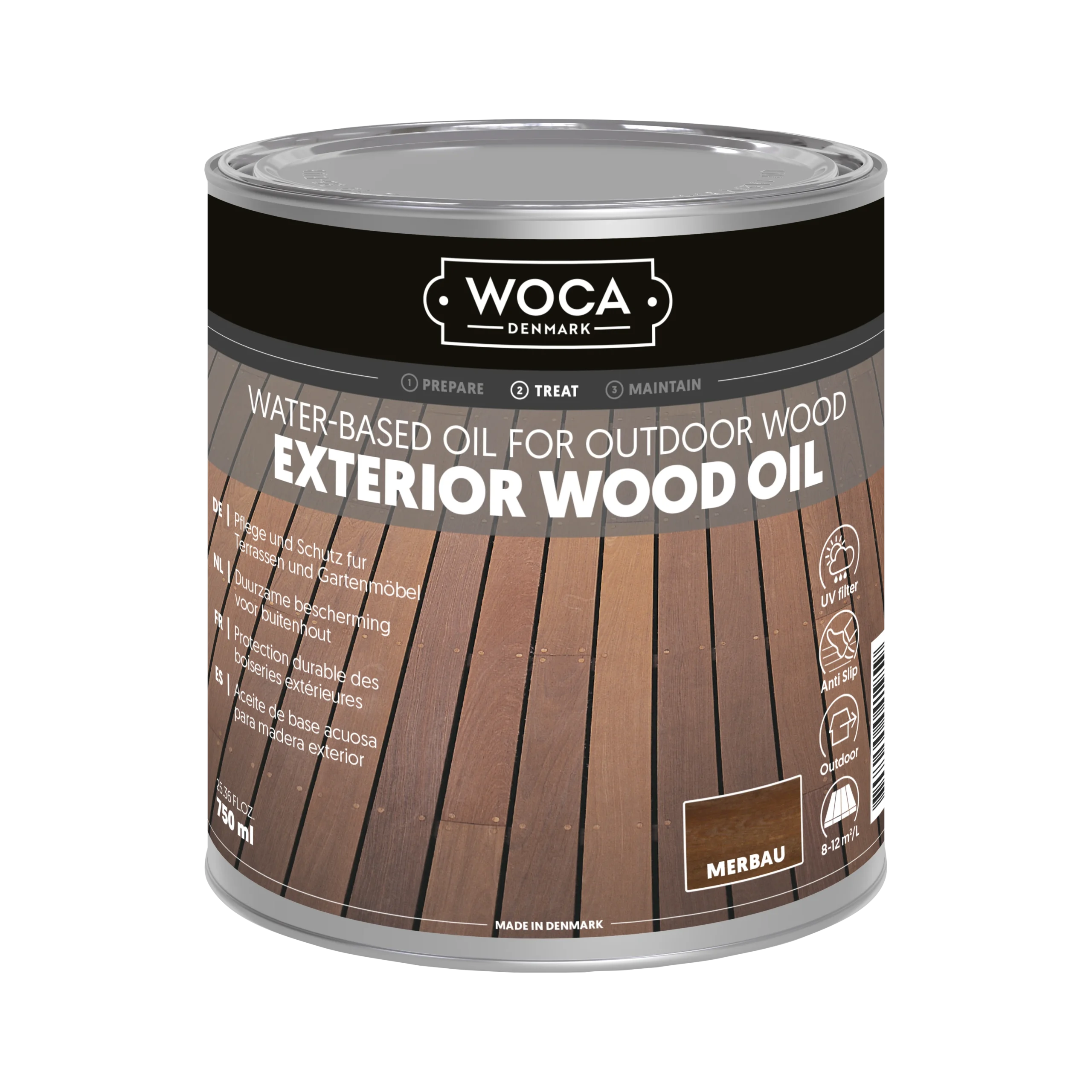
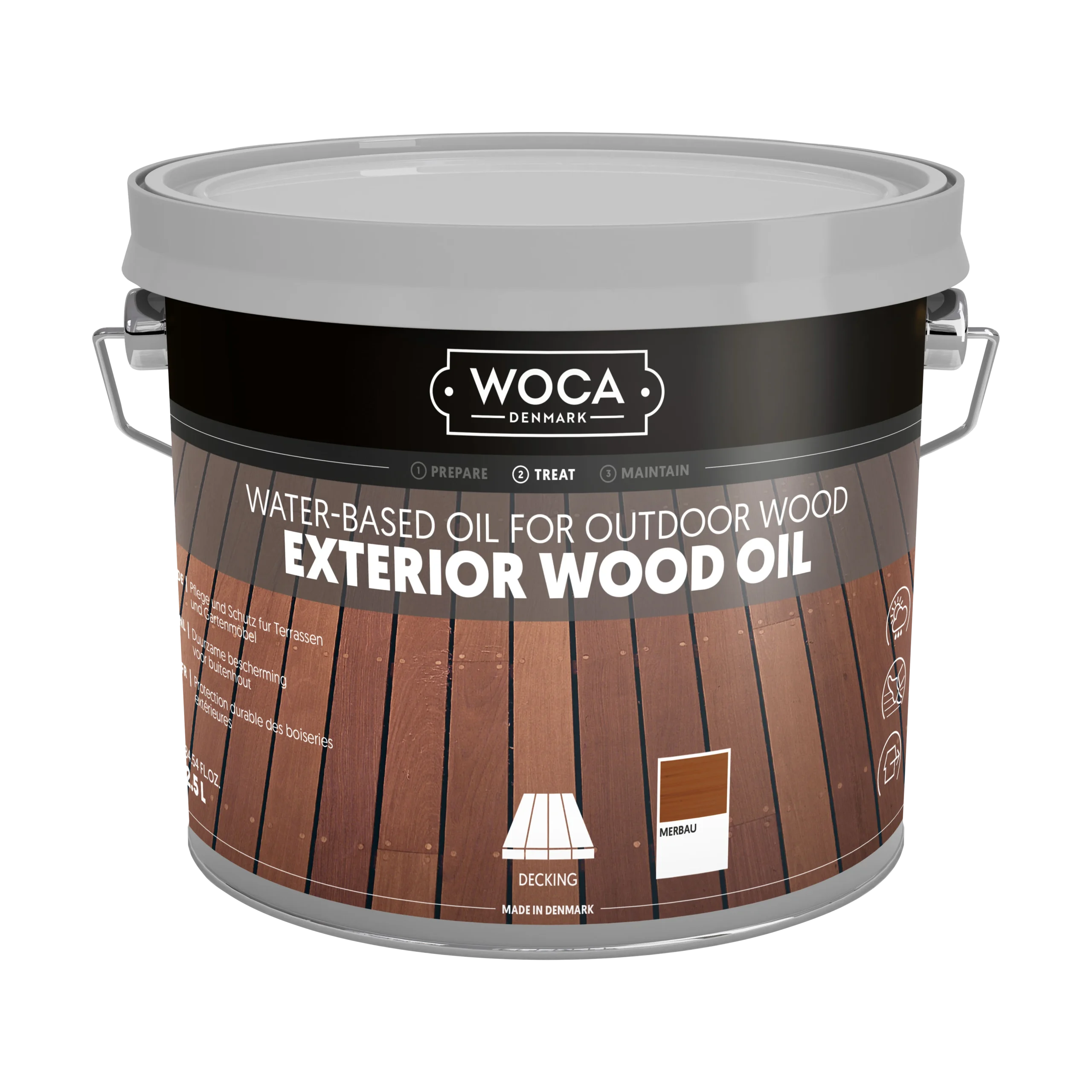
Merbau
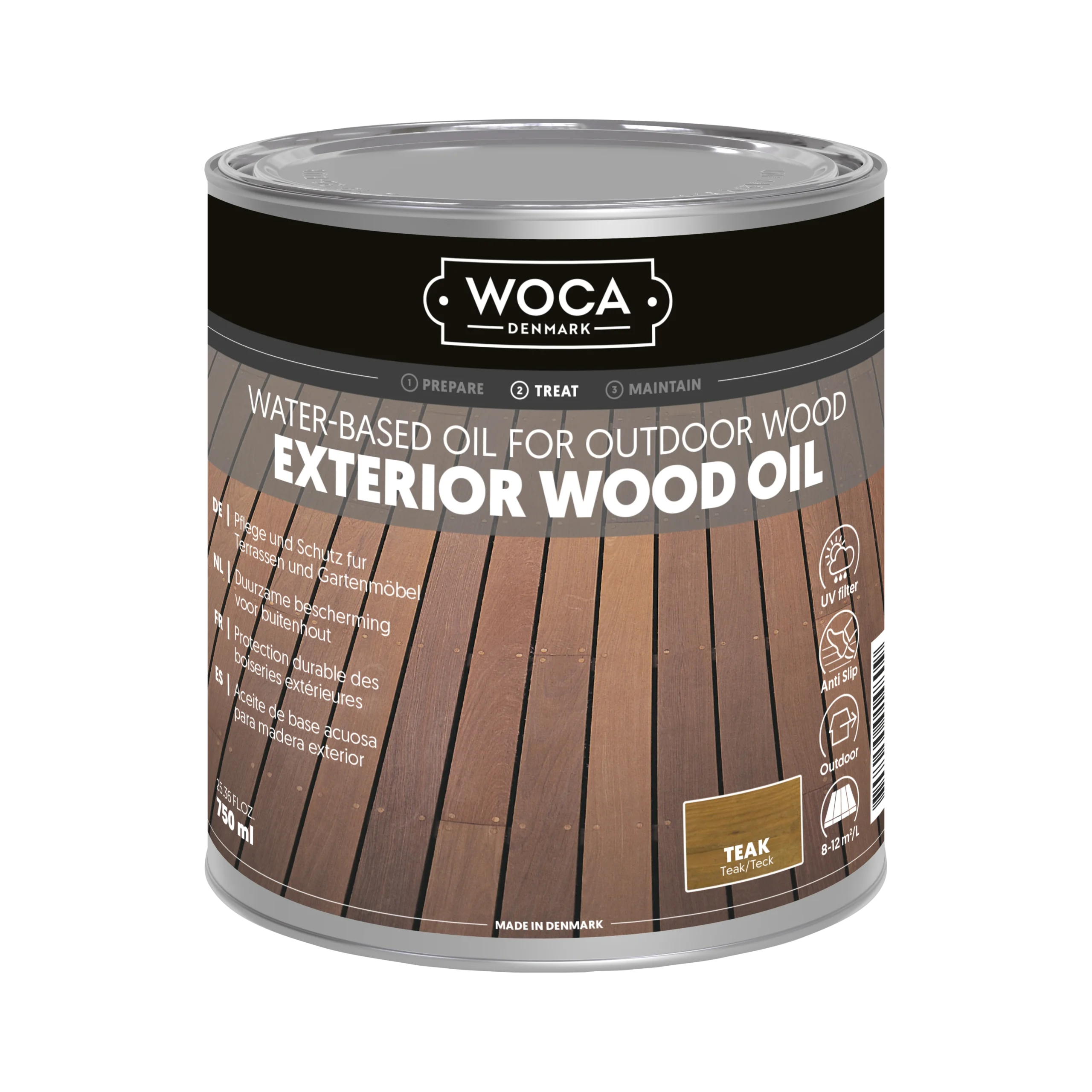
Teak
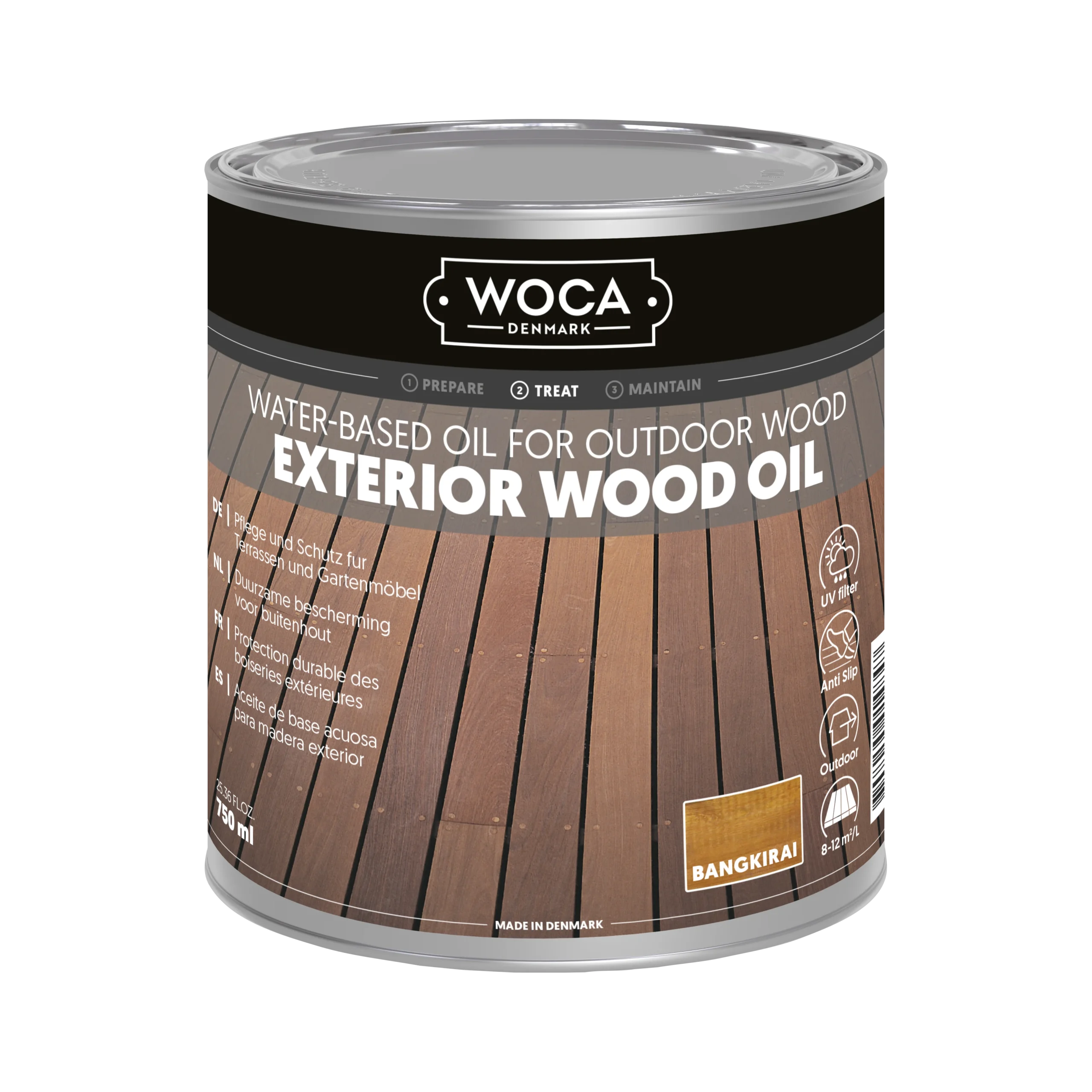
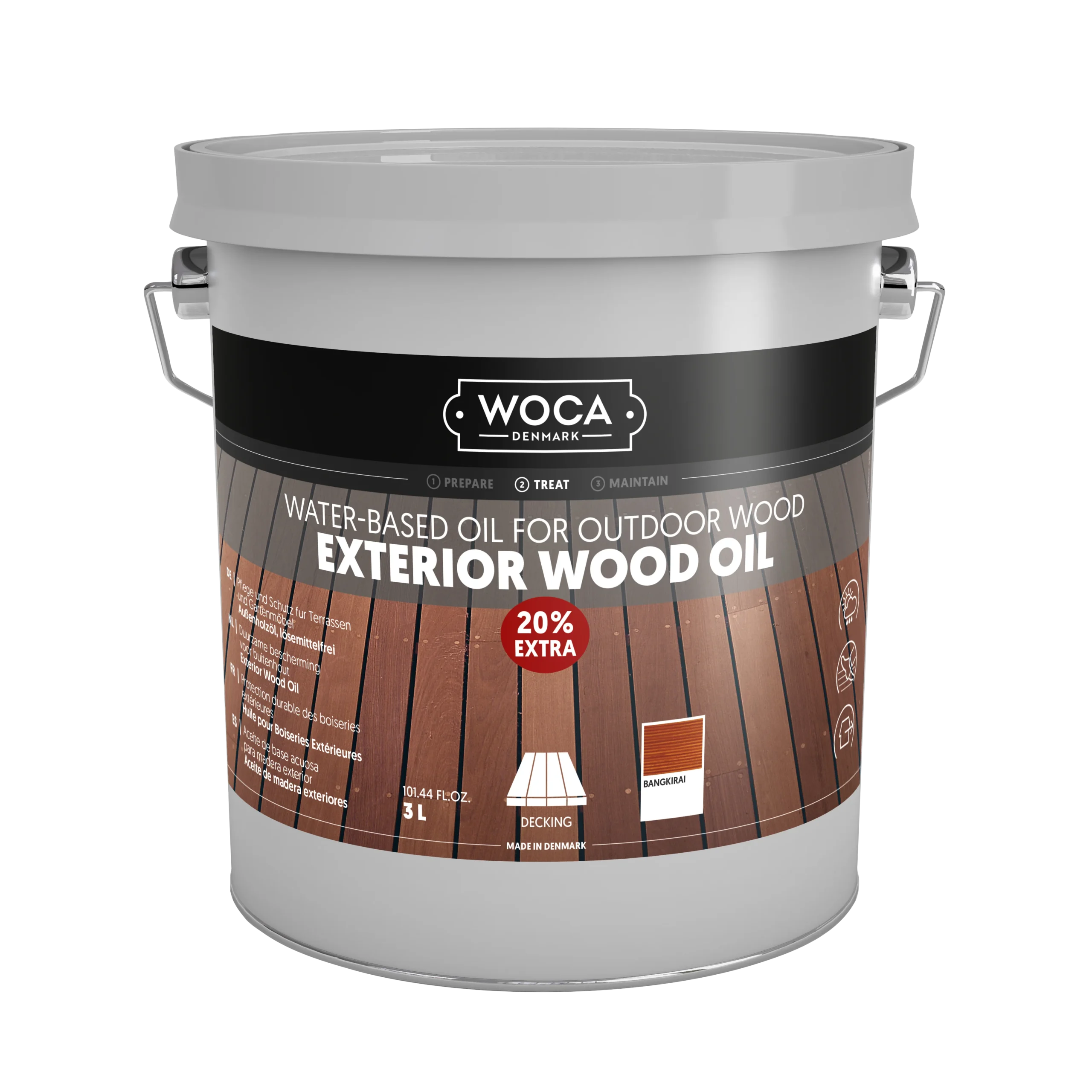
Bangkirai
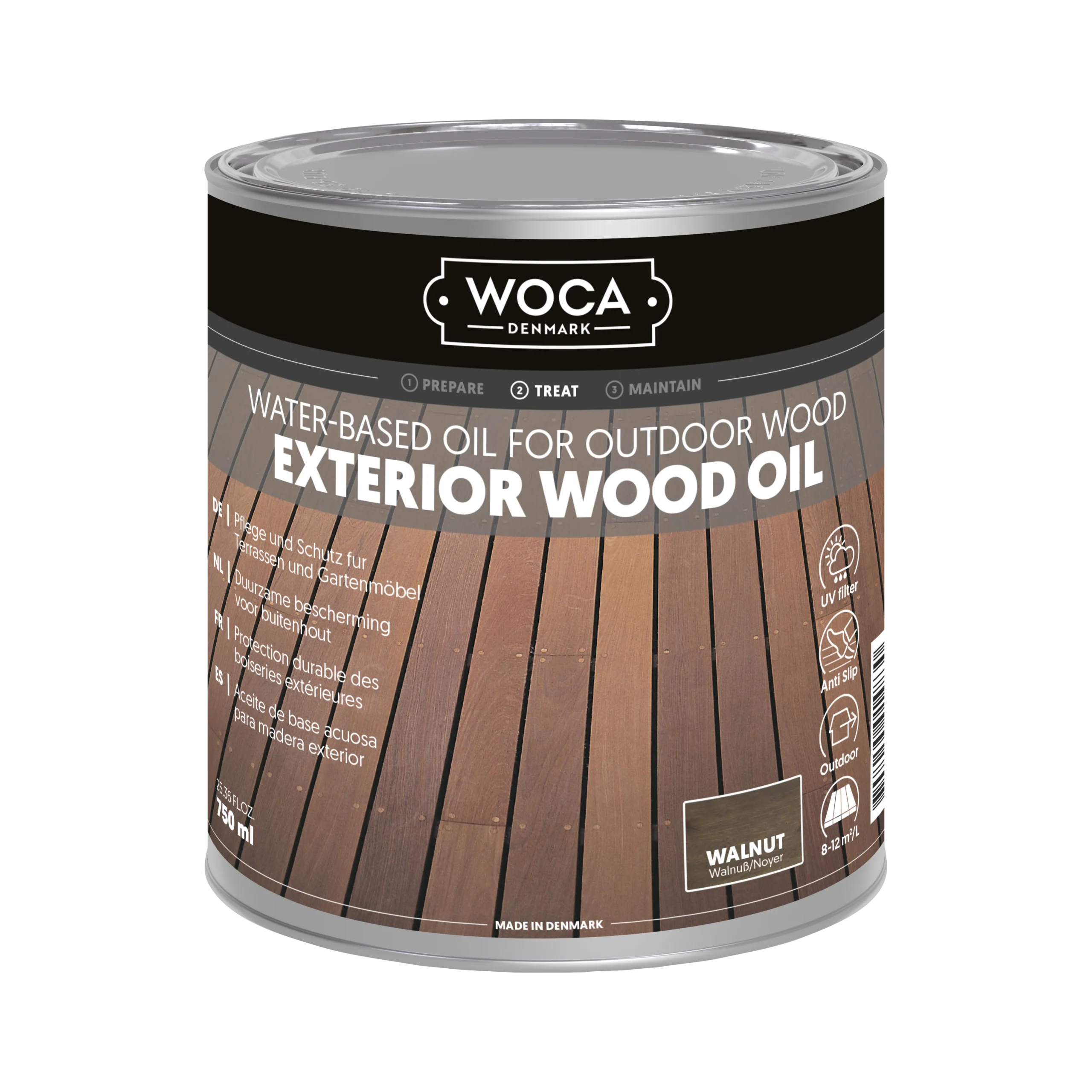
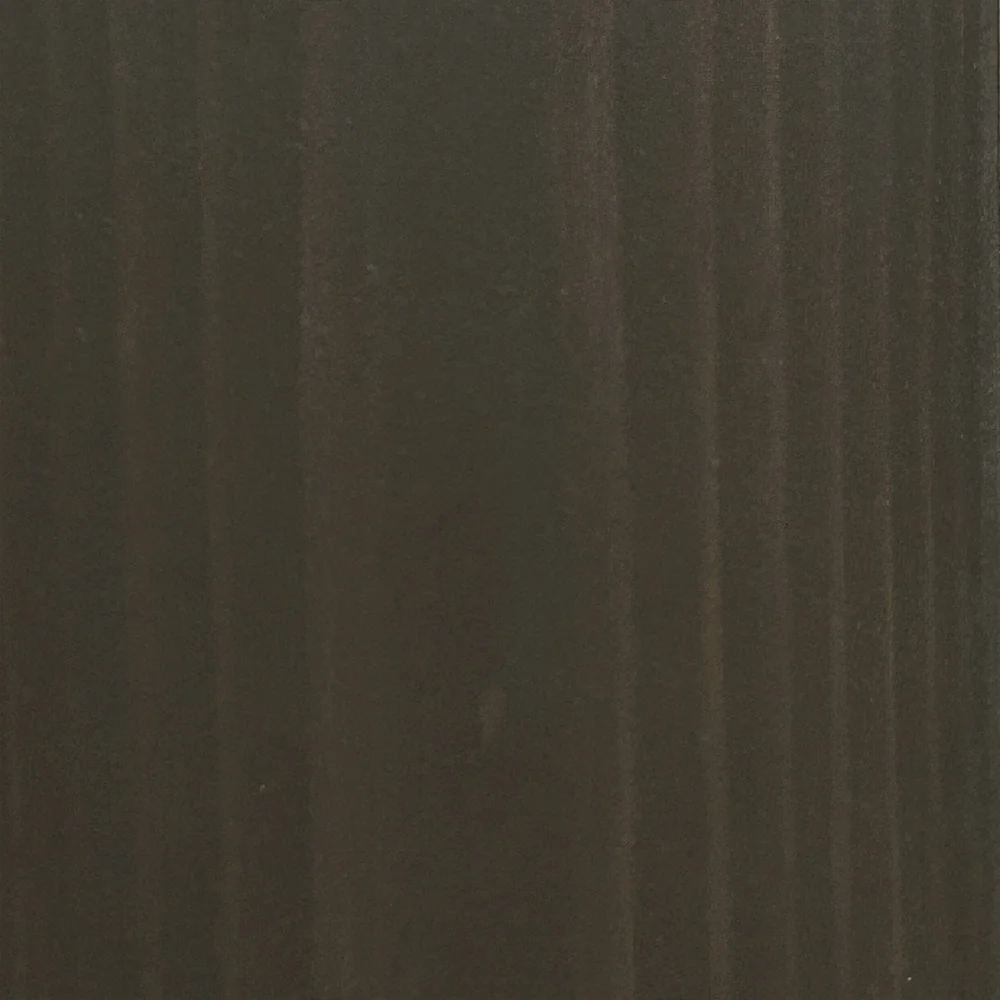
Valnød
Sort

Emballagestørrelse

Certificeringer

EN 71-3
European standard ensuring that materials do not release toxic substances in amounts harmful to children. Particularly relevant for materials such as toys, kitchen utensils, worktops and furniture.
Bio-Based ASTM 6866
Biobased Carbon Content ASTM D6866-22 is an international standard method utilized for product testing. The result is reported as % Biobased Carbon. This indicates the percentage carbon from ‘natural’ (plant or animal by-product) sources.
EN 71-3
European standard ensuring that materials do not release toxic substances in amounts harmful to children. Particularly relevant for materials such as toys, kitchen utensils, worktops and furniture.
Bio-Based ASTM 6866
Biobased Carbon Content ASTM D6866-22 is an international standard method utilized for product testing. The result is reported as % Biobased Carbon. This indicates the percentage carbon from ‘natural’ (plant or animal by-product) sources.
Bio-Based ASTM 6866
Biobased Carbon Content ASTM D6866-22 is an international standard method utilized for product testing. The result is reported as % Biobased Carbon. This indicates the percentage carbon from ‘natural’ (plant or animal by-product) sources.
EN 71-3
European standard ensuring that materials do not release toxic substances in amounts harmful to children. Particularly relevant for materials such as toys, kitchen utensils, worktops and furniture.
Fire test
European standard specifying how building materials react in case of fire. Bfl-s1 classifies flooring with low combustibility and very low smoke development.
Bio-Based ASTM 6866
Biobased Carbon Content ASTM D6866-22 is an international standard method utilized for product testing. The result is reported as % Biobased Carbon. This indicates the percentage carbon from ‘natural’ (plant or animal by-product) sources.
EN 71-3
European standard ensuring that materials do not release toxic substances in amounts harmful to children. Particularly relevant for materials such as toys, kitchen utensils, worktops and furniture.
Fire test
European standard specifying how building materials react in case of fire. Bfl-s1 classifies flooring with low combustibility and very low smoke development.
EN 71-3
European standard ensuring that materials do not release toxic substances in amounts harmful to children. Particularly relevant for materials such as toys, kitchen utensils, worktops and furniture.
Bio-Based ASTM 6866
Biobased Carbon Content ASTM D6866-22 is an international standard method utilized for product testing. The result is reported as % Biobased Carbon. This indicates the percentage carbon from ‘natural’ (plant or animal by-product) sources.
EN 71-3
European standard ensuring that materials do not release toxic substances in amounts harmful to children. Particularly relevant for materials such as toys, kitchen utensils, worktops and furniture.
Bio-Based ASTM 6866
Biobased Carbon Content ASTM D6866-22 is an international standard method utilized for product testing. The result is reported as % Biobased Carbon. This indicates the percentage carbon from ‘natural’ (plant or animal by-product) sources.
EN 71-3
European standard ensuring that materials do not release toxic substances in amounts harmful to children. Particularly relevant for materials such as toys, kitchen utensils, worktops and furniture.
Bio-Based ASTM 6866
Biobased Carbon Content ASTM D6866-22 is an international standard method utilized for product testing. The result is reported as % Biobased Carbon. This indicates the percentage carbon from ‘natural’ (plant or animal by-product) sources.
Bio-Based ASTM 6866
Biobased Carbon Content ASTM D6866-22 is an international standard method utilized for product testing. The result is reported as % Biobased Carbon. This indicates the percentage carbon from ‘natural’ (plant or animal by-product) sources.
EN 71-3
European standard ensuring that materials do not release toxic substances in amounts harmful to children. Particularly relevant for materials such as toys, kitchen utensils, worktops and furniture.
EN 71-3
European standard ensuring that materials do not release toxic substances in amounts harmful to children. Particularly relevant for materials such as toys, kitchen utensils, worktops and furniture.
Bio-Based ASTM 6866
Biobased Carbon Content ASTM D6866-22 is an international standard method utilized for product testing. The result is reported as % Biobased Carbon. This indicates the percentage carbon from ‘natural’ (plant or animal by-product) sources.
EN 71-3
European standard ensuring that materials do not release toxic substances in amounts harmful to children. Particularly relevant for materials such as toys, kitchen utensils, worktops and furniture.
Bio-Based ASTM 6866
Biobased Carbon Content ASTM D6866-22 is an international standard method utilized for product testing. The result is reported as % Biobased Carbon. This indicates the percentage carbon from ‘natural’ (plant or animal by-product) sources.
EN 71-3
European standard ensuring that materials do not release toxic substances in amounts harmful to children. Particularly relevant for materials such as toys, kitchen utensils, worktops and furniture.
Bio-Based ASTM 6866
Biobased Carbon Content ASTM D6866-22 is an international standard method utilized for product testing. The result is reported as % Biobased Carbon. This indicates the percentage carbon from ‘natural’ (plant or animal by-product) sources.
Bio-Based ASTM 6866
Biobased Carbon Content ASTM D6866-22 is an international standard method utilized for product testing. The result is reported as % Biobased Carbon. This indicates the percentage carbon from ‘natural’ (plant or animal by-product) sources.
EN 71-3
European standard ensuring that materials do not release toxic substances in amounts harmful to children. Particularly relevant for materials such as toys, kitchen utensils, worktops and furniture.
Fire test
European standard specifying how building materials react in case of fire. Bfl-s1 classifies flooring with low combustibility and very low smoke development.
Bio-Based ASTM 6866
Biobased Carbon Content ASTM D6866-22 is an international standard method utilized for product testing. The result is reported as % Biobased Carbon. This indicates the percentage carbon from ‘natural’ (plant or animal by-product) sources.
EN 71-3
European standard ensuring that materials do not release toxic substances in amounts harmful to children. Particularly relevant for materials such as toys, kitchen utensils, worktops and furniture.
Fire test
European standard specifying how building materials react in case of fire. Bfl-s1 classifies flooring with low combustibility and very low smoke development.
EN 71-3
European standard ensuring that materials do not release toxic substances in amounts harmful to children. Particularly relevant for materials such as toys, kitchen utensils, worktops and furniture.
Bio-Based ASTM 6866
Biobased Carbon Content ASTM D6866-22 is an international standard method utilized for product testing. The result is reported as % Biobased Carbon. This indicates the percentage carbon from ‘natural’ (plant or animal by-product) sources.
EN 71-3
European standard ensuring that materials do not release toxic substances in amounts harmful to children. Particularly relevant for materials such as toys, kitchen utensils, worktops and furniture.
Bio-Based ASTM 6866
Biobased Carbon Content ASTM D6866-22 is an international standard method utilized for product testing. The result is reported as % Biobased Carbon. This indicates the percentage carbon from ‘natural’ (plant or animal by-product) sources.
EN 71-3
European standard ensuring that materials do not release toxic substances in amounts harmful to children. Particularly relevant for materials such as toys, kitchen utensils, worktops and furniture.
Bio-Based ASTM 6866
Biobased Carbon Content ASTM D6866-22 is an international standard method utilized for product testing. The result is reported as % Biobased Carbon. This indicates the percentage carbon from ‘natural’ (plant or animal by-product) sources.
EN 71-3
European standard ensuring that materials do not release toxic substances in amounts harmful to children. Particularly relevant for materials such as toys, kitchen utensils, worktops and furniture.
Bio-Based ASTM 6866
Biobased Carbon Content ASTM D6866-22 is an international standard method utilized for product testing. The result is reported as % Biobased Carbon. This indicates the percentage carbon from ‘natural’ (plant or animal by-product) sources.
Bio-Based ASTM 6866
Biobased Carbon Content ASTM D6866-22 is an international standard method utilized for product testing. The result is reported as % Biobased Carbon. This indicates the percentage carbon from ‘natural’ (plant or animal by-product) sources.
EN 71-3
European standard ensuring that materials do not release toxic substances in amounts harmful to children. Particularly relevant for materials such as toys, kitchen utensils, worktops and furniture.
Fire test
European standard specifying how building materials react in case of fire. Bfl-s1 classifies flooring with low combustibility and very low smoke development.
EN 71-3
European standard ensuring that materials do not release toxic substances in amounts harmful to children. Particularly relevant for materials such as toys, kitchen utensils, worktops and furniture.
Bio-Based ASTM 6866
Biobased Carbon Content ASTM D6866-22 is an international standard method utilized for product testing. The result is reported as % Biobased Carbon. This indicates the percentage carbon from ‘natural’ (plant or animal by-product) sources.
EN 71-3
European standard ensuring that materials do not release toxic substances in amounts harmful to children. Particularly relevant for materials such as toys, kitchen utensils, worktops and furniture.
Bio-Based ASTM 6866
Biobased Carbon Content ASTM D6866-22 is an international standard method utilized for product testing. The result is reported as % Biobased Carbon. This indicates the percentage carbon from ‘natural’ (plant or animal by-product) sources.
EN 71-3
European standard ensuring that materials do not release toxic substances in amounts harmful to children. Particularly relevant for materials such as toys, kitchen utensils, worktops and furniture.
Bio-Based ASTM 6866
Biobased Carbon Content ASTM D6866-22 is an international standard method utilized for product testing. The result is reported as % Biobased Carbon. This indicates the percentage carbon from ‘natural’ (plant or animal by-product) sources.
EN 71-3
European standard ensuring that materials do not release toxic substances in amounts harmful to children. Particularly relevant for materials such as toys, kitchen utensils, worktops and furniture.
Bio-Based ASTM 6866
Biobased Carbon Content ASTM D6866-22 is an international standard method utilized for product testing. The result is reported as % Biobased Carbon. This indicates the percentage carbon from ‘natural’ (plant or animal by-product) sources.
EN 71-3
European standard ensuring that materials do not release toxic substances in amounts harmful to children. Particularly relevant for materials such as toys, kitchen utensils, worktops and furniture.
Bio-Based ASTM 6866
Biobased Carbon Content ASTM D6866-22 is an international standard method utilized for product testing. The result is reported as % Biobased Carbon. This indicates the percentage carbon from ‘natural’ (plant or animal by-product) sources.
EN 71-3
European standard ensuring that materials do not release toxic substances in amounts harmful to children. Particularly relevant for materials such as toys, kitchen utensils, worktops and furniture.
Bio-Based ASTM 6866
Biobased Carbon Content ASTM D6866-22 is an international standard method utilized for product testing. The result is reported as % Biobased Carbon. This indicates the percentage carbon from ‘natural’ (plant or animal by-product) sources.
EN 71-3
European standard ensuring that materials do not release toxic substances in amounts harmful to children. Particularly relevant for materials such as toys, kitchen utensils, worktops and furniture.
Bio-Based ASTM 6866
Biobased Carbon Content ASTM D6866-22 is an international standard method utilized for product testing. The result is reported as % Biobased Carbon. This indicates the percentage carbon from ‘natural’ (plant or animal by-product) sources.
EN 71-3
European standard ensuring that materials do not release toxic substances in amounts harmful to children. Particularly relevant for materials such as toys, kitchen utensils, worktops and furniture.
Bio-Based ASTM 6866
Biobased Carbon Content ASTM D6866-22 is an international standard method utilized for product testing. The result is reported as % Biobased Carbon. This indicates the percentage carbon from ‘natural’ (plant or animal by-product) sources.
Bio-Based ASTM 6866
Biobased Carbon Content ASTM D6866-22 is an international standard method utilized for product testing. The result is reported as % Biobased Carbon. This indicates the percentage carbon from ‘natural’ (plant or animal by-product) sources.
EN 71-3
European standard ensuring that materials do not release toxic substances in amounts harmful to children. Particularly relevant for materials such as toys, kitchen utensils, worktops and furniture.
Fire test
European standard specifying how building materials react in case of fire. Bfl-s1 classifies flooring with low combustibility and very low smoke development.
Bio-Based ASTM 6866
Biobased Carbon Content ASTM D6866-22 is an international standard method utilized for product testing. The result is reported as % Biobased Carbon. This indicates the percentage carbon from ‘natural’ (plant or animal by-product) sources.
EN 71-3
European standard ensuring that materials do not release toxic substances in amounts harmful to children. Particularly relevant for materials such as toys, kitchen utensils, worktops and furniture.
Fire test
European standard specifying how building materials react in case of fire. Bfl-s1 classifies flooring with low combustibility and very low smoke development.
EN 71-3
European standard ensuring that materials do not release toxic substances in amounts harmful to children. Particularly relevant for materials such as toys, kitchen utensils, worktops and furniture.
Bio-Based ASTM 6866
Biobased Carbon Content ASTM D6866-22 is an international standard method utilized for product testing. The result is reported as % Biobased Carbon. This indicates the percentage carbon from ‘natural’ (plant or animal by-product) sources.
EN 71-3
European standard ensuring that materials do not release toxic substances in amounts harmful to children. Particularly relevant for materials such as toys, kitchen utensils, worktops and furniture.
Bio-Based ASTM 6866
Biobased Carbon Content ASTM D6866-22 is an international standard method utilized for product testing. The result is reported as % Biobased Carbon. This indicates the percentage carbon from ‘natural’ (plant or animal by-product) sources.
EN 71-3
European standard ensuring that materials do not release toxic substances in amounts harmful to children. Particularly relevant for materials such as toys, kitchen utensils, worktops and furniture.
Bio-Based ASTM 6866
Biobased Carbon Content ASTM D6866-22 is an international standard method utilized for product testing. The result is reported as % Biobased Carbon. This indicates the percentage carbon from ‘natural’ (plant or animal by-product) sources.
EN 71-3
European standard ensuring that materials do not release toxic substances in amounts harmful to children. Particularly relevant for materials such as toys, kitchen utensils, worktops and furniture.
Bio-Based ASTM 6866
Biobased Carbon Content ASTM D6866-22 is an international standard method utilized for product testing. The result is reported as % Biobased Carbon. This indicates the percentage carbon from ‘natural’ (plant or animal by-product) sources.
EN 71-3
European standard ensuring that materials do not release toxic substances in amounts harmful to children. Particularly relevant for materials such as toys, kitchen utensils, worktops and furniture.
Bio-Based ASTM 6866
Biobased Carbon Content ASTM D6866-22 is an international standard method utilized for product testing. The result is reported as % Biobased Carbon. This indicates the percentage carbon from ‘natural’ (plant or animal by-product) sources.
EN 71-3
European standard ensuring that materials do not release toxic substances in amounts harmful to children. Particularly relevant for materials such as toys, kitchen utensils, worktops and furniture.
Bio-Based ASTM 6866
Biobased Carbon Content ASTM D6866-22 is an international standard method utilized for product testing. The result is reported as % Biobased Carbon. This indicates the percentage carbon from ‘natural’ (plant or animal by-product) sources.
EN 71-3
European standard ensuring that materials do not release toxic substances in amounts harmful to children. Particularly relevant for materials such as toys, kitchen utensils, worktops and furniture.
Bio-Based ASTM 6866
Biobased Carbon Content ASTM D6866-22 is an international standard method utilized for product testing. The result is reported as % Biobased Carbon. This indicates the percentage carbon from ‘natural’ (plant or animal by-product) sources.
EN 71-3
European standard ensuring that materials do not release toxic substances in amounts harmful to children. Particularly relevant for materials such as toys, kitchen utensils, worktops and furniture.
Bio-Based ASTM 6866
Biobased Carbon Content ASTM D6866-22 is an international standard method utilized for product testing. The result is reported as % Biobased Carbon. This indicates the percentage carbon from ‘natural’ (plant or animal by-product) sources.
Produktdetaljer

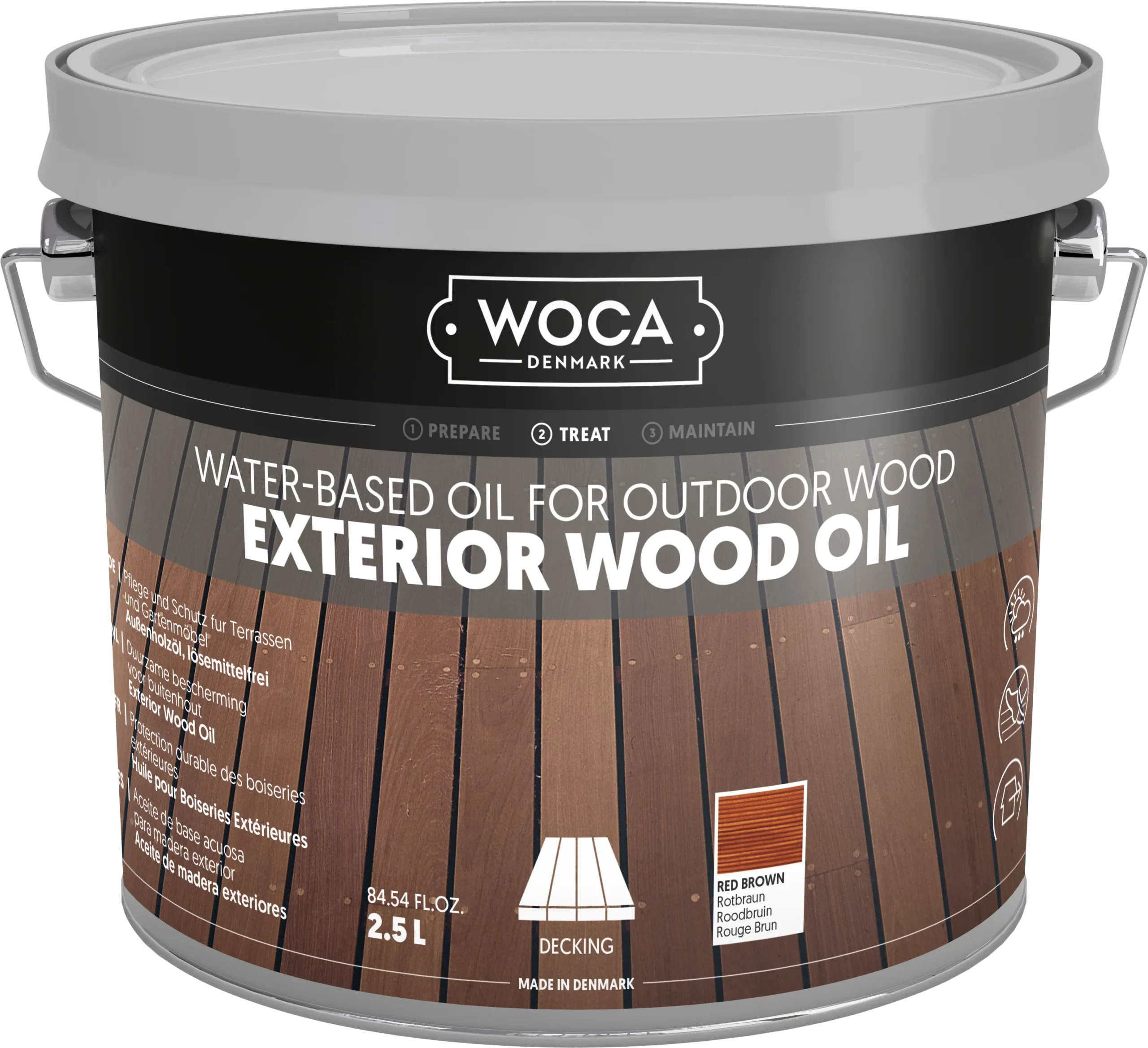
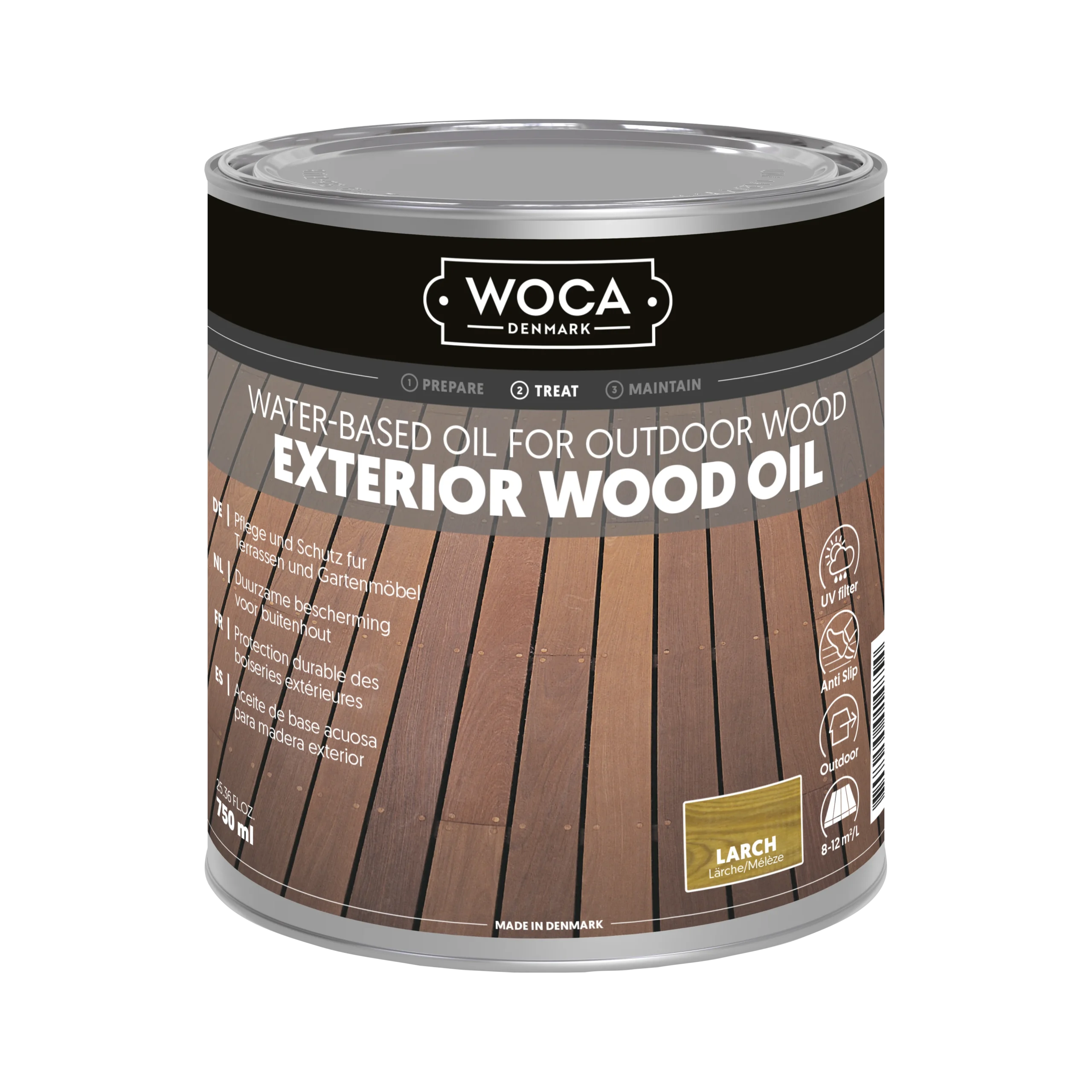
Exterior Wood Oil anvendes til udendørs grundbehandling og vedligehold af nye og tidligere oliebehandlede træoverflader som f.eks. terrasser, vinduer, havemøbler, facader etc. Den specielle vandbaserede sammensætning af oliekomponenter garanterer, at produktet er miljøvenlig og kan blandes med vand. Olien fremhæver træets naturlige farve og struktur.


  • Ved hudirritation eller udslet: Søg lægehjælp.
  • Giftig for vandlevende organismer, med langvarige virkninger.
  • Kan forårsage allergisk hudreaktion.
  • Bær beskyttelseshandsker og øjenbeskyttelse.
  • Advarsel!
  • Vask med rigeligt vand.
  • VED KONTAKT MED HUDEN:
  • Undgå udledning til miljøet.
VOC:
15 g/l, VOC-grænseværdi (A/f (VB)): 130 g/l.
Massefylde:
1.00-1.10 g/ml.
Holdbarhed:
3 år
Påføringstemperatur:
+15-30°C og ca. 50 % luftfugtighed.
Rækkeevne:
8-12 m²/L
Colour product:
Hasselnød
VOC:
15 g/l, VOC-grænseværdi (A/f (VB)): 130 g/l.
Massefylde:
1.00-1.10 g/ml.
Holdbarhed:
3 år
Påføringstemperatur:
+15-30°C og ca. 50 % luftfugtighed.
Rækkeevne:
8-12 m²/L
Colour product:
Hasselnød
VOC:
15 g/l, VOC-grænseværdi (A/f (VB)): 130 g/l.
Massefylde:
1.00-1.10 g/ml.
Holdbarhed:
2 år
Påføringstemperatur:
+15-30°C og ca. 50 % luftfugtighed.
Rækkeevne:
8-12 m²/L
Colour product:
Hasselnød
Emballagestørrelser:
2,5 L
VOC:
50 g/l, VOC-grænseværdi (A/f (VB)): 130 g/l.
Massefylde:
1.00-1.10 g/ml.
Holdbarhed:
3 år
Påføringstemperatur:
+15-30°C og ca. 50 % luftfugtighed.
Rækkeevne:
8-12 m²/L
Colour product:
Sort
VOC:
15 g/l, VOC-grænseværdi (A/f (VB)): 130 g/l.
Massefylde:
1.00-1.10 g/ml.
Holdbarhed:
2 år
Påføringstemperatur:
+15-30°C og ca. 50 % luftfugtighed.
Rækkeevne:
8-12 m²/L
Colour product:
Natur
Emballagestørrelser:
750 ml – 2,5 L
VOC:
15 g/l, VOC-grænseværdi (A/f (VB)): 130 g/l.
Massefylde:
1.00-1.10 g/ml.
Holdbarhed:
2 år
Påføringstemperatur:
+15-30°C og ca. 50 % luftfugtighed.
Rækkeevne:
8-12 m²/L
Colour product:
Natur
VOC:
15 g/l, VOC-grænseværdi (A/f (VB)): 130 g/l.
Massefylde:
1.00-1.10 g/ml.
Holdbarhed:
2 år
Påføringstemperatur:
+15-30°C og ca. 50 % luftfugtighed.
Rækkeevne:
8-12 m²/L
Colour product:
Rødbrun
VOC:
15 g/l, VOC-grænseværdi (A/f (VB)): 130 g/l.
Massefylde:
1.00-1.10 g/ml.
Holdbarhed:
2 år
Påføringstemperatur:
+15-30°C og ca. 50 % luftfugtighed.
Rækkeevne:
8-12 m²/L
Colour product:
Lærk
VOC:
15 g/l, VOC-grænseværdi (A/f (VB)): 130 g/l.
Massefylde:
1.00-1.10 g/ml.
Holdbarhed:
3 år
Påføringstemperatur:
+15-30°C og ca. 50 % luftfugtighed.
Rækkeevne:
8-12 m²/L
Colour product:
Lærk
VOC:
15 g/l, VOC-grænseværdi (A/f (VB)): 130 g/l.
Massefylde:
1.00-1.10 g/ml.
Holdbarhed:
2 år
Påføringstemperatur:
+15-30°C og ca. 50 % luftfugtighed.
Rækkeevne:
8-12 m²/L
Colour product:
Bangkirai
VOC:
15 g/l, VOC-grænseværdi (A/f (VB)): 130 g/l.
Massefylde:
1.00-1.10 g/ml.
Holdbarhed:
3 år
Påføringstemperatur:
+15-30°C og ca. 50 % luftfugtighed.
Rækkeevne:
8-12 m²/L
Colour product:
Bangkirai
VOC:
15 g/l, VOC-grænseværdi (A/f (VB)): 130 g/l.
Massefylde:
1.00-1.10 g/ml.
Holdbarhed:
2 år
Påføringstemperatur:
+15-30°C og ca. 50 % luftfugtighed.
Rækkeevne:
8-12 m²/L
Colour product:
Teak
Emballagestørrelser:
750 ml – 2,5 L
VOC:
15 g/l, VOC-grænseværdi (A/f (VB)): 130 g/l.
Massefylde:
1.00-1.10 g/ml.
Holdbarhed:
3 år
Påføringstemperatur:
+15-30°C og ca. 50 % luftfugtighed.
Rækkeevne:
8-12 m²/L
Colour product:
Teak
VOC:
15 g/l, VOC-grænseværdi (A/f (VB)): 130 g/l.
Massefylde:
1.00-1.10 g/ml.
Holdbarhed:
2 år
Påføringstemperatur:
+15-30°C og ca. 50 % luftfugtighed.
Rækkeevne:
8-12 m²/L
Colour product:
Grå
VOC:
15 g/l, VOC-grænseværdi (A/f (VB)): 130 g/l.
Massefylde:
1.00-1.10 g/ml.
Holdbarhed:
3 år
Påføringstemperatur:
+15-30°C og ca. 50 % luftfugtighed.
Rækkeevne:
8-12 m²/L
Colour product:
Grå
VOC:
15 g/l, VOC-grænseværdi (A/f (VB)): 130 g/l.
Massefylde:
1.00-1.10 g/ml.
Holdbarhed:
2 år
Påføringstemperatur:
+15-30°C og ca. 50 % luftfugtighed.
Rækkeevne:
8-12 m²/L
Colour product:
Valnød
VOC:
15 g/l, VOC-grænseværdi (A/f (VB)): 130 g/l.
Massefylde:
1.00-1.10 g/ml.
Holdbarhed:
3 år
Påføringstemperatur:
+15-30°C og ca. 50 % luftfugtighed.
Rækkeevne:
8-12 m²/L
Colour product:
Valnød
VOC:
35 g/l, VOC-grænseværdi (A/f (VB)): 130 g/l.
Massefylde:
1.00-1.10 g/ml.
Holdbarhed:
2 år
Påføringstemperatur:
+15-30°C og ca. 50 % luftfugtighed.
Rækkeevne:
8-12 m²/L
Colour product:
Antracit
VOC:
35 g/l, VOC-grænseværdi (A/f (VB)): 130 g/l.
Massefylde:
1.00-1.10 g/ml.
Holdbarhed:
3 år
Påføringstemperatur:
+15-30°C og ca. 50 % luftfugtighed.
Rækkeevne:
8-12 m²/L
Colour product:
Antracit
VOC:
15 g/l, VOC-grænseværdi (A/f (VB)): 130 g/l.
Massefylde:
1.00-1.10 g/ml.
Holdbarhed:
2 år
Påføringstemperatur:
+15-30°C og ca. 50 % luftfugtighed.
Rækkeevne:
8-12 m²/L
Colour product:
Hvid
VOC:
15 g/l, VOC-grænseværdi (A/f (VB)): 130 g/l.
Massefylde:
1.00-1.10 g/ml.
Holdbarhed:
3 år
Påføringstemperatur:
+15-30°C og ca. 50 % luftfugtighed.
Rækkeevne:
8-12 m²/L
Colour product:
Hvid
VOC:
15 g/l, VOC-grænseværdi (A/f (VB)): 130 g/l.
Massefylde:
1.00-1.10 g/ml.
Holdbarhed:
2 år
Påføringstemperatur:
+15-30°C og ca. 50 % luftfugtighed.
Rækkeevne:
8-12 m²/L
Colour product:
Sølv
VOC:
15 g/l, VOC-grænseværdi (A/f (VB)): 130 g/l.
Massefylde:
1.00-1.10 g/ml.
Holdbarhed:
2 år
Påføringstemperatur:
+15-30°C og ca. 50 % luftfugtighed.
Rækkeevne:
8-12 m²/L
Colour product:
Natur
VOC:
15 g/l, VOC-grænseværdi (A/f (VB)): 130 g/l.
Massefylde:
1.00-1.10 g/ml.
Holdbarhed:
2 år
Påføringstemperatur:
+15-30°C og ca. 50 % luftfugtighed.
Rækkeevne:
8-12 m²/L
Colour product:
Natur
VOC:
35 g/l, VOC-grænseværdi (A/f (VB)): 130 g/l.
Massefylde:
1.00-1.10 g/ml.
Holdbarhed:
3 år
Påføringstemperatur:
+15-30°C og ca. 50 % luftfugtighed.
Rækkeevne:
8-12 m²/L
Colour product:
Antracit
VOC:
15 g/l, VOC-grænseværdi (A/f (VB)): 130 g/l.
Massefylde:
1.00-1.10 g/ml.
Holdbarhed:
3 år
Påføringstemperatur:
+15-30°C og ca. 50 % luftfugtighed.
Rækkeevne:
8-12 m²/L
Colour product:
Lærk
VOC:
15 g/l, VOC-grænseværdi (A/f (VB)): 130 g/l.
Massefylde:
1.00-1.10 g/ml.
Holdbarhed:
3 år
Påføringstemperatur:
+15-30°C og ca. 50 % luftfugtighed.
Rækkeevne:
8-12 m²/L
Colour product:
Bangkirai
VOC:
15 g/l, VOC-grænseværdi (A/f (VB)): 130 g/l.
Massefylde:
1.00-1.10 g/ml.
Holdbarhed:
3 år
Påføringstemperatur:
+15-30°C og ca. 50 % luftfugtighed.
Rækkeevne:
8-12 m²/L
Colour product:
Teak
VOC:
50 g/l, VOC-grænseværdi (A/f (VB)): 130 g/l.
Massefylde:
1.00-1.10 g/ml.
Holdbarhed:
3 år
Påføringstemperatur:
+15-30°C og ca. 50 % luftfugtighed.
Rækkeevne:
8-12 m²/L
Colour product:
Sort
VOC:
15 g/l, VOC-grænseværdi (A/f (VB)): 130 g/l.
Massefylde:
1.00-1.10 g/ml.
Holdbarhed:
3 år
Påføringstemperatur:
+15-30°C og ca. 50 % luftfugtighed.
Rækkeevne:
8-12 m²/L
Colour product:
Grå
VOC:
15 g/l, VOC-grænseværdi (A/f (VB)): 130 g/l.
Massefylde:
1.00-1.10 g/ml.
Holdbarhed:
3 år
Påføringstemperatur:
+15-30°C og ca. 50 % luftfugtighed.
Rækkeevne:
8-12 m²/L
Colour product:
Hvid
VOC:
15 g/l, VOC-grænseværdi (A/f (VB)): 130 g/l.
Massefylde:
1.00-1.10 g/ml.
Holdbarhed:
3 år
Påføringstemperatur:
+15-30°C og ca. 50 % luftfugtighed.
Rækkeevne:
8-12 m²/L
Colour product:
Stengrå
VOC:
15 g/l, VOC-grænseværdi (A/f (VB)): 130 g/l.
Massefylde:
1.00-1.10 g/ml.
Holdbarhed:
2 år
Påføringstemperatur:
+15-30°C og ca. 50 % luftfugtighed.
Rækkeevne:
8-12 m²/L
Colour product:
Stengrå
VOC:
15 g/l, VOC-grænseværdi (A/f (VB)): 130 g/l.
Massefylde:
1.00-1.10 g/ml.
Holdbarhed:
2 år
Påføringstemperatur:
+15-30°C og ca. 50 % luftfugtighed.
Rækkeevne:
8-12 m²/L
Colour product:
Stengrå
Emballagestørrelser:
2,5 L
VOC:
15 g/l, VOC-grænseværdi (A/f (VB)): 130 g/l.
Massefylde:
1.00-1.10 g/ml.
Holdbarhed:
3 år
Påføringstemperatur:
+15-30°C og ca. 50 % luftfugtighed.
Rækkeevne:
8-12 m²/L
Colour product:
Tordengrå
VOC:
15 g/l, VOC-grænseværdi (A/f (VB)): 130 g/l.
Massefylde:
1.00-1.10 g/ml.
Holdbarhed:
3 år
Påføringstemperatur:
+15-30°C og ca. 50 % luftfugtighed.
Rækkeevne:
8-12 m²/L
Colour product:
Tordengrå
VOC:
15 g/l, VOC-grænseværdi (A/f (VB)): 130 g/l.
Massefylde:
1.00-1.10 g/ml.
Holdbarhed:
2 år
Påføringstemperatur:
+15-30°C og ca. 50 % luftfugtighed.
Rækkeevne:
8-12 m²/L
Colour product:
Tordengrå
Emballagestørrelser:
2,5 L
VOC:
15 g/l, VOC-grænseværdi (A/f (VB)): 130 g/l.
Massefylde:
1.00-1.10 g/ml.
Holdbarhed:
3 år
Påføringstemperatur:
+15-30°C og ca. 50 % luftfugtighed.
Rækkeevne:
8-12 m²/L
Colour product:
Merbau
VOC:
15 g/l, VOC-grænseværdi (A/f (VB)): 130 g/l.
Massefylde:
1.00-1.10 g/ml.
Holdbarhed:
3 år
Påføringstemperatur:
+15-30°C og ca. 50 % luftfugtighed.
Rækkeevne:
8-12 m²/L
Colour product:
Merbau
VOC:
15 g/l, VOC-grænseværdi (A/f (VB)): 130 g/l.
Massefylde:
1.00-1.10 g/ml.
Holdbarhed:
2 år
Påføringstemperatur:
+15-30°C og ca. 50 % luftfugtighed.
Rækkeevne:
8-12 m²/L
Colour product:
Merbau
Emballagestørrelser:
2,5 L
VOC:
15 g/l, VOC-grænseværdi (A/f (VB)): 130 g/l.
Massefylde:
1.00-1.10 g/ml.
Holdbarhed:
2 år
Påføringstemperatur:
+15-30°C og ca. 50 % luftfugtighed.
Rækkeevne:
8-12 m²/L
Colour product:
Natur
Emballagestørrelser:
750 ml – 2,5 L
VOC:
50 g/l, VOC-grænseværdi (A/f (VB)): 130 g/l.
Massefylde:
1.00-1.10 g/ml.
Holdbarhed:
2 år
Påføringstemperatur:
+15-30°C og ca. 50 % luftfugtighed.
Rækkeevne:
8-12 m²/L
Colour product:
Sort
Emballagestørrelser:
2,5 L
VOC:
15 g/l, VOC-grænseværdi (A/f (VB)): 130 g/l.
Massefylde:
1.00-1.10 g/ml.
Holdbarhed:
2 år
Påføringstemperatur:
+15-30°C og ca. 50 % luftfugtighed.
Rækkeevne:
8-12 m²/L
Colour product:
Lærk
Emballagestørrelser:
2,5 L
VOC:
15 g/l, VOC-grænseværdi (A/f (VB)): 130 g/l.
Massefylde:
1.00-1.10 g/ml.
Holdbarhed:
2 år
Påføringstemperatur:
+15-30°C og ca. 50 % luftfugtighed.
Rækkeevne:
8-12 m²/L
Colour product:
Bangkirai
Emballagestørrelser:
2,5 L
VOC:
15 g/l, VOC-grænseværdi (A/f (VB)): 130 g/l.
Massefylde:
1.00-1.10 g/ml.
Holdbarhed:
2 år
Påføringstemperatur:
+15-30°C og ca. 50 % luftfugtighed.
Rækkeevne:
8-12 m²/L
Colour product:
Sahara
Emballagestørrelser:
2,5 L
VOC:
15 g/l, VOC-grænseværdi (A/f (VB)): 130 g/l.
Massefylde:
1.00-1.10 g/ml.
Holdbarhed:
2 år
Påføringstemperatur:
+15-30°C og ca. 50 % luftfugtighed.
Rækkeevne:
8-12 m²/L
Colour product:
Teak
Emballagestørrelser:
750 ml – 2,5 L
VOC:
15 g/l, VOC-grænseværdi (A/f (VB)): 130 g/l.
Massefylde:
1.00-1.10 g/ml.
Holdbarhed:
2 år
Påføringstemperatur:
+15-30°C og ca. 50 % luftfugtighed.
Rækkeevne:
8-12 m²/L
Colour product:
Grå
Emballagestørrelser:
2,5 L
VOC:
15 g/l, VOC-grænseværdi (A/f (VB)): 130 g/l.
Massefylde:
1.00-1.10 g/ml.
Holdbarhed:
2 år
Påføringstemperatur:
+15-30°C og ca. 50 % luftfugtighed.
Rækkeevne:
8-12 m²/L
Colour product:
Valnød
Emballagestørrelser:
2,5 L
VOC:
35 g/l, VOC-grænseværdi (A/f (VB)): 130 g/l.
Massefylde:
1.00-1.10 g/ml.
Holdbarhed:
2 år
Påføringstemperatur:
+15-30°C og ca. 50 % luftfugtighed.
Rækkeevne:
8-12 m²/L
Colour product:
Antracit
Emballagestørrelser:
2,5 L
VOC:
15 g/l, VOC-grænseværdi (A/f (VB)): 130 g/l.
Massefylde:
1.00-1.10 g/ml.
Holdbarhed:
2 år
Påføringstemperatur:
+15-30°C og ca. 50 % luftfugtighed.
Rækkeevne:
8-12 m²/L
Colour product:
Hvid
Emballagestørrelser:
2,5 L

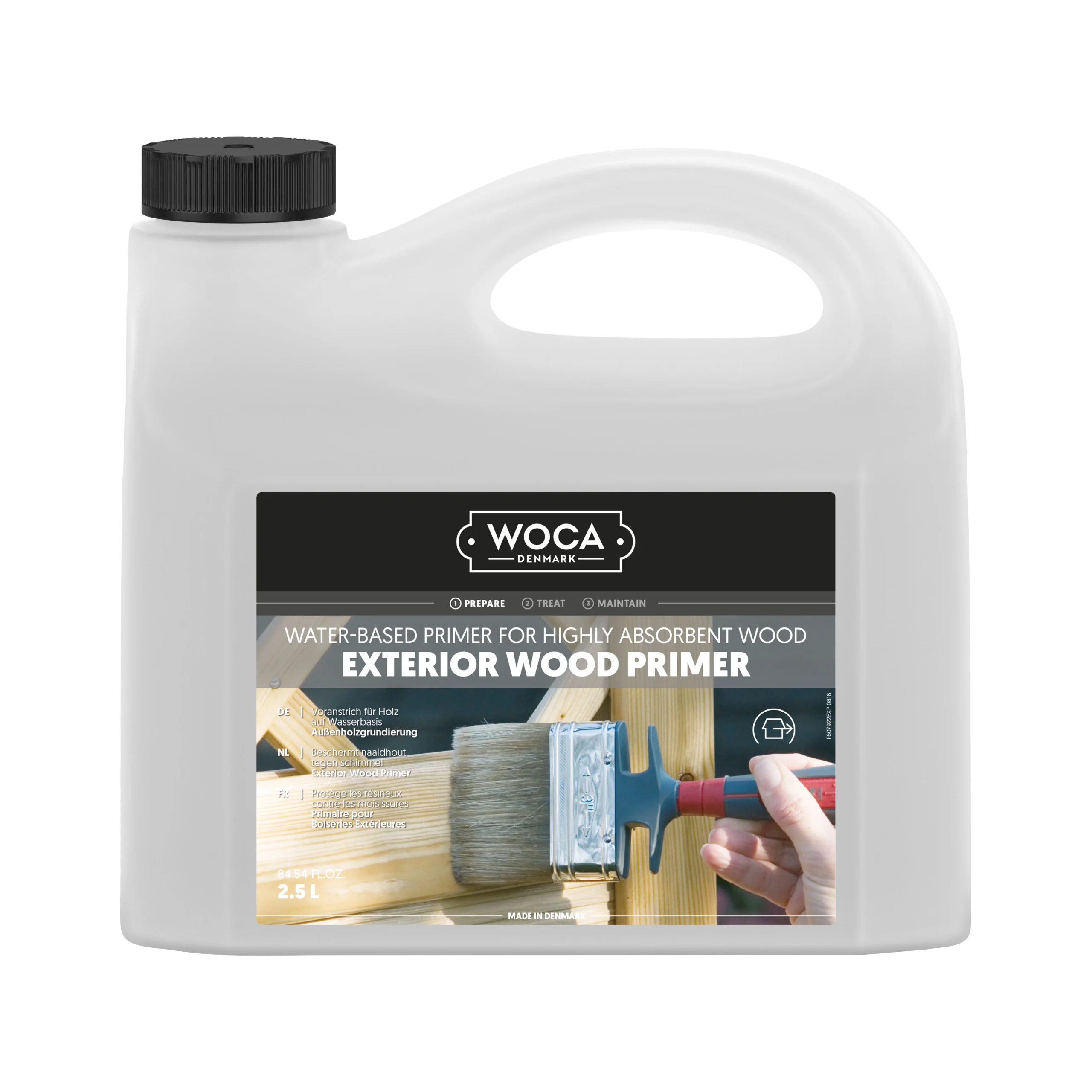
Lyse træsorter som ikke er trykimprægneret kan med fordel grundes med f.eks. WOCA Exterior Wood primer.
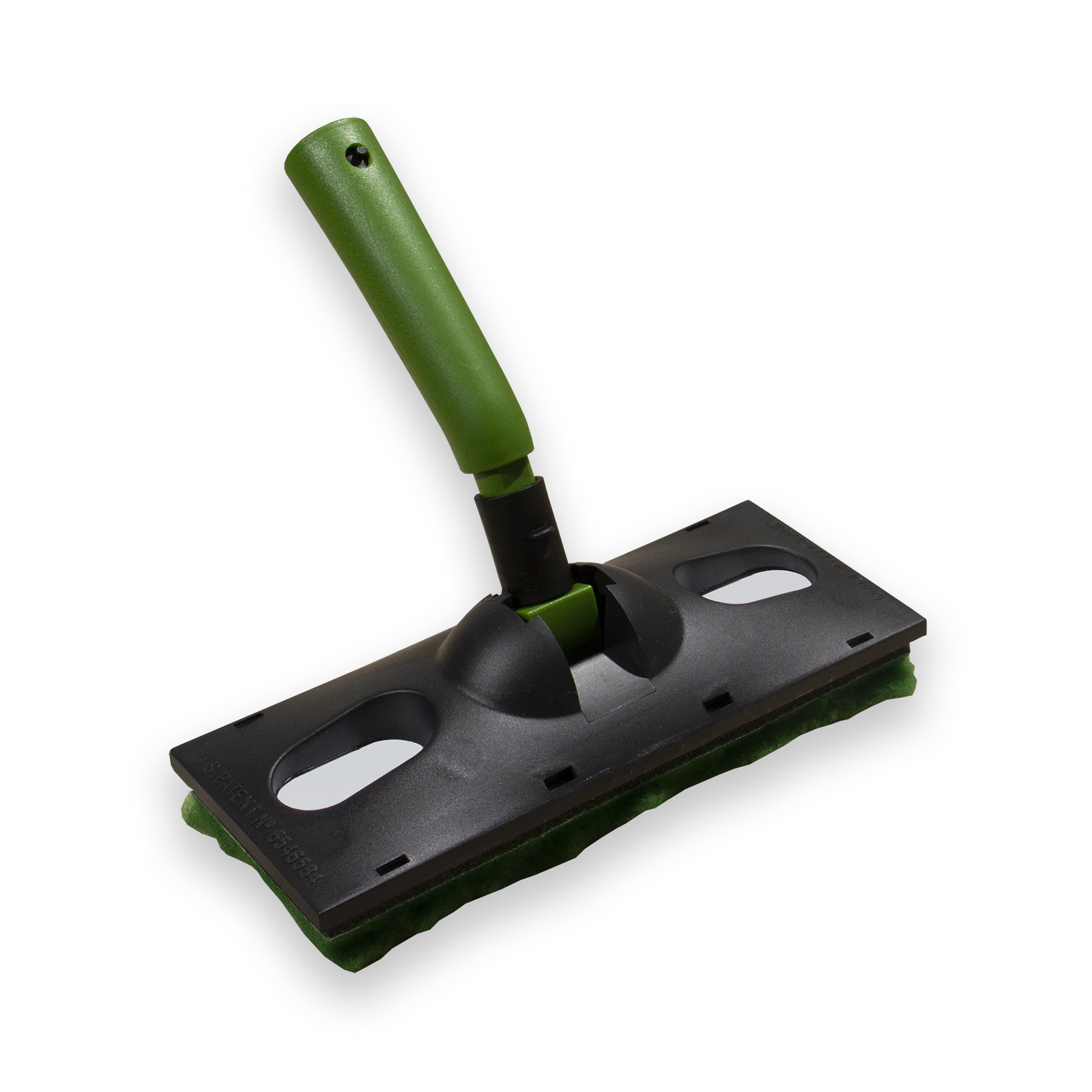
Husk altid at foretage prøveopstrøg på et mindre synligt sted for kontrol af overfladens og produktets forenelighed.

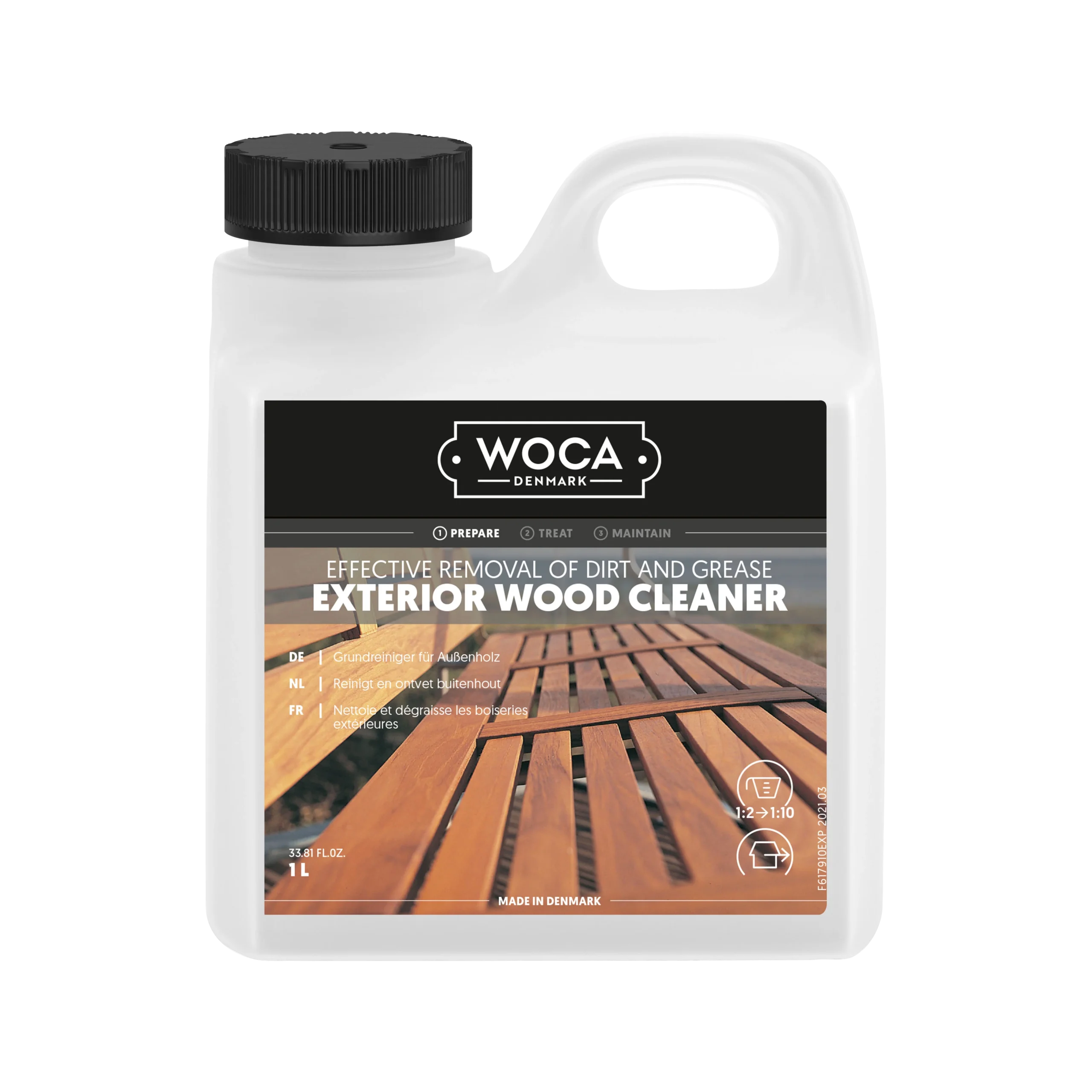
  • Rengør nyt og gammelt træværk med WOCA Exterior Wood Cleaner før oliebehandlingen.
  • Lad træet tørre mindst 24 timer, så træets fugtighed ikke er mere end 17 %. Eventuel trærejsning kan fjernes med sandpapir korn 120-150.
  • Påfør olien i tørvejr ved minimum 13°C. Undgå direkte sollys og høje temperaturer.
  • Omrør Olie grundigt før brug.
  • Påfør olien med pensel i et jævnt, tyndt lag. Begynd med træets endeflader. Den våde olie kan have en hvid nuance. Når vandet er fordampet efter nogle minutter, kommer træet til at se olieret ud.
  • Fjern overflødig olie med rene bomuldsklude efter 5 minutter. Vær især opmærksom på at fjerne overflødig olie fra samlinger og sprækker.
  • Punkt 5 og 6 kan udføres igen, hvis overfladen ikke virker mættet med olie.
  • Når træet er tørt kan der efterpoleres med en polerpad eller polermaskine for at gøre overfladen ekstra slidstærk.
  • Afhængig af vejr og temperatur vil der gå mellem 24-48 timer ved 20°C, inden olien er gennemhærdet. Træet må ikke udsættes for vand i denne periode.
  • Lyse træsorter som ikke er trykimprægneret kan med fordel grundes med f.eks. WOCA Exterior Wood primer.
    ERROR: ORA-00907: missing right parenthesis