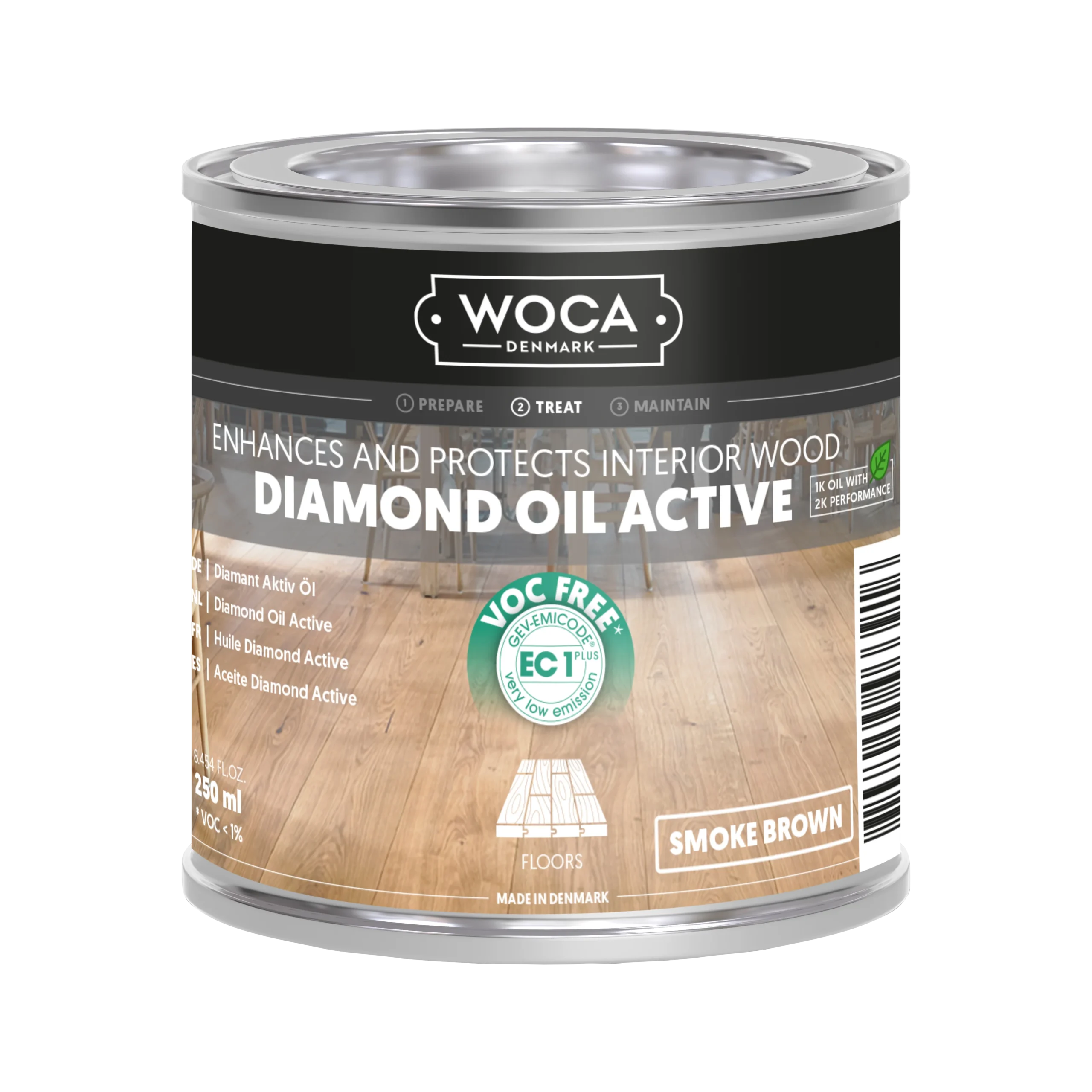
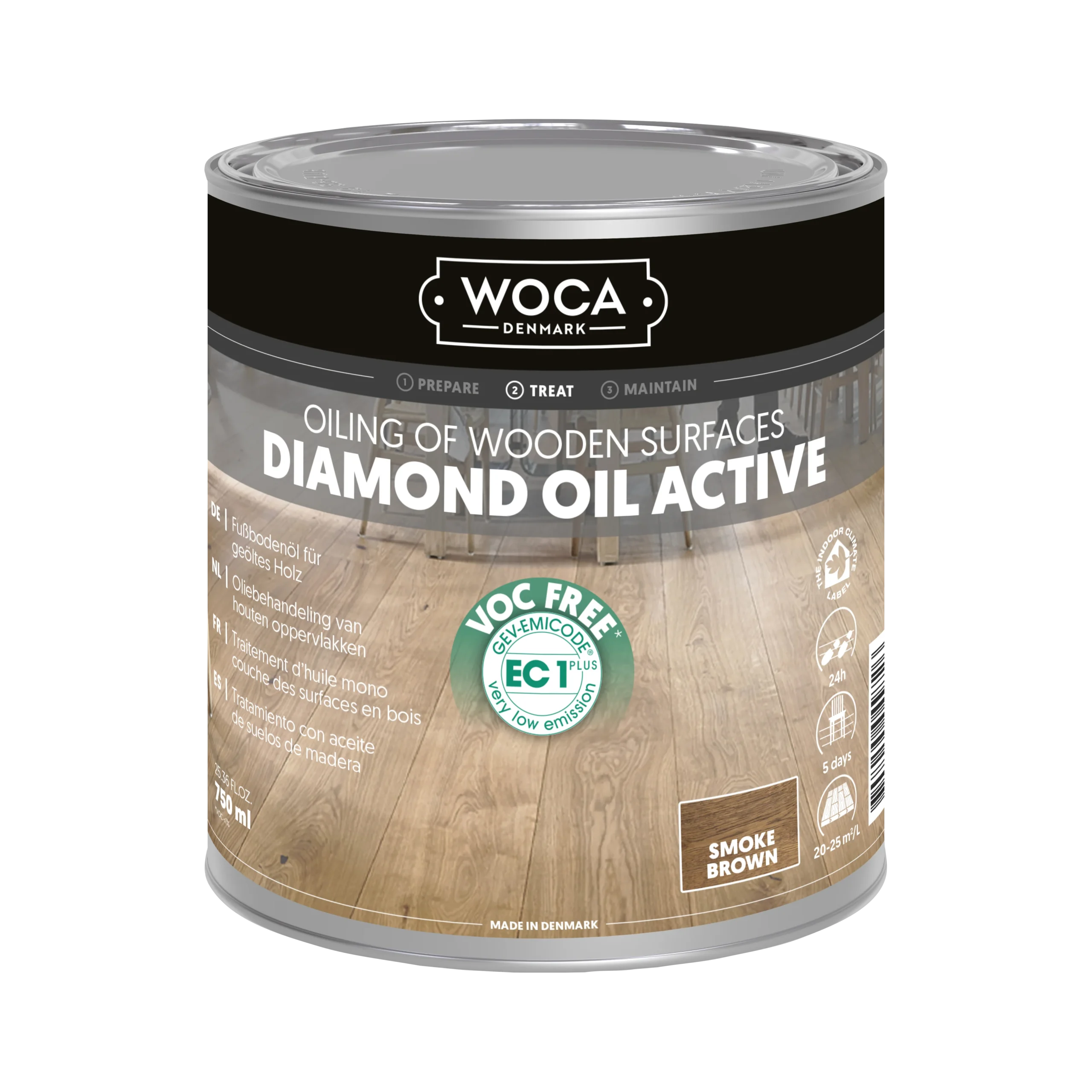
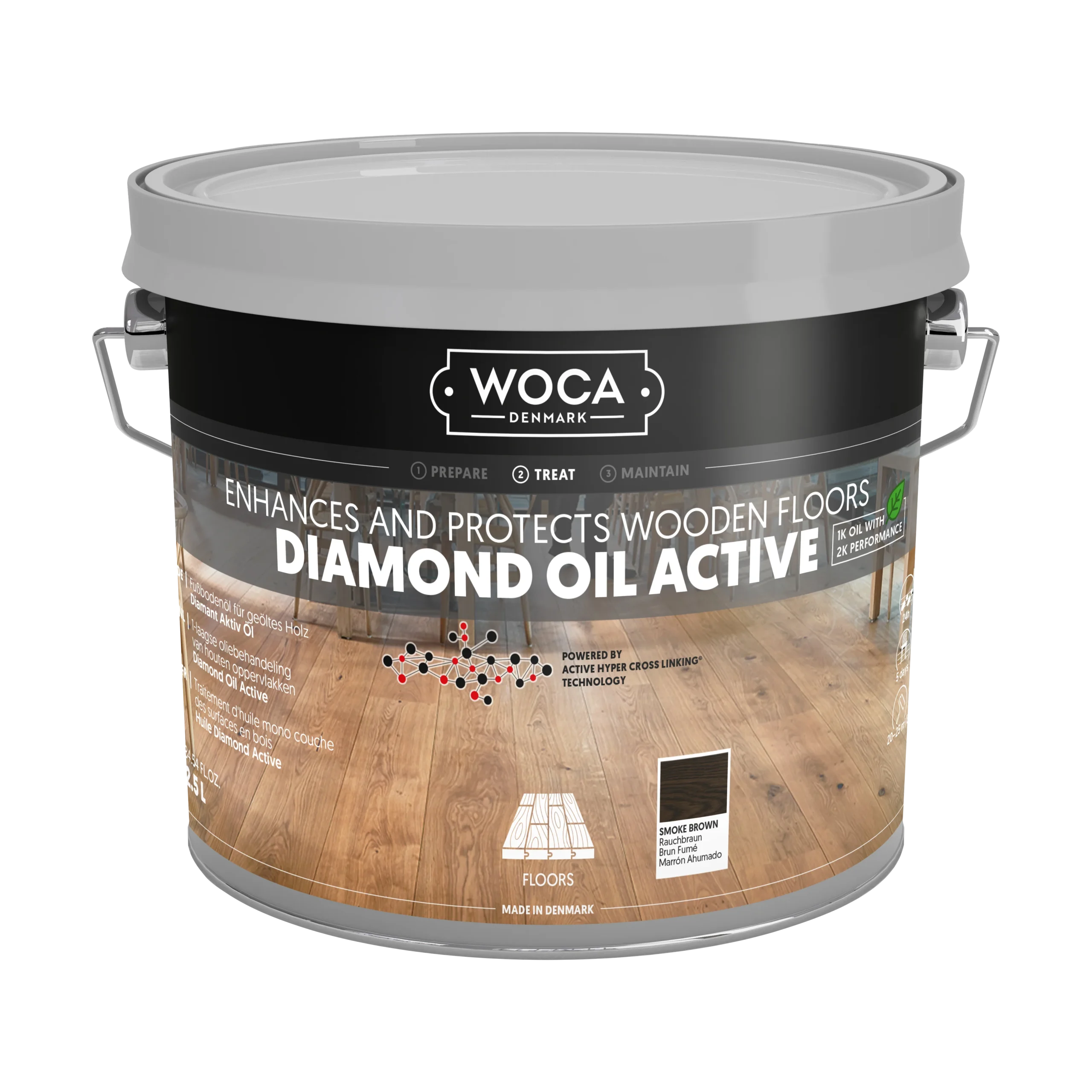
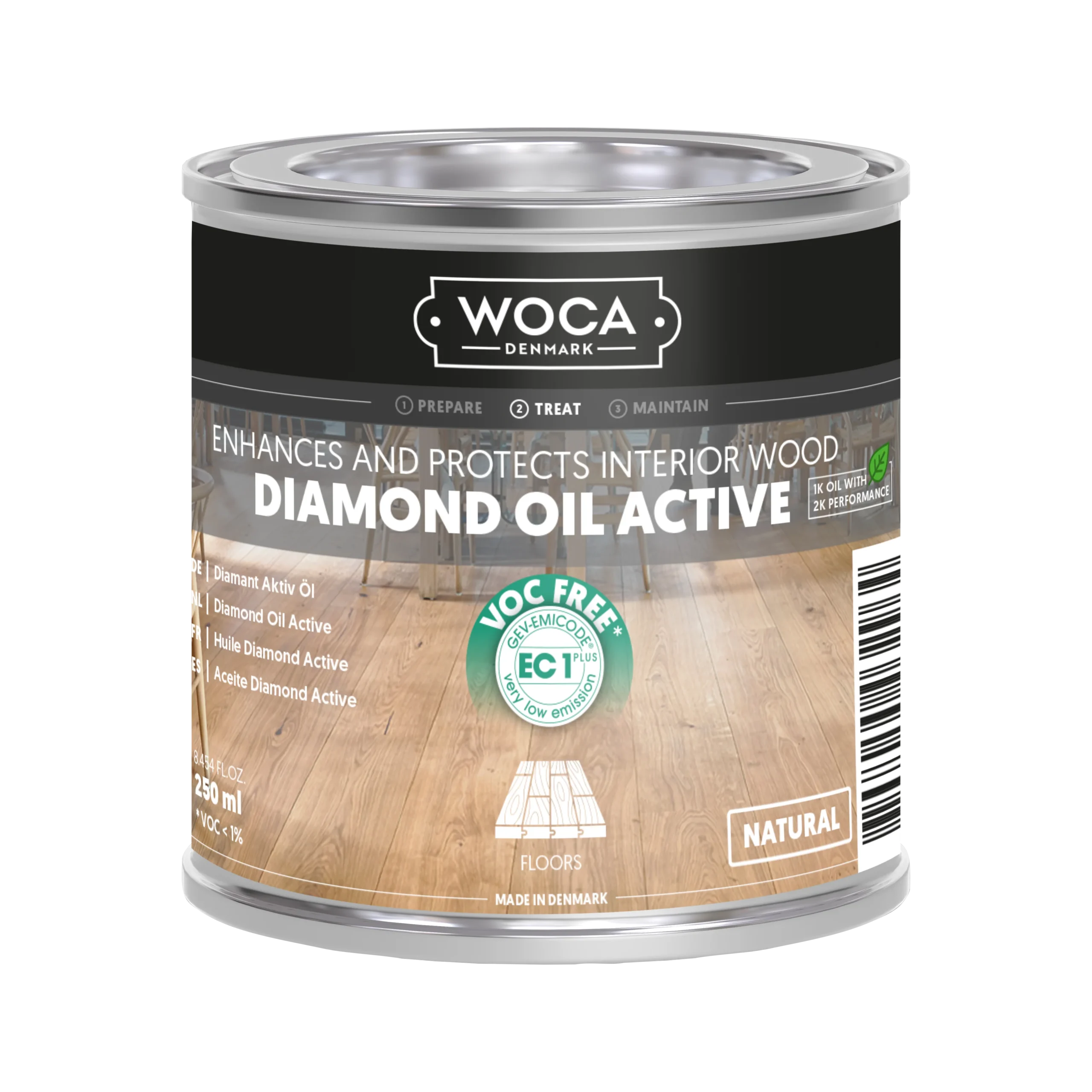
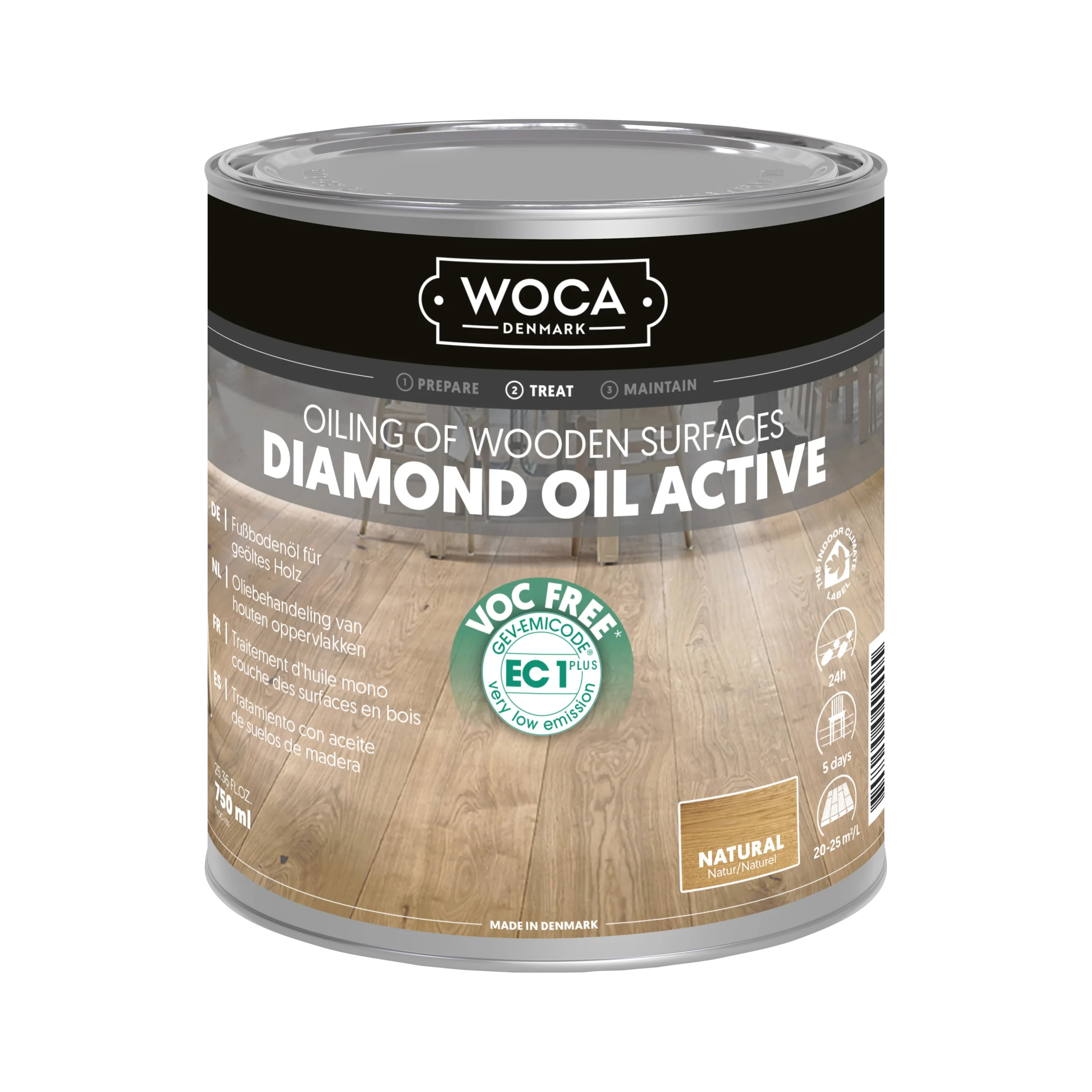
Diamond Oil Active
Diamond Oil Active

Diamond Oil Active

Varenummer: 565010A 565010SA 565025A 565025SA 565050A 565105A 565107A 565110SA 565125A 565125SA 565505A 565507A 565510SA 565525A 565525SA 565607A 565610SA 565625A 565625SA 565707A 565710SA 565725A 565725SA 565807A 565810SA 565825A 565907A 565910SA 565925A 565925SA 566007A 566010SA 566025A 566025SA 566105A 566107A 566110SA 566125A 565005A 565007A

Oliering af træoverflader

  • 1-komponent olie med ydeevnen af ​​en 2-komponent olie
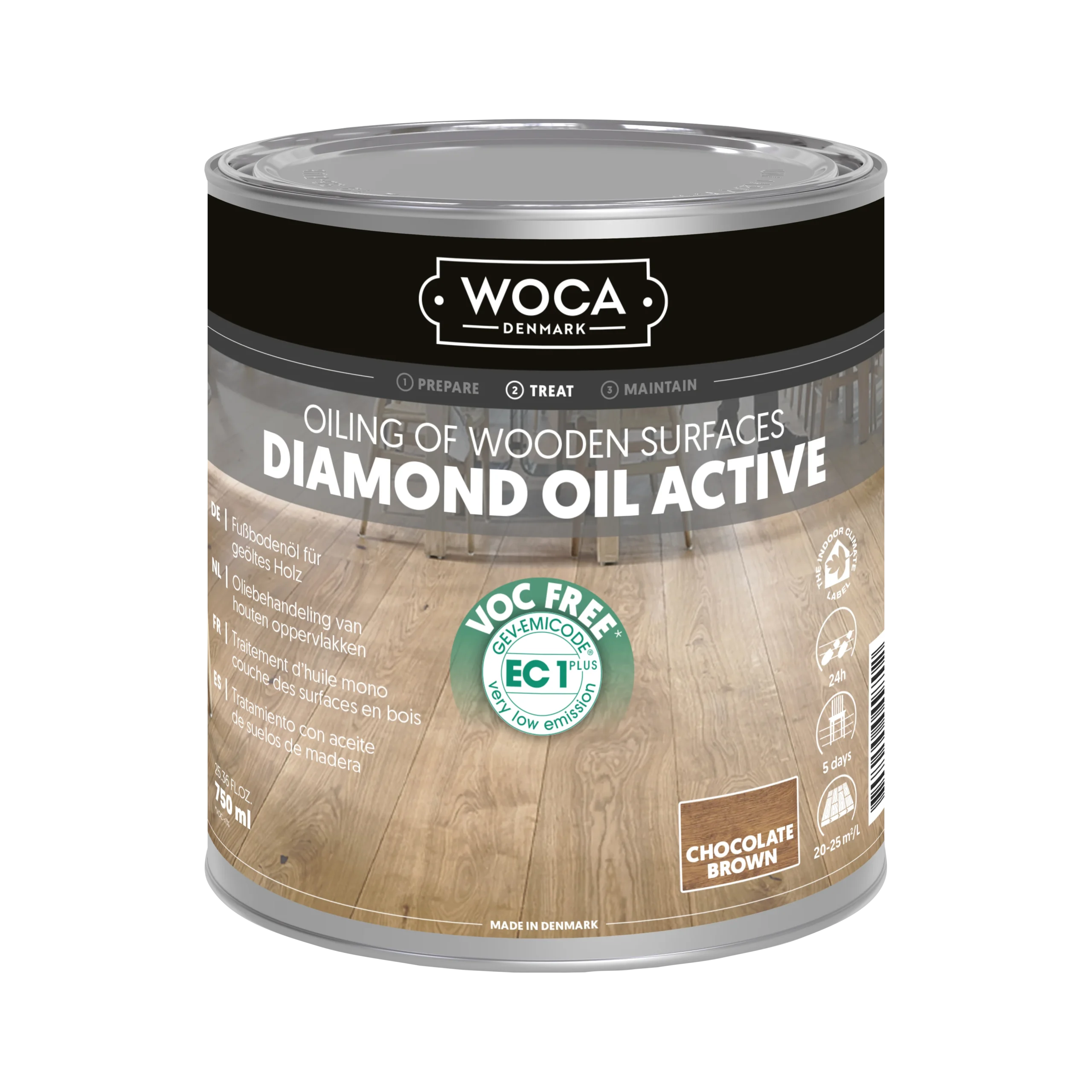
  • VOC-fri
  • Ekstrem holdbarhed og hårdfør over for ridser og mærker
  • Høj resistens over for væsker som f.eks. vand, kaffe, te og rødvin

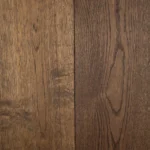
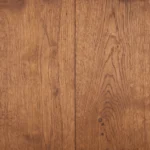
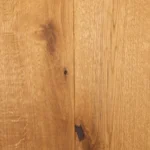
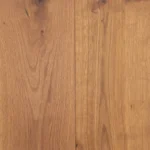
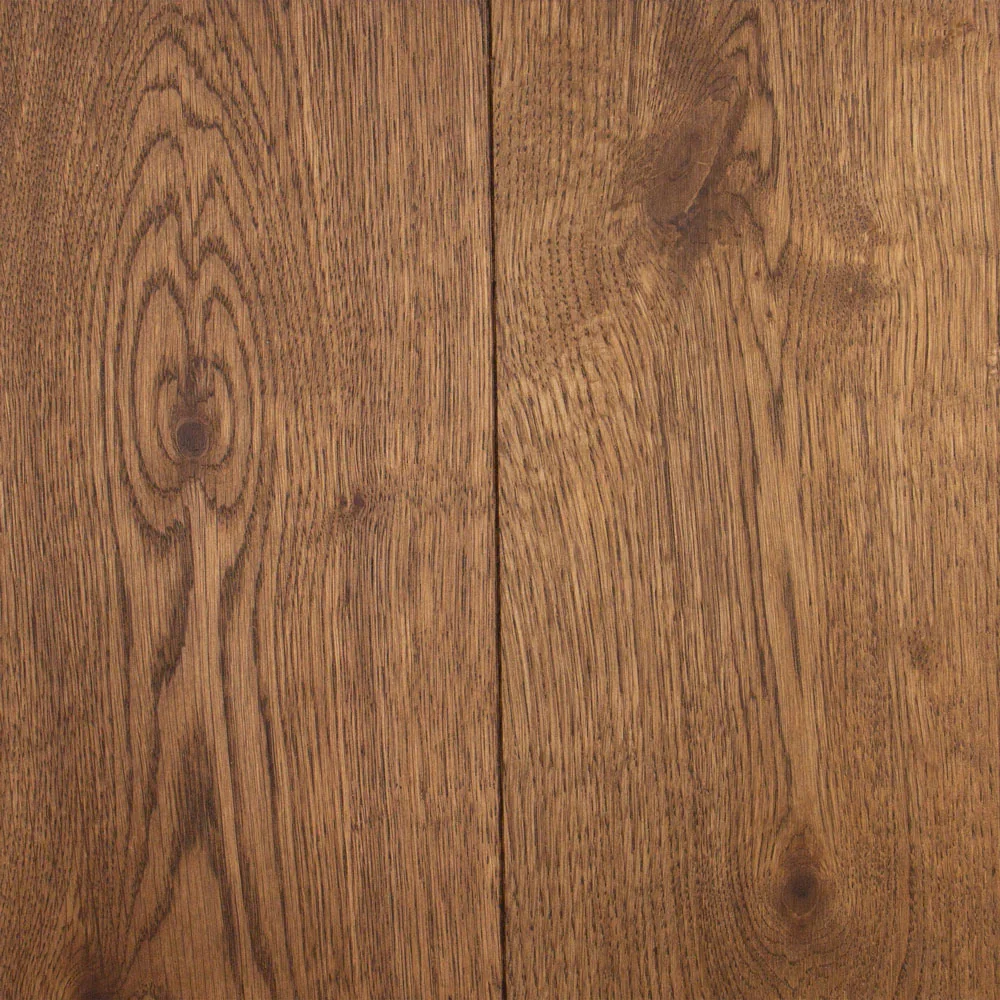
Farver

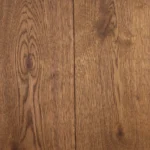
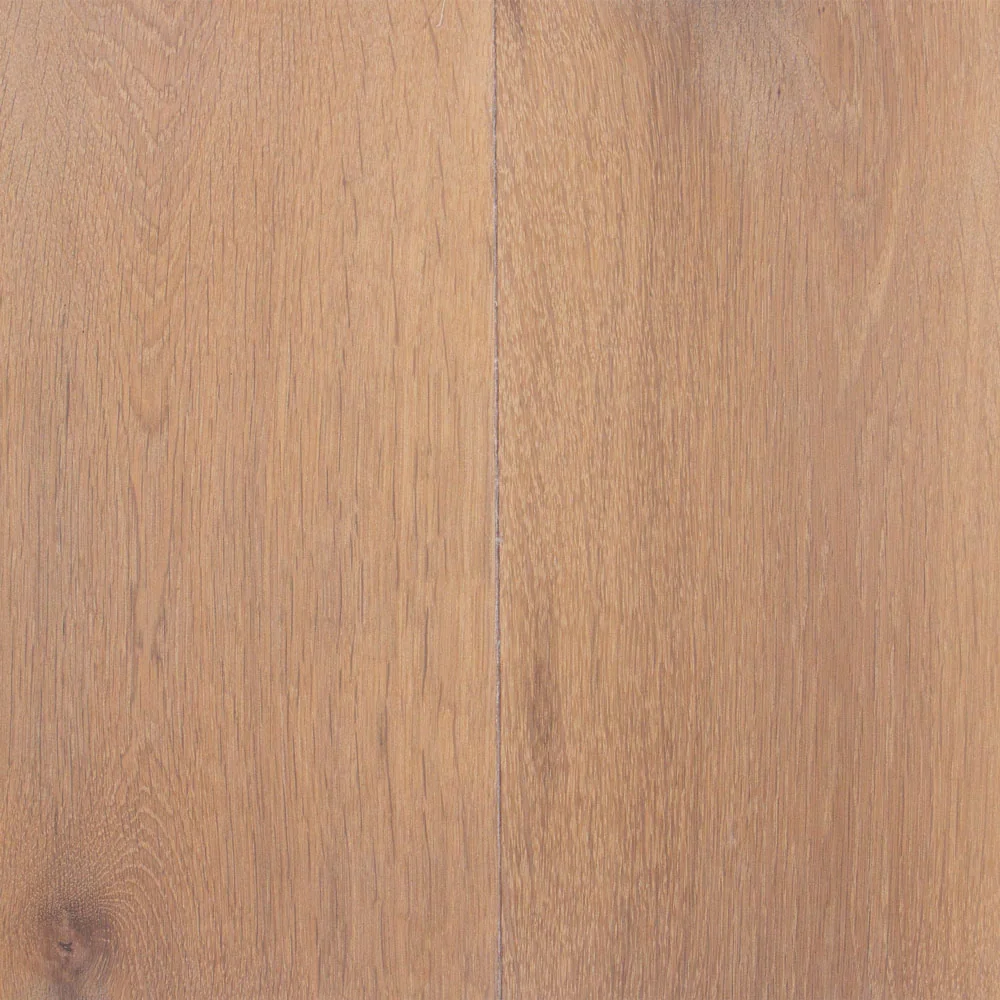
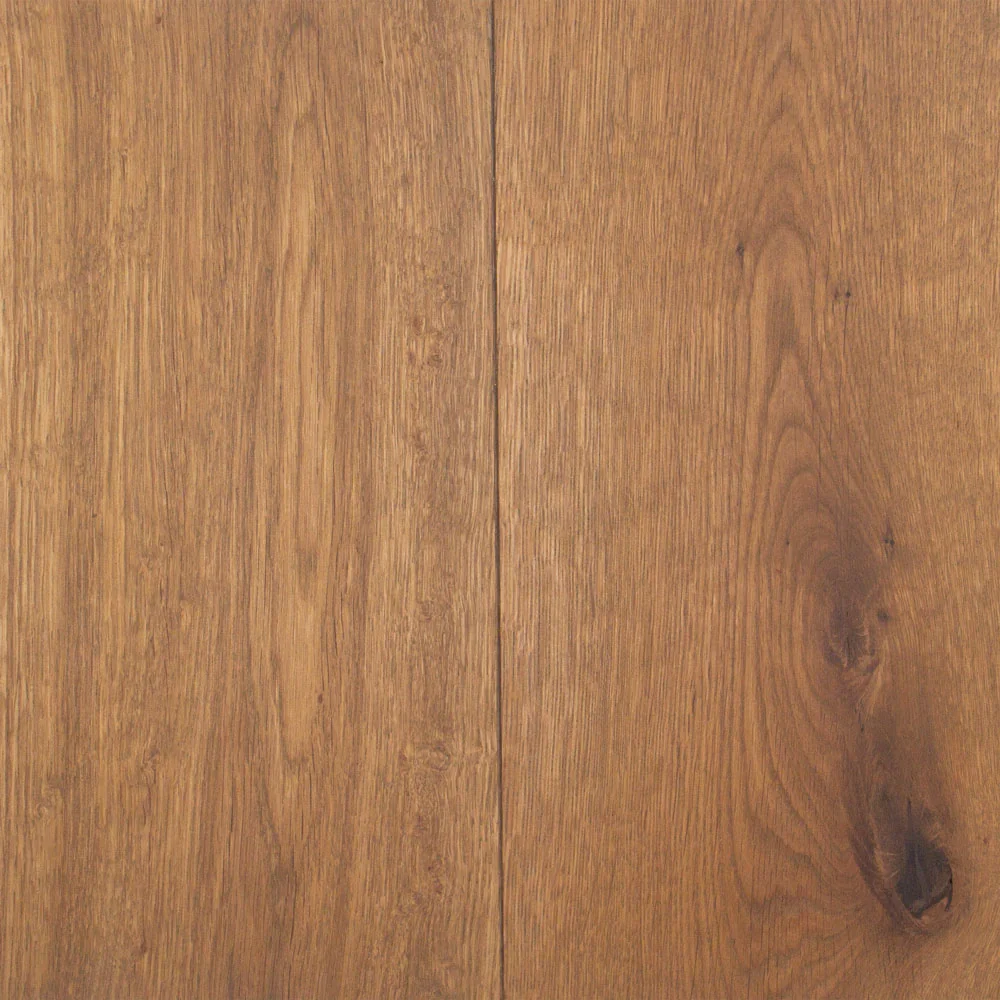
*Træprøven er vist på eg
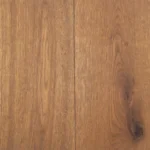
Natur
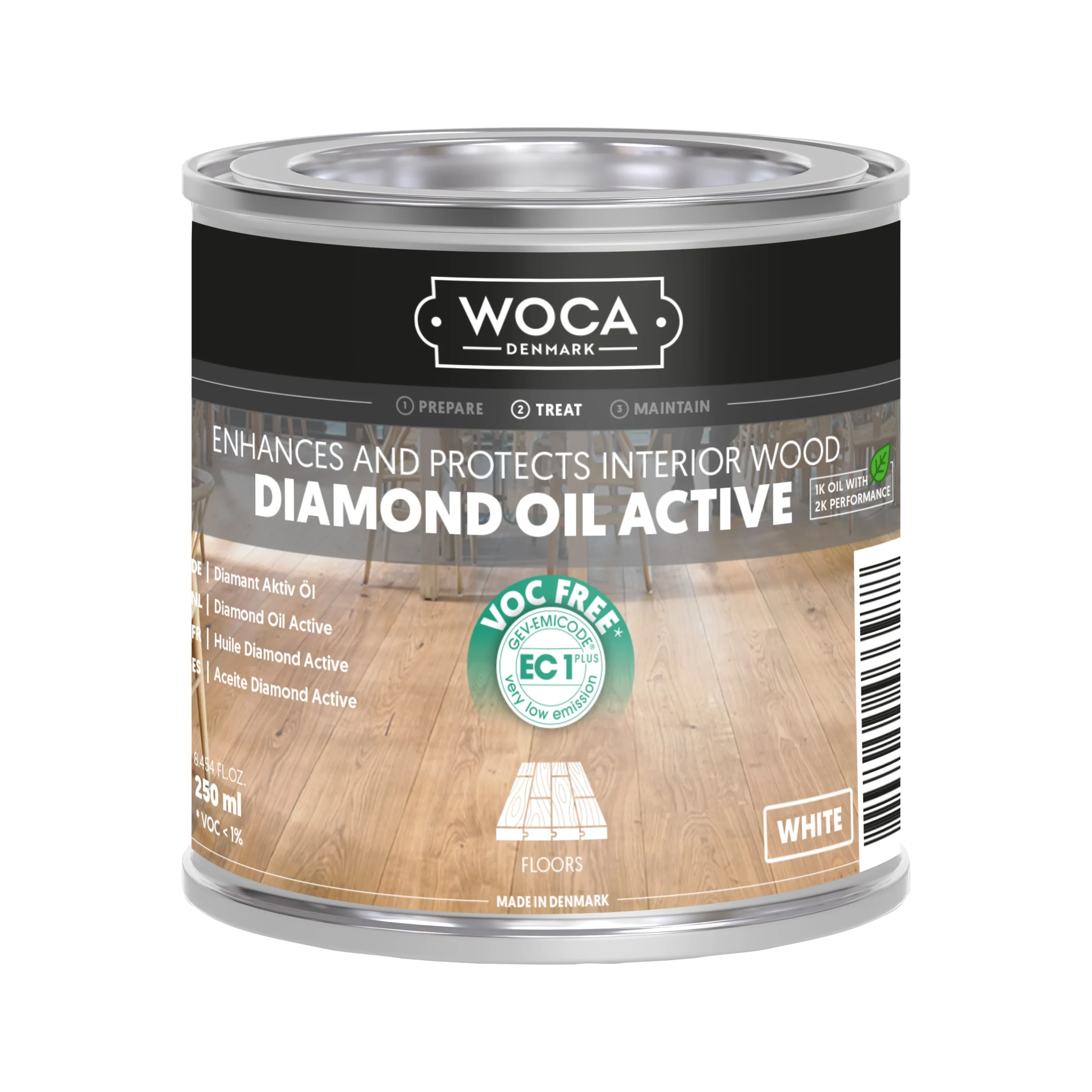
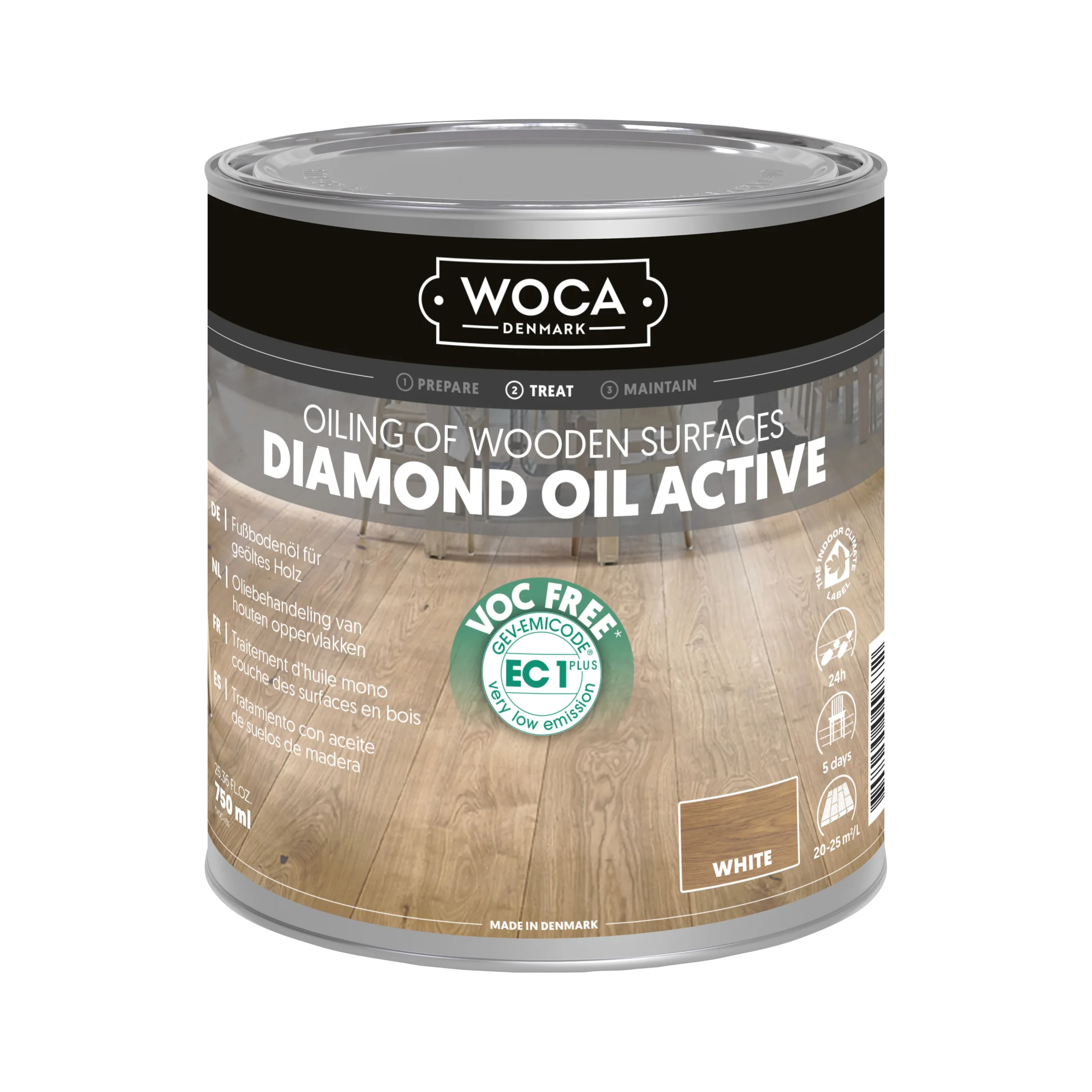
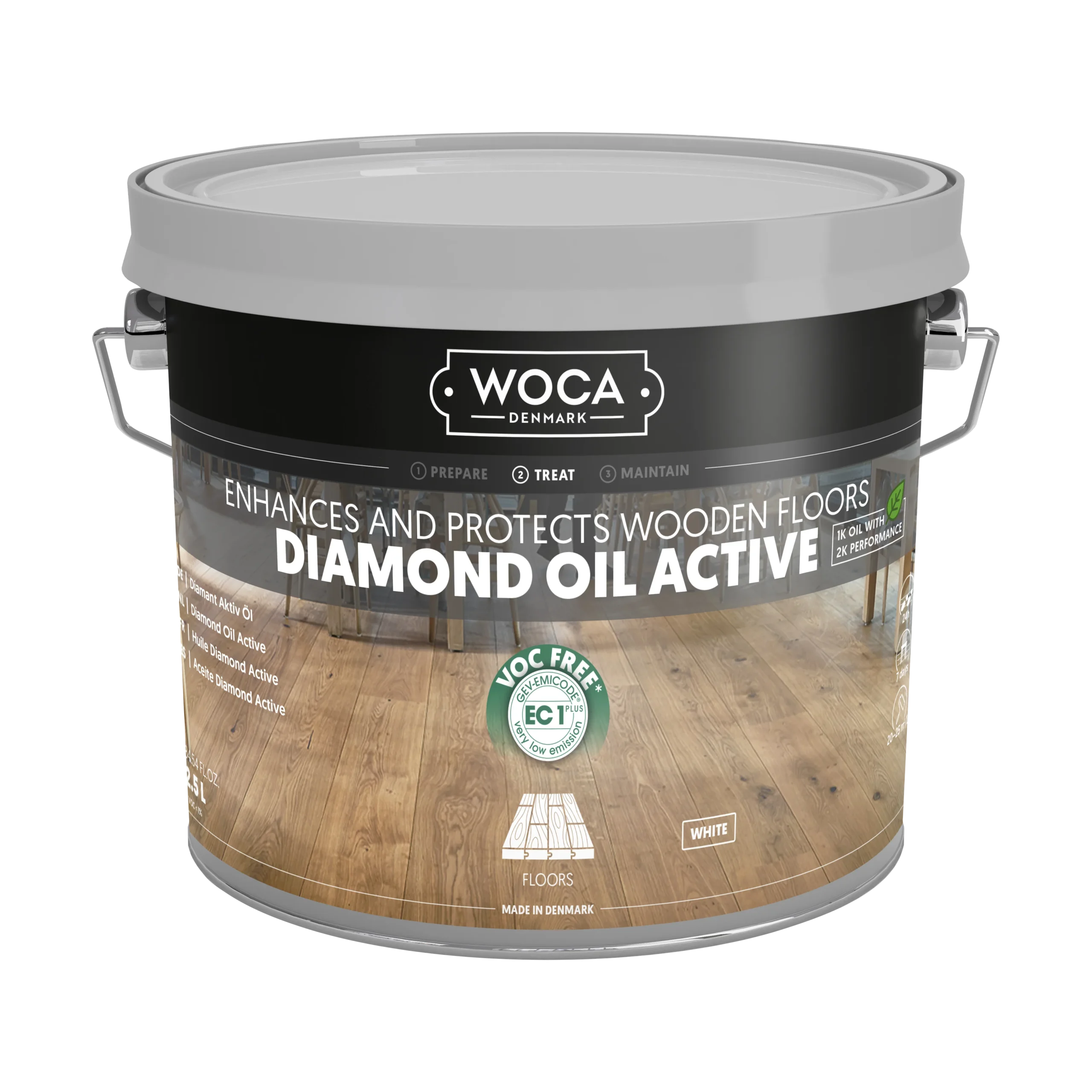
Hvid
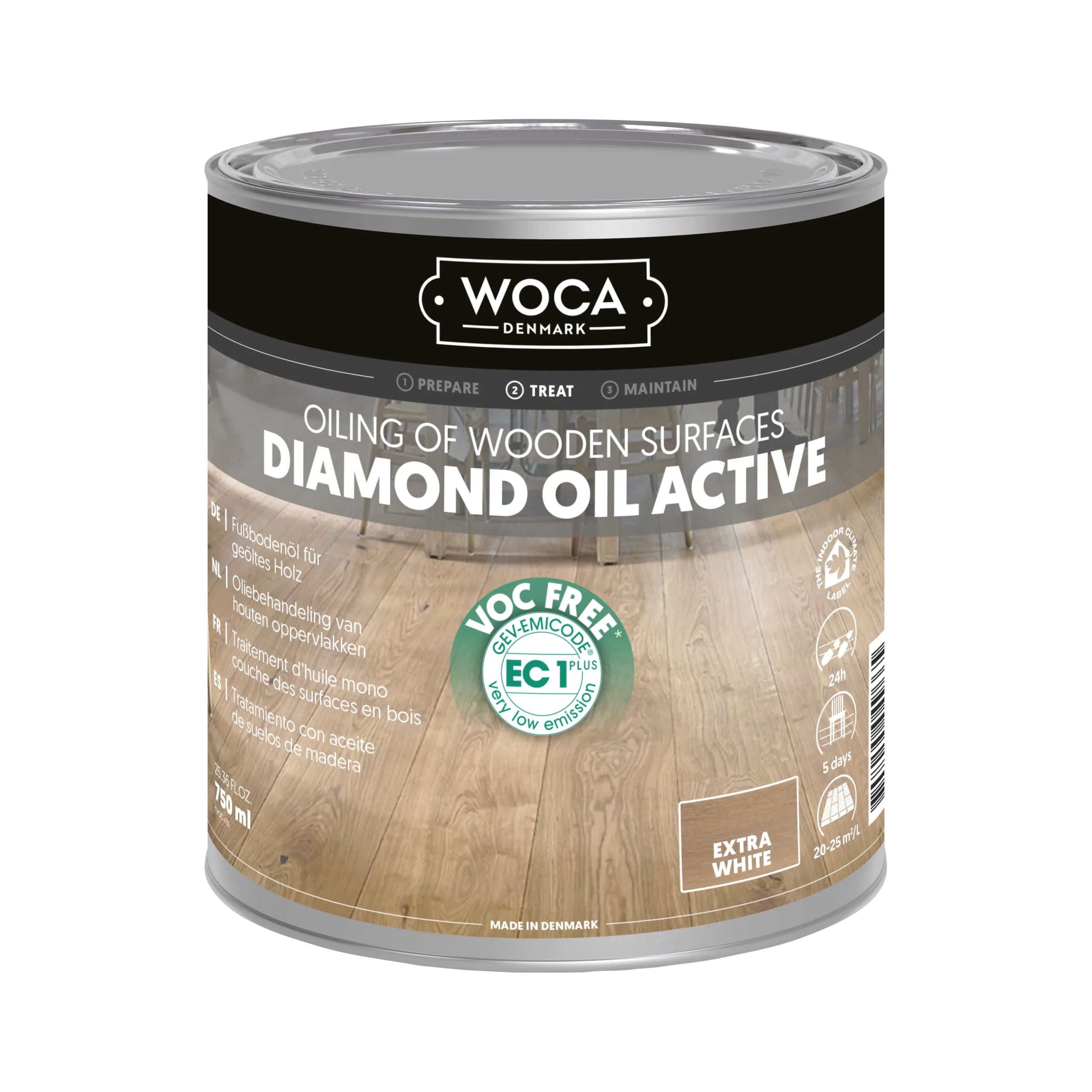
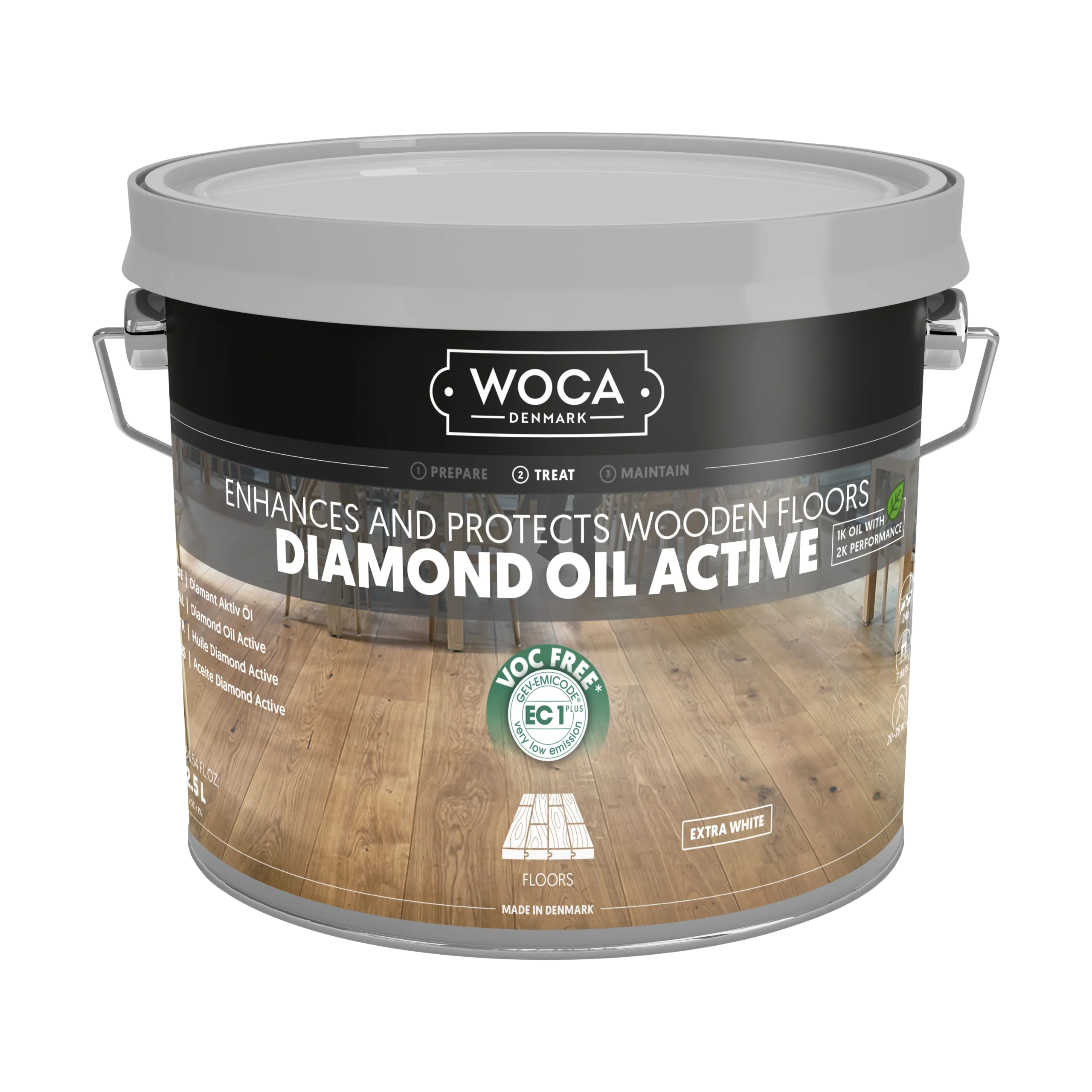
Ekstra Hvid
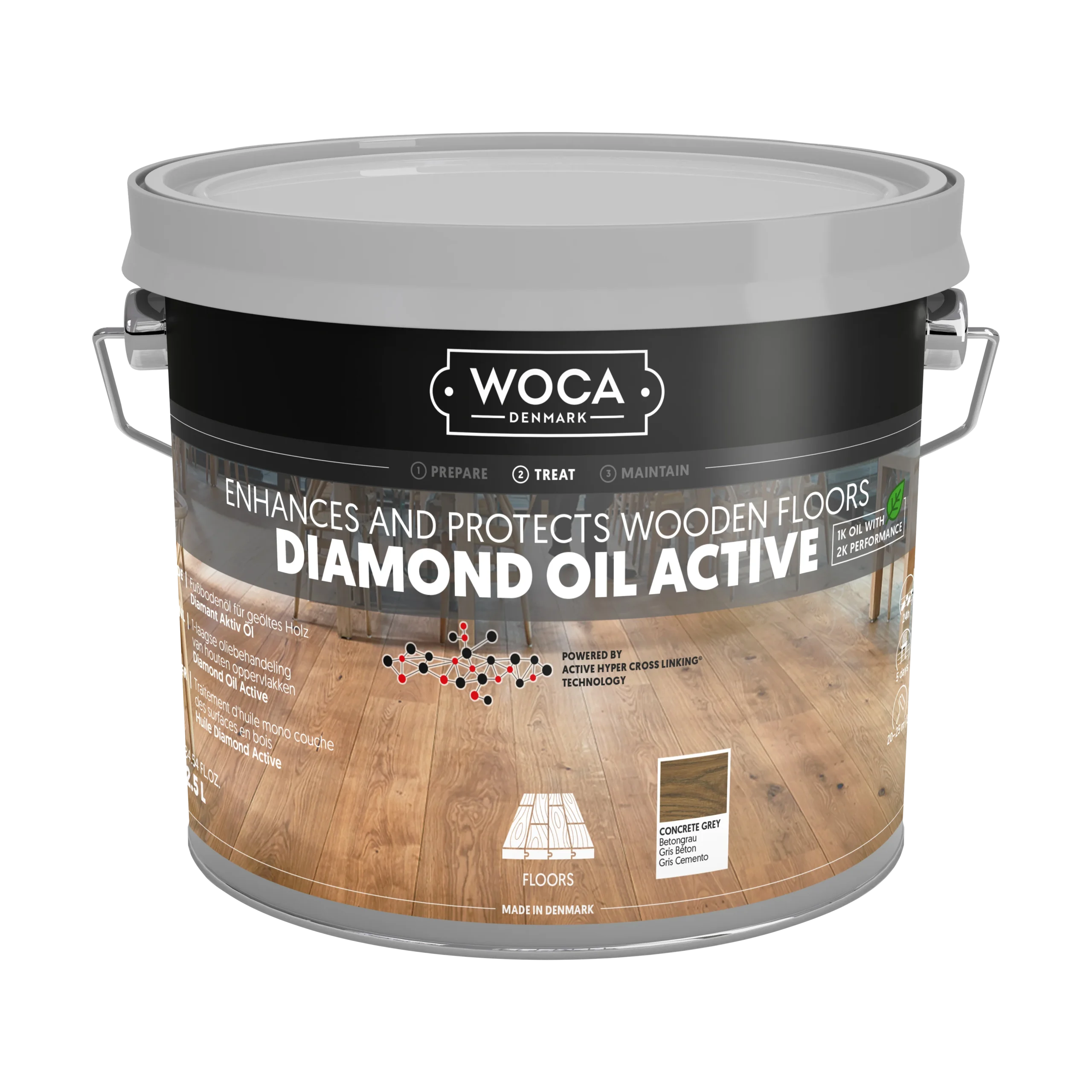
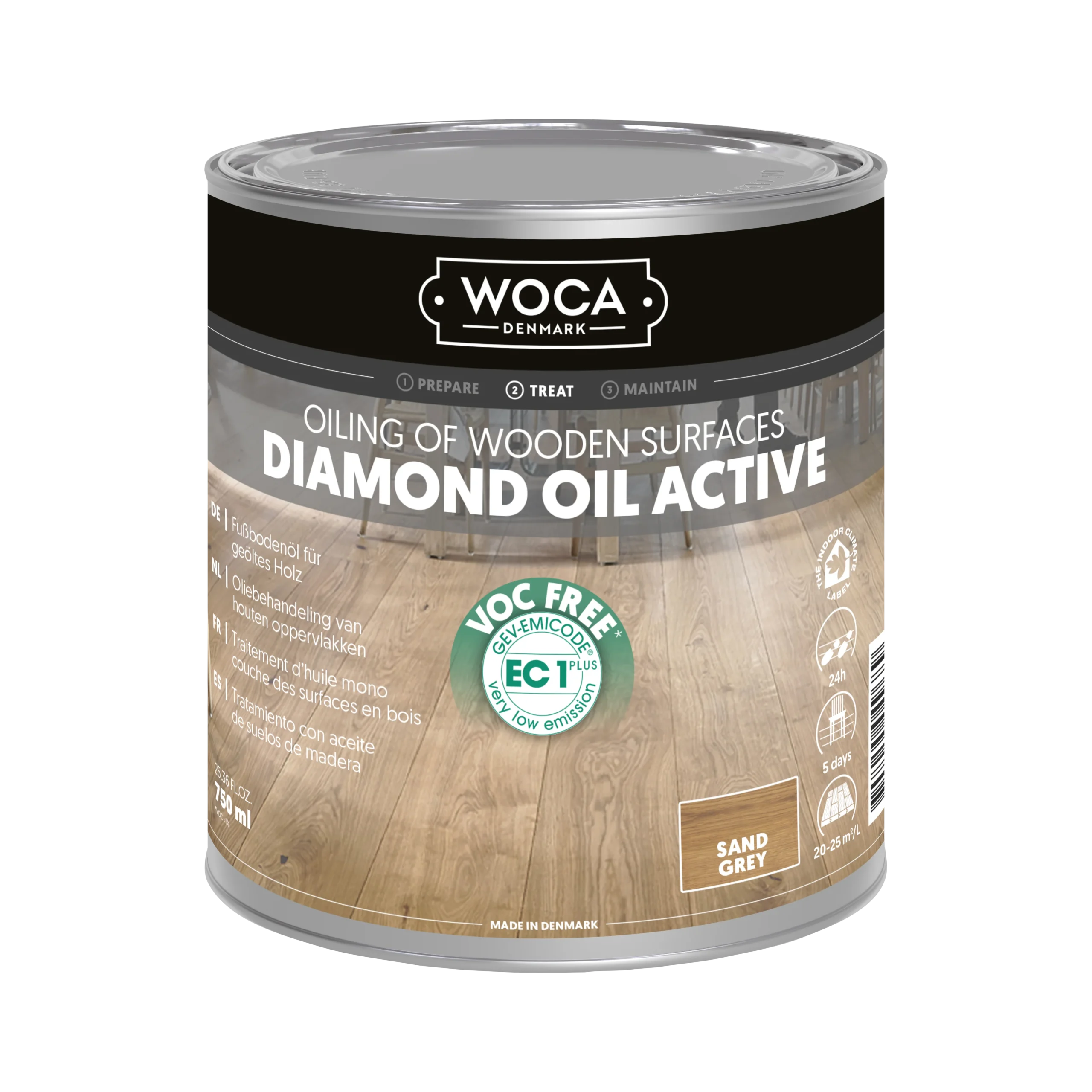
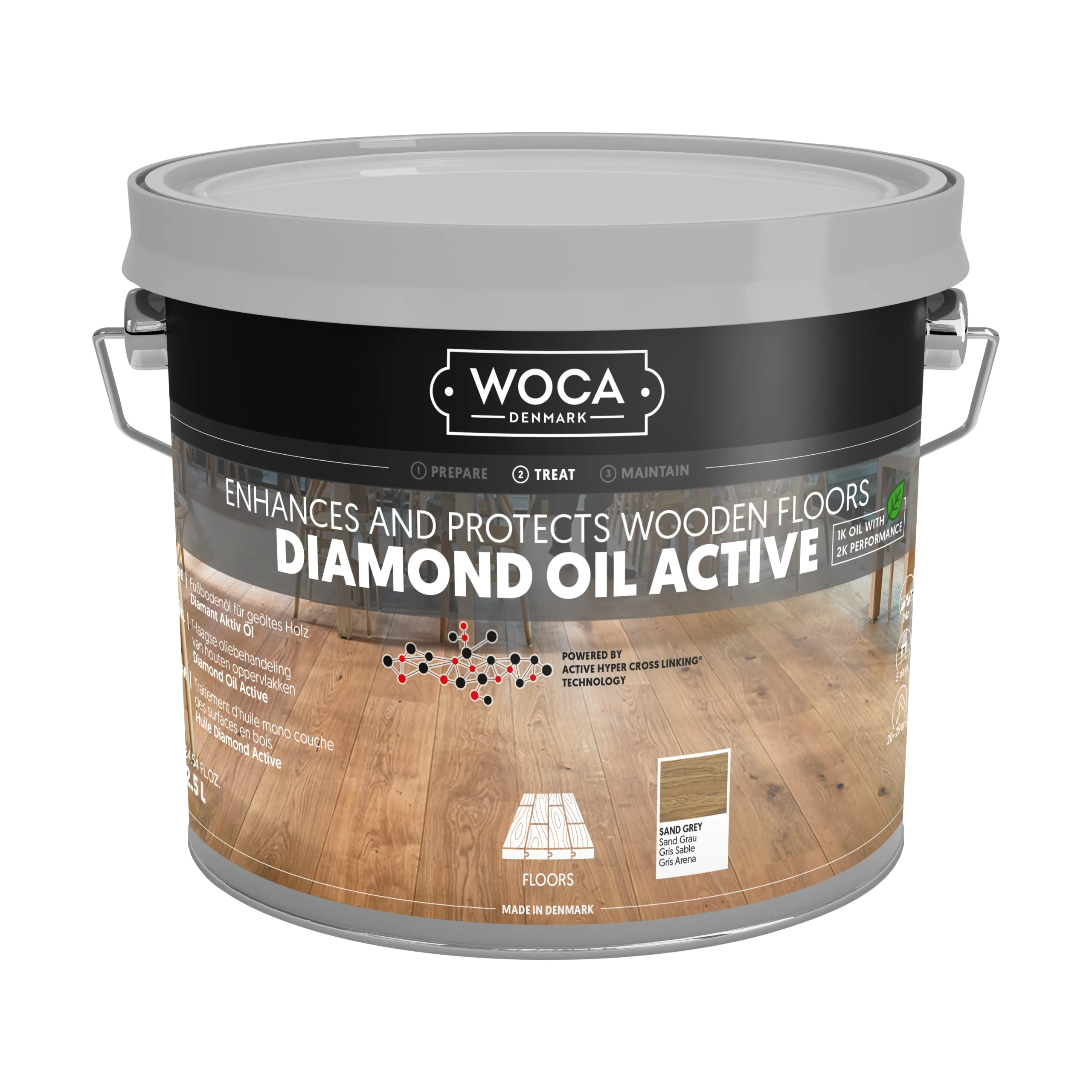
Sandgrå
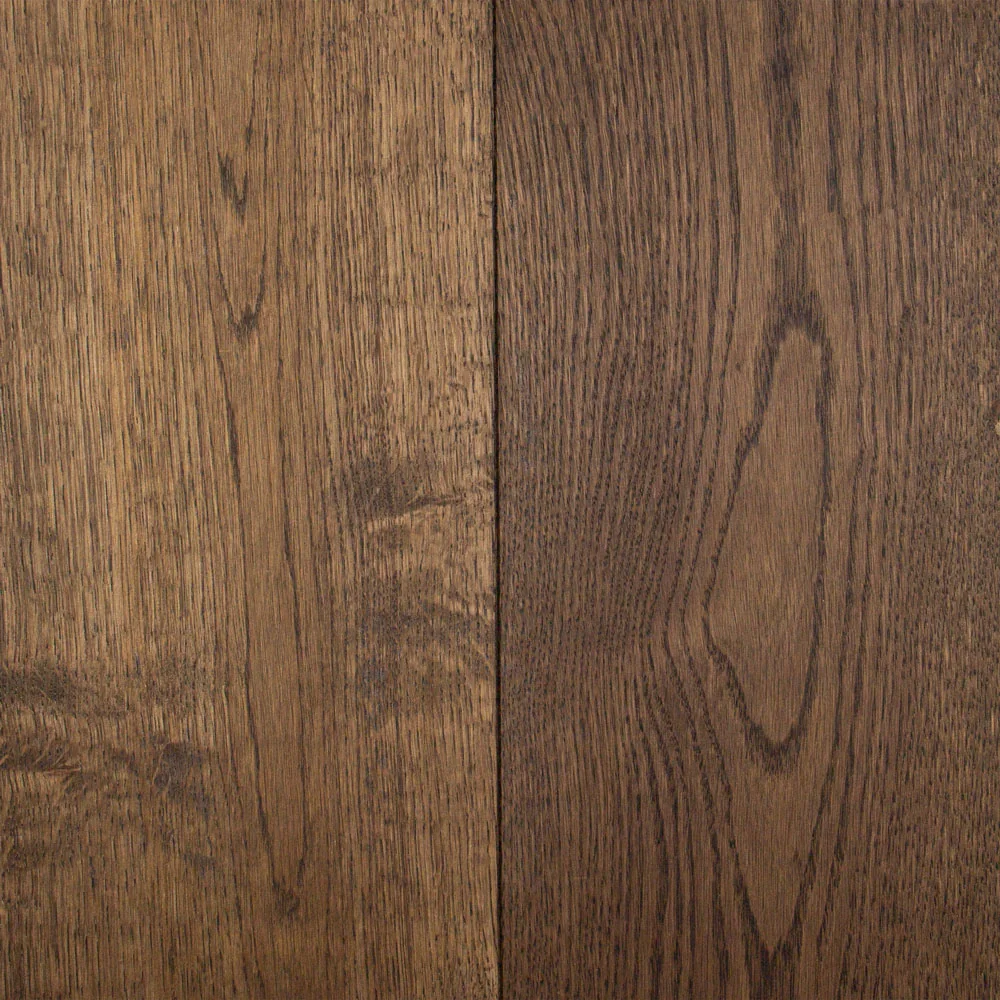
Smoke Brun
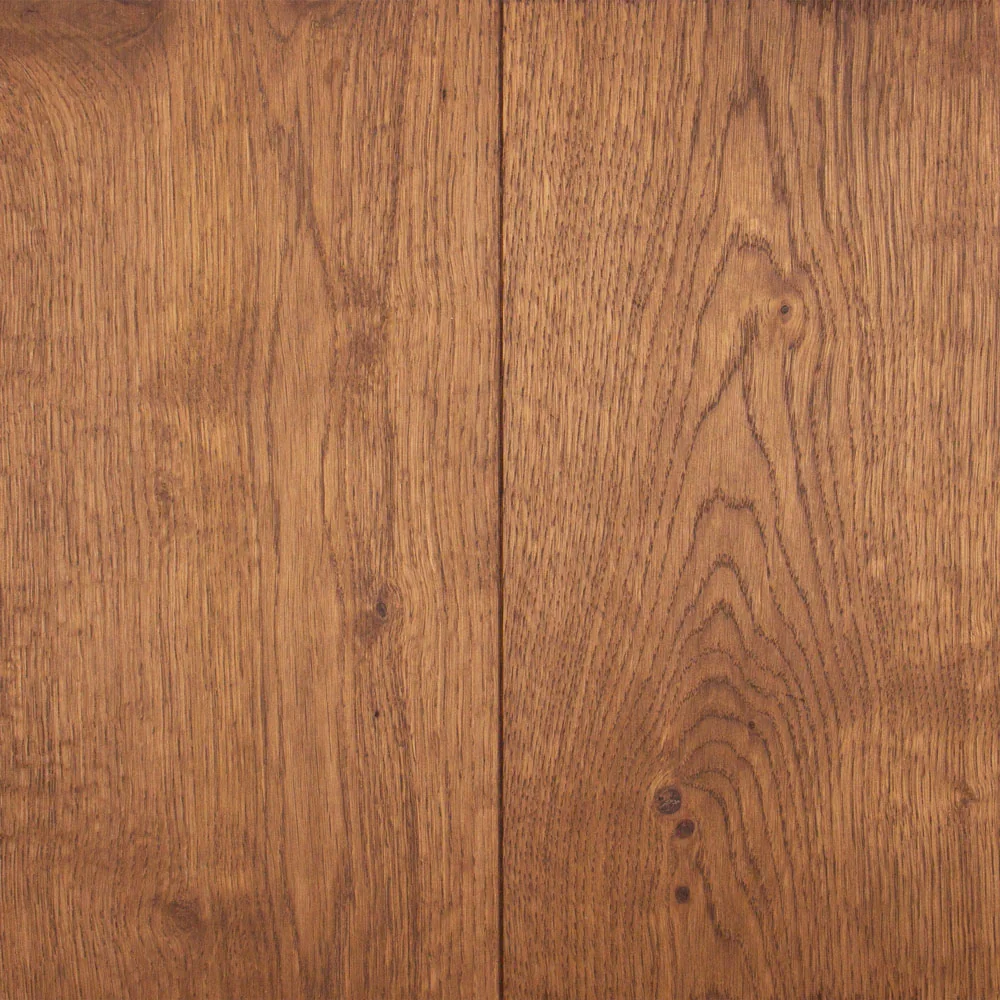
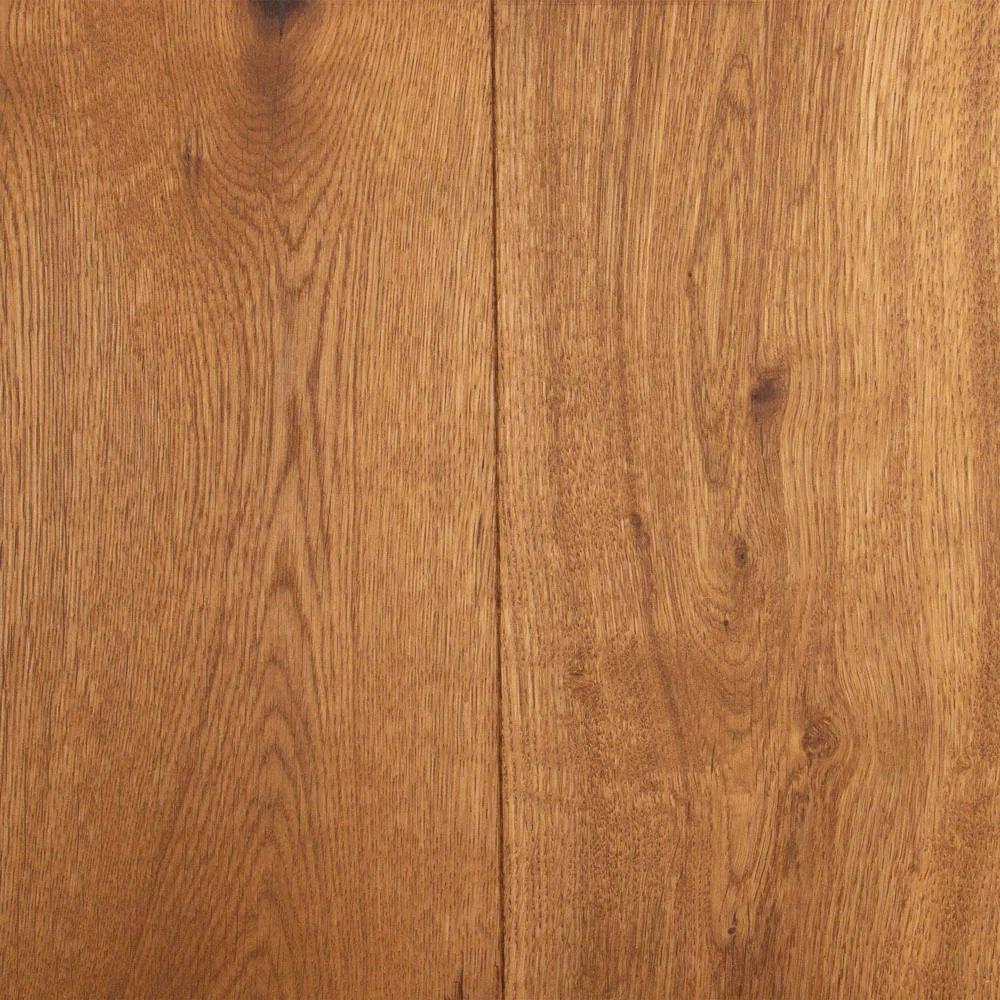
Karamel Brun
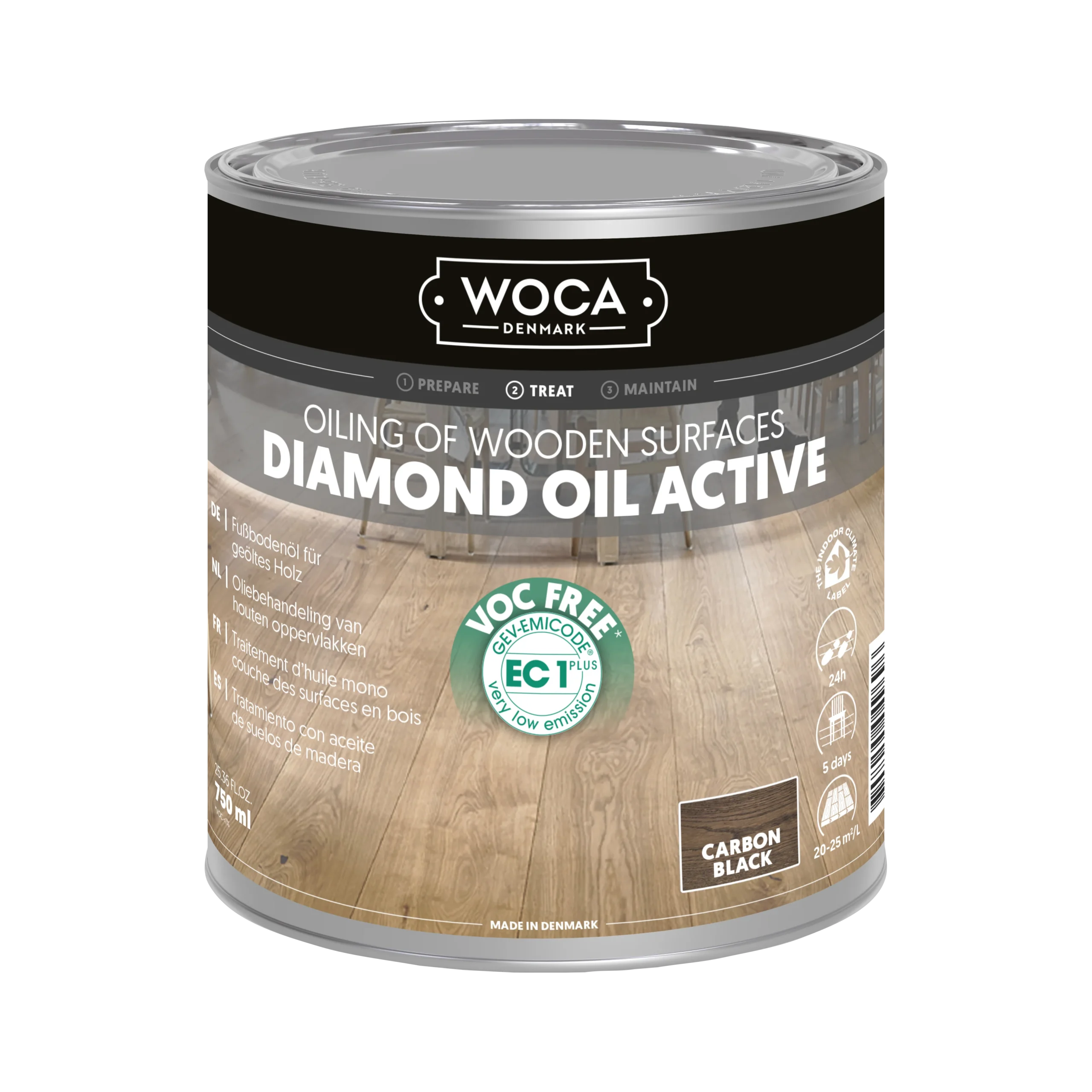
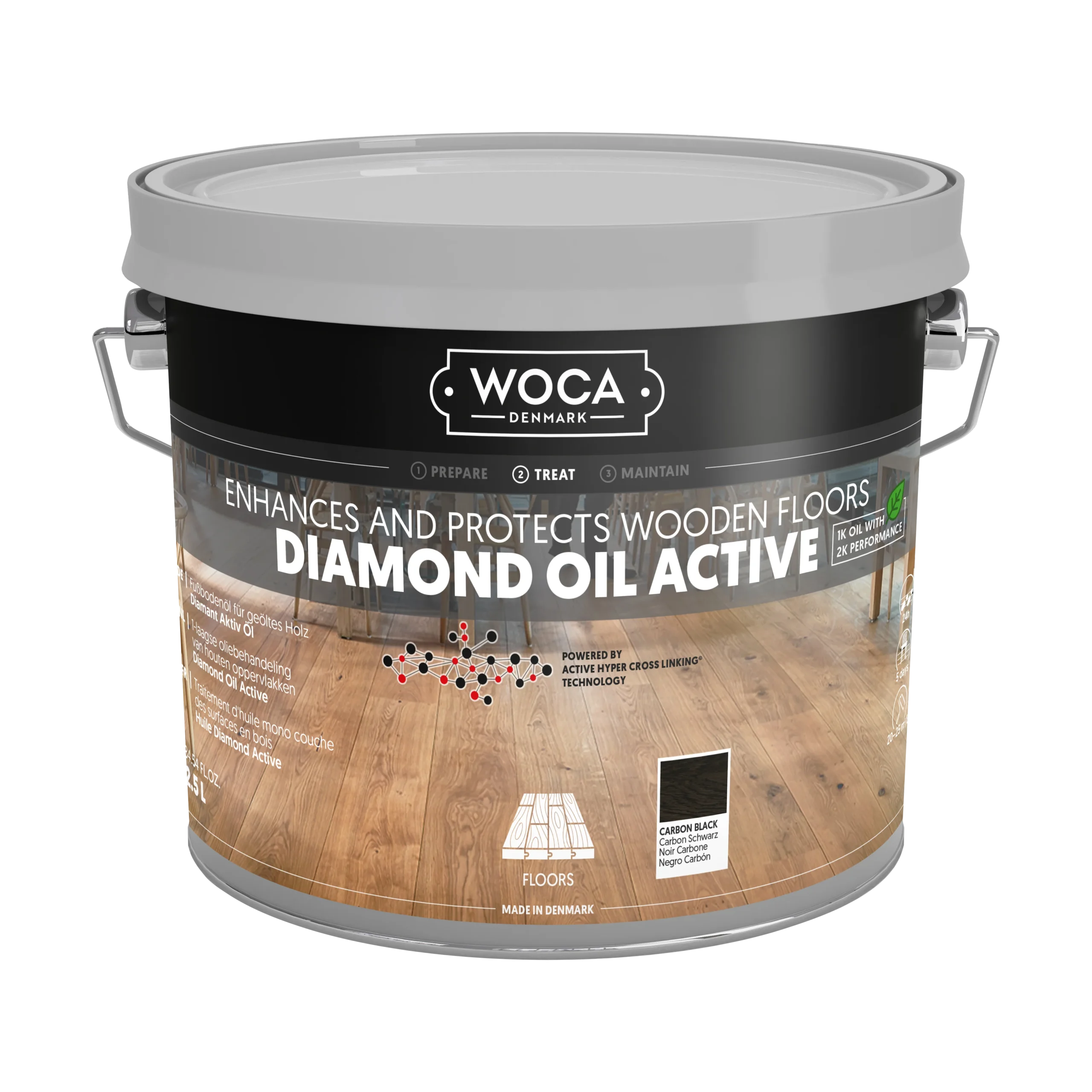
Carbon Sort

Emballagestørrelse

Certificeringer

Emission Class A+
The French labeling system is a mandatory classification of materials, such as floor treatment products, based on their VOC emissions to indoor air. A+ is the highest rating, indicating improved indoor air quality with very low emissions.
Bio-Based ASTM 6866
Biobased Carbon Content ASTM D6866-22 is an international standard method utilized for product testing. The result is reported as % Biobased Carbon. This indicates the percentage carbon from ‘natural’ (plant or animal by-product) sources.
DiBt
DIBt is a German institute that tests and issues technical approvals for building materials.The aim is to improve the working climate for floor installers whilst ensuring a safe indoor air quality for the final consumer.
DIN EN 16165 - Anti Slip R10
DIN EN 16165 is the European standard for determining slip resistance on floor surfaces with a classification from R9 to R13. The Anti Slip test is used to ensure safe traffic for all types of floors in public areas and workplaces etc.
Fire test
European standard specifying how building materials react in case of fire. Bfl-s1 classifies flooring with low combustibility and very low smoke development.
EN 71-3
European standard ensuring that materials do not release toxic substances in amounts harmful to children. Particularly relevant for materials such as toys, kitchen utensils, worktops and furniture.
Environmental Product Declaration (EPD)
Environmental Product Declaration (EPD) supports greater transparency and documented sustainability. EPDs present verified data on a product’s environmental impact throughout its entire life cycle, based on recognized standards and third-party verification.
Emicode EC1 Plus
The international premium class Emicode® EC1PLUS defines even stricter limit values for very low emissions from indoor installation materials for walls and floors. Products awarded this quality seal help ensure a clean indoor air climate by limiting harmful emissions, often to levels that are barely measurable.
Emission Class A+
The French labeling system is a mandatory classification of materials, such as floor treatment products, based on their VOC emissions to indoor air. A+ is the highest rating, indicating improved indoor air quality with very low emissions.
Bio-Based ASTM 6866
Biobased Carbon Content ASTM D6866-22 is an international standard method utilized for product testing. The result is reported as % Biobased Carbon. This indicates the percentage carbon from ‘natural’ (plant or animal by-product) sources.
DiBt
DIBt is a German institute that tests and issues technical approvals for building materials.The aim is to improve the working climate for floor installers whilst ensuring a safe indoor air quality for the final consumer.
DIN EN 16165 - Anti Slip R10
DIN EN 16165 is the European standard for determining slip resistance on floor surfaces with a classification from R9 to R13. The Anti Slip test is used to ensure safe traffic for all types of floors in public areas and workplaces etc.
Fire test
European standard specifying how building materials react in case of fire. Bfl-s1 classifies flooring with low combustibility and very low smoke development.
EN 71-3
European standard ensuring that materials do not release toxic substances in amounts harmful to children. Particularly relevant for materials such as toys, kitchen utensils, worktops and furniture.
Environmental Product Declaration (EPD)
Environmental Product Declaration (EPD) supports greater transparency and documented sustainability. EPDs present verified data on a product’s environmental impact throughout its entire life cycle, based on recognized standards and third-party verification.
Emicode EC1 Plus
The international premium class Emicode® EC1PLUS defines even stricter limit values for very low emissions from indoor installation materials for walls and floors. Products awarded this quality seal help ensure a clean indoor air climate by limiting harmful emissions, often to levels that are barely measurable.
Emission Class A+
The French labeling system is a mandatory classification of materials, such as floor treatment products, based on their VOC emissions to indoor air. A+ is the highest rating, indicating improved indoor air quality with very low emissions.
Bio-Based ASTM 6866
Biobased Carbon Content ASTM D6866-22 is an international standard method utilized for product testing. The result is reported as % Biobased Carbon. This indicates the percentage carbon from ‘natural’ (plant or animal by-product) sources.
DiBt
DIBt is a German institute that tests and issues technical approvals for building materials.The aim is to improve the working climate for floor installers whilst ensuring a safe indoor air quality for the final consumer.
DIN EN 16165 - Anti Slip R10
DIN EN 16165 is the European standard for determining slip resistance on floor surfaces with a classification from R9 to R13. The Anti Slip test is used to ensure safe traffic for all types of floors in public areas and workplaces etc.
Fire test
European standard specifying how building materials react in case of fire. Bfl-s1 classifies flooring with low combustibility and very low smoke development.
EN 71-3
European standard ensuring that materials do not release toxic substances in amounts harmful to children. Particularly relevant for materials such as toys, kitchen utensils, worktops and furniture.
Environmental Product Declaration (EPD)
Environmental Product Declaration (EPD) supports greater transparency and documented sustainability. EPDs present verified data on a product’s environmental impact throughout its entire life cycle, based on recognized standards and third-party verification.
Emicode EC1 Plus
The international premium class Emicode® EC1PLUS defines even stricter limit values for very low emissions from indoor installation materials for walls and floors. Products awarded this quality seal help ensure a clean indoor air climate by limiting harmful emissions, often to levels that are barely measurable.
Emission Class A+
The French labeling system is a mandatory classification of materials, such as floor treatment products, based on their VOC emissions to indoor air. A+ is the highest rating, indicating improved indoor air quality with very low emissions.
Bio-Based ASTM 6866
Biobased Carbon Content ASTM D6866-22 is an international standard method utilized for product testing. The result is reported as % Biobased Carbon. This indicates the percentage carbon from ‘natural’ (plant or animal by-product) sources.
Emicode EC1 Plus
The international premium class Emicode® EC1PLUS defines even stricter limit values for very low emissions from indoor installation materials for walls and floors. Products awarded this quality seal help ensure a clean indoor air climate by limiting harmful emissions, often to levels that are barely measurable.
Fire test
European standard specifying how building materials react in case of fire. Bfl-s1 classifies flooring with low combustibility and very low smoke development.
Environmental Product Declaration (EPD)
Environmental Product Declaration (EPD) supports greater transparency and documented sustainability. EPDs present verified data on a product’s environmental impact throughout its entire life cycle, based on recognized standards and third-party verification.
DiBt
DIBt is a German institute that tests and issues technical approvals for building materials.The aim is to improve the working climate for floor installers whilst ensuring a safe indoor air quality for the final consumer.
DIN EN 16165 - Anti Slip R10
DIN EN 16165 is the European standard for determining slip resistance on floor surfaces with a classification from R9 to R13. The Anti Slip test is used to ensure safe traffic for all types of floors in public areas and workplaces etc.
EN 71-3
European standard ensuring that materials do not release toxic substances in amounts harmful to children. Particularly relevant for materials such as toys, kitchen utensils, worktops and furniture.
Emission Class A+
The French labeling system is a mandatory classification of materials, such as floor treatment products, based on their VOC emissions to indoor air. A+ is the highest rating, indicating improved indoor air quality with very low emissions.
Bio-Based ASTM 6866
Biobased Carbon Content ASTM D6866-22 is an international standard method utilized for product testing. The result is reported as % Biobased Carbon. This indicates the percentage carbon from ‘natural’ (plant or animal by-product) sources.
DiBt
DIBt is a German institute that tests and issues technical approvals for building materials.The aim is to improve the working climate for floor installers whilst ensuring a safe indoor air quality for the final consumer.
DIN EN 16165 - Anti Slip R10
DIN EN 16165 is the European standard for determining slip resistance on floor surfaces with a classification from R9 to R13. The Anti Slip test is used to ensure safe traffic for all types of floors in public areas and workplaces etc.
Fire test
European standard specifying how building materials react in case of fire. Bfl-s1 classifies flooring with low combustibility and very low smoke development.
EN 71-3
European standard ensuring that materials do not release toxic substances in amounts harmful to children. Particularly relevant for materials such as toys, kitchen utensils, worktops and furniture.
Environmental Product Declaration (EPD)
Environmental Product Declaration (EPD) supports greater transparency and documented sustainability. EPDs present verified data on a product’s environmental impact throughout its entire life cycle, based on recognized standards and third-party verification.
Emicode EC1 Plus
The international premium class Emicode® EC1PLUS defines even stricter limit values for very low emissions from indoor installation materials for walls and floors. Products awarded this quality seal help ensure a clean indoor air climate by limiting harmful emissions, often to levels that are barely measurable.
Emission Class A+
The French labeling system is a mandatory classification of materials, such as floor treatment products, based on their VOC emissions to indoor air. A+ is the highest rating, indicating improved indoor air quality with very low emissions.
Bio-Based ASTM 6866
Biobased Carbon Content ASTM D6866-22 is an international standard method utilized for product testing. The result is reported as % Biobased Carbon. This indicates the percentage carbon from ‘natural’ (plant or animal by-product) sources.
DiBt
DIBt is a German institute that tests and issues technical approvals for building materials.The aim is to improve the working climate for floor installers whilst ensuring a safe indoor air quality for the final consumer.
Emicode EC1 Plus
The international premium class Emicode® EC1PLUS defines even stricter limit values for very low emissions from indoor installation materials for walls and floors. Products awarded this quality seal help ensure a clean indoor air climate by limiting harmful emissions, often to levels that are barely measurable.
DIN EN 16165 - Anti Slip R10
DIN EN 16165 is the European standard for determining slip resistance on floor surfaces with a classification from R9 to R13. The Anti Slip test is used to ensure safe traffic for all types of floors in public areas and workplaces etc.
EN 71-3
European standard ensuring that materials do not release toxic substances in amounts harmful to children. Particularly relevant for materials such as toys, kitchen utensils, worktops and furniture.
Environmental Product Declaration (EPD)
Environmental Product Declaration (EPD) supports greater transparency and documented sustainability. EPDs present verified data on a product’s environmental impact throughout its entire life cycle, based on recognized standards and third-party verification.
Fire test
European standard specifying how building materials react in case of fire. Bfl-s1 classifies flooring with low combustibility and very low smoke development.
Emission Class A+
The French labeling system is a mandatory classification of materials, such as floor treatment products, based on their VOC emissions to indoor air. A+ is the highest rating, indicating improved indoor air quality with very low emissions.
Bio-Based ASTM 6866
Biobased Carbon Content ASTM D6866-22 is an international standard method utilized for product testing. The result is reported as % Biobased Carbon. This indicates the percentage carbon from ‘natural’ (plant or animal by-product) sources.
DiBt
DIBt is a German institute that tests and issues technical approvals for building materials.The aim is to improve the working climate for floor installers whilst ensuring a safe indoor air quality for the final consumer.
DIN EN 16165 - Anti Slip R10
DIN EN 16165 is the European standard for determining slip resistance on floor surfaces with a classification from R9 to R13. The Anti Slip test is used to ensure safe traffic for all types of floors in public areas and workplaces etc.
Fire test
European standard specifying how building materials react in case of fire. Bfl-s1 classifies flooring with low combustibility and very low smoke development.
EN 71-3
European standard ensuring that materials do not release toxic substances in amounts harmful to children. Particularly relevant for materials such as toys, kitchen utensils, worktops and furniture.
Environmental Product Declaration (EPD)
Environmental Product Declaration (EPD) supports greater transparency and documented sustainability. EPDs present verified data on a product’s environmental impact throughout its entire life cycle, based on recognized standards and third-party verification.
Emicode EC1 Plus
The international premium class Emicode® EC1PLUS defines even stricter limit values for very low emissions from indoor installation materials for walls and floors. Products awarded this quality seal help ensure a clean indoor air climate by limiting harmful emissions, often to levels that are barely measurable.
Emission Class A+
The French labeling system is a mandatory classification of materials, such as floor treatment products, based on their VOC emissions to indoor air. A+ is the highest rating, indicating improved indoor air quality with very low emissions.
Bio-Based ASTM 6866
Biobased Carbon Content ASTM D6866-22 is an international standard method utilized for product testing. The result is reported as % Biobased Carbon. This indicates the percentage carbon from ‘natural’ (plant or animal by-product) sources.
DiBt
DIBt is a German institute that tests and issues technical approvals for building materials.The aim is to improve the working climate for floor installers whilst ensuring a safe indoor air quality for the final consumer.
DIN EN 16165 - Anti Slip R10
DIN EN 16165 is the European standard for determining slip resistance on floor surfaces with a classification from R9 to R13. The Anti Slip test is used to ensure safe traffic for all types of floors in public areas and workplaces etc.
Fire test
European standard specifying how building materials react in case of fire. Bfl-s1 classifies flooring with low combustibility and very low smoke development.
EN 71-3
European standard ensuring that materials do not release toxic substances in amounts harmful to children. Particularly relevant for materials such as toys, kitchen utensils, worktops and furniture.
Environmental Product Declaration (EPD)
Environmental Product Declaration (EPD) supports greater transparency and documented sustainability. EPDs present verified data on a product’s environmental impact throughout its entire life cycle, based on recognized standards and third-party verification.
Emicode EC1 Plus
The international premium class Emicode® EC1PLUS defines even stricter limit values for very low emissions from indoor installation materials for walls and floors. Products awarded this quality seal help ensure a clean indoor air climate by limiting harmful emissions, often to levels that are barely measurable.
Emission Class A+
The French labeling system is a mandatory classification of materials, such as floor treatment products, based on their VOC emissions to indoor air. A+ is the highest rating, indicating improved indoor air quality with very low emissions.
Bio-Based ASTM 6866
Biobased Carbon Content ASTM D6866-22 is an international standard method utilized for product testing. The result is reported as % Biobased Carbon. This indicates the percentage carbon from ‘natural’ (plant or animal by-product) sources.
DiBt
DIBt is a German institute that tests and issues technical approvals for building materials.The aim is to improve the working climate for floor installers whilst ensuring a safe indoor air quality for the final consumer.
DIN EN 16165 - Anti Slip R10
DIN EN 16165 is the European standard for determining slip resistance on floor surfaces with a classification from R9 to R13. The Anti Slip test is used to ensure safe traffic for all types of floors in public areas and workplaces etc.
Fire test
European standard specifying how building materials react in case of fire. Bfl-s1 classifies flooring with low combustibility and very low smoke development.
EN 71-3
European standard ensuring that materials do not release toxic substances in amounts harmful to children. Particularly relevant for materials such as toys, kitchen utensils, worktops and furniture.
Environmental Product Declaration (EPD)
Environmental Product Declaration (EPD) supports greater transparency and documented sustainability. EPDs present verified data on a product’s environmental impact throughout its entire life cycle, based on recognized standards and third-party verification.
Emicode EC1 Plus
The international premium class Emicode® EC1PLUS defines even stricter limit values for very low emissions from indoor installation materials for walls and floors. Products awarded this quality seal help ensure a clean indoor air climate by limiting harmful emissions, often to levels that are barely measurable.
Emission Class A+
The French labeling system is a mandatory classification of materials, such as floor treatment products, based on their VOC emissions to indoor air. A+ is the highest rating, indicating improved indoor air quality with very low emissions.
Bio-Based ASTM 6866
Biobased Carbon Content ASTM D6866-22 is an international standard method utilized for product testing. The result is reported as % Biobased Carbon. This indicates the percentage carbon from ‘natural’ (plant or animal by-product) sources.
Emicode EC1 Plus
The international premium class Emicode® EC1PLUS defines even stricter limit values for very low emissions from indoor installation materials for walls and floors. Products awarded this quality seal help ensure a clean indoor air climate by limiting harmful emissions, often to levels that are barely measurable.
Fire test
European standard specifying how building materials react in case of fire. Bfl-s1 classifies flooring with low combustibility and very low smoke development.
Environmental Product Declaration (EPD)
Environmental Product Declaration (EPD) supports greater transparency and documented sustainability. EPDs present verified data on a product’s environmental impact throughout its entire life cycle, based on recognized standards and third-party verification.
DiBt
DIBt is a German institute that tests and issues technical approvals for building materials.The aim is to improve the working climate for floor installers whilst ensuring a safe indoor air quality for the final consumer.
DIN EN 16165 - Anti Slip R10
DIN EN 16165 is the European standard for determining slip resistance on floor surfaces with a classification from R9 to R13. The Anti Slip test is used to ensure safe traffic for all types of floors in public areas and workplaces etc.
EN 71-3
European standard ensuring that materials do not release toxic substances in amounts harmful to children. Particularly relevant for materials such as toys, kitchen utensils, worktops and furniture.
Emission Class A+
The French labeling system is a mandatory classification of materials, such as floor treatment products, based on their VOC emissions to indoor air. A+ is the highest rating, indicating improved indoor air quality with very low emissions.
Bio-Based ASTM 6866
Biobased Carbon Content ASTM D6866-22 is an international standard method utilized for product testing. The result is reported as % Biobased Carbon. This indicates the percentage carbon from ‘natural’ (plant or animal by-product) sources.
DiBt
DIBt is a German institute that tests and issues technical approvals for building materials.The aim is to improve the working climate for floor installers whilst ensuring a safe indoor air quality for the final consumer.
DIN EN 16165 - Anti Slip R10
DIN EN 16165 is the European standard for determining slip resistance on floor surfaces with a classification from R9 to R13. The Anti Slip test is used to ensure safe traffic for all types of floors in public areas and workplaces etc.
Fire test
European standard specifying how building materials react in case of fire. Bfl-s1 classifies flooring with low combustibility and very low smoke development.
EN 71-3
European standard ensuring that materials do not release toxic substances in amounts harmful to children. Particularly relevant for materials such as toys, kitchen utensils, worktops and furniture.
Environmental Product Declaration (EPD)
Environmental Product Declaration (EPD) supports greater transparency and documented sustainability. EPDs present verified data on a product’s environmental impact throughout its entire life cycle, based on recognized standards and third-party verification.
Emicode EC1 Plus
The international premium class Emicode® EC1PLUS defines even stricter limit values for very low emissions from indoor installation materials for walls and floors. Products awarded this quality seal help ensure a clean indoor air climate by limiting harmful emissions, often to levels that are barely measurable.
Emission Class A+
The French labeling system is a mandatory classification of materials, such as floor treatment products, based on their VOC emissions to indoor air. A+ is the highest rating, indicating improved indoor air quality with very low emissions.
Bio-Based ASTM 6866
Biobased Carbon Content ASTM D6866-22 is an international standard method utilized for product testing. The result is reported as % Biobased Carbon. This indicates the percentage carbon from ‘natural’ (plant or animal by-product) sources.
Emicode EC1 Plus
The international premium class Emicode® EC1PLUS defines even stricter limit values for very low emissions from indoor installation materials for walls and floors. Products awarded this quality seal help ensure a clean indoor air climate by limiting harmful emissions, often to levels that are barely measurable.
Fire test
European standard specifying how building materials react in case of fire. Bfl-s1 classifies flooring with low combustibility and very low smoke development.
Environmental Product Declaration (EPD)
Environmental Product Declaration (EPD) supports greater transparency and documented sustainability. EPDs present verified data on a product’s environmental impact throughout its entire life cycle, based on recognized standards and third-party verification.
DiBt
DIBt is a German institute that tests and issues technical approvals for building materials.The aim is to improve the working climate for floor installers whilst ensuring a safe indoor air quality for the final consumer.
DIN EN 16165 - Anti Slip R10
DIN EN 16165 is the European standard for determining slip resistance on floor surfaces with a classification from R9 to R13. The Anti Slip test is used to ensure safe traffic for all types of floors in public areas and workplaces etc.
EN 71-3
European standard ensuring that materials do not release toxic substances in amounts harmful to children. Particularly relevant for materials such as toys, kitchen utensils, worktops and furniture.
Emission Class A+
The French labeling system is a mandatory classification of materials, such as floor treatment products, based on their VOC emissions to indoor air. A+ is the highest rating, indicating improved indoor air quality with very low emissions.
Bio-Based ASTM 6866
Biobased Carbon Content ASTM D6866-22 is an international standard method utilized for product testing. The result is reported as % Biobased Carbon. This indicates the percentage carbon from ‘natural’ (plant or animal by-product) sources.
DiBt
DIBt is a German institute that tests and issues technical approvals for building materials.The aim is to improve the working climate for floor installers whilst ensuring a safe indoor air quality for the final consumer.
DIN EN 16165 - Anti Slip R10
DIN EN 16165 is the European standard for determining slip resistance on floor surfaces with a classification from R9 to R13. The Anti Slip test is used to ensure safe traffic for all types of floors in public areas and workplaces etc.
Fire test
European standard specifying how building materials react in case of fire. Bfl-s1 classifies flooring with low combustibility and very low smoke development.
EN 71-3
European standard ensuring that materials do not release toxic substances in amounts harmful to children. Particularly relevant for materials such as toys, kitchen utensils, worktops and furniture.
Environmental Product Declaration (EPD)
Environmental Product Declaration (EPD) supports greater transparency and documented sustainability. EPDs present verified data on a product’s environmental impact throughout its entire life cycle, based on recognized standards and third-party verification.
Emicode EC1 Plus
The international premium class Emicode® EC1PLUS defines even stricter limit values for very low emissions from indoor installation materials for walls and floors. Products awarded this quality seal help ensure a clean indoor air climate by limiting harmful emissions, often to levels that are barely measurable.
Emission Class A+
The French labeling system is a mandatory classification of materials, such as floor treatment products, based on their VOC emissions to indoor air. A+ is the highest rating, indicating improved indoor air quality with very low emissions.
Bio-Based ASTM 6866
Biobased Carbon Content ASTM D6866-22 is an international standard method utilized for product testing. The result is reported as % Biobased Carbon. This indicates the percentage carbon from ‘natural’ (plant or animal by-product) sources.
Emicode EC1 Plus
The international premium class Emicode® EC1PLUS defines even stricter limit values for very low emissions from indoor installation materials for walls and floors. Products awarded this quality seal help ensure a clean indoor air climate by limiting harmful emissions, often to levels that are barely measurable.
Fire test
European standard specifying how building materials react in case of fire. Bfl-s1 classifies flooring with low combustibility and very low smoke development.
Environmental Product Declaration (EPD)
Environmental Product Declaration (EPD) supports greater transparency and documented sustainability. EPDs present verified data on a product’s environmental impact throughout its entire life cycle, based on recognized standards and third-party verification.
DiBt
DIBt is a German institute that tests and issues technical approvals for building materials.The aim is to improve the working climate for floor installers whilst ensuring a safe indoor air quality for the final consumer.
DIN EN 16165 - Anti Slip R10
DIN EN 16165 is the European standard for determining slip resistance on floor surfaces with a classification from R9 to R13. The Anti Slip test is used to ensure safe traffic for all types of floors in public areas and workplaces etc.
EN 71-3
European standard ensuring that materials do not release toxic substances in amounts harmful to children. Particularly relevant for materials such as toys, kitchen utensils, worktops and furniture.
Emission Class A+
The French labeling system is a mandatory classification of materials, such as floor treatment products, based on their VOC emissions to indoor air. A+ is the highest rating, indicating improved indoor air quality with very low emissions.
Bio-Based ASTM 6866
Biobased Carbon Content ASTM D6866-22 is an international standard method utilized for product testing. The result is reported as % Biobased Carbon. This indicates the percentage carbon from ‘natural’ (plant or animal by-product) sources.
DiBt
DIBt is a German institute that tests and issues technical approvals for building materials.The aim is to improve the working climate for floor installers whilst ensuring a safe indoor air quality for the final consumer.
DIN EN 16165 - Anti Slip R10
DIN EN 16165 is the European standard for determining slip resistance on floor surfaces with a classification from R9 to R13. The Anti Slip test is used to ensure safe traffic for all types of floors in public areas and workplaces etc.
Fire test
European standard specifying how building materials react in case of fire. Bfl-s1 classifies flooring with low combustibility and very low smoke development.
EN 71-3
European standard ensuring that materials do not release toxic substances in amounts harmful to children. Particularly relevant for materials such as toys, kitchen utensils, worktops and furniture.
Environmental Product Declaration (EPD)
Environmental Product Declaration (EPD) supports greater transparency and documented sustainability. EPDs present verified data on a product’s environmental impact throughout its entire life cycle, based on recognized standards and third-party verification.
Emicode EC1 Plus
The international premium class Emicode® EC1PLUS defines even stricter limit values for very low emissions from indoor installation materials for walls and floors. Products awarded this quality seal help ensure a clean indoor air climate by limiting harmful emissions, often to levels that are barely measurable.
Emission Class A+
The French labeling system is a mandatory classification of materials, such as floor treatment products, based on their VOC emissions to indoor air. A+ is the highest rating, indicating improved indoor air quality with very low emissions.
Bio-Based ASTM 6866
Biobased Carbon Content ASTM D6866-22 is an international standard method utilized for product testing. The result is reported as % Biobased Carbon. This indicates the percentage carbon from ‘natural’ (plant or animal by-product) sources.
Emicode EC1 Plus
The international premium class Emicode® EC1PLUS defines even stricter limit values for very low emissions from indoor installation materials for walls and floors. Products awarded this quality seal help ensure a clean indoor air climate by limiting harmful emissions, often to levels that are barely measurable.
Fire test
European standard specifying how building materials react in case of fire. Bfl-s1 classifies flooring with low combustibility and very low smoke development.
Environmental Product Declaration (EPD)
Environmental Product Declaration (EPD) supports greater transparency and documented sustainability. EPDs present verified data on a product’s environmental impact throughout its entire life cycle, based on recognized standards and third-party verification.
DiBt
DIBt is a German institute that tests and issues technical approvals for building materials.The aim is to improve the working climate for floor installers whilst ensuring a safe indoor air quality for the final consumer.
DIN EN 16165 - Anti Slip R10
DIN EN 16165 is the European standard for determining slip resistance on floor surfaces with a classification from R9 to R13. The Anti Slip test is used to ensure safe traffic for all types of floors in public areas and workplaces etc.
EN 71-3
European standard ensuring that materials do not release toxic substances in amounts harmful to children. Particularly relevant for materials such as toys, kitchen utensils, worktops and furniture.
Emission Class A+
The French labeling system is a mandatory classification of materials, such as floor treatment products, based on their VOC emissions to indoor air. A+ is the highest rating, indicating improved indoor air quality with very low emissions.
Bio-Based ASTM 6866
Biobased Carbon Content ASTM D6866-22 is an international standard method utilized for product testing. The result is reported as % Biobased Carbon. This indicates the percentage carbon from ‘natural’ (plant or animal by-product) sources.
DiBt
DIBt is a German institute that tests and issues technical approvals for building materials.The aim is to improve the working climate for floor installers whilst ensuring a safe indoor air quality for the final consumer.
DIN EN 16165 - Anti Slip R10
DIN EN 16165 is the European standard for determining slip resistance on floor surfaces with a classification from R9 to R13. The Anti Slip test is used to ensure safe traffic for all types of floors in public areas and workplaces etc.
Fire test
European standard specifying how building materials react in case of fire. Bfl-s1 classifies flooring with low combustibility and very low smoke development.
EN 71-3
European standard ensuring that materials do not release toxic substances in amounts harmful to children. Particularly relevant for materials such as toys, kitchen utensils, worktops and furniture.
Environmental Product Declaration (EPD)
Environmental Product Declaration (EPD) supports greater transparency and documented sustainability. EPDs present verified data on a product’s environmental impact throughout its entire life cycle, based on recognized standards and third-party verification.
Emicode EC1 Plus
The international premium class Emicode® EC1PLUS defines even stricter limit values for very low emissions from indoor installation materials for walls and floors. Products awarded this quality seal help ensure a clean indoor air climate by limiting harmful emissions, often to levels that are barely measurable.
Emission Class A+
The French labeling system is a mandatory classification of materials, such as floor treatment products, based on their VOC emissions to indoor air. A+ is the highest rating, indicating improved indoor air quality with very low emissions.
Bio-Based ASTM 6866
Biobased Carbon Content ASTM D6866-22 is an international standard method utilized for product testing. The result is reported as % Biobased Carbon. This indicates the percentage carbon from ‘natural’ (plant or animal by-product) sources.
Emicode EC1 Plus
The international premium class Emicode® EC1PLUS defines even stricter limit values for very low emissions from indoor installation materials for walls and floors. Products awarded this quality seal help ensure a clean indoor air climate by limiting harmful emissions, often to levels that are barely measurable.
Fire test
European standard specifying how building materials react in case of fire. Bfl-s1 classifies flooring with low combustibility and very low smoke development.
Environmental Product Declaration (EPD)
Environmental Product Declaration (EPD) supports greater transparency and documented sustainability. EPDs present verified data on a product’s environmental impact throughout its entire life cycle, based on recognized standards and third-party verification.
DiBt
DIBt is a German institute that tests and issues technical approvals for building materials.The aim is to improve the working climate for floor installers whilst ensuring a safe indoor air quality for the final consumer.
DIN EN 16165 - Anti Slip R10
DIN EN 16165 is the European standard for determining slip resistance on floor surfaces with a classification from R9 to R13. The Anti Slip test is used to ensure safe traffic for all types of floors in public areas and workplaces etc.
EN 71-3
European standard ensuring that materials do not release toxic substances in amounts harmful to children. Particularly relevant for materials such as toys, kitchen utensils, worktops and furniture.
Emission Class A+
The French labeling system is a mandatory classification of materials, such as floor treatment products, based on their VOC emissions to indoor air. A+ is the highest rating, indicating improved indoor air quality with very low emissions.
Bio-Based ASTM 6866
Biobased Carbon Content ASTM D6866-22 is an international standard method utilized for product testing. The result is reported as % Biobased Carbon. This indicates the percentage carbon from ‘natural’ (plant or animal by-product) sources.
DiBt
DIBt is a German institute that tests and issues technical approvals for building materials.The aim is to improve the working climate for floor installers whilst ensuring a safe indoor air quality for the final consumer.
DIN EN 16165 - Anti Slip R10
DIN EN 16165 is the European standard for determining slip resistance on floor surfaces with a classification from R9 to R13. The Anti Slip test is used to ensure safe traffic for all types of floors in public areas and workplaces etc.
Fire test
European standard specifying how building materials react in case of fire. Bfl-s1 classifies flooring with low combustibility and very low smoke development.
EN 71-3
European standard ensuring that materials do not release toxic substances in amounts harmful to children. Particularly relevant for materials such as toys, kitchen utensils, worktops and furniture.
Environmental Product Declaration (EPD)
Environmental Product Declaration (EPD) supports greater transparency and documented sustainability. EPDs present verified data on a product’s environmental impact throughout its entire life cycle, based on recognized standards and third-party verification.
Emicode EC1 Plus
The international premium class Emicode® EC1PLUS defines even stricter limit values for very low emissions from indoor installation materials for walls and floors. Products awarded this quality seal help ensure a clean indoor air climate by limiting harmful emissions, often to levels that are barely measurable.
Emission Class A+
The French labeling system is a mandatory classification of materials, such as floor treatment products, based on their VOC emissions to indoor air. A+ is the highest rating, indicating improved indoor air quality with very low emissions.
Bio-Based ASTM 6866
Biobased Carbon Content ASTM D6866-22 is an international standard method utilized for product testing. The result is reported as % Biobased Carbon. This indicates the percentage carbon from ‘natural’ (plant or animal by-product) sources.
DiBt
DIBt is a German institute that tests and issues technical approvals for building materials.The aim is to improve the working climate for floor installers whilst ensuring a safe indoor air quality for the final consumer.
DIN EN 16165 - Anti Slip R10
DIN EN 16165 is the European standard for determining slip resistance on floor surfaces with a classification from R9 to R13. The Anti Slip test is used to ensure safe traffic for all types of floors in public areas and workplaces etc.
Fire test
European standard specifying how building materials react in case of fire. Bfl-s1 classifies flooring with low combustibility and very low smoke development.
EN 71-3
European standard ensuring that materials do not release toxic substances in amounts harmful to children. Particularly relevant for materials such as toys, kitchen utensils, worktops and furniture.
Environmental Product Declaration (EPD)
Environmental Product Declaration (EPD) supports greater transparency and documented sustainability. EPDs present verified data on a product’s environmental impact throughout its entire life cycle, based on recognized standards and third-party verification.
Emicode EC1 Plus
The international premium class Emicode® EC1PLUS defines even stricter limit values for very low emissions from indoor installation materials for walls and floors. Products awarded this quality seal help ensure a clean indoor air climate by limiting harmful emissions, often to levels that are barely measurable.
Produktdetaljer

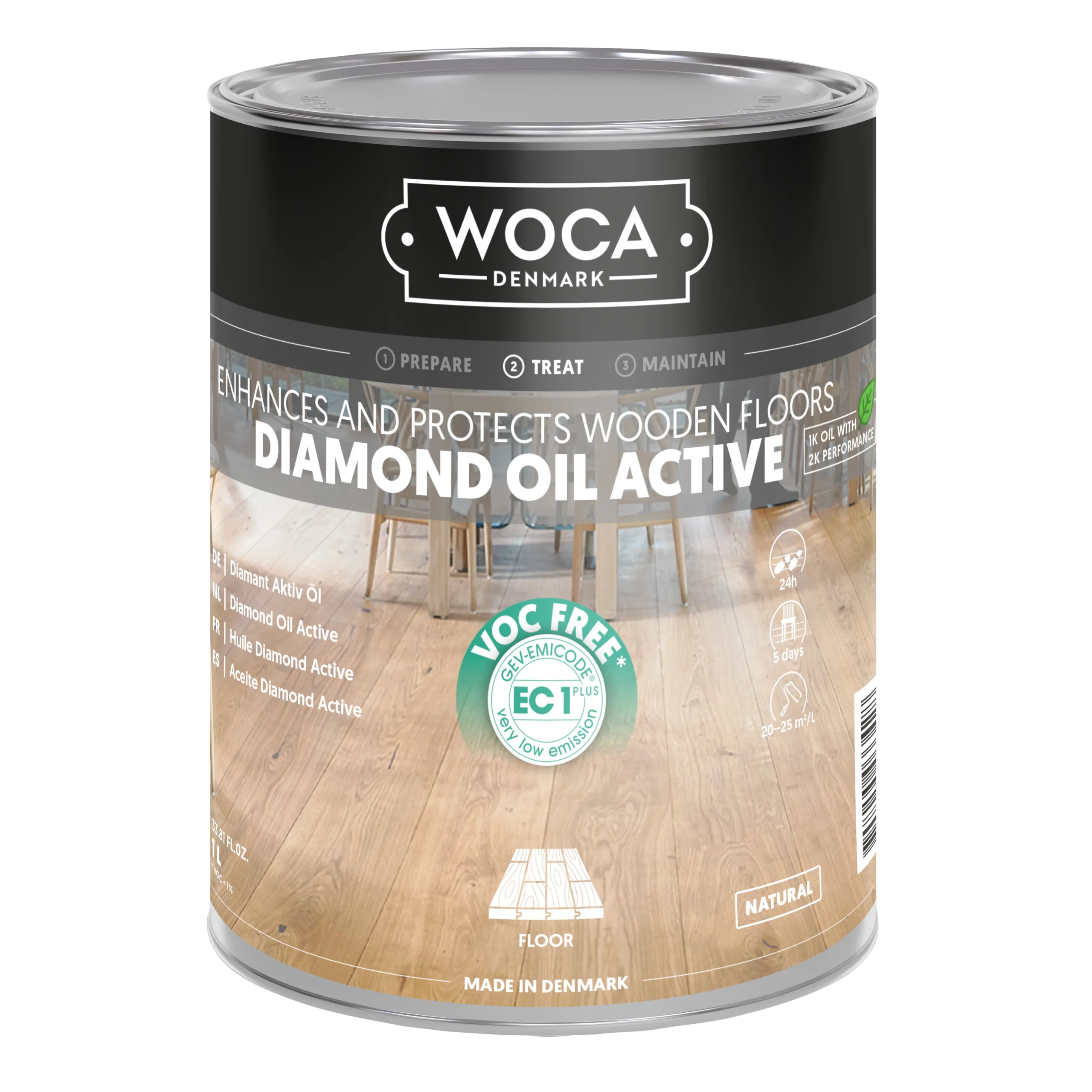
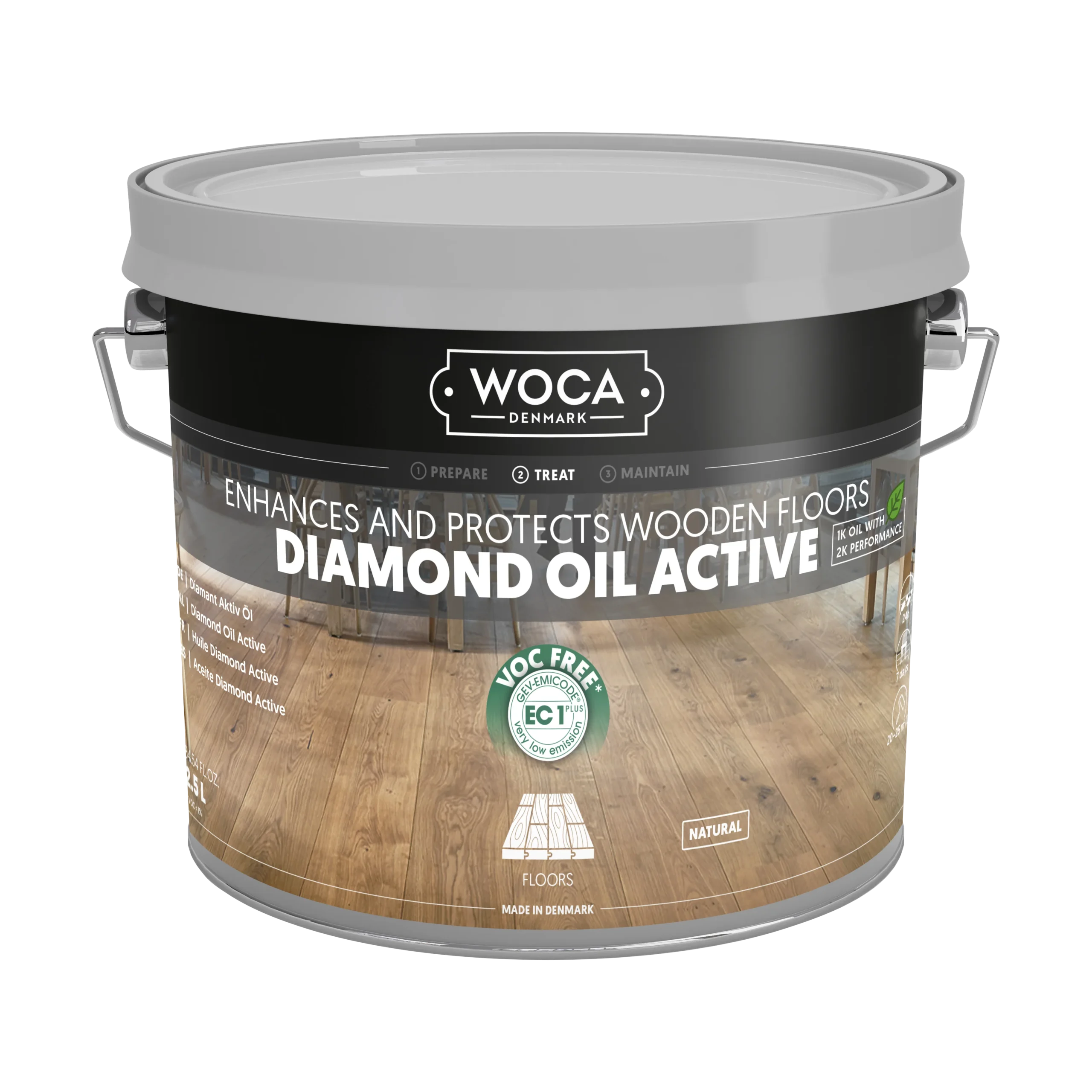
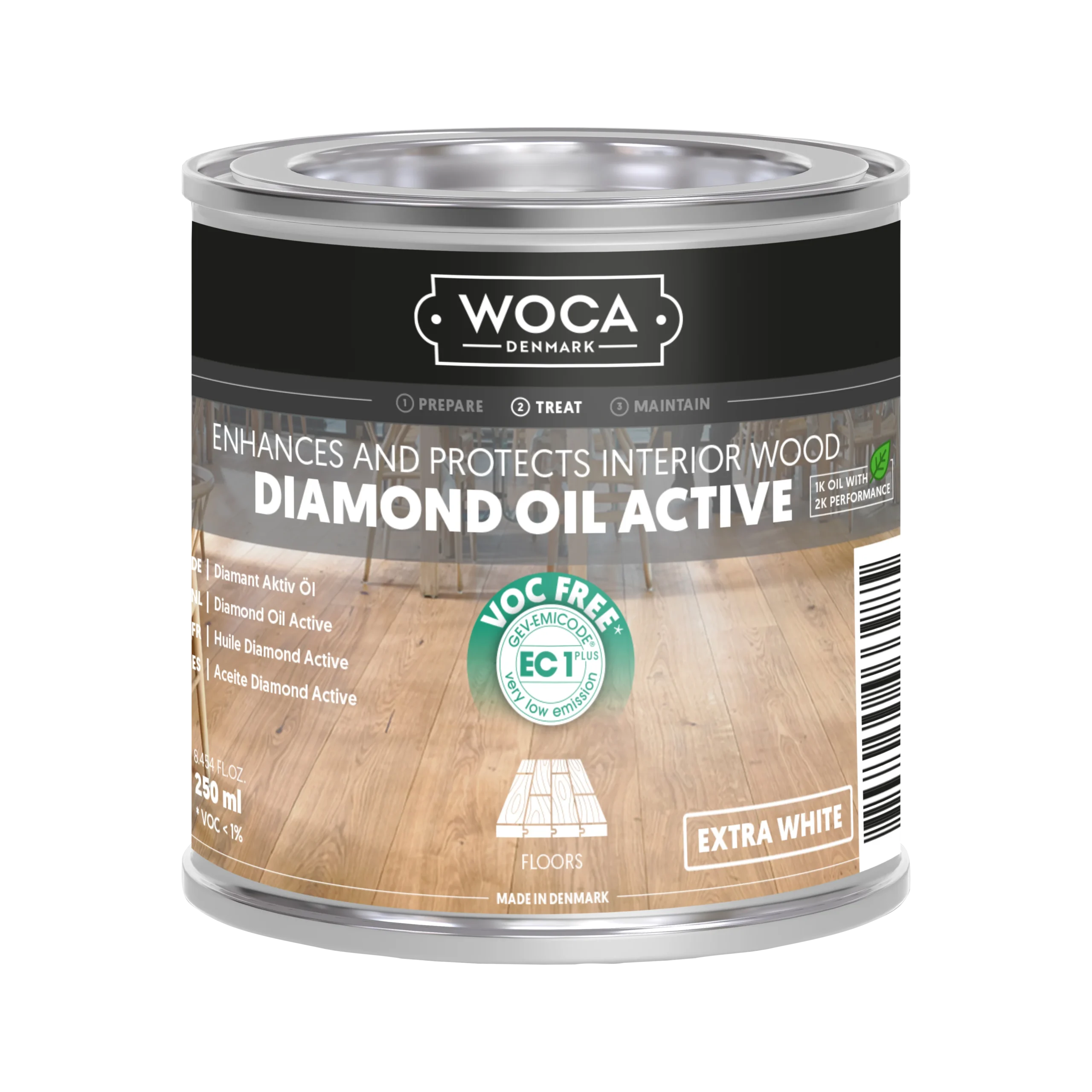
Diamond Oil Active er en bæredygtig, VOC-fri olie til trægulve, bordplader og møbler. Denne eksklusive, enkeltkomponents olie med lav lugt er slidstærk, nem at påføre og minimerer spild. Med sin hyper-crosslink-teknologi skabes en vandafvisende, skridsikker overflade, der er let at rengøre og vedligeholde. Med et tørstofindhold på ca. 99 % er olien ideel til maskinapplikation på ubehandlet eller slebet træ af enhver type.

VOC:
8 g/l, VOC-grænseværdi (A/i (OB)): 500 g/l.
Massefylde:
0.95-1.00 g/ml.
Holdbarhed:
3 år
Påføringstemperatur:
+15-30°C og ca. 50 % luftfugtighed.
Rækkeevne:
20-25 m²/L
Colour product:
Natur
Emballagestørrelser:
750 ml – 1 L – 2,5 L
VOC:
0 g/l, VOC-grænseværdi (A/i (OB)): 500 g/l.
Massefylde:
0.95-1.00 g/ml.
Holdbarhed:
3 år
Påføringstemperatur:
+15-30°C og ca. 50 % luftfugtighed.
Rækkeevne:
20-25 m²/L
Colour product:
Natur
VOC:
8 g/l, VOC-grænseværdi (A/i (OB)): 500 g/l.
Massefylde:
0.95-1.00 g/ml.
Holdbarhed:
3 år
Påføringstemperatur:
+15-30°C og ca. 50 % luftfugtighed.
Rækkeevne:
20-25 m²/L
Colour product:
Natur
Emballagestørrelser:
750 ml – 1 L – 2,5 L
VOC:
8 g/l, VOC-grænseværdi (A/i (OB)): 500 g/l.
Massefylde:
0.95-1.00 g/ml.
Holdbarhed:
3 år
Påføringstemperatur:
+15-30°C og ca. 50 % luftfugtighed.
Rækkeevne:
20-25 m²/L
Colour product:
Natur
VOC:
75 g/l, VOC-grænseværdi (A/i (OB)): 500 g/l.
Massefylde:
0.95-1.00 g/ml.
Holdbarhed:
3 år
Påføringstemperatur:
+15-30°C og ca. 50 % luftfugtighed.
Rækkeevne:
20-25 m²/L
Colour product:
Natur
VOC:
10 g/l, VOC-grænseværdi (A/i (OB)): 500 g/l.
Massefylde:
0.95-1.00 g/ml.
Holdbarhed:
3 år
Påføringstemperatur:
+15-30°C og ca. 50 % luftfugtighed.
Rækkeevne:
20-25 m²/L
Colour product:
Ekstra Hvid
VOC:
10 g/l, VOC-grænseværdi (A/i (OB)): 500 g/l.
Massefylde:
0.95-1.00 g/ml.
Holdbarhed:
3 år
Påføringstemperatur:
+15-30°C og ca. 50 % luftfugtighed.
Rækkeevne:
20-25 m²/L
Colour product:
Ekstra Hvid
Emballagestørrelser:
750 ml – 2,5 L
VOC:
10 g/l, VOC-grænseværdi (A/i (OB)): 500 g/l.
Massefylde:
0.95-1.00 g/ml.
Holdbarhed:
3 år
Påføringstemperatur:
+15-30°C og ca. 50 % luftfugtighed.
Rækkeevne:
20-25 m²/L
Colour product:
Ekstra Hvid
VOC:
10 g/l, VOC-grænseværdi (A/i (OB)): 500 g/l.
Massefylde:
0.95-1.00 g/ml.
Holdbarhed:
3 år
Påføringstemperatur:
+15-30°C og ca. 50 % luftfugtighed.
Rækkeevne:
20-25 m²/L
Colour product:
Ekstra Hvid
Emballagestørrelser:
750 ml – 2,5 L
VOC:
10 g/l, VOC-grænseværdi (A/i (OB)): 500 g/l.
Massefylde:
0.95-1.00 g/ml.
Holdbarhed:
3 år
Påføringstemperatur:
+15-30°C og ca. 50 % luftfugtighed.
Rækkeevne:
20-25 m²/L
Colour product:
Ekstra Hvid
VOC:
8 g/l, VOC-grænseværdi (A/i (OB)): 500 g/l.
Massefylde:
0.95-1.00 g/ml.
Holdbarhed:
3 år
Påføringstemperatur:
+15-30°C og ca. 50 % luftfugtighed.
Rækkeevne:
20-25 m²/L
Colour product:
Hvid
VOC:
8 g/l, VOC-grænseværdi (A/i (OB)): 500 g/l.
Massefylde:
0.95-1.00 g/ml.
Holdbarhed:
3 år
Påføringstemperatur:
+15-30°C og ca. 50 % luftfugtighed.
Rækkeevne:
20-25 m²/L
Colour product:
Hvid
Emballagestørrelser:
750 ml – 2,5 L
VOC:
8 g/l, VOC-grænseværdi (A/i (OB)): 500 g/l.
Massefylde:
0.95-1.00 g/ml.
Holdbarhed:
3 år
Påføringstemperatur:
+15-30°C og ca. 50 % luftfugtighed.
Rækkeevne:
20-25 m²/L
Colour product:
Hvid
VOC:
8 g/l, VOC-grænseværdi (A/i (OB)): 500 g/l.
Massefylde:
0.95-1.00 g/ml.
Holdbarhed:
3 år
Påføringstemperatur:
+15-30°C og ca. 50 % luftfugtighed.
Rækkeevne:
20-25 m²/L
Colour product:
Hvid
Emballagestørrelser:
750 ml – 2,5 L
VOC:
8 g/l, VOC-grænseværdi (A/i (OB)): 500 g/l.
Massefylde:
0.95-1.00 g/ml.
Holdbarhed:
3 år
Påføringstemperatur:
+15-30°C og ca. 50 % luftfugtighed.
Rækkeevne:
20-25 m²/L
Colour product:
Hvid
VOC:
8 g/l, VOC-grænseværdi (A/i (OB)): 500 g/l.
Massefylde:
0.95-1.00 g/ml.
Holdbarhed:
3 år
Påføringstemperatur:
+15-30°C og ca. 50 % luftfugtighed.
Rækkeevne:
20-25 m²/L
Colour product:
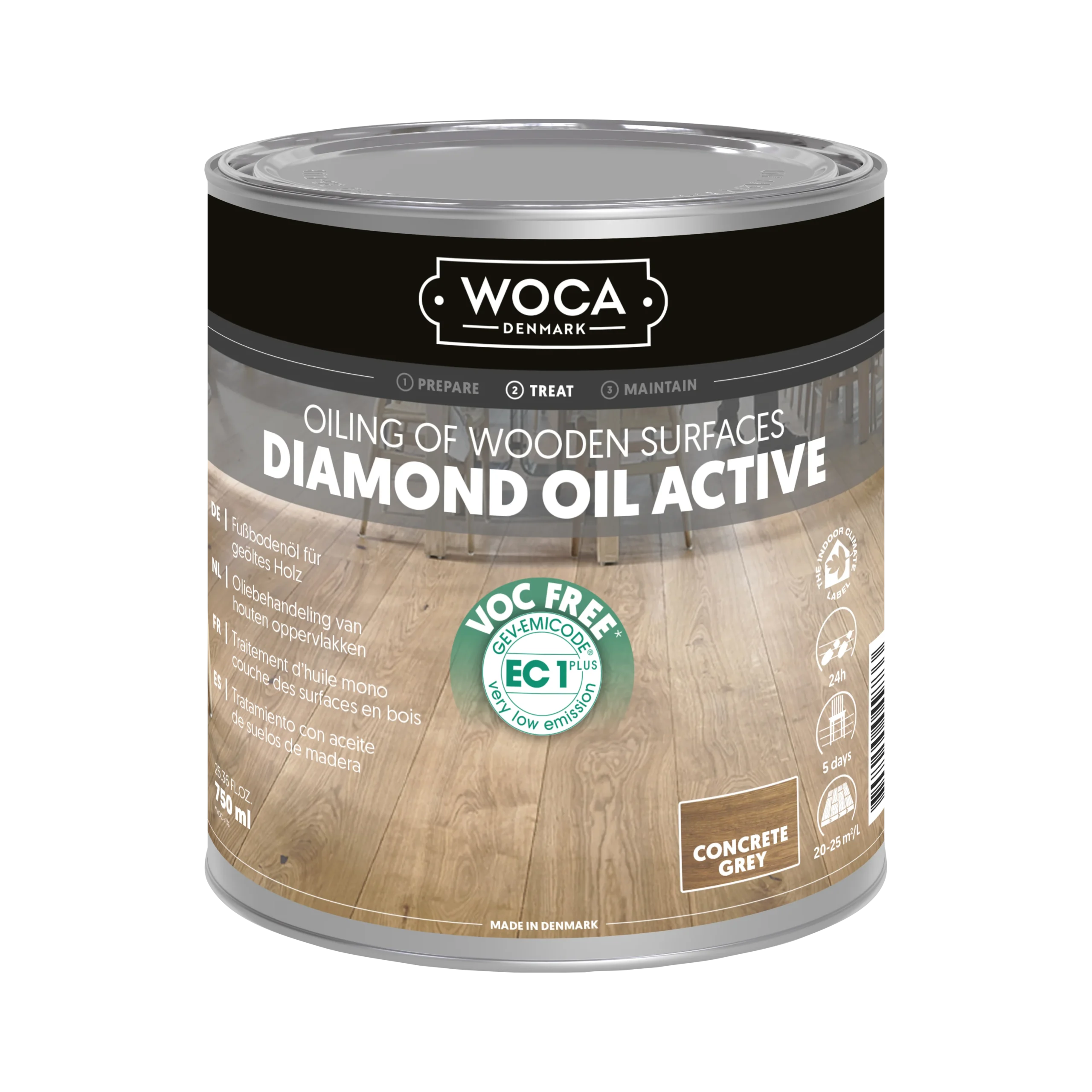
Betongrå
Emballagestørrelser:
750 ml – 2,5 L
VOC:
8 g/l, VOC-grænseværdi (A/i (OB)): 500 g/l.
Massefylde:
0.95-1.00 g/ml.
Holdbarhed:
3 år
Påføringstemperatur:
+15-30°C og ca. 50 % luftfugtighed.
Rækkeevne:
20-25 m²/L
Colour product:
Betongrå
VOC:
8 g/l, VOC-grænseværdi (A/i (OB)): 500 g/l.
Massefylde:
0.95-1.00 g/ml.
Holdbarhed:
3 år
Påføringstemperatur:
+15-30°C og ca. 50 % luftfugtighed.
Rækkeevne:
20-25 m²/L
Colour product:
Betongrå
Emballagestørrelser:
750 ml – 2,5 L
VOC:
8 g/l, VOC-grænseværdi (A/i (OB)): 500 g/l.
Massefylde:
0.95-1.00 g/ml.
Holdbarhed:
3 år
Påføringstemperatur:
+15-30°C og ca. 50 % luftfugtighed.
Rækkeevne:
20-25 m²/L
Colour product:
Betongrå
VOC:
8 g/l, VOC-grænseværdi (A/i (OB)): 500 g/l.
Massefylde:
0.95-1.00 g/ml.
Holdbarhed:
3 år
Påføringstemperatur:
+15-30°C og ca. 50 % luftfugtighed.
Rækkeevne:
20-25 m²/L
Colour product:
Sandgrå
Emballagestørrelser:
750 ml – 2,5 L
VOC:
8 g/l, VOC-grænseværdi (A/i (OB)): 500 g/l.
Massefylde:
0.95-1.00 g/ml.
Holdbarhed:
3 år
Påføringstemperatur:
+15-30°C og ca. 50 % luftfugtighed.
Rækkeevne:
20-25 m²/L
Colour product:
Sandgrå
VOC:
8 g/l, VOC-grænseværdi (A/i (OB)): 500 g/l.
Massefylde:
0.95-1.00 g/ml.
Holdbarhed:
3 år
Påføringstemperatur:
+15-30°C og ca. 50 % luftfugtighed.
Rækkeevne:
20-25 m²/L
Colour product:
Sandgrå
Emballagestørrelser:
2,5 L
VOC:
8 g/l, VOC-grænseværdi (A/i (OB)): 500 g/l.
Massefylde:
0.95-1.00 g/ml.
Holdbarhed:
3 år
Påføringstemperatur:
+15-30°C og ca. 50 % luftfugtighed.
Rækkeevne:
20-25 m²/L
Colour product:
Sandgrå
VOC:
8 g/l, VOC-grænseværdi (A/i (OB)): 500 g/l.
Massefylde:
0.95-1.00 g/ml.
Holdbarhed:
3 år
Påføringstemperatur:
+15-30°C og ca. 50 % luftfugtighed.
Rækkeevne:
20-25 m²/L
Colour product:
Carbon Sort
Emballagestørrelser:
750 ml – 2,5 L
VOC:
8 g/l, VOC-grænseværdi (A/i (OB)): 500 g/l.
Massefylde:
0.95-1.00 g/ml.
Holdbarhed:
3 år
Påføringstemperatur:
+15-30°C og ca. 50 % luftfugtighed.
Rækkeevne:
20-25 m²/L
Colour product:
Carbon Sort
VOC:
8 g/l, VOC-grænseværdi (A/i (OB)): 500 g/l.
Massefylde:
0.95-1.00 g/ml.
Holdbarhed:
3 år
Påføringstemperatur:
+15-30°C og ca. 50 % luftfugtighed.
Rækkeevne:
20-25 m²/L
Colour product:
Carbon Sort
Emballagestørrelser:
2,5 L
VOC:
8 g/l, VOC-grænseværdi (A/i (OB)): 500 g/l.
Massefylde:
0.95-1.00 g/ml.
Holdbarhed:
3 år
Påføringstemperatur:
+15-30°C og ca. 50 % luftfugtighed.
Rækkeevne:
20-25 m²/L
Colour product:
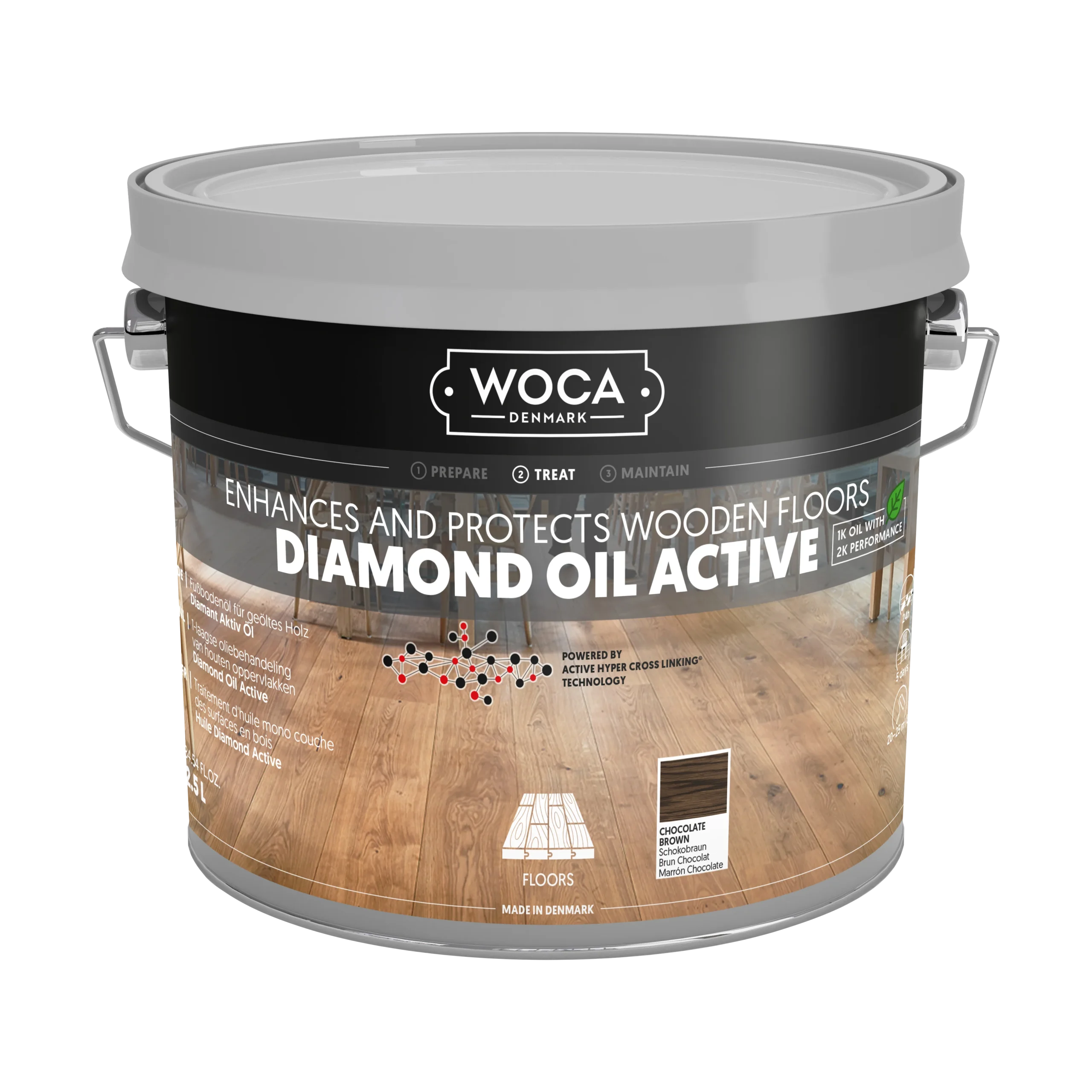
Chokolade
Emballagestørrelser:
750 ml – 2,5 L
VOC:
8 g/l, VOC-grænseværdi (A/i (OB)): 500 g/l.
Massefylde:
0.95-1.00 g/ml.
Holdbarhed:
3 år
Påføringstemperatur:
+15-30°C og ca. 50 % luftfugtighed.
Rækkeevne:
20-25 m²/L
Colour product:
Chokolade
VOC:
8 g/l, VOC-grænseværdi (A/i (OB)): 500 g/l.
Massefylde:
0.95-1.00 g/ml.
Holdbarhed:
3 år
Påføringstemperatur:
+15-30°C og ca. 50 % luftfugtighed.
Rækkeevne:
20-25 m²/L
Colour product:
Chokolade
Emballagestørrelser:
750 ml – 2,5 L
VOC:
8 g/l, VOC-grænseværdi (A/i (OB)): 500 g/l.
Massefylde:
0.95-1.00 g/ml.
Holdbarhed:
3 år
Påføringstemperatur:
+15-30°C og ca. 50 % luftfugtighed.
Rækkeevne:
20-25 m²/L
Colour product:
Chokolade
VOC:
8 g/l, VOC-grænseværdi (A/i (OB)): 500 g/l.
Massefylde:
0.95-1.00 g/ml.
Holdbarhed:
3 år
Påføringstemperatur:
+15-30°C og ca. 50 % luftfugtighed.
Rækkeevne:
20-25 m²/L
Colour product:
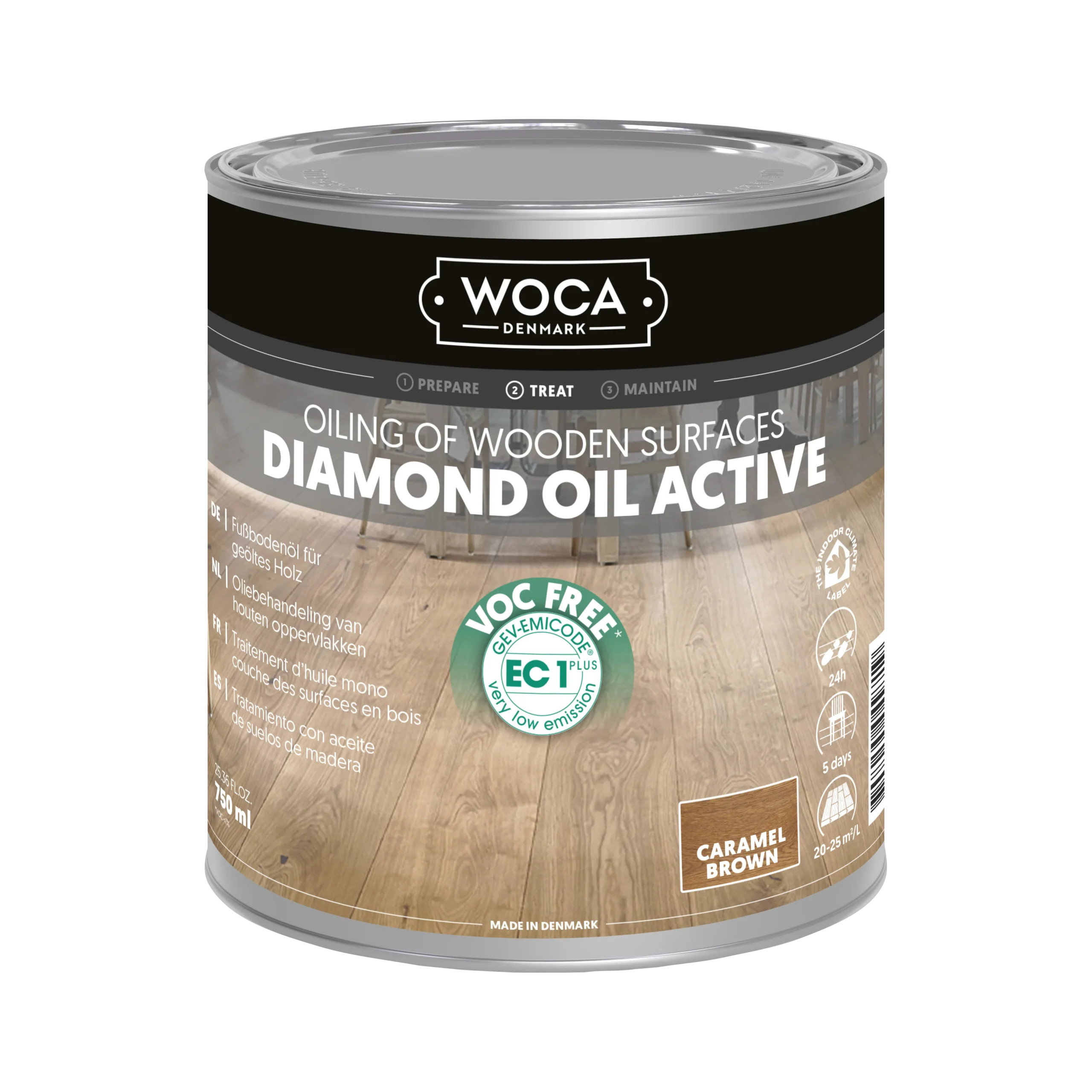
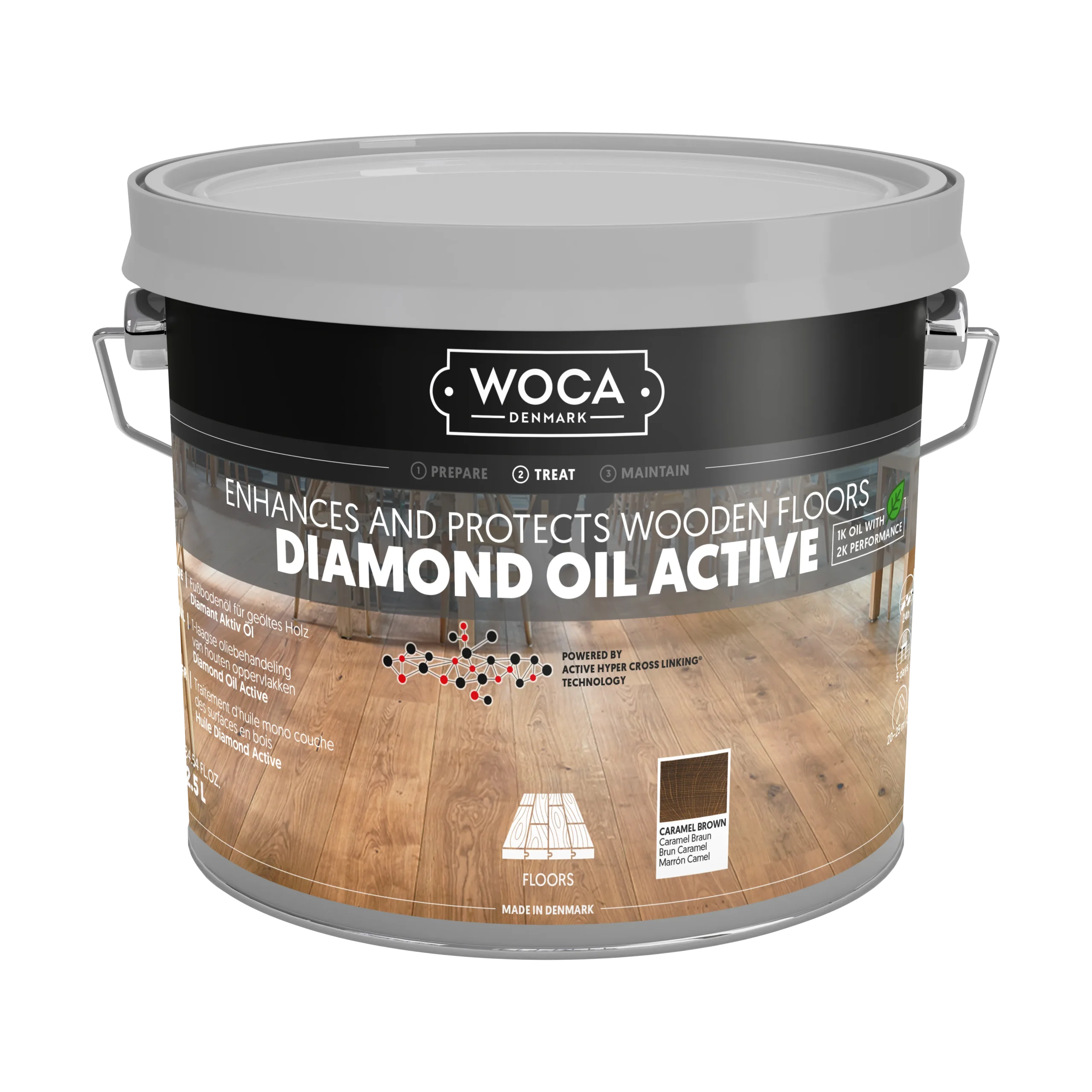
Karamel Brun
Emballagestørrelser:
750 ml – 2,5 L
VOC:
8 g/l, VOC-grænseværdi (A/i (OB)): 500 g/l.
Massefylde:
0.95-1.00 g/ml.
Holdbarhed:
3 år
Påføringstemperatur:
+15-30°C og ca. 50 % luftfugtighed.
Rækkeevne:
20-25 m²/L
Colour product:
Karamel Brun
VOC:
8 g/l, VOC-grænseværdi (A/i (OB)): 500 g/l.
Massefylde:
0.95-1.00 g/ml.
Holdbarhed:
3 år
Påføringstemperatur:
+15-30°C og ca. 50 % luftfugtighed.
Rækkeevne:
20-25 m²/L
Colour product:
Karamel Brun
Emballagestørrelser:
2,5 L
VOC:
8 g/l, VOC-grænseværdi (A/i (OB)): 500 g/l.
Massefylde:
0.95-1.00 g/ml.
Holdbarhed:
3 år
Påføringstemperatur:
+15-30°C og ca. 50 % luftfugtighed.
Rækkeevne:
20-25 m²/L
Colour product:
Karamel Brun
VOC:
8 g/l, VOC-grænseværdi (A/i (OB)): 500 g/l.
Massefylde:
0.95-1.00 g/ml.
Holdbarhed:
3 år
Påføringstemperatur:
+15-30°C og ca. 50 % luftfugtighed.
Rækkeevne:
20-25 m²/L
Colour product:
Smoke Brun
VOC:
8 g/l, VOC-grænseværdi (A/i (OB)): 500 g/l.
Massefylde:
0.95-1.00 g/ml.
Holdbarhed:
3 år
Påføringstemperatur:
+15-30°C og ca. 50 % luftfugtighed.
Rækkeevne:
20-25 m²/L
Colour product:
Smoke Brun
Emballagestørrelser:
750 ml – 2,5 L
VOC:
8 g/l, VOC-grænseværdi (A/i (OB)): 500 g/l.
Massefylde:
0.95-1.00 g/ml.
Holdbarhed:
3 år
Påføringstemperatur:
+15-30°C og ca. 50 % luftfugtighed.
Rækkeevne:
20-25 m²/L
Colour product:
Smoke Brun
VOC:
8 g/l, VOC-grænseværdi (A/i (OB)): 500 g/l.
Massefylde:
0.95-1.00 g/ml.
Holdbarhed:
3 år
Påføringstemperatur:
+15-30°C og ca. 50 % luftfugtighed.
Rækkeevne:
20-25 m²/L
Colour product:
Smoke Brun
Emballagestørrelser:
2,5 L
VOC:
8 g/l, VOC-grænseværdi (A/i (OB)): 500 g/l.
Massefylde:
0.95-1.00 g/ml.
Holdbarhed:
3 år
Påføringstemperatur:
+15-30°C og ca. 50 % luftfugtighed.
Rækkeevne:
20-25 m²/L
Colour product:
Natur
Emballagestørrelser:
250 ml – 750 ml – 1 L – 2,5 L
VOC:
8 g/l, VOC-grænseværdi (A/i (OB)): 500 g/l.
Massefylde:
0.95-1.00 g/ml.
Holdbarhed:
3 år
Påføringstemperatur:
+15-30°C og ca. 50 % luftfugtighed.
Rækkeevne:
20-25 m²/L
Colour product:
Natur
Emballagestørrelser:
750 ml – 1 L – 2,5 L

Træet skal være nyslebet, afslutningsvis med sandpapir korn 100-120. Produkt-, rum- og gulvtemperatur bør være 15-30°C. Sørg for god udluftning ved påføring og i tørretiden.

Husk altid at foretage prøveopstrøg på et mindre synligt sted for kontrol af overfladens og produktets forenelighed.

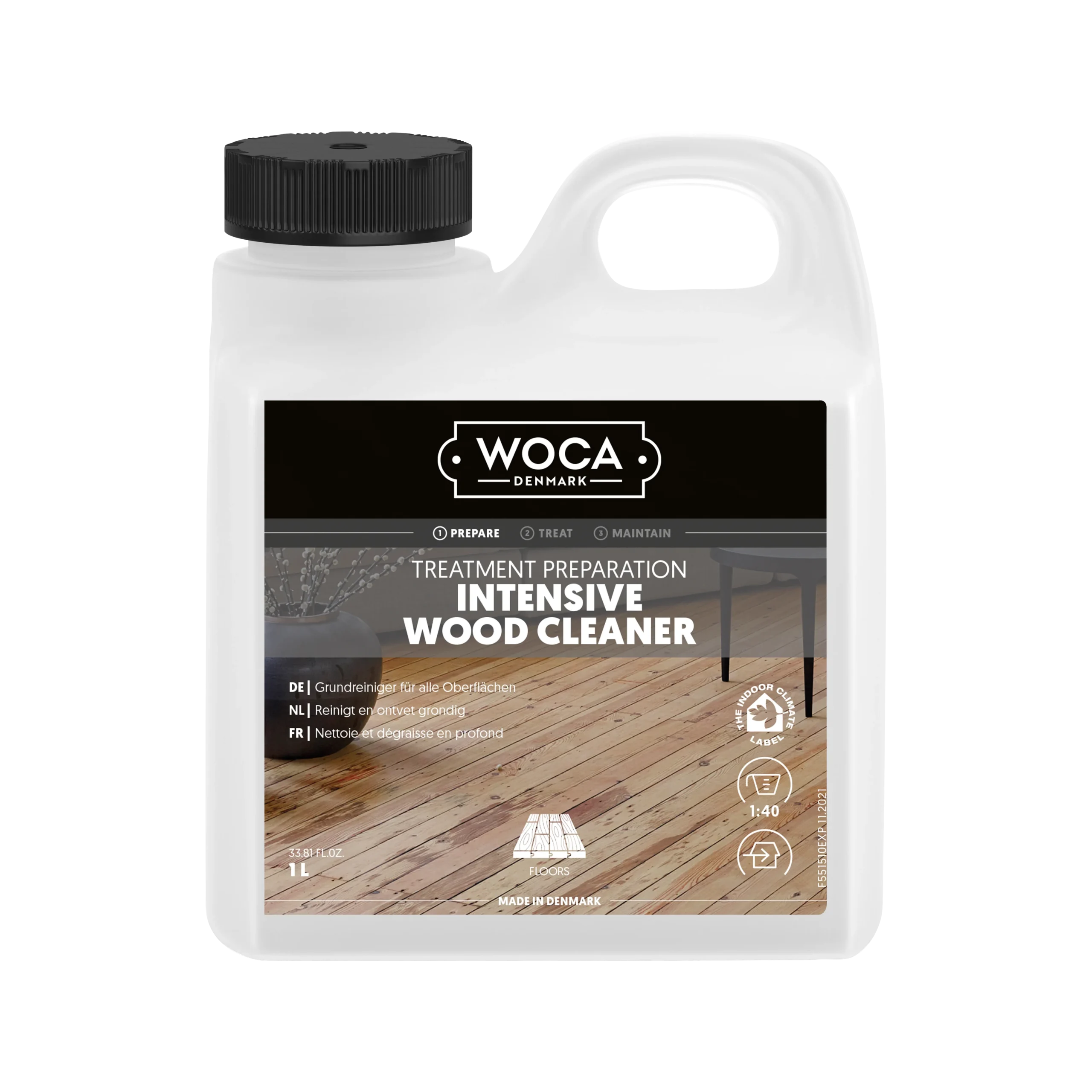
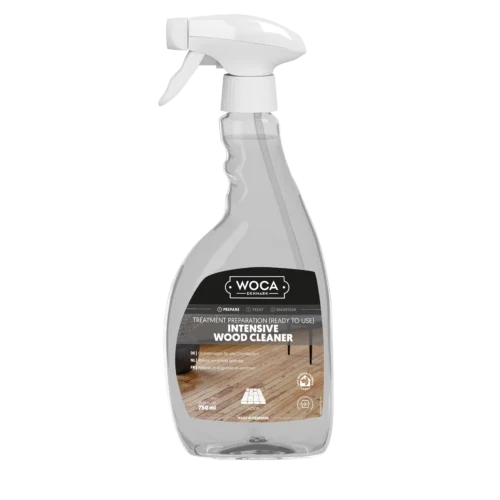
  • Vask gulvet med Intensive Wood Cleaner. Lad gulvet tørre mindst 24 timer ved 20°C, før olien påføres.
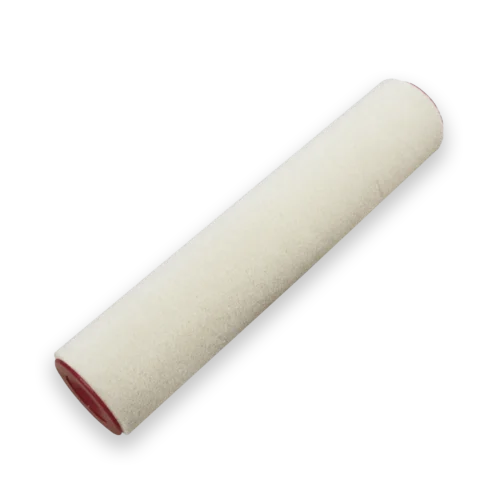
  • Ryst beholderen med Diamond Oil Active omhyggeligt, både før og under brug. Beholdere med forskellige batchnumre bør blandes for at undgå farveforskelle. Påfør et tyndt lag olie med en korthåret malerrulle i et jævnt lag.
  • Lad olien trække 10-15 minutter. Påfør mere olie, hvis der opstår tørre pletter.
  • Poler olien ned i træet, indtil overfladen virker mættet. Brug polermaskine med beige pad ved større arealer og polerklud manuelt ved mindre arealer.
  • Fjern overskydende olie med tørre, fnugfrie bomuldsklude eller pad, indtil overfladen ikke virker våd.
  • Ønskes ekstra flot finish og modstandsdygtighed kan gulvet efterpoleres med 1 dl Diamond Oil Active pr. 10 m² inden for 8-10 timer efter første påføring. Olien skal poleres grundigt, som beskrevet i punkt 4+5.
  • Efter 24 timer kan gulvet forsigtigt tages i brug.
  • Rengør værktøj med WOCA Solvent eller terpentin.
  • Ønskes ekstra flot finish og modstandsdygtighed kan gulvet efterpoleres med 1 dl Diamond Active Olie pr. 10 m2 inden for 8-10 timer efter første påføring og efter samme fremgangsmåde som ved første påføring.