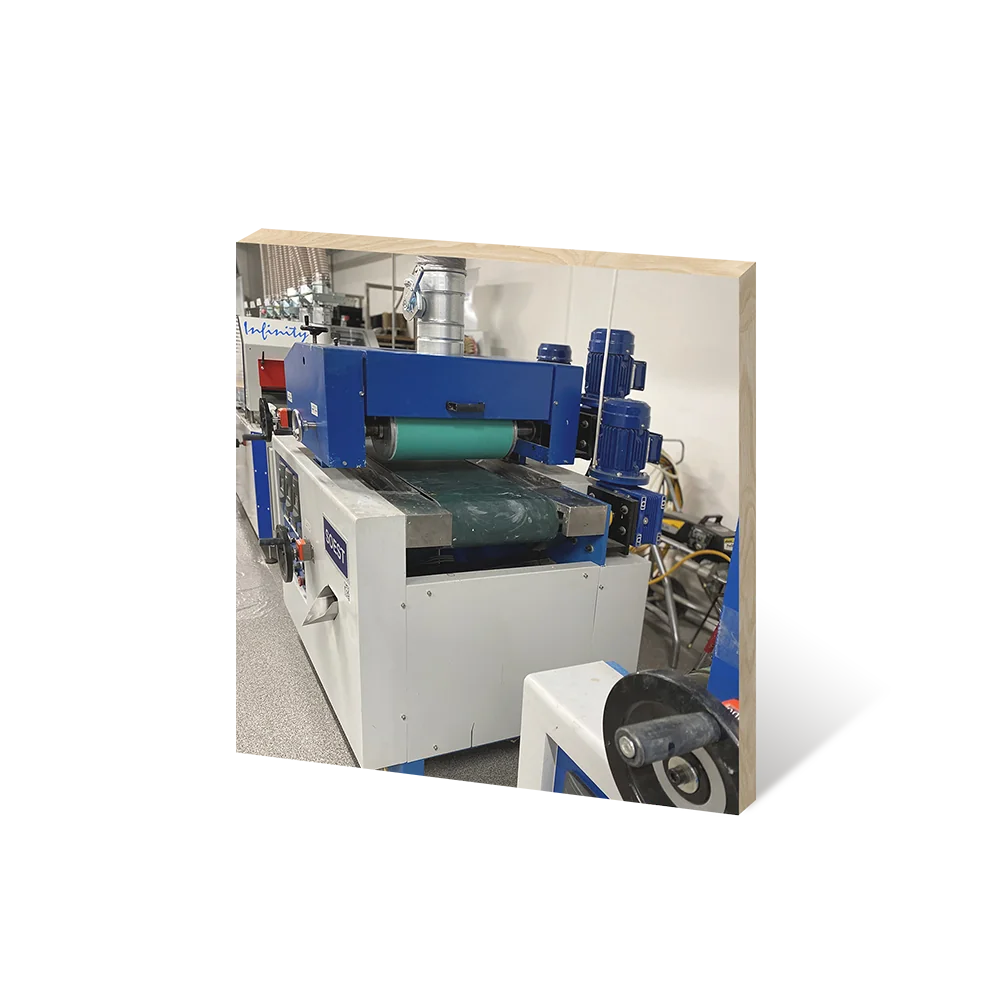
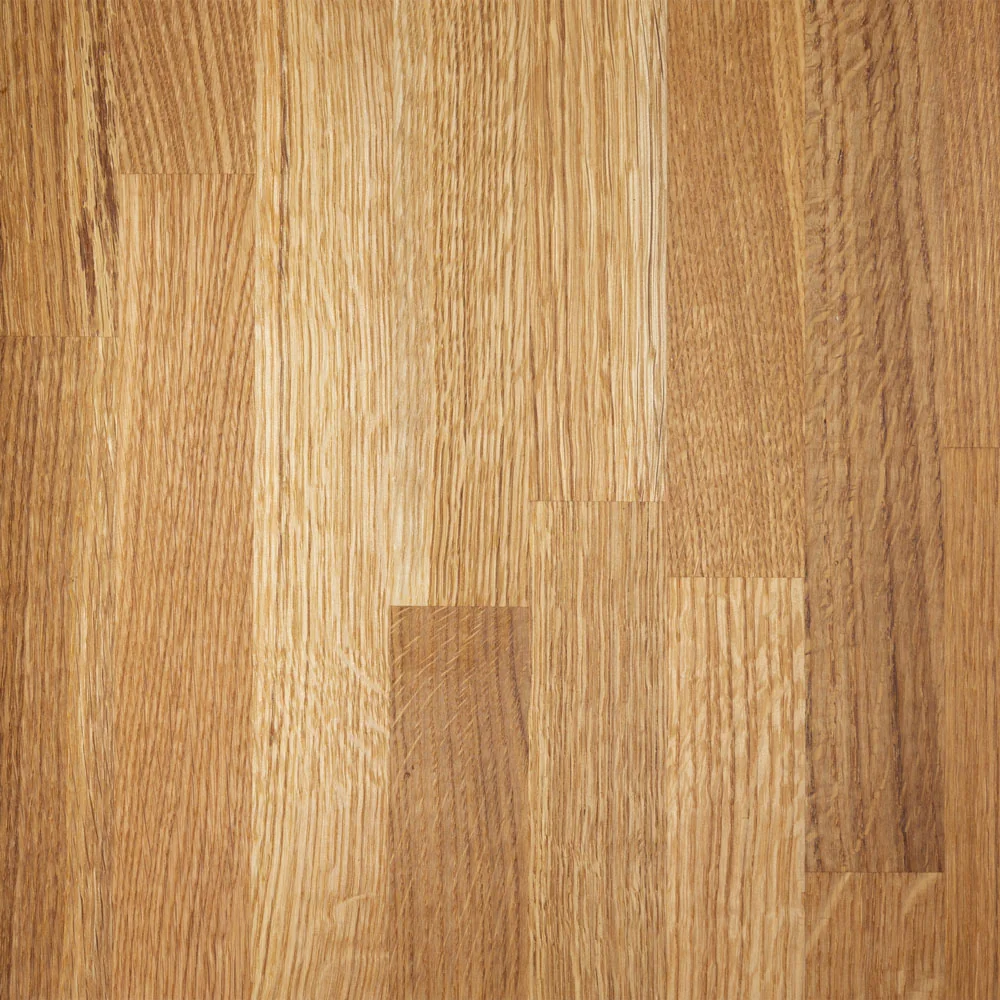
Industry
Worktop Oil

Worktop Oil (Industrial)

Item No.: 827713-104301 827713-104402 827713-104300 827713-104403 827713-104506 827713-104507 827714I 827715I 827716 827713I 827814I

Oxidizing oil for wooden worktops

  • Safe for food contact
  • Easy application on a variety of processes
  • Provides a dirt and water-resistant surface
  • Contains natural oils
  • Can be used on all wood species
  • Highlights the glow and grain structure of the wood

Colours

Natural

Packaging

Certifications

Food Contact Material (FCM)

The glass and fork symbol indicates that the product complies with the requirements for Food Contact Materials (FCM) according to Regulation (EC) No 1935/2004, confirming it is safe to come into direct or indirect contact with food.

The manufacturer must document that the surface treatment does not release harmful substances when in contact with food. To ensure this high level of food safety laboratory tests are carried out by an independent third party.

So, look for the FCM label when treating wooden surfaces such as kitchen and dining tables.
EN 71-3
European standard ensuring that materials do not release toxic substances in amounts harmful to children. Particularly relevant for materials such as toys, kitchen utensils, worktops and furniture.
Environmental Product Declaration (EPD)
Environmental Product Declaration (EPD) supports greater transparency and documented sustainability. EPDs present verified data on a product’s environmental impact throughout its entire life cycle, based on recognized standards and third-party verification.
Danish Indoor Climate Labelling
Danish Interior Climate Labelling is a voluntary labelling system for products and materials which can document the effect of degassing. Indoor climate labelled materials are a natural component in sustainable construction, where a good indoor air quality contributes to social sustainability.
Emission Class A+
The French labeling system is a mandatory classification of materials, such as floor treatment products, based on their VOC emissions to indoor air. A+ is the highest rating, indicating improved indoor air quality with very low emissions.
Bio-Based ASTM 6866
Biobased Carbon Content ASTM D6866-22 is an international standard method utilized for product testing. The result is reported as % Biobased Carbon. This indicates the percentage carbon from ‘natural’ (plant or animal by-product) sources.
DiBt
DIBt is a German institute that tests and issues technical approvals for building materials.The aim is to improve the working climate for floor installers whilst ensuring a safe indoor air quality for the final consumer.
DIN EN 16516  emission test
Food Contact Material (FCM)

The glass and fork symbol indicates that the product complies with the requirements for Food Contact Materials (FCM) according to Regulation (EC) No 1935/2004, confirming it is safe to come into direct or indirect contact with food.

The manufacturer must document that the surface treatment does not release harmful substances when in contact with food. To ensure this high level of food safety laboratory tests are carried out by an independent third party.

So, look for the FCM label when treating wooden surfaces such as kitchen and dining tables.
EN 71-3
European standard ensuring that materials do not release toxic substances in amounts harmful to children. Particularly relevant for materials such as toys, kitchen utensils, worktops and furniture.
Environmental Product Declaration (EPD)
Environmental Product Declaration (EPD) supports greater transparency and documented sustainability. EPDs present verified data on a product’s environmental impact throughout its entire life cycle, based on recognized standards and third-party verification.
Danish Indoor Climate Labelling
Danish Interior Climate Labelling is a voluntary labelling system for products and materials which can document the effect of degassing. Indoor climate labelled materials are a natural component in sustainable construction, where a good indoor air quality contributes to social sustainability.
Emission Class A+
The French labeling system is a mandatory classification of materials, such as floor treatment products, based on their VOC emissions to indoor air. A+ is the highest rating, indicating improved indoor air quality with very low emissions.
Bio-Based ASTM 6866
Biobased Carbon Content ASTM D6866-22 is an international standard method utilized for product testing. The result is reported as % Biobased Carbon. This indicates the percentage carbon from ‘natural’ (plant or animal by-product) sources.
DiBt
DIBt is a German institute that tests and issues technical approvals for building materials.The aim is to improve the working climate for floor installers whilst ensuring a safe indoor air quality for the final consumer.
DIN EN 16516  emission test
Food Contact Material (FCM)

The glass and fork symbol indicates that the product complies with the requirements for Food Contact Materials (FCM) according to Regulation (EC) No 1935/2004, confirming it is safe to come into direct or indirect contact with food.

The manufacturer must document that the surface treatment does not release harmful substances when in contact with food. To ensure this high level of food safety laboratory tests are carried out by an independent third party.

So, look for the FCM label when treating wooden surfaces such as kitchen and dining tables.
EN 71-3
European standard ensuring that materials do not release toxic substances in amounts harmful to children. Particularly relevant for materials such as toys, kitchen utensils, worktops and furniture.
Environmental Product Declaration (EPD)
Environmental Product Declaration (EPD) supports greater transparency and documented sustainability. EPDs present verified data on a product’s environmental impact throughout its entire life cycle, based on recognized standards and third-party verification.
Danish Indoor Climate Labelling
Danish Interior Climate Labelling is a voluntary labelling system for products and materials which can document the effect of degassing. Indoor climate labelled materials are a natural component in sustainable construction, where a good indoor air quality contributes to social sustainability.
Emission Class A+
The French labeling system is a mandatory classification of materials, such as floor treatment products, based on their VOC emissions to indoor air. A+ is the highest rating, indicating improved indoor air quality with very low emissions.
Bio-Based ASTM 6866
Biobased Carbon Content ASTM D6866-22 is an international standard method utilized for product testing. The result is reported as % Biobased Carbon. This indicates the percentage carbon from ‘natural’ (plant or animal by-product) sources.
DiBt
DIBt is a German institute that tests and issues technical approvals for building materials.The aim is to improve the working climate for floor installers whilst ensuring a safe indoor air quality for the final consumer.
DIN EN 16516  emission test
Food Contact Material (FCM)

The glass and fork symbol indicates that the product complies with the requirements for Food Contact Materials (FCM) according to Regulation (EC) No 1935/2004, confirming it is safe to come into direct or indirect contact with food.

The manufacturer must document that the surface treatment does not release harmful substances when in contact with food. To ensure this high level of food safety laboratory tests are carried out by an independent third party.

So, look for the FCM label when treating wooden surfaces such as kitchen and dining tables.
DIN EN 16516  emission test
EN 71-3
European standard ensuring that materials do not release toxic substances in amounts harmful to children. Particularly relevant for materials such as toys, kitchen utensils, worktops and furniture.
Danish Indoor Climate Labelling
Danish Interior Climate Labelling is a voluntary labelling system for products and materials which can document the effect of degassing. Indoor climate labelled materials are a natural component in sustainable construction, where a good indoor air quality contributes to social sustainability.
Emission Class A+
The French labeling system is a mandatory classification of materials, such as floor treatment products, based on their VOC emissions to indoor air. A+ is the highest rating, indicating improved indoor air quality with very low emissions.
Bio-Based ASTM 6866
Biobased Carbon Content ASTM D6866-22 is an international standard method utilized for product testing. The result is reported as % Biobased Carbon. This indicates the percentage carbon from ‘natural’ (plant or animal by-product) sources.
DiBt
DIBt is a German institute that tests and issues technical approvals for building materials.The aim is to improve the working climate for floor installers whilst ensuring a safe indoor air quality for the final consumer.
Environmental Product Declaration (EPD)
Environmental Product Declaration (EPD) supports greater transparency and documented sustainability. EPDs present verified data on a product’s environmental impact throughout its entire life cycle, based on recognized standards and third-party verification.
Product Details

Worktop Oil is an air-hardening oil that penetrates deep into the wood. The oil is based on natural vegetable oils and ensures a worktop with great durability and resistance. The oil highlights the wood’s natural glow and gives the surface a natural, fresh appearance. Worktop Oil is safe for food contact and can be tinted in various colours.

VOC:
300 g/l, maximum VOC content (A/i (SB)): 500 g/l.
Density:
0.90-0.95 g/ml.
Shelf life:
3 years
Application Temperature:
+15-30°C and approx. 50% air humidity.
Coverage:
25-40 m²/L
Colour product:
Black 10%
VOC:
300 g/l, maximum VOC content (A/i (SB)): 500 g/l.
Density:
0.90-0.95 g/ml.
Shelf life:
3 years
Application Temperature:
+15-30°C and approx. 50% air humidity.
Coverage:
25-40 m²/L
Colour product:
Smoke Brown
VOC:
295 g/l, maximum VOC content (A/i (SB)): 500 g/l.
Density:
0.90-0.95 g/ml.
Shelf life:
3 years
Application Temperature:
+15-30°C and approx. 50% air humidity.
Coverage:
25-40 m²/L
Colour product:
Black 15%
VOC:
15 g/l, maximum VOC content (A/i (SB)): 500 g/l.
Density:
0.90-0.95 g/ml.
Shelf life:
3 years
Application Temperature:
+15-30°C and approx. 50% air humidity.
Coverage:
25-40 m²/L
Colour product:
Antique
VOC:
295 g/l, maximum VOC content (A/i (SB)): 500 g/l.
Density:
0.90-0.95 g/ml.
Shelf life:
3 years
Application Temperature:
+15-30°C and approx. 50% air humidity.
Coverage:
25-40 m²/L
Colour product:
Light Brown
VOC:
295 g/l, maximum VOC content (A/i (SB)): 500 g/l.
Density:
0.90-0.95 g/ml.
Shelf life:
3 years
Application Temperature:
+15-30°C and approx. 50% air humidity.
Coverage:
25-40 m²/L
Colour product:
Dark Brown
VOC:
295 g/l, maximum VOC content (A/i (SB)): 500 g/l.
Density:
0.90-0.95 g/ml.
Shelf life:
3 years
Application Temperature:
+15-30°C and approx. 50% air humidity.
Coverage:
25-40 m²/L
Colour product:
Natural
VOC:
295 g/l, maximum VOC content (A/i (SB)): 500 g/l.
Density:
0.90-0.95 g/ml.
Shelf life:
3 years
Application Temperature:
+15-30°C and approx. 50% air humidity.
Coverage:
25-40 m²/L
Colour product:
Natural
VOC:
295 g/l, maximum VOC content (A/i (SB)): 500 g/l.
Density:
0.90-0.95 g/ml.
Shelf life:
3 years
Application Temperature:
+15-30°C and approx. 50% air humidity.
Coverage:
25-40 m²/L
Colour product:
Natural
VOC:
295 g/l, maximum VOC content (A/i (SB)): 500 g/l.
Density:
0.90-0.95 g/ml.
Shelf life:
3 years
Application Temperature:
+15-30°C and approx. 50% air humidity.
Coverage:
25-40 m²/L
Colour product:
Natural
Packaging sizes:
20 L
VOC:
295 g/l, maximum VOC content (A/i (SB)): 500 g/l.
Density:
0.90-0.95 g/ml.
Shelf life:
3 years
Application Temperature:
+15-30°C and approx. 50% air humidity.
Coverage:
25-40 m²/L
Colour product:
White

Sanding
  • Final sanding grit 150-180
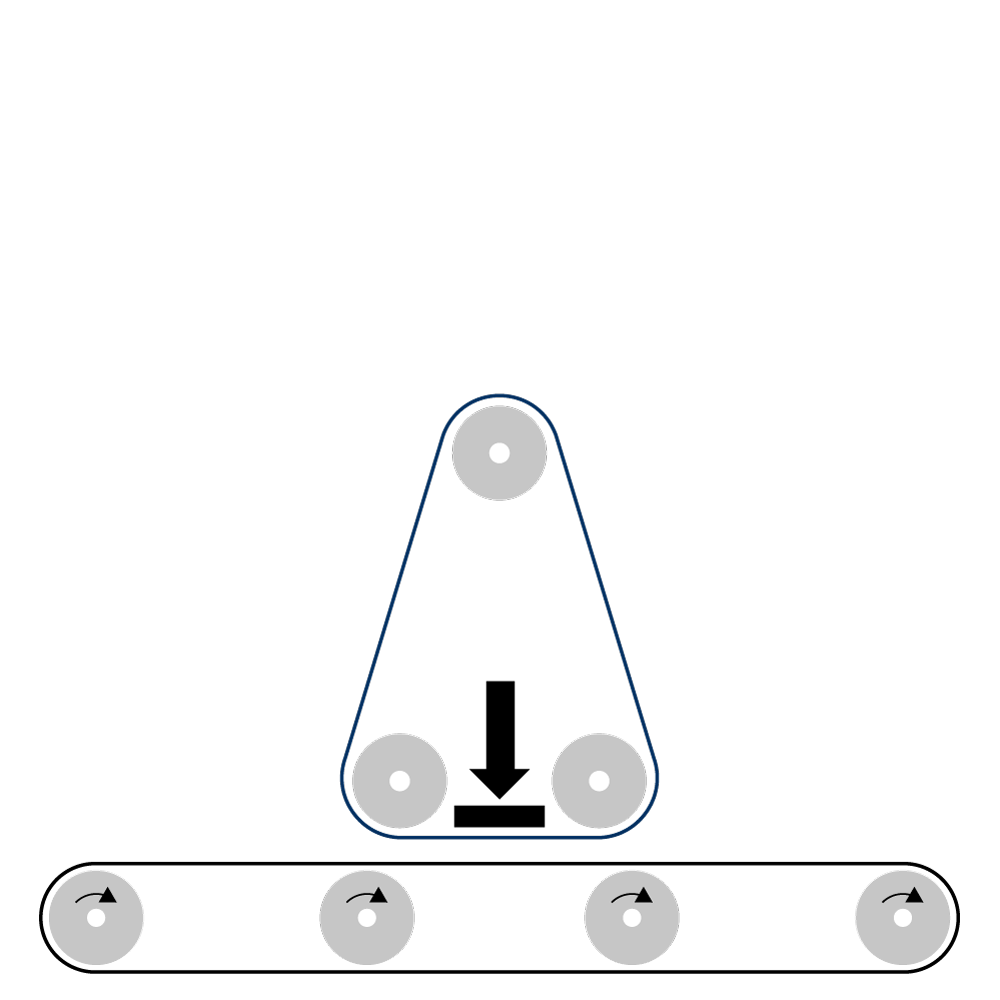
Roller
  • Use smooth rubber roller shore 15-25 natural rubber or nitrile rubber
  • Apply the product 30-35 gr/m2
  • Or apply manually
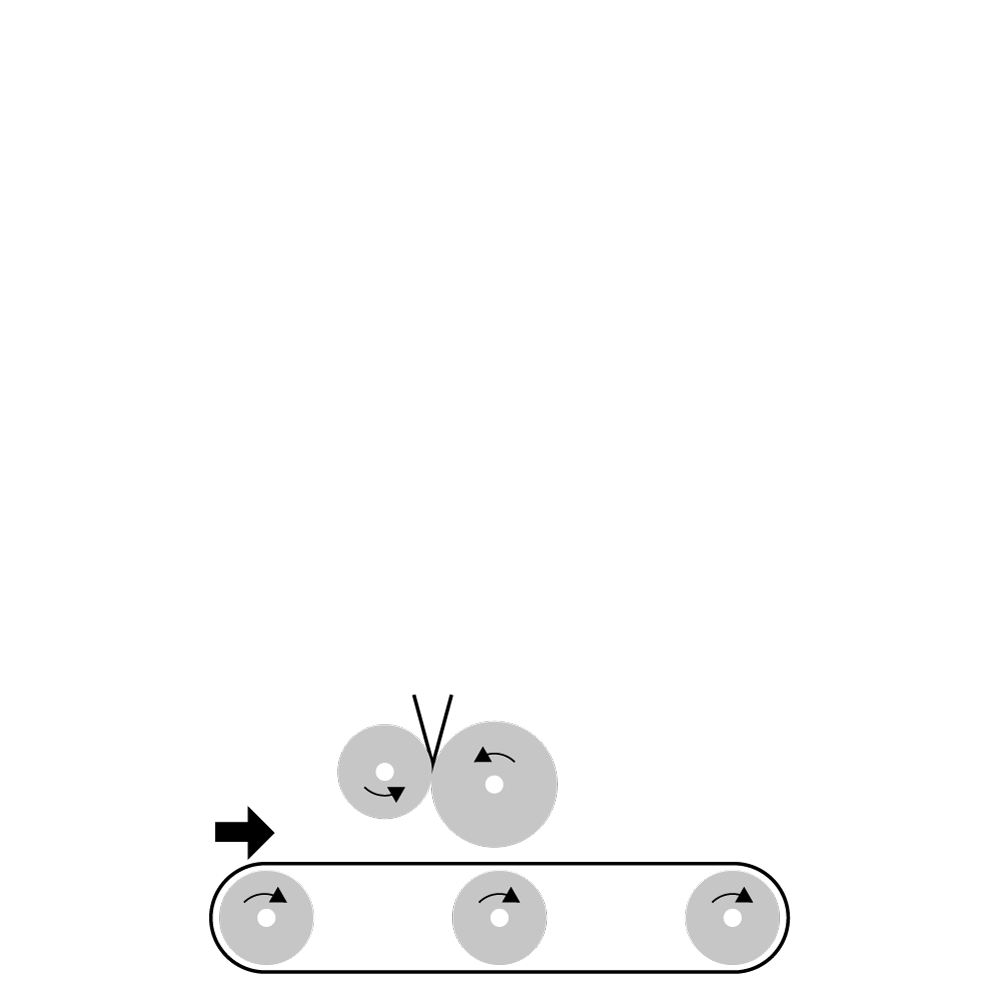
Even out
  • Use minimum two nylon brushes. 1st runs counterwise and 2nd runs counter-clockwise
  • Or remove oil by a cloth
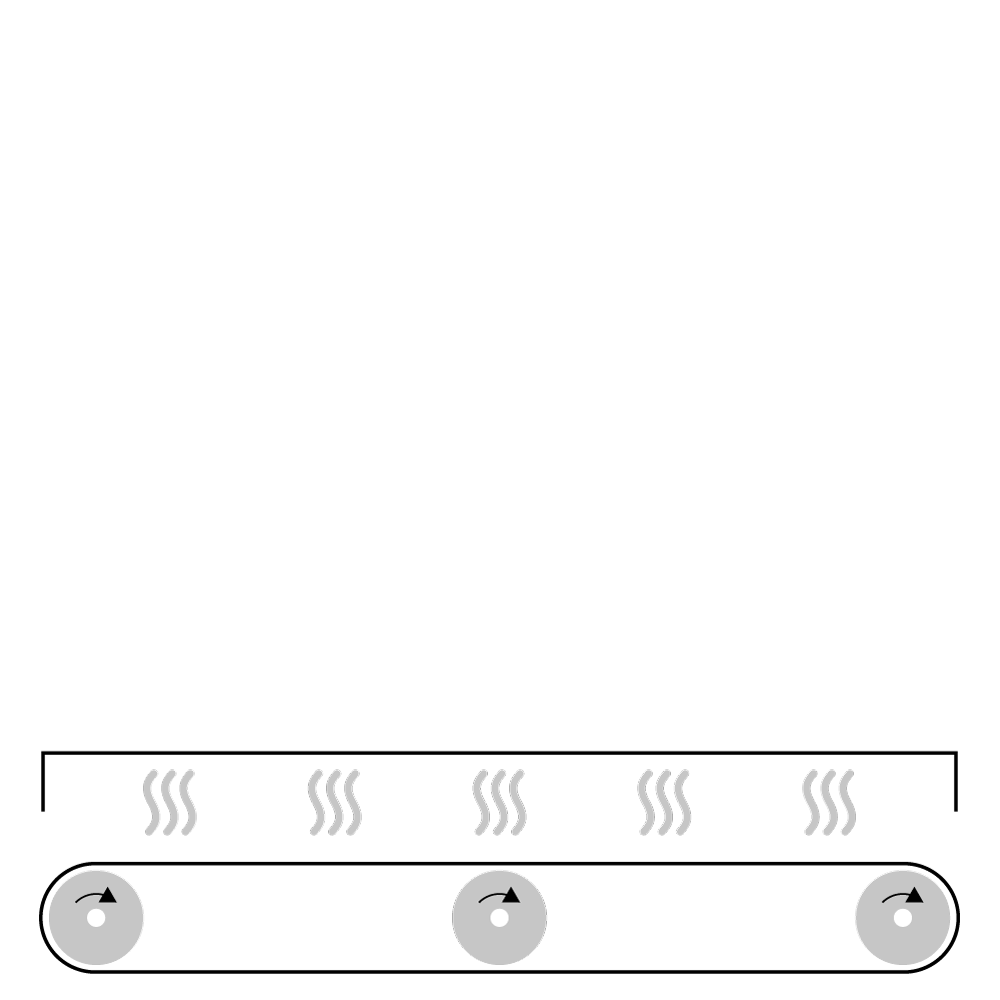
Hot air oven
  • Temperature 35-40 °C and good ventilation
  • Or drying on racks
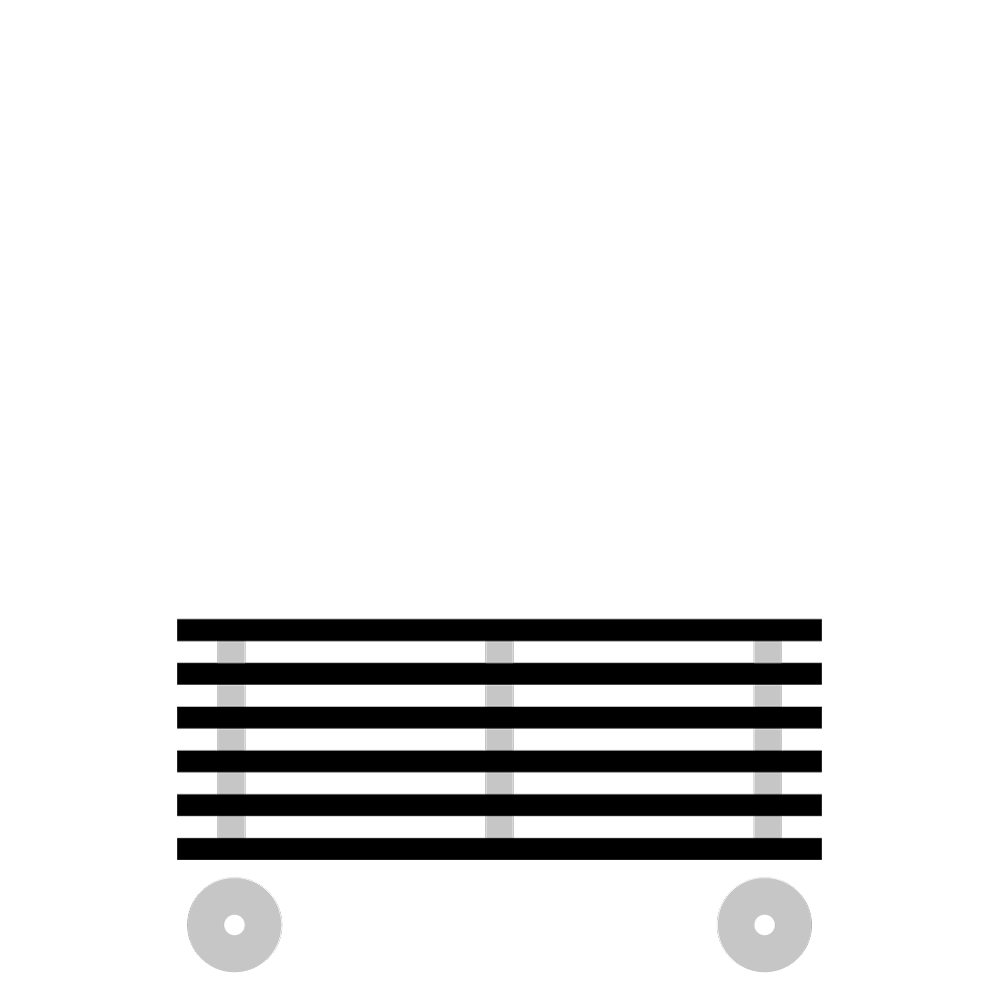
Stacking
  • 4-6 h by 20 °C
Intermediate sanding
  • Use sandingpaper grit 400-500
Roller
  • Use smooth rubber roller shore 15-25 natural rubber or nitrile rubber
  • Or apply manually
Even out
  • Use minimum two nylon brushes. 1st runs counterwise and 2nd runs counter-clockwise
  • Or remove oil by cloth
Hot air oven
  • Temperature 35-40 °C and good ventilation
  • Or drying on racks
Stacking
  • 24 h by 20 °C before packing

Viscosity correction: Correction can be made with WOCA Solvent only, #328575I.