Producten
Interior
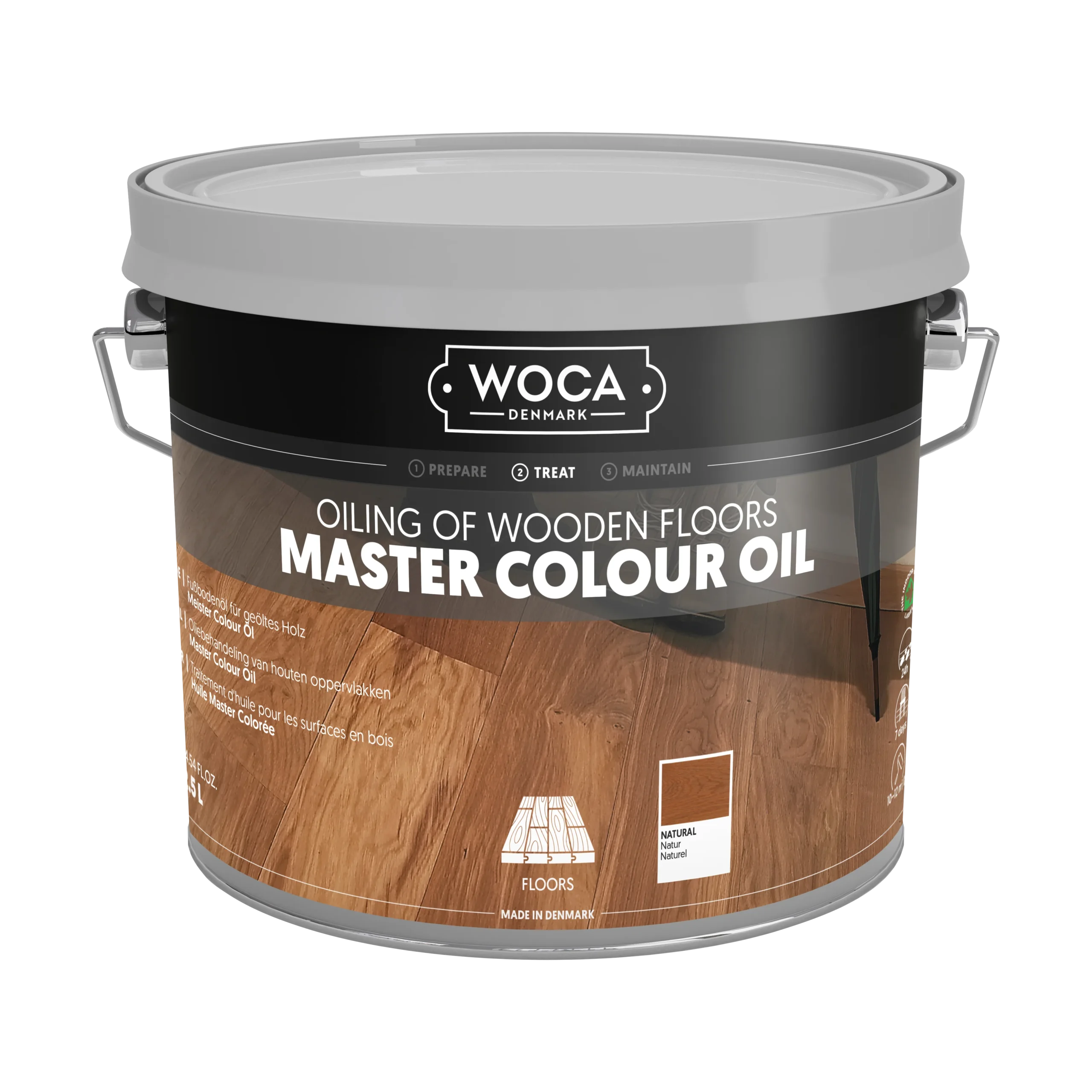
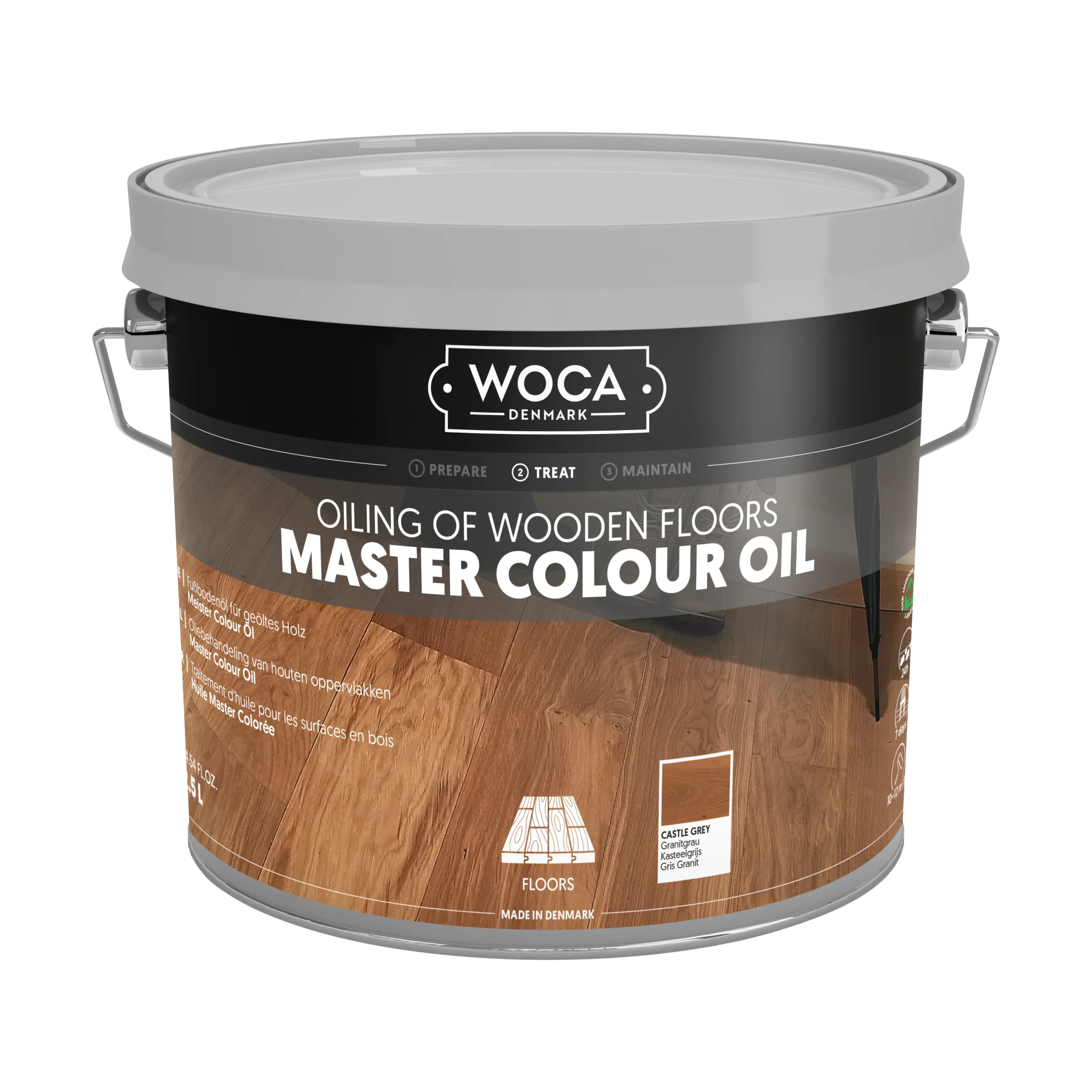
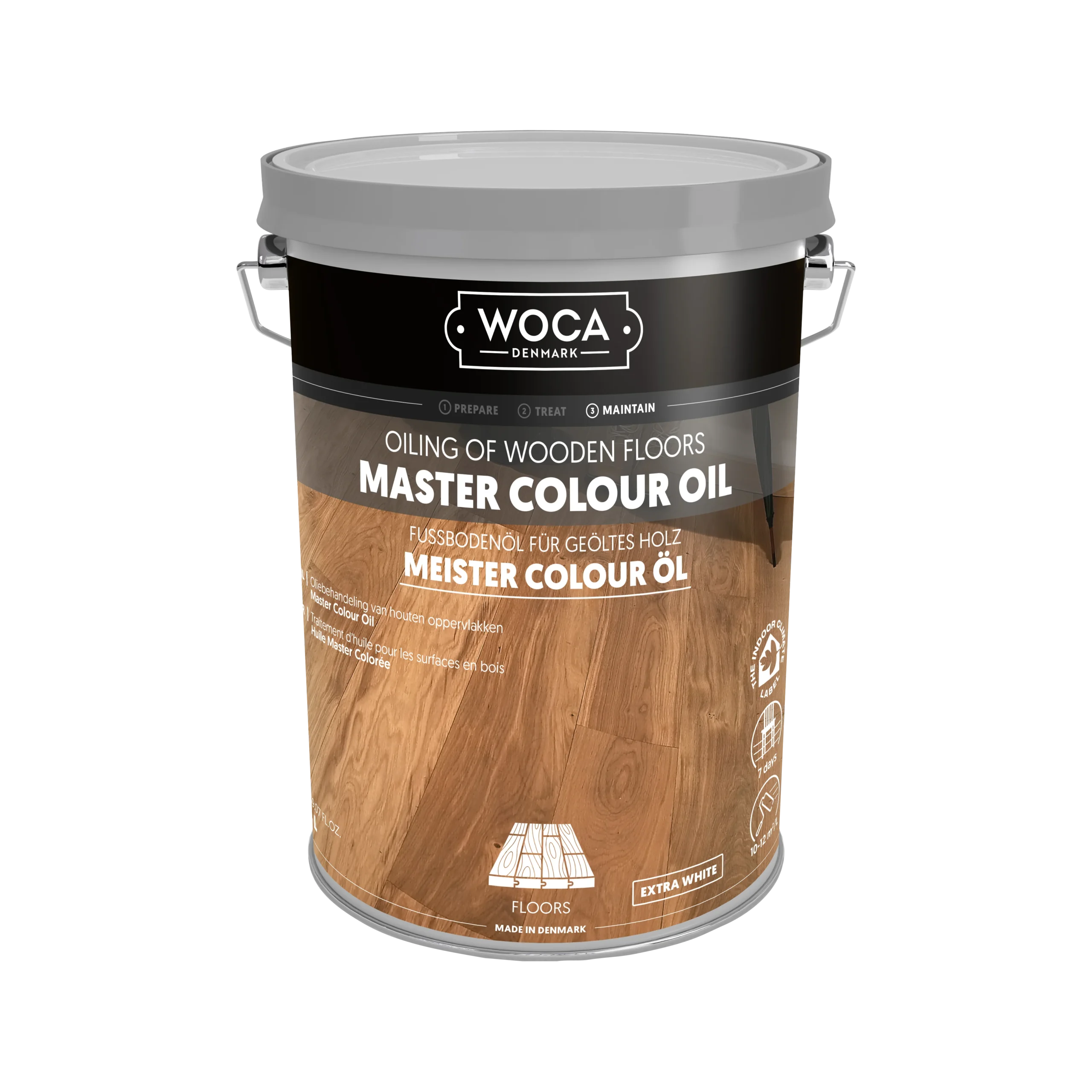
Master Colour Oil

Master Colour Oil

Artikelnummer: 522007AA EAN: 5708055049498 522073AA EAN: 5708055019941 522075AA EAN: 5708055019958 522507AA EAN: 5708055049481 522573AA EAN: 5708055019972 522575AA EAN: 5708055019989 530225AA EAN: 5708055010566 531425AA EAN: 5708055010641 531825AA EAN: 5708055010665 531850AA EAN: 5708055038096 531925AA EAN: 5708055010689 532025AA EAN: 5708055010702

Oliebehandeling van houten oppervlakken

  • Geeft kleur en bescherming in één behandeling
  • Benadrukt de natuurlijke structuur en uitstraling van het hout
  • Creëert een duurzame oppervlakte met hoge duurzaamheid
  • Biedt effectieve bescherming tegen water en vuil
  • Kan worden overgeschilderd met lak voor verbeterde bescherming en grotere flexibiliteit

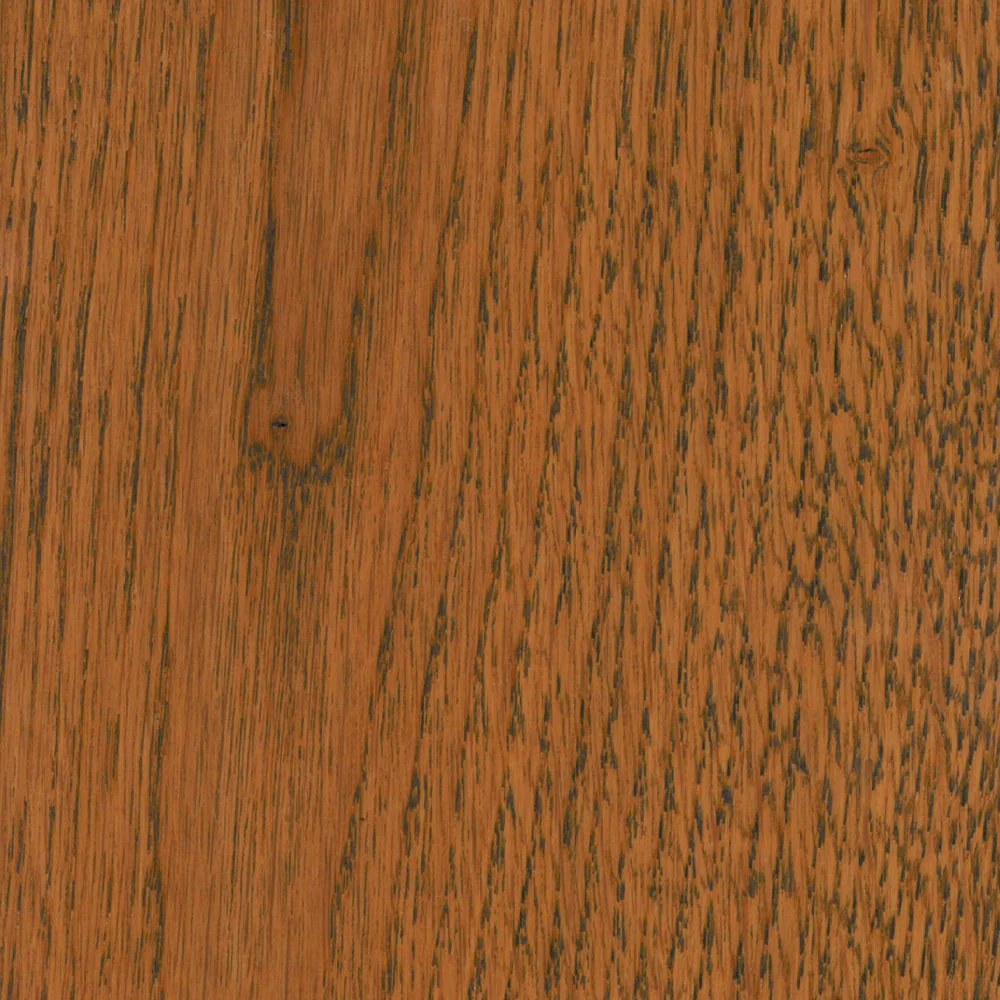
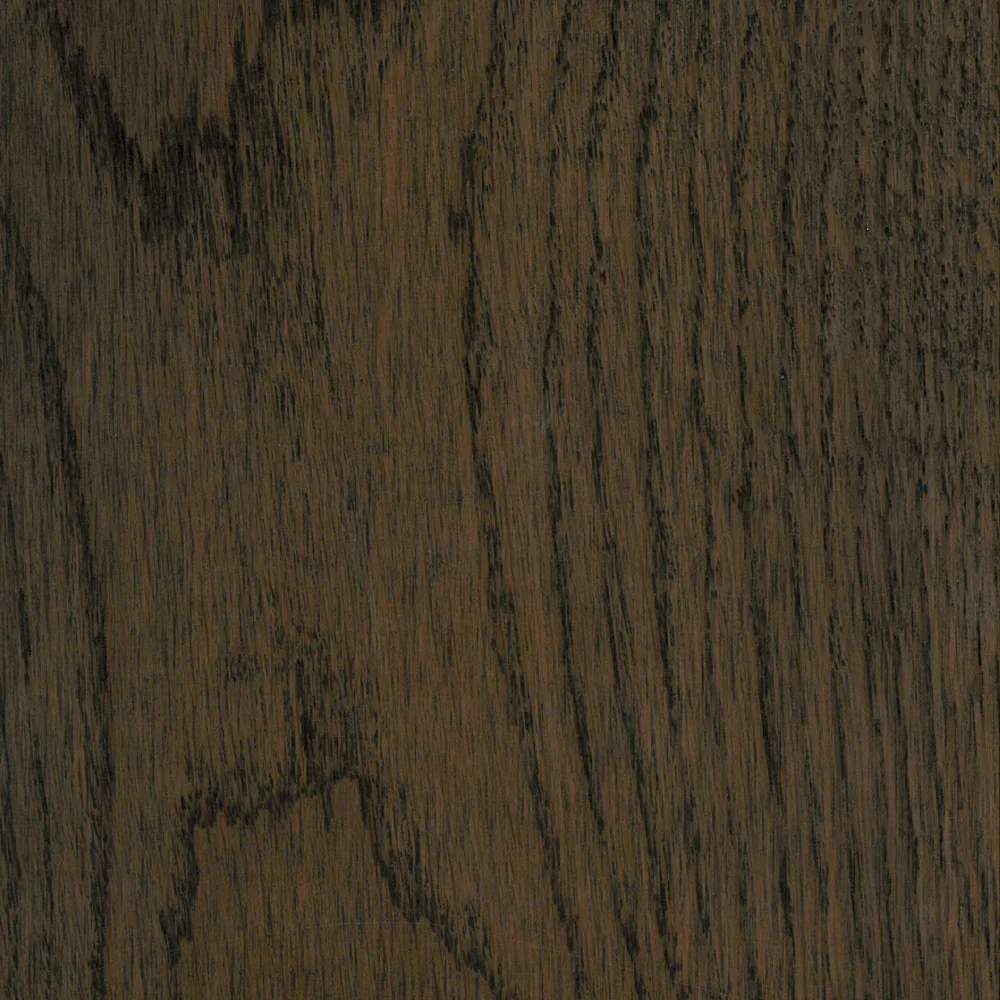
Kleuren

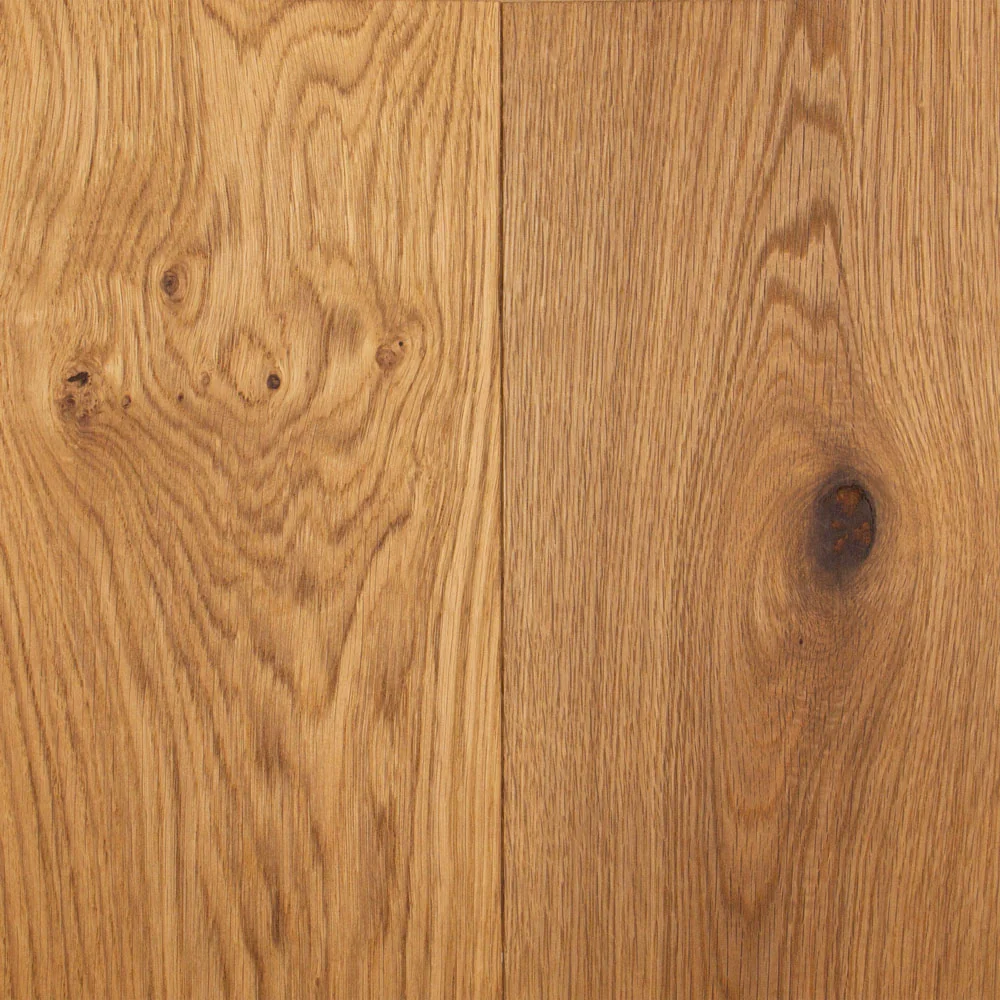
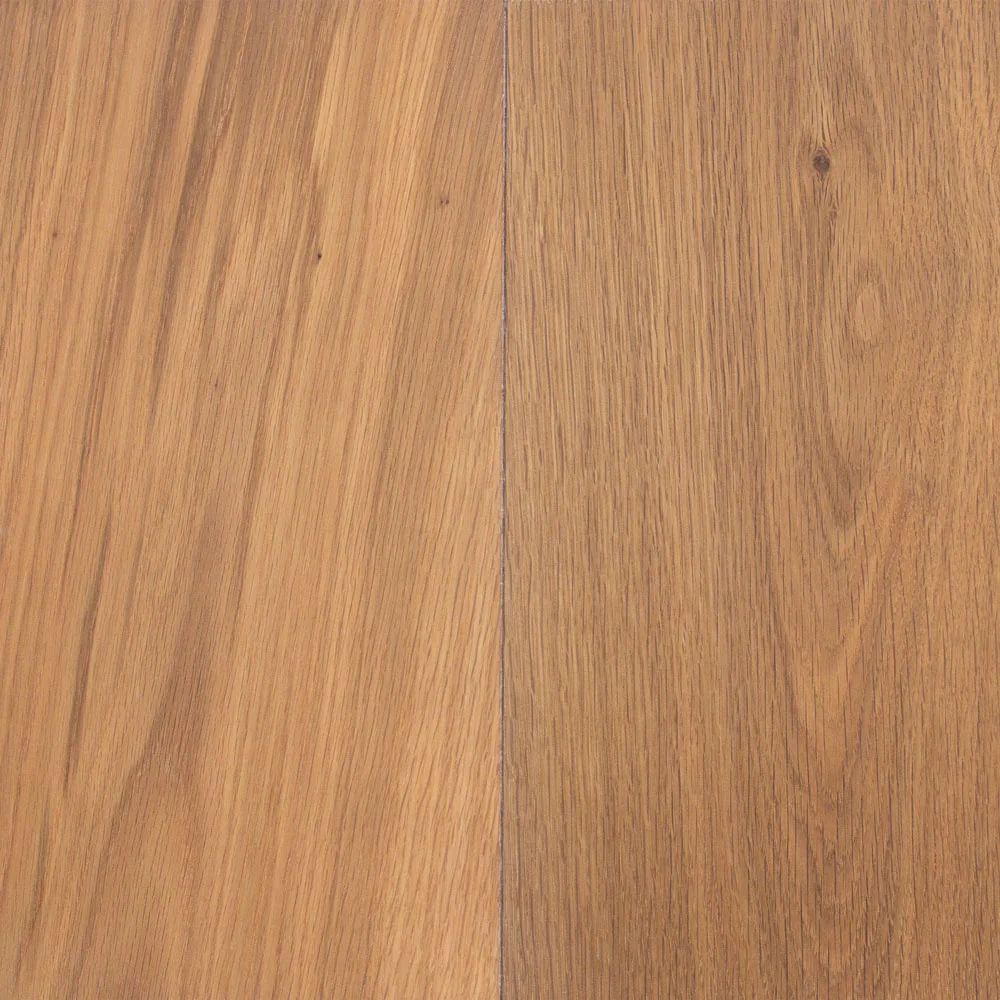
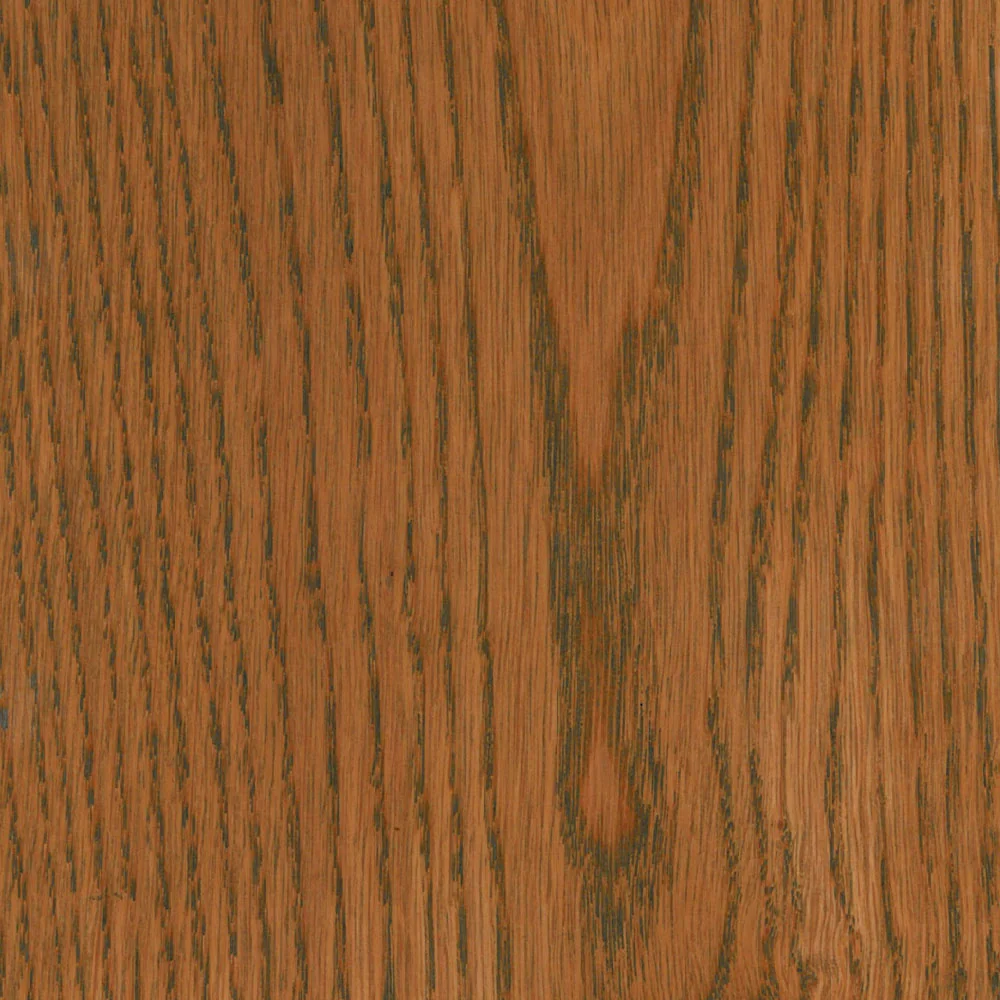
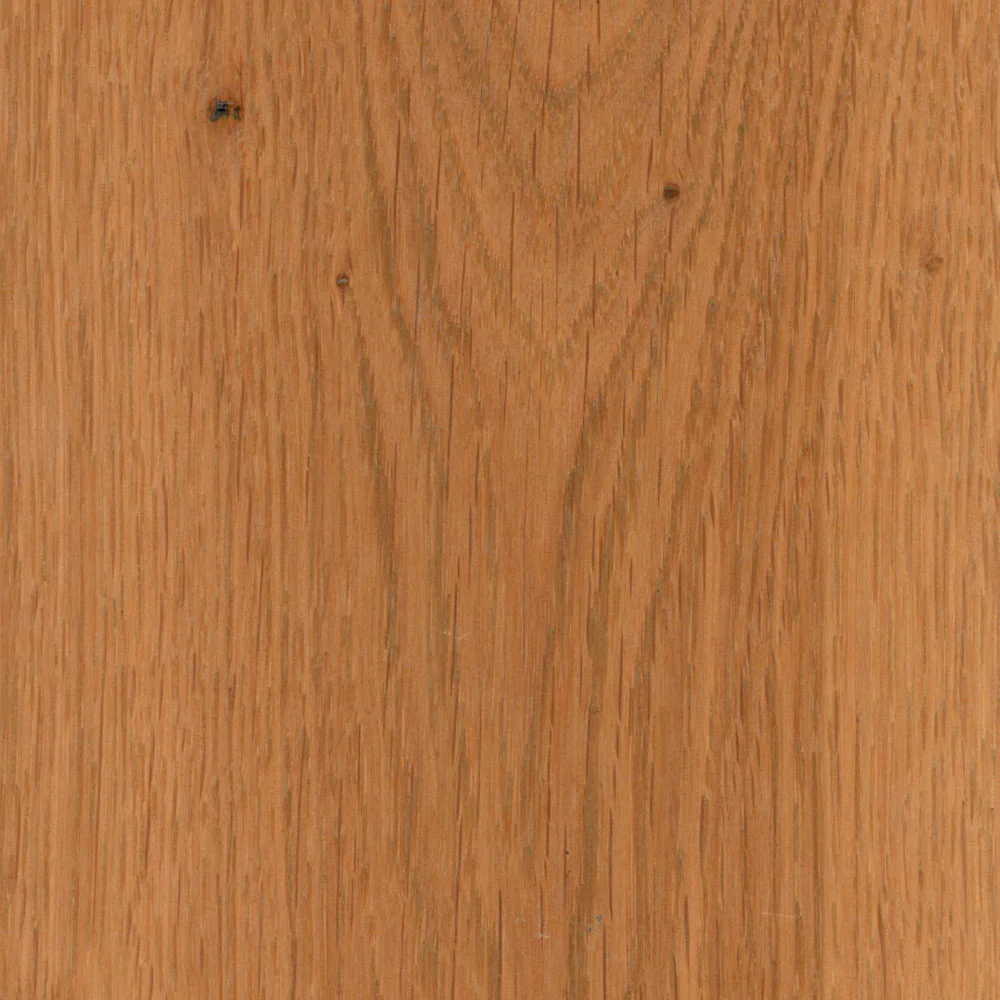
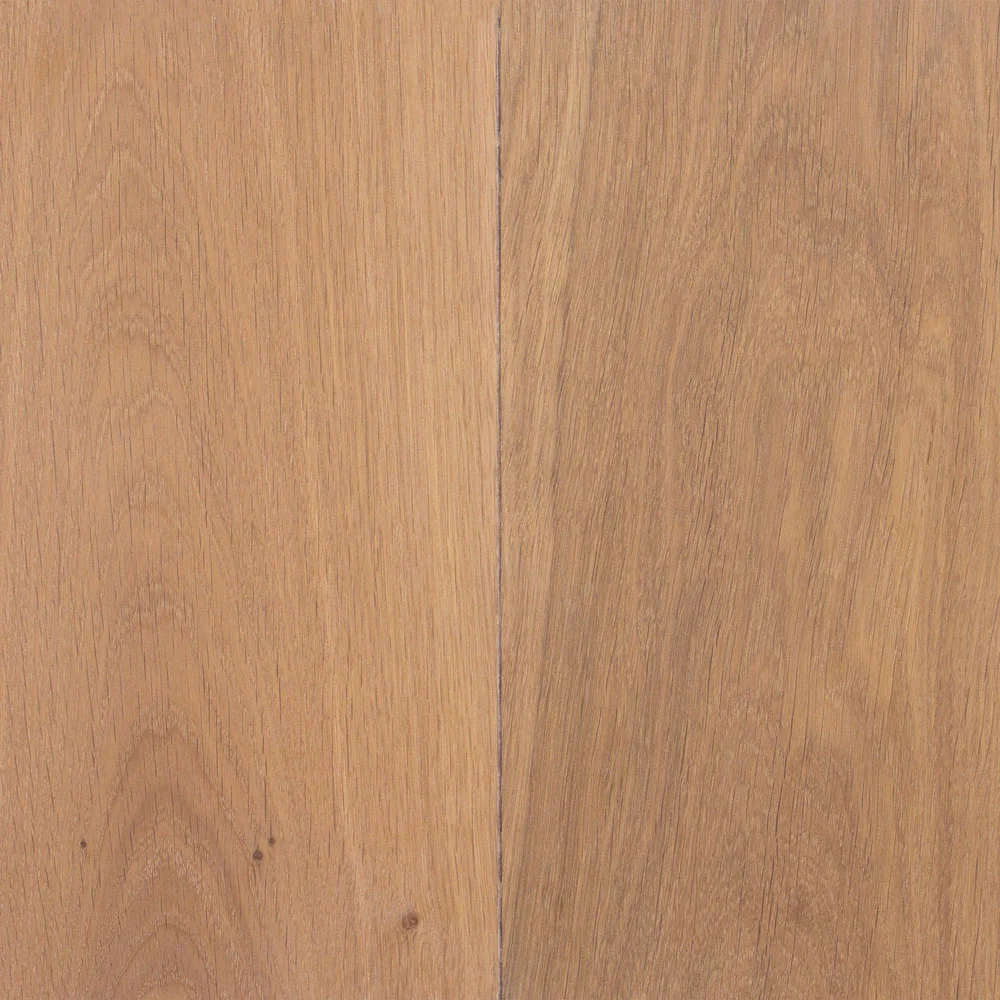
*Het houtmonster is afgebeeld op eikenhout
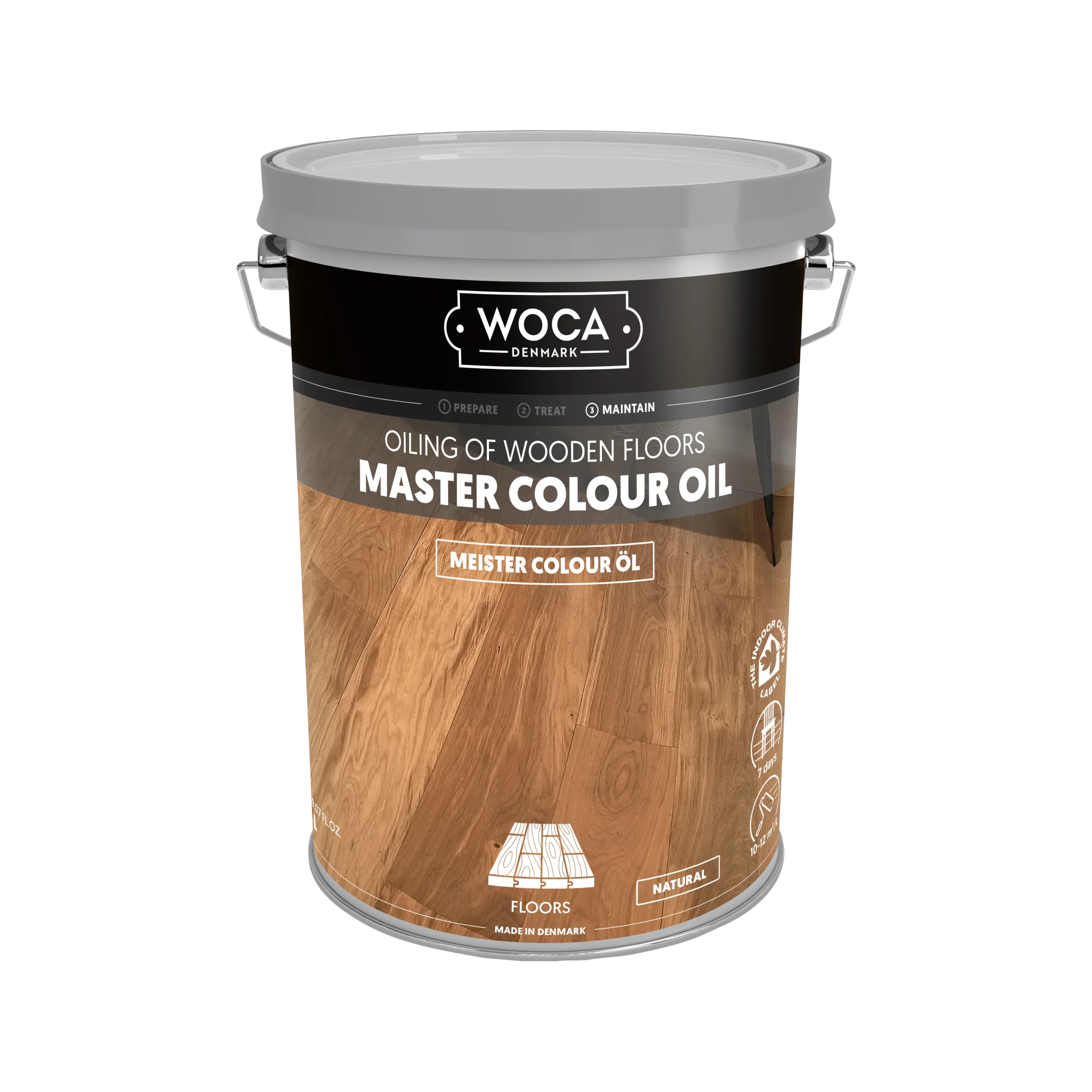
Naturel
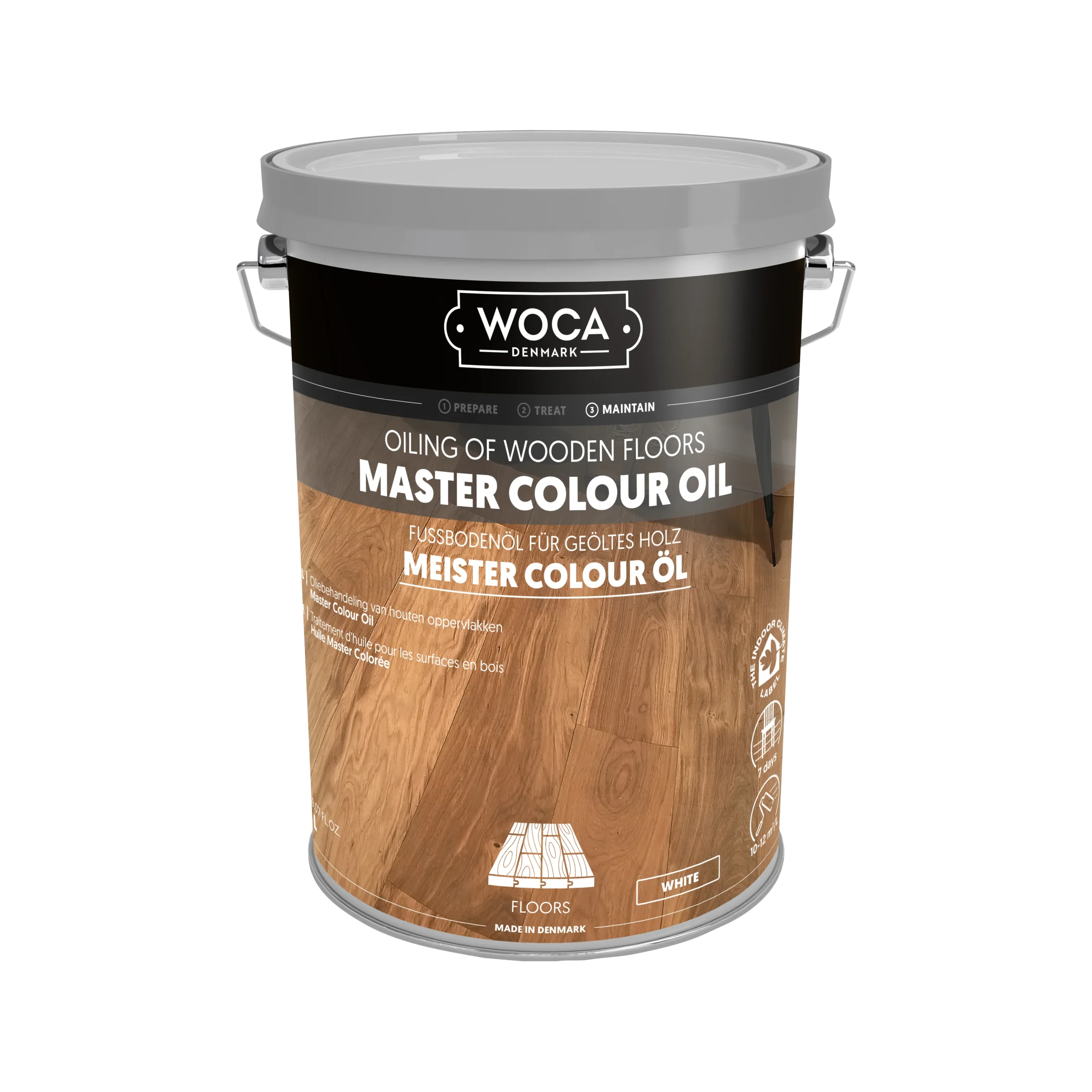
Wit
Extra Wit
Kasteelgrijs
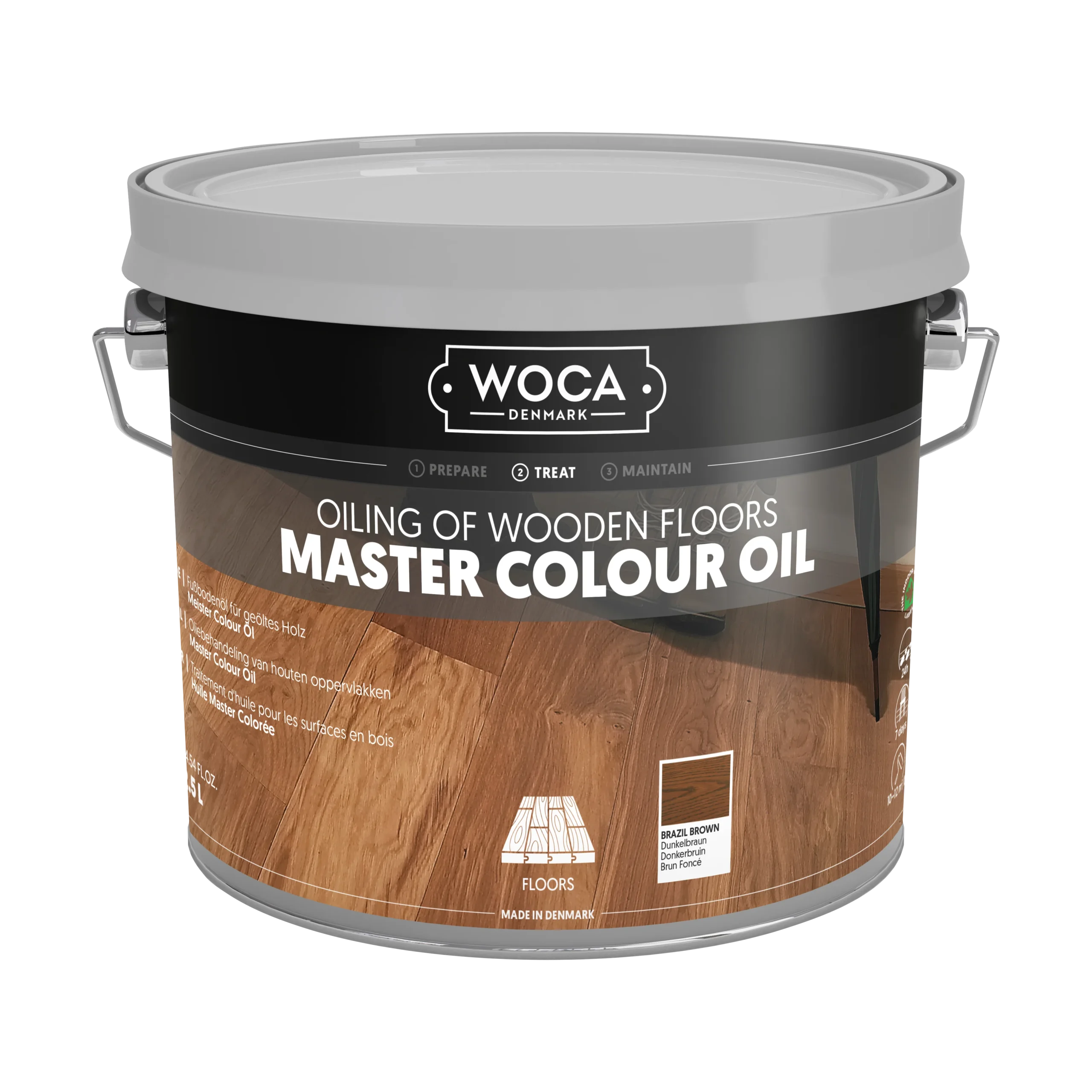
Brazil Brown
Walnoot
Zwart

Verpakking

Certificeringen

Environmental Product Declaration (EPD)
Environmental Product Declaration (EPD) supports greater transparency and documented sustainability. EPDs present verified data on a product’s environmental impact throughout its entire life cycle, based on recognized standards and third-party verification.
DiBt
DIBt is a German institute that tests and issues technical approvals for building materials.The aim is to improve the working climate for floor installers whilst ensuring a safe indoor air quality for the final consumer.
Danish Indoor Climate Labelling
Danish Interior Climate Labelling is a voluntary labelling system for products and materials which can document the effect of degassing. Indoor climate labelled materials are a natural component in sustainable construction, where a good indoor air quality contributes to social sustainability.
Emission Class A+
The French labeling system is a mandatory classification of materials, such as floor treatment products, based on their VOC emissions to indoor air. A+ is the highest rating, indicating improved indoor air quality with very low emissions.
DIN EN 16516  emission test
Bio-Based ASTM 6866
Biobased Carbon Content ASTM D6866-22 is an international standard method utilized for product testing. The result is reported as % Biobased Carbon. This indicates the percentage carbon from ‘natural’ (plant or animal by-product) sources.
EN 71-3
European standard ensuring that materials do not release toxic substances in amounts harmful to children. Particularly relevant for materials such as toys, kitchen utensils, worktops and furniture.
Productdetails

Master Colour Oil biedt prachtige kleur en duurzame bescherming in één behandeling. Het versterkt de natuurlijke nerf en het karakter van het hout, beschermt tegen water en vuil, en kan indien nodig met lak worden overcoat.
VOC:
140 g/l, maximale grenswaarde (A/i (OB)): 500 g/l.
Dichtheid:
0.90-0.95 g/ml.
Houdbaarheid:
3 jaar
Verwerkingstemperatuur:
+15-25°C en ca. 50% luchtvochtigheid.
Verbruik:
10-12 m²/L
Colour product:
Naturel
Verpakking:
750 ml – 2,5 L – 5 L
VOC:
140 g/l, maximale grenswaarde (A/i (OB)): 500 g/l.
Dichtheid:
0.90-0.95 g/ml.
Houdbaarheid:
3 jaar
Verwerkingstemperatuur:
+15-25°C en ca. 50% luchtvochtigheid.
Verbruik:
10-12 m²/L
Colour product:
Naturel
Verpakking:
750 ml – 2,5 L – 5 L
VOC:
140 g/l, maximale grenswaarde (A/i (OB)): 500 g/l.
Dichtheid:
0.90-0.95 g/ml.
Houdbaarheid:
3 jaar
Verwerkingstemperatuur:
+15-25°C en ca. 50% luchtvochtigheid.
Verbruik:
10-12 m²/L
Colour product:
Naturel
Verpakking:
750 ml – 2,5 L – 5 L
VOC:
135 g/l, maximale grenswaarde (A/i (OB)): 500 g/l.
Dichtheid:
0.90-0.95 g/ml.
Houdbaarheid:
3 jaar
Verwerkingstemperatuur:
+15-25°C en ca. 50% luchtvochtigheid.
Verbruik:
10-12 m²/L
Colour product:
Wit
Verpakking:
750 ml – 2,5 L – 5 L
VOC:
135 g/l, maximale grenswaarde (A/i (OB)): 500 g/l.
Dichtheid:
0.90-0.95 g/ml.
Houdbaarheid:
3 jaar
Verwerkingstemperatuur:
+15-25°C en ca. 50% luchtvochtigheid.
Verbruik:
10-12 m²/L
Colour product:
Wit
Verpakking:
750 ml – 2,5 L – 5 L
VOC:
135 g/l, maximale grenswaarde (A/i (OB)): 500 g/l.
Dichtheid:
0.90-0.95 g/ml.
Houdbaarheid:
3 jaar
Verwerkingstemperatuur:
+15-25°C en ca. 50% luchtvochtigheid.
Verbruik:
10-12 m²/L
Colour product:
Wit
Verpakking:
750 ml – 2,5 L – 5 L
VOC:
140 g/l, maximale grenswaarde (A/i (OB)): 500 g/l.
Dichtheid:
0.90-0.95 g/ml.
Houdbaarheid:
3 jaar
Verwerkingstemperatuur:
+15-25°C en ca. 50% luchtvochtigheid.
Verbruik:
10-12 m²/L
Colour product:
Brazil Brown
Verpakking:
2,5 L
VOC:
135 g/l, maximale grenswaarde (A/i (OB)): 500 g/l.
Dichtheid:
0.90-0.95 g/ml.
Houdbaarheid:
3 jaar
Verwerkingstemperatuur:
+15-25°C en ca. 50% luchtvochtigheid.
Verbruik:
10-12 m²/L
Colour product:
Kasteelgrijs
Verpakking:
2,5 L
VOC:
120 g/l, maximale grenswaarde (A/i (OB)): 500 g/l.
Dichtheid:
0.90-0.95 g/ml.
Houdbaarheid:
3 jaar
Verwerkingstemperatuur:
+15-25°C en ca. 50% luchtvochtigheid.
Verbruik:
10-12 m²/L
Colour product:
Extra Wit
Verpakking:
2,5 L – 5 L
VOC:
120 g/l, maximale grenswaarde (A/i (OB)): 500 g/l.
Dichtheid:
0.90-0.95 g/ml.
Houdbaarheid:
3 jaar
Verwerkingstemperatuur:
+15-25°C en ca. 50% luchtvochtigheid.
Verbruik:
10-12 m²/L
Colour product:
Extra Wit
Verpakking:
2,5 L – 5 L
VOC:
130 g/l, maximale grenswaarde (A/i (OB)): 500 g/l.
Dichtheid:
0.90-0.95 g/ml.
Houdbaarheid:
3 jaar
Verwerkingstemperatuur:
+15-25°C en ca. 50% luchtvochtigheid.
Verbruik:
10-12 m²/L
Colour product:
Walnoot
Verpakking:
2,5 L
VOC:
135 g/l, maximale grenswaarde (A/i (OB)): 500 g/l.
Dichtheid:
0.90-0.95 g/ml.
Houdbaarheid:
3 jaar
Verwerkingstemperatuur:
+15-25°C en ca. 50% luchtvochtigheid.
Verbruik:
10-12 m²/L
Colour product:
Zwart
Verpakking:
2,5 L
Oiling of wooden floors

De product-, kamer- en vloertemperatuur moeten tussen 15-30 °C zijn. De houtvochtigheid mag niet hoger zijn dan 12%. Zorg voor goede ventilatie tijdens het aanbrengen en tijdens het drogen. Het hout moet vooraf geschuurd worden met eindkorrel 100-120. Grondig stofzuigen. Bevochtig het hout met WOCA Intensive Wood Cleaner en laat het minimaal 8 uur laten drogen vóór het aanbrengen van de olie.

Vergeet niet om het product op geschiktheid te testen, door eerst een klein oppervlak met het product te bewerken.

  • Schud de verpakking Master Colour Oil grondig, zowel voor als tijdens gebruik. Verpakkingen met verschillende batchnummers moeten gemengd worden om kleurverschillen te voorkomen.
  • Breng de olie in een gelijkmatige laag met een kortharige lakrol (4-6 mm) aan. Werk in kleine ruimtes van niet meer dan 10 m² per keer.
  • Laat de vloer de olie opnemen gedurende max. 10-15 minuten. Waar droge plekken verschijnen moet meer olie worden aangebracht.
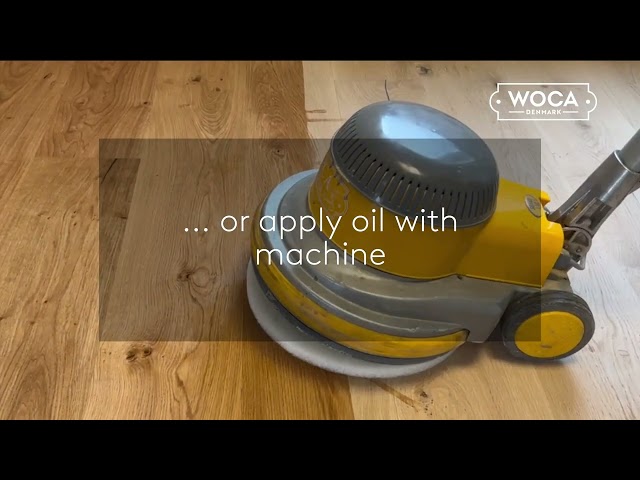
  • Wrijf de olie in het hout tot het oppervlak verzadigd lijkt. Gebruik een éénschijfsmachine met een beige pad voor grote oppervlakken en een handpad bij manueel gebruik voor kleine oppervlakken.
  • Verwijder overtollige olie met droge, pluisvrije katoenen doeken, tot het oppervlak er niet meer nat uitziet. Ga door tot het gehele oppervlak droog lijkt en overtollige olie zorgvuldig verwijderd is.
  • Om een goede verzadiging te garanderen moet het oppervlak opgewreven worden met 1 dl Master Colour Oil per 10-12 m²/L minimaal 12-24 uur bij 20°C na de eerste laag. De olie moet zorgvuldig ingewreven worden, zoals beschreven in stap 4 en 5.
  • Het oppervlak kan voorzichtig in gebruik worden genomen na en is volledig uitgehard na bij 20°C en 55% luchtvochtigheid, waarna kleden e.d. terug geplaatst kunnen worden op de vloer
  • Houd het oppervlak droog en maak deze pas schoon nadat de olie 7 dagen heeft kunnen uitharden. Na 7 dagen mag de vloer worden schoongemaakt met WOCA Natural Soap die het oppervlak extra zal beschermen.