Produkter
Indendørs
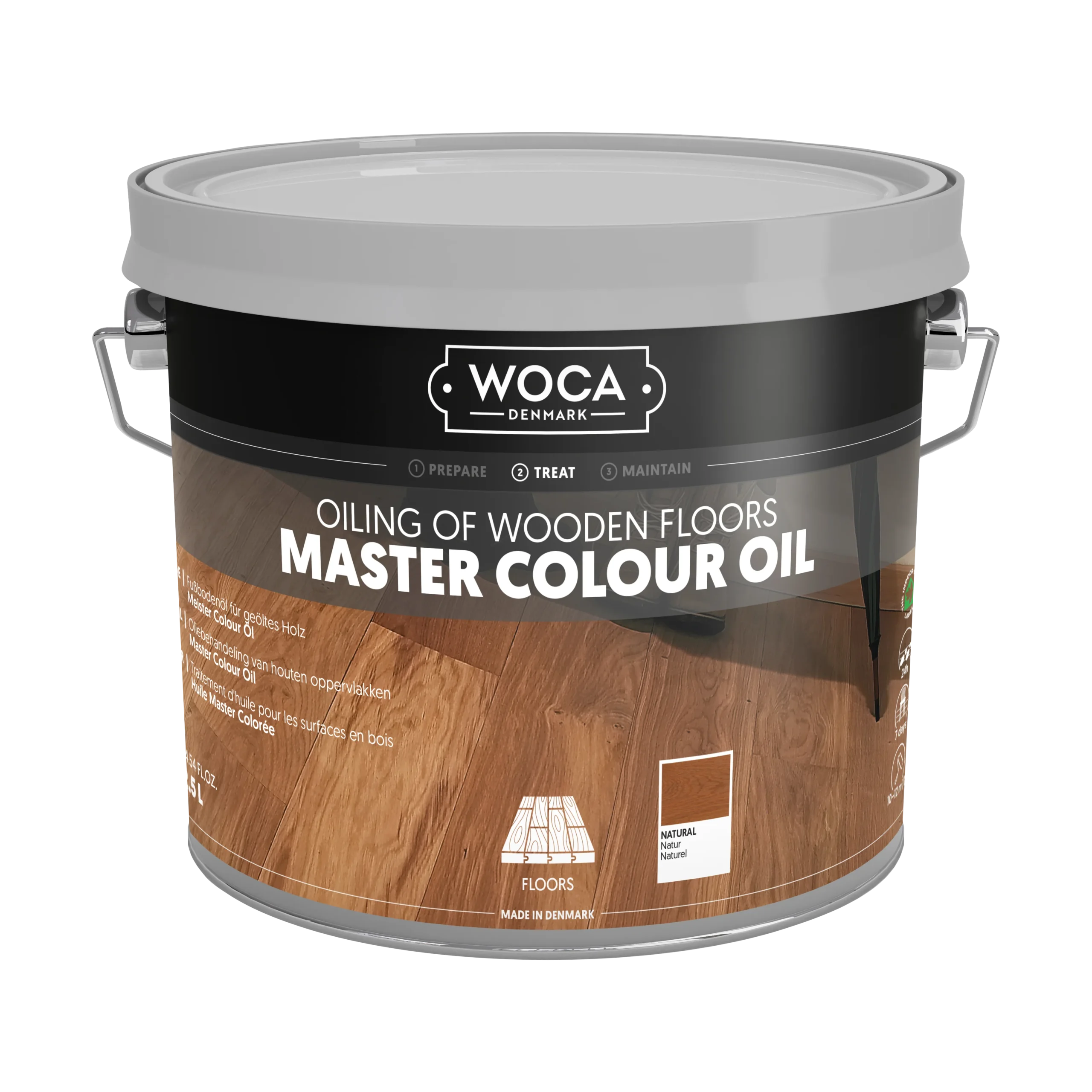
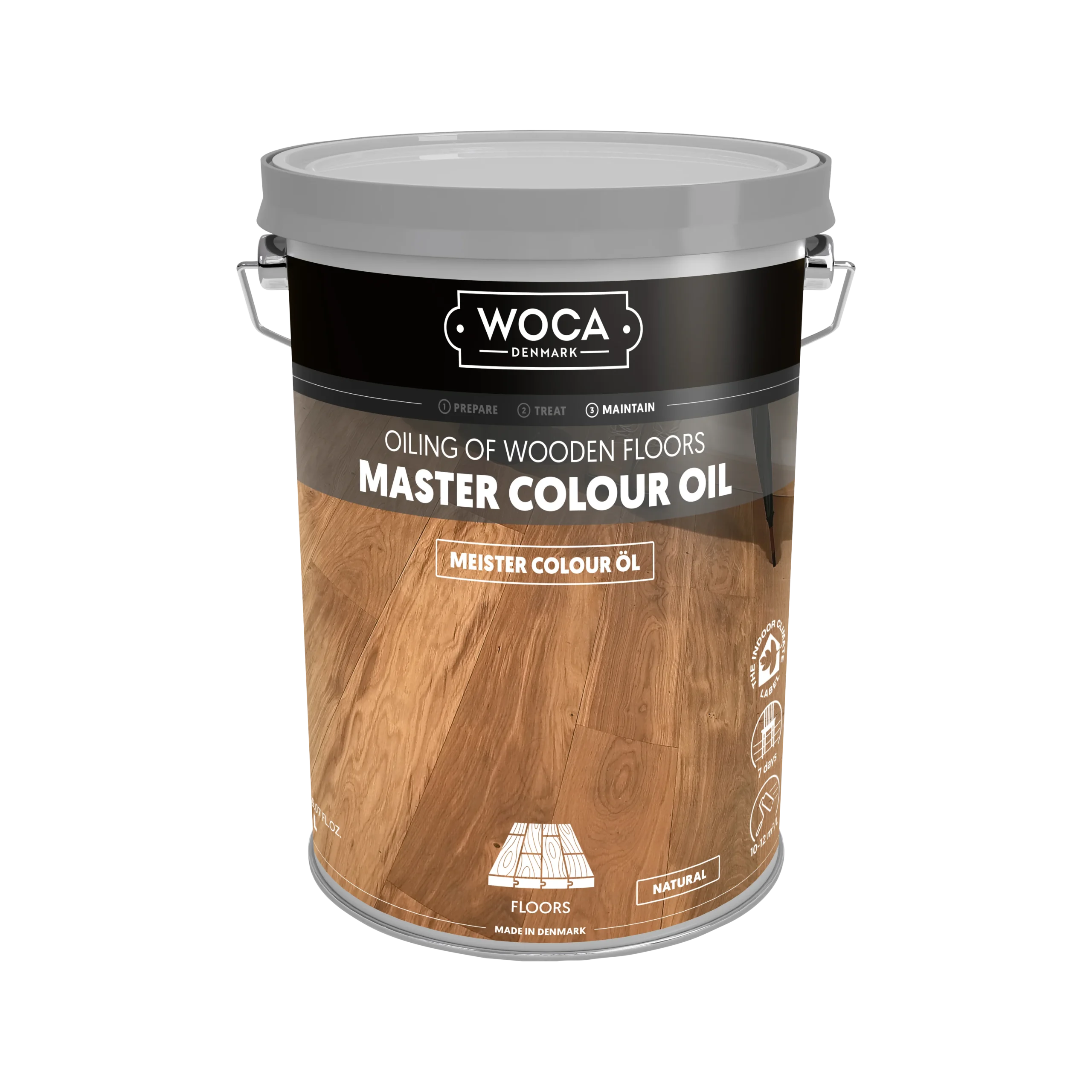
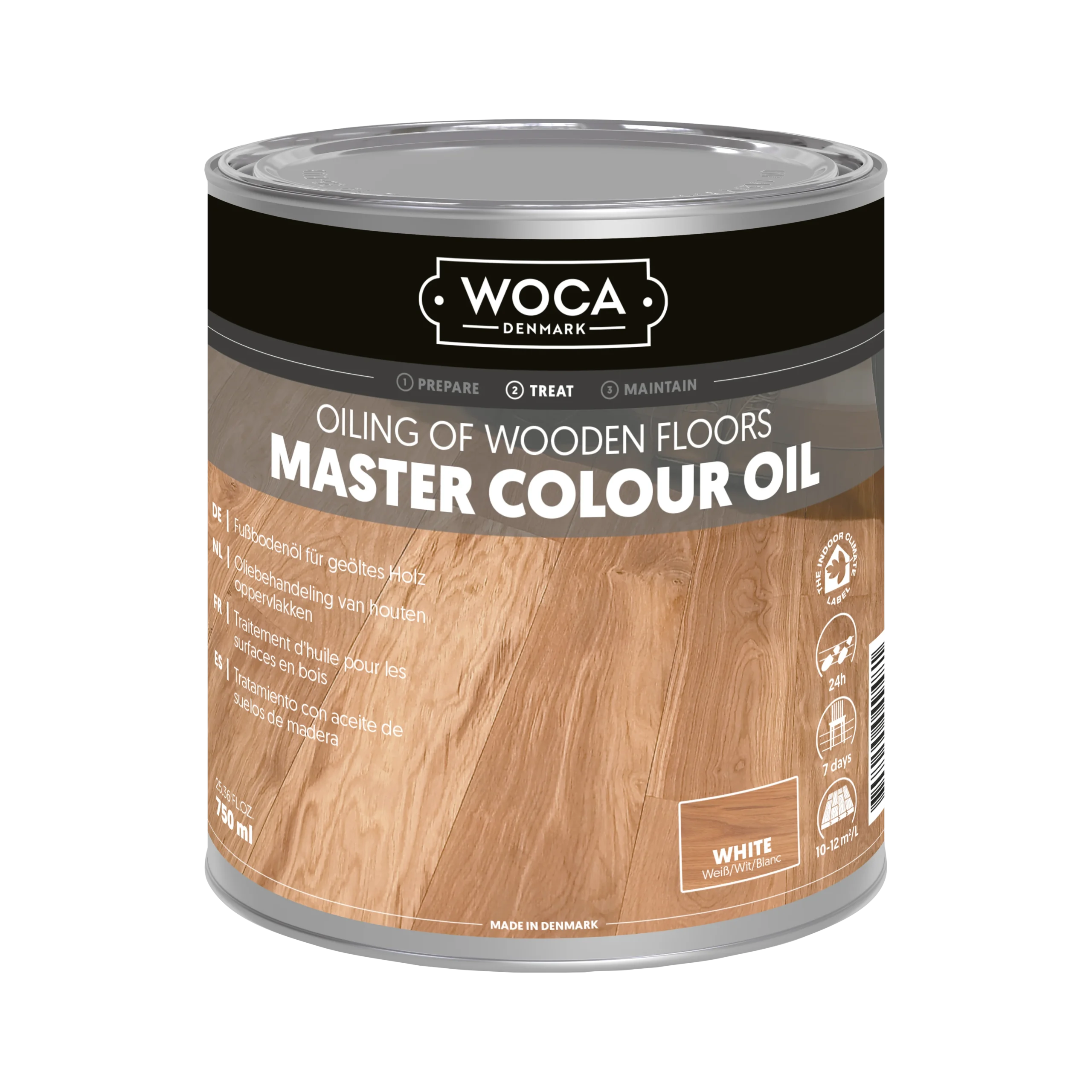
Master Colour Oil

Master Colour Oil

Varenummer: 522007AA EAN: 5708055049498 522073AA EAN: 5708055019941 522075AA EAN: 5708055019958 522507AA EAN: 5708055049481 522573AA EAN: 5708055019972 522575AA EAN: 5708055019989 530225AA EAN: 5708055010566 531425AA EAN: 5708055010641 531825AA EAN: 5708055010665 531850AA EAN: 5708055038096 531925AA EAN: 5708055010689 532025AA EAN: 5708055010702

Oliering af trægulve

  • Giver farve og beskyttelse i én behandling
  • Fremhæver træets naturlige struktur og udseende
  • Skaber en slidstærk overflade med høj holdbarhed
  • Beskytter effektivt mod vand og snavs
  • Kan overlakeres for ekstra beskyttelse og fleksibilitet

Farver

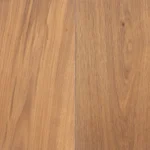
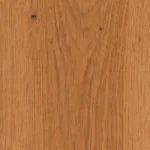
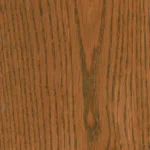
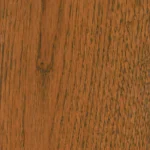
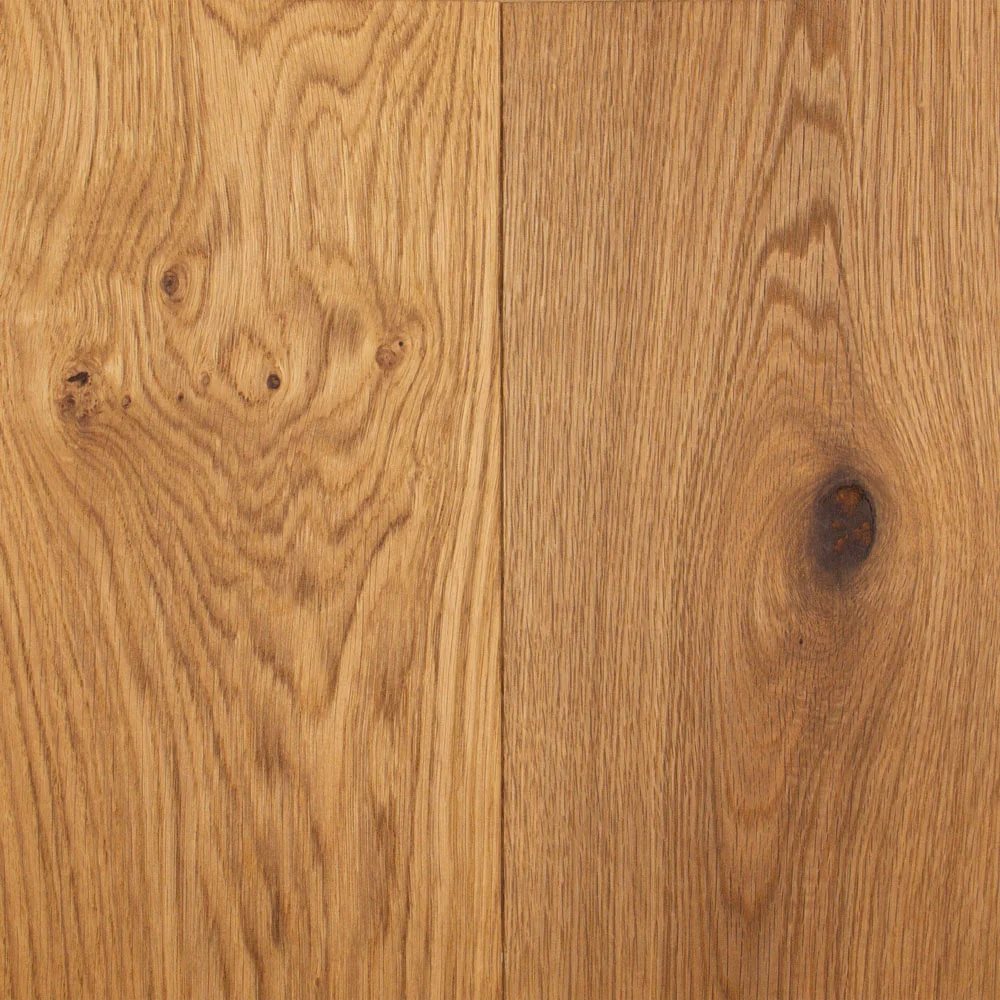
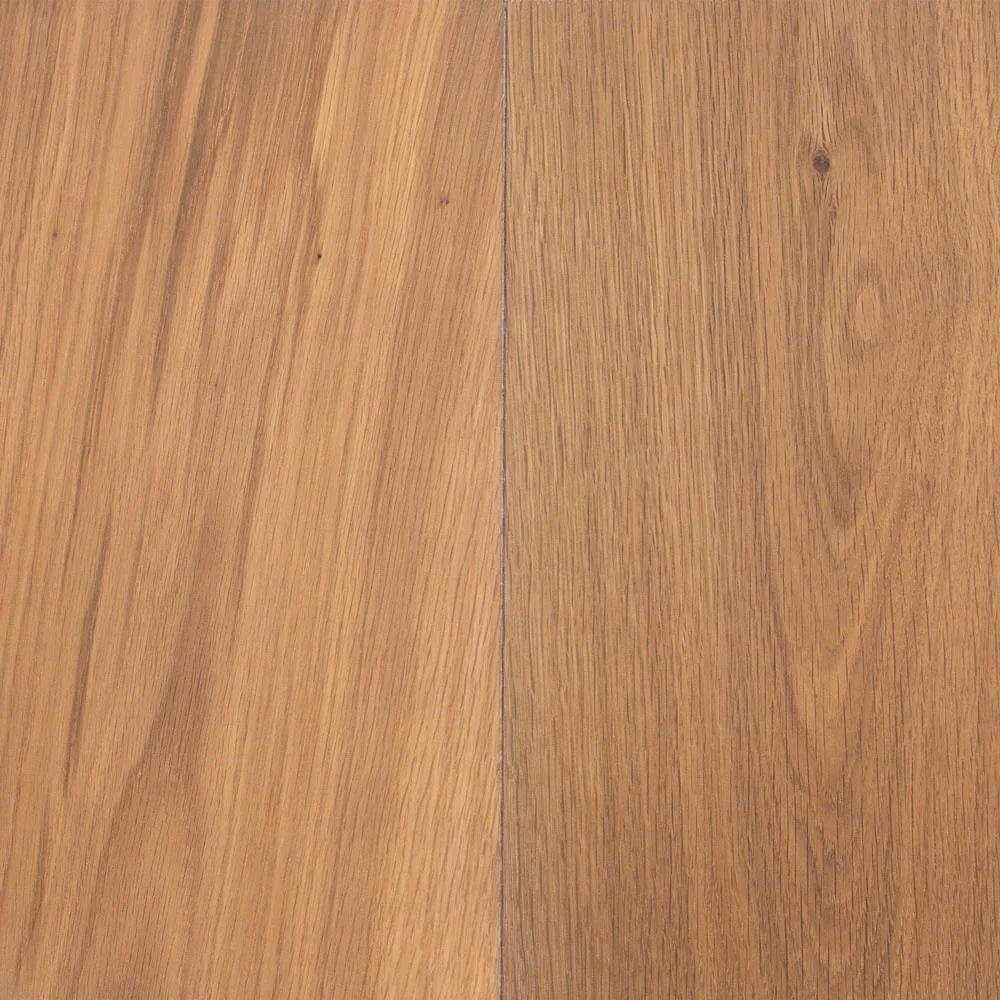
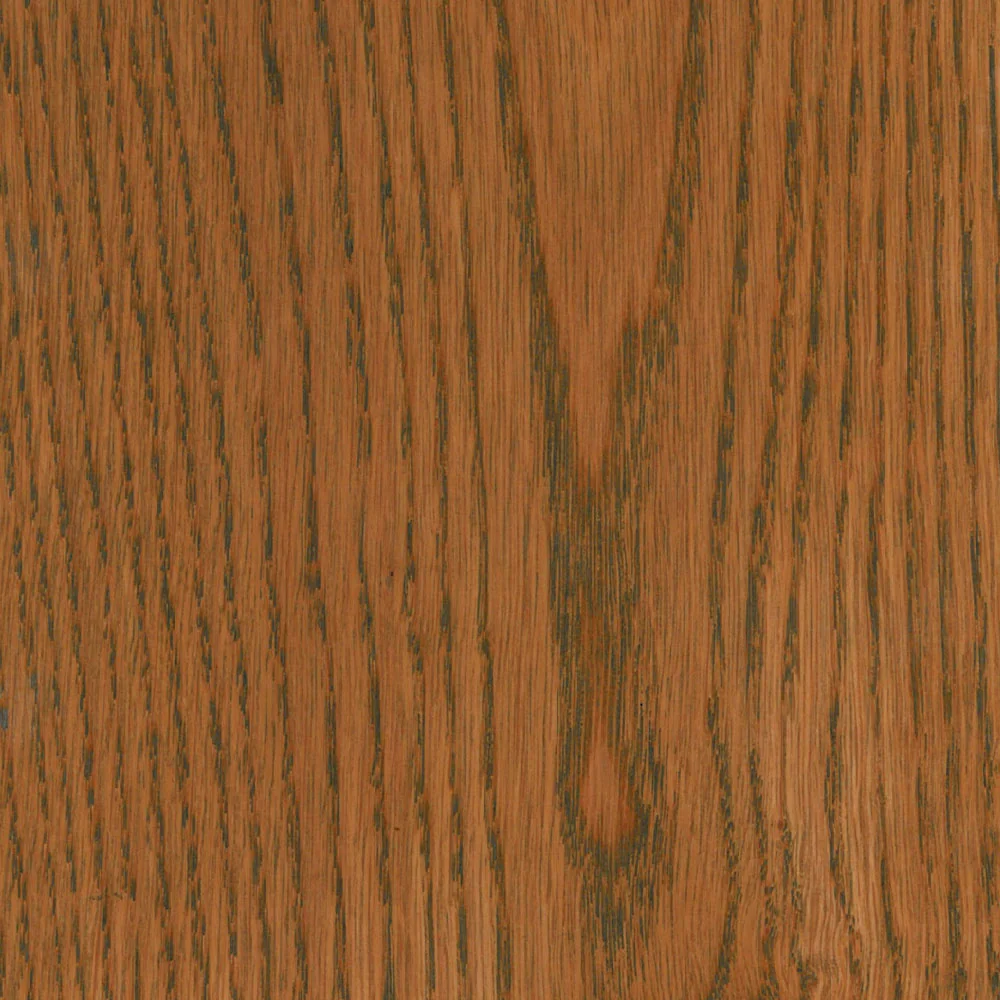
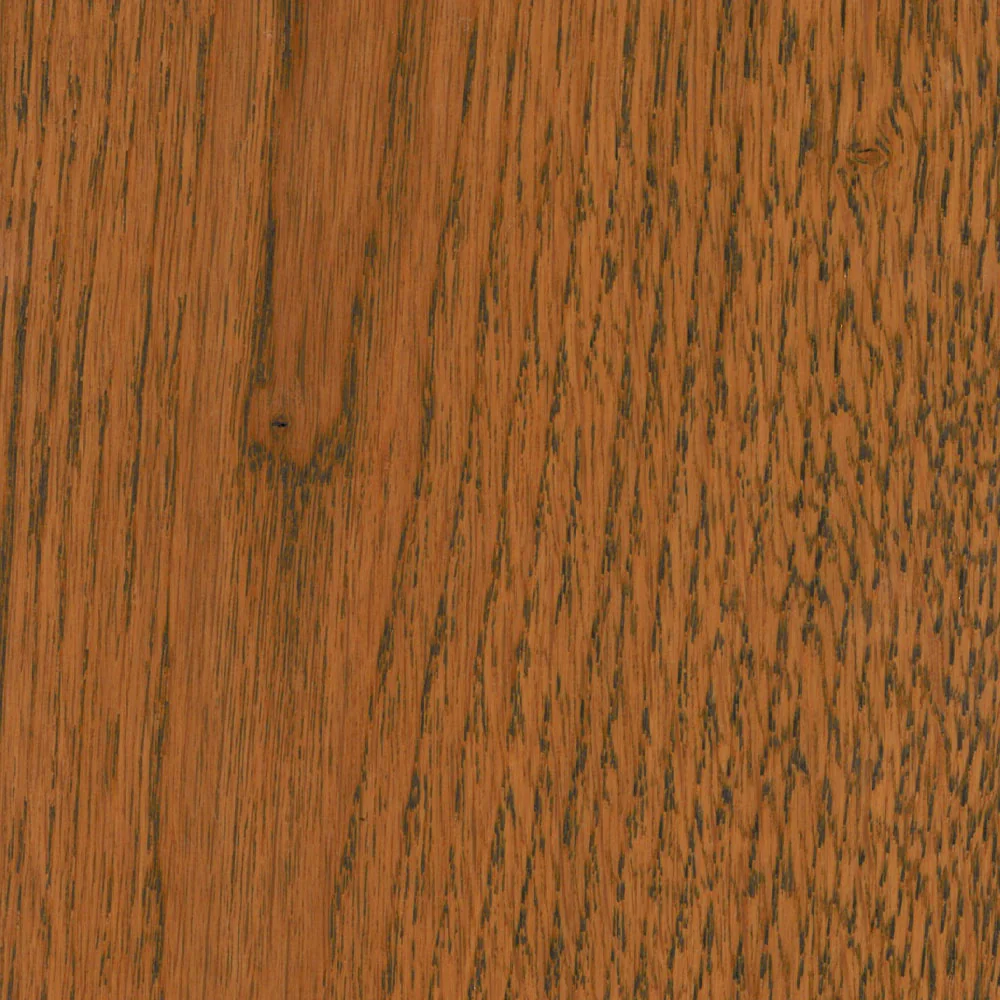
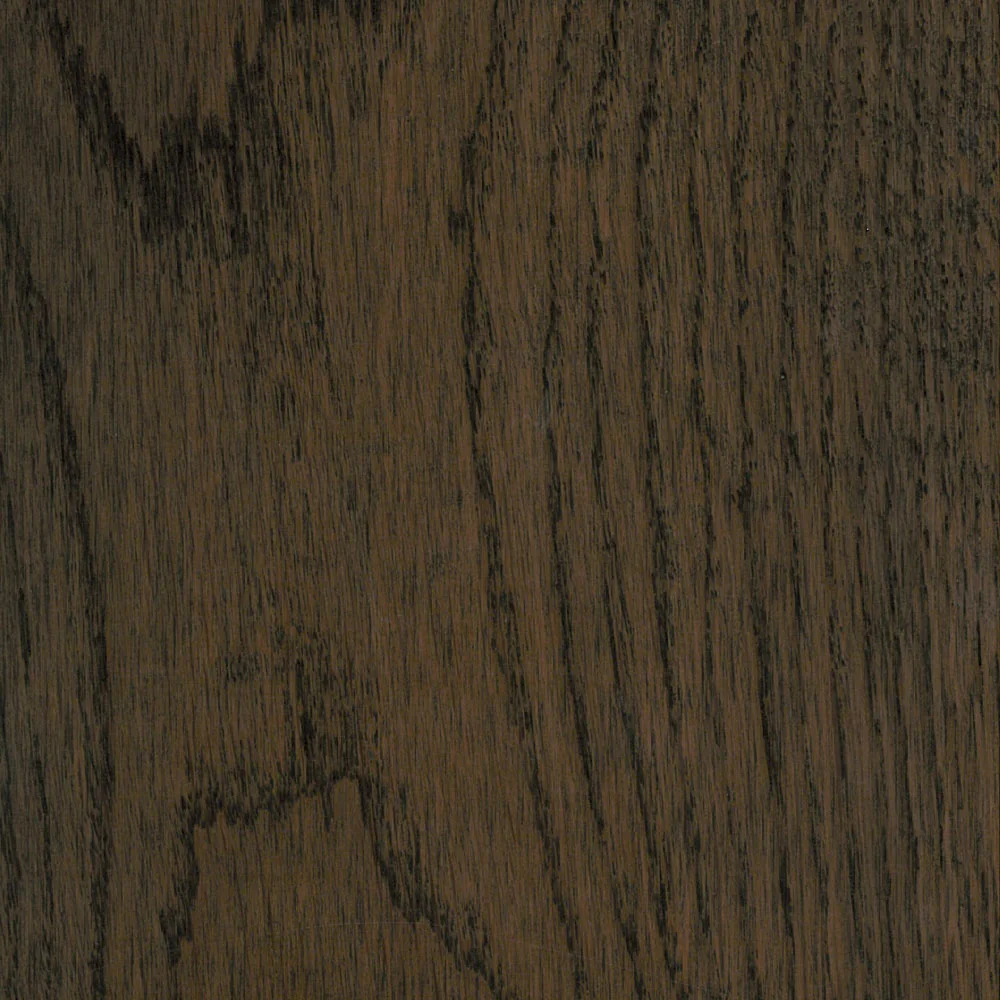
*Træprøven er vist på eg
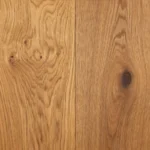
Natur
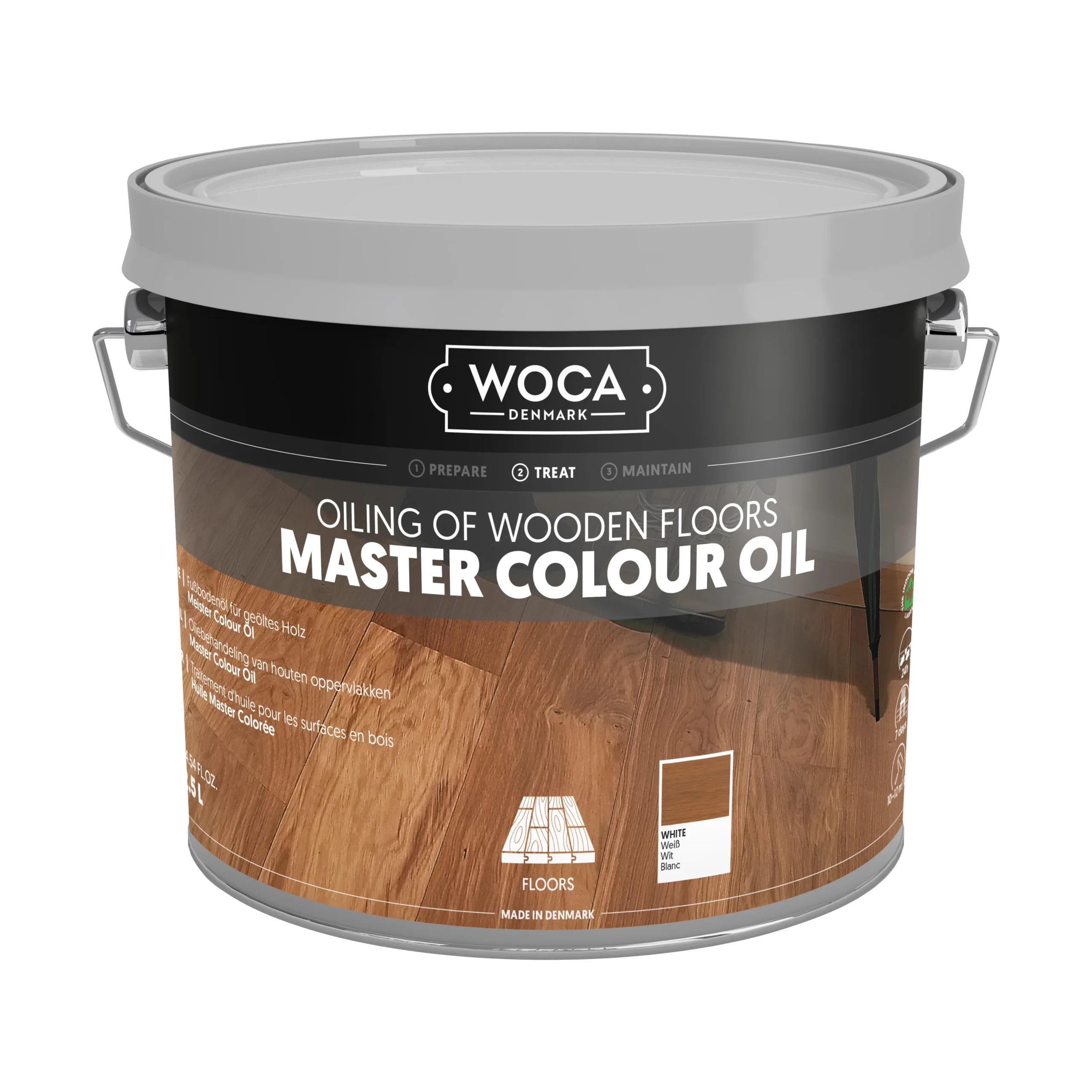
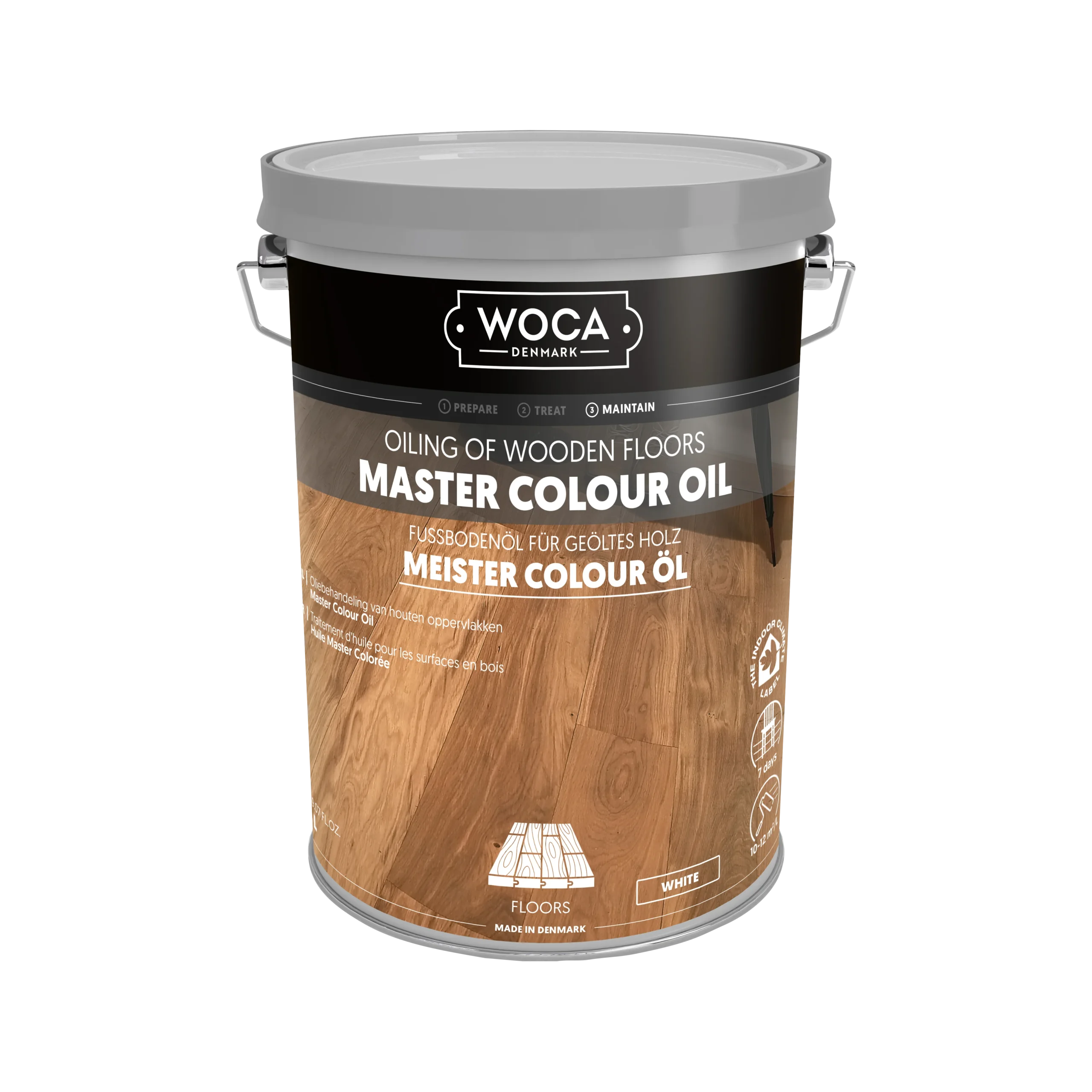
Hvid
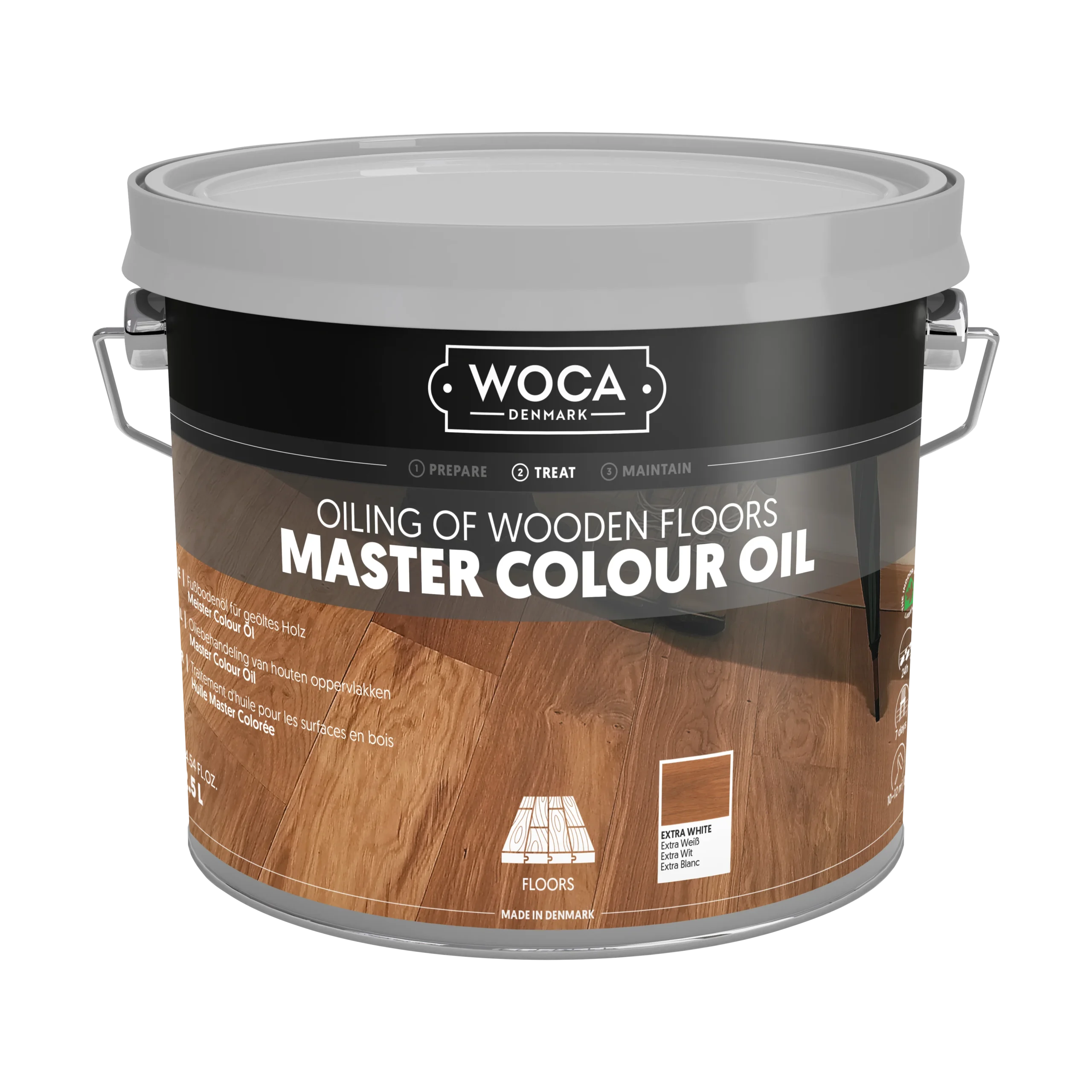
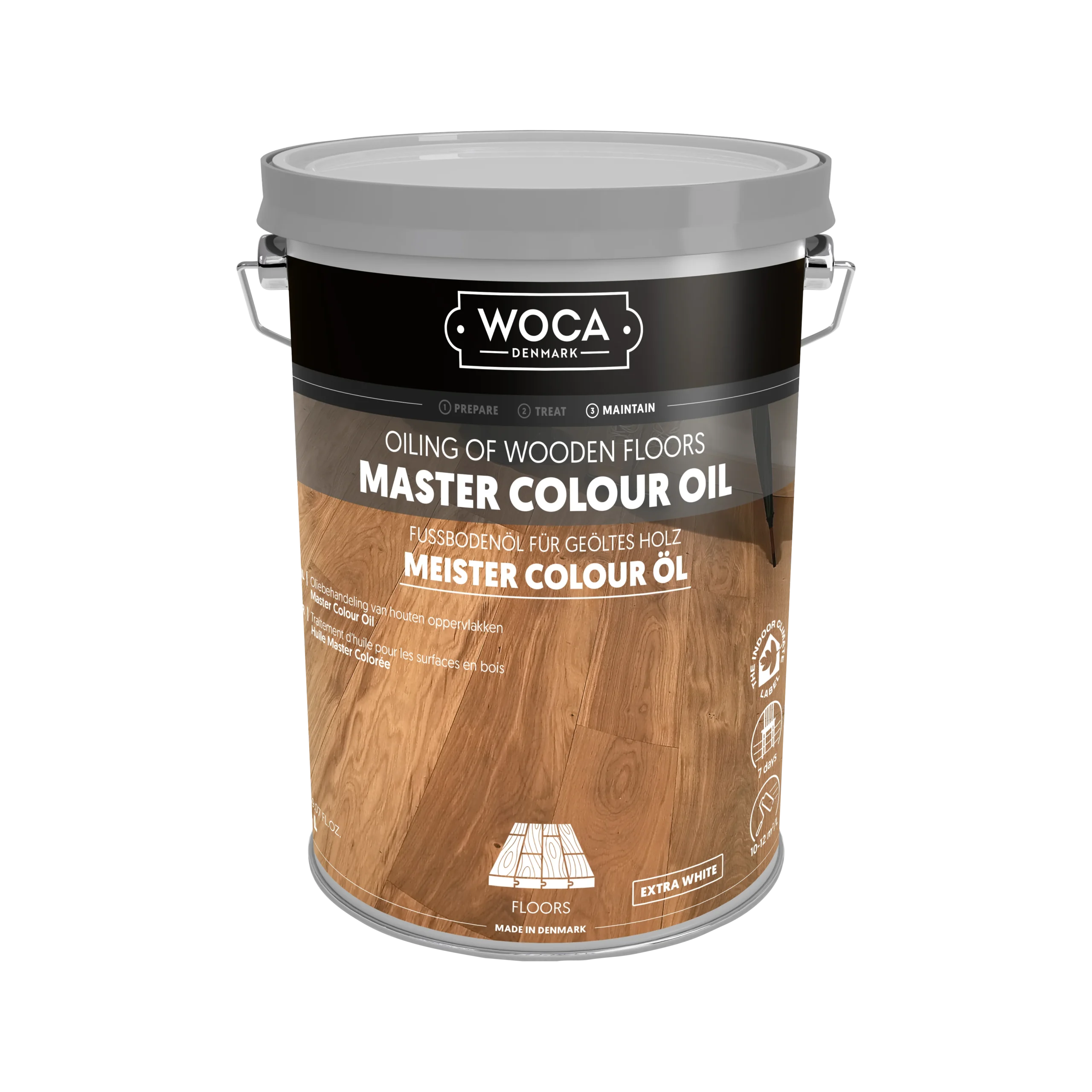
Ekstra Hvid
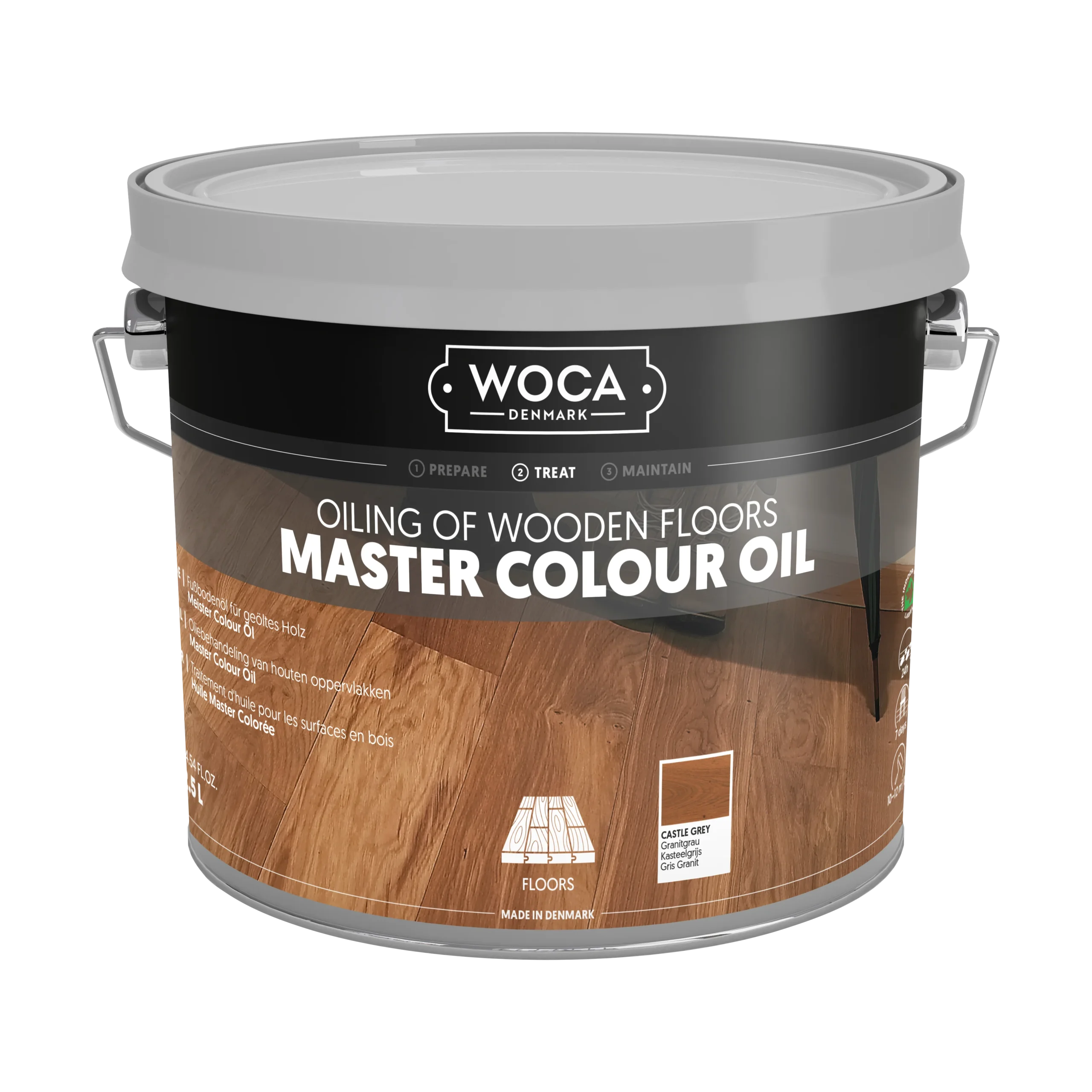
Granitgrå
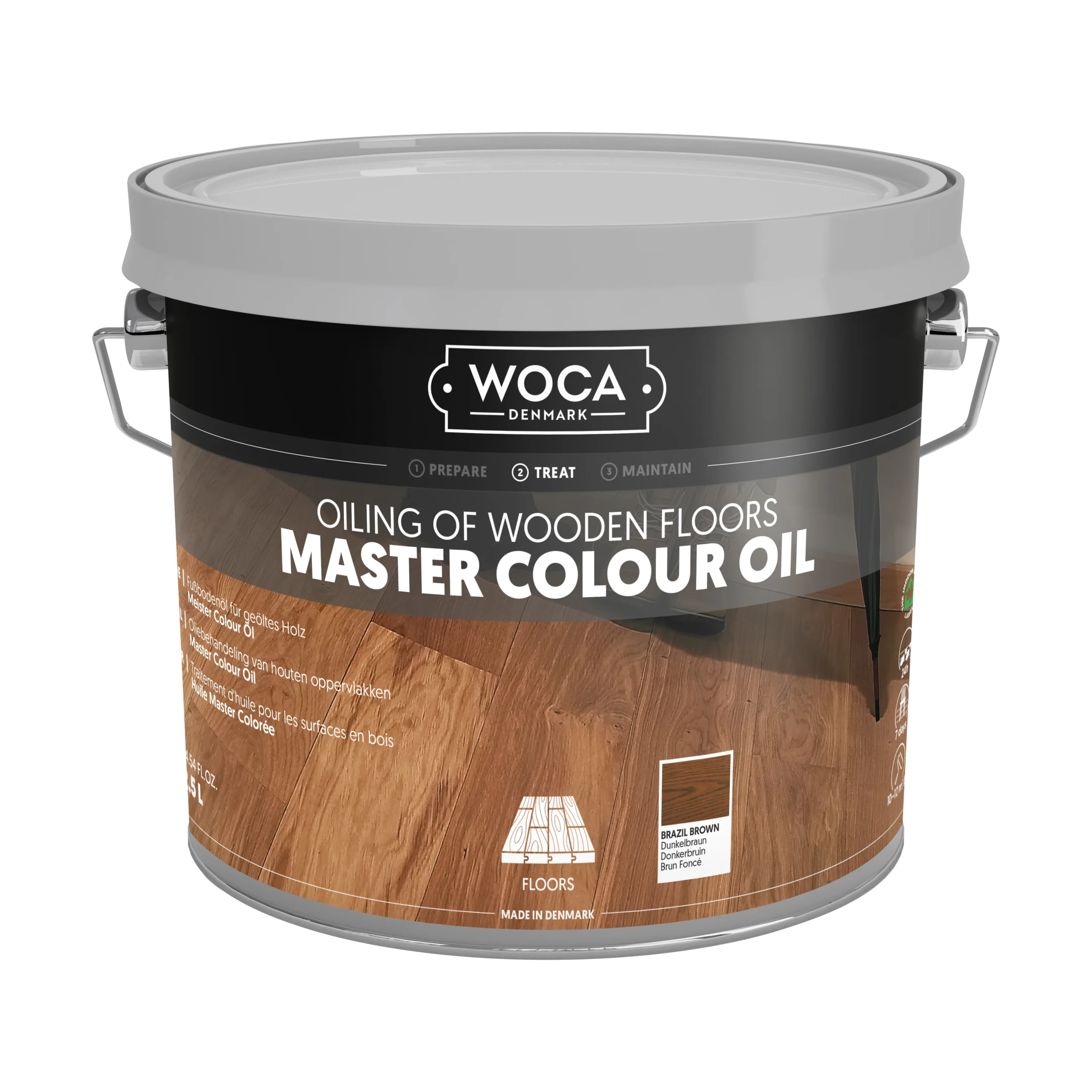
Brazil Brun
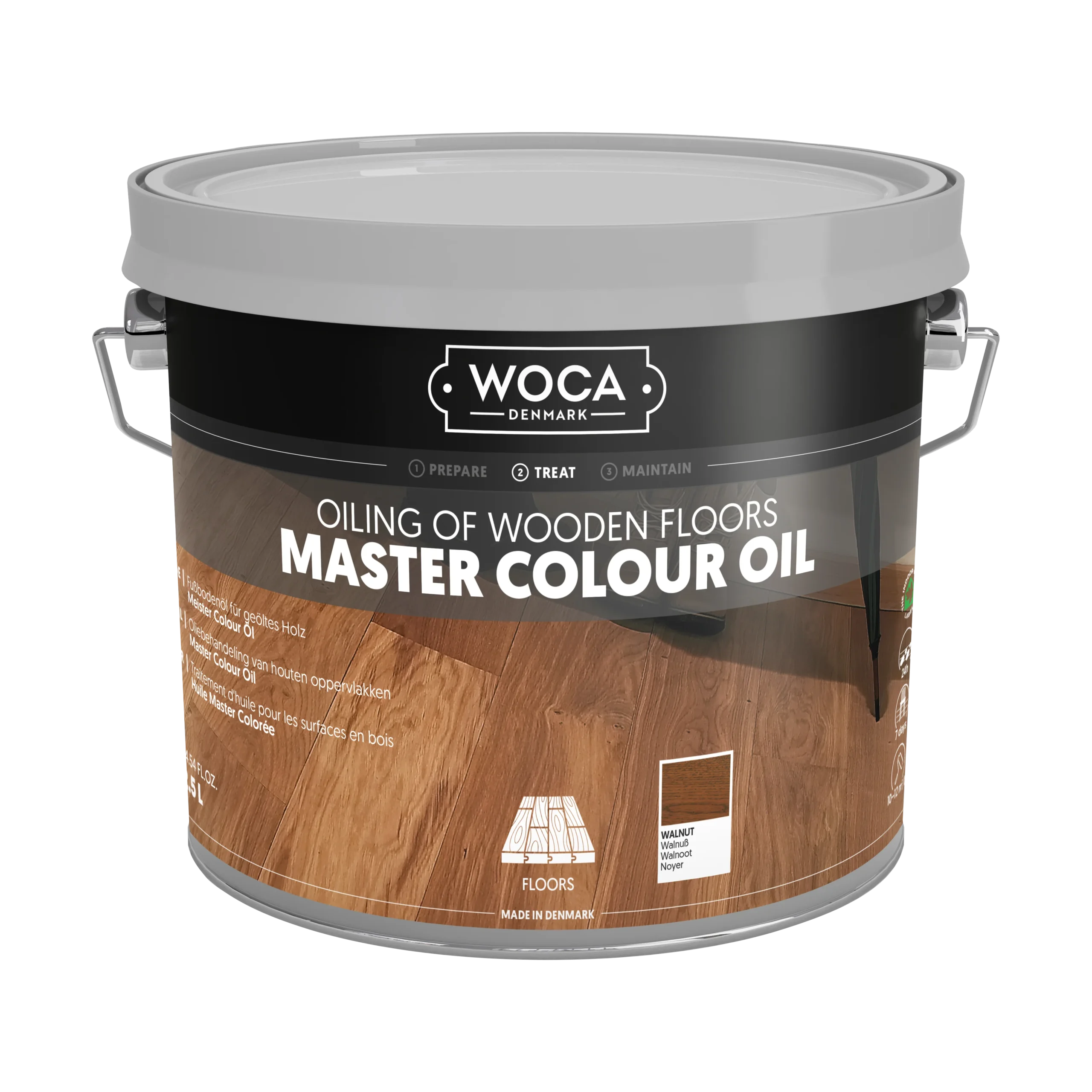
Valnød
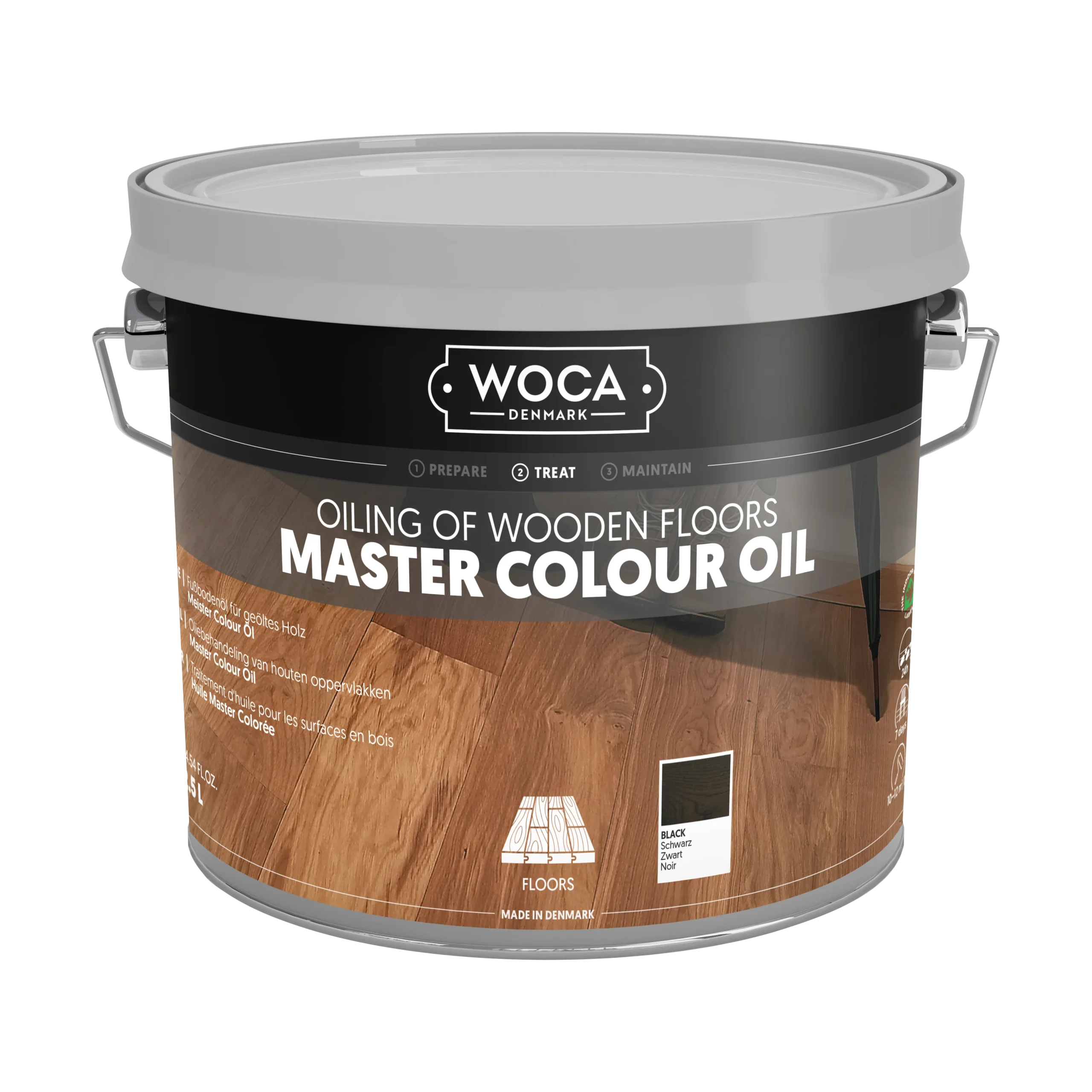
Sort

Emballagestørrelse

Certificeringer

Environmental Product Declaration (EPD)
Environmental Product Declaration (EPD) supports greater transparency and documented sustainability. EPDs present verified data on a product’s environmental impact throughout its entire life cycle, based on recognized standards and third-party verification.
DiBt
DIBt is a German institute that tests and issues technical approvals for building materials.The aim is to improve the working climate for floor installers whilst ensuring a safe indoor air quality for the final consumer.
Danish Indoor Climate Labelling
Danish Interior Climate Labelling is a voluntary labelling system for products and materials which can document the effect of degassing. Indoor climate labelled materials are a natural component in sustainable construction, where a good indoor air quality contributes to social sustainability.
Emission Class A+
The French labeling system is a mandatory classification of materials, such as floor treatment products, based on their VOC emissions to indoor air. A+ is the highest rating, indicating improved indoor air quality with very low emissions.
DIN EN 16516  emission test
Bio-Based ASTM 6866
Biobased Carbon Content ASTM D6866-22 is an international standard method utilized for product testing. The result is reported as % Biobased Carbon. This indicates the percentage carbon from ‘natural’ (plant or animal by-product) sources.
EN 71-3
European standard ensuring that materials do not release toxic substances in amounts harmful to children. Particularly relevant for materials such as toys, kitchen utensils, worktops and furniture.
Produktdetaljer

Master Colour Oil giver træet en smuk farve og en stærk beskyttelse i én behandling. Master Colour Oil fremhæver træets naturlige struktur, beskytter mod vand og snavs og kan efterfølgende overlakeres efter behov.
VOC:
140 g/l, VOC-grænseværdi (A/i (OB)): 500 g/l.
Massefylde:
0.90-0.95 g/ml.
Holdbarhed:
3 år
Påføringstemperatur:
+15-25°C og ca. 50 % luftfugtighed.
Rækkeevne:
10-12 m²/L
Colour product:
Natur
Emballagestørrelser:
750 ml – 2,5 L – 5 L
VOC:
140 g/l, VOC-grænseværdi (A/i (OB)): 500 g/l.
Massefylde:
0.90-0.95 g/ml.
Holdbarhed:
3 år
Påføringstemperatur:
+15-25°C og ca. 50 % luftfugtighed.
Rækkeevne:
10-12 m²/L
Colour product:
Natur
Emballagestørrelser:
750 ml – 2,5 L – 5 L
VOC:
140 g/l, VOC-grænseværdi (A/i (OB)): 500 g/l.
Massefylde:
0.90-0.95 g/ml.
Holdbarhed:
3 år
Påføringstemperatur:
+15-25°C og ca. 50 % luftfugtighed.
Rækkeevne:
10-12 m²/L
Colour product:
Natur
Emballagestørrelser:
750 ml – 2,5 L – 5 L
VOC:
135 g/l, VOC-grænseværdi (A/i (OB)): 500 g/l.
Massefylde:
0.90-0.95 g/ml.
Holdbarhed:
3 år
Påføringstemperatur:
+15-25°C og ca. 50 % luftfugtighed.
Rækkeevne:
10-12 m²/L
Colour product:
Hvid
Emballagestørrelser:
750 ml – 2,5 L – 5 L
VOC:
135 g/l, VOC-grænseværdi (A/i (OB)): 500 g/l.
Massefylde:
0.90-0.95 g/ml.
Holdbarhed:
3 år
Påføringstemperatur:
+15-25°C og ca. 50 % luftfugtighed.
Rækkeevne:
10-12 m²/L
Colour product:
Hvid
Emballagestørrelser:
750 ml – 2,5 L – 5 L
VOC:
135 g/l, VOC-grænseværdi (A/i (OB)): 500 g/l.
Massefylde:
0.90-0.95 g/ml.
Holdbarhed:
3 år
Påføringstemperatur:
+15-25°C og ca. 50 % luftfugtighed.
Rækkeevne:
10-12 m²/L
Colour product:
Hvid
Emballagestørrelser:
750 ml – 2,5 L – 5 L
VOC:
140 g/l, VOC-grænseværdi (A/i (OB)): 500 g/l.
Massefylde:
0.90-0.95 g/ml.
Holdbarhed:
3 år
Påføringstemperatur:
+15-25°C og ca. 50 % luftfugtighed.
Rækkeevne:
10-12 m²/L
Colour product:
Brazil Brun
Emballagestørrelser:
2,5 L
VOC:
135 g/l, VOC-grænseværdi (A/i (OB)): 500 g/l.
Massefylde:
0.90-0.95 g/ml.
Holdbarhed:
3 år
Påføringstemperatur:
+15-25°C og ca. 50 % luftfugtighed.
Rækkeevne:
10-12 m²/L
Colour product:
Granitgrå
Emballagestørrelser:
2,5 L
VOC:
120 g/l, VOC-grænseværdi (A/i (OB)): 500 g/l.
Massefylde:
0.90-0.95 g/ml.
Holdbarhed:
3 år
Påføringstemperatur:
+15-25°C og ca. 50 % luftfugtighed.
Rækkeevne:
10-12 m²/L
Colour product:
Ekstra Hvid
Emballagestørrelser:
2,5 L – 5 L
VOC:
120 g/l, VOC-grænseværdi (A/i (OB)): 500 g/l.
Massefylde:
0.90-0.95 g/ml.
Holdbarhed:
3 år
Påføringstemperatur:
+15-25°C og ca. 50 % luftfugtighed.
Rækkeevne:
10-12 m²/L
Colour product:
Ekstra Hvid
Emballagestørrelser:
2,5 L – 5 L
VOC:
130 g/l, VOC-grænseværdi (A/i (OB)): 500 g/l.
Massefylde:
0.90-0.95 g/ml.
Holdbarhed:
3 år
Påføringstemperatur:
+15-25°C og ca. 50 % luftfugtighed.
Rækkeevne:
10-12 m²/L
Colour product:
Valnød
Emballagestørrelser:
2,5 L
VOC:
135 g/l, VOC-grænseværdi (A/i (OB)): 500 g/l.
Massefylde:
0.90-0.95 g/ml.
Holdbarhed:
3 år
Påføringstemperatur:
+15-25°C og ca. 50 % luftfugtighed.
Rækkeevne:
10-12 m²/L
Colour product:
Sort
Emballagestørrelser:
2,5 L
Oiling of wooden floors

Produkt-, rum- og gulvtemperatur bør være 15-30°C. Fugtigheden i træet må maksimal være på 12%. Sørg for god udluftning ved påføring og i tørretiden. Træet skal være nyslebet, afslutningsvis med korn 100-120. Støvsug grundigt. Vask træet med WOCA Intensive Wood Cleaner og lad det tørre mindst 8 timer, før olien påføres.

Husk altid at foretage prøveopstrøg på et mindre synligt sted for kontrol af overfladens og produktets forenelighed.

  • Ryst dunken med Master Colour Oil omhyggeligt, både før og under brug. Dunke med forskellige batchnumre bør blandes for at undgå farveforskelle.
  • Påfør olien med pad eller korthåret malerrulle (4-6 mm) i et jævnt lag. Arbejd i små områder på maks. 10 m² ad gangen.
  • Lad olien trække 10-15 minutter. Påfør mere olie, hvis der opstår tørre pletter.
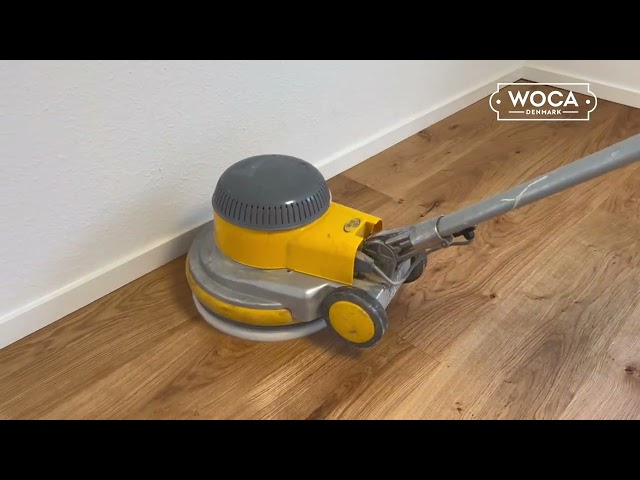
  • Poler olien ned i træet, indtil overfladen virker mættet. Brug polermaskine med beige pad ved større arealer og polerklud manuelt ved mindre arealer.
  • Fjern overskydende olie med tørre, fnugfrie bomuldsklude eller pad, indtil overfladen ikke virker våd. Fortsæt indtil hele arealet er blevet poleret og al overskydende olie er blevet grundigt fjernet.
  • For at sikre et godt resultat kan overfladen efterpoleres med 1 dl Master Colour Oil pr. 10-12 m²/L inden for 12-24 timer ved 20°C efter første påføring. Olien skal poleres grundigt, som beskrevet i punkt 4+5.
  • Overfladen kan tages forsigtigt i brug efter og er fuldhærdet efter ved 20°C og 55% luftfugtighed, hvor efter fx tæpper kan lægges på gulvet.
  • Udsæt ikke overfladen for vand eller rengøring de første 7 dage, hvor olien hærder. Efter 7 dage kan gulvet med fordel rengøres med WOCA Natural Soap, som tilfører overfladen ekstra beskyttelse.